
bonheur en quatre lettres: LYON
Joined May 2010
- Tweets 76,448
- Following 489
- Followers 338
- Likes 170,622
9,262 Photos and videos









bumpback69 retweeted

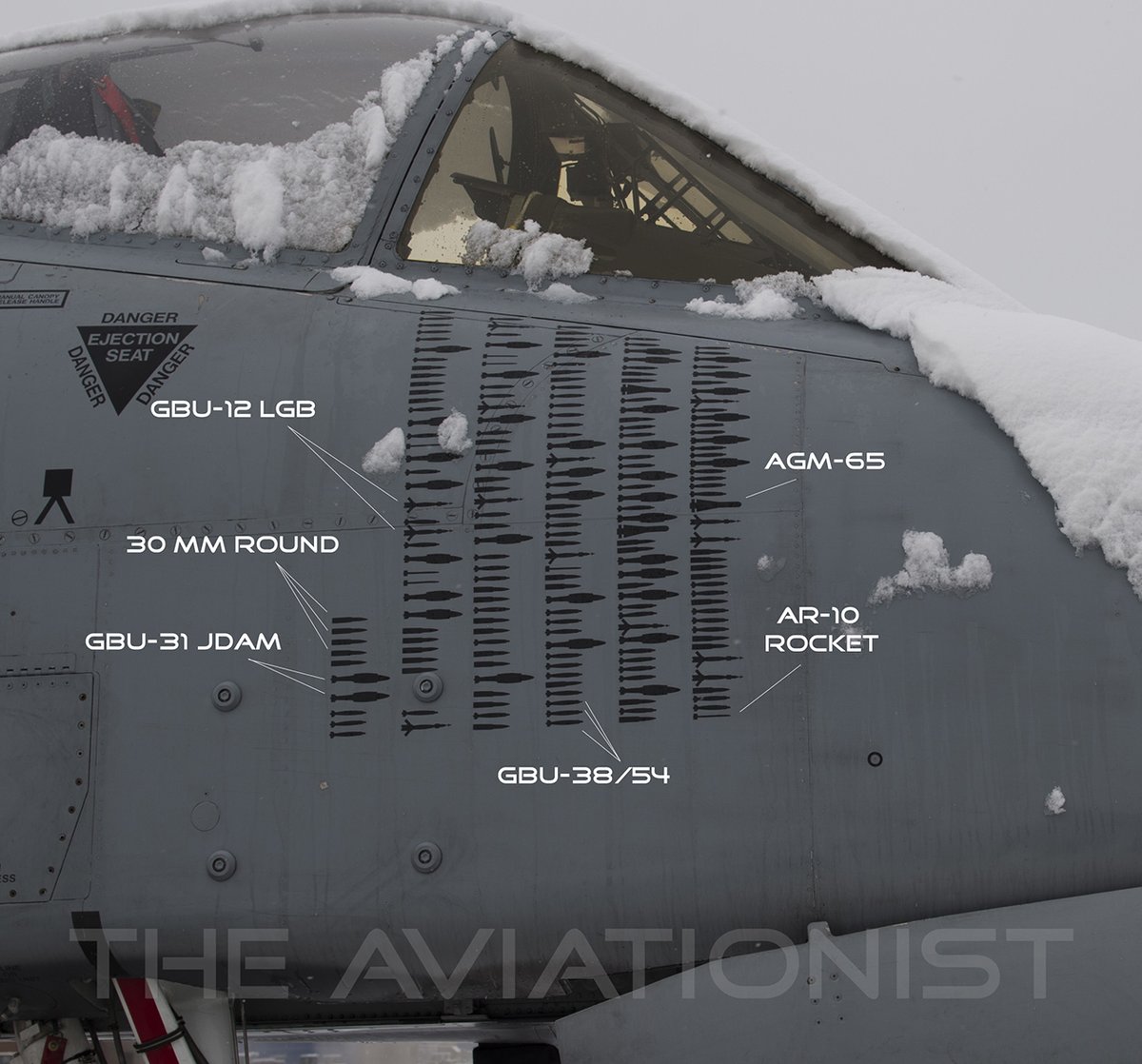
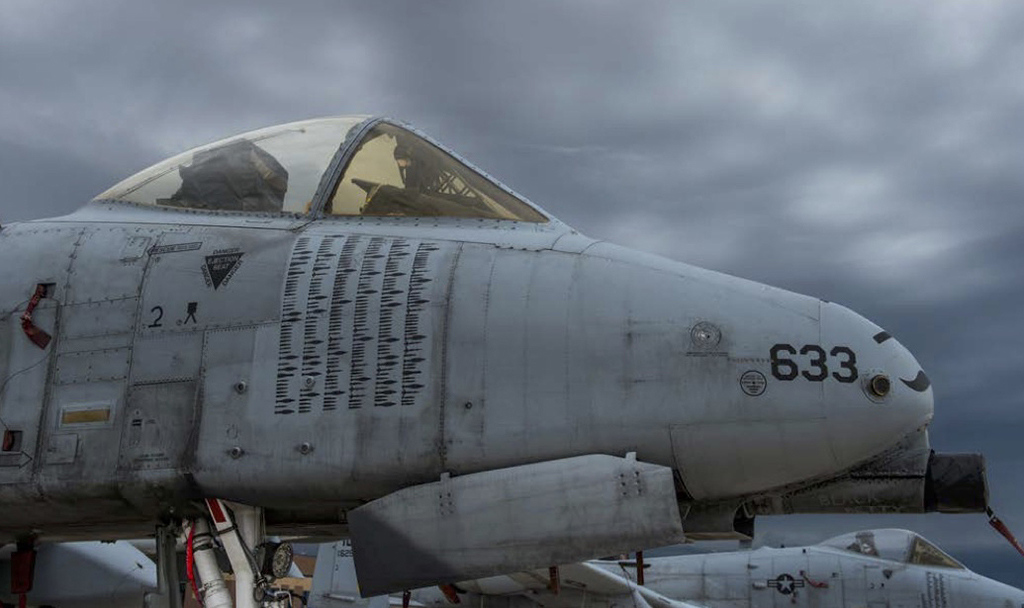
In case you were wondering.

21
72
771
33,117
bumpback69 retweeted

Ma vidéo sur @PalantirTech et @anduriltech est en ligne depuis hier.
Quasiment aucune vue et les très peu de commentaires que cette vidéo a ne sont que des critiques sur les problème d'audio que j'ai eu au montage.
C'est évident que ça ne sert à rien d'insister, les gens se sont abonnés à cette chaine pour voir des critiques d'armes à feu, pas des documentaires sur la tactique. Ce que je ne peux plus faire, étant privé de licence de tir à vie en France.
ce sera donc la toute dernière que je ferais, le stagiaire, possédant une licence de tir, prend officiellement la suite âpres ça.
De mon coté de vais rester sur l'aide à l'écriture de ses vidéos et des vidéos tactique sur Patréon (deux sont en cours d'écriture d'ailleurs)
Sur Patréon vous aurez également les avant premières des vidéos du stagiaire évidemment.
youtu.be/8qREzUsGQu8
14
9
66
3,714
bumpback69 retweeted

21h
Stargate needs to come back! Martin Gero's project should have happened. We are still waiting, @AmazonMGMStudios. @RobertCarlyle_ @louisferreira @BrianJSmith @DavidBlue @AlainaHuffman @JamilWS @MingNa @LouDPhillips @elyse_levesque @PeterKelamis #SaveStargate

5
57
225
1,222
bumpback69 retweeted

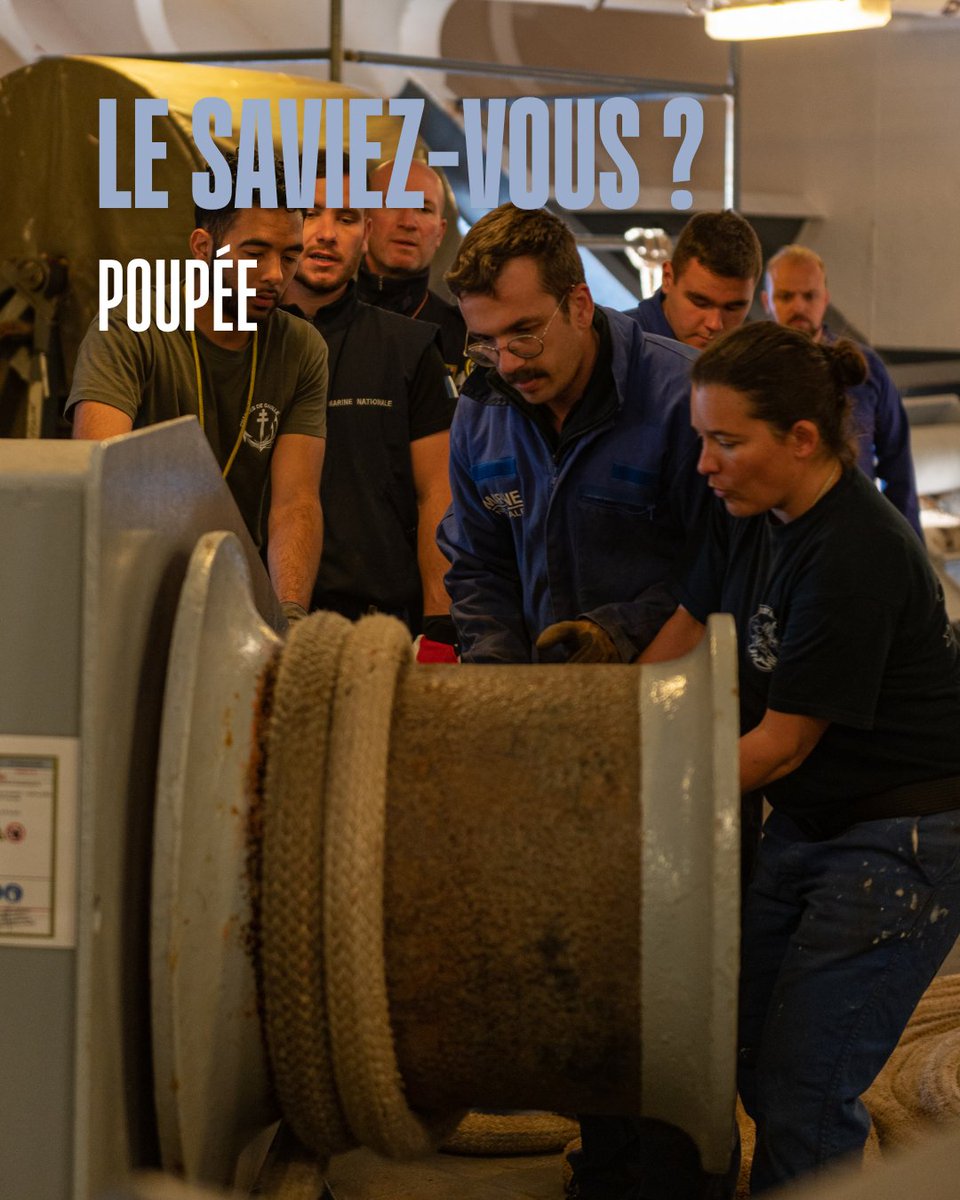
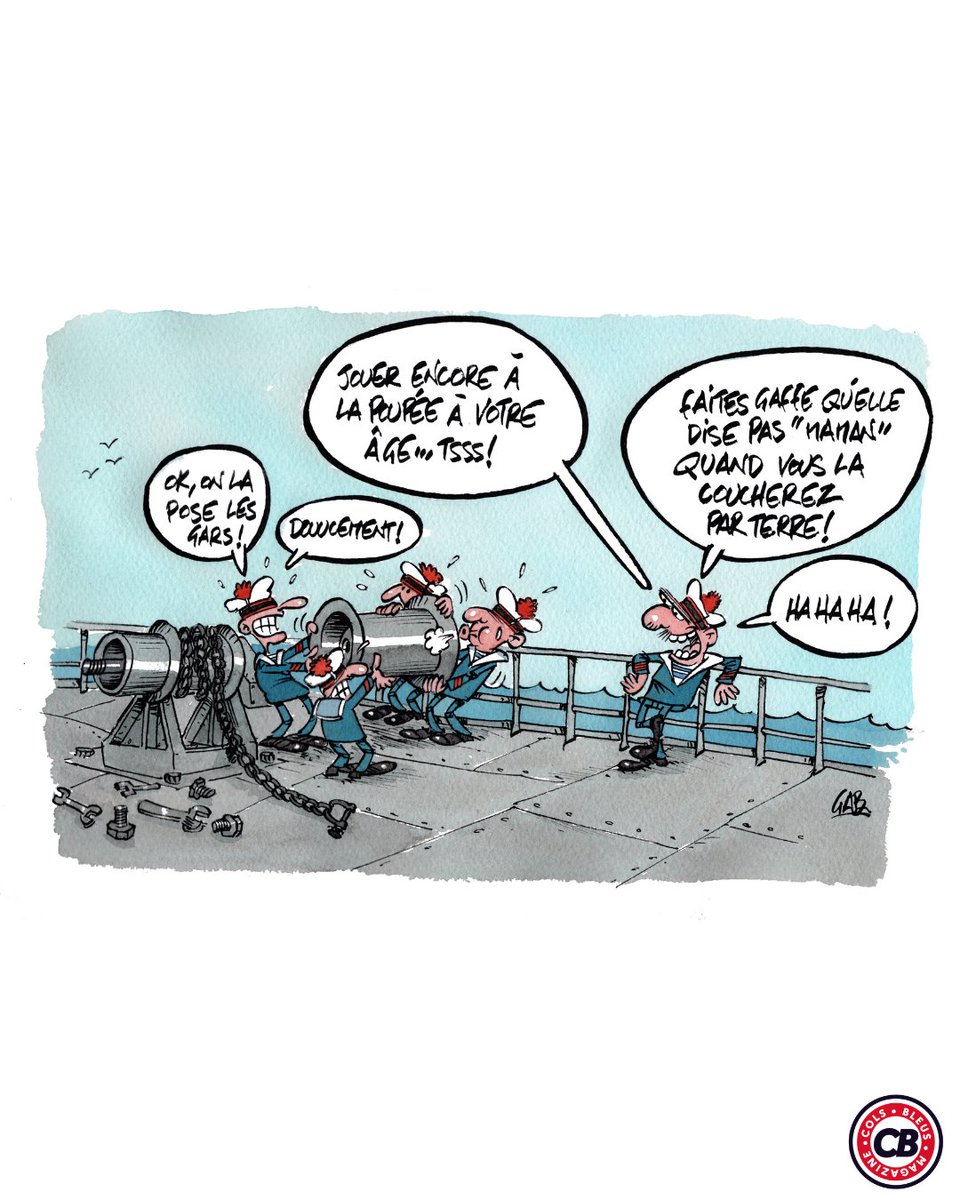
#LeSaviezVous ? Les bâtiments de la Marine embarquent des poupées !
Inutile de vouloir jouer avec elles ! Pièce en bois ou en métal, elle sert à virer une aussière ou un câble par le biais du frottement d’un ou plusieurs tours morts.
👉tinyurl.com/2sk7pfwk
5
23
1,364
bumpback69 retweeted

Jun 13
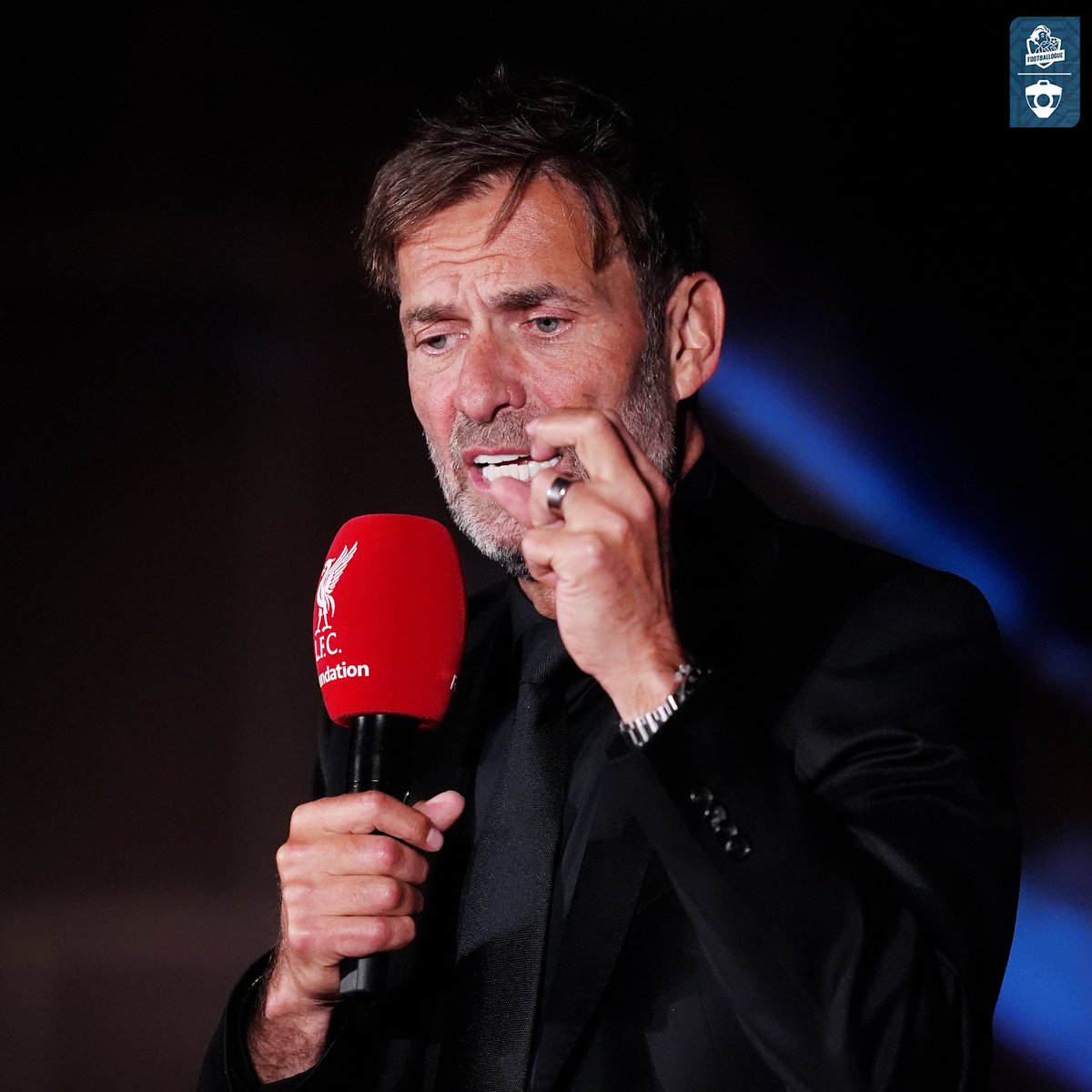
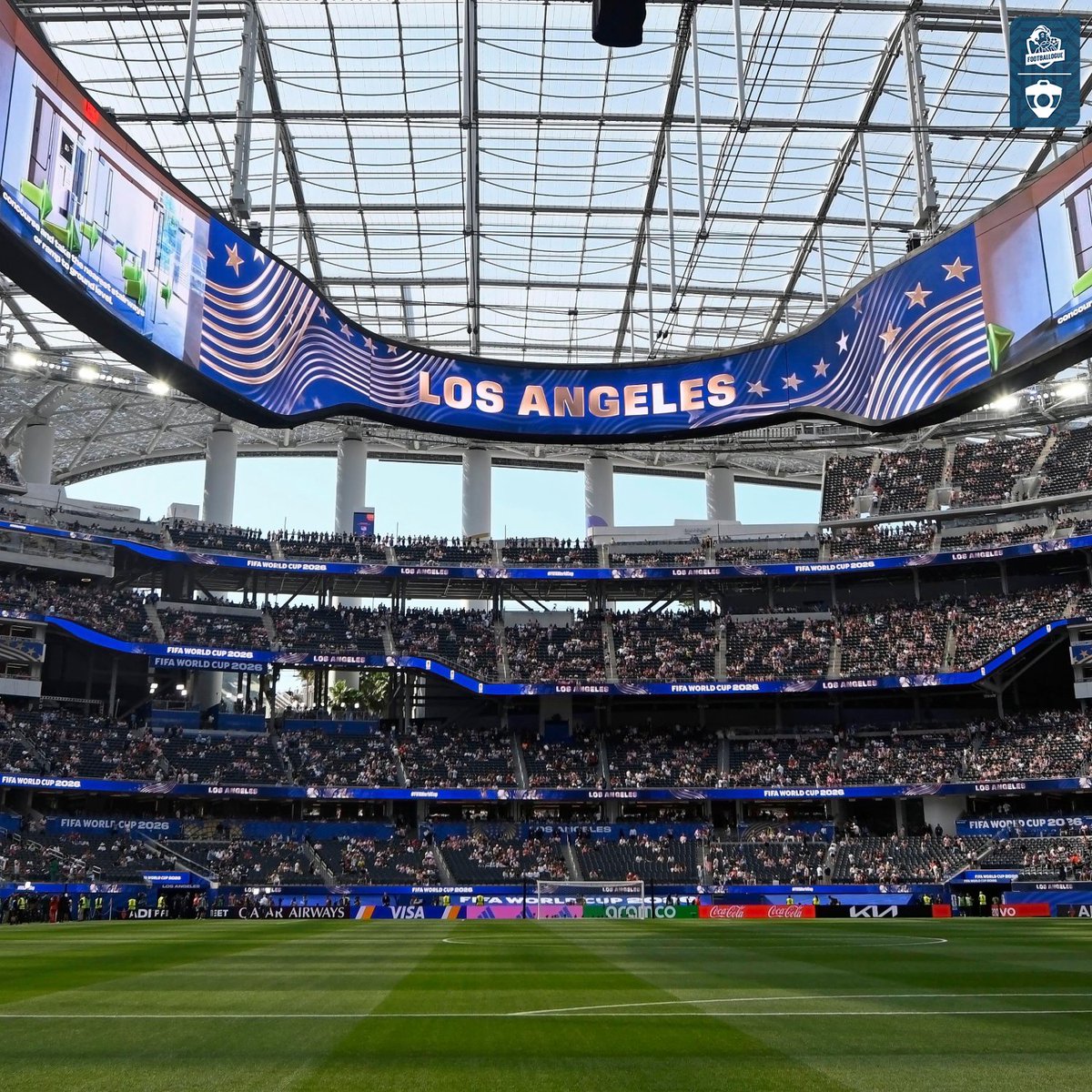
Le 𝗚𝗥𝗢𝗦 𝗖𝗢𝗨𝗣 𝗗𝗘 𝗚𝗨𝗘𝗨𝗟𝗘 de Jürgen Klopp sur les pauses fraîcheurs pendant cette Coupe du Monde ! 😤🇩🇪
"𝗟𝗘 𝗙𝗢𝗢𝗧𝗕𝗔𝗟𝗟 𝗘𝗦𝗧 𝗣𝗥𝗜𝗦 𝗘𝗡 𝗢𝗧𝗔𝗚𝗘 𝗣𝗔𝗥 𝗗𝗘𝗦 𝗗𝗜𝗥𝗜𝗚𝗘𝗔𝗡𝗧𝗦 𝗜𝗡𝗦𝗧𝗔𝗟𝗟𝗘́𝗦 𝗗𝗔𝗡𝗦 𝗗𝗘𝗦 𝗕𝗨𝗥𝗘𝗔𝗨𝗫 𝗖𝗟𝗜𝗠𝗔𝗧𝗜𝗦𝗘́𝗦.
Elles sont présentées comme un bouclier pour le bien-être des joueurs, une noble épée contre la chaleur. 𝗖𝗲 𝗻'𝗲𝘀𝘁 𝗲𝗻 𝗿𝗲́𝗮𝗹𝗶𝘁𝗲́ 𝗾𝘂'𝘂𝗻𝗲 𝗰𝗮𝗴𝗲 𝗱𝗼𝗿𝗲́𝗲 𝗰𝗼𝗻𝘀𝘁𝗿𝘂𝗶𝘁𝗲 𝗽𝗼𝘂𝗿 𝗹𝗲𝘀 𝘀𝗽𝗼𝗻𝘀𝗼𝗿𝘀.
Quand j'ai vu les joueurs rester plantés là pendant une pause fraicheur alors que les temps morts télévisés dictaient le rythme du match, je n'ai pas pu m'empêcher de me demander : à qui la Coupe du monde sert-elle vraiment ?
Aux supporters ? Aux joueurs ? 𝗢𝘂 𝗮𝘂𝘅 𝗮𝗻𝗻𝗼𝗻𝗰𝗲𝘂𝗿𝘀 ?
Un match de Coupe du monde devrait couler comme une rivière. 𝗔𝘂 𝗹𝗶𝗲𝘂 𝗱𝗲 𝗰𝗲𝗹𝗮, 𝗻𝗼𝘂𝘀 𝗰𝗼𝗻𝘀𝘁𝗿𝘂𝗶𝘀𝗼𝗻𝘀 𝗱𝗲𝘀 𝗯𝗮𝗿𝗿𝗮𝗴𝗲𝘀 𝗲𝗻 𝗽𝗹𝗲𝗶𝗻 𝗺𝗶𝗹𝗶𝗲𝘂 𝗽𝗼𝘂𝗿 𝗾𝘂𝗲 𝗹𝗲𝘀 𝗽𝘂𝗯𝗹𝗶𝗰𝗶𝘁𝗲́𝘀 𝗽𝘂𝗶𝘀𝘀𝗲𝗻𝘁 𝗽𝗮𝘀𝘀𝗲𝗿.
C'est dangereux pour l'esprit du jeu. Le football était autrefois l'événement principal, mais il risque désormais de devenir 𝗹𝗮 𝗺𝘂𝘀𝗶𝗾𝘂𝗲 𝗱𝗲 𝗳𝗼𝗻𝗱 𝗱'𝘂𝗻 𝘀𝗽𝗲𝗰𝘁𝗮𝗰𝗹𝗲 𝗽𝘂𝗯𝗹𝗶𝗰𝗶𝘁𝗮𝗶𝗿𝗲."
(ZDF)
125
3,183
17,674
526,420
bumpback69 retweeted

"Les honneurs sont rendus, aux morts, à l'étendard,
À ceux qui ont porté la France à la victoire.
Pour la terre de nos pères, les armes à la main,
Être prêts dès ce soir aux combats de demain... 🎶"
La suite par ici ⤵️
defense.gouv.fr/terre/carnet…
10
55
219
3,812
bumpback69 retweeted

Jun 13
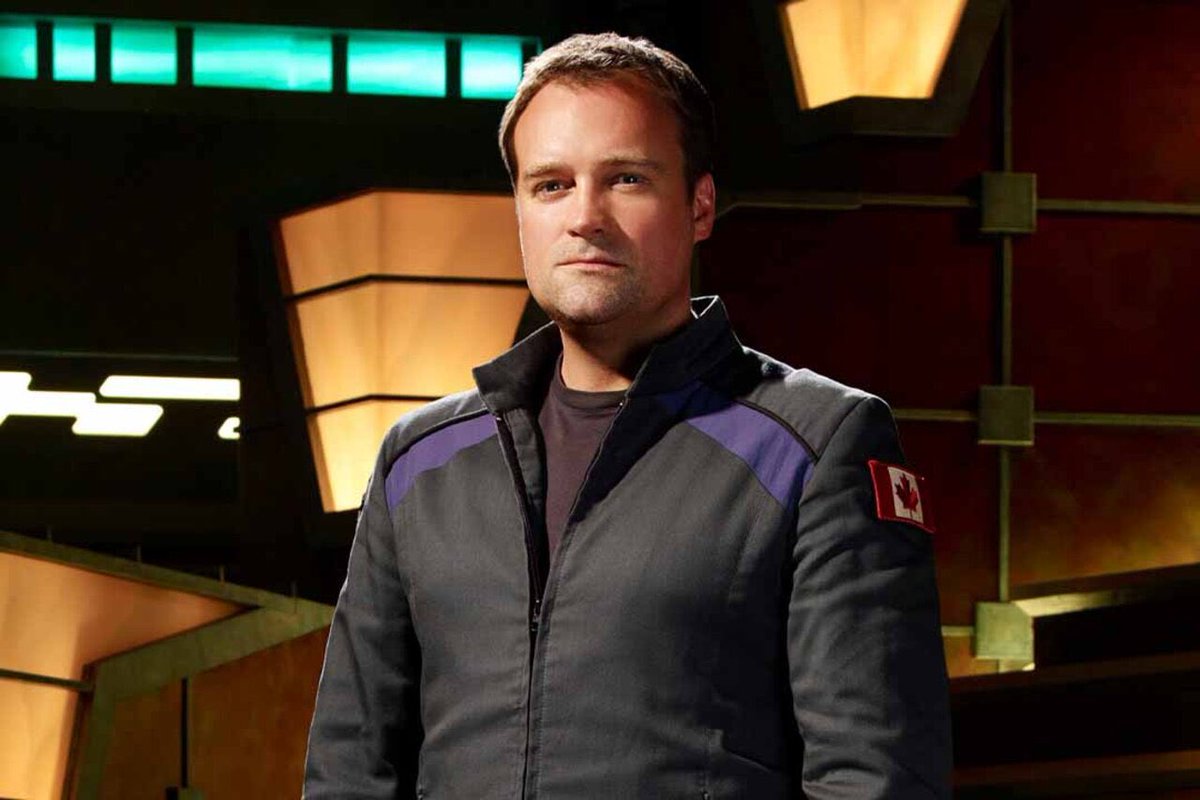
The hero we always needed! Let us welcome @dhewlett to the growing list of Stargate actors lending their name to the fight to #SaveStargate
Thank you sir! The fandom stands with you!
Hear us @AmazonMGMStudio and @PrimeVideo
49
292
2,082
14,992
bumpback69 retweeted

Il est choqué par un « Je vous salue Marie » mais pour dire « Inshallah » là y’a pas de problèmes pour le maire communiste d’Ivry 😅
212
1,505
4,365
35,325
bumpback69 retweeted

ALERTE MANIPULATION
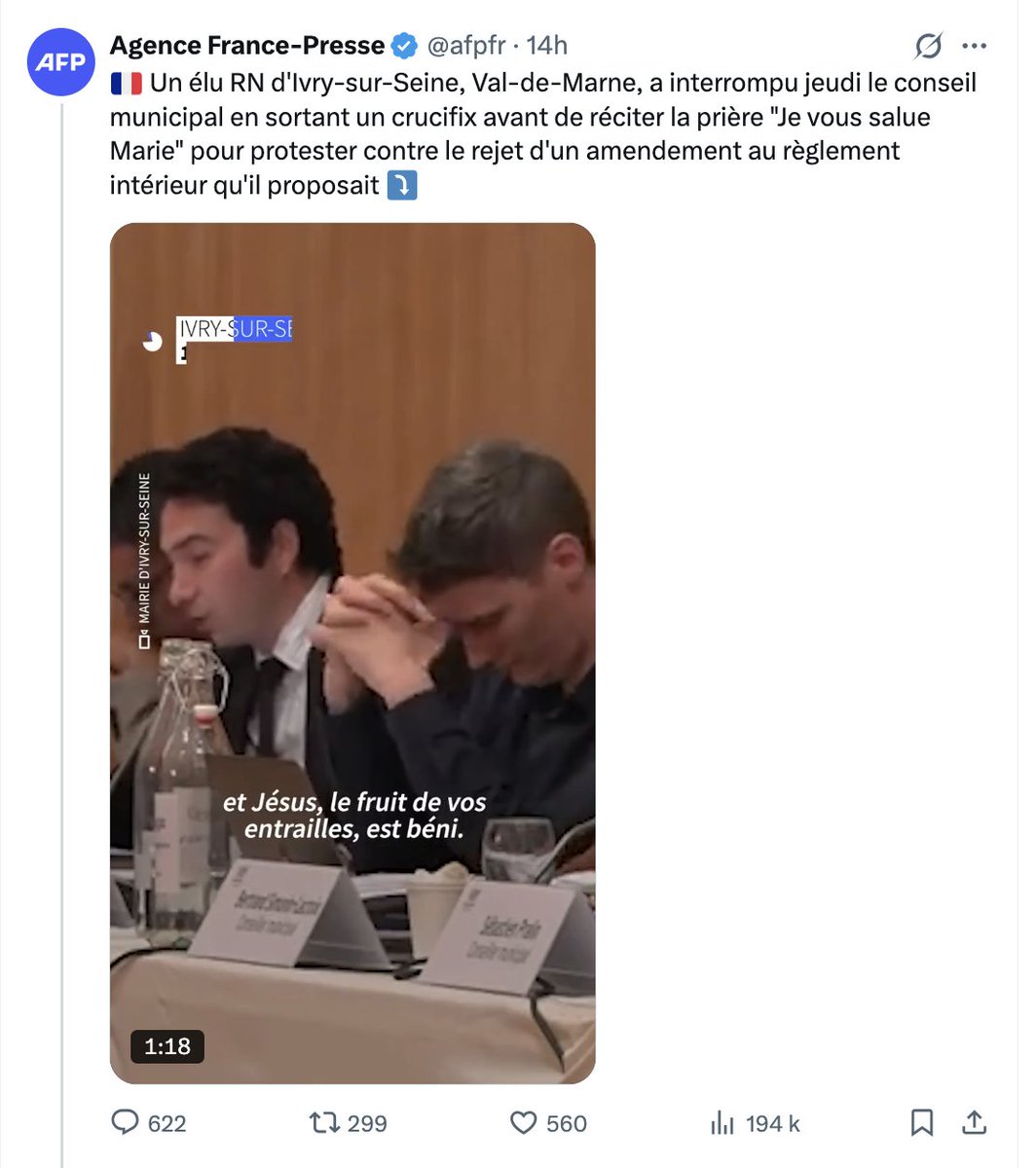
Voilà ce que l'AFP, l'agence de presse financée par vos impôts, a écrit hier sur l'affaire d'Ivry : "Un élu RN a interrompu le conseil municipal en sortant un crucifix avant de réciter la prière Je vous salue Marie."
C'est une manipulation complète par omission.
Voilà ce que l'AFP n'a pas jugé utile de mentionner.
Plusieurs femmes portant le voile intégral assistaient à la séance du conseil municipal. La vice-présidente elle-même siège voilée.
Kevin Nader a proposé un amendement d'une limpidité républicaine : interdire le port de signes religieux ostensibles dans l'exercice de fonctions de représentation de la collectivité. Texte conforme à la loi de 1905. Texte conforme à la laïcité telle qu'elle est inscrite dans la Constitution.
L'amendement a été rejeté.
C'est alors, et seulement alors, que Kevin Nader a sorti son crucifix et récité sa prière.
Pour démontrer par l'absurde ce que le rejet de l'amendement venait de confirmer : dans la mairie communiste d'Ivry, les signes religieux islamiques sont tolérés et les signes religieux catholiques sont un crime politique.
Le maire Philippe Bouyssou a perdu son calme, tapé du poing sur la table, crié au scandale, suspendu la séance et saisi le préfet.
Ce n'est pas un incident d'un catholique intégriste qui perturbe une séance. C'est un élu républicain qui force un maire à révéler publiquement son double standard.
Et le maire s'est chargé lui-même de la démonstration en réagissant exactement comme Nader l'avait anticipé.
Ce que la réaction de Bouyssou révèle est simple : la laïcité à Ivry s'applique contre les catholiques. Elle ne s'applique pas contre les musulmans. Ce n'est pas de la laïcité. C'est du clientélisme islamiste assumé, pratiqué depuis des générations dans ce bastion communiste.
L'AFP, financée à hauteur de 130 millions d'euros par an par le contribuable français, a choisi de raconter l'histoire du point de vue du maire communiste. Elle a présenté l'effet sans la cause. Elle a montré la prière sans montrer les voiles. Elle a décrit le scandale sans expliquer ce qui l'avait provoqué.
Ce n'est pas du journalisme. C'est de la mise en scène au service d'un récit politique.
Et c'est vous qui payez pour ça.
259
2,583
6,377
77,394
bumpback69 retweeted

Jun 12
On the morning of June 6, 1944, Lt. Dick Winters had already survived one disaster before the sun came up.
His C-47 roared over Normandy through a wall of flak, flying too fast and too low. He jumped anyway. The prop blast ripped his leg bag clean off, taking his rifle, his ammo, and most of his gear. He hit the ground in occupied France armed with a knife in his boot.
Most men in that situation hide. Winters started walking toward the sound of the war.
By dawn he had scavenged a rifle, collected a handful of scattered paratroopers, and learned that his company commander's plane had gone down with everyone aboard. Just like that, a quiet lieutenant from Pennsylvania who didn't drink, didn't curse, and wrote letters home about wanting to find a peaceful farm someday was in command of Easy Company.
A few hours later a battalion officer gave him one of the great understated orders in military history. German fire was coming from a farm called Brecourt Manor, hammering the troops coming off Utah Beach. The order was basically: there's fire along that hedgerow, take care of it.
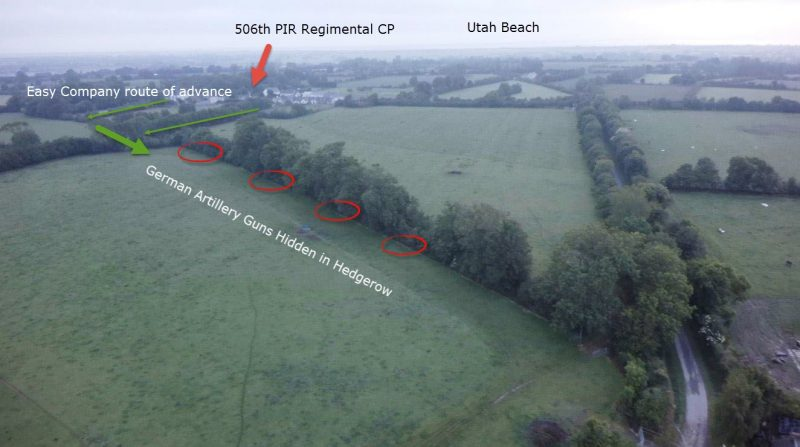
What was actually there: four 105mm howitzers dug into a hedgerow network, connected by zigzag trenches, covered by machine guns, and defended by roughly 60 German troops. The guns were dropping shells directly on causeway exit 2, where thousands of Americans were trying to get off the beach. Every minute those guns fired, men died in the sand.
Winters had 12.
He did not charge. He crawled forward alone to study the position, then briefed his men like he had all the time in the world. Machine guns here to pin the defenders. Compton, Guarnere, and Malarkey crawling along the flank. Hit the first gun with grenades and speed from a direction the Germans never expected.
It worked almost exactly as drawn. The first gun fell in minutes. Then his men used the German trenches as a highway, rolling up the battery one gun at a time, beating back counterattacks, and dropping blocks of TNT down the barrels to destroy them for good.
In the middle of the firefight, Don Malarkey spotted what he thought was a Luger on a dead German and sprinted into open ground to grab it. The German machine gunners held their fire, apparently deciding that anyone that reckless had to be a medic. He made it back alive. It wasn't even a Luger.
At the second gun, Winters found something better than a pistol: a German map showing every artillery and machine gun position covering Utah Beach. He sent it up the chain immediately. On the most important morning of the war, a 26-year-old lieutenant had just handed the Allies the enemy's entire defensive layout for the sector.
When reinforcements under Lt. Ronald Speirs arrived, they stormed the fourth and final gun. About three hours after it started, the battery was silent and the exits off Utah Beach were open for thousands of men who will never know his name.
The cost: one American killed, a few wounded. The Germans lost around 15 dead and a dozen captured. Winters received the Distinguished Service Cross and later said the best decoration he ever got was a sergeant telling him years later that his men trusted him with their lives.
The assault on Brecourt Manor is still studied at West Point as a textbook example of a small unit destroying a fixed position.
Around 60 defenders. Four guns. Twelve paratroopers and a lieutenant who started D-Day with nothing but a knife.
If it sounds familiar, it should. This is the same Easy Company from Band of Brothers. The difference is that none of it was fiction.
And when Winters was asked decades later if he was a hero, he gave the answer that still gets quoted at his statue in Normandy: "No. But I served in a company of heroes."
46
598
4,271
132,753
bumpback69 retweeted

🏴🥁
Quand un chef écossais conduit son clan en centre-ville (ici, le clan Innes), pour perpétuer la tradition de manière festive, c'est vraiment impressionnant !
Waouh ! 😲
Préservons nos cultures locales et nationales ! 👍
290
3,274
17,063
306,547
bumpback69 retweeted

Escaping Full Mount Self Defense Martial Arts Technique
18
90
958
84,140
bumpback69 retweeted

Jun 12
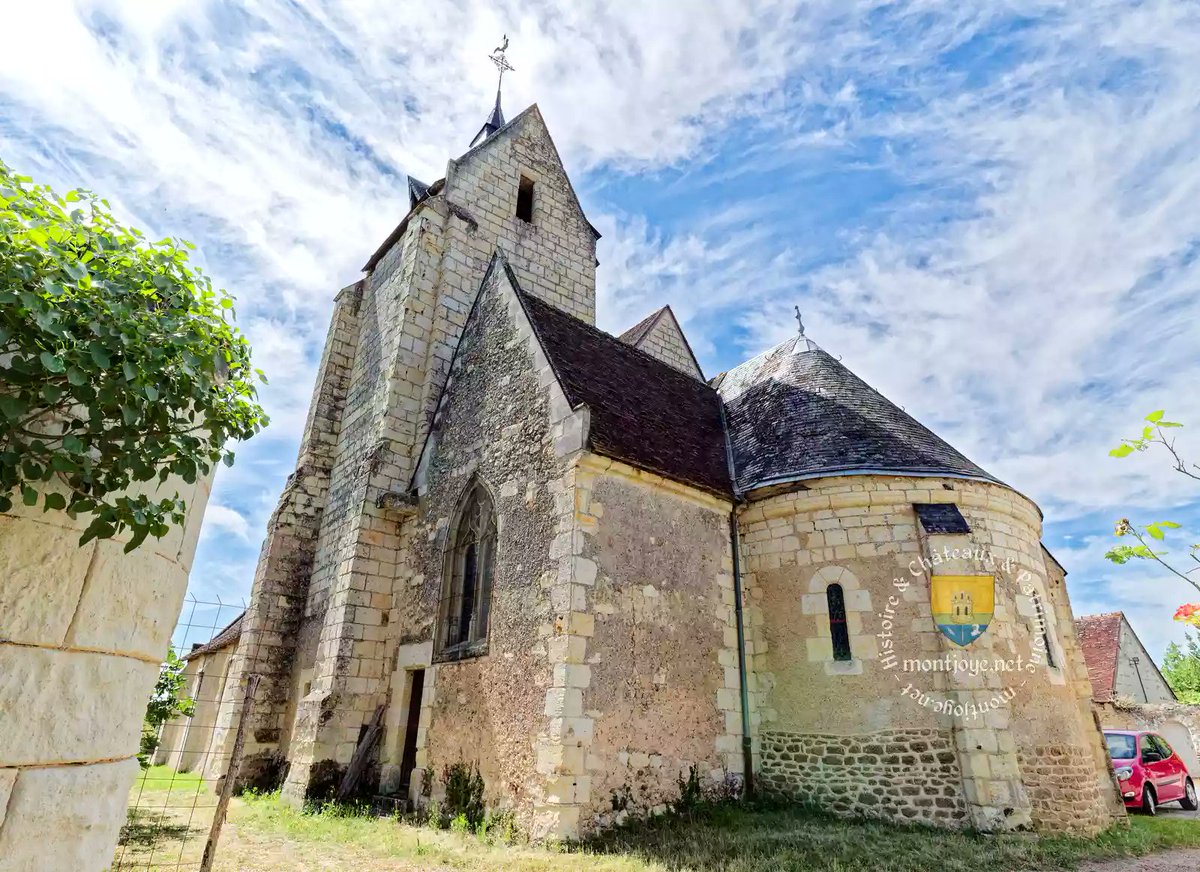
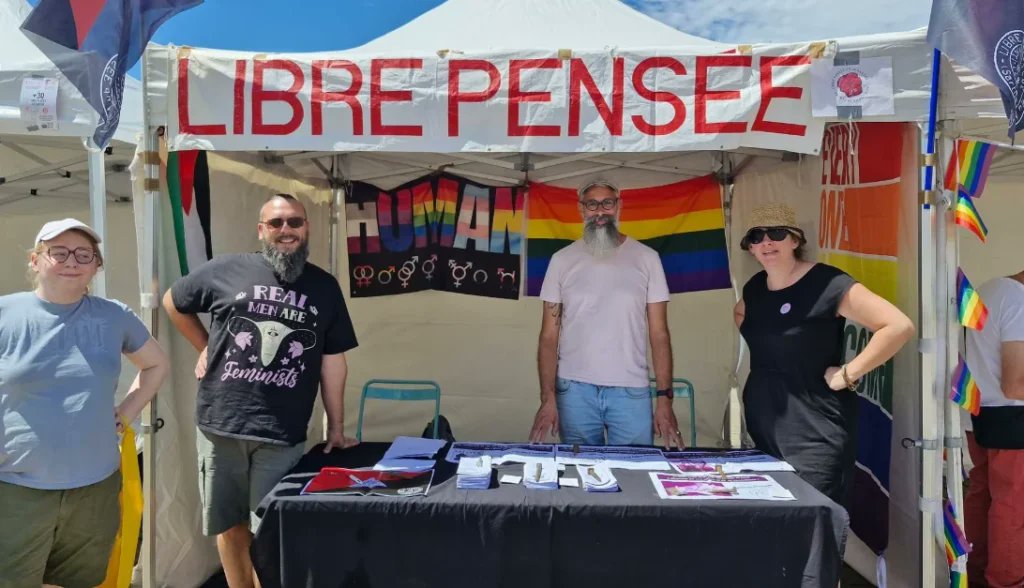
🚨⛪ 𝗔𝗟𝗘𝗥𝗧𝗘 𝗜𝗡𝗙𝗢 — L’antenne départementale de la Libre Pensée de la Sarthe MENACE de poursuivre en justice pour « atteinte à la laïcité » le maire de Loir-en-Vallée, reprochant à l’élu d’avoir invité ses administrés à participer à la messe de réouverture de l’église Saint-Julien-et-Saint-Pierre, à l’issue de plusieurs années de restauration. (Libre Pensée 72)
163
290
519
18,399
bumpback69 retweeted

Jun 12
L’islamisme est un cancer dont les militants d’extrême-gauche sont les métastases 🤷♂️
73
65
451
6,535
bumpback69 retweeted

Jun 12
Vous faites exprès de pas mettre le contexte car il vous arrange pas.
Le voici. Que tout le monde le voie
59
326
2,230
19,966

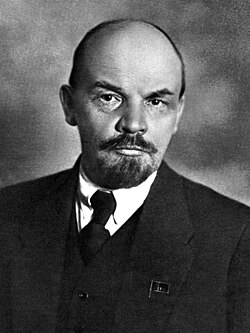
Lénine disait "Faites-leur manger le mot et ils avaleront la chose."
Euthanasie : "suicide assisté"
Location d'utérus : "GPA éthique"
Avortement : "interruption volontaire de grossesse"
Eugénisme : "diagnostic préimplantatoire"
Changement de sexe chez les mineurs : "parcours d’affirmation de genre"
Clandestins : "sans-papiers"
... : "jeunes"
Émeutes, pillages et tirs de mortiers : "débordements"
Censure : "modération et lutte contre la haine"
Hausse d'impôts : "effort exceptionnel"
Continuez la liste 👇
350
2,310
4,579
73,428
bumpback69 retweeted

Jun 11
Brian May wrote “Who Wants to Live Forever” after seeing the scene where Connor MacLeod watches his wife grow old while he remains unchanged in HIGHLANDER (1986). That heartbreak became one of Queen’s greatest songs.
Jun 10

Best song that only appears in the movie?
160
1,047
9,148
741,022
bumpback69 retweeted

Jun 12
Je rappelle que les juges français menacent d'entrer en grève si les Français se plaignent de leurs décisions de merde
Jun 12

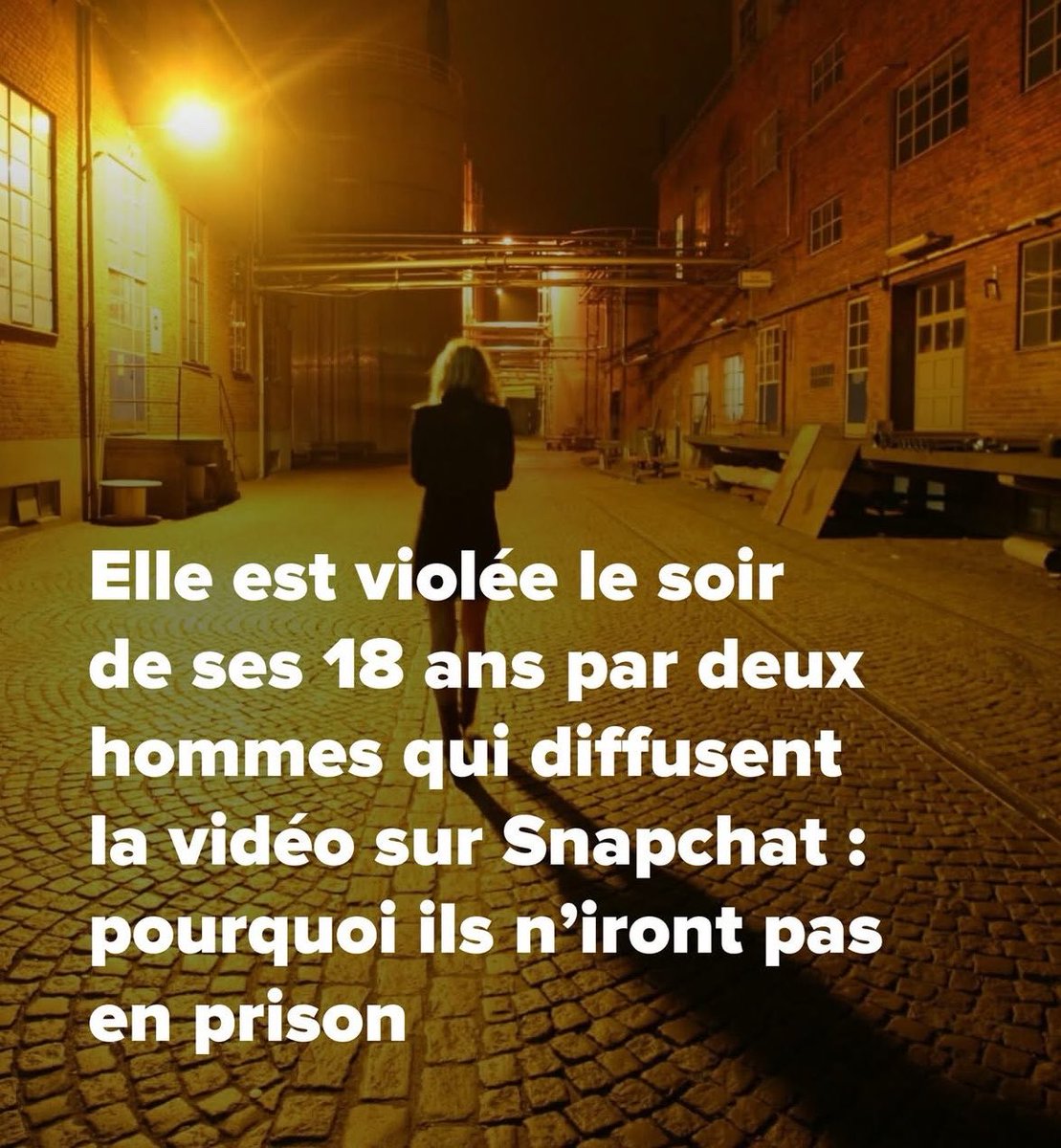
🚨 ELLE EST VIO*LÉE LE SOIR DE SES 18 ANS PAR DEUX HOMMES QUI DIFFUSENT LA VIDÉO SUR SNAPCHAT : POURQUOI ILS N’IRONT PAS EN PRISON
Une jeune femme ivre a été vio*lée dans une voiture par deux hommes qui ont filmé et diffusé l’agression sur Snapchat. Retrouvés grâce à la géolocalisation de l’iPhone de la victime, les auteurs ont évité la prison ferme et écopé de peines de travail.
Face aux trois ans de prison requis pour vi*ol et un an pour voyeurisme, les avocats ont tenté d'alléger la responsabilité des deux prévenus. Le tribunal a évoqué "des échanges de flirt" et assuré que son client "n’avait conscience d’aucun comportement répréhensible. L’agresseur a affirmé avoir "immédiatement supprimé les images lorsque ses parents l'ont interpellé".
Pour autant, malgré la gravité des faits, les coupables évitent la prison. Le tribunal a misé sur la réinsertion en raison de leur jeune âge. C.V. écope de 285 heures de travail d'intérêt général et d'une amende de 1 200 euros. L’un des accusés s'en sort avec 100 heures de travail pour la diffusion des images. En cas de non-respect de cette sanction, ils risquent respectivement trois ans et un an de prison.
130
4,688
23,070
468,905
bumpback69 retweeted

Jun 12
Vrac d'infos spectrum !
On parle surtout des erreurs 60-64k qui continuent :/
youtu.be/l7PZz41ZCS4
1
1
533