
Joined January 2013
- Tweets 1,493
- Following 2,634
- Followers 1,222
- Likes 4,665
35 Photos and videos






Chris Read retweeted

28 Sep 2025
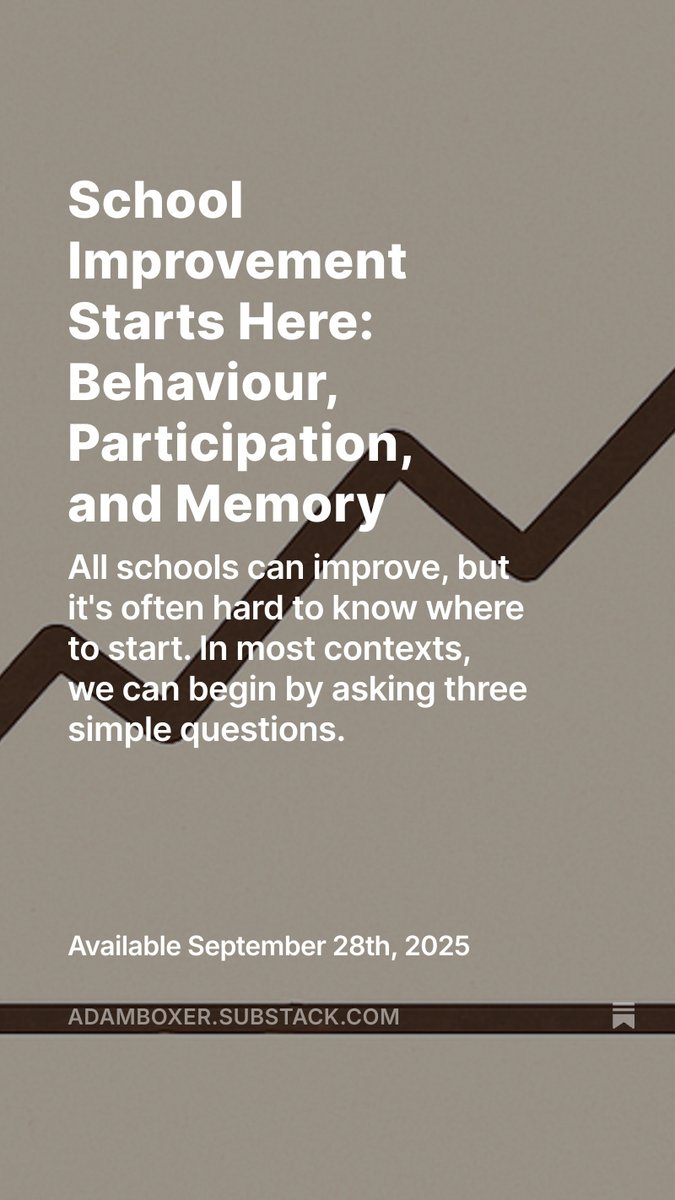
I am blogging again!!!
Like many others, I've moved over to Substack for a bit of a refresh. First entry is on school improvement - where to start, and what things matter.
Link is in the first reply, I'm weirdly a bit nervous about it it's been so long 😭😭
5
36
128
40,180
Chris Read retweeted

15 Oct 2024
Today I’m launching my Private Members’ Bill - the Safer Phones Bill - to protect children from the harms that can be caused by excessive screen time, and the use of social media and other apps, many of them addictive by design.
👉 saferphonesbill.co.uk
35
111
336
106,889
Chris Read retweeted

15 Sep 2024
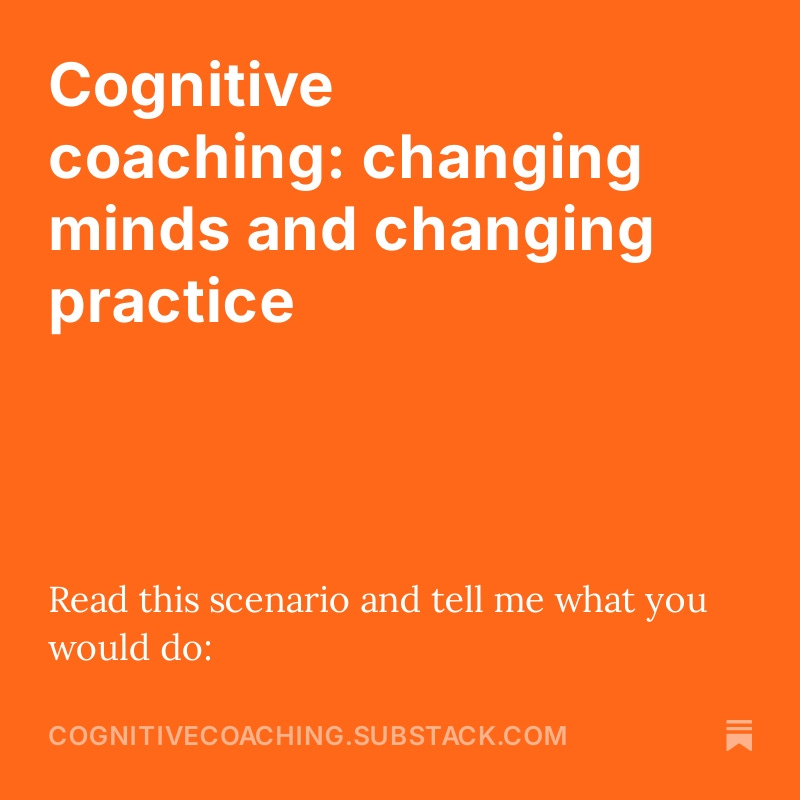
🚨 Calling teachers, coaches, leaders interested in *professional development*
I've started a substack about how to improve PD, particularly coaching.
It's -
-> Evidence led
-> Concise
-> Fresh (not the ideas you're used to)
First post here👇
open.substack.com/pub/cognit…
8
25
62
25,726
Chris Read retweeted
1 Sep 2024
Long post about coaching:
Coaching is very popular. It's clear why, there is lots of good evidence to support it and lots of very smart people swear by it.
I've also been a bit worried about if for a while. I've written about this before, but will try be a bit more systematic:
There are lots of different versions of "coaching" or "instructional coaching", all of which have different definitions and approaches (Josh Goodrich's book does a v good job of defining them). To me, what they all seem to share as opposed to other forms of teacher improvement is
- They are one to one
- They are programmatic (i.e. they rely on daily or weekly or fortnightly observations and meetings)
- They are systematic (i.e. they have a particular "end point" in mind, rather than just "this teacher is better at teaching.")
Ok, with that in mind, we need to look at the bare bones of what is needed for effective coaching (of any kind). To be an effective coach, you need three things:
1. The ability to define a person's start point, in terms of their 1a) expertise, 1b) motivation, and 1c) capacity to improve
2. The ability to define a person's end point, in terms of 2a) a very clear vision of what good teaching looks like
3. The ability to guide a person from 1 (given 1a, 1b and 1c) to 2.
If an individual is going to be an effective coach, they need those three things. But, and here's the kicker: if collectively we are going to advocate for coaching, we need to be able to give guidance on how to get those three things. We need to be able to explain to coaches how to find start points, how to scope end points and how to bridge one to the other.
I think this is fiendishly difficult. Let's take them one at a time:
1a. A teacher's expertise is obviously hard to spot. Figuring out what they are doing well or not doing well in the classroom is very difficult, and my experience is that we are not very good at this. It takes time, practice, and intensive training (which doesn't really exist at scale). (It's why I use The Hypothesis Model.) It also depends on their conceptual understanding of teaching and learning principles, which are again hard to diagnose.
1b. A teacher's motivation depends on their sense of competence, autonomy, relatedness, purpose and general idea of who they are. This is obviously highly idiosyncratic, and providing guidance on figuring out how to motivate teachers to improve or listen to your feedback is, again, fiendishly difficult.
1c. Their capacity to improve is, again, idiosyncratic. Some teachers I've worked with hear the feedback and bam have acted on it next lesson. Some, despite being at a similar or higher level of expertise, take longer. This seriously messes with programmatic discourse as it relies on a much higher level of skill and adaptability from the coach (again, see Goodrich's Responsive Coaching).
1a-c are important because they tell us how we should craft actions. If someone is high in expertise, motivation and capacity, you might give them 3 or 4 actions in one go. You might not need to model each action, or spend ages justifying them. You might give them niche actions, that don't relate to their very next lesson. If they are lower in any of those metrics, you would have to adapt accordingly. You might pick one super easy thing that can be implemented next lesson, then model and discuss it to death. Again, this makes it hard to communicate to coaches what to do.
Regarding end points, it's a simple fact that as a profession most of us do not have clearly defined visions of what good teaching looks like at every point in a lesson. Texts like TLAC really help with this, but we aren't there yet.
Then we have figuring out how to actually bridge the gap from 1 to 2. Again. Really hard. Point 3 is also the major sticking point of coaching definitions, where different people have different coaching approaches, but people who are listening don't always understand the differences or how each one relates to the evidence base. Instructional coaching, business coaching, responsive coaching, directive coaching...all of these have different definitions, and make discourse around moving from 1 to 2 very difficult.
Maybe all this is my own failure of imagination and ability. About a year ago, I sat down and tried to answer these questions, wrote over 40,000 words and then gave up. I think that there is definitely something in coaching that makes it awesome, and the approach that I use to teacher development incorporates a lot of the elements that coaching advocates advocate, but I think there is also room to be uneasy.
/end of long post
17
17
151
46,396
Chris Read retweeted

8 Aug 2024
'When they return to school, we will need to remind our children of all the love they saw this summer and the light that came through the darkness'
❤️🩹 @MuftiPatel
buff.ly/3WY16z1
6
62
155
44,286
Chris Read retweeted

7 Aug 2024
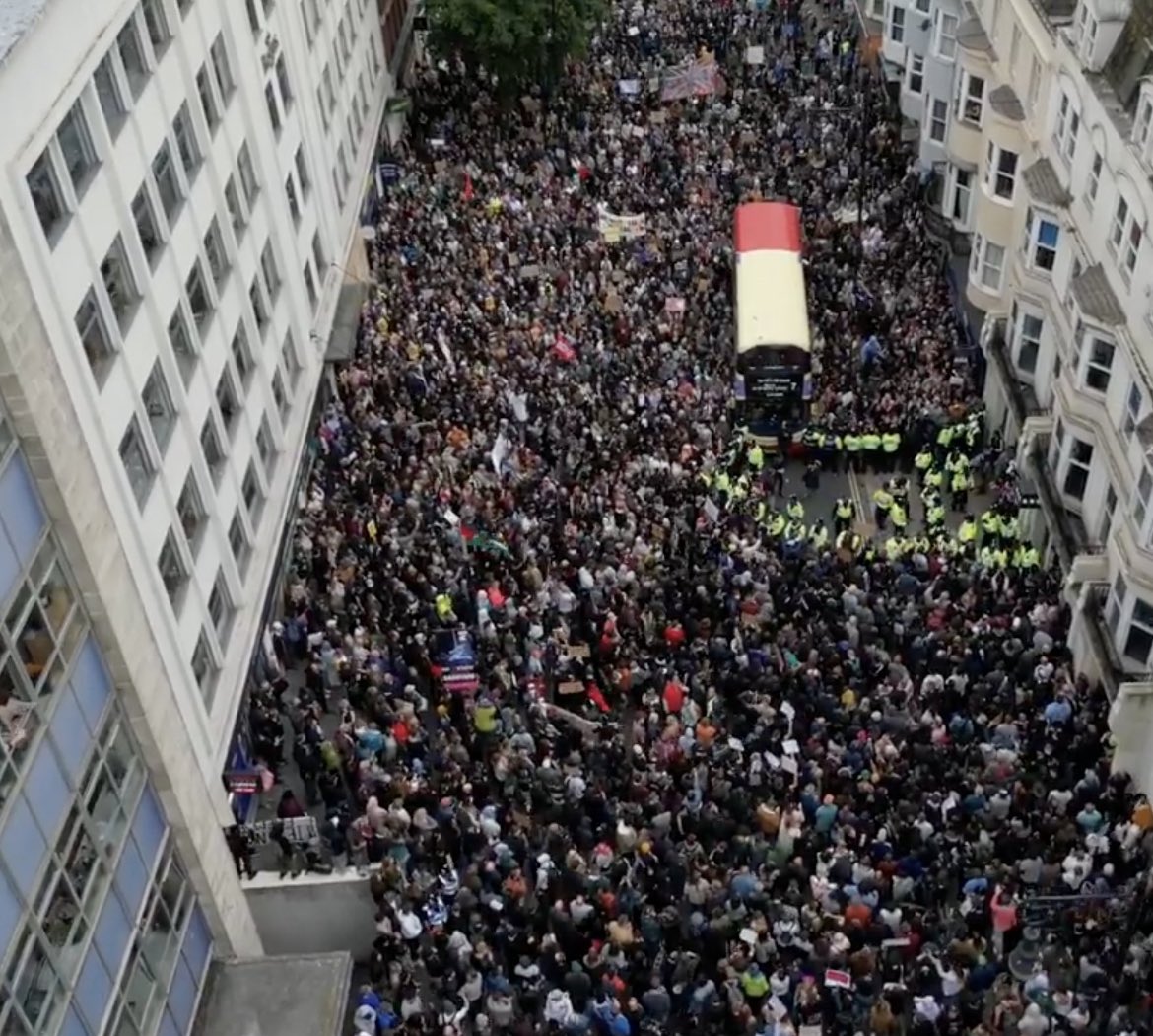
Oh, this thread is warming my heart.
7 Aug 2024

You see this, this is what happens in real life. The bots can't show up on the streets.
On the right there (yeah the far right) are the 6 nazis who turned up to cause mayhem.
Everyone else is there to stop them.
This is England.
2
17
2,716

6 Aug 2024
A friend of mine has cancelled her family holiday this month because she and her family are Muslim and visible minorities. They're not going out and about for family trips at the moment during summer holidays. It's sickening and so sad. Also, this website is a sewer right now.
4
361
3 Aug 2024
Solidarity and love to all my Muslim friends and colleagues, and others on this platform.
It must be so upsetting and frightening the scenes the last couple of days. I hope and believe the racists are the minority, and that decency outweighs hate.
1
3
258
Chris Read retweeted

2 Aug 2024
Solidarity to Muslim followers upset and scared by the attacks on mosques. The morons involved deserve nothing but contempt (and jail time).
53
102
1,070
84,109
Chris Read retweeted

31 Jul 2024
It's good to hear voices from across the education sector call out these appalling comments.
2
4
17
3,289
Chris Read retweeted
31 Jul 2024
'In a grieving community, such remarks only exacerbate feelings of anger, confusion and distrust, making healing and reconciliation more difficult'
✋@IonMike3
buff.ly/3Sykrp0
34
116
407
161,712
Chris Read retweeted

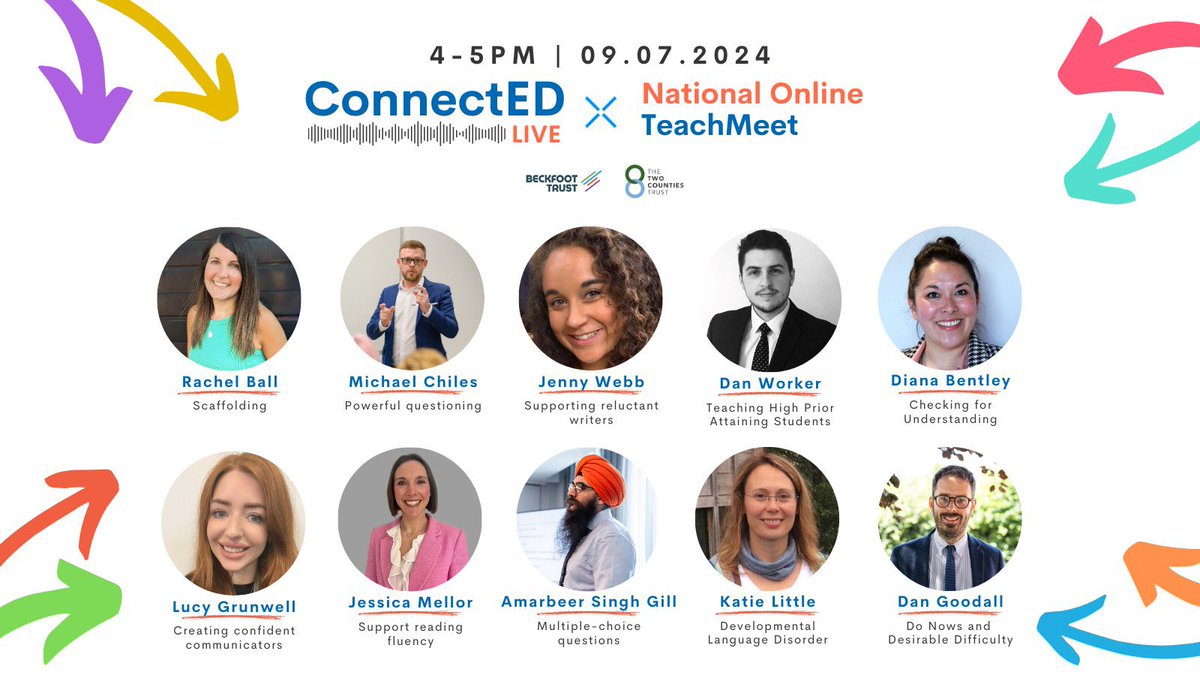
Ok. Here we go! This is tomorrow! Please sign up and share. Free, online national TeachMeet. More than an event - a movement!
2 Jul 2024

Just one week until our first #ConnectEDLive National Online #TeachMeet! Join us to hear from 10 speakers, each with a 5 minute session, sharing best practice and advice.
Don't miss your chance - secure your spot and join the conversation today!
shorturl.at/dmA1S
7
11
6,895
Chris Read retweeted

6 Jul 2024
As a parent and parent governor of @ParrsWoodHigh, this is so amazing to see! We're a very proud community this week! #stateschoolandproud indeed!
2
3
18
2,715