19 Photos and videos




arbocenc retweeted

14 Sep 2025
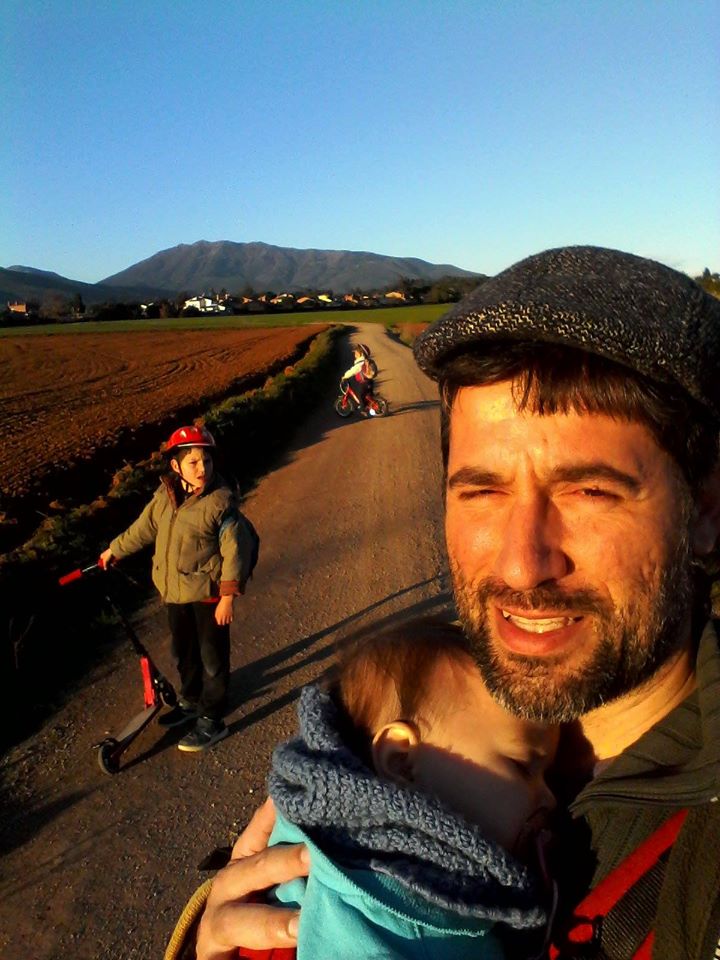
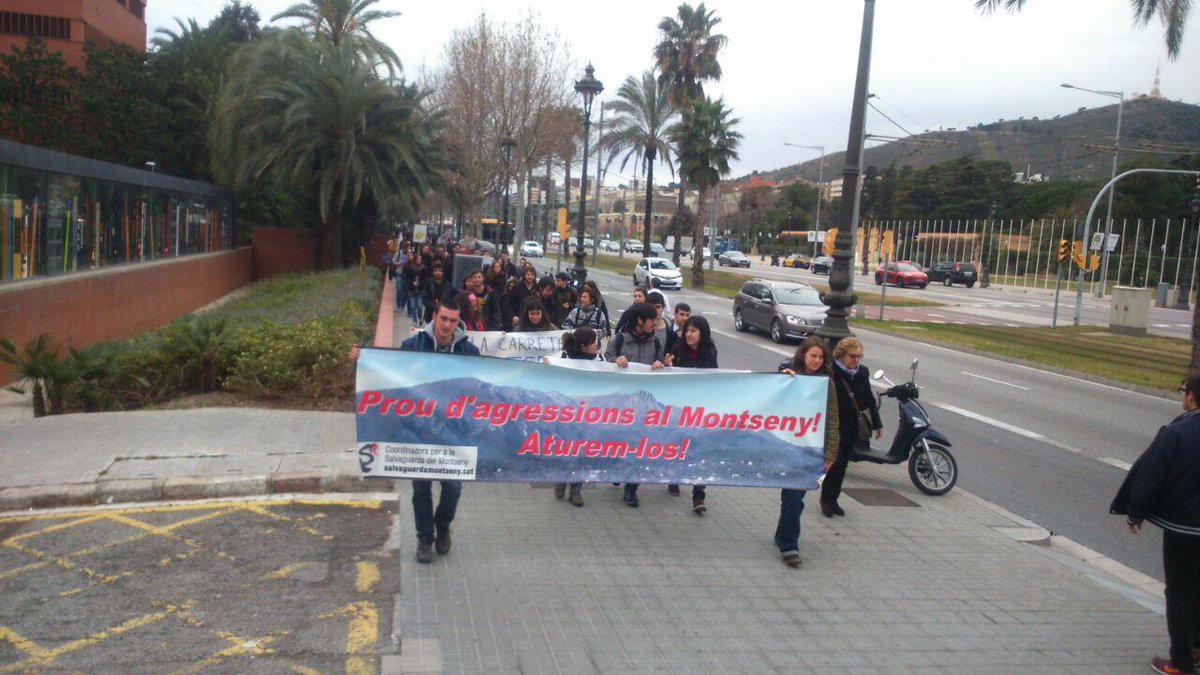
Guía para contestar a tu cuñado el indignado con lo de La Vuelta:
'No hay que mezclar política y deporte’
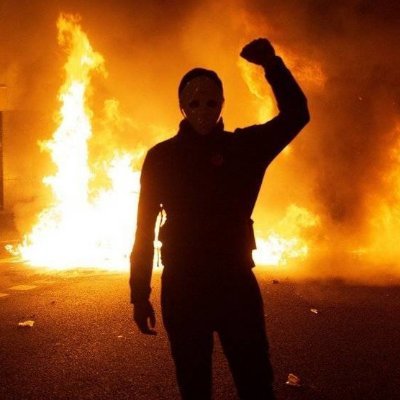
👉🏻 Qué raro. Con Rusia no hubo problema y no participa en eventos deportivos. Acuérdate que tienes la banderita de Ucrania en el perfil.
‘Se han puesto vidas en peligro'
👉🏻 No se han puesto vidas en peligro. Se ha molestado. Se ha boicoteado. Porque nunca se ha conseguido nada sin hacerlo. Incluido el sufragio femenino, la libertad de expresión o que cobres un sueldo por tu trabajo.
‘Son protestas violentas propalestinas'
👉🏻 Sobre todo son protestas prohumanidad porque asesinar a niños está muy mal. Incluso peor que tirar una valla.
‘Es malo para el país'
👉🏻 Peor es no hacer nada frente a un genocidio.
'No es un genocidio, es una guerra'
👉🏻 En una guerra no se bombardean casas, escuelas y hospitales. O se mata a la gente de hambre.
‘Si a mí tampoco me gusta lo de Israel pero…'
👉🏻 Pero nada Jose Luís. Si no quieres hacer nada, al menos apártate y no molestes.
1,876
8,640
30,026
1,408,830

🔴 "L'apagada es deu a la integració descontrolada de l'energia renovable. Una situació previsible, evitable i fins i tot estúpida"
Antonio Turiel (@amturiel), físic del CSIC, diu que no s'ha fet una bona integració
#TotEsMou3Cat #ApagadaGeneral3Cat
▶ 3cat.cat/totesmou
65
522
962
152,140
arbocenc retweeted

10 Mar 2025
And they told you, brOSINT, that the Russians didn’t enter the pipeline and that it was just a psyop? Then they said maybe they entered but didn’t come out? 🤡
Here, take a look at how it actually went down.
26
164
802
55,926
arbocenc retweeted

21 Jan 2025
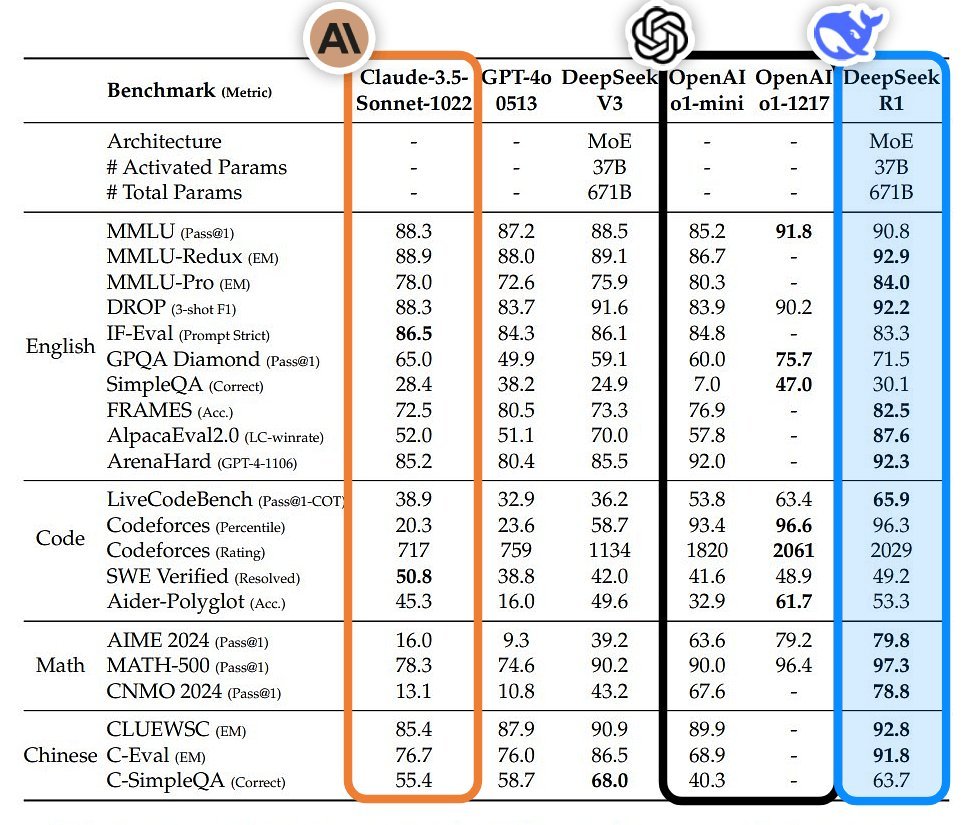
DeepSeek just released the first Open Source Reasoning Model that matched o1!
But how did an unknown, 100 person startup with $0 VC funding produce a frontier open source model that rivaled OpenAI and Anthropic at 1/10th of the training cost and is 20-50x cheaper during inference?
After doing extensive research into the company's history, here’s the untold founding story of the rise, fall and rebirth behind DeepSeek and it’s parent company High-Flyer 🧵
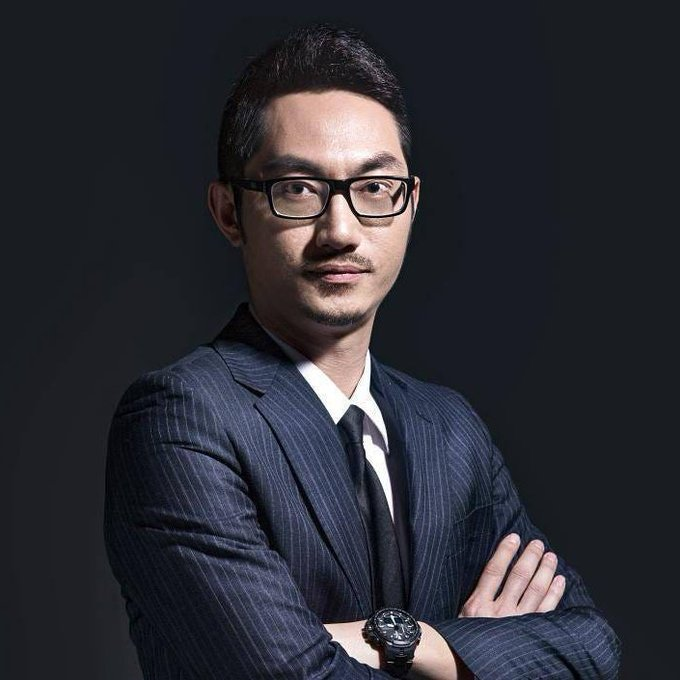
Community note
The person in the shared photograph is not DeepSeek's founder Liang Wenfeng.
x.com/zizhpan/status…
89
668
4,958
1,123,962
arbocenc retweeted

29 Dec 2024
Interestingly, while Americans debate how to make medicines more affordable, China is now debating the exact opposite problem: some worry their drugs are becoming too cheap.
This is because China launched in 2018 a centralized procurement system officially called "group purchasing with guaranteed volumes" (国家集中带量采购) whereby, instead of letting individual hospitals negotiate prices, the government consolidates demand across entire provinces or the whole country, determines the total volume needed, and then conducts bulk purchases directly from manufacturers.
Importantly, this policy explicitly targets only off-patent drugs and generics - new medicines are excluded from the program and instead go through separate negotiation channels, the so-called "national medical insurance drug catalog negotiation system" (医保目录谈判). Instead of competitive bidding, this parallel system involves one-on-one negotiations between insurance authorities and pharmaceutical companies for innovative drugs that are recently approved and typically produced by a single manufacturer. The process includes extensive expert evaluation of the drug's safety, effectiveness, and innovation value before price negotiations begin.
This creates a two-track system: while bulk purchasing drives generic drug prices down through competition, the catalog negotiation system ensures innovative drugs can still command prices that sustain pharmaceutical R&D.
The results have been quite insane. In the latest bulk purchasing round that just ended - the 10th since the program's inception - the price of 62 drugs were negotiated, with some dropping to less than 10% of their original cost. For instance a breast cancer drug - Palbociclib - that previously cost 200 yuan ($28) per pill now sells for just 15 yuan ($2). Similarly annual treatment costs for hepatitis B have plummeted from 4,000-5,000 yuan to 100-200 yuan ($14-$28).
Since 2018 the program has covered 435 drugs, freeing up nearly 500 billion yuan ($70 billion) in healthcare spending. A single hospital reported saving 30 million yuan on cancer drugs alone. Some drugs are now even cheaper than water: enteric-coated aspirin, commonly used as a cardiovascular medication, now costs less than 0.04 yuan per tablet, meaning if you take 3 a day it costs you about 3.6 yuan a month (less than $0.5)!
The price reductions have been so dramatic that the debate in China now centers not on whether drugs are too expensive, but whether some of them have become too cheap - with some people worrying about quality control and sustainable production at such low prices.
A huge stark contrast to the American healthcare system, where high drug prices are a huge issue and national-scale bulk purchasing programs remain absent (despite some limited government purchasing for veterans and federal programs). I checked and the same Palbociclib tablet for breast cancer that's been negotiated at $2 in China costs a minimum of $227 a tablet in the U.S. (pharmacychecker.com/ibrance/), more than 100 times more expensive!
This is actually an interesting counter-example to the argument that government intervention necessarily leads to market inefficiencies. By consolidating purchasing power and guaranteeing volumes, the Chinese government has effectively created a more efficient market - one that eliminates marketing costs, reduces uncertainty for manufacturers, and drives massive price reductions that wouldn't have happened without their intervention.
It also refutes the notion that such government intervention necessarily reduces R&D because what China has put in place is a 2-track system: driving generic prices down through bulk purchasing while maintaining separate negotiations for innovative drugs that ensure R&D costs are rewarded appropriately.
It doesn't mean the Chinese system is perfect - concerns about quality control and sustainable production at such low prices are legitimate. But it does show that with intelligent government intervention it's seemingly possible to achieve both affordability and innovation - goals that have long been deemed mutually exclusive in the U.S. healthcare system.
86
752
2,667
183,401
arbocenc retweeted

5 Dec 2024
Scarborough Fair interpretado por un dúo de guitarra y cello.
1
26
77
1,873
arbocenc retweeted
9 Dec 2024
Roma: en el origen de la cultura occidental.
4
11
43
1,380
arbocenc retweeted
10 Dec 2024
Por muchas veces que se haya visto, la huella de esas manos sobre la piel, en el mármol, impresiona cada vez que se contempla ("El rapto de Proserpina", de Bernini)

2
15
76
2,289
arbocenc retweeted
13 Dec 2024
Hay que defender las propias convicciones, también cuando se está sometido a la presión del ambiente.
23
65
2,572
arbocenc retweeted

15 Nov 2024
¡Qué absoluta genialidad! Llorando estoy.
En IG @may_te
753
10,644
37,901
2,811,697
arbocenc retweeted
15 Dec 2024
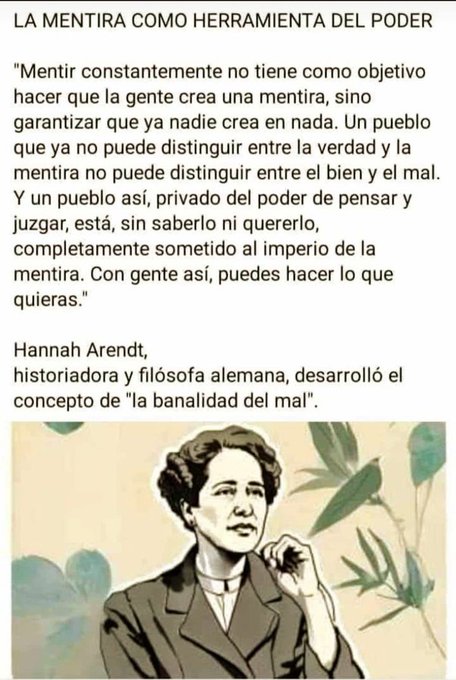
Mentir siempre. Para que ya nadie crea en nada y no distinga entre la verdad y la mentira.
32
1,614
3,059
118,785
arbocenc retweeted

11 Dec 2024
They are selling Luigi Mangione candles now 😅
2
2
8
621
arbocenc retweeted

9 Dec 2024
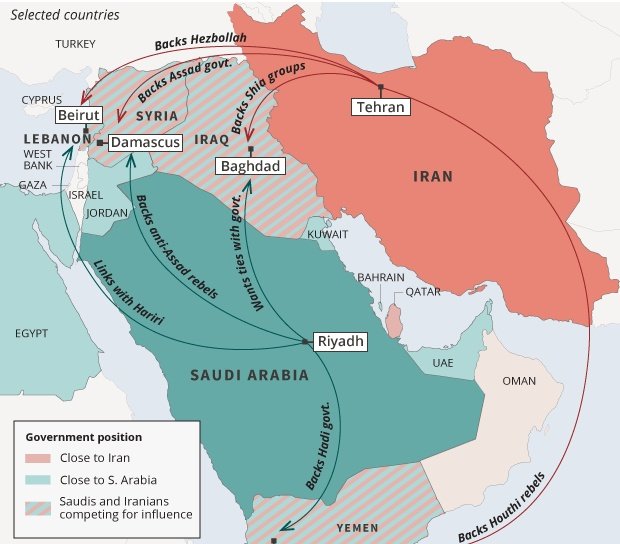
With the recent tumult in the Middle East beginning to subside, it is an opportune moment to engage in an analysis of the region's unfolding geopolitical realignments.
The developments of the past year should be understood as components of a broader reconfiguration of interests among four principal blocs: the Gulf states, Turkey and Qatar, Israel and the West, and Iran.
The first three blocs share a convergence of strategic objectives, most notably the attenuation of Iranian influence across the region, primarily through the dismantling of its network of proxy militias. In contrast, Iran has pursued a strategy of rapprochement with all regional actors save Israel, a recalibration reflecting a vision for the region that prioritizes economic integration and cooperative multilateralism—a vision increasingly aligned with the emerging contours of a multipolar global order.
A central condition for Arab states’ engagement with Iran has been the cessation of its reliance on militant proxies, except maybe Iraq, and a pivot toward the deployment of soft power mechanisms.
Within this framework, the utility of Assad's Syria, previously significant as a logistical conduit, has been substantially diminished. Assad’s concurrent attempts to reconcile with the Gulf states while resisting alignment with Turkey compounded his geopolitical vulnerability, creating a confluence of pressures that ultimately precipitated his ouster and exile to Moscow.
Assad’s governance strategy, characterized by an ill-fated attempt to balance competing demands, succeeded in alienating all stakeholders.
His measured curtailment of Iranian influence satisfied neither the Gulf actors nor Israel, while his refusal to fully align with Tehran simultaneously alienated Iran.
Concurrently, his overtures to Turkey’s Syrian opposition were rendered ineffectual by his categorical refusal to consider President Erdogan’s primary demand: his resignation.
These miscalculations, when coupled with the socioeconomic devastation wrought by over a decade of conflict and sanctions, eroded both internal and external support, culminating in a scenario where no state or actor saw strategic value in sustaining his regime.
This context elucidates the recent calibrated and de-escalatory responses by Hezbollah in Lebanon under increasingly difficult circumstances. These developments were followed by a ceasefire agreement that will, at least on paper, constrain Hezbollah's paramilitary activity in favor of preserving it as a political actor wielding soft power in Lebanon.
The denouement of Assad’s regime was almost certainly orchestrated through coordination among Turkey, the West, and Israel. However, Erdogan, consistent with his historical proclivity for opportunism, leveraged this process to advance Ankara’s strategic interests.
Specifically, this entails extending Turkey’s influence into Syria and intensifying its campaign against Kurdish factions—a move emblematic of Erdogan’s realpolitik.
As this new chapter in regional geopolitics unfolds, the landscape of Syria, as well as the broader Middle East, will likely undergo further transformations. It is improbable that the existing territorial demarcations or the governance structures in Damascus will remain intact over the next half-decade. These developments represent not the culmination but a singular act within a larger geopolitical realignment.
The most immediate casualties of these shifts are the Palestinian people, whose agency has been diminished. It remains unclear if October 7th was Iranian-orchestrated or something more sinister.
Nevertheless, their plight as a catalyst for militant Islamism ensures all major actors retain a vested interest in its resolution. Yet, given the dispassionate pragmatism driving decisions, the prospects for a just resolution appear bleak.
22
53
216
16,426
arbocenc retweeted

18 Nov 2024
Cumplen 20 días desde la DANA, la peor catástrofe natural que ha vivido este país. He estado en silencio por respeto a las víctimas y vecinos, pero va siendo el momento de hablar claro sobre lo que ha pasado con nosotros. Va hilo 👇
523
10,839
21,991
3,161,445
arbocenc retweeted

13 Nov 2024
Today, I met my dad’s friend on the street. I honestly didn’t recognize him; no one looks the same after a year of genocide. I asked him how he had been doing. He said he had four sons, and one after another, they were killed over the span of a year. His last son and wife were killed last month. Now, he sleeps on the streets with no family. A vibrant man who once owned a house, a car, and a business is now deprived of everything, even his family.
384
8,436
16,429
547,025
arbocenc retweeted

4 Sep 2023
Recopilatorio de hilos:
Afganistán 1978-2023 x.com/03690jul/status/169405…
Margareth Thatcher, la madre del capitalismo verde y la estafa climática. x.com/03690jul/status/169838…
Guerra en Ucrania.
x.com/03690jul/status/165377…
Crisis económica mundial 2023-24 x.com/03690jul/status/169697…
30 Aug 2023

La crisis que viene es una crisis estructural del sistema capitalista: Deuda, explotación de recursos y saqueo de otros países es insostenible. Y la burguesía, la más rica y poderosa necesitará una reconversión brutal que de cometerla per se produciría protestas en las calles.
41
324
535
1,158,096

RT @G_Pisarello: En los momentos más duros, sanidad pública y universal. Muchas gracias por tanto.
1,776