
Joined October 2019
- Tweets 11,075
- Following 3,648
- Followers 1,670
- Likes 181,799
845 Photos and videos














Lance Anthony retweeted

A large tree trunk has been uncovered beneath a glacier in the Alps, dated to around 6,000 years ago.
The species is Swiss stone pine. Today, trees of that type cannot grow at that altitude because it is far too cold.
6,000 years ago aligns with the Holocene climate optimum, a time when temperatures were far higher than now, even with far less atmospheric CO2.
Earth's climate is cyclical and Mother Nature self-regulates.
Narratives of doom serve political aims, not reality.
215
3,897
12,426
279,581
Lance Anthony retweeted

Jun 14
Military spending by country.
Our Government wants you to believe that we are building a “Canada strong” military, well we aren’t even on the radar.
The U.S. spends $100 billion more on their military vs all EU countries combined.
So when anyone says that we don’t rely on the U.S. for protection, that statement is laughable. We have been relying on them for decades.
24
49
174
6,171

Jun 15
Coming VERY soon to Canada
Jun 15

🚨 THEY CAN'T CONTROL THE BORDERS. BUT THEY CAN CONTROL YOU.
The government cannot stop the boats.
Cannot stop the hotels filling up.
Cannot stop the public anger.
Cannot stop the protests spreading from city to city.
But it can ban social media.
Interesting.
Because when governments begin losing control of events, they often become increasingly interested in controlling information.
Millions of people are worried about immigration.
Worried about crime.
Worried about the future of the country.
Yet instead of addressing the concerns driving that anger, the political class appears increasingly focused on regulating what people can see, hear and say online.
The public is beginning to ask a simple question:
Why is controlling access to information suddenly more urgent than controlling Britain's borders?
That question is not going away.
In fact, it is getting louder by the day.
9
Lance Anthony retweeted

Jun 14
Canada’s institutional obsession with land acknowledgements and historical guilt has officially jumped the shark.
Every university lecture, corporate meeting, school event, and government memo now seems to begin with the same rehearsed confession about whose land we are supposedly standing on. It has become a civic ritual, complete with liturgy, original sin, and mandatory public piety.
Strip away the administrative sermonizing and the whole thing rests on a very shaky version of history.
We are expected to pretend pre-contact North America was a peaceful, static, eco-friendly paradise where distinct peoples lived in permanent harmony until Europeans arrived and ruined everything.
That is not history. That is mythology.
Worse, it is patronizing. It strips Indigenous peoples of their full humanity by pretending they were somehow immune to the normal forces that shaped every other society on earth: ambition, conflict, trade, migration, alliance, conquest, revenge, and expansion.
The actual history of this continent was not a postcard. It was dynamic, complex, and often brutal.
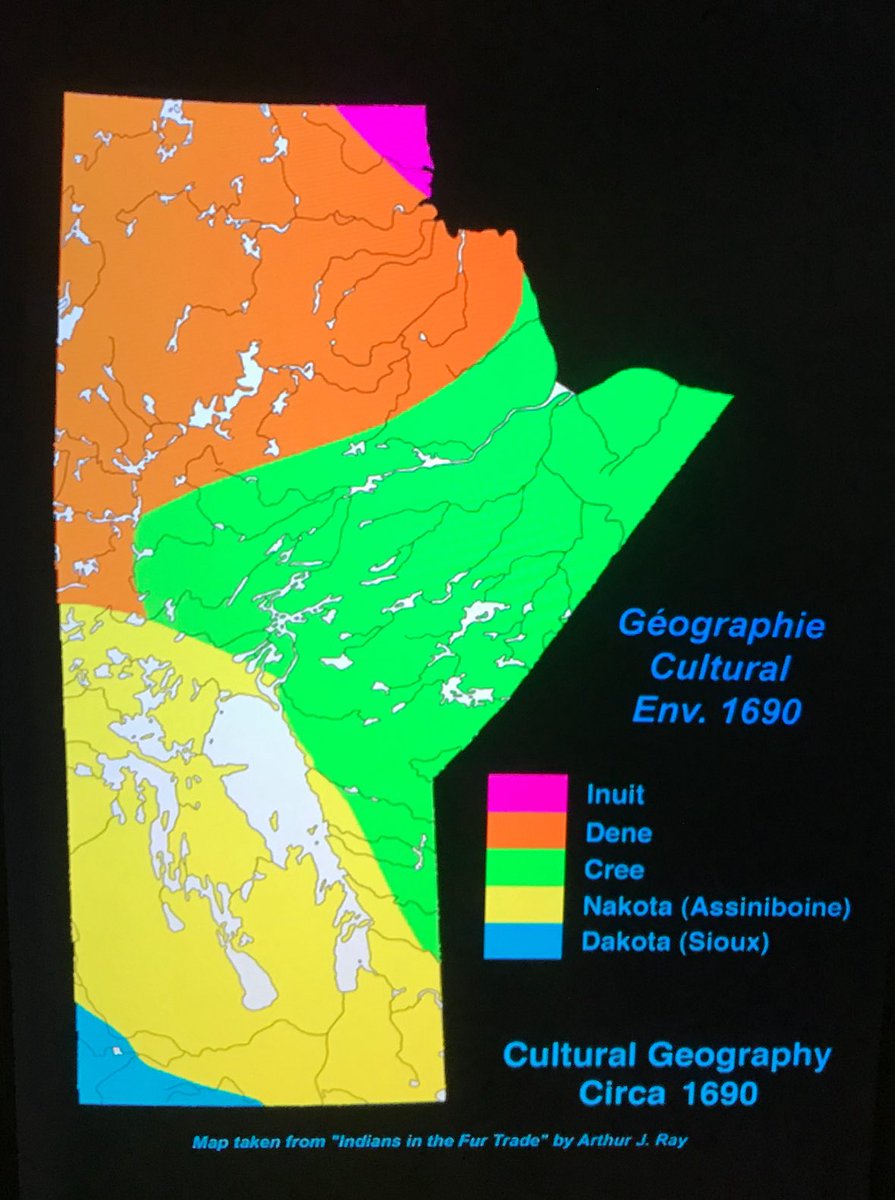
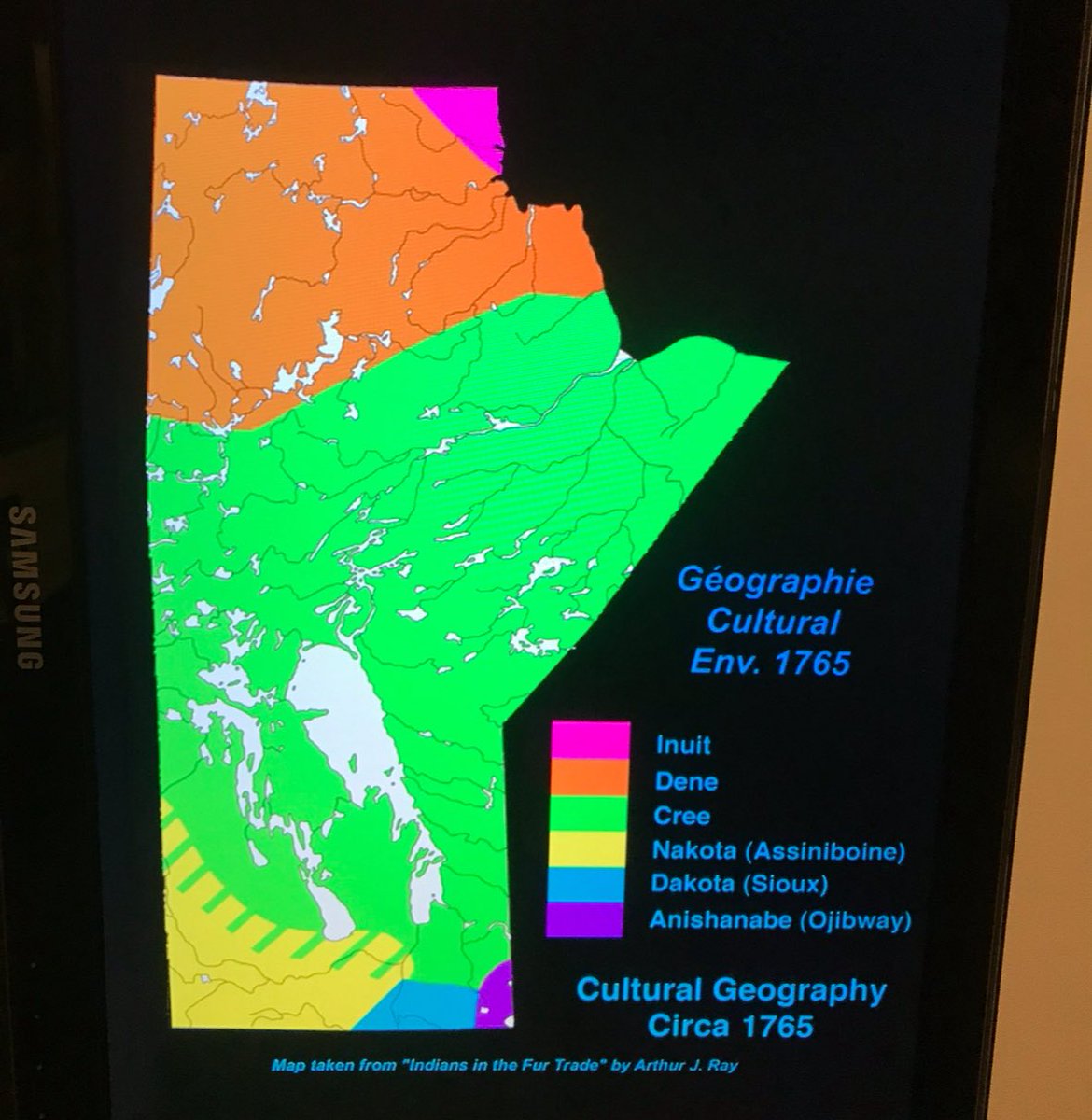
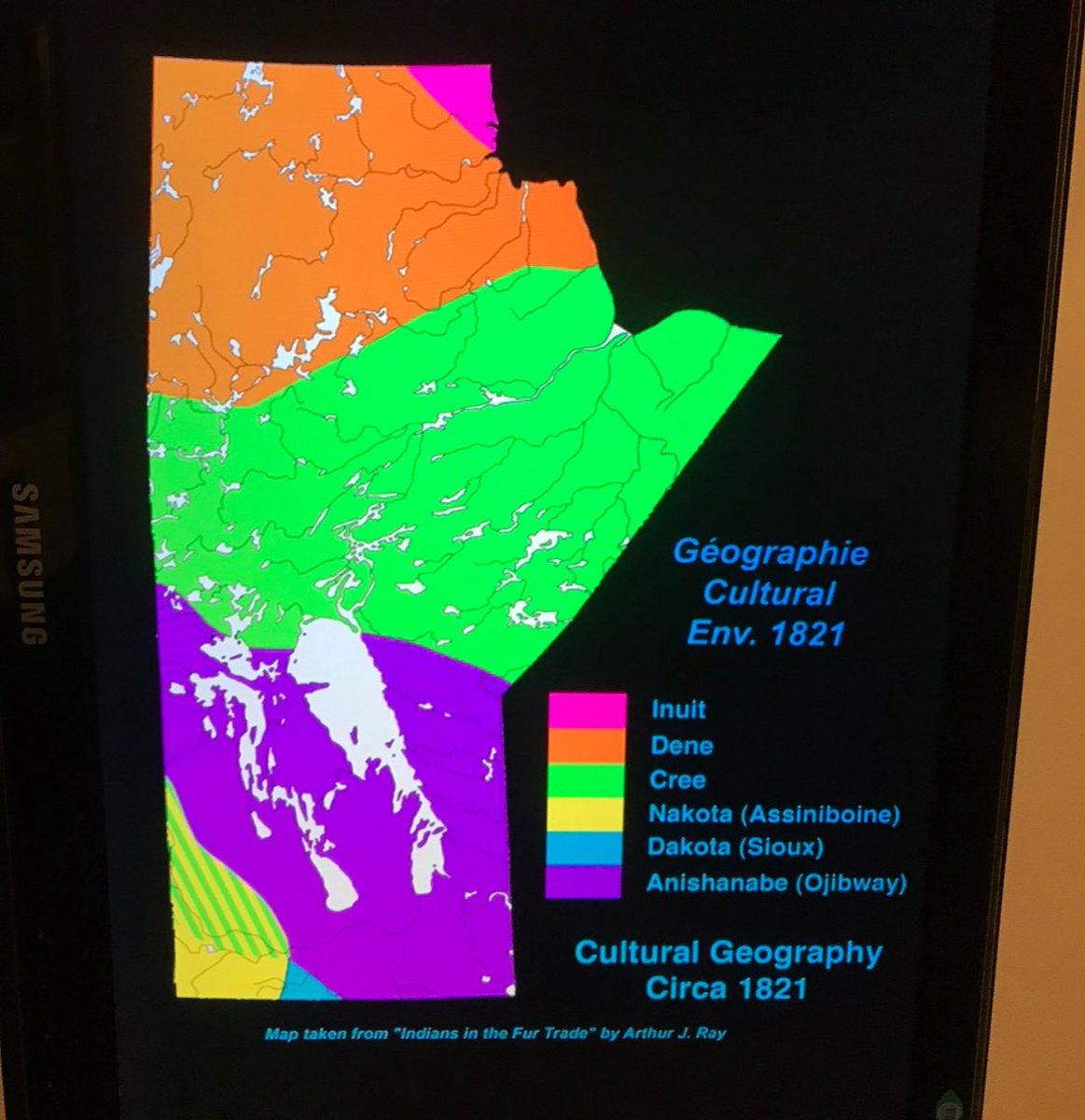
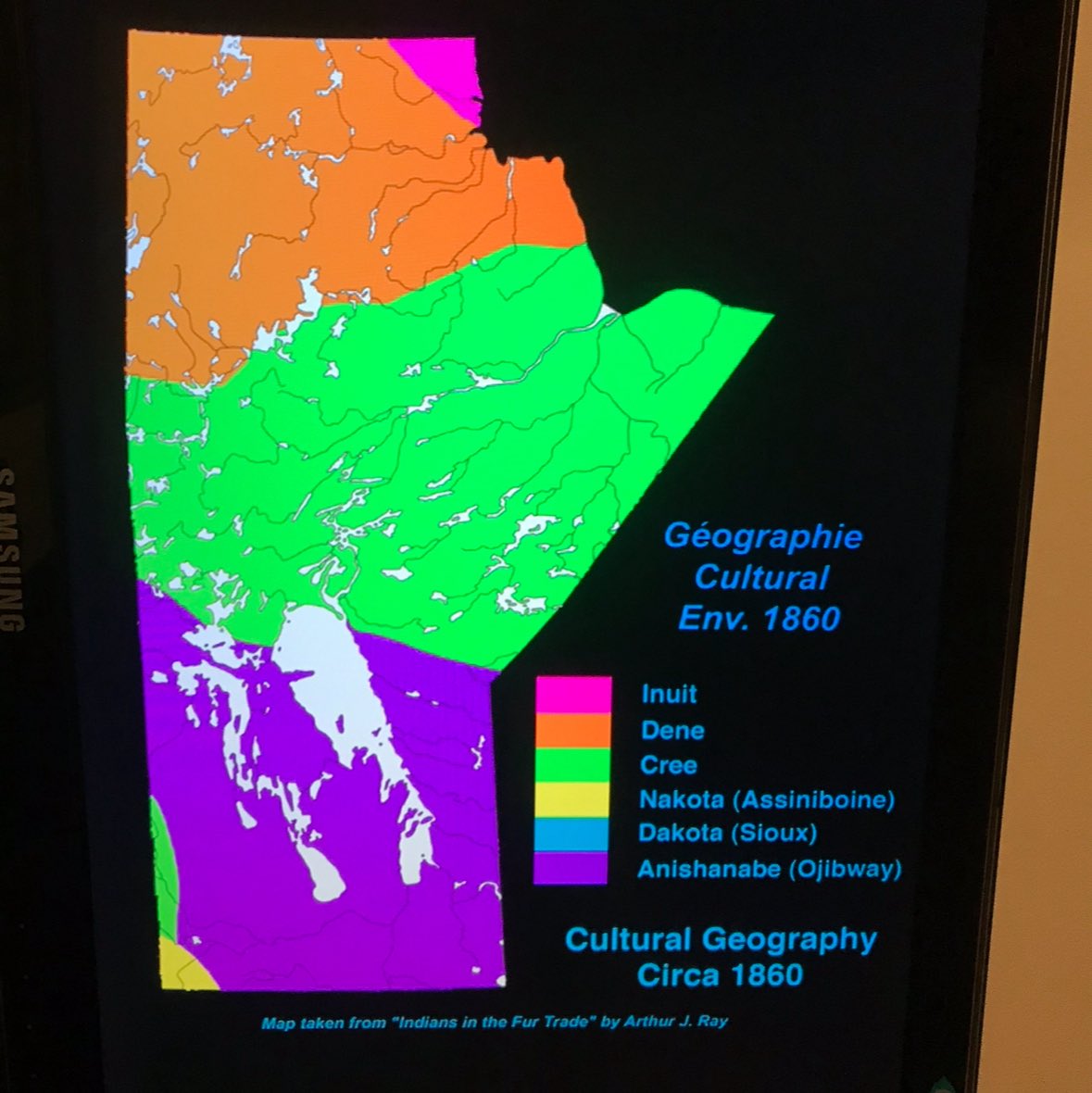
The Haudenosaunee expansion during the Beaver Wars reshaped huge parts of what is now Southern Ontario. The Huron-Wendat, Neutral, and Erie peoples were devastated, displaced, or absorbed through war and political domination.
On the plains, the Blackfoot Confederacy, the Iron Confederacy, and others fought long struggles over territory, trade, horses, resources, and survival. Peoples moved. Borders shifted. Alliances formed and collapsed. Some groups conquered. Some retreated. Some disappeared into larger political orders.
History did not begin when Cartier sailed up the St. Lawrence.
This land was already a theatre of power, movement, conflict, diplomacy, and displacement long before Europeans arrived.
The modern Canadian narrative treats European colonisation as a unique cosmic crime, as if conquest and territorial displacement were invented in 1492. They were not. Europeans arrived as a technologically dominant global power and did what powerful groups had done across human history, including on this continent.
That does not make the suffering harmless. It does not erase broken treaties, residential schools, forced relocations, or government abuse. Those things happened, and they matter.
But a serious country cannot build its future on a childish version of the past.
Every habitable part of the world has been taken, lost, fought over, inherited, traded, defended, and taken again. The people Europeans encountered were not frozen in moral perfection. They were human beings living inside history, not outside it.
The guilt industry does not repair the past. It often paralyzes the present.
Canada cannot move forward by treating itself as a permanent crime scene or by dividing citizens into inherited moral categories of “settler” and “Indigenous.”
We can tell the truth about cruelty, conquest, broken promises, and injustice without pretending history had a correct stopping point right before European ships appeared.
A mature country does not need ritual guilt.
It needs honesty, equal citizenship, legal clarity, and the courage to build a future instead of endlessly prosecuting the past.
22
103
294
4,338
Lance Anthony retweeted

Jun 14
Perhaps he needs a lesson in geography.
Mark Carney:
"Canada, Ireland, and Europe are increasingly, and more immediately, vulnerable to once-distant threats.
Canada, Ireland, and Europe can be pivotal, powerful, and purposeful. A force for good.
Pivotal because WE ARE THE MOST CONNECTED REGION IN THE WORLD; to each other and to others."
Did you see what he just did there? He inserted Canada into the European Union with lies.
Canada and Europe aren't the most connected regions, not by geography or economically. Everything he said there was a lie.
145
262
833
20,688
Lance Anthony retweeted

Jun 14
🇺🇸🤖🇨🇦🤐 : Mark Carney is asked how the USA fits into Carney’s New World Order agenda.
Carney says the USA can help with Ai safety.
Mark then says Canada is focused on child safety.
Canada allows children to use taxpayer funded hard drugs behind parents backs.
Children are provided taxpayer funded snorting kits, needles & naloxone in schools & in youth only clinics.
Taxpayers also pay for guides encouraging children to use hard drugs with their friends.
Under such WOKE leadership, child overdose went from obscure, to the #1 cause of death of children in BC. With virtually no punishment for those peddling hard drugs to kids.
Canada also encourages children to explore gender identity at any age. Despite the government knowing this can cause all kinds of psychological issues.
If parents don’t play along, the government takes the children away from the parent(s) and puts the children in foster care.
But Mark Carney believes all of that is nothing compared to protecting children from social media, until they're 17.
Of course in order to protect children from social media, the government will have to make us all prove our identity online, so the government can track everything we do.
Are Liberals so mentally broken, they actually think this will protect children?
169
706
1,651
69,741
Lance Anthony retweeted

Jun 14
Why should Alberta stay in Canada?
Tell me why the systemic discrimination against Western Canada is okay?
If Alberta were an independent country, it would…
• have more land mass than 70% of all other nations.
• have more farmland than about 85% of all other nations.
• have a population larger than 45% of all other nations.
• have more resources than 95% of all other nations.
• have a nominal GDP larger than 82% of all other nations.
• have a larger GDP per capita than 90% of all other nations.
• have a lower crime rate than 70% of all other nations.
• have a higher education level than 85% of all other nations.
• be more diverse than 70% of all other nations.
We would be a powerhouse, yet people are content with being serfs in a system of systemic discrimination.
Alberta has 12% of Canada’s population.
Alberta pays 17% of all federal income taxes to Ottawa.
Alberta gets 9% of federal spending.
Why are you okay with our vote being worth less than the rest of Canada’s — much less?

120
271
682
9,166
Lance Anthony retweeted

Jun 13
🇨🇦True Canadians Worthy of Honour 🇨🇦
Canada has roughly 80,000 Somalis.
At the same time, there are several hundred thousand Labrador Retrievers.
Black, yellow, and chocolate Labs outnumber Somalis, never scam the system, rarely attack people, they contribute to society, serve as guide dogs, search and rescue dogs, and make the most loyal companions.
Their biggest crime might be stealing the odd snack.
Maybe we should give Labs a month instead.
51
157
1,168
18,896
Jun 14
Muslin values are NOT compatible with Canadian values
Jun 14

Islam in Iran: Muslim husband smiles with his child bride’s severed head in public.
Mona Heidari was sold by her Muslim father at age 12 into a forced marriage with a monster. Her Muslim husband beat her if she failed to satisfy him sexually, feed him, or remain silent.
He subjected her to inhumane abuse and torture, enabled by Islamic authority. He tortured, raped, and inflicted sadistic violence on her, calling it marriage. She fell into depression shortly after the arranged marriage. At age 17, severely depressed and broken, unable to please him, she sought divorce and escape from Iran. He called his Muslim brother to punish her for disobedience.
They tied her hands and feet and tortured her to inflict maximum pain, ignoring her cries for mercy. No one called the police. In Iran under Islamic law, husbands are required to beat wives for discipline.
During the prolonged torment, the brothers mutilated her living body. Once she was too weak to resist, the enraged husband beheaded her. He then paraded her severed head through Ahvaz streets to restore family honor, showing pride.
Like many child brides in Iran and the Muslim world, Mona endured inhumane treatment from her husband and family, who knew of her suffering but blamed her for failing to obey.
Thousands of women in the Middle East and Asia are murdered yearly in “honor” killings—executions for dishonoring families or challenging male dominance.
Muslims may view these Islamic practices as justice fitting the will of Allah. In the civilized world, they are crimes against humanity, women, and human dignity.
Western leaders must not sacrifice women’s rights for political survival. Migrants seeking Western settlement must reject Islam’s Sharia laws or face asylum rejection.
This is not a “cultural difference.” This is barbarism enabled by Islamic doctrine. The West has no obligation to import or tolerate systems that treat women and girls as property to be bought, raped, tortured, and murdered.

5
Lance Anthony retweeted
Jun 13
Mark Carney claims he didn't say what said.
The backpedal:
"To be clear, if you look at the speech, I've never advocated that all of a sudden there was going to be a band of middle powers, you know, the M20 or something like that."
The facts:
"I argue the middle powers must act together because if we're not at the table, we're on the menu... in a world of great power rivalry, the countries in between have a choice: compete with each other for favour or to combine to create a third path with impact."
Another day, another spin.
344
1,319
3,422
101,046
Lance Anthony retweeted

Jun 10
Canada is so cooked 🍖
Let me predict by saying, this ignorance is NOT limited to Boomers, I have many Boomers not brainwashed that follow me and are good people!
We’re the only G20 country in a recession. Two straight quarters of negative growth — and that’s the “good” number.
The scariest stat? GDP per person. Canada is dead last in the entire G7. The United States is first by a mile.
Why? Because the Liberals keep bragging about how “diverse” our economy is and how they’re bringing in millions of people. Overall GDP goes up on paper… but per person? The average Canadian gets poorer.
Housing is completely unattainable.
We have the highest food inflation in the G7.
The average family is already handing over 42% of their income in taxes.
They flooded the country, crushed per capita wealth, drove up housing and food costs, and now they stand there acting surprised that Canadians are struggling.
This isn’t a “technical” recession.
This is what happens when you prioritize aggregate numbers and globalist talking points over actual Canadians.
We’re not doing fine.
We’re getting poorer while they pat themselves on the back.
#cdnpoli #MarkCarney #LiberalFail #Recession #PerCapita #CanadaFirst
46
221
582
14,783
Lance Anthony retweeted

Jun 9
We gain NOTHING from mass migration from third-world Islamic countries. They don’t assimilate. They openly say they want Sharia, call us dirty infidels, and aim to conquer. They rape us, stab us, behead us, for being white, then demand we pay for it all.
Tolerance of their intolerance will erase us.
868
10,040
35,492
553,526
Lance Anthony retweeted

Jun 10
Canada's New Social Media Ban is NOT About Your Children | Here's What They're NOT Telling You
Canada just announced the Digital Safety Act — a social media ban for anyone under 16.
Most Canadians think this is about protecting children. It isn't.
To enforce a social media ban, every single Canadian will have to prove their age by attaching government-approved ID to their social media accounts. That's not child protection. That's a digital ID.
And once you're verified on one platform, that verification follows you everywhere — linking every account you own under your real identity.
But it gets worse.
This isn't a standalone policy. This is the missing piece that connects Bill C-9, C-22 and C-8 into a complete surveillance and censorship system.
Bill C-9 defines what you can and cannot say online. Bill C-22 forces platforms to save your data for up to one year. Bill C-8 gives the government the power to cut you off the internet entirely.
The digital ID created by this social media ban is what connects all three.
And they're selling it to you as child protection.
Don't be fooled. All these bills are interconnected — and this is the last piece of the puzzle.
youtube.com/live/tiwBDgstTo8…
227
3,001
5,874
267,026
Lance Anthony retweeted

Belfast is on fire because the people there have finally realized that immigrant violence — especially from Islamic migrants — must be stopped.
How long are we going to pretend everything is fine?
Decades of open borders have turned our streets into war zones. Our women and children pay the price while politicians lie and police protect the invaders.
The Irish are showing the way.
Europe must wake up. Remigration now. No more pretending.
123
726
2,021
24,809
Lance Anthony retweeted

I’m still trying to figure out how Alberta cannot apparently sustain itself if it separates, but it’s already sustaining all of Canada
30
206
792
5,696
Lance Anthony retweeted

Jun 10
🚨 This tape should be front page news.
Mark Carney — November 2019 — admitting on camera:
When voters rejected the ESG agenda
Central bankers acted as regulators
And withheld lending to bypass the democratic result
The man who did this is now Prime Minister.
And he’s calling YOU unpatriotic.
🇨🇦💀 #CdnPoli #Carney #Democracy
Jun 10

🚨𝗙𝗜𝗡𝗔𝗟𝗟𝗬 𝗙𝗢𝗨𝗡𝗗 𝗜𝗧... 𝟮 𝗠𝗢𝗡𝗧𝗛𝗦!!!🚨
Carney admits on tape: When voters blocked his ESG plans, "We" Central Bankers acted like "Regulators" going around the voters through the BACK DOOR!
Manipulating fossil fuel prices by withholding lending.
Now he's PM!🙃
53
958
1,582
20,810
Lance Anthony retweeted

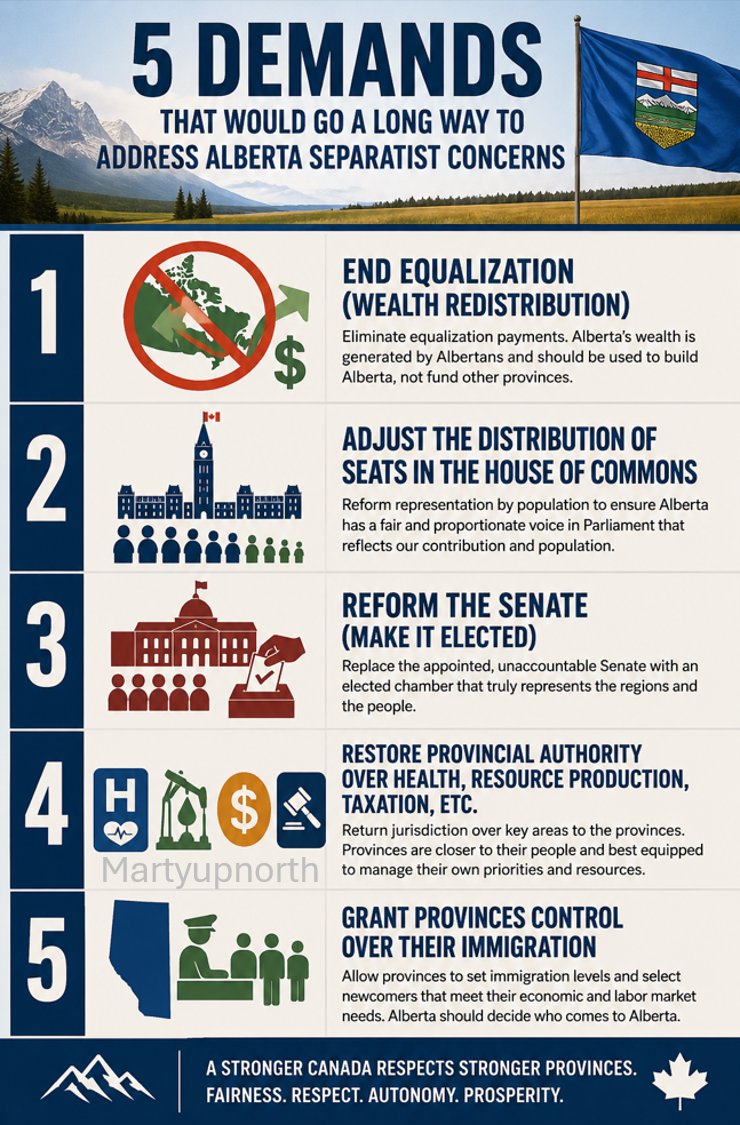
To Canada's leaders who keep calling for "national unity" (i.e. Pierre Poilievre)
Unity isn't something you demand. It's something you earn.
If you're serious about keeping Canada together, put your money where your mouth is. Address the concerns that millions of Albertans have been raising for decades:
• End equalization wealth redistribution
• Give Alberta fair representation in the House of Commons
• Reform the Senate and make it elected
• Respect provincial jurisdiction over health care, resources, and taxation
• Give provinces greater control over immigration
A stronger Canada is built on fairness, respect, and autonomy... not on expecting one region to simply accept the status quo.
138
592
1,556
18,655
Lance Anthony retweeted
🇮🇳🔪🇨🇦👁️ : The Canadian government imported extortion gangs, terrorists and violent criminals for a decade.
Now the Liberals say police can't tackle the surge in extreme crime, without Bill C-22.
See how that works folks? Import the crisis, then use it to pass a Bill that strips away our privacy freedom.
The Liberals want data centers to track everything you do. Something I have spoken about routinely. Bill C-22 allows them to do that.
In order to get such a dystopian Bill passed, they had to foster extreme crime & terrorism, where there was none before.
192
1,845
4,157
68,376
Lance Anthony retweeted

Jun 7
I agree 1000% Ron.
Alberta tried Jason's 'stern letters idea' in 2021!
It changed NOTHING! ☹️
Independence is the only way to get Alberta’s grievances addressed.
Now that will send a message!
Oct 19, 2026!
Let's try that Alberta. 🙂

Step right up! Step right up!
Speaking at the Leader’s Dinner on Friday, June 5th, Danielle Smith entreated everyone at the gathering that evening “to vote to remain and then vote ‘Yes’ to the other nine referendum questions on the Oct. 19th ballot” as a way for Albertans “who want to send the feds a message”.
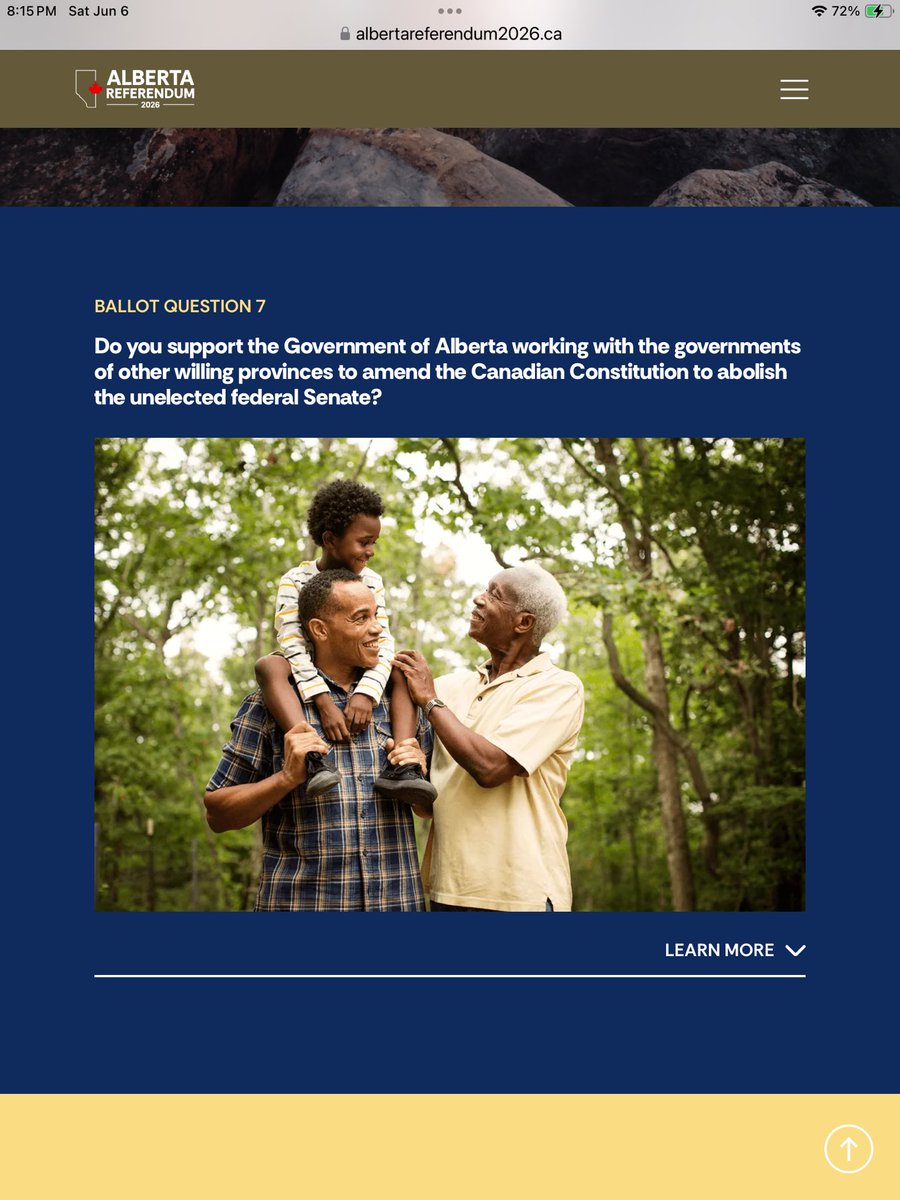
Four of her 9 questions on the ballot are questions requiring a change to the Canadian Constitution, such as “Do you support the Government of Alberta working with the governments of other willing provinces to amend the Canadian Constitution to abolish the unelected federal Senate?”
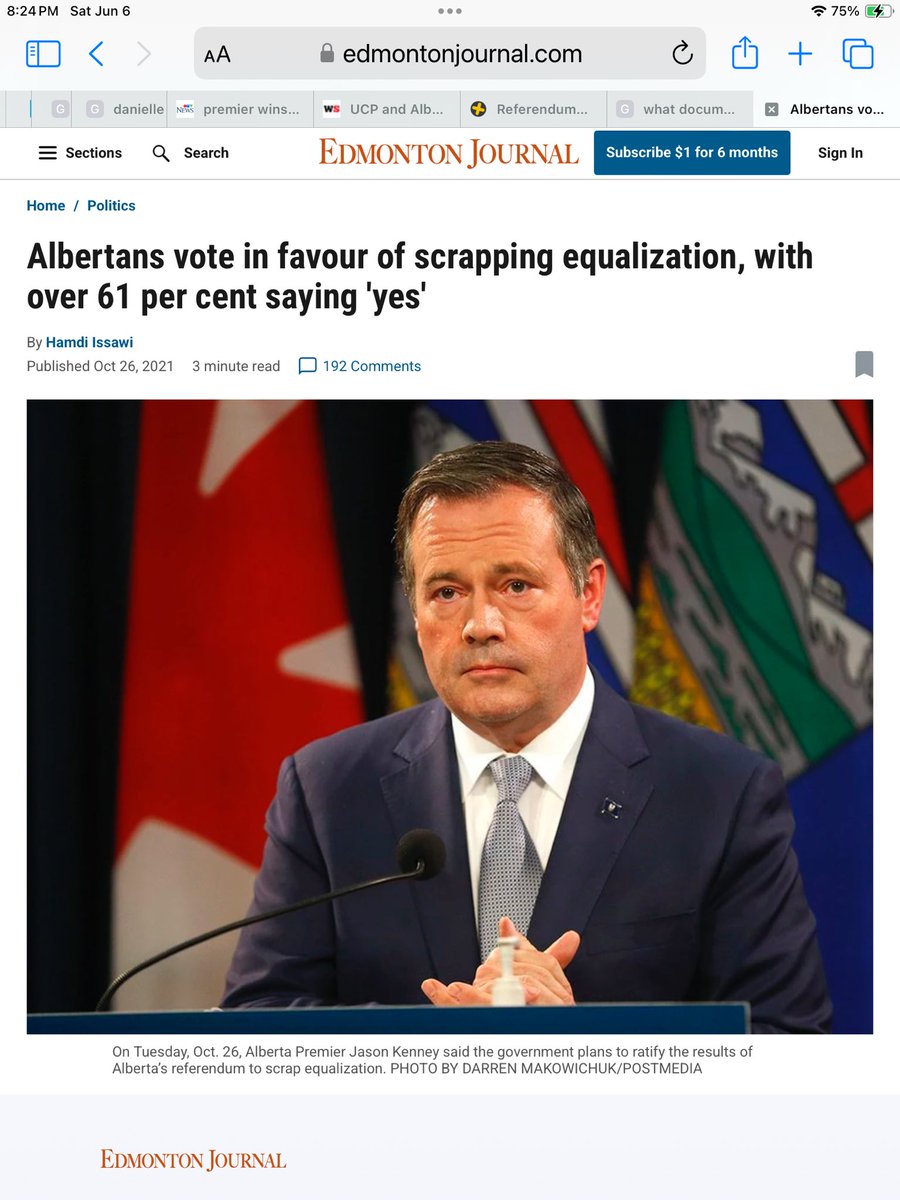
Everybody needs to remember what happened to the successful referendum on abolishing equalization payments which Kenney launched in October 2021. Despite the clear majority of 61.7% of Albertans voting in favor of removing the equalization clause (Section 36) from the Canadian Constitution, the vote did not change the constitution or the equalization program, as amending it requires unilateral agreement from the federal government and multiple other provinces.
Does she really think Albertans are that gullible to fall for her pitiful sales pitch?
Independence is the only way to get Alberta’s grievances addressed. Now that will send a message!
5
22
56
813
Lance Anthony retweeted
Jun 6
🚨 Read this slowly.
• Wife lives in the U.S. 🇺🇸
• Kids live & study in the U.S. 🇺🇸
• ~91% of his portfolio in the U.S. 🇺🇸
• Home in the U.S. 🇺🇸
• Brookfield moved HQ to the U.S. 📍
Yet he tells Canadians: 🇨🇦
“We can’t depend on America.” 🇺🇸
Do you see the contradiction?
#cdnpoli #Canada #US #Reality
592
4,769
13,352
296,827