Joined March 2010
- Tweets 19,869
- Following 2,047
- Followers 17,107
- Likes 9,034
2,417 Photos and videos





Pinned Tweet

18 Aug 2023
Dear Sir,
Thank you so much for this acknowledgment and for drawing attention to one of the many themes capturing India's profound transformation. 🙏
18 Aug 2023

Over the past few days I came across interesting research pieces by @TheOfficialSBI and the insightful @capitalcalculus on India's rising prosperity. I have cited these works and shared a few thoughts on @LinkedIn. Do read... linkedin.com/pulse/indias-ri…
16
33
441
99,978

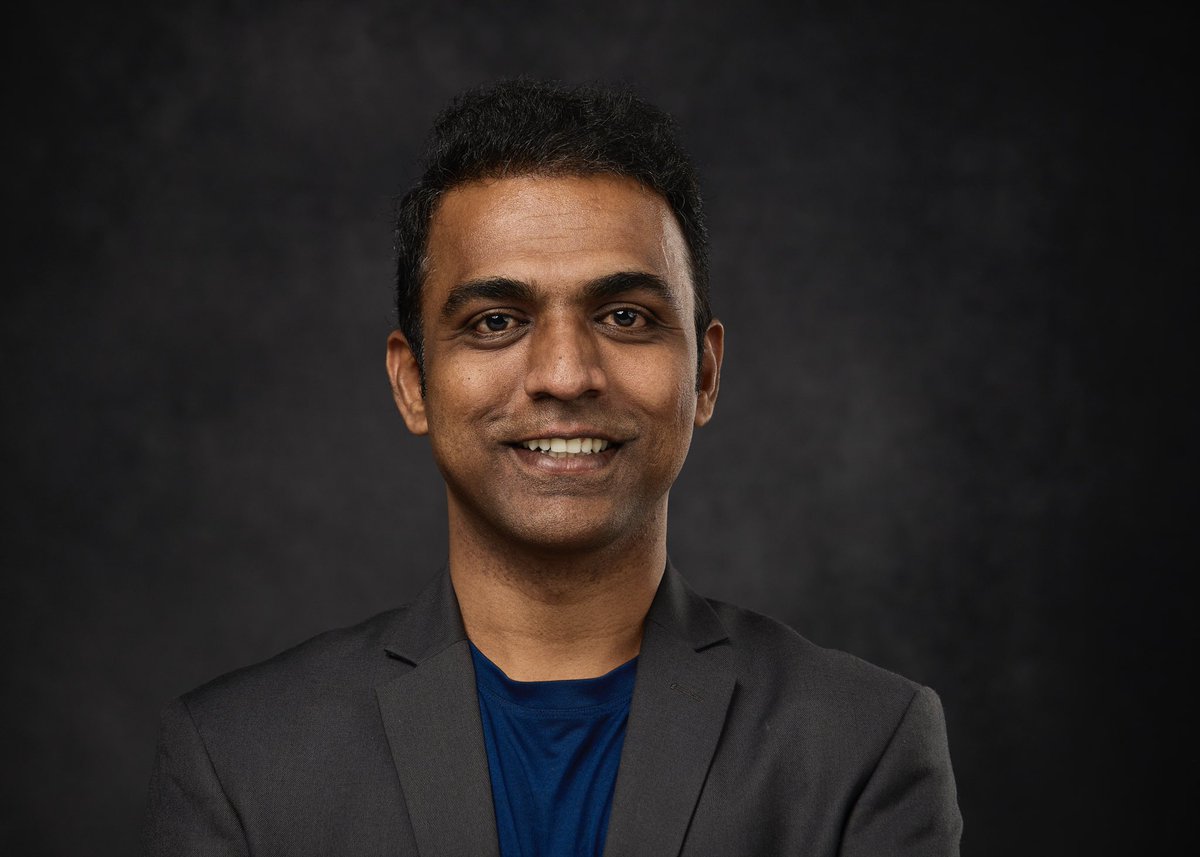
His name is Ranjitsinh Disale.
He wanted to be an engineer. When that did not work out, his father suggested he train as a teacher instead.
In 2009, he was posted to a government primary school in Paritewadi, a small village in Solapur district, Maharashtra. The school was a crumbling building wedged between two storerooms, one of which had been used as a cattle shed.
What he found there troubled him.
Girls were being married off young instead of being sent to class. Attendance was poor. The textbooks were written in a language many of the children, who spoke Kannada at home, could not properly read.
He decided to fix all of it, starting with the books.
He learned the children’s mother tongue and rewrote their textbooks in a language they could actually understand.
Then he did something no one in India was doing at the time.
He printed unique QR codes inside the textbooks, allowing students with access to a phone to scan a page and instantly access audio poems, video lessons and practice questions.
A village school in Solapur had built a digital classroom out of paper and printed squares.
The results changed the village.
Girls’ attendance reached nearly one hundred percent. Teenage marriages in the area stopped. His QR code idea worked so well that the Maharashtra government adopted it across the state.
The following year, the national education body embedded QR codes in textbooks across the country.
In 2020, Ranjitsinh Disale won the Global Teacher Prize. He was chosen from more than twelve thousand nominations across roughly one hundred and forty countries and was the only Indian in the top ten.
The award carried one million dollars, around seven crore rupees.
Then he did something no winner had ever done before.
He announced that he would give away half the prize money, dividing it equally among the other nine finalists so that their work could continue as well.
He said teachers are the real change makers.
He meant all of them, not just himself.
A man who became a teacher only because engineering did not work out changed how an entire country learns, and then gave half his fortune to the people he had competed against.
Follow for stories India deserves to remember.
24
250
720
11,258
Anil Padmanabhan retweeted

China’s collapsing job market just lost its ultimate safety net as the gig economy completely implodes. In a historic first, authorities in Shenzhen, the powerhouse megacity built on migrant labor, have formally declared the ride-hailing market completely saturated. An absolute flood of laid-off workers and desperate citizens has overwhelmed the sector, turning China's most reliable economic fallback option into a brutal financial trap.
The official data reveals a dystopian reality. Nearly 400,000 licensed drivers in Shenzhen are now fighting over a shrinking pool of passengers, leaving the average driver with fewer than five completed trips per day. Exhausted workers are forced to grind through punishing 12- to 16-hour shifts just to scrape together a measly 300 yuan ($42) after corporate platform cuts, vehicle rentals, and charging costs. This crisis is rapidly spreading nationwide, with major hubs like Chongqing, Suzhou, and Dongguan forced to issue identical warnings or freeze permits altogether.
For years, the Chinese Communist Party used gig work as a convenient sponge to soak up mass unemployment and hide the true scale of its failing economy. Now that manufacturing is dying, foreign investment is fleeing, and white-collar sectors are plagued by sweeping layoffs, that fragile cushion has completely disintegrated.
#ChinaEconomy #Shenzhen #GigEconomy #CCP #Unemployment #Didi #ChinaCrisis #StateFailure
Jun 13

Shenzhen officials have declared for the first time that their ride-hailing industry is officially saturated. It is not the only Chinese city facing a cabbie glut economist.com/china/2026/06/…
24
358
1,072
131,536
Bravo!
Indian athletics seems to be moving up a notch, right? Everyday we read about a record being broken.

🚨 Parul Chaudhary shatters the Women's 5000m National Record!
India's Parul Chaudhary finished 2nd in the Women's 5000m at Meeting Nikaïa, clocking a sensational 15:04.26 to break the Indian National Record.
✅ New Indian National Record
✅ 3rd-fastest time in Asia this season
✅ Improved her own national record from 15:10.35
✅ Sliced nearly six seconds off her previous lifetime best, which she had set in 2023
📹 - European Athletics
#IndianAthletics #Athletics #ParulChaudhary #5000m #NationalRecord @afiindia #AthleticsIndia
1
2
421
Anil Padmanabhan retweeted

Jun 13
🚨 TEJAS SHIRSE BREAKS THE NATIONAL RECORD!!
Tejas Shirse produced the performance of his life at Indian Athletics Series–9, clocking a sensational 13.27s in the men's 110m hurdles to shatter the Indian National Record and register a new lifetime best.
✅ New Indian National Record
✅ CWG 2026 Qualification Standard Achieved
✅ Asia's All-Time No. 14 performer
✅ Asia's 6th-fastest time of the 2026 season
✅ Massive Personal Best
#IndianAthletics #Athletics #TejasShirse #110mHurdles #NationalRecord

6
43
359
5,718
Anil Padmanabhan retweeted

Jun 12
Wow 😱 This is unbelievable!
64
576
6,842
470,375

#WATCH | World-renowned Indian sand artist Sudarsan Pattnaik has won the Russia Grand Sand Master Cup 2026 at the II International Festival of Sand Sculpture in the Kaliningrad Region, Russia. He becomes the first Indian sand artist to receive this prestigious honor.
Speaking about his win, he says, "This is a very big honor for me as an artist to win this cup. For my art on climate change, as a first Indian, I have won this cup, the Grand Sun Master Cup of 2026... I always try to make sculpture with the message. here we have shown climate impact around the world and what we have to do for the climate change. Thanks to the jury and organizers who selected for me for this award. It is a very big honor for me and for my country. I'd to thank all my fans for all those who always support me."
(Video source: Self-Made)
44
686
4,886
57,178
Anil Padmanabhan retweeted

Jun 12
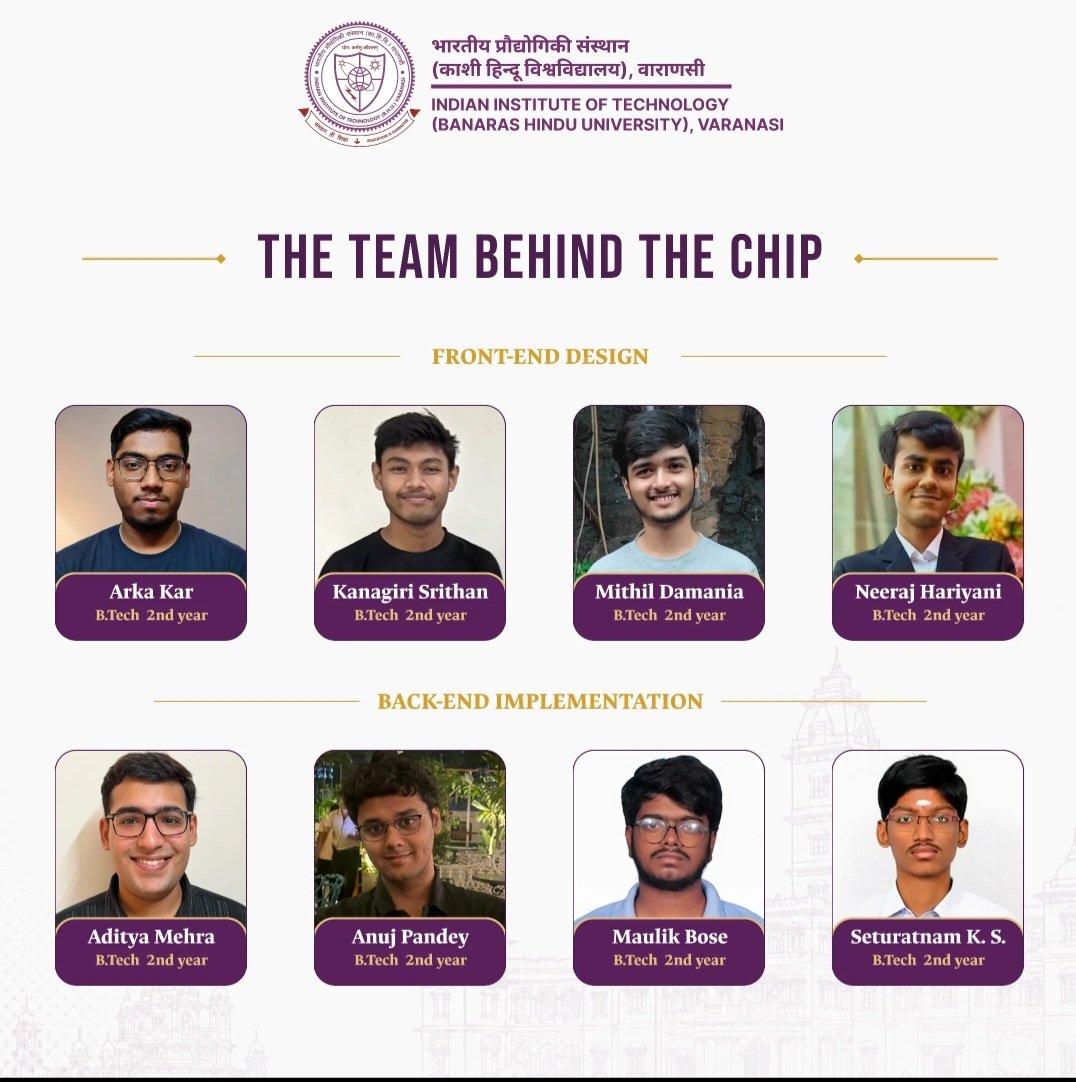
A team of undergraduate students at IIT (BHU) has completed the institute's first-ever silicon tape out and designed a fabrication ready chip in just 5 months.
This is the kind of news that deserves more attention than celebrity gossip.
Most people won't understand what a "silicon tape out" is, so let me put it simply.
It's the stage where a computer chip moves from an idea on a computer screen to something that is ready to be physically manufactured in a chip factory.
Every phone, laptop, radar, missile, satellite and AI system runs on chips.
Nations that design chips shape the future. Nations that only import them depend on others.
This is why this achievement matters. 🇮🇳⚙️
13
149
476
10,049
Anil Padmanabhan retweeted

Jun 12
The first trillionaire in human history
- Elon Musk
- Born in South Africa
- Bullied relentlessly as a kid
- Immigrated to North America
- Arrived with a backpack and a dream
- Built Zip2 with his brother
- Sold it 4 years later for $300 million
- Co-founded PayPal with the profits
- Revolutionised digital payments
- Sold PayPal to eBay for $1.5 billion
- Bet everything on Tesla and SpaceX
- Got mocked for electric cars
- Got laughed at for reusable rockets
- Nearly went bankrupt in 2008
- Kept building anyway
- Turned Tesla into the world’s most valuable automaker
- Made EVs mainstream and transformed the automotive industry
- Made reusable rockets a reality
- Reduced the cost of reaching space by 95%
- Sparked the modern commercial space race
- Built Starlink and connected millions around the world to high-speed internet
- Turned SpaceX into the most valuable private company in history
- Bought Twitter for $44 billion
- The world said he overpaid
- He was called reckless, stupid & crazy
- Advertisers fled, media declared it dead
- Critics called it the worst acquisition in tech history
- Renamed it 𝕏
- Rebuilt the platform anyway
- Turned it into one of the most influential platforms on Earth
- Launched xAI and accelerated the global AI race
- Sent astronauts to space
- Is trying to get humans to mars
- Created millions of jobs
- Generated hundreds of billions in value
- Inspired an entire generation of builders
Before:
- Failed repeatedly
- Worked insane hours
- Slept in factories and offices
- Got bullied, laughed at and mocked
- Constantly told “it’s impossible”
- Kept building anyway
- Made it possible
Today:
- Richest person on Earth
- First trillionaire in human history
- Largest IPO in history $1.77 trillion
Most people quit when the world laughs at them.
Elon Musk built the future instead.
Love him or hate him…
Nobody has changed more industries in a single lifetime.
Payments. Cars. Energy. Space. Social Media. Communications. AI.
History won’t remember the people who said it couldn’t be done.
It will remember the people who did it anyway.
Congratulations Elon.
The first trillionaire. 🚀


4,247
27,983
108,841
2,269,952
Anil Padmanabhan retweeted

Jun 12
In conversation with Shibani Gharat on ET Now, the discussion focused on the thought process behind the gold selling campaign.
India holds nearly ₹4 crore crore of gold. If even 1 percent to 1.5 percent of this comes out of lockers, bars, and coins, it can reduce the need for gold imports and help address the $65 billion balance of payment gap.
With around ₹100 to ₹125 crore of exits already seen, the objective is simple. If Anand Rathi Wealth enables ₹3,000 crore of gold exits, it can help solve 1 percent of India’s problem.
17
85
795
452,388
Anil Padmanabhan retweeted

Jun 12
Elon just created 4,400 millionaires in a single day.
400 of them are now worth over $100 million.
These aren't VCs. They're SpaceX employees, and the list includes welders, technicians, and cafeteria staff, because for two decades the company paid every level of the workforce in stock instead of higher salaries.
Juan Hernandez immigrated from Mexico and took a $28 an hour contractor welding job in 2015. He says he didn't even know what SpaceX was. The company gave him a $10,000 equity grant and let him buy more shares through payroll deductions. That stake is now worth $880,000.
Trevor Hise's parents wanted him to take a stable job at General Electric. He picked SpaceX instead, stayed 12 years, and accumulated over 100,000 shares. At the $135 listing price that's $13.5 million. He's 37 and semiretired. His words: "The magnitude of this has been ridiculous."
The most telling detail came before the listing. Over 100 employees quietly banded together and negotiated a group wealth management deal covering up to $5 billion, because none of them had ever needed a wealth manager before.
Software IPOs have minted millionaires for 30 years. This is the first one where the money went to the factory floor.
3,213
25,182
139,577
7,202,436
Anil Padmanabhan retweeted

Whenever Prof. @ShamikaRavi gives an interview, she brings to life a social empowerment story behind the statistics, making it truly engaging.
Growing up in a village, I have always associated inclusive growth with development at the rural level. Anecdotally, I have observed that the re-architected 𝗝𝗔𝗠 𝗧𝗿𝗶𝗻𝗶𝘁𝘆 has made a visible impact in small villages of Namakkal, Salem and Erode districts (Tamil Nadu) through schemes like 𝗔𝘆𝘂𝘀𝗵𝗺𝗮𝗻 𝗕𝗵𝗮𝗿𝗮𝘁, 𝗣𝗠-𝗞𝗜𝗦𝗔𝗡, 𝗮𝗻𝗱 𝗠𝗨𝗗𝗥𝗔 𝗹𝗼𝗮𝗻𝘀. Citizens there show greater appreciation for these schemes than their urban counterparts.
It is encouraging to see Prof. @ShamikaRavi’s overarching perspective in the @DDNational (Bharat Reloaded) interview on how this precision-rearchitected JAM trinity is playing out in rural India, backed by robust statistics.
Additionally, emerging consumer trends in rural India — strong e-commerce growth, rising 5G handset sales, and increasing D2C brand adoption — point to a 𝗻𝗲𝘄 𝗰𝗼𝗻𝘀𝘂𝗺𝗲𝗿 𝗲𝗰𝗼𝗻𝗼𝗺𝘆 𝘁𝗮𝗸𝗶𝗻𝗴 𝘀𝗵𝗮𝗽𝗲 𝗶𝗻 𝗕𝗵𝗮𝗿𝗮𝘁. Economists and industry reports consistently highlight 𝗿𝘂𝗿𝗮𝗹 𝗰𝗼𝗻𝘀𝘂𝗺𝗽𝘁𝗶𝗼𝗻 𝗮𝘀 𝗮 "𝗯𝗿𝗶𝗴𝗵𝘁 𝘀𝗽𝗼𝘁" 𝗮𝗻𝗱 𝗸𝗲𝘆 𝗱𝗿𝗶𝘃𝗲𝗿 𝗳𝗼𝗿 𝗜𝗻𝗱𝗶𝗮'𝘀 𝗚𝗗𝗣 𝗴𝗿𝗼𝘄𝘁𝗵. This reflects how inclusive growth schemes are effectively reaching intended beneficiaries with minimal leakage and unlocking real purchasing power at the grassroots level.
#India #RuralEconomy #BharatReloadedOnDD
@EACtoPM @NITIAayog
@DDIndialive @DDNewslive @capitalcalculus
@PMOIndia @narendramodi
@mssrf @doctorsoumya @DeshpandeFdtn
youtu.be/4ioX_3xdiYU
6
13
3,365
Anil Padmanabhan retweeted

Capital Calculus 📹 | India’s Garbage Problem: Lessons from Indore
Anil Padmanabhan talks to Arkaja Singh, Fellow, Centre for Policy Research
@capitalcalculus @arkajasingh @CPR_India @nitingokhale
youtu.be/uhYgJtoM96g?si=tlCi…
2
1
181
Anil Padmanabhan retweeted

Jun 12
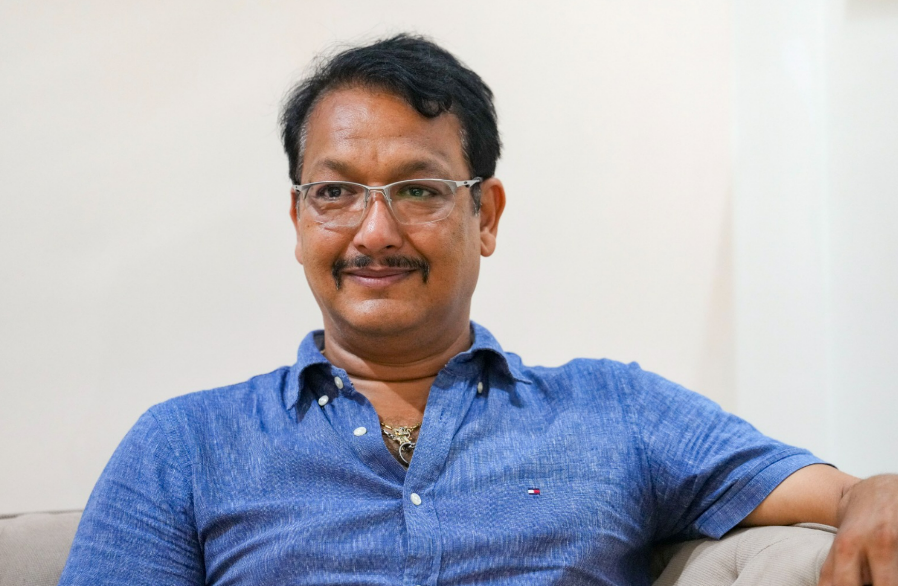
Indian Shooting Loses a Legend 😢
Former Asian Games Gold Medallist & renowned coach Jaspal Rana passed away at 49.
🏅 4-time Asian Games Gold Medallist
🏅 9-time CWG Gold Medallist
• Served as High-Performance Coach for Indian pistol shooters
Rest in peace, legend 🙏
57
117
520
21,899
Anil Padmanabhan retweeted

Jun 12
Lt Gen Rajiv Ghai, who shot into limelight last year as DGMO, post Op Sindoor, will be the new Military Adviser (MA) in the National Security Council Secretariat (NSCS) succeeding Gen Raja Subramani, who has taken over as CDS. Commissioned into the Kumaon regiment, Gen Ghai is the first serving three star to join as MA (he has more than 15 months of Army service left). All others before him (Gens Khandare, Anil Chauhan, Raja Subramani and Air Marshal Sandeep Singh) had superannuated from service before joining the post. The post was revived in 2018.
30
201
1,169
87,582
Anil Padmanabhan retweeted

Weather Alert
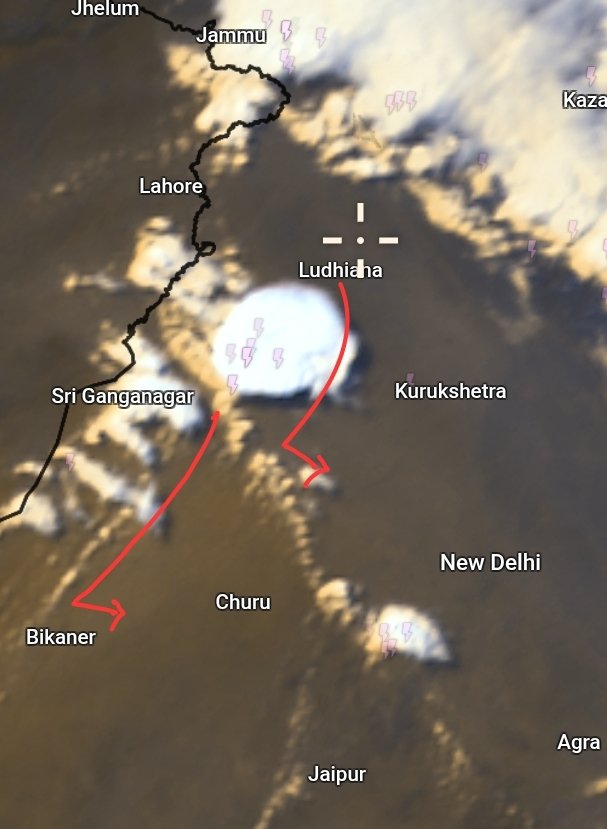
Severe thunderstorms have started to develop over Punjab, Haryana that will affect most parts of north India later in the evening and night.
What to expect:
Intense Duststorm (60-120km/h), followed by moderate to heavy rains and thundershowers and hailstorm activities.
Statewise active timings (Activities in this window, district wise timings to vary)
Punjab: 6 to 10pm
Chandigarh 9pm to 12am
Haryana 6:30 to 11pm
Delhi NCR 8:30pm to 1am
West UP 9pm to 2am
Absolutely advisable to seek shelter once you hear thunder and feel wind speed increasing.
More updates ahead once the formation reaches matured state and move eastward.
#DelhiRains
21
26
226
20,225
Anil Padmanabhan retweeted
India's Garbage Problem: Lessons from Indore
Watch speak Anil Padmanabhan with Arkaja Singh, Fellow, Centre for Policy Research
Tune in to Capital Calculus on 11 June at 7 PM IST
@capitalcalculus @arkajasingh @CPR_India
6
5
573
Jun 11
RT @rajuidesai: She destroyed the Indian critics in just 5 minutes with facts and figures. 😊
From Shankar Sharma to all handles here who ar…
1,125
Anil Padmanabhan retweeted
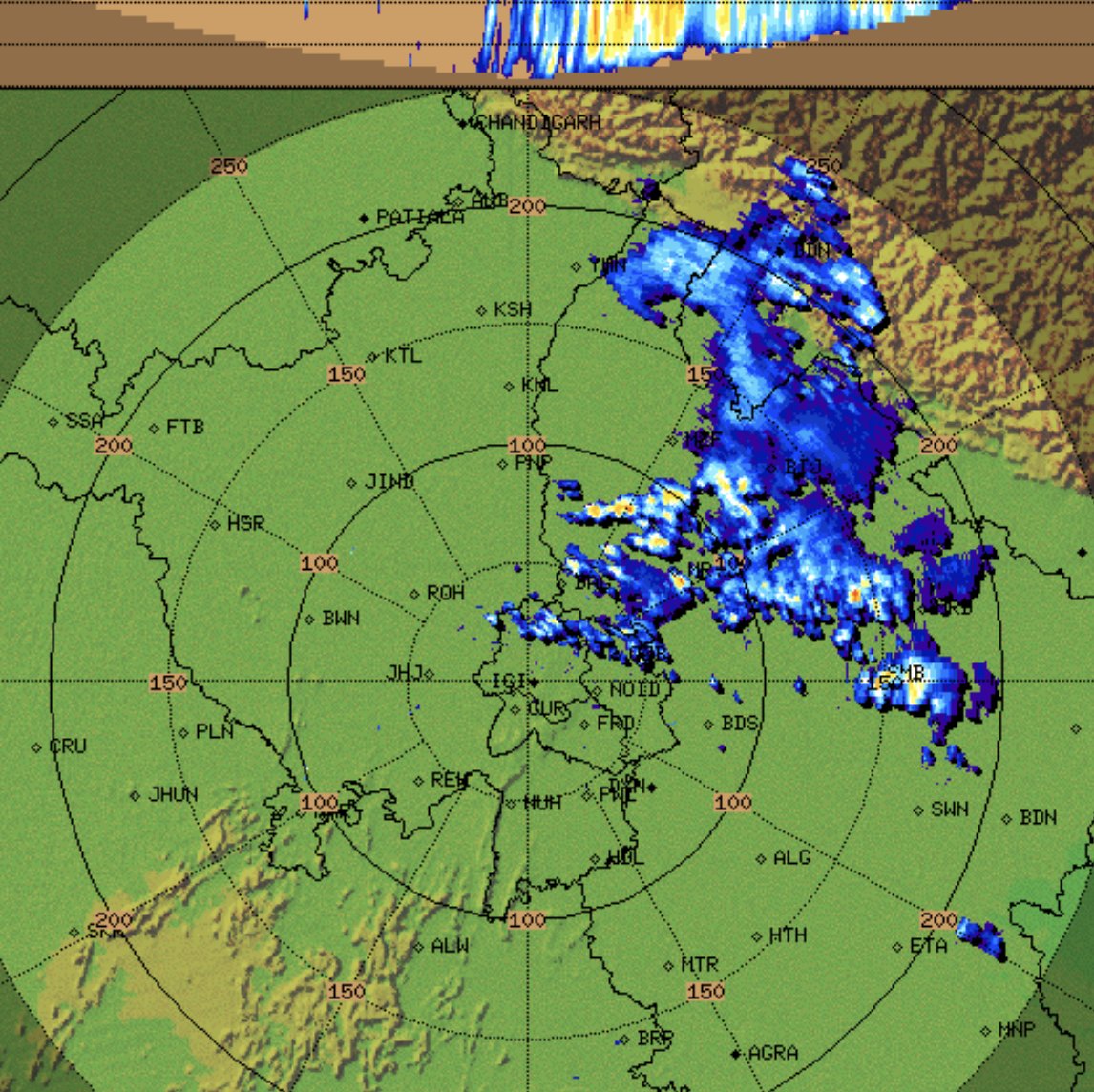
A passing spell of light to moderate rains along with gusty winds is expected to impact #Noida #Ghaziabad and parts of north and east #Delhi in next 1 hour from a storm which is passing from UP.
Fresh thunderstorms will develop late evening that could impact Punjab, Haryana, Delhi NCR, parts of Rajasthan and western Uttar Pradesh between late evening into tomorrow's early hours.
More updates basis development
9
13
180
14,165
Anil Padmanabhan retweeted
Jun 10
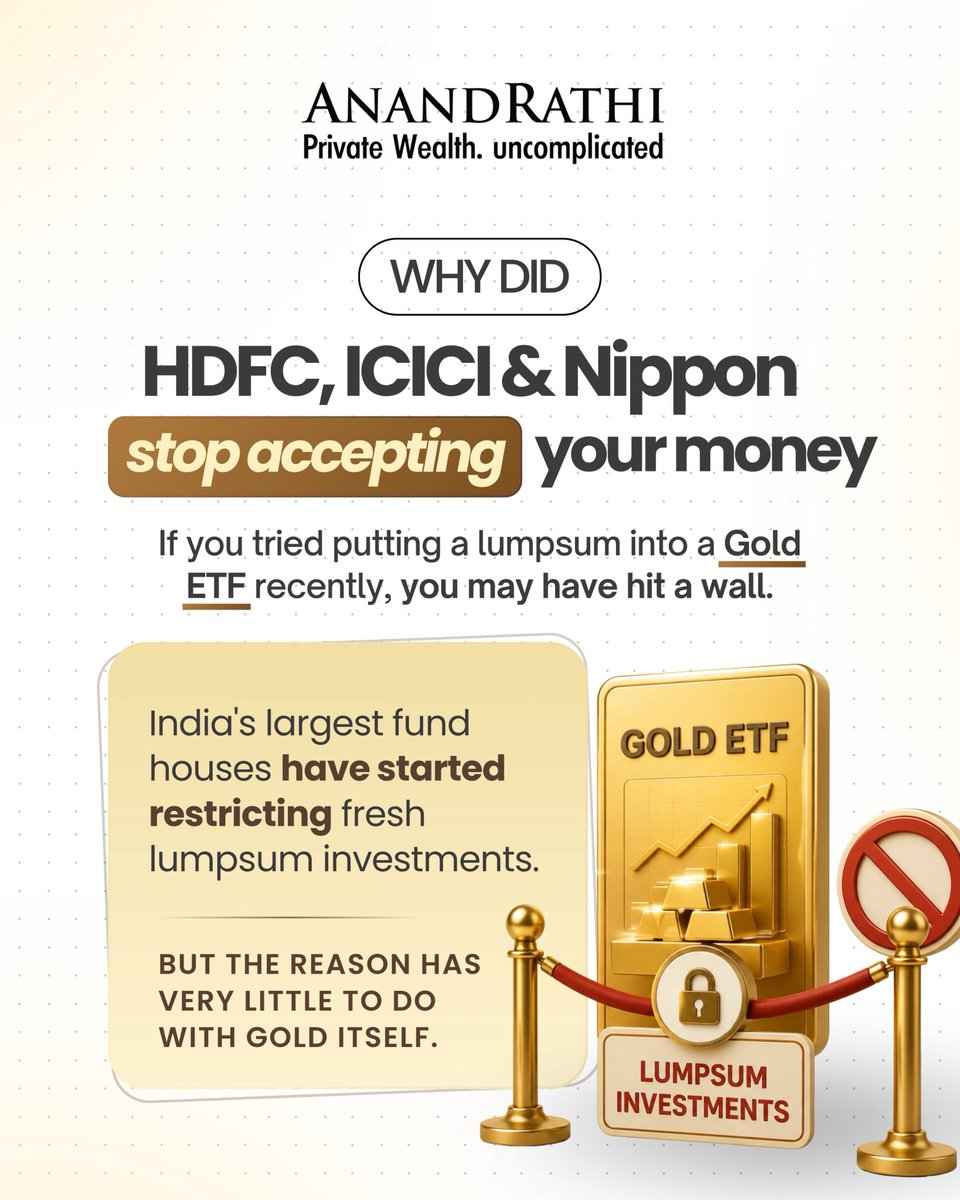
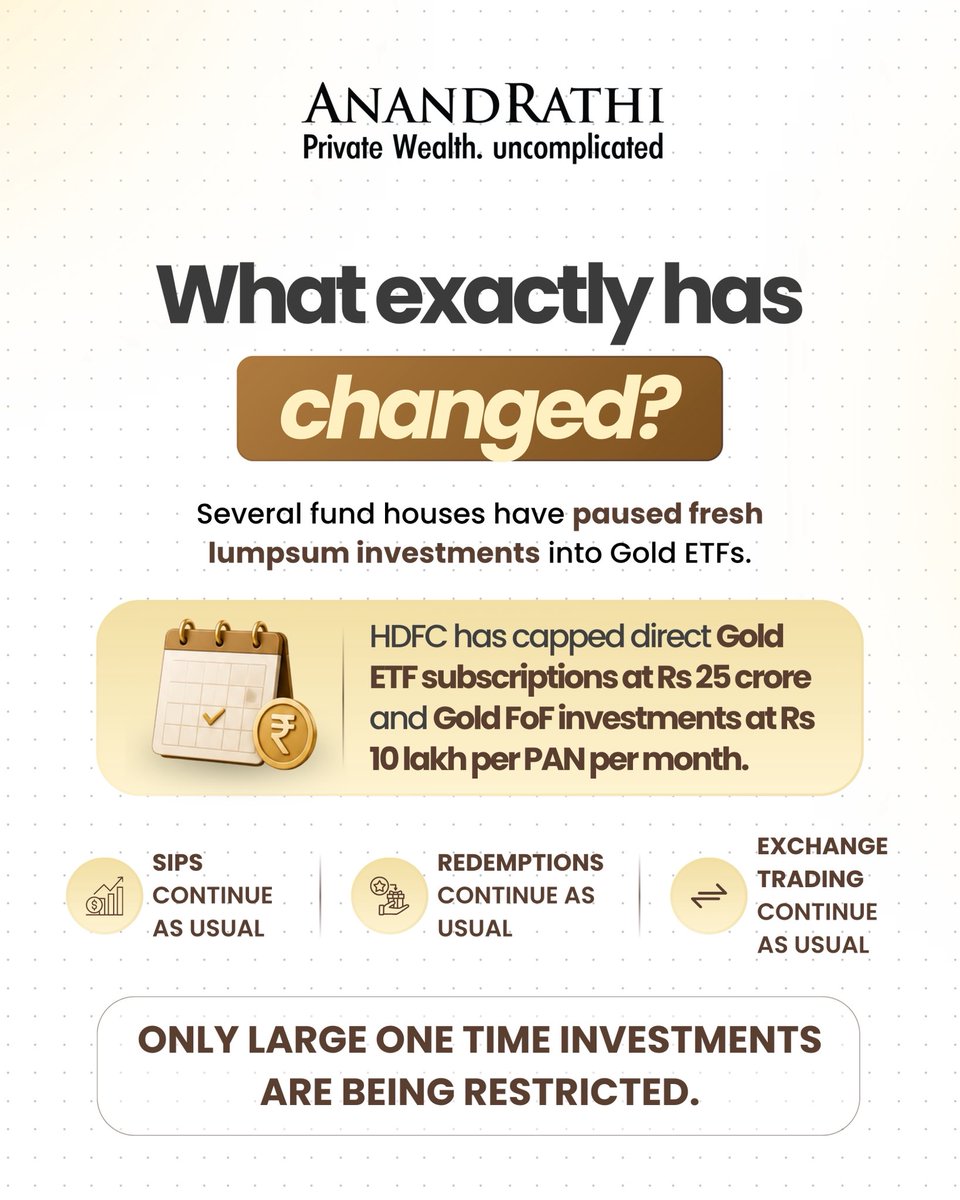
Gold is not just a personal asset. It also affects India’s dollar outflow.
Large Gold ETF inflows mean more physical gold buying, more imports, and more pressure on the rupee.
That is why fresh lumpsum restrictions need context. SIPs, redemptions, and exchange trading continue as usual.
Sometimes, the answer is not buying more gold, but using existing gold more thoughtfully.
19
62
1,020
3,102,105
Anil Padmanabhan retweeted

Jun 10
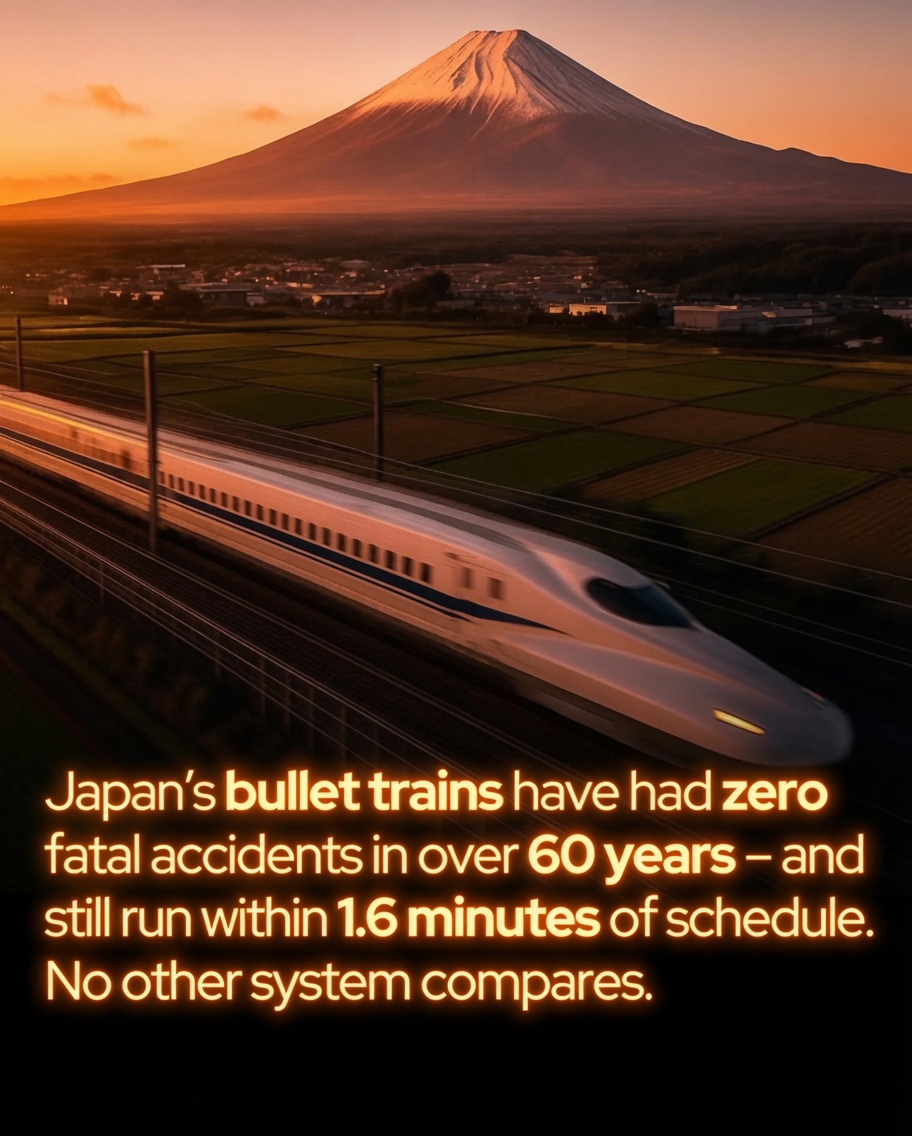
Japan’s Shinkansen bullet trains have operated for over 60 years with a perfect safety record: zero passenger fatalities from crashes or derailments.
Since the first line opened in 1964, the network has carried more than 10 billion passengers while traveling at speeds of up to 200 mph (320 km/h). This makes it one of the safest high-speed transportation systems in history.
The remarkable safety stems from deliberate design choices: dedicated, grade-separated tracks that eliminate crossings with other trains, roads, or freight; advanced automated control systems; real-time earthquake detection that can stop trains within seconds; and rigorous, continuous maintenance and staff training.
The system is equally renowned for its punctuality. In fiscal year 2023, the average delay across the network was just 1.6 minutes per train, even when including disruptions from earthquakes, typhoons, and other natural events.
On the busiest Tokaido Shinkansen line (Tokyo–Osaka), around 432,000 passengers ride daily, with trains departing every few minutes. Few transportation systems worldwide match this combination of speed, scale, safety, and reliability.
37
276
1,055
32,972