We talk empty capsules used in biohacking, peptides, functional mushrooms & nutraceuticals. Built for modern wellness brands.
Joined September 2010
- Tweets 2,219
- Following 1,202
- Followers 1,220
- Likes 3,675
757 Photos and videos
Pinned Tweet

Mar 23
Disclaimer: Backed by 20 years in health & wellness, we share insights on the use of two-piece empty capsules, not medical advice. We’re not doctors. Consult a professional.
2
2,076
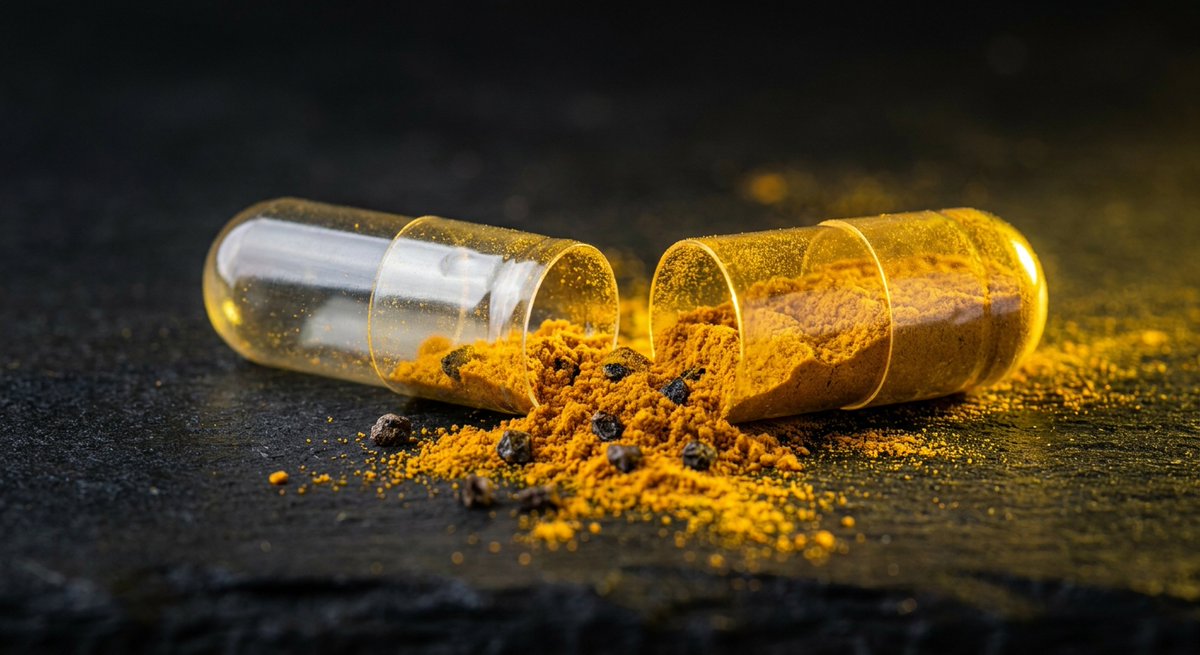
Curcumin is the active compound in turmeric and one of the most studied plant-based anti-inflammatories. The challenge is bioavailability. Standard curcumin has less than 1% absorption on its own. Piperine from black pepper changes that significantly. Most research uses a formulation with around 20mg piperine per serving, which dramatically improves uptake.
Clinical doses run 500-1000mg of curcumin per serving. A size 0 HPMC capsule handles that range cleanly. Two capsules per day with the fattiest meal of the day covers most study protocols.
HPMC is the right shell here. Curcumin extracts contain lipophilic compounds that can interact with gelatin over time. Take it with a fat-containing meal for best results.
#Curcumin #Turmeric #Bioavailability #Supplements
15
Quercetin is widely studied, but standard capsules deliver less than 5% into the bloodstream.
Phytosome form has shown plasma levels 20x higher at the same 500mg dose (European Journal of Pharmaceutical Sciences, 2019).
Size 0 HPMC capsule holds 500mg comfortably. HPMC over gelatin for moisture-sensitive compounds.
The form matters more than the milligrams.
13
Jun 14
Galangal has been used for centuries across Southeast Asian medicine and is now showing up in supplement research for good reason.
This root from the ginger family contains polyphenols, quercetin, and gallic acid, compounds studied for antioxidant activity, anti-inflammatory effects, and cognitive alertness.
There is no official RDA for galangal. Supplement formulas typically use 150-300mg per serving, taken 1-3 times daily. That dose fits comfortably in a size 1 or size 2 HPMC capsule, which preserves the plant compounds better than gelatin due to lower moisture interaction.
If you're encapsulating galangal powder yourself, size 1 handles up to 300mg cleanly without compression.
#supplements #galangal #plantmedicine #capsuleformulation
53
Jun 14
Rhodiola rosea has the strongest human evidence of any adaptogen for stress-related fatigue. A randomized controlled trial at 576mg per day found a 30% reduction in fatigue symptoms after four weeks. An observational study with more than 1,100 participants showed reductions in irritability, exhaustion, and concentration difficulties within three days.
The active markers are rosavins and salidroside. Quality extracts are standardized to 3% rosavins and 1% salidroside. Dose runs 200-600mg per day, which sits in a size 0 or 1 HPMC capsule. Most protocols split that across two servings, both taken in the morning or early afternoon since Rhodiola can have a mild stimulant effect.
HPMC over gelatin. Rhodiola extracts are moisture-sensitive and gelatin absorbs ambient humidity, degrading the rosavins over a shelf cycle.
#Rhodiola #Adaptogens #StressFatigue #Supplements
38
Jun 13
L-tyrosine in capsule form is typically dosed at 500mg per serve. A size 0 HPMC capsule holds 400-800mg, which fits a 500mg dose well. For 1g, a size 00 holds 600-1100mg, or two size 0 caps work just as well. HPMC is vegan and stable for free-form amino acids. @FastCompany
Jun 13

L-tyrosine is said to ease stress and improve memory, making it particularly attractive to those in high-pressure environments. New research shows it may be harmful. f-st.co/HEGFfq1
72
Jun 13
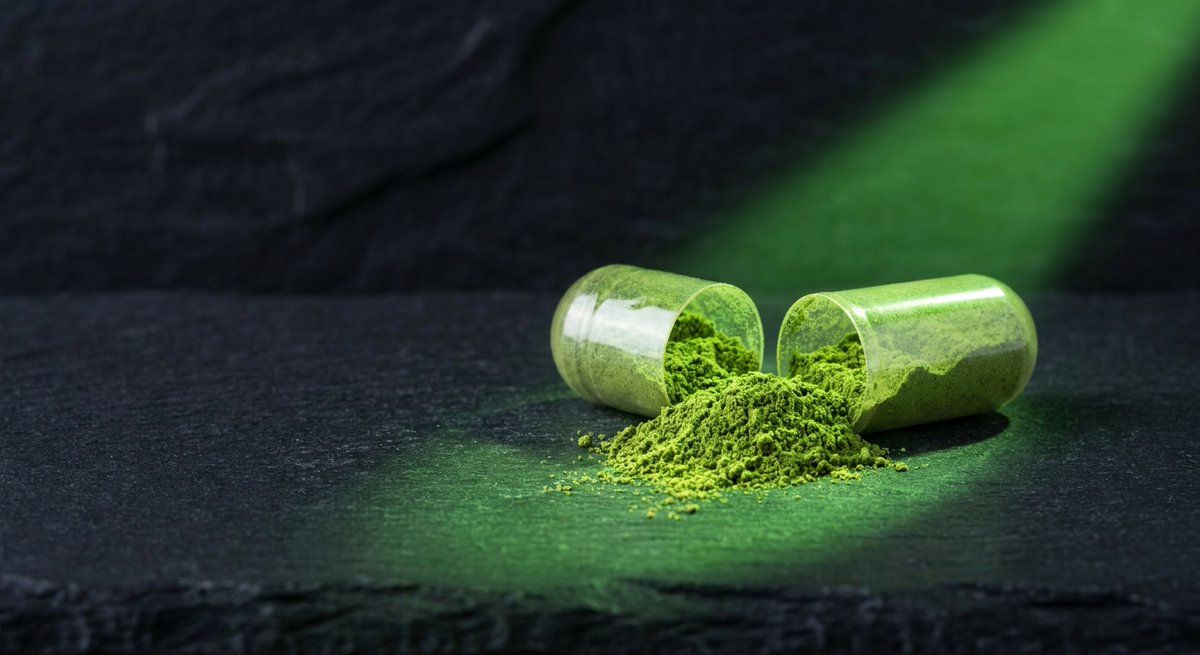
Moringa leaf is one of the most nutrient-dense plants studied for supplementation. Research points to antioxidant density, anti-inflammatory activity, and early clinical data on blood glucose regulation.
Best delivery: size 0 HPMC capsule at 400-500mg per cap. Two capsules twice daily puts you in the 1.6-2g range that most protocols reference.
HPMC is the natural fit here. It is plant-based, moisture-resistant, and dissolves in 5-10 minutes. That matches the audience moringa attracts.
1
48
Jun 11
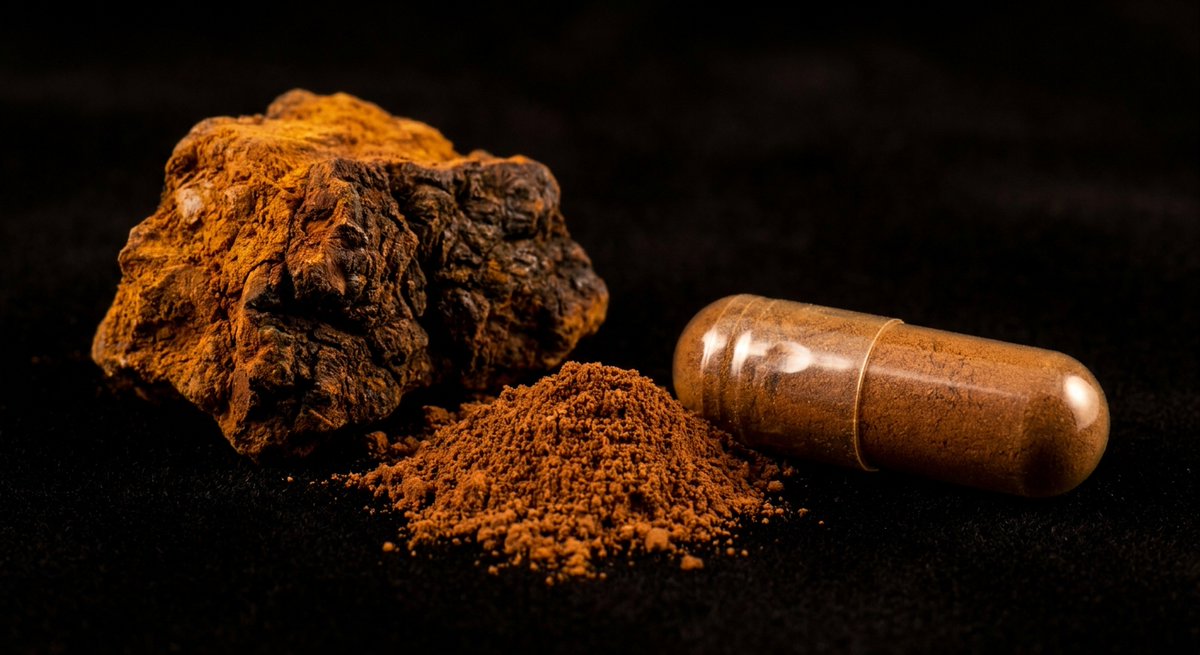
Chaga has been part of Siberian folk medicine for centuries. Used primarily for immune support, antioxidant defense, and reducing inflammation. Rich in beta-glucans, which research links to immune modulation and cytokine regulation. Most evidence is still preclinical but the data is consistent. Size 0 HPMC capsule covers most chaga powders at 400-800mg per cap. Go size 00 for 1000mg formulas. Standard daily range: 500-1000mg. #FunctionalMushrooms #Supplements
40
Jun 10
Top beauty supplements with real research behind them:
Collagen powder (5-10g) for skin elasticity
Vitamin C (size 0, 500mg) for synthesis
Biotin and zinc for hair and nails when deficient (size 4)
Omega-3s for skin barrier
Test your levels first.
1
1
57
Jun 8
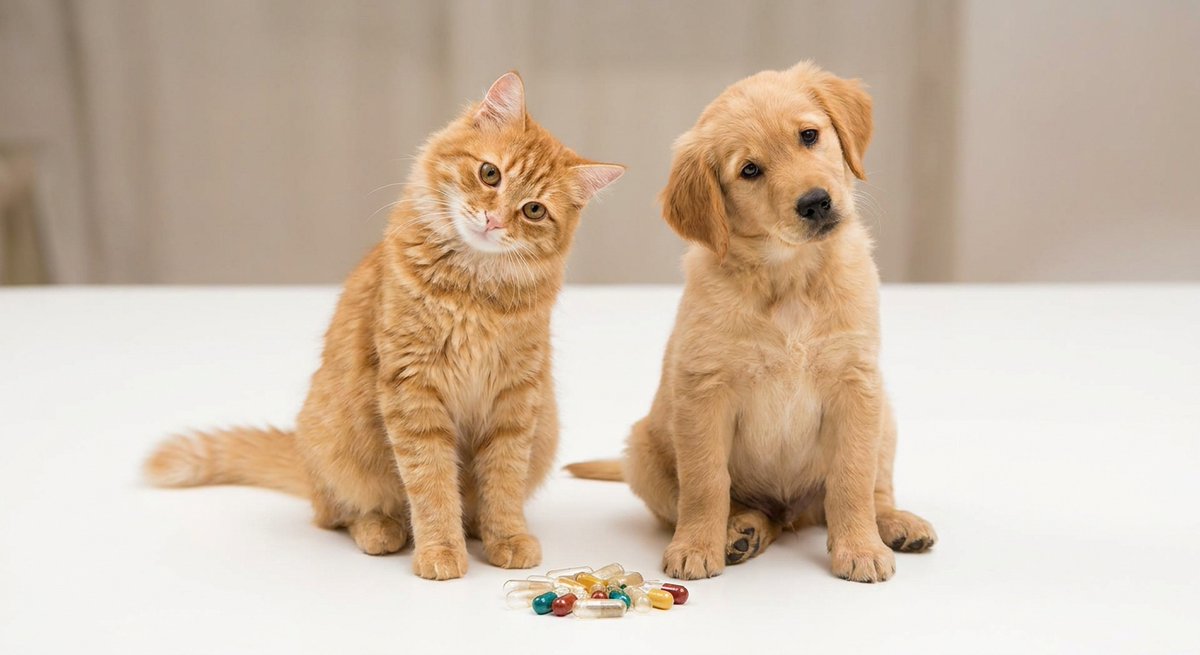
Giving your cat or dog medicine is one of the most stressful parts of pet ownership. Most pets can smell medication through treats, spit it out, or refuse to eat entirely.
Capsuline PetCaps are flavored gelatin capsules designed specifically to mask the taste and odor of pet medication. The flavor is built into the gelatin itself, not applied as an external coating.
Available in three flavors: bacon, beef, and chicken.
In third-party palatability testing, PetCaps showed very high acceptance rates in both cats and dogs. Size 3 works well for cats. Larger dogs typically take size 0 or 00 depending on the medication dose.
Less stress at pill time. For pets and owners.
capsuline.com/petcaps
#PetHealth #DogMom #CatMom #PetMedicine #PetCare
44
Jun 8
Potassium does more than prevent muscle cramps. It regulates electrical signals in muscle cells, keeps the heartbeat steady, and research shows it can reduce systolic blood pressure by around 4 mmHg in people with hypertension.
OTC supplements are capped at 99 mg elemental potassium per serving. Potassium gluconate is the most common form, and at that dose a size 1 HPMC capsule handles it cleanly. Most people take 2 to 3 capsules daily as a dietary gap filler.
Diet is still the foundation. Bananas, white potatoes, and cooked leafy greens deliver far more than any capsule can.
#potassium #hearthealth #minerals #supplements
49
Jun 7
Biotin gets credit for hair and nails, but its core job is energy metabolism. As a cofactor for carboxylase enzymes, it helps convert fats, carbs, and protein into usable fuel.
Most people get enough biotin from food. Supplementing at 2,500 to 5,000 mcg daily is where research shows the most benefit for brittle nails and hair disorders linked to deficiency.
For capsules, size 0 HPMC works well. HPMC keeps it vegan, moisture stable, and dissolves cleanly in 5 to 10 minutes. Take it with your first meal of the day.
#biotin #vitaminB7 #supplements
42
Jun 6
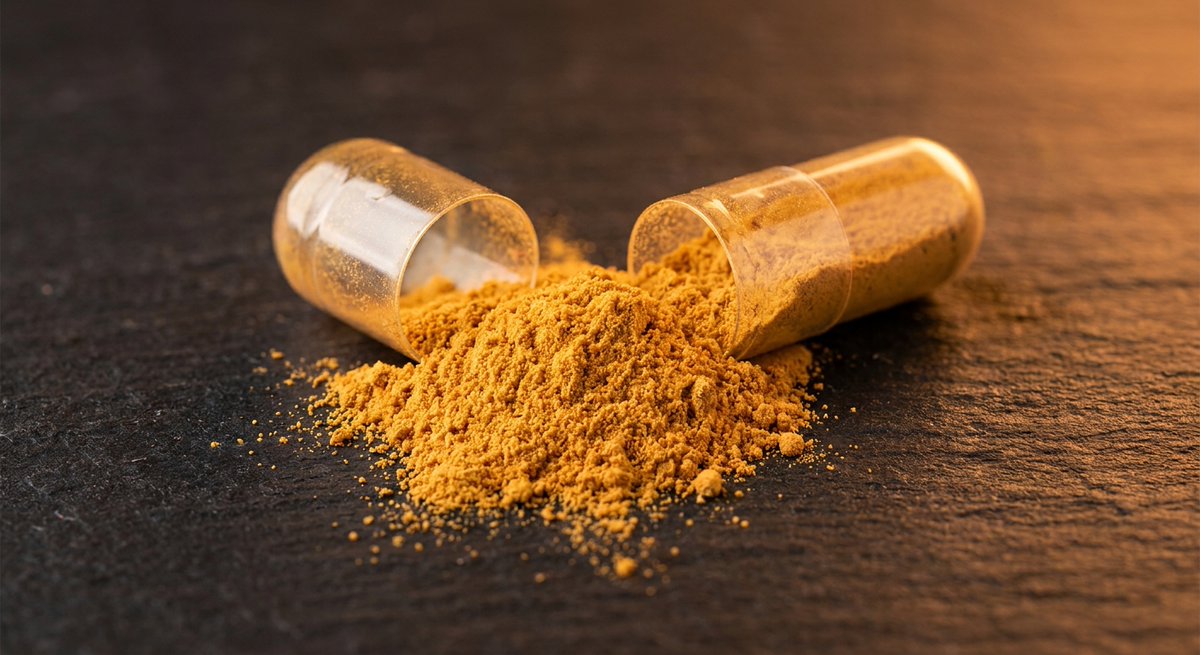
Fisetin is a flavonoid found in strawberries that shows up in most serious longevity stacks as a senolytic. The proposed mechanism is clearance of senescent cells, which accumulate with age and drive chronic inflammation.
The animal data is genuinely strong. Aged mice on intermittent fisetin showed reduced senescence markers and improved tissue function across multiple studies. Human research is early. Short-course trials have used 100mg twice daily for 2 days, focusing on safety and feasibility rather than long-term outcomes. No standard protocol exists yet.
Bioavailability is the main challenge. Oral absorption runs 7 to 30 percent depending on formulation. Liposomal forms improve pharmacokinetics significantly. For standard powder, size 2 or 3 HPMC covers 100 to 200mg. Take with a fat-containing meal to support absorption.
#Fisetin #Senolytic #Longevity #Supplements
1
48
Jun 6
Phosphatidylserine is a phospholipid concentrated in brain cell membranes. It supports membrane fluidity and neurotransmitter signaling, which is why most clinical research targets cognitive function, memory, and attention in older adults.
The most studied dose range in human trials is 200 to 300mg per day. Evidence is strongest for age-related cognitive decline. Some ADHD trials have used similar doses with meaningful results.
At 200mg a size 2 HPMC capsule works. At 300mg a size 1 handles it. HPMC is preferred over gelatin because phosphatidylserine is moisture-sensitive. Soy-derived is the most common commercial form. Sunflower-derived PS is available for soy-free formulas and is increasingly the cleaner choice.
#PhosphatidylSerine #BrainHealth #Nootropics #Supplements

45
Jun 6
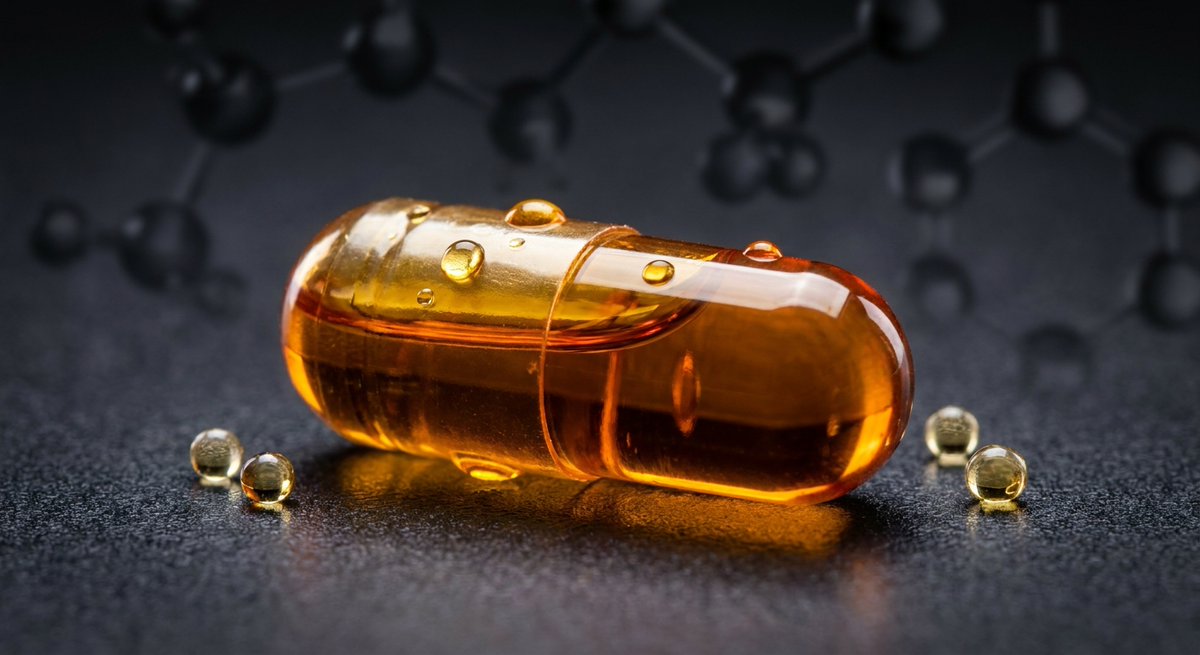
Omega-3 gets talked about mostly for heart health, but the strongest clinical evidence is specifically for triglyceride reduction. A 2020 review of 23 studies found EPA and DHA lower triglycerides by around 15%. The cardiovascular picture beyond that is more modest and depends heavily on baseline risk factors.
The practical dosing range is 1 to 1.5g combined EPA and DHA per day for general use. For elevated triglycerides, clinical protocols often go higher. At 3 to 4g daily there is a small increase in atrial fibrillation risk, so dose matters.
Fish oil is fat-soluble, which means absorption goes up meaningfully when taken with a meal containing dietary fat. A size 00 HPMC capsule handles 500 to 1000mg of fish oil concentrate. Always check EPA and DHA content on the label, not just total fish oil weight.
#Omega3 #FishOil #Supplements #Capsules
45
Jun 5
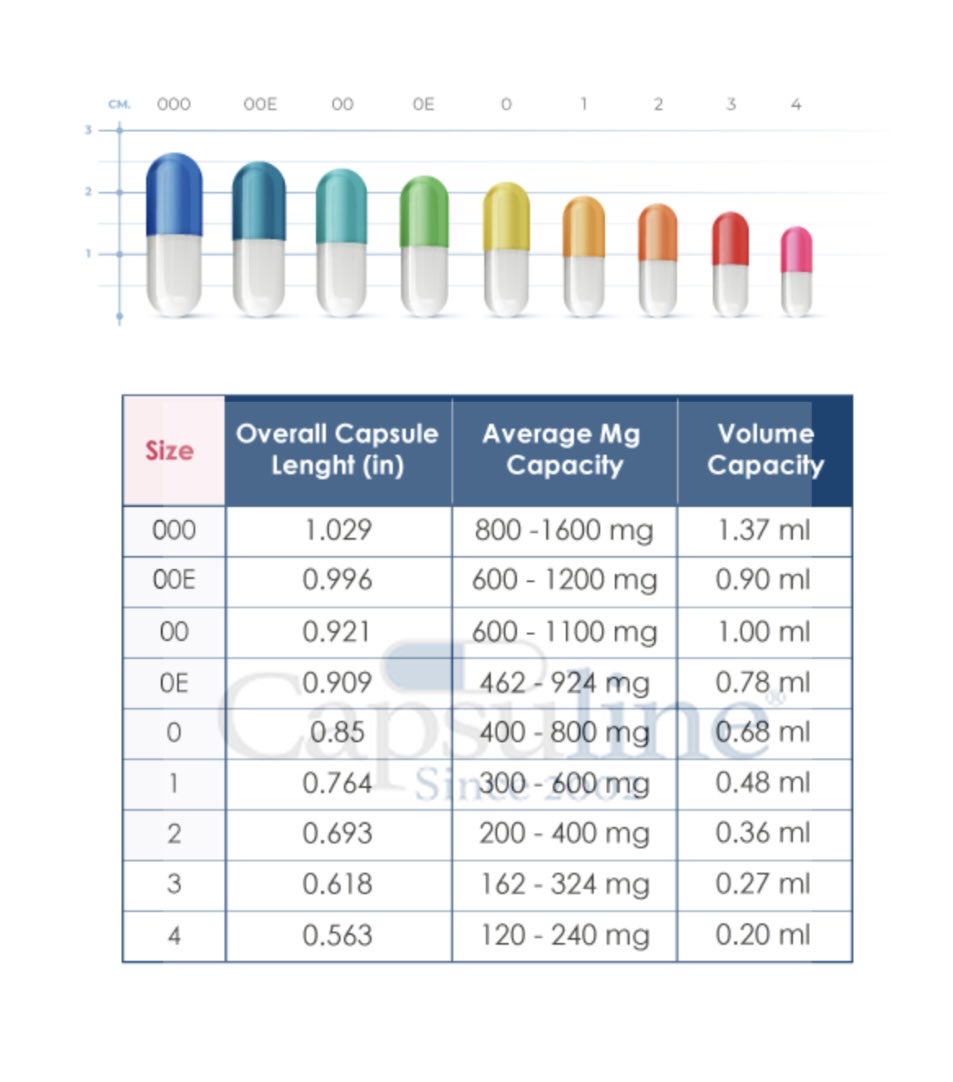
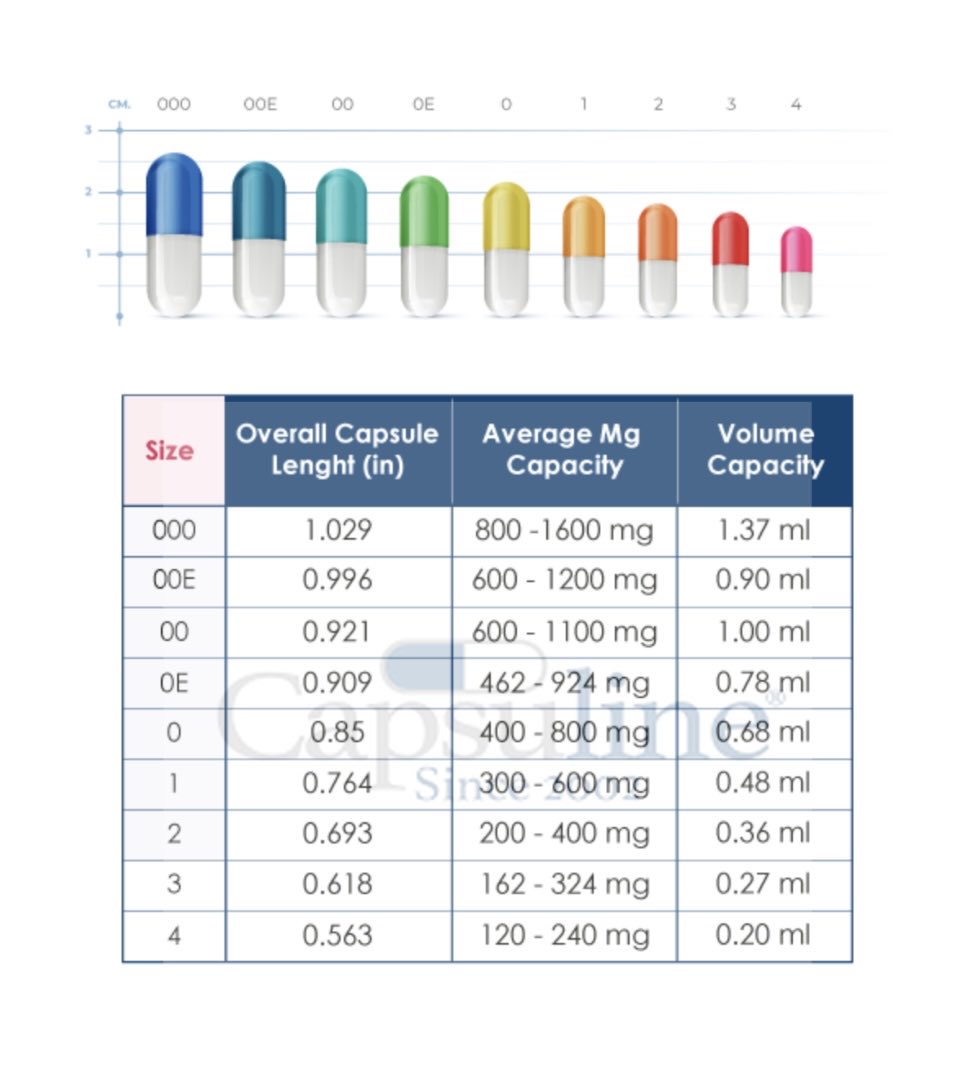
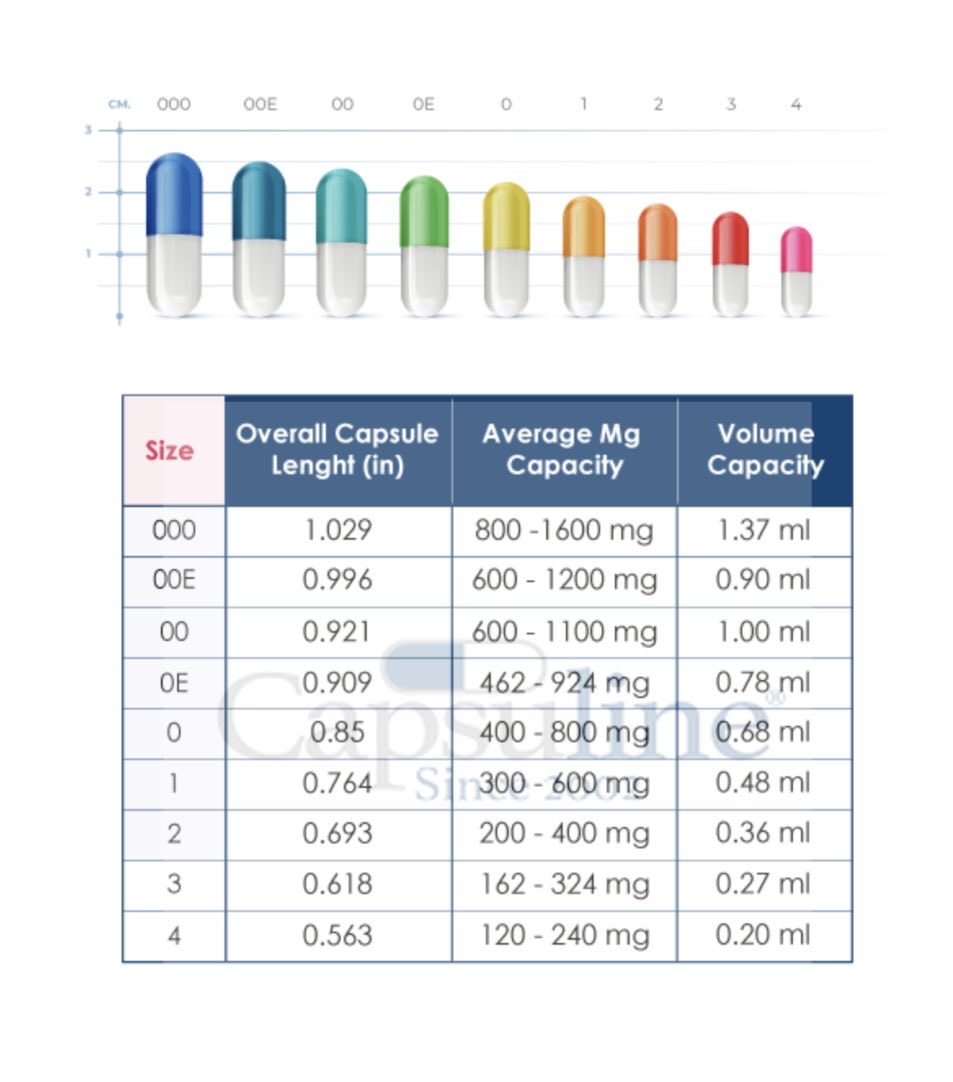
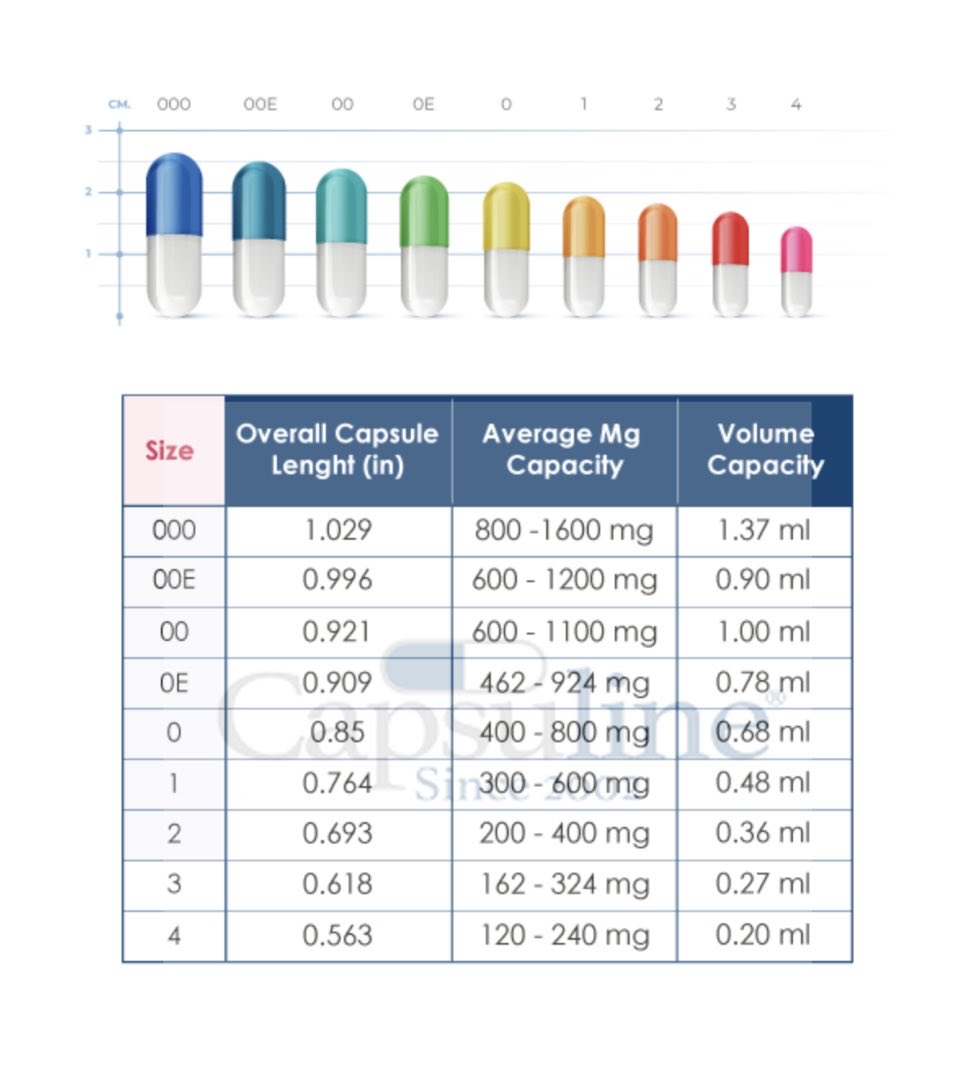
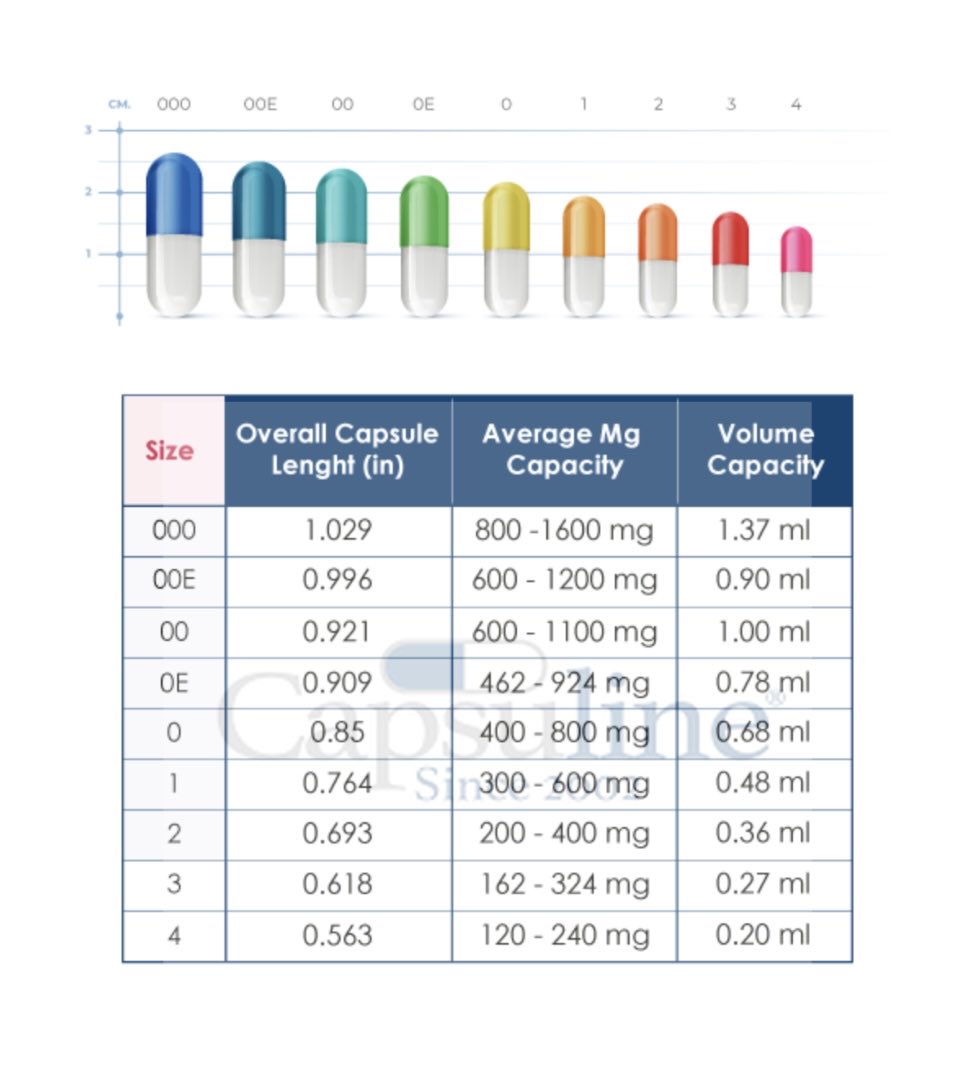
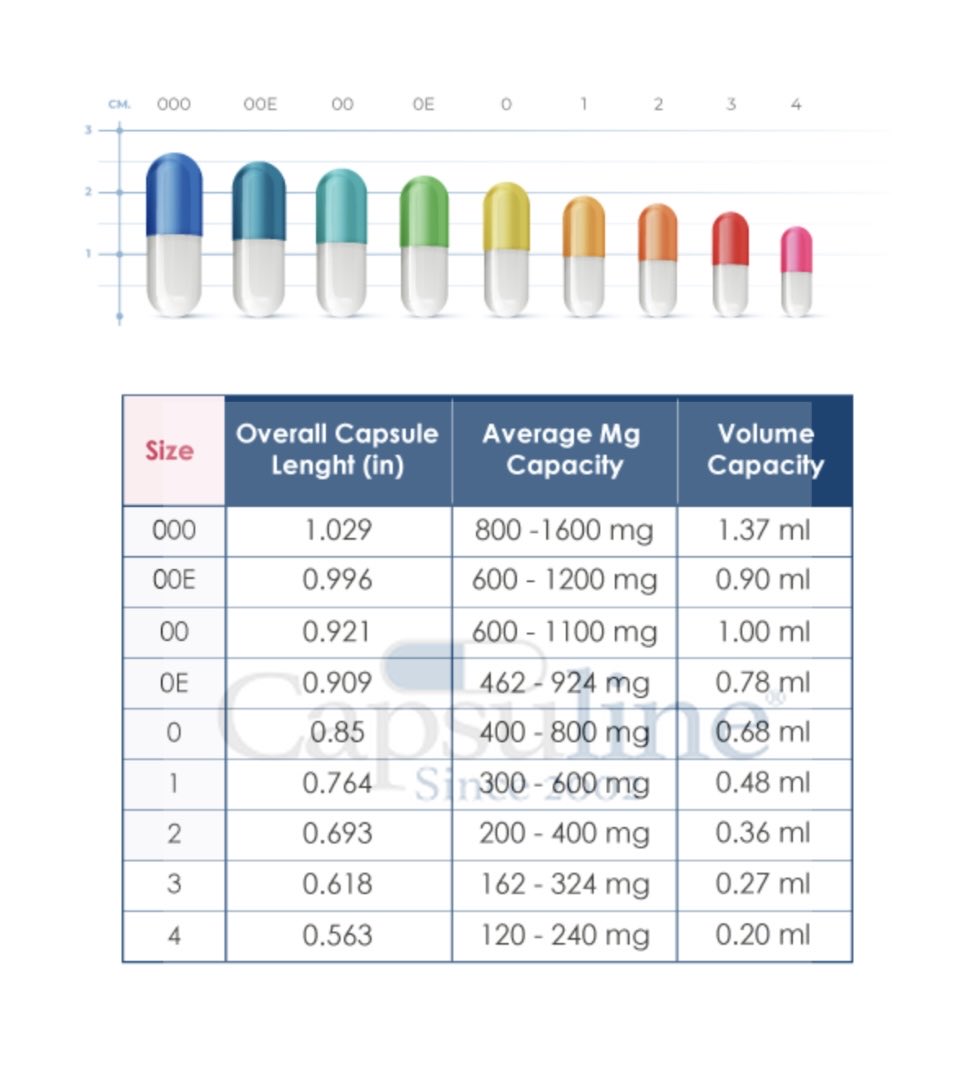
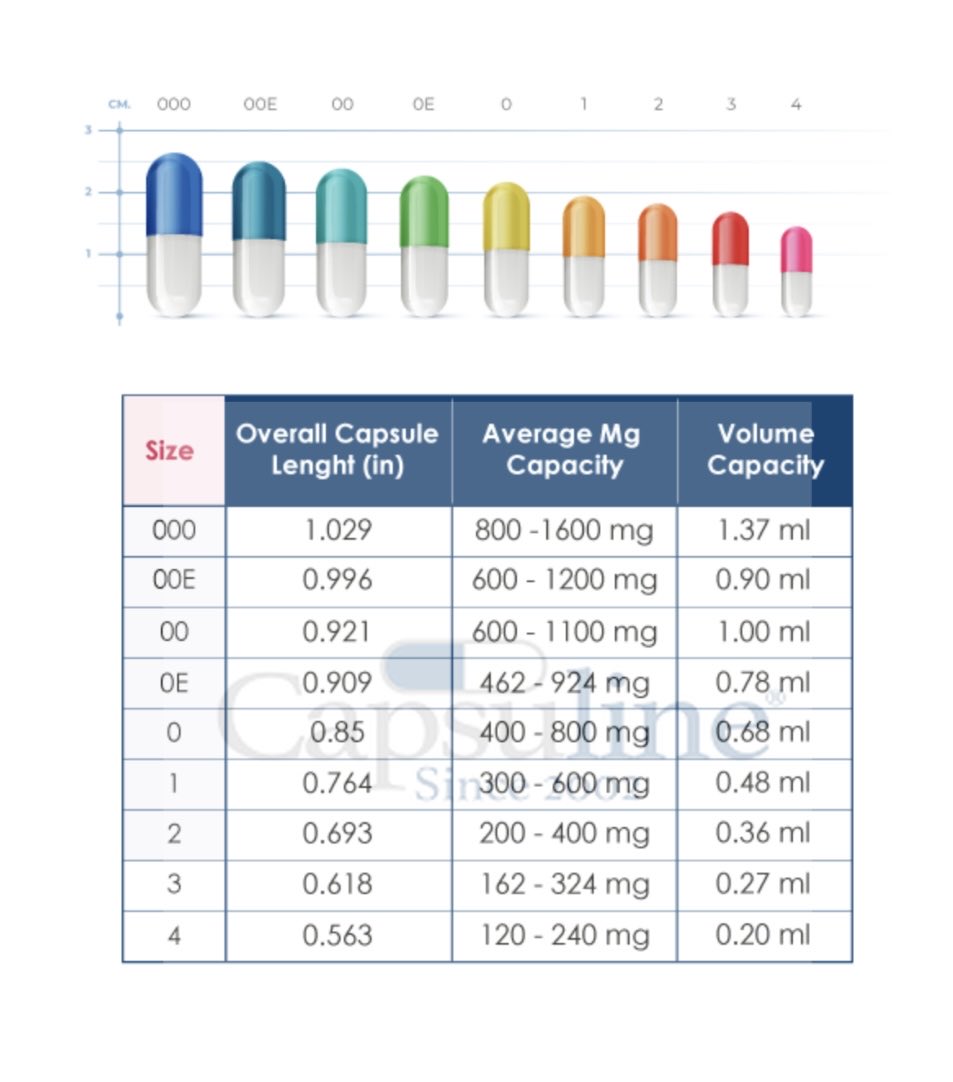
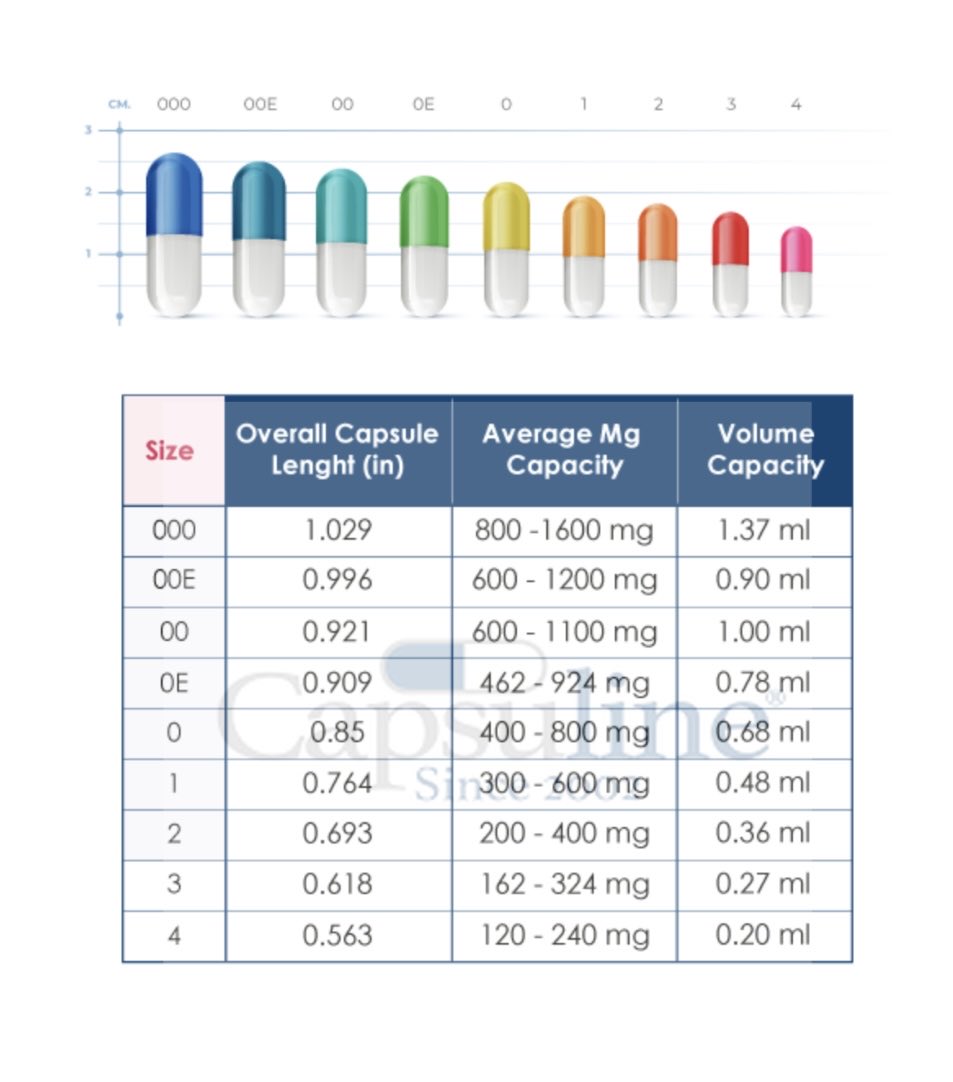
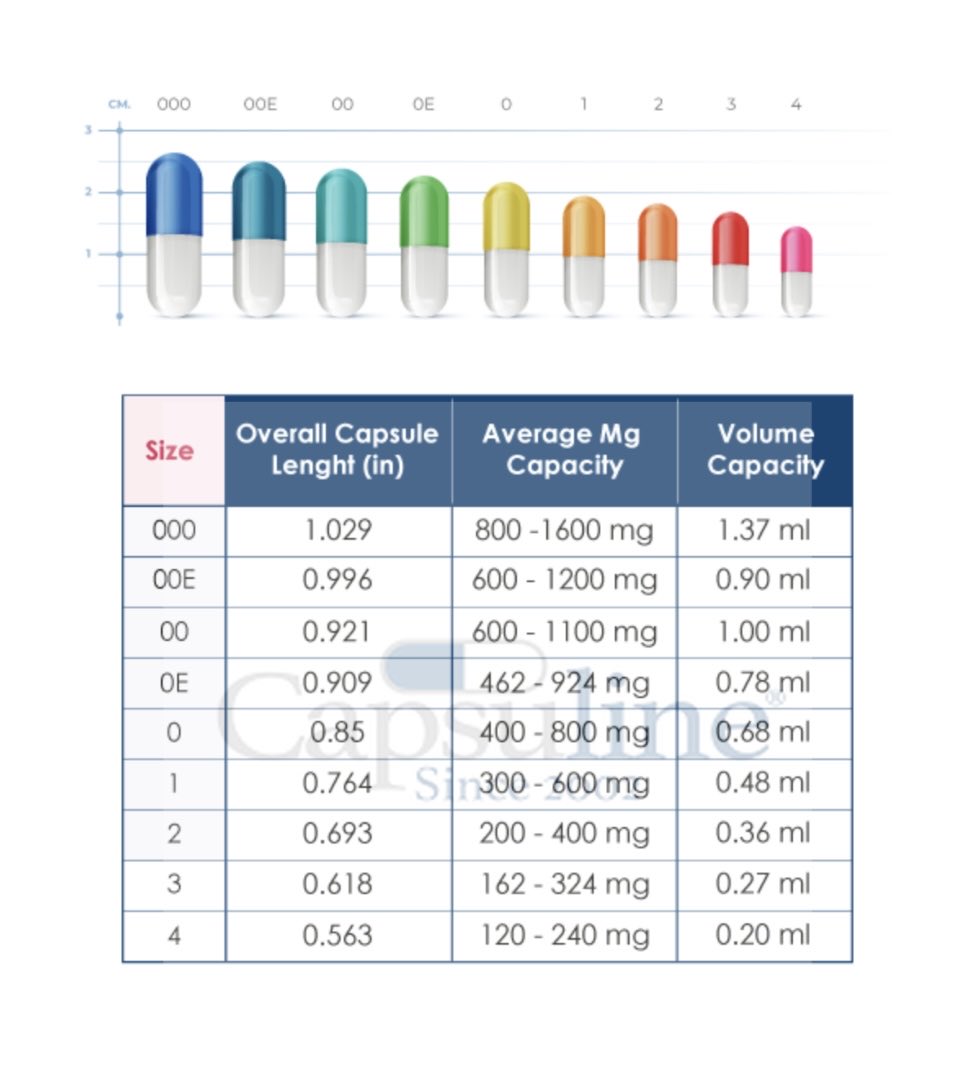
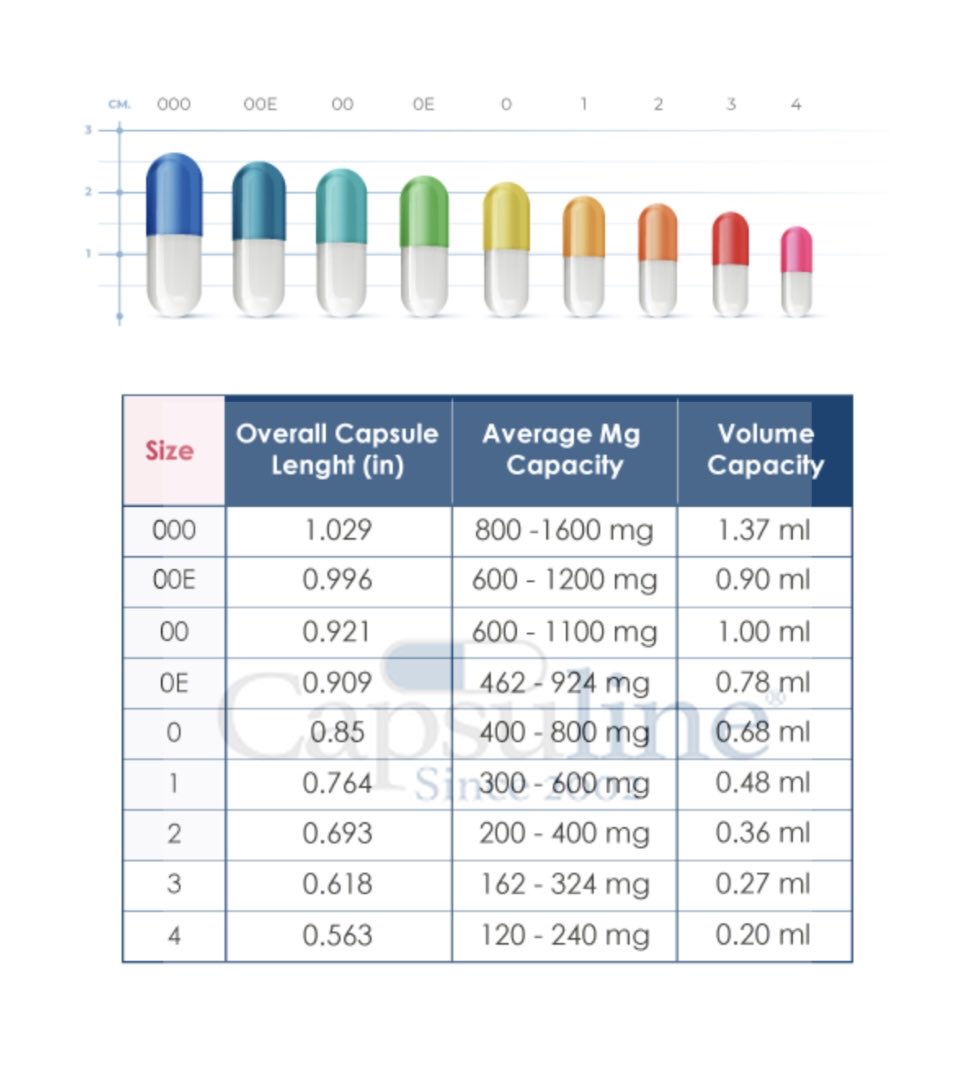
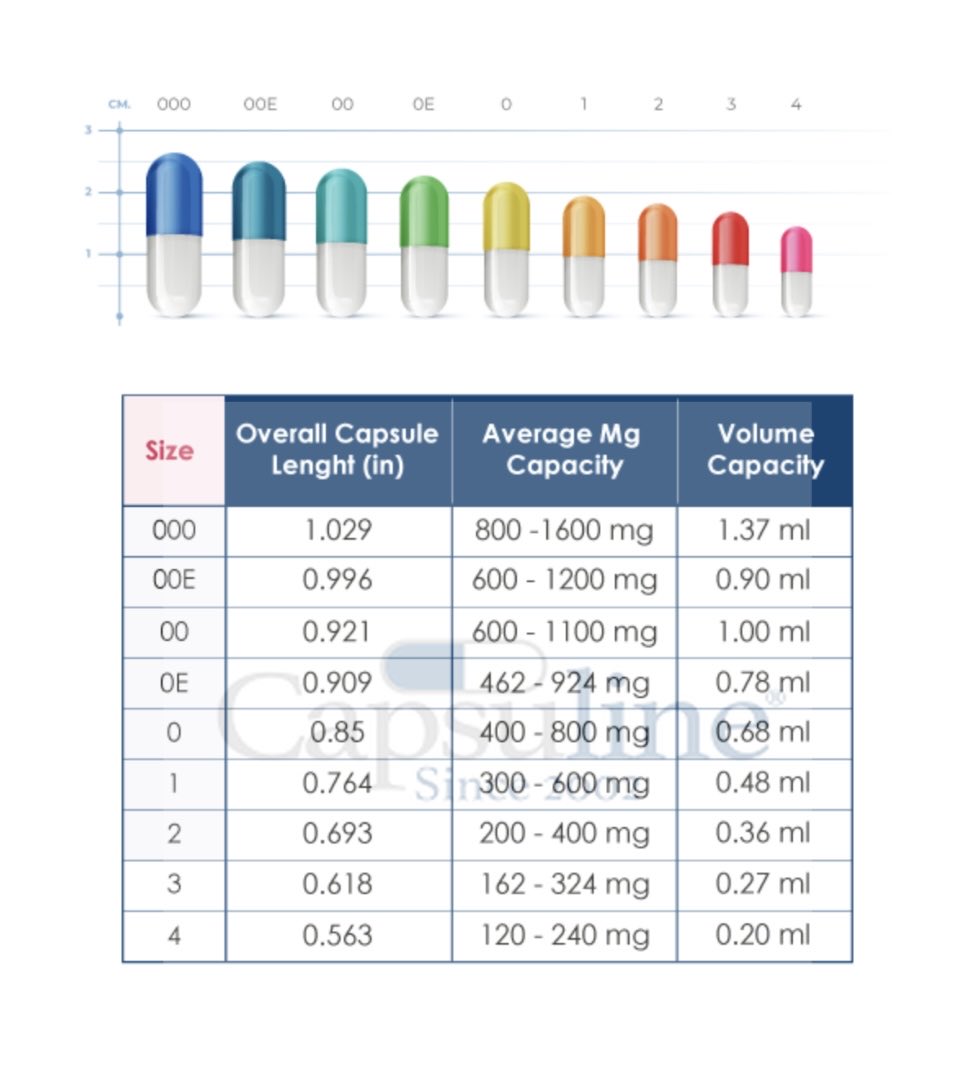
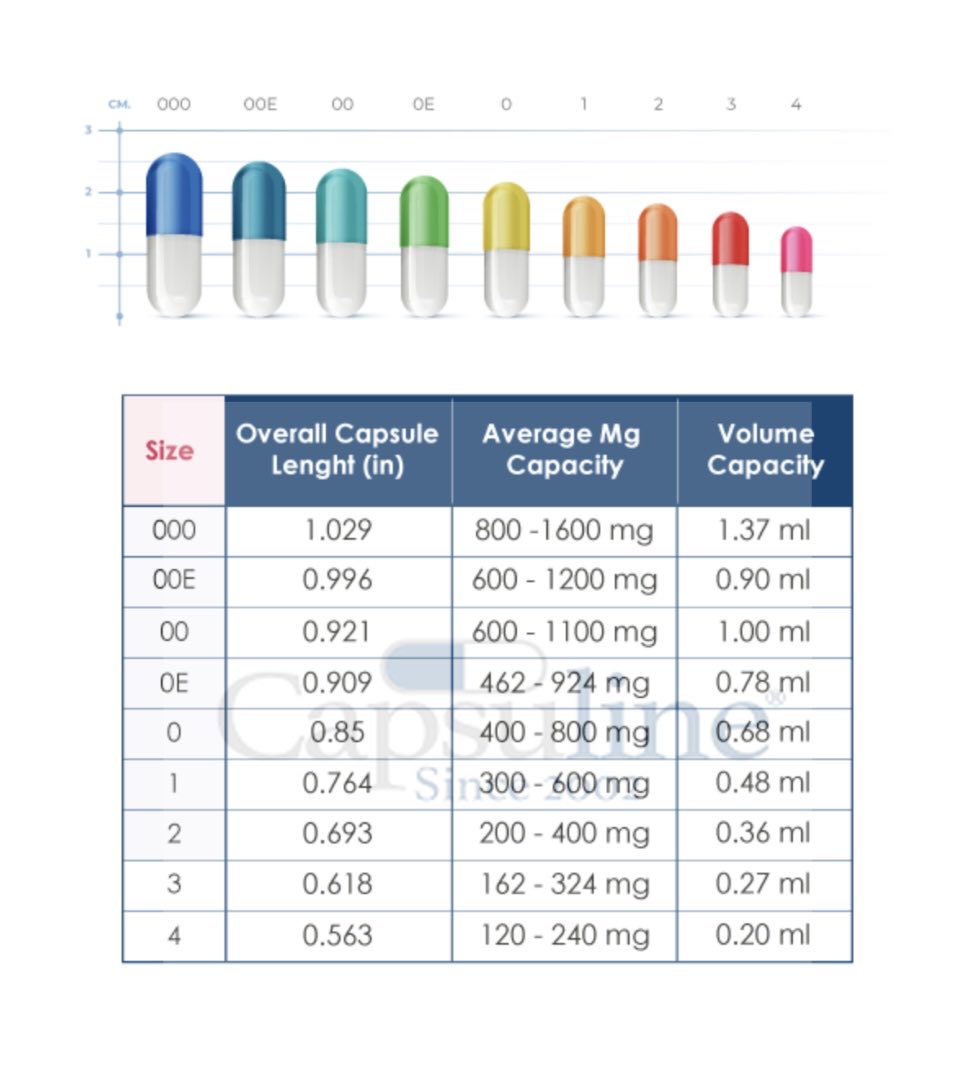
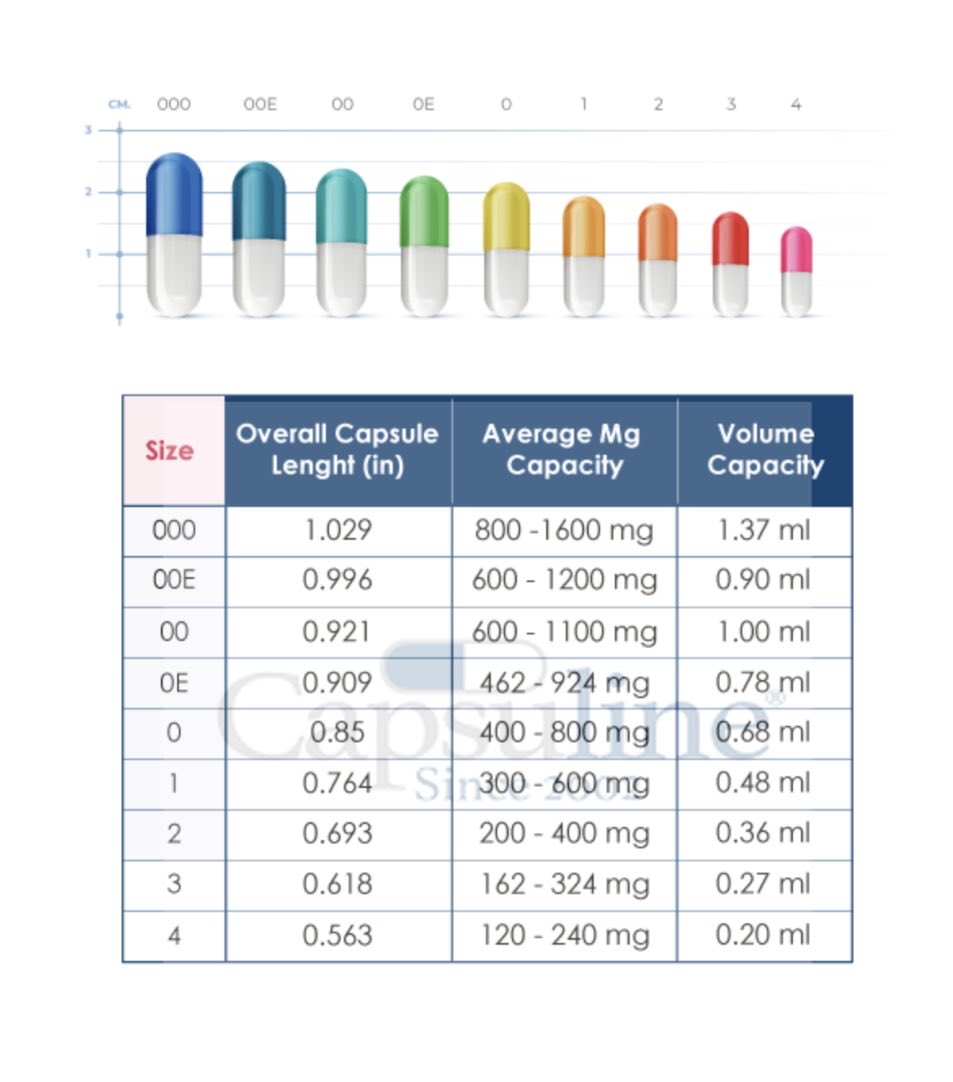
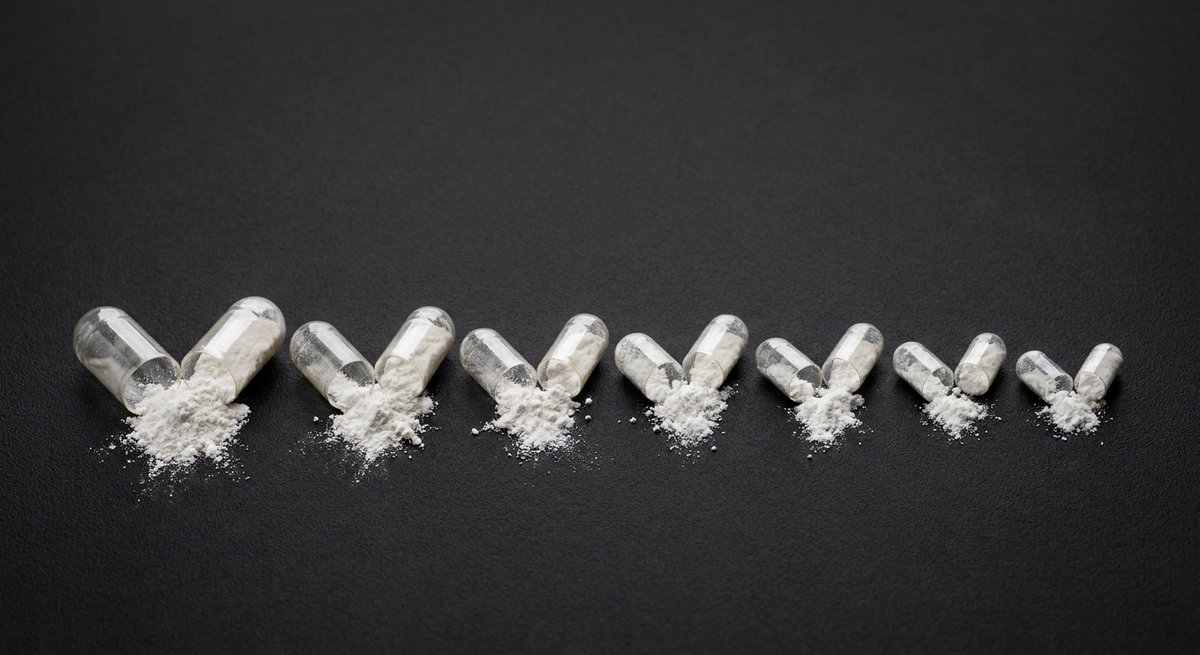
Save this. Every capsule size and what fits inside.
Size 000 | 800-1600mg: bulk blends, psyllium husk
Size 00 | 600-1100mg: probiotics, taurine at 1000mg (2 caps), fish oil powder
Size 0 | 400-800mg: magnesium glycinate, ashwagandha, NMN, ALA, berberine, NAC
Size 1 | 300-600mg: CoQ10, lion's mane extract, rhodiola rosea
Size 2 | 200-400mg: lemon balm, lower-dose B vitamins
Size 3 | 162-324mg: zinc picolinate, B1, B2, B6
Size 4 | 120-240mg: biotin, melatonin, BPC-157, peptides
Use HPMC for moisture-sensitive compounds. Delayed release for probiotics and oral peptides.
All sizes at capsuline.com
2
81
Jun 5
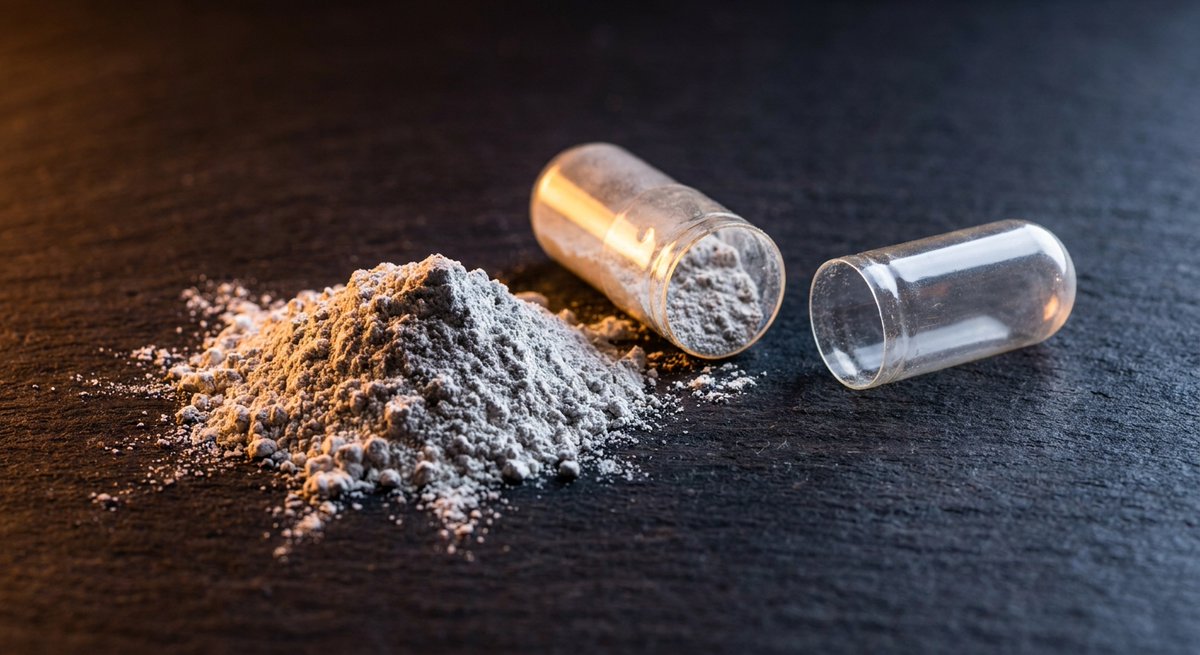
Zinc does more for your gut than most people realize.
The gut lining depends on zinc to maintain tight junction proteins, specifically occludin and zonula occludens, that hold intestinal cells together and regulate what passes through. When zinc is low, those junctions loosen and intestinal permeability increases.
Research also shows zinc deficiency shifts the gut microbiome toward more harmful bacterial populations. Adequate zinc is associated with lower enterobacteria counts, increased acetate and butyrate production, and better mucosal integrity overall.
The evidence is strongest for correcting deficiency rather than mega-dosing. Most adults do well at 15 to 30mg daily. Zinc picolinate and bisglycinate are the best-absorbed forms. Both fit in a size 3 or 4 HPMC capsule. HPMC is the cleaner choice here over gelatin.
#Zinc #GutHealth #IntestinalBarrier #Microbiome #SupplementScience
54
Jun 4
Most oral peptide formulations lose 98 to 99% of the active compound before it reaches the bloodstream. The GI tract breaks down peptide bonds efficiently, and conventional capsules offer no protection against that.
The formulation fix is delayed release HPMC capsules paired with absorption enhancers. The shell passes through the stomach intact and dissolves in the small intestine, where the mucosal surface is better equipped for peptide uptake. Current research points to solid dosage forms with functional excipients as the most promising direction for improving oral peptide delivery.
For cognitive peptides like Selank and Semax, which are being studied for focus and memory support, getting the delivery right is the entire game. Preclinical data is promising but formulation consistency is what determines whether clinical results follow.
#OralPeptides #Peptides #Bioavailability #HPMC
37
Jun 4
The most research-backed mushroom stack for cognitive support combines three species. Lion's mane drives the nerve growth factor mechanism. Reishi provides neuroprotective antioxidant coverage. Cordyceps supports oxygen utilization and mental energy output.
A 2024 review found regular mushroom intake was consistently linked to better executive function, prospective memory, and word recall in older adults. The association holds across cultures and diets, which points to the compounds rather than lifestyle confounders.
For capsules: lion's mane at 500mg, reishi at 300 to 600mg, cordyceps at 500mg. Each fits a size 0 or 1 HPMC capsule per dose. HPMC over gelatin for all three since mushroom extracts are moisture-sensitive and plant-based capsules keep the bioactive content intact longer.
#LionsMane #FunctionalMushrooms #CognitiveHealth #Nootropics
37
Jun 3
Glutamine is the most abundant amino acid in the body and the primary fuel source for intestinal epithelial cells. When the gut lining is under stress from infection, intense exercise, or chronic inflammation, glutamine levels drop and barrier integrity can decrease.
Clinical trials studying gut permeability and IBS have used 15 g per day, typically split into three 5 g doses. A six-week trial combining glutamine with a low-FODMAP dietary protocol showed greater symptom improvement than the diet protocol alone. This is the kind of data point that makes glutamine genuinely useful for people managing gut-related issues, not just popular for it.
The caveat with capsules is dose volume. At 500 to 750 mg per capsule, reaching 5 g per dose means 7 to 10 capsules at a time. For lower maintenance doses around 1 to 2 g per dose, a size 0 or size 00 HPMC capsule at 750 to 850 mg works well. HPMC over gelatin because glutamine powder is moisture-sensitive and gelatin shells are more permeable to humidity. For higher therapeutic doses, powder is more practical.
#LGlutamine #GutHealth #IntestinalHealth #LeakyGut #SupplementScience
1
54
Jun 3
Alpha-lipoic acid is one of the few antioxidants that is both fat-soluble and water-soluble. That means it can neutralize reactive oxygen species in both aqueous and lipid environments, which most antioxidants cannot do. It also recycles glutathione, vitamin C, and vitamin E, extending the antioxidant capacity of the whole system.
The clinical evidence for insulin sensitivity is consistent across multiple human trials. At 600 mg per day, ALA improves glucose uptake and insulin signaling, particularly in people with metabolic dysfunction. It also participates directly in mitochondrial energy enzyme function, which is why it shows up in most serious mitochondrial support stacks alongside CoQ10.
Standard dose is 300 to 600 mg per day, taken on an empty stomach as food reduces absorption significantly. A 600 mg dose fits in a size 0 HPMC capsule. HPMC is preferred because ALA is sensitive to heat and moisture, and gelatin shells can degrade over time in humid conditions. R-ALA is the more bioactive isomer but is harder to source and less stable; racemic (standard) ALA is what most trials use.
#AlphaLipoicAcid #ALA #Antioxidant #MitochondrialHealth #SupplementScience
44