
It's okay to be human.
Joined January 2026
- Tweets 3,269
- Following 1,994
- Followers 398
- Likes 6,037
477 Photos and videos


Pinned Tweet

Jun 12
Getting the vibe that Juneteenth isn't going to hit the same this year.
1
114
I don't like to speculate but I think this is going to break up the letter alliance. They've already kicked out the Q and .

SCOOP: California is pressuring public utilities to award $633 million in special contracts to "LGBT-owned" firms. To qualify, residents must go through the state's official gay-certification program—and face up to a year in jail if they're not gay enough.
city-journal.org/article/cal…
30
Down with communism.

Note the amount of energy that Pratt gets by using the c-word frankly and openly.
We don’t need to say “progressive” in scare quotes anymore. Down with communism
1
1
200
Captain Tron retweeted

Jun 12
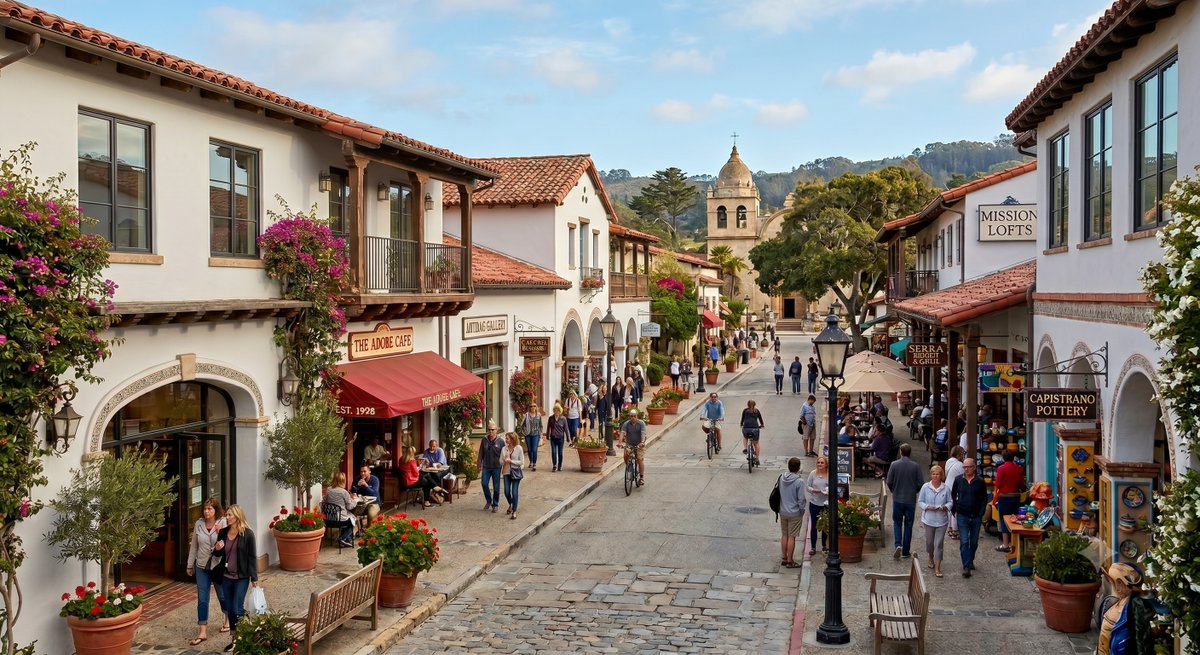
True California urbanism doesn’t need to be invented from scratch. It needs to be remembered.
The places Californians instinctively love — Carmel, Santa Barbara, Sonoma, San Juan Capistrano, Ojai, Pasadena, parts of San Diego and Los Angeles — all draw from the same deep well: California’s Spanish colonial and mission-era heritage.
White stucco walls. Red clay tile roofs. Shaded arcades. Courtyards. Plazas. Human-scaled streets. Bougainvillea spilling over balconies. Cafés opening onto sidewalks. Churches and civic buildings as anchors. A sense that beauty, climate, walking, commerce, and community all belong together.
The missions were not just buildings. They were organizing principles: settlement patterns, public space, gardens, craft, ritual, orientation, hierarchy, and an architecture deeply adapted to this landscape. We can and should tell that history honestly, including its painful parts. But we should not pretend California has no inherited urban language of its own.
So much of modern California planning has rejected this inheritance in favor of sprawl, strip malls, parking lots, blank walls, isolated pods, and placeless “anywhere USA” development. But our most beloved towns prove another path is possible.
California already has an urbanism that fits its climate, history, and culture. It is walkable, shaded, mixed-use, beautiful, local, and human-scaled. It creates streets you want to linger on, not just move through.
The opportunity now is to learn from the past without copying it blindly. To build new neighborhoods that feel rooted rather than generic. To recover the plaza, the paseo, the courtyard, the arcade, the village street, the corner café, the civic landmark, the garden wall.
This isn’t nostalgia. It’s continuity.
The future of California urbanism should look like California.
38
72
626
31,113
Captain Tron retweeted
Vance is out doing the rounds showing his moves.
He's got chops.
I am unable to Doom.
2
4
141
Captain Tron retweeted

💯Yes. Read this🧵

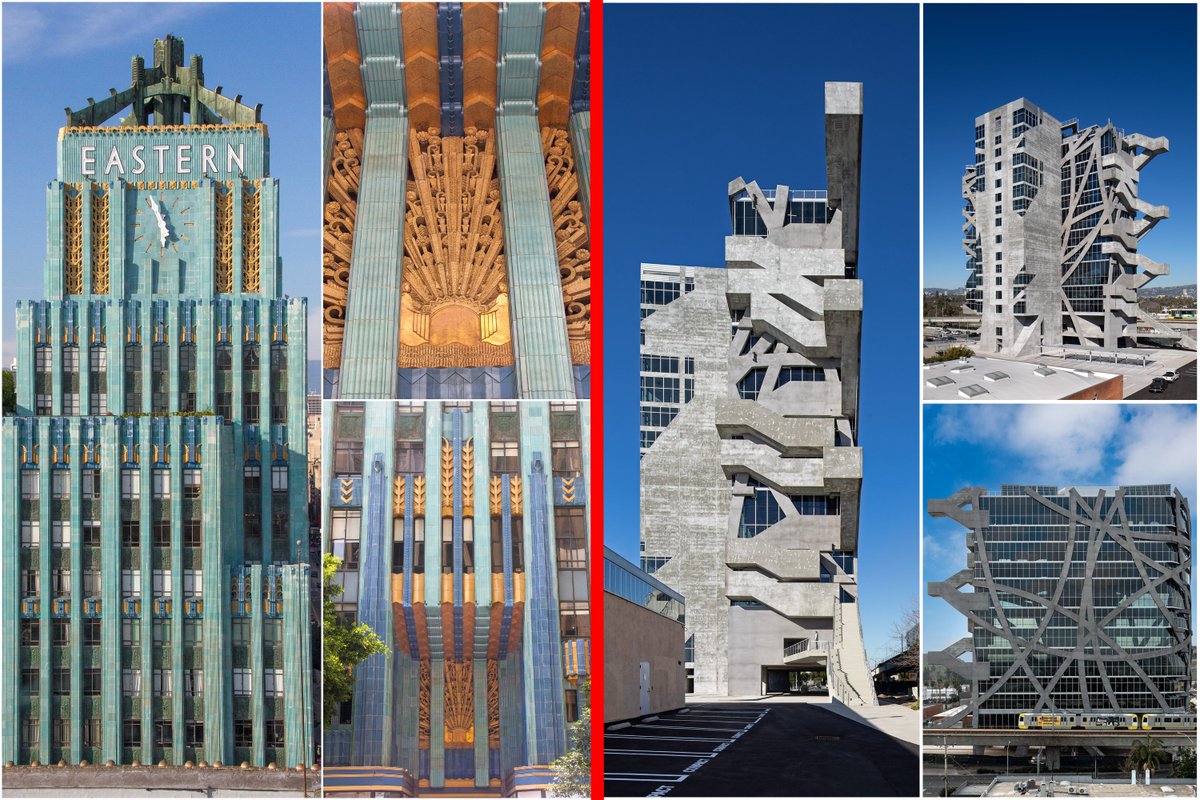
One of the hallmarks of communism is the exaltation of ugliness. Contrast our gorgeous Depression-era LA architecture with the commie brutalist slop vomited upon us today. I'll support any candidate who vows to throw this architect in prison for crimes against beauty.
1
1
11
580
Captain Tron retweeted
Few men see female intellect as a threat. Other women do. Many women struggle to gain respect in the work place because they want to have it both ways - be in control but also cry. They change the work environment to accommodate, but then other women become more of a threat.
2
15
513
Captain Tron retweeted
Jun 16
There are some "rewards" for good comments. The kind that can't be measured in mere impressions, likes and follows.

1
1
111
Cryin' Killer Mike is correct to connect suicide bombers with criminals terrorizing American communities. Too much tolerance and systemic anti-racism are a blight on the nation. More justice will continue to bring more peace.
112

A well armed society is a polite society
Jun 16

Gun Safety: Violent Crime Drops As More Americans Pack Heat zerohedge.com/markets/gun-sa…
1
1
8
187
Captain Tron retweeted

Focus on what you can control.
Build something. Anything.
A product. Yourself. A family. Your community. A team. Relationships.
Or help someone else build theirs.
Don’t complain. Don’t play the victim.
Ever.
What are you building?
#PlayNiceButWin
303
835
4,688
125,211
Captain Tron retweeted
God gave Leo Fender the Stratocaster's design within a dream.
Jun 15

Leo Fender, the designer of the Telecaster and Stratocaster, later founded G&L guitars and named the ASAT after the missile.
The development and evolution of the electric guitar in the second half of the 20th Century is tied to Southern California. In this case Fullerton.
The electronics are a minor spin-off of the aerospace industry.

2
4
240
Captain Tron retweeted

The thing that you all need to understand is that CA Democrats are grifters.
The CA crime family calls themselves “progressive” while taking as much
$$$ as they can from mostly working families to fund their lavish lifestyles.
Look at the houses they live in, the cars they drive, the vacations they take, their investment portfolio, the bevy of nonprofits tethered to them —many times ran by their own family members.
Gavin Newsom and Rob Bonta are the leaders of this criminal enterprise.
It’s time to clean house, Californians have had enough.
37
159
634
5,217
Captain Tron retweeted
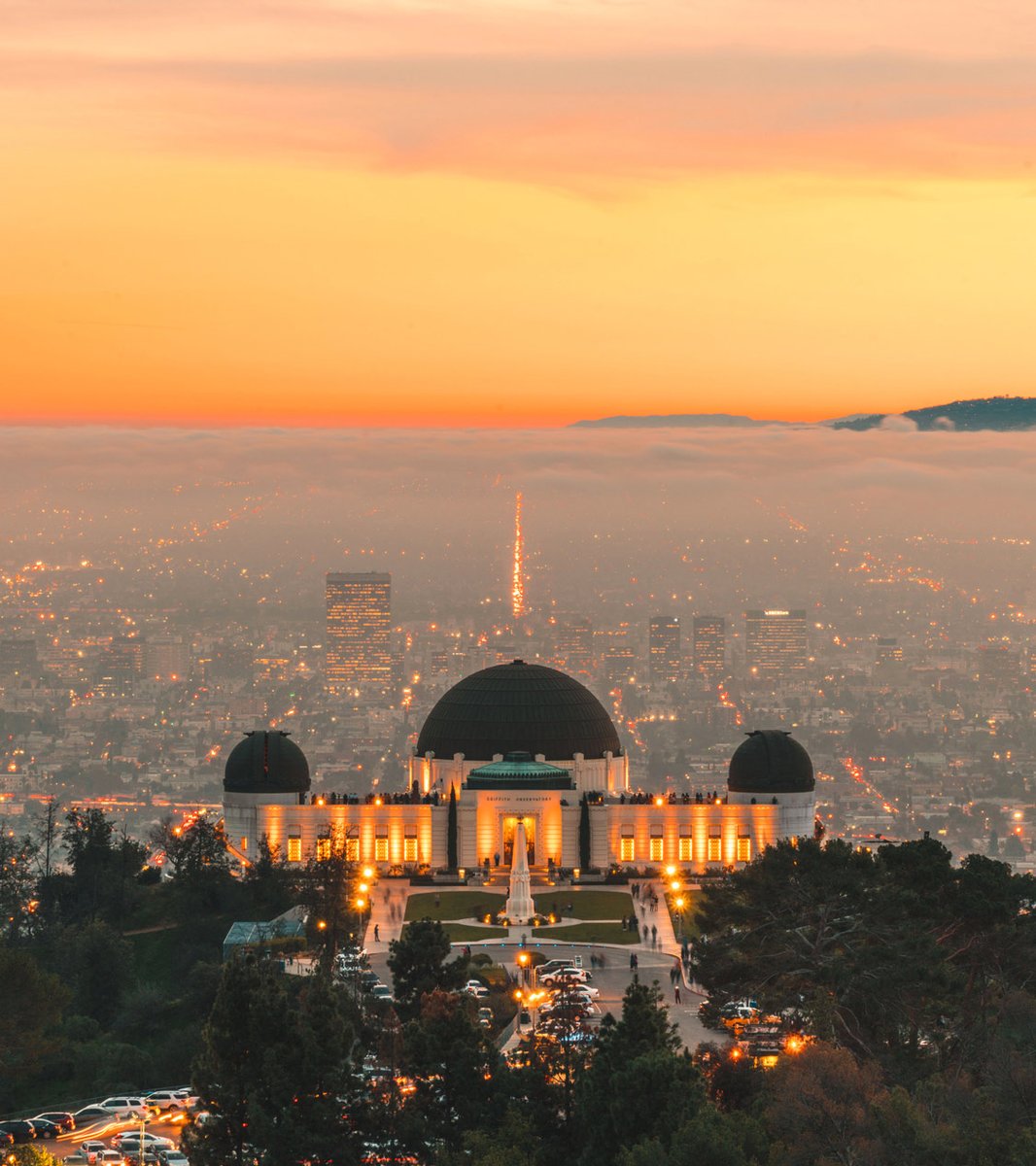
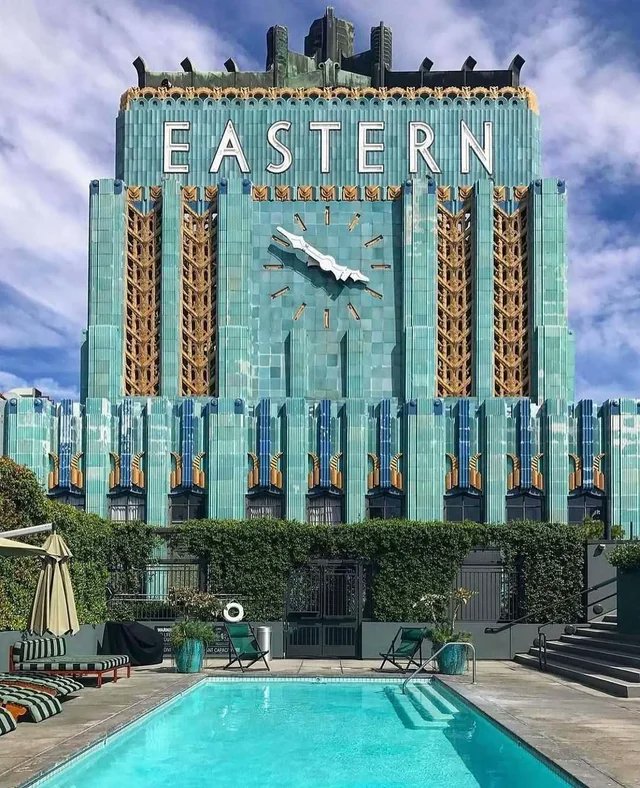
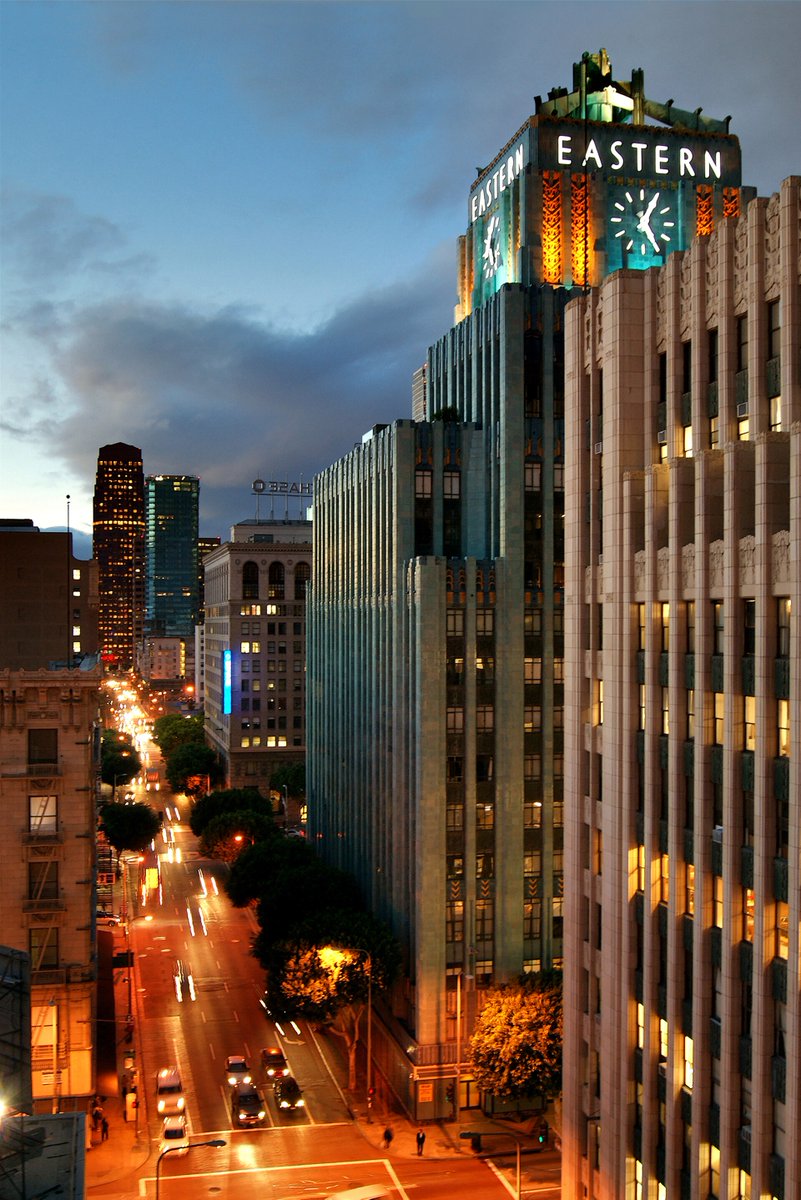
When you think of the most lovely and cherished buildings in LA...places you *want* to go, they're all Art Deco. We can make buildings look any way we want...why not choose this magical legacy and build like we care?
Reject communism. Reject ugly. Embrace beauty.
1
1
1
33
Beauty should always supersede bureaucracy.
The City had a 150' height limit, but ECB's trademark clock tower was granted an exemption, because beauty should always supersede bureaucracy. Breathtaking architecture like this is a magnet...it draws us in, makes us *want* to be here, and inspires us to do great things here.
7
192
Captain Tron retweeted

21h
Hares On The Mountain youtu.be/1Sn3ZgtIsFw?is=ffUy… via @YouTube
This is the best song describing female horniness and how it works. It’s complicated
4
1
15
1,779
Captain Tron retweeted
While they may be real, they're only acquainted with the hyperreal. Their awareness, thoughts, expression all based upon a simulation of a simulation of a simulation. Their map is their understanding of the territory. All bias confirmation.
1
1
147
Captain Tron retweeted

This quote is proof that the third world is a mindset, not an economic description.

I'd rather burn whole streets than turn into a cleaning maid for the American
14
136
2,035
35,952
Find yourself a woman who loves you like a liberal woman loves Nazis. You don't have to like the same music. Or have the same politics. It's about chemistry. Magnetism. Get out there groypers. Get you some girl boss.
23h

SPLC boss funneled $1.2 million to lover in neo-Nazi group - pair even had joint bank account trib.al/7wnuofS

1
3
91
Captain Tron retweeted
Painting is creating ordered energetic form using a 2D surface through masterfully using pigments, line, shape, color, value - through unity, measure, rhythm, balance, and emphasis.
Beauty is that which pleases the soul through such form.
Art exists for creating beauty.
All other aims ("expressing", ideas, feelings, critique, storytelling) are materials that become truly artistic when uniquely transformed as coherent ordered energetic form that pleases the soul.
When art achieves beauty, it fulfills its purpose; when it fails 2 achieve beauty, it falls short as art - regardless the matter how clever & “important” the idea may be.
1
4
13
878