
Mamá de Elian 🌞 y Aurora 🌅, ingeniera, astrónoma amateur y lectora voraz. Criando & creando.
Joined May 2007
- Tweets 7,256
- Following 2,806
- Followers 11,774
- Likes 13,338
1,645 Photos and videos


Stefany GG retweeted

Mar 28
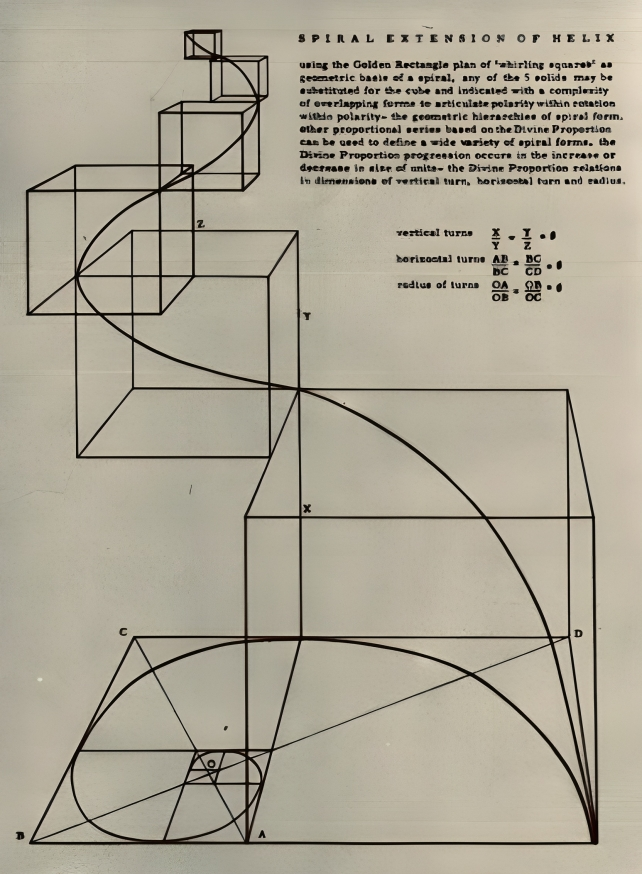
Spiral Extension of Helix. What happens when you refuse to let geometry stay flat. Anne Griswold Tyng, 1969.
8
179
953
31,174
Stefany GG retweeted

Mar 28
Went down the rabbit hole on this. Your brain treats a good story the same way it treats something happening to you. Not metaphorically.
On a brain scan, reading about someone running fires up the same motor regions as actually running. A Harvard study found we spend 47% of waking hours lost in things that aren’t real.
Your brain is wired to crave fiction. And there’s a reason.
Keith Oatley, a psychologist at the University of Toronto, calls fiction a “flight simulator for the mind.” I love that framing because it’s exactly right. When you read the word “coffee,” the part of your brain that processes real smells lights up. A 2006 study had people read scent words like “perfume” and neutral words like “chair” in a brain scanner. The smell regions only activated for scent words. Your brain didn’t care that the coffee wasn’t real.
It gets weirder. Paul Zak, a researcher at Claremont Graduate University, drew blood from people before and after they watched short videos. One told a story with an arc, a father and his dying son. The other was the same pair at a zoo. No storyline. The story version caused a spike in oxytocin, the chemical your brain releases when you bond with someone. The zoo version? Nothing. Zero oxytocin. And after the story ended, the high-oxytocin group voluntarily gave money to a stranger in the lab. Zak could predict who would give with 82% accuracy just from their blood.
A story changed how generous people were for the next hour.
In 2013, a team at Emory University scanned people’s brains every morning for 19 straight days while they read a novel each night. The changes were still visible the next morning, hours later, with nobody reading during the scan. Gregory Berns, who led the study, called it “shadow activity, almost like a muscle memory.” The changes showed up in the regions that handle physical touch and body sensation. The readers’ brains were rehearsing what it felt like to be inside someone else’s body.
I went looking for the evolutionary angle and found a 2017 study in Nature Communications that floored me. Researchers studied the Agta, a hunter-gatherer group in the Philippines going back over 35,000 years. They asked nearly 300 Agta across 18 camps to name their best storytellers, then measured cooperation. Camps with more skilled storytellers were measurably more cooperative. When the Agta were asked who they’d most want to live with, storytellers beat out the best hunters. Skilled storytellers had about 0.53 more living children on average. Across 89 stories from seven hunter-gatherer groups, 70% were specifically about how to cooperate and get along.
We didn’t invent fiction because we were bored. Groups that told stories survived. Groups that didn’t were worse at working together.
The planet has plenty going on. Your brain just evolved to need more worlds than one.

what a boring planet… no fairies, no elves, no mermaids, no dragons, no vampires, no ware wolves….. just bills, stress, gossip, and insufferable people
28
313
1,961
223,982
Stefany GG retweeted

Mar 27
Let's take a peek inside the pupa to see what's happening.
蛹の中で何が起こっているのか覗いてみましょう。
82
2,613
16,535
4,201,592

Mar 29
Vengo a recomendarles @OpenAudible para que descarguen su librería de Audible. Creo que si ya compraste un audiolibro lo de menos sería poder hacer con él lo que quieras, pero como no es el caso entonces herramientas como esta salen al quite. Pásenle: openaudible.org/
1
129
Stefany GG retweeted

Mar 25
Our Artemis II crew will be going around the Moon, but they'll always find their way back home 🌎
During this complex journey, the four astronauts will travel ~685,000 miles on a trajectory around the Moon and back to Earth.
See their daily agenda: go.nasa.gov/4bw1ddt
337
2,284
11,782
1,201,829
13 Nov 2024
Mi app favorita hace que la experiencia de escuchar podcasts sea cada vez mejor. Tqm Snipd ✨
11 Nov 2024

NEW: Books mentioned in Podcasts 📚
You ever heard a book recommendation on a podcast you wanted to write down?
Our AI now does this for you automatically 🙂
With:
- Title
- Author
- Cover
- Description
- URL
- Context in which it was recommended
Plus: you can immediately browse for podcast episodes with the author as a guest 🤩
1
691

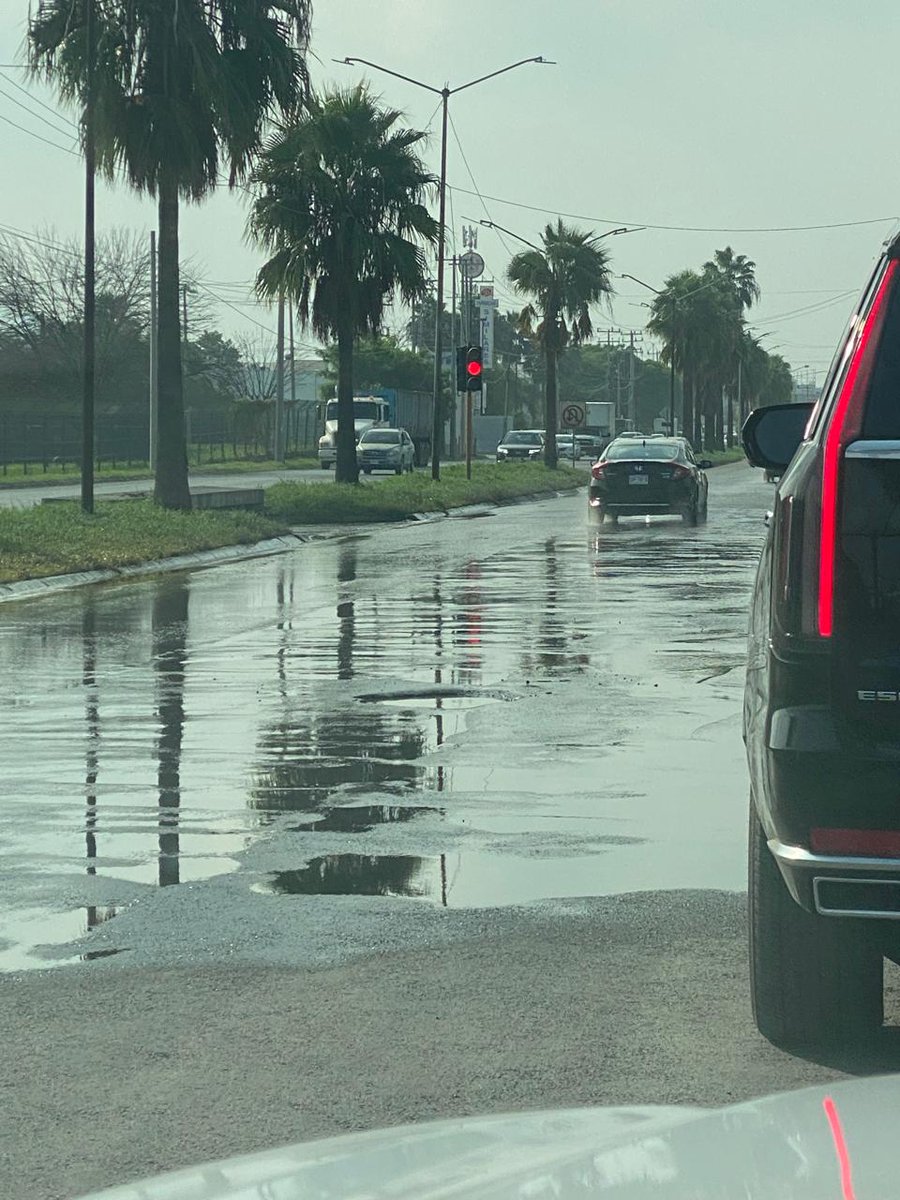
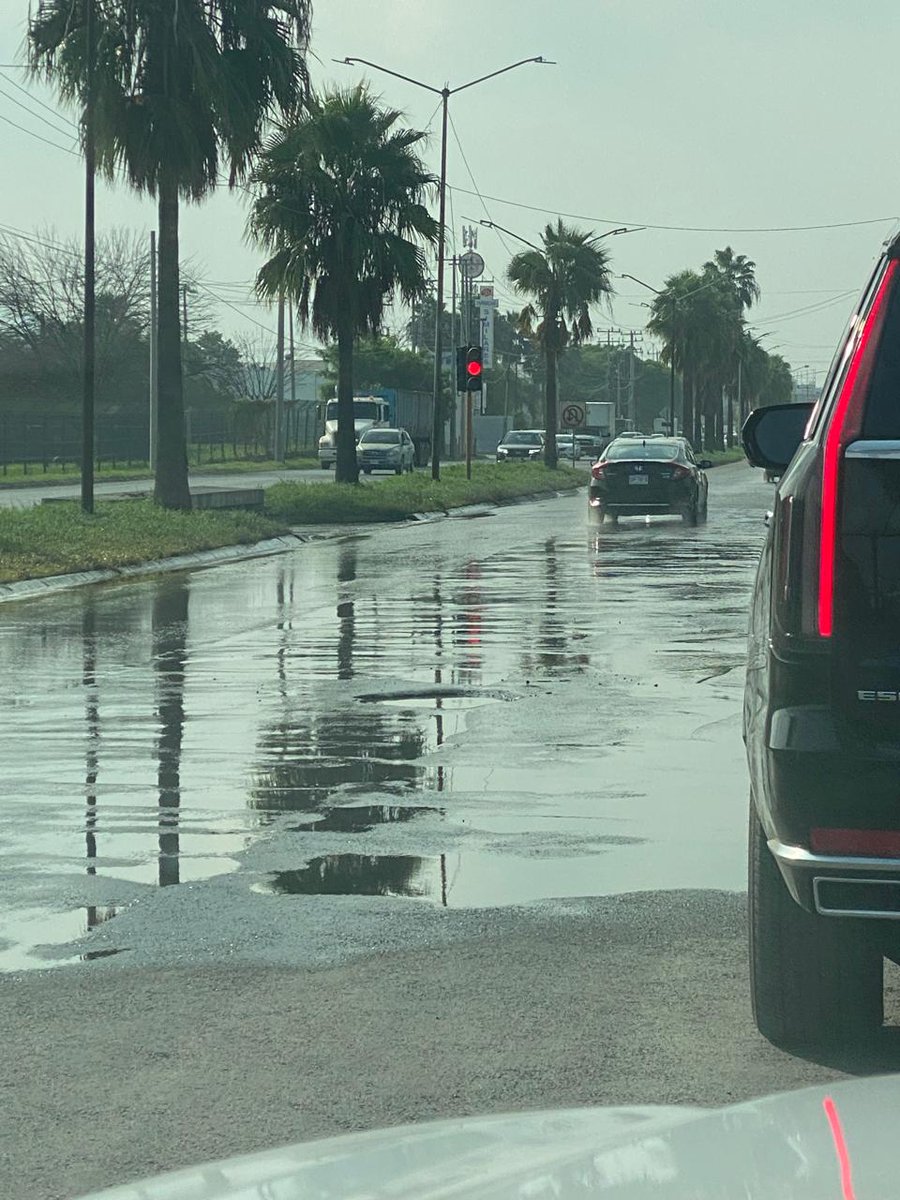
#FugaDeAgua negras en Av. Isidoro Sepúlveda Martínez 545 entre Av. Ignacio Sepúlveda y Regioavenida, Col. Titan S.a. #Apodaca vía @caracol cc @ayd_monterrey
Permítenos ayudar a más ciudadanos como tú. Dona ahora dona.cic.mx
2
1
4
2,311
19 Sep 2024
#FugaDeAgua negras en Av. Isidoro Sepúlveda Martínez 545, Cdad. #Apodaca Urge hagan algo @ayd_monterrey
3
2
3
491


11 Jul 2024
Te quiero mucho Snipd ❤️
10 Jul 2024
NEW: YouTube Imports & Audio Uploads
You can now upload any audio file or Youtube video to Snipd.
Capture key ideas with transcript and summary, simply by tapping your headphones while listening to your audiobooks, lectures, presentations, and more! 🎧✨

1
1
257
Stefany GG retweeted

20 May 2024
Today on the Sun.
The height of the plasma "wall" is comparable to the diameter of our planet.
395
6,924
41,812
4,067,892
Stefany GG retweeted

10 Apr 2024
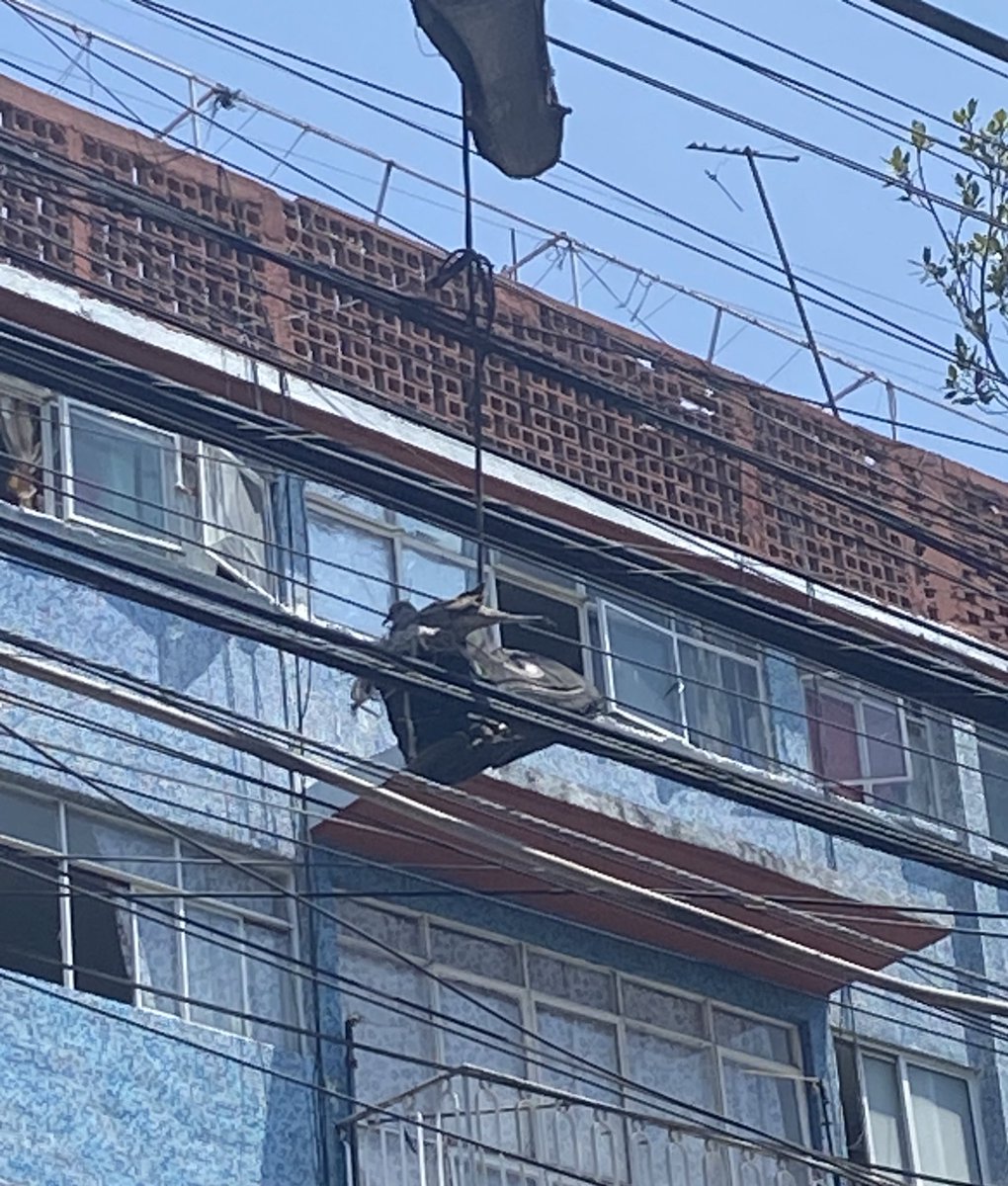
Una coconita hizo su nido en un tenis colgado de los cables de luz 🪺🐦
6
33
660
15,245
Stefany GG retweeted

10 Apr 2024
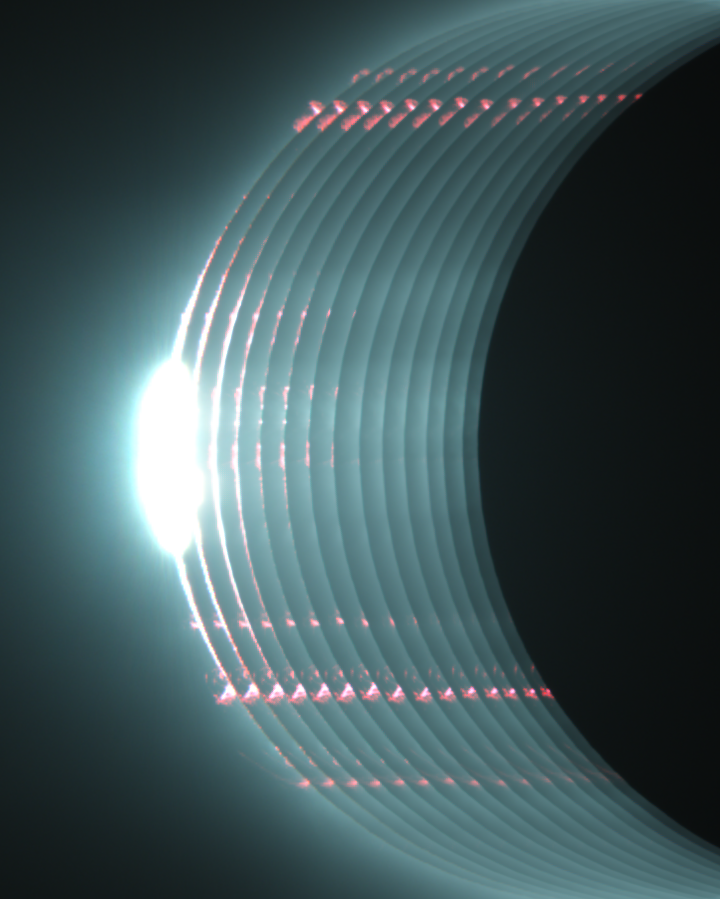
The moment of totality during an eclipse is such a magical moment.
Seeing that last diamond of sunlight vanish against the lunar limb, leaving the vivid prominences dancing against the faint corona. This is a short sequence of photos captured during the first minute, showing the subtle orbital motion of the event.
77
607
6,572
793,665
Stefany GG retweeted

5 Apr 2024
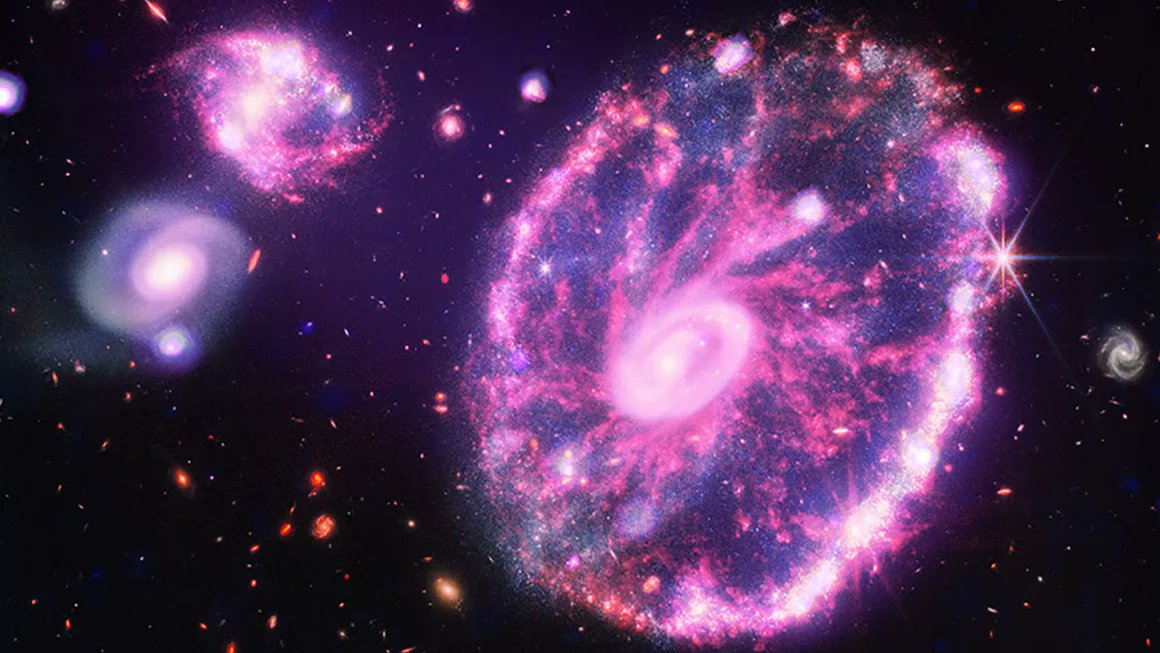
NASA is looking to prematurely shut down the Chandra X-ray Observatory. This not only puts the jobs of many X-ray astronomers at risk but also the most powerful X-ray telescope in the world. NASA is making a HUGE mistake. See: savechandra.org
#SaveChandra
20
49
3,165


Stefany GG retweeted

19 Dec 2023
This creature is a basket star
3,431
21,041
179,662
68,605,467
Stefany GG retweeted

17 Dec 2023
holy trinity, germany, 16th century
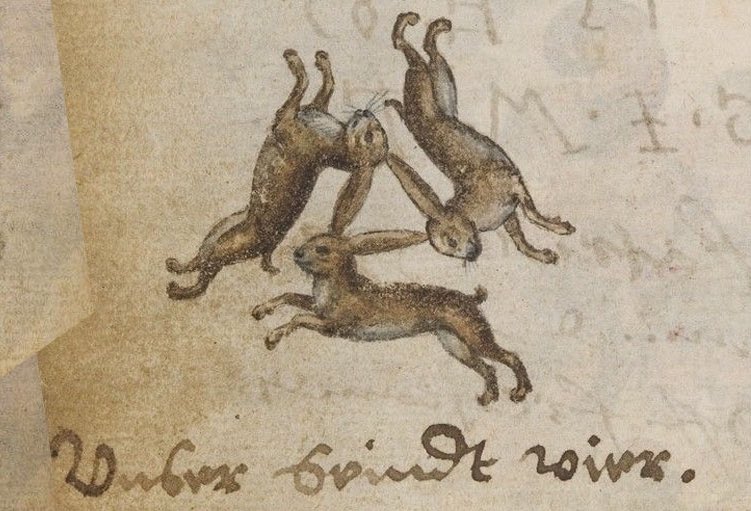
ALT An ink drawing of three rabbits arranged such that each rabbit shares an ear with each adjacent rabbit
33
875
5,904
308,116