
🌿 CEO Climate & Nature Solutions; 🌎 Chair UN Net Zero; 🇨🇦 Former Minister of Environment & Climate, Infrastructure; 🏃♀️Author of Run Like a Girl ⬇️
Joined May 2010
- Tweets 88,597
- Following 7,934
- Followers 180,391
- Likes 117,747
16,285 Photos and videos




Pinned Tweet

24 Jun 2025
Big news! My book, #RunLikeaGirl, is launching in Canada & US on September 23. It’s about having the courage to run your own race-even when it’s hard. Trying to live up to the expectations of others is no way to live or make a difference. Let’s do this!🏃♀️💪
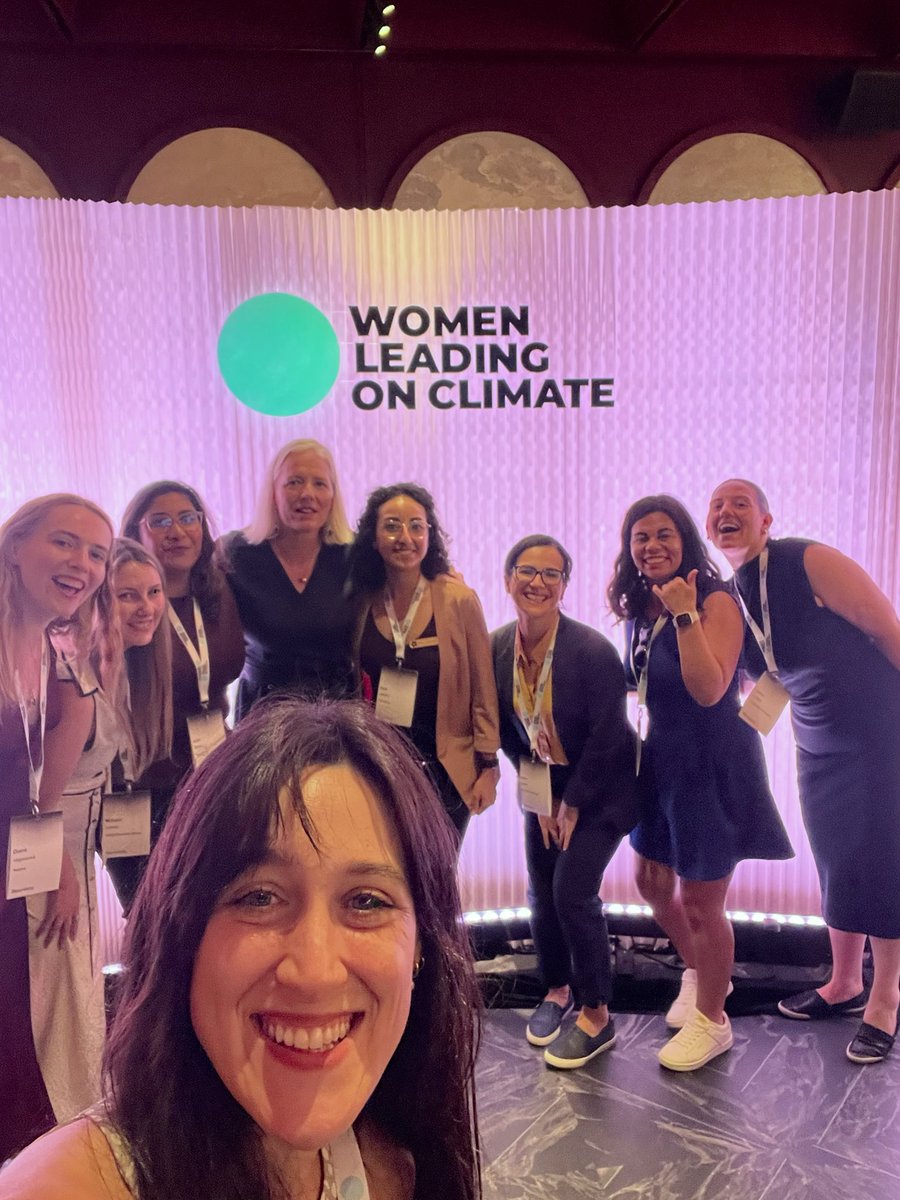
#WomenLeadingonClimate
6
138
742
70,877
Catherine McKenna retweeted

Why Ontario’s big move to battery storage has observers saying ‘gas plants aren’t competitive anymore’
Climate-friendly technologies are advancing so quickly that contract prices in Ontario have dropped by half...
thestar.com/news/ontario/why…
6
16
23
1,086
Catherine McKenna retweeted

Jun 11
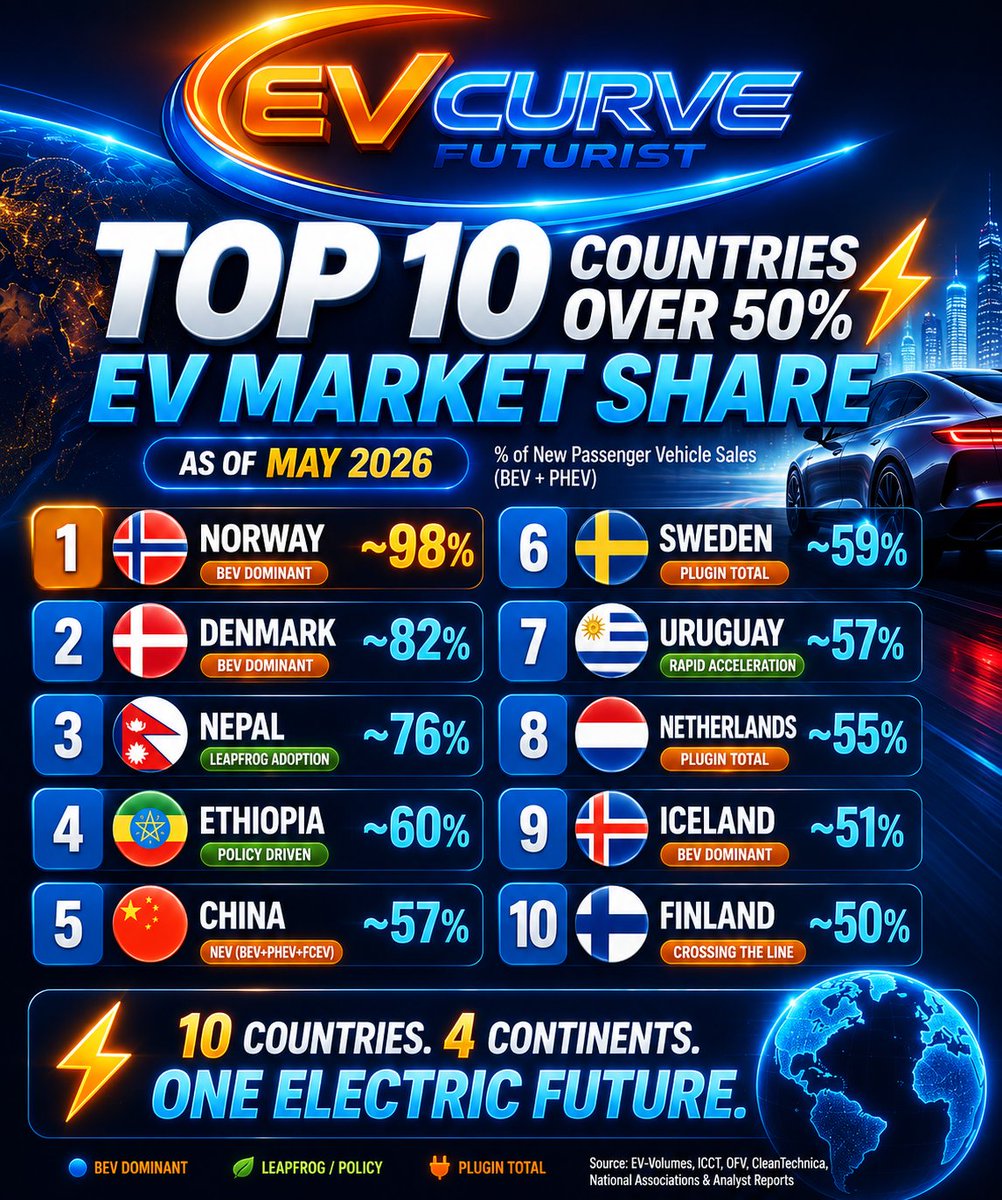
Ten countries have now crossed 50% EV market share.
Not cities. Not regions. Ten countries. Across four continents.
What's remarkable is that just three years ago, Toyota Chairman argued EVs would be limited to around 30% of global new vehicle sales for the next 100 years.
It's 2026.
#1 Norway ~98%
#2 Denmark ~82%
#3 Nepal ~76%
#4 Ethiopia ~60%
#5 Sweden ~59%
#6 China ~57%
#7 Uruguay ~57%
#8 Netherlands ~55%
#9 Iceland ~51%
#10 Finland ~50%
The prediction came from Toyota Chairman Akio Toyoda.
But this is about more than one bad forecast.
It's about what happens when incumbents cling to the old world, an empire built on internal combustion, oil and fossil fuel nostalgia, while exponential technologies keep improving in the background.
As disruption accelerates, the dominoes are likely to fall faster and faster, making even Norway's transition look slow in hindsight. The difference today is that global supply chains are now being reshaped by electrification.
Most models assume vehicles simply age out. What they often miss is the collapse of supporting ICE infrastructure. As EV adoption rises, you start seeing fuel station closures, dealership retrenchment, fewer mechanics, parts shortages, rising insurance premiums and weaker resale values.
At some point, owning an ICE vehicle becomes increasingly inconvenient and expensive.
The real disruption may not be EV adoption itself. It may be the economic death spiral that makes ICE ownership progressively harder to justify, much like what happened to film cameras, DVDs and landlines.
Tesla, Chinese automakers and Transport as a Service (TaaS) only accelerate that process. As younger generations increasingly choose mobility on demand over vehicle ownership, fleet turnover could accelerate even further.
The transition won't be driven solely by people replacing old cars with EVs.
It will also be driven by fewer people feeling the need to own a car at all.
Slow. Then sudden.⚡📈 #Bettrification
13
73
198
6,994
Catherine McKenna retweeted

Jun 11
“Dear migrants, before I say any other word to you, I want to bow before your dignity.
“You are not numbers or case files.
“You are people — with a family and a home left behind, with dreams that no one has the right to scorn.” — Pope Leo XIV
2,116
8,362
34,698
1,030,990
Jun 12
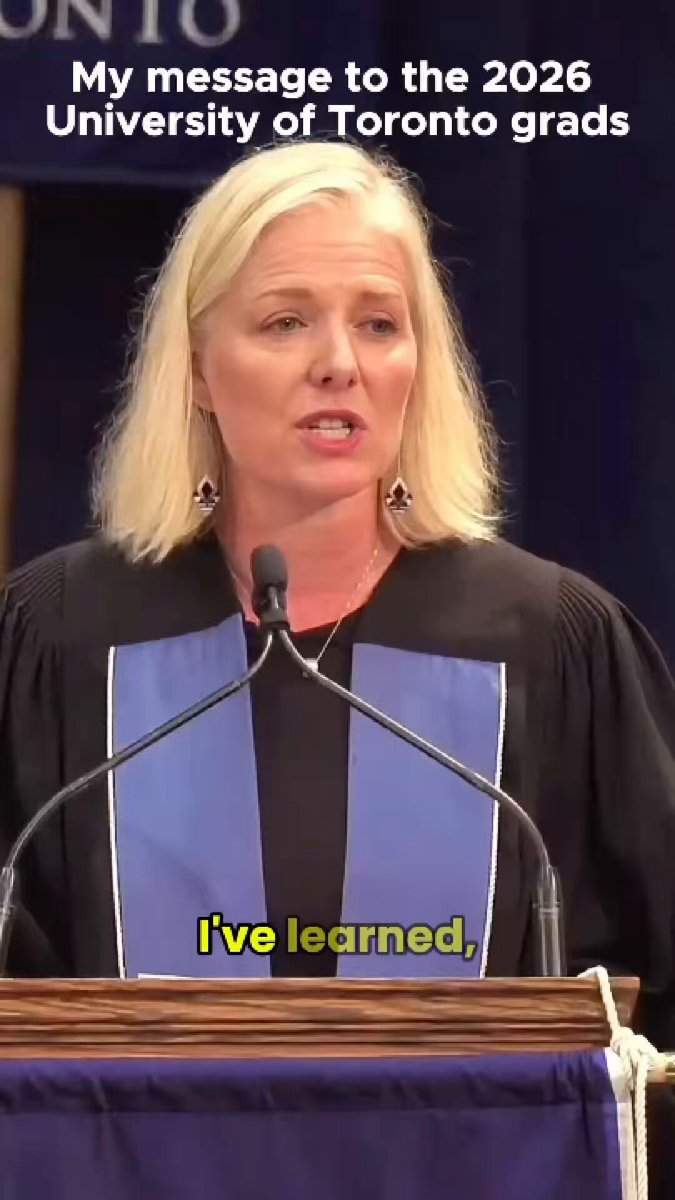
Hard to believe that 32 yrs ago I walked across this same stage to receive my @UofT degree.
I have one message: I want you to be brave. We need people willing to speak up. Willing to listen. Willing to care. Even when it’s hard. Congrats, @Trinity_College Class of 2026! 🤛🎓👏
5
47
296
8,035
Catherine McKenna retweeted

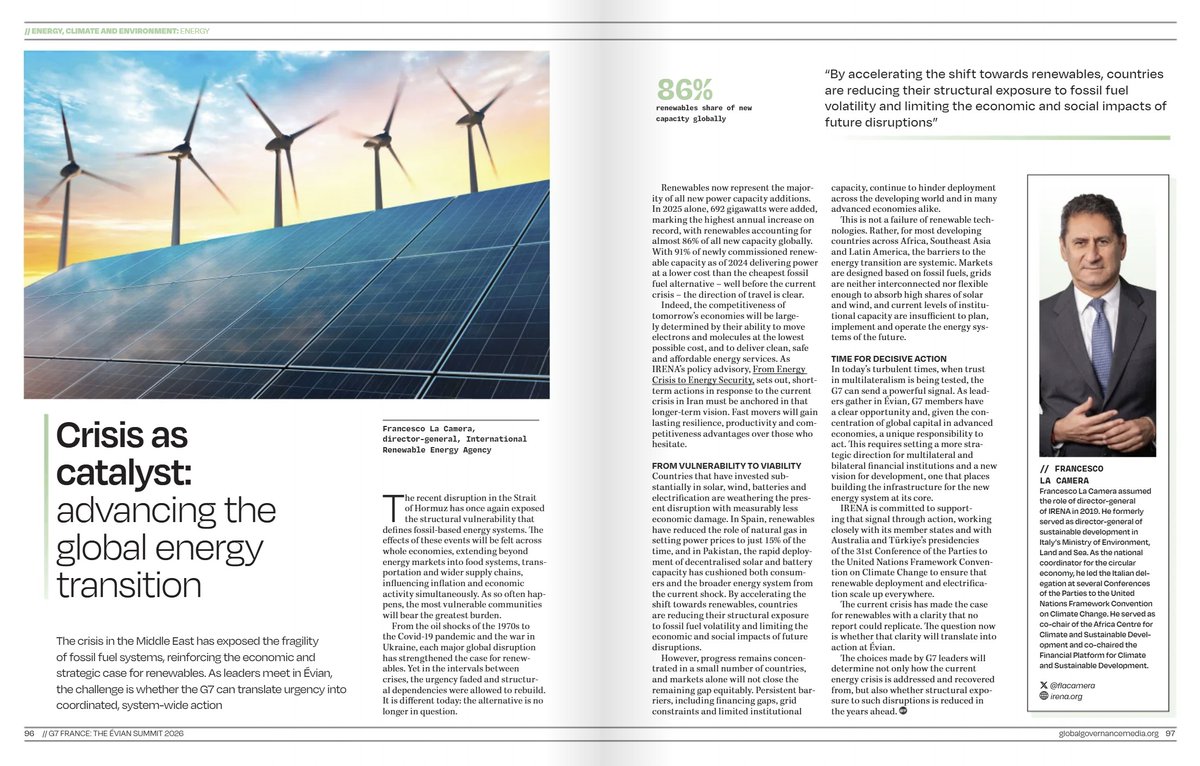
The energy crisis has once again exposed vulnerabilities of fossil-based energy systems. By shifting toward renewables, countries can reduce their exposure to fossil fuel volatility and enhance competitiveness.
My views ahead of the #G7 Summit in France
➡️bit.ly/G7Evian
2
20
29
1,534
Jun 12
It’s going to be awesome! If you’re at Oxford or in the vicinity next Wednesday, join my #RunLikeAGirl🏃♀️ talk!
Jun 12

Join us next Wednesday for the Oxford launch of
@cathmckenna's #RunLikeAGirl as we discuss "finding your own path, breaking the rules, and fighting for the future--on your own terms"
June 17th, 5:30pm, St Antony's College, Oxford
Register: bsg.ox.ac.uk/events/blavatni…
1
5
20
1,795
Catherine McKenna retweeted

Jun 10
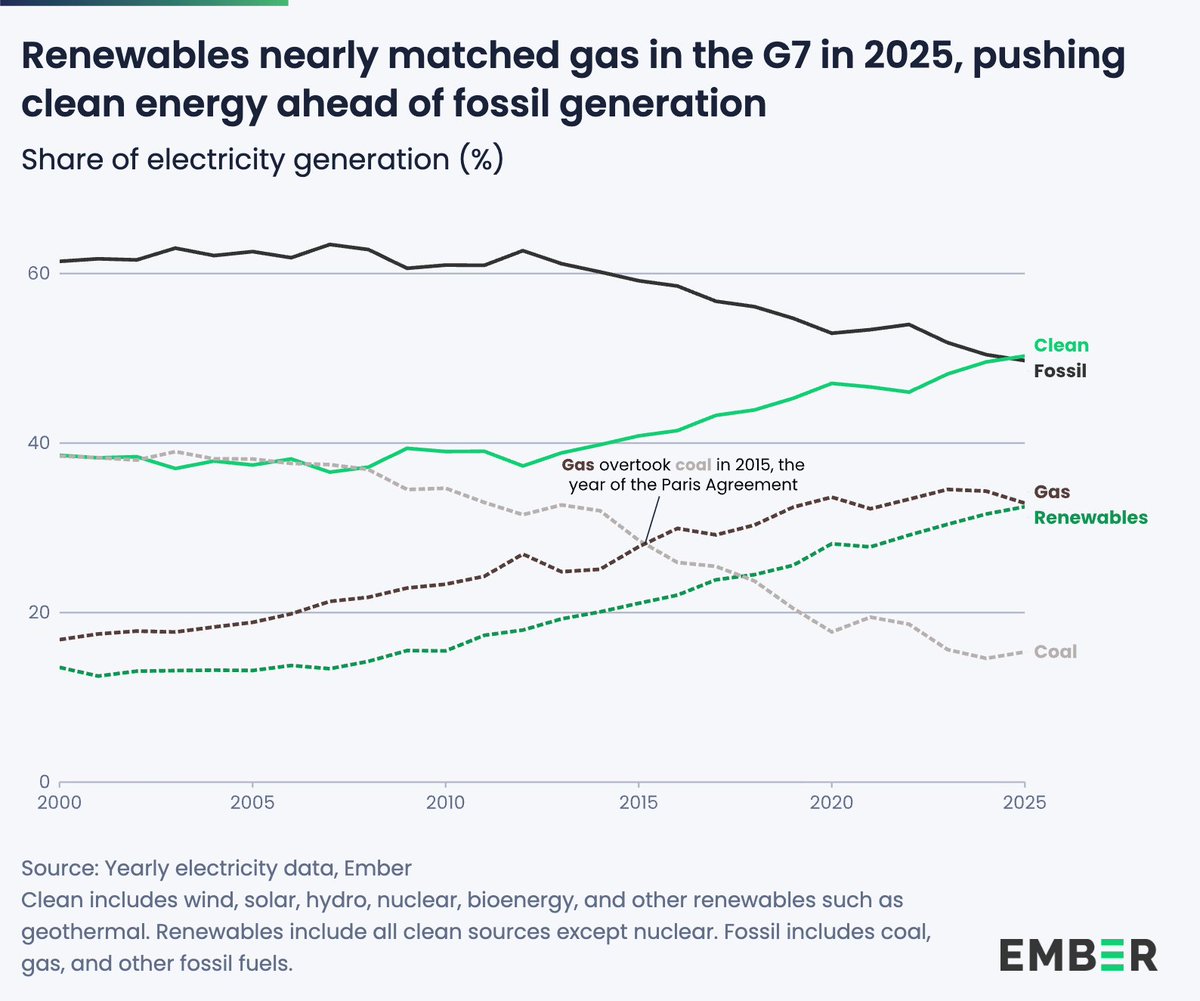
Clean power OVERTOOK fossil generation in G7 countries last year.
Renewables alone generated almost as much electricity as gas, pushing total clean power sources past fossil in 2025.
ember-energy.org/latest-insi…
18
54
132
6,011
Catherine McKenna retweeted

Jun 11
61% of Albertans don’t want public money spent on a new pipeline.
67% say the economy is too dependent on oil & gas.
New polling sends a clear message: Albertans want to diversify and build a more stable economy.
🔗: buff.ly/JI5EdWP
14
33
51
2,007
Catherine McKenna retweeted

Jun 9
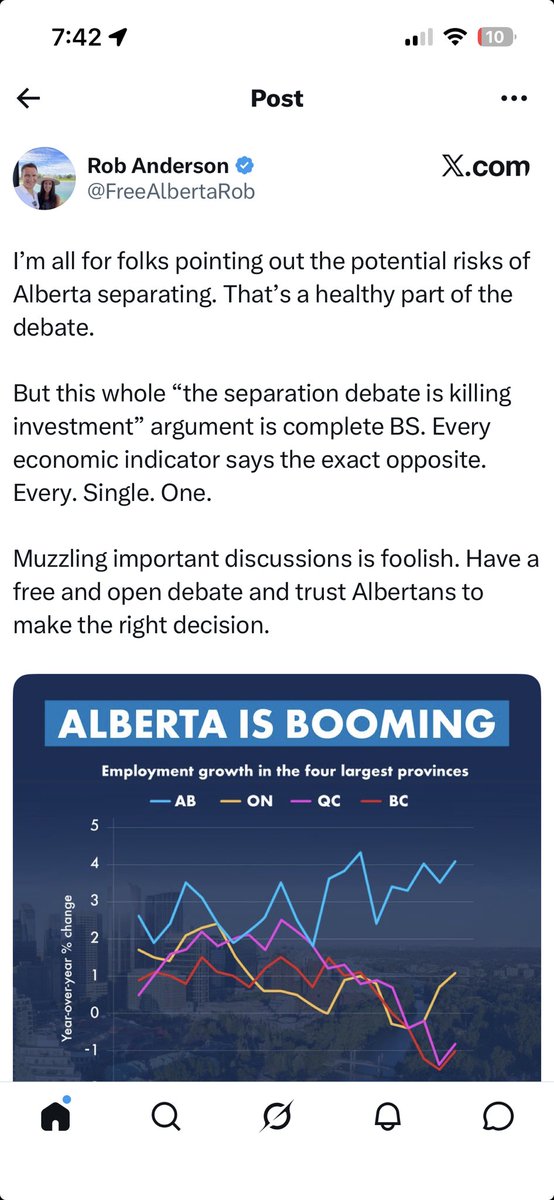
Wait, so ALBERTA IS BOOMING … under the oppressive federal yoke? Under the Nine Bad Laws? You mean the richest province in Canada is getting even richer? Clearly there’s no alternative but to bust up the country.
I’d respond directly but the premier’s chief of staff blocked me.
512
575
1,675
106,176
Catherine McKenna retweeted

Jun 10
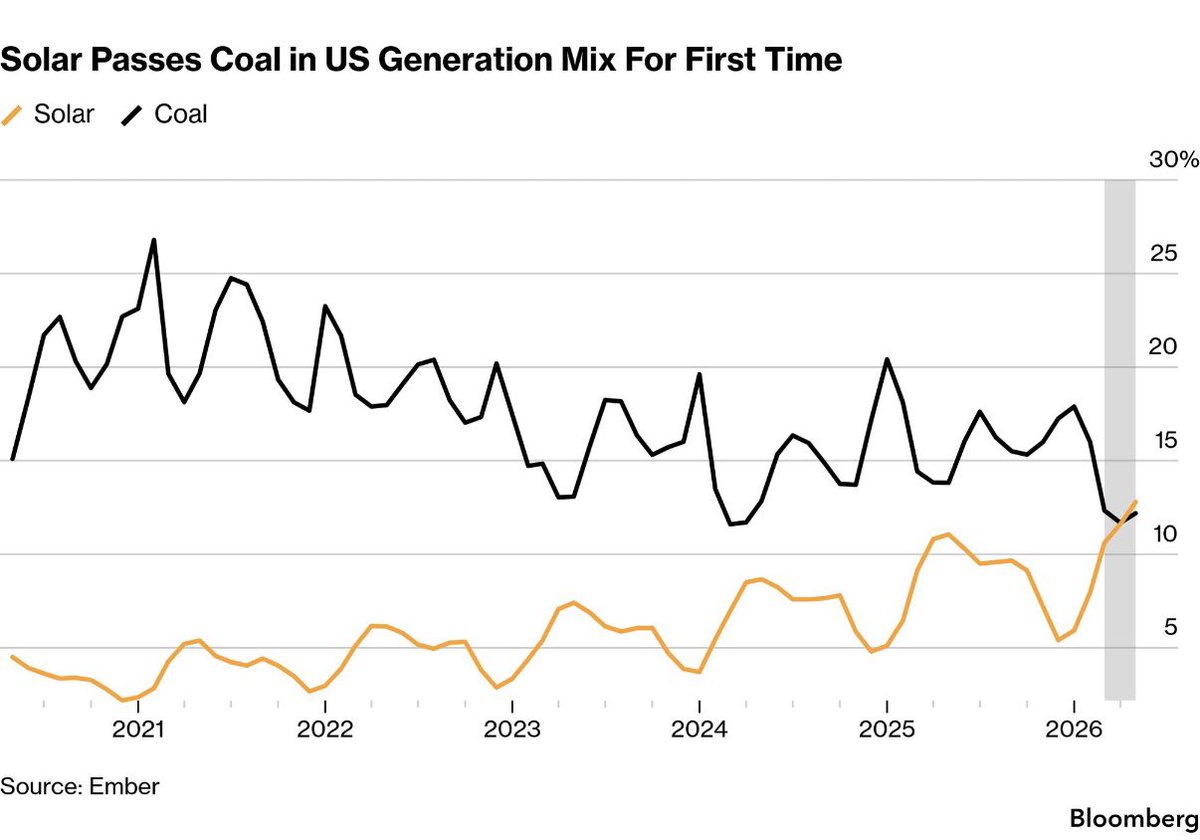
not always hard to see the future…
33
156
680
47,121
Catherine McKenna retweeted
Apr 21
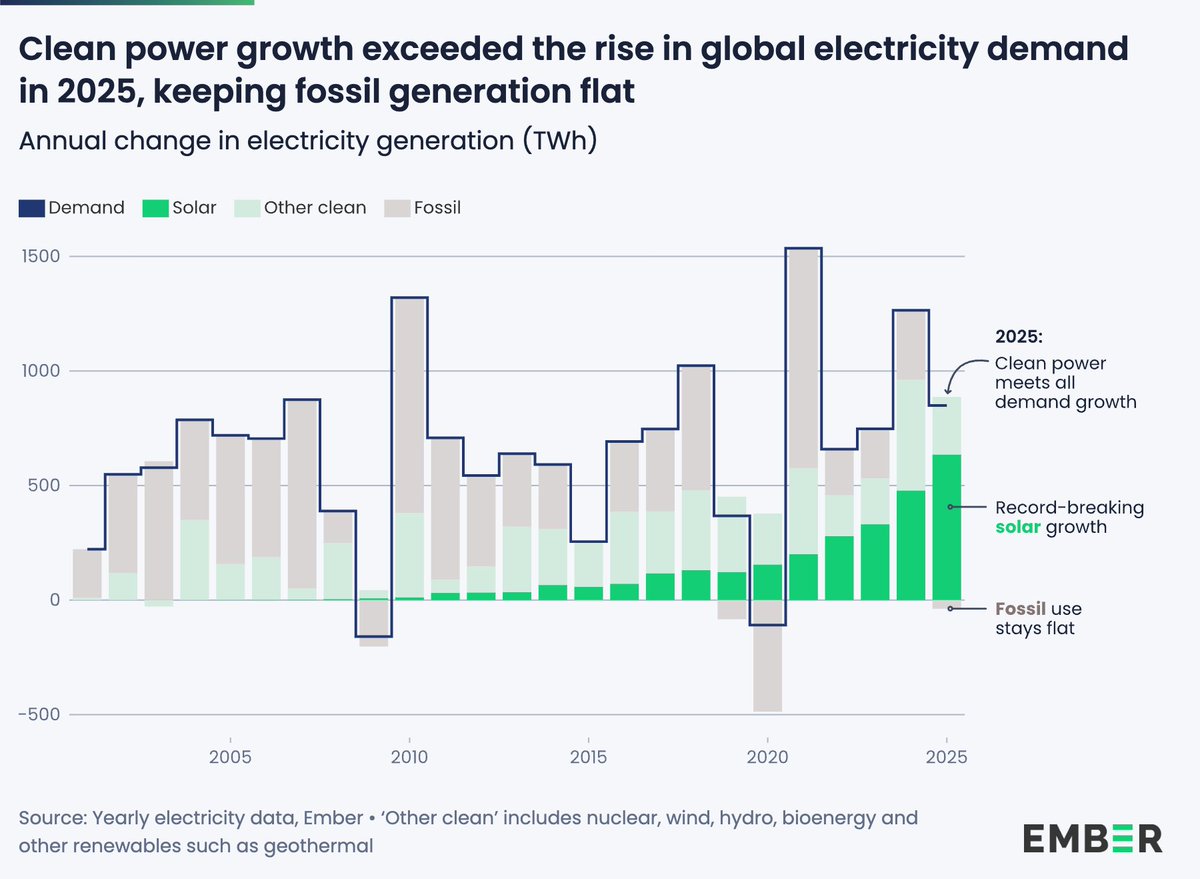
NEW | Solar power surge in 2025 stalls rise in fossil electricity worldwide ⚡📈
Clean power growth outpaced global electricity demand last year – with solar alone supplying THREE-QUARTERS of the increase in demand ☀️
ember-energy.org/latest-insi…
16
79
195
31,732
Catherine McKenna retweeted

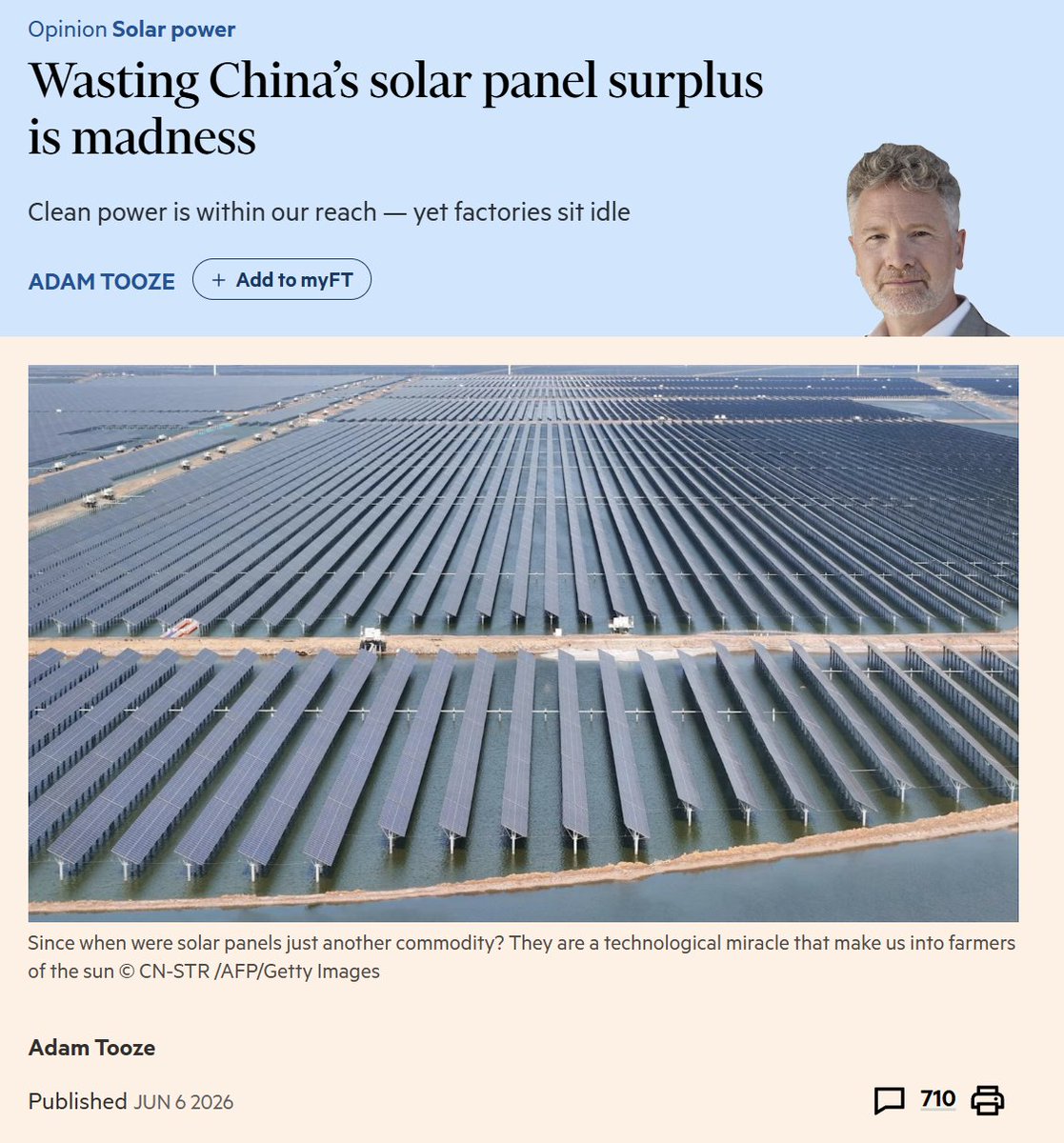
“The real surprise from the OECD’s subsidy numbers is that it cost China less than $18bn in sectoral support over 15 years to build an industry that can now provide more clean power than the world can readily absorb.”
Jun 7

"Since when were solar panels just another commodity? They are a technological miracle. They make us into farmers of the sun"
32
644
3,200
219,825
Jun 10
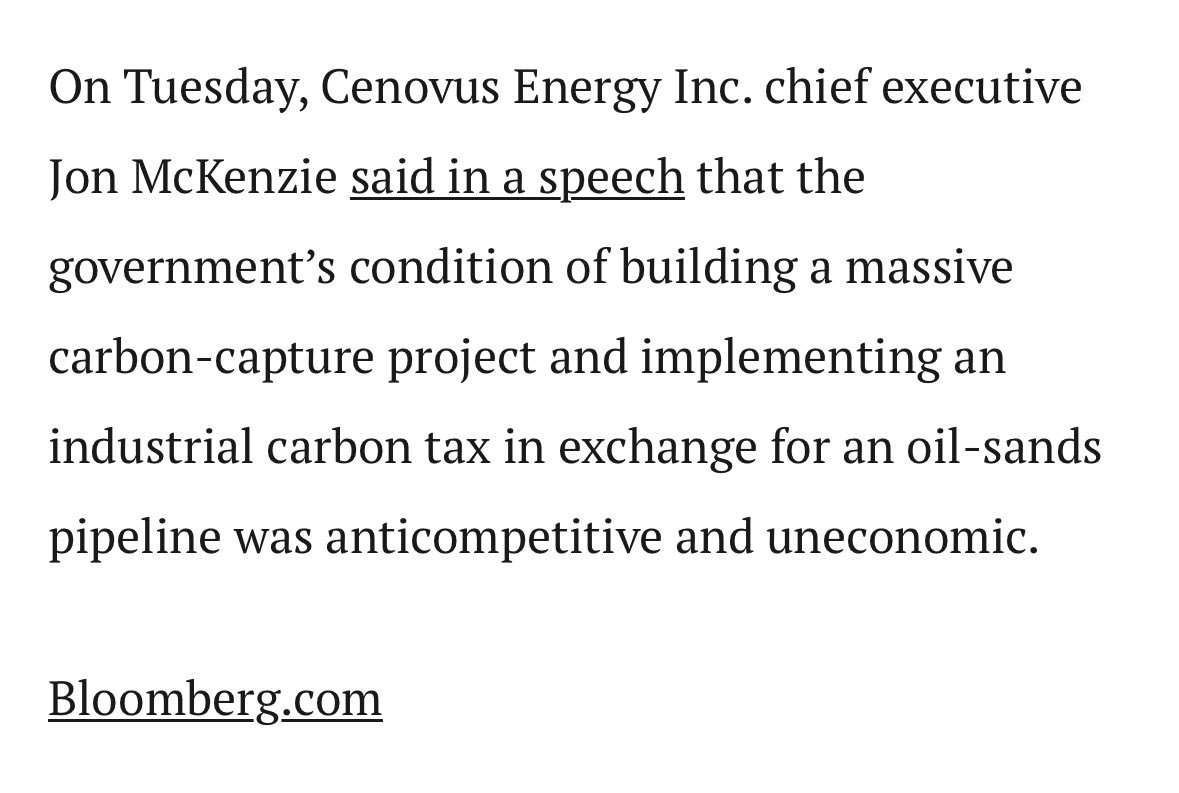
Dear Big Oil:
You know what’s anticompetitive: Oil Sands Alliance.
You know what’s uneconomic: Canadian tax dollars going to oil & gas companies while they give massive profits to their shareholders & pollute for free (while Cdns pay more to heat their homes/fuel their cars)!
56
120
3,487
Jun 10
Oh I get it. A pipeline route based on vibes. You know there are people who live there. Like the Coastal First Nations who are 💯 against. This will end up court. And who will take the risk? So dumb. financialpost.com/commoditie…
1
40
119
2,734
What a wonderful speech by our new @GGCanada, Louise Arbour. We are very fortunate to have her in this role. (Well worth reading her installation speech here: gg.ca/en/media/news/2026/ins…)

"The better we advance our common project to build a great future for Canada, the greater our influence on the world will be—and for that our ambition must be bold and sustained," says Louise Arbour as she is sworn in as Canada's 31st Governor General.
#cdnpoli
96
380
9,193
Excellent news that Canada will host Our Ocean Conference in Halifax in 2027. Smart priorities: The blue economy & ocean-dependent communities; Indigenous and community leadership in ocean protection; ocean observation and climate services; and sustainability in the high seas.

Canada to host world’s premier oceans conference in 2027 theglobeandmail.com/canada/s…
12
34
103
4,477
Also bonkers that folks refer to this as a “pipeline to Asia”. Who are Asian buyers looking for dirty, expensive, hard to refine oil starting decade from now for 50 years? Risk isn’t climate policy risk, it’s massive energy transition risk litigation risk, AB separation risk.

I guess Smith and others have failed to read the 2018 Federal Court of Appeal decision on TMX - predetermining & approving a mythical route without any real Indigenous consultation or adequate assessment of impacts is a great way for a pipeline to fail. ctvnews.ca/calgary/article/s…
12
25
83
7,848
I guess Smith and others have failed to read the 2018 Federal Court of Appeal decision on TMX - predetermining & approving a mythical route without any real Indigenous consultation or adequate assessment of impacts is a great way for a pipeline to fail. ctvnews.ca/calgary/article/s…
1
34
84
23,756

The European Union’s climate commissioner has told the 27-country bloc that the only way out of energy crises fueled by the wars in Iran and Ukraine is homegrown energy, and that the EU must accelerate its transition away from fossil fuels.
One country leading the charge towards green energy is Denmark. to.pbs.org/43hDxEG
7
66
168
8,883