
Turns out the light at the end of the tunnel is the train heading towards us Eppur sono uomini
Joined July 2014
- Tweets 137,588
- Following 1,410
- Followers 3,191
- Likes 303,847
9,259 Photos and videos

















Simone retweeted

Any whose fault is that, you idiots?
x.com/i/status/2066802148923…

Gosh.
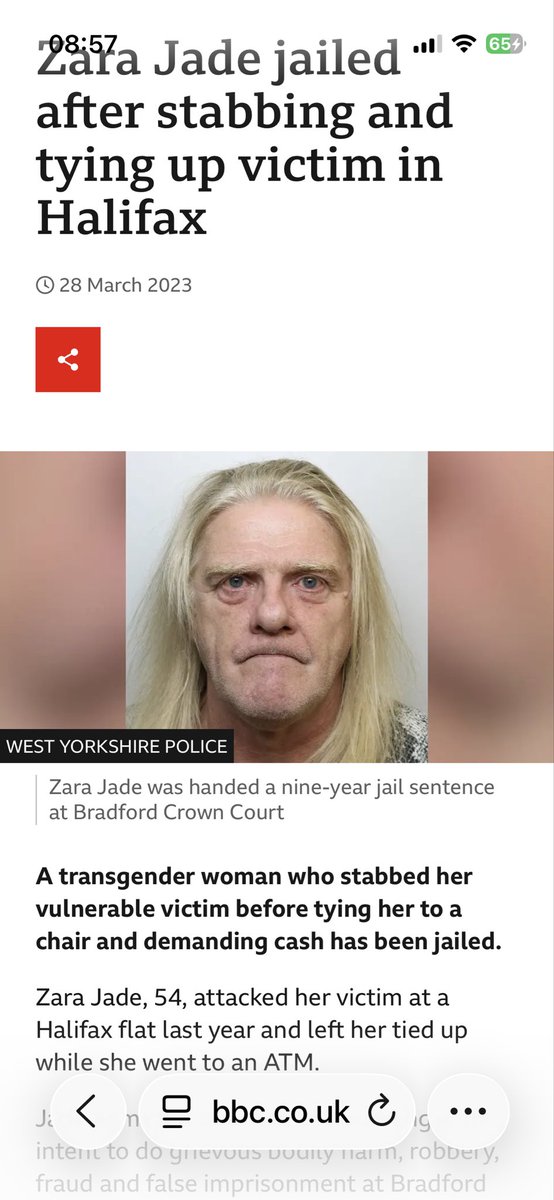
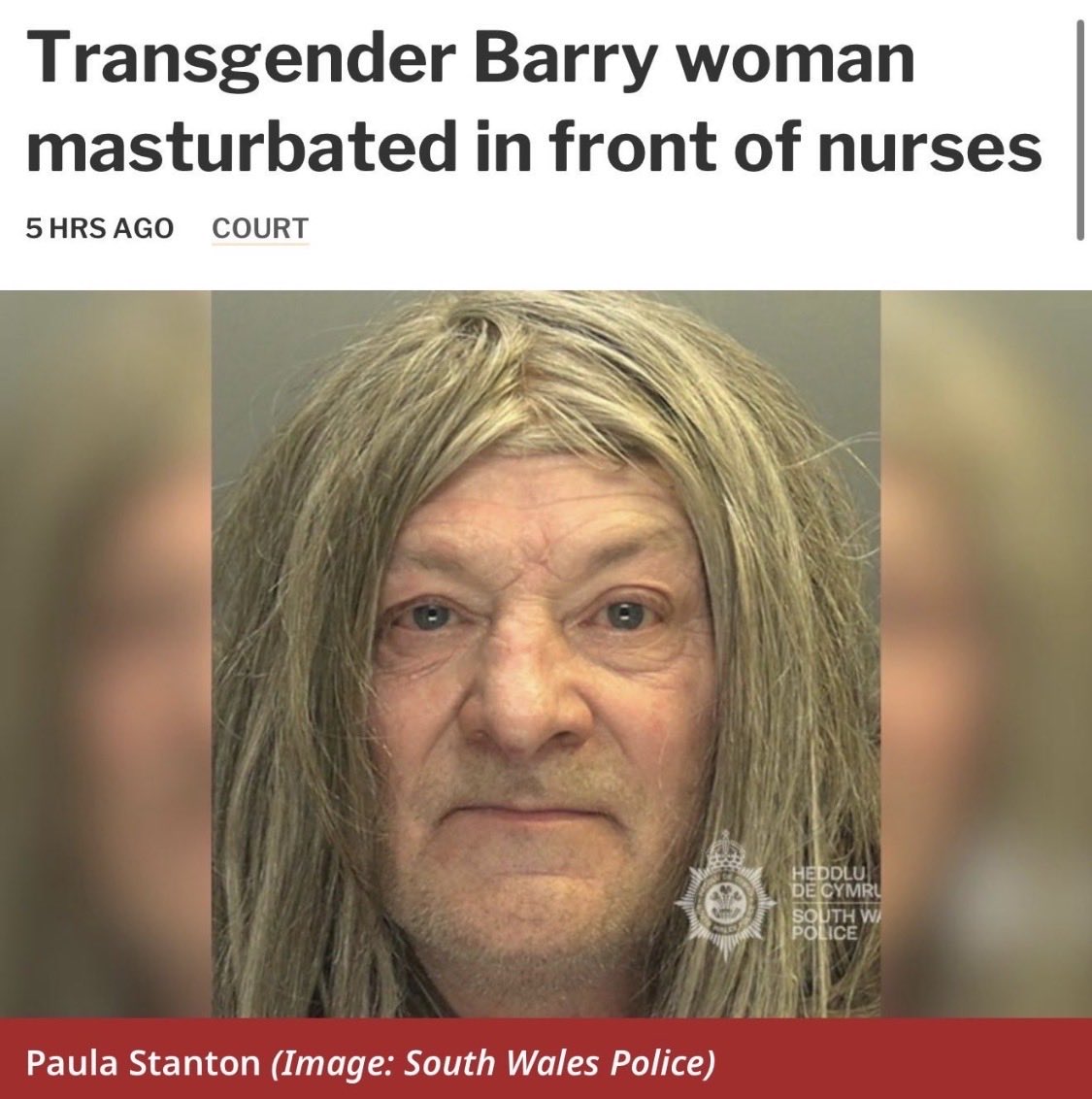
Whatever could’ve contributed to such mistrust of news / courts /police reporting / NHS / mainstream media when they’re writing phrases like “exposed her penis” and calling violent criminals & dirty old men “she” and “her” as if we don’t have eyes? 🤔


1
17
117
Simone retweeted

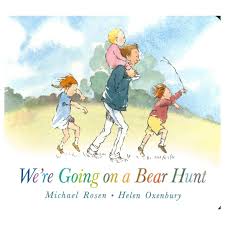
That kid doesn’t know it now but someday he’s gonna be all grown up, facing life and look back and realize that’s the happiest he ever was ❤️
199
1,798
30,169
601,880
Simone retweeted

15h
The once-beloved Doctor Who became a vehicle for tedious ‘progressive’ hectoring. No wonder audiences turned away, says Gillian Phillip
buff.ly/iGU09Ln
17
56
399
7,528
Simone retweeted

Jun 15
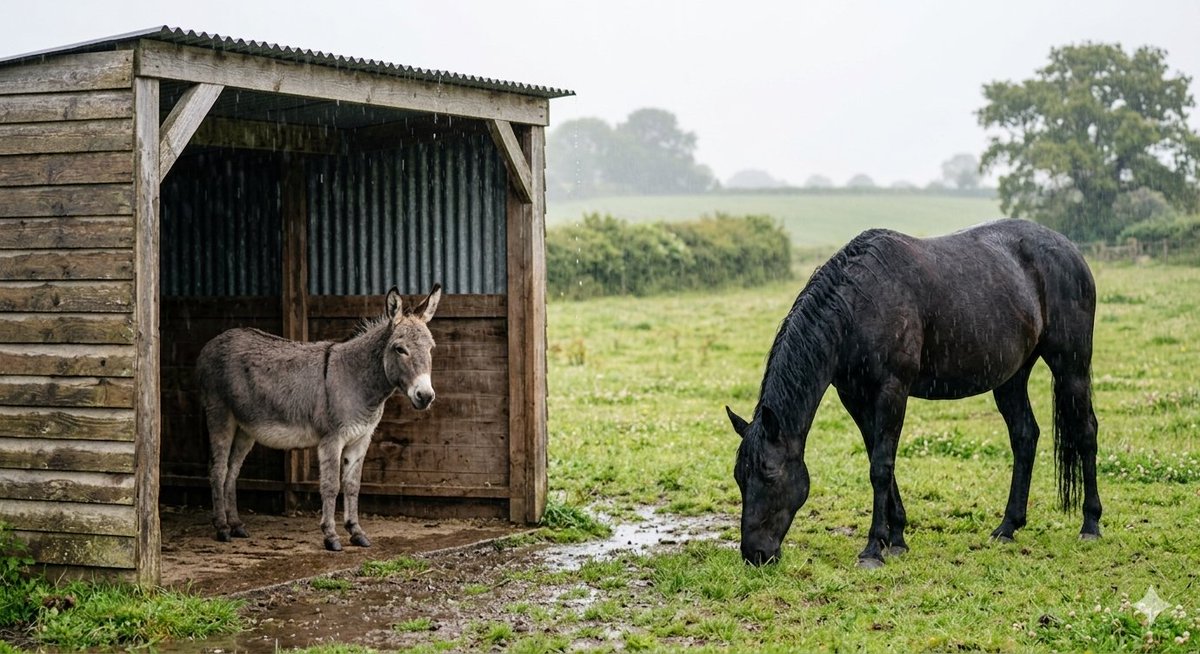
A horse is built to run. A donkey is built to stand and think about it. You have met Hector. This is the other half of his field.
Here is the thing nobody warns you about a parade horse. Hector stood through the King's Troop and the massed bands and a nation's worst day without shifting a hoof, and he will still, in a quiet Welsh field, levitate sideways at a pheasant coming out of a hedge. A carrier bag on the wind is, to a horse, a clear and present danger. The guns were a job, and the job had rules. The hedge has a pheasant in it and no rules at all, and so the flight animal underneath the seventeen years of training remains, on the matter of pheasants, entirely undefeated.
Nelson does not look up.
Nelson has never looked up. A donkey does not flee, it assesses, and it assessed the pheasant long ago and found it beneath comment. People call that stubbornness. It is an animal declining to spend adrenaline it sees no reason to spend.
And here is the domestic arrangement, which anyone who has kept the two together will know on sight. Nelson is a third of Hector's size and entirely in charge. He eats first. He picks the dry spot. He decides when they move. The black charger who carried the weight of the state stands by, with enormous patience, while a small grey donkey finishes the good hay.
The one thing that reliably undoes Hector is Nelson leaving the field. Five minutes, a foot trim, a vet down the lane, and the great composed horse comes apart at the gate, calling and calling, because a horse is herd to its bones and has decided that its herd is one unbothered donkey.
Nelson, for his part, despises rain. A desert animal washed up in Denbighshire, he stands in the shelter looking martyred while Hector grazes out in the wet, waterproof and serene.
Two opposite natures, each propping up the other exactly where it is weak. The horse who fears small things and the donkey who fears nothing at all. It works. It was always going to.
89
602
3,879
37,362
Simone retweeted

A ray of sunshine 🦌🌞
Belle and Sky stepping out the shadows yesterday morning 🦌
#roe #deer #roedeer #RoeDeerDiary #wildlife #trailcameras #Springwatch
1
10
47
319
Simone retweeted

Jun 15
Scene, Downing Street:
‘How can we make ourselves even more unpopular?’
‘Well, prime minister, we could allow Natural England to proceed with their plan to shoot 90% of the ponies on Dartmoor’
‘Yes, that might do it.’
Jun 15

Exclusive from @oliver_wright
Dartmoor ponies could be subject to mass culling to reduce the impact on biodiversity after a controversial ruling by the government’s environmental quango
Natural England has demanded that all livestock grazing on the moor is reduced by about 75 per cent to protect other habitats, plants and species
The move looks set to result in the culling of up to nine in ten of the semi-wild ponies as farmers prioritise their own cattle and sheep to remain within Natural England’s limit to minimise the impact on their own livelihoods
Natural England argued that the move was necessary to protect the diversity of Dartmoor, which is a designated site of special scientific interest
However, the plan goes against a government commissioned review into the future of Dartmoor, published two years ago, which concluded that Natural England “should not take actions likely to result in a reduction in pony numbers”, adding they were “invaluable for conservation grazing”
The move has led to claims that the quango is acting as judge, jury and executioner of the ponies — a species which is itself seen as endangered
Dartmoor ponies could be put to death under biodiversity plans
thetimes.com/article/ba529f3…
69
672
2,508
149,035
Simone retweeted

We are angrier about this case than it is possible to articulate.
Rest in peace, baby Preston.
These men should never have been approved for adoption. Safeguarding in this country needs overhauling @educationgovuk @Adoptionnow_ @LancashireCC
bbc.co.uk/news/articles/cvgl…
40
340
1,812
16,928
Simone retweeted
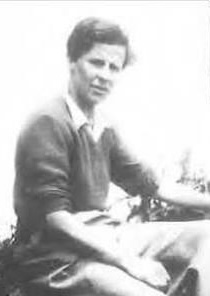
Woman of the Day journalist Evelyn Graham Irons, born OTD in 1900 in Glasgow, the first woman war correspondent to reach Eagle’s Nest, Hitler's retreat at Berchtesgaden (she helped herself to a bottle of his wine) and the first woman to be awarded the Croix de Guerre.
After graduating from Somerville College Oxford, Evelyn began working as a journalist for the Evening Standard (now the Daily Mail) and was promptly assigned to the beauty page. It wasn’t her ideal job. She had no interest in make-up, had never worn any in her life, and was eventually sacked for “looking unfashionable” but she ended up editing the “women’s interests” pages.
That’s how she came to interview poet and novelist Vita Sackville-West. They began a short and tangled affair in 1931 (Vita dedicated her "Collected Poems" to Evelyn) but it ended when Evelyn fell in love with Joy McSweeney. I mention this only because newspaper articles of the time fixated on her private life and not on what she actually achieved, yet she was a woman of immense courage.
She had already won the Royal Humane Society's Stanhope Gold Medal for “the bravest deed of 1935” for rescuing a drowning woman in very courageous circumstances at Tresaith Beach, Cardiganshire. It was the first time the medal had been awarded to a woman since Grace Darling.
Work was humdrum — the “women’s interests” pages still weren’t to her taste — and she was tired of desk work so when WW2 broke out, she told the news editor, "From now on I'm working for you”. The Standard made her a war correspondent.
I can’t help but wonder whether they set her up to fail. Field Marshal Montgomery refused point blank to have any women war correspondents with the British forces but that didn’t deter her. She wangled accreditation to the Free French Army, crossed the Rhine with Charles de Gaulle, accompanied French troops through Germany and Austria, and was one of the first journalists to reach liberated Paris. En route, she helped to capture a village in Bavaria.
"We somehow had got ahead of the advance, and four of us in a jeep came to this village and found no Allied troops had arrived. So we took it ourselves. We were armed - the French would have none of this nonsense about war correspondents not carrying weapons - so we held up everyone at gunpoint and accepted their surrender. Then we helped ourselves to all the radios, cameras and binoculars we could find and drove off."
That’s how Evelyn earned the Croix de Guerre with Silver Star, the first awarded to a woman. She was also the first woman war correspondent to reach Hitler's mountain retreat, Eagles Nest at Berchtesgaden, after it was captured. She crawled through snow to get there and helped herself to some of Hitler's "excellent Rhine wine” on arrival.
In 1952, she moved to the US to cover the Eisenhower v Stevenson presidential election and settled there with Joy.
By 1954, she was working for The Times when she became a bit of a journalistic legend, breaking a news embargo in Guatemala to stop any reports of the overthrow of its president. Journalists were forbidden to cross the border while the revolution was in progress so they hung around in a bar in Honduras.
Not Evelyn. She bought a mule for £9 to carry her to Chiquimula in rebel territory, and was the first journalist to reach the HQ of the provisional government. This prompted a rival editor to cable his idle reporter: "OFFGET ARSE ONGET DONKEY SOONEST".
Evelyn retired at 68 after many years as the Sunday Times New York bureau chief. She died in April 2000, just two months short of her 100th birthday.
11
50
143
1,999
Simone retweeted

21h
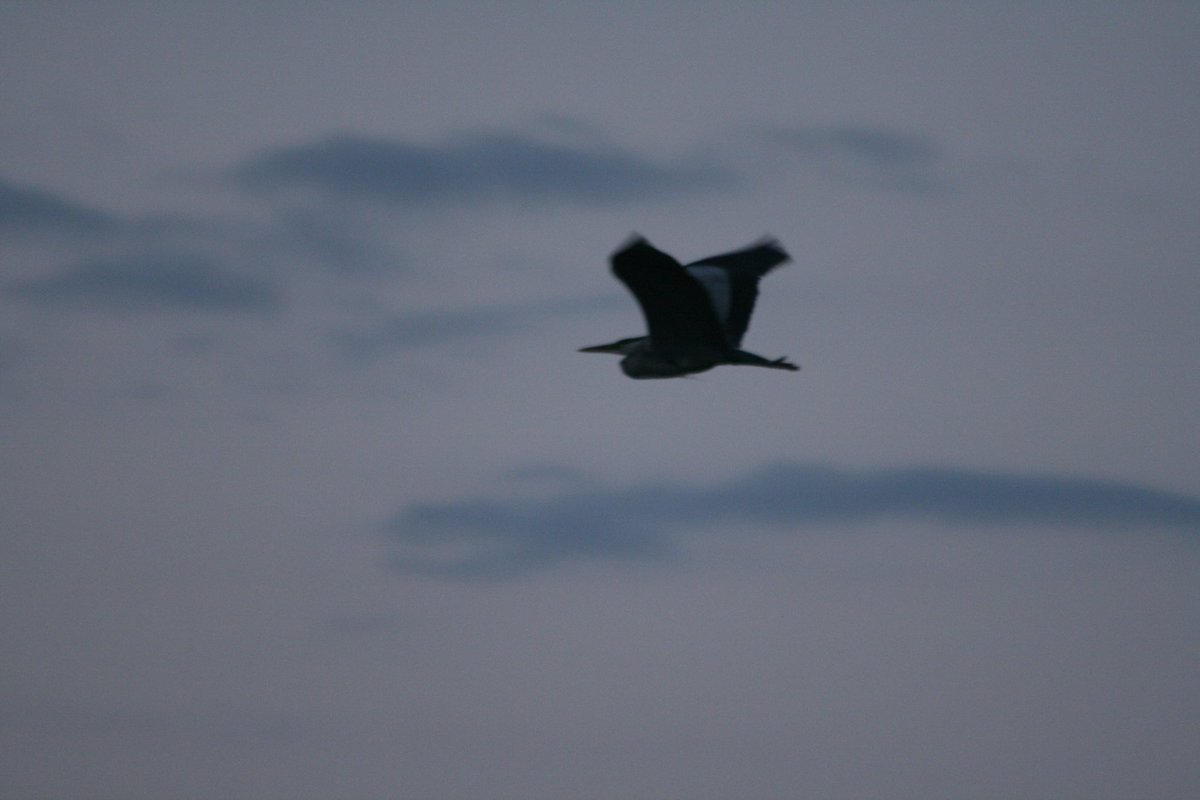
#picoftheday Homeward Bound
@ladycultreboot @PennineThe @raiphsays @staithesartist @MarySummer1966 @pilaraymara @GREIGEYESBIKER1 @moleatthedoor @mrs_counter @lorri1962 @Catrionareids @ggioiamelissa @colz261 @ArgyllSeaGlass @weestie97 @cee4cat @defiaye @Becca3Artach @GaelMyrica
5
8
340


Simone retweeted

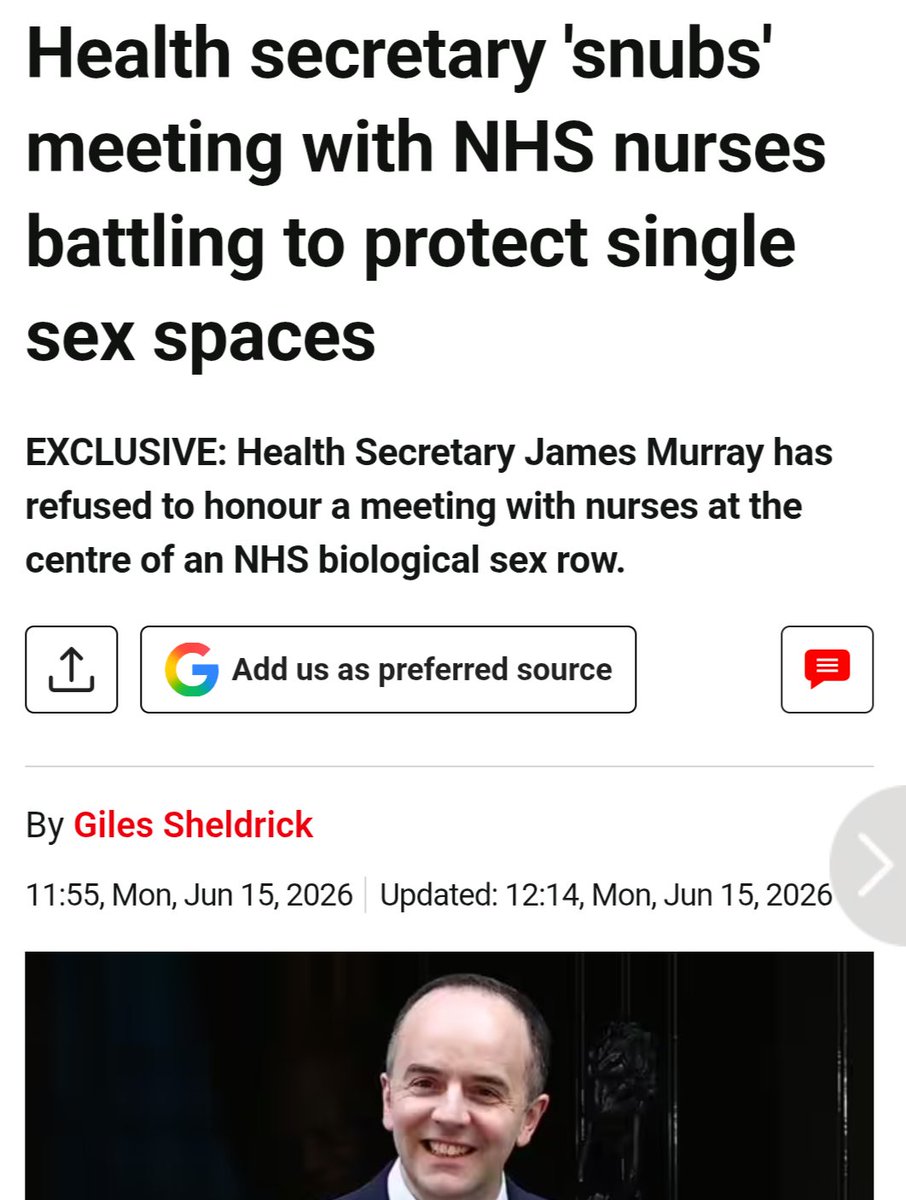
BREAKING: Health secretary @jamesmurray_ldn has refused to honour a meeting with the Darlington nurses
Bethany Hutchison, President of the Darlington Nursing Union, said:
“We were encouraged when @wesstreeting recognised the seriousness of our case and indicated a willingness to meet. That commitment now appears to have been set aside.
This issue is not theoretical, it affects frontline staff every day. We are simply asking for clarity, for the law to be applied properly, and for our dignity and safety to be respected.
We urge the current Health Secretary to honour his predecessor’s commitment, meet with us, and ensure that what happened in Darlington is never repeated elsewhere in the NHS.”
Andrea Williams, Chief Executive of the Christian Legal Centre, said:
“At a time when clarity and confidence are needed, the continued failure to ensure compliance with the law on sex and single-sex spaces across the NHS is deeply concerning.
This is a snub to the nurses who have fought for years to secure dignity, privacy and safety at work. The Health Secretary should meet them without delay, listen carefully to their concerns, and provide assurances that their right to single sex spaces will be respected."
See more breaking in @Daily_Express
👇🏻
express.co.uk/news/uk/221717…
52
521
1,222
24,695
Simone retweeted

Anyone who agrees with me has thought things through and has genuine concerns. Anyone who doesn't hasn't and either their outrage is manufactured, or they are engaged in a culture war, or both, for reasons that are so obvious I need say nothing further.
5
10
337
Simone retweeted

Jun 15
Then make devices and default access safe for all, inc children and those like me who are not tech savvy - and make the unrestricted internet the difficult thing to access. But no. You want all of us to put our identity and private details where Palantir et al can harvest them.
Jun 15

Keir Starmer, "The government will ban access to social media for all children under the age of 16"
"This is not something I do lightly, and I will not present it as cost-free, as if social media has brought no benefits to young people, because clearly that is wrong"
"But government is always about choices, and it's clear to me that a full ban is the right choice"
"Now, I come to it as a parent myself. I know exactly the fears that we all feel when we're thinking about this issue"
"You. Know. All I've ever wanted for my own children, hand on heart, is for them to be happy and for them to be safe"
"And I think that's what any parent wants"
"But I ask the question now, do we truly believe that social media creates a happy environment for our children?"
"Do we truly believe that it's a place where they can feel safe?"
"I don't think I even need to answer those questions, do I?"
5
8
12
974
Simone retweeted

Jun 15
Couple of other process-y things about the government's proposed social media ban.
1. Where is the white paper for what is after all a major govt intervention? The scantiest of 'fact sheet' has been published which shows the lack of policy thinking as to implementation.
21
72
401
25,937
Simone retweeted

Jun 15
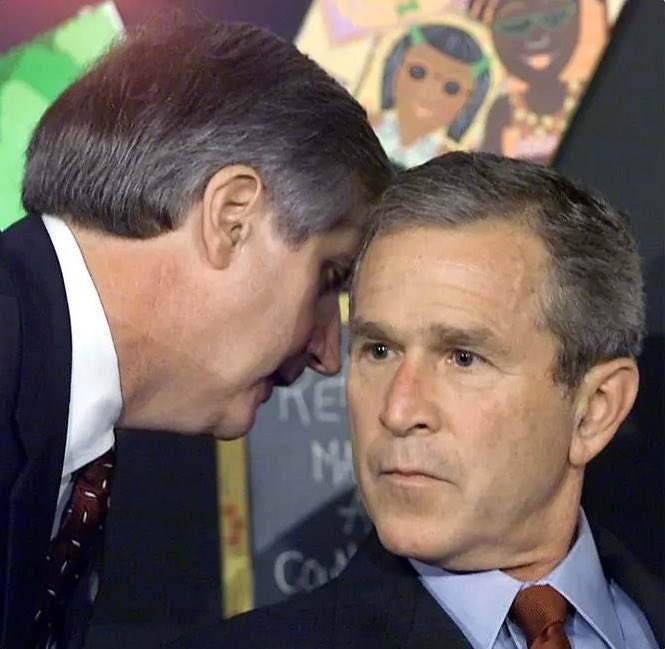
Sir a second European nation that likes to drink has hit boston
Jun 14

74
2,969
53,015
1,519,588
Simone retweeted

Jun 15
Post Office Horizon IT Inquiry report delayed yet again:
postofficescandal.uk/post/po…
#PostOfficeScandal
4
102
205
13,453
Simone retweeted

Jun 15
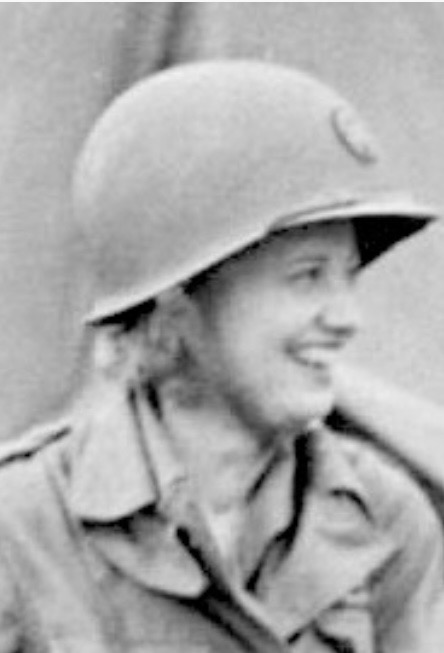
Woman of the Day Ruth Cowan Nash, born in OTD 1901 in Salt Lake City, one of the first two American female war correspondents. She was embedded with the Women’s Auxiliary Army Corps and reported on major battles during WW2. In peacetime, she covered murders and gangster activities in Chicago.
Ruth didn’t have a birth certificate which was a bit of a problem when she later applied for a passport. Her father had died when she was ten and her mother, after relocating to Texas, went travelling in search of work. 13 year old Ruth stayed put, attending high school and doing odd jobs. Elva Cunningham, president of the San Antonio PTA, gave her a home and the Cunninghams became her second family.
She taught for a while after graduation — in the 1920s, 80% of teachers in Texas were women — but Ruth wanted more.
“When one is young and has dreams in one’s eyes, one of the biggest is apt to be a desire to set the world on fire.”
She did a spell as a part-time film critic “in order to afford coffee” and became a full-time journalist but knowing that sex discrimination would rear its head over and over (“A woman reporter is fine for the feminine angle, but it takes a man for the news”) she wrote as “R. Baldwin Cowan” and it brought in writing commissions from any editors who had never met her. United Press was happy with her reports but once it realised she was a woman, it fired her, so she wrote to the head of Associated Press:
“Dear Mr. Cooper, first, I am a girl. Sight unseen I pass for a man. But notwithstanding my femininity, I need a job, want one with the AP and can hold it. I never wrote a weather story that wasn’t rewritten. I snore at women’s luncheons but I have no objection to exploiting the ‘woman’s angle’ in any field. But I like murders, politics, gang-wars and whatnot with plenty of action. Never sat through a baseball game in my life…Am afflicted with ambitions. Want plenty of opportunity to train for big assignments and eventually want foreign service.”
Kent Cooper hired her. In fact, he hired at least seven women — his critics sneered that it was “an invasion of women” critics sneered — and placed Ruth on general assignment in Chicago covering “murders, gangsters, and of course, ‘the women’s angle.’” She started work on 11 April 1929, soon after the Valentine’s Day Massacre.
“Somebody at the AP thought it may be smart to find out just exactly how much this newcomer could take. They shipped me down with several other reporters to this inquest…One thing that I do remember is the smell of formaldehyde. I didn’t like that and I never have liked that. It was the first time that I’ve seen that you could take a body, put it in formaldehyde in a drawer, stuff it on a shelf, and deep freeze it. They reached over and pulled one of the bodies out…I went back and wrote about it. They said, ‘She did all right. She didn’t faint at all. Nor did she get sick.’”
In 1942, Ruth and columnist Inez Robb were the first two women officially granted credentials by the American government to cover WW2. Unusually for a journalist, Ruth was required to wear the same uniform as the WAC women and to comply with all the regulations of a member of the Armed Forces. She made it work for her: the helmet was useful for mixing her hair dye. Well, there was no rule against that.
On her first posting to Algiers, the AP editor greeted her by telling her no woman could stay there and she was convinced that he deliberately placed her on an assignment he knew was going to be bombed.
The icy welcome was compounded by her male colleague who wrote “Women war correspondents would be wonderful if they just weren’t women. Many of them are braver in the field than men reporters, many are better writers, but sooner or later they show that underneath their correspondent’s patch lurks ‘womanhood.’ And ‘womanhood’ has no place in an active war zone.”
The Army did its bit too, portraying women as a threat to men, morally unfit, or too weak to fight. There were complaints about the “burden” of separate toilets for them. Ruth said, “Latrines are an alibi. It is just a way to keep women including their own women away from war zones.” However, General George Patton proved to be an unexpected ally. He asked her what the first rule of war was. She said, “Kill him before he kills you.” He said, "She stays."
Ruth covered the war from 1943 to 1945 without a break, reporting directly from the Battle of the Bulge and from Paris when it was liberated.
In those days, if the marriage bar or pregnancy didn’t cut short a woman’s career and send her back into the kitchen, a new way had to be found.
In 1956, she was forced to retire from AP on her 55th birthday. Policy, you know, a policy that applied only to women: men’s compulsory retirement age was 65. But for that, she would have carried on.
Ruth died in 1991, aged 93.
“I didn’t regard myself as a woman and therefore should be limited in what I could think and what I could do and what I wanted to do. And I think that’s a mistake so many gals make; they feel, ‘Well, I’m a woman, and they push me around.’ They don’t push you around any such thing; you push them back and go do your job, and you’ll get on the front page. And that was the thing to do.”
4
39
128
2,003
Simone retweeted
Jun 15
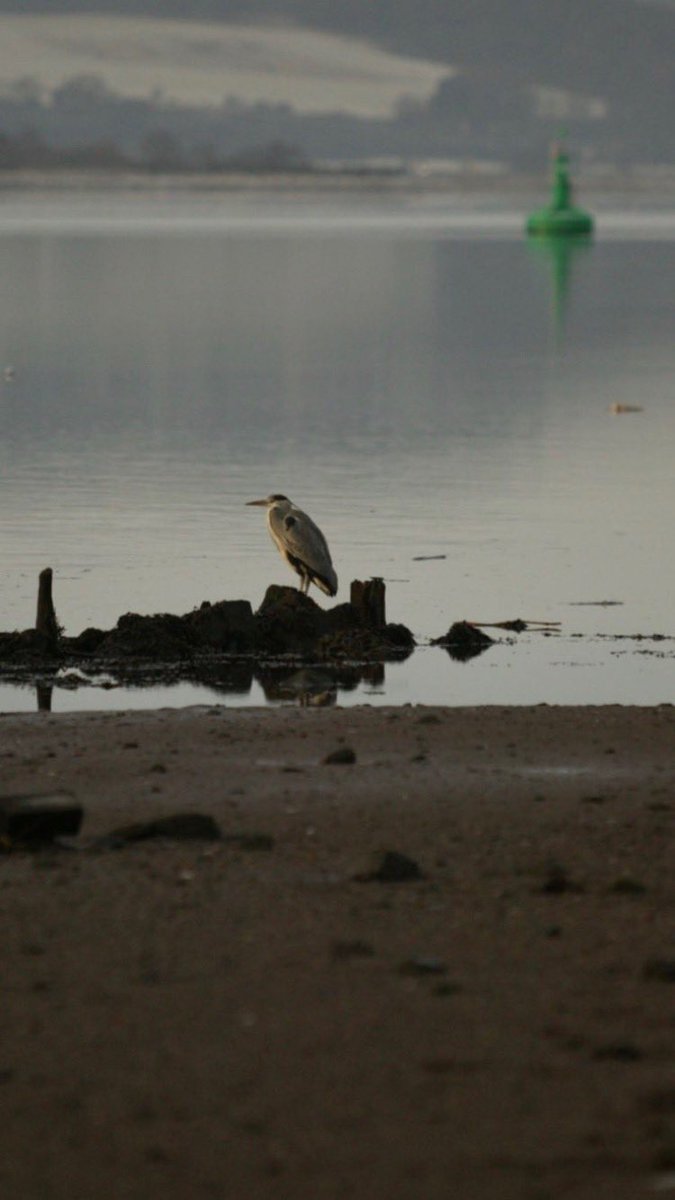
#picoftheday Clyde Grey Heron
@ladycultreboot @PennineThe @raiphsays @staithesartist @MarySummer1966 @pilaraymara @GREIGEYESBIKER1 @moleatthedoor @mrs_counter @lorri1962 @Catrionareids @ggioiamelissa @colz261 @ArgyllSeaGlass @weestie97 @cee4cat @defiaye @Becca3Artach @GaelMyrica
3
7
12
465
Simone retweeted

Jun 14
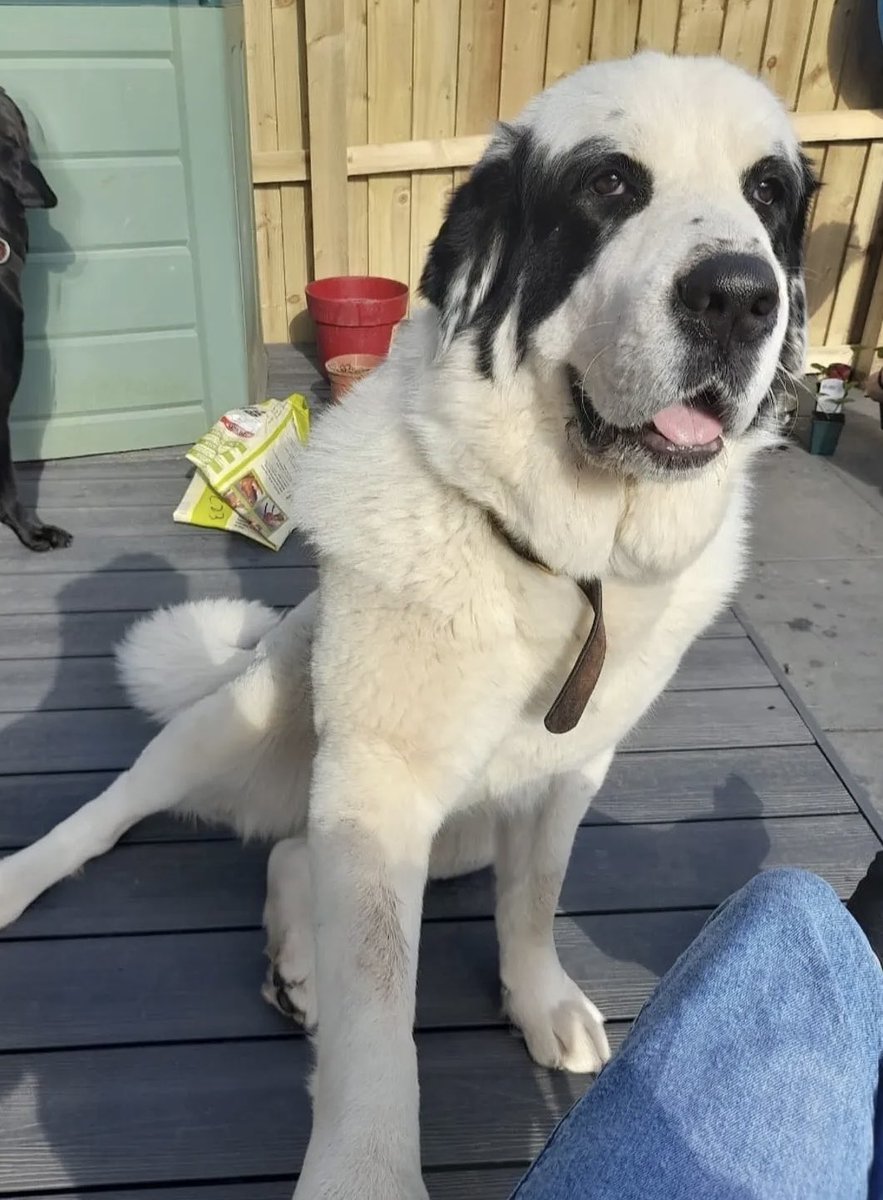
Lady is a 5 year old female Central Asian Shepherd. She is available and would suit a home with someone who understands the breed or has had bigger dogs previously.
Lady isn't keen on other dogs. She has lived with another dog she was fond of, but isn't keen on strange dogs outside of the home.
Lady is great with humans and loves to meet new people. She loves getting patted and attention.
Lady is chipped and spayed and healthy with no medical issues.
She is fed a protein diet of fish protein and kibble as she can have a sensitive stomach.
Lady can be left on her own but may bark to begin with, she will soon settle down.
She likes to be near her owners at bed time.
Lady is fine in the car and great around kids. Due to her size we'd suggest older children from 8 .
Lady is registered at the vets and walks well on the lead. She would need to be kept away from other dogs as she isn't keen on other dogs.
A home with no cats is best.
For more information or to offer Lady a new home please email info@help2rehome.com
7
396
372
4,340
Simone retweeted

Jun 14
Today marks 9 years since the Grenfell Tower fire.
But 9 years on, there is still no justice.
9 years on & people still live in unsafe buildings.
We must not forget those killed because of dishonesty and corporate greed.

28
2,453
5,229
57,552