
👨🔬 🏏 🏉 ⛳️ 🎾 Stem cell biologist. working on understanding mechanisms of dementia. neurons. astrocytes. microglia.
Joined March 2013
- Tweets 476
- Following 663
- Followers 789
- Likes 1,331
55 Photos and videos





Pinned Tweet

18 Sep 2024
More than just making amyloid
What if mutations in PSEN1 also predispose inflammation.
We asked if Alzheimer's disease mutations affect cytokine signalling using stem cell derived astrocytes.
biorxiv.org/content/10.1101/…
@WrayLabUCL @AlzSocResearch
🧵/6
2
9
45
7,797
28 Nov 2025
I did it. Phew. 🏃♂️
Completed the Silverstone half marathon for @racingdementia
There’s still time to donate if you have a spare £.
givengain.com/project/charli…
36
Charlie Arber retweeted

22 Sep 2025
First senior author paper = whiskey opened 🥃
Dr Charlie Arber @celarber @AlzSocResearch shares the science, the challenges, and the celebrations that come with this career milestone.
dementiaresearcher.nihr.ac.u…
1
1
117
Charlie Arber retweeted

12 Nov 2024
I’m glad to see this masterpiece on astrocyte biology finally out in @NatureNeuro! Huge congrats to the team @AlSerranoPozo @sdas617 et al 🤩 nature.com/articles/s41593-0…
1
16
61
3,430
Charlie Arber retweeted

10 Nov 2024
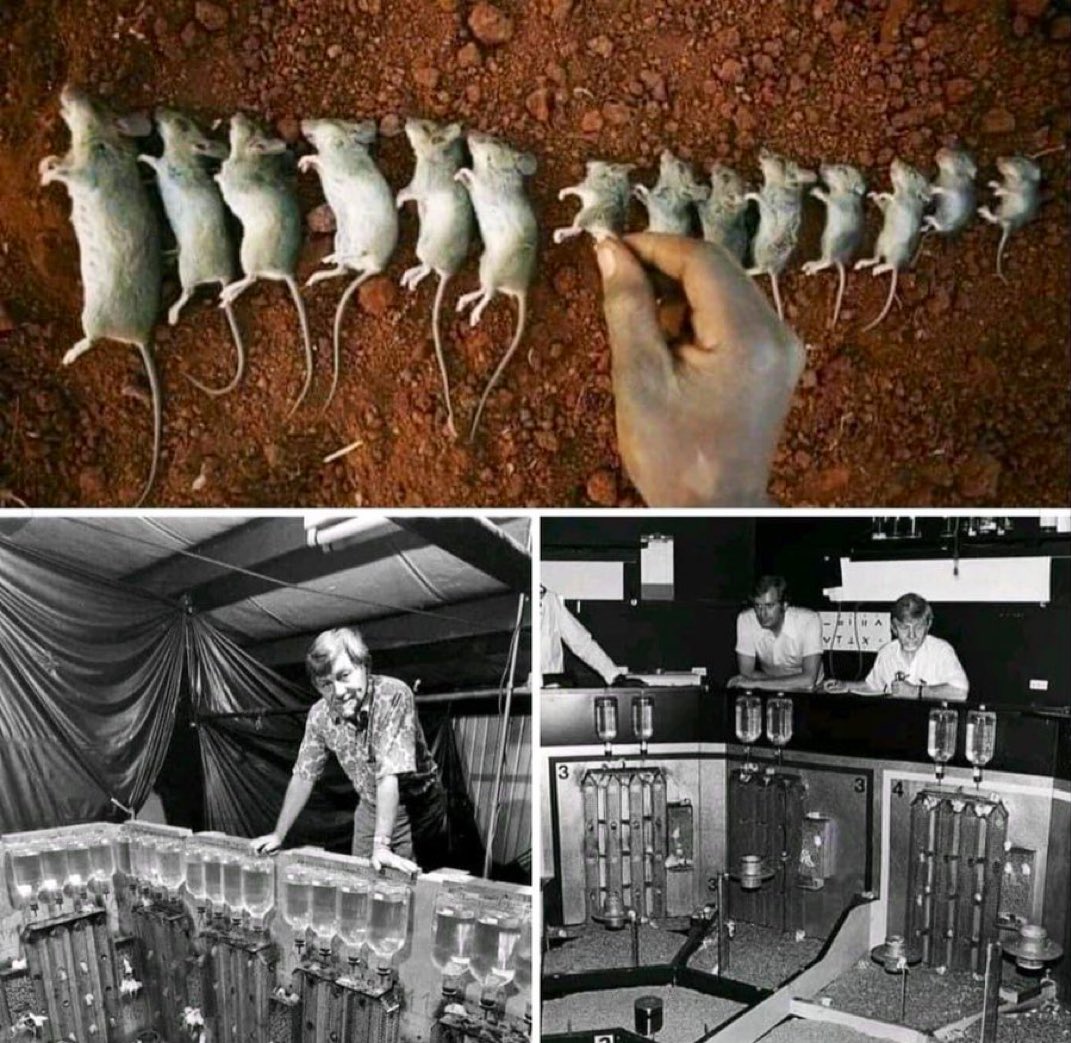
The “Universe 25” experiment, conducted by American scientist John Calhoun, is one of the most alarming studies in the history of science. It aimed to explain human societies through the behavior of a mouse colony.
Calhoun created an “ideal world” for hundreds of mice, known as the “Paradise of Mice,” where they had abundant food, water, and ample living space. Initially, he introduced four pairs of mice, which quickly reproduced, causing the population to grow rapidly.
However, after 315 days, their reproduction rate significantly declined. When the population reached 600, a hierarchy emerged, and the so-called “wretches” appeared. Larger rodents began attacking others, leading to psychological collapse in many males. Consequently, females became aggressive towards their young and did not protect themselves.
Over time, the females exhibited increasing aggression, isolation, and a lack of reproductive drive. This led to a low birth rate and higher mortality among younger rodents. A new class of male rodents, termed “beautiful mice,” emerged. They refused to mate or fight for territory, focusing only on food and sleep. Eventually, “beautiful males” and “isolated females” dominated the population.
Calhoun described the death phase in two stages: the “first death,” marked by a loss of purpose beyond mere existence, and the “second death.” Juvenile mortality reached 100%, and reproduction ceased entirely. Despite abundant food, cannibalism and homosexuality increased among the mice.
Two years into the experiment, the last baby mouse was born, and by 1973, the last mouse in Universe 25 had died. Calhoun repeated the experiment 25 times, with the same outcome each time.
Calhoun’s work has been used to model social collapse and serves as a significant reference in urban sociology studies.
164
1,221
4,063
553,345
28 Oct 2024
It was brilliant talking to @demrescommunity and @aitanasogorb about our work on FBD with @lecrawf0.
A disease you’ve probably never heard of, but it might teach us a lot about dementia.
Thank you to @racingdementia and @ARUKscientist for the support.
28 Oct 2024

Familial British dementia decoded! 🧬 @aitanasogorb talks with UCL’s @celarber & @lecrawf0 about unique genetic insights & research advancements, and new funding from @racingdementia #Dementia
pod.fo/e/279194
8
17
1,428
Charlie Arber retweeted
28 Oct 2024
Familial British dementia decoded! 🧬 @aitanasogorb talks with UCL’s @celarber & @lecrawf0 about unique genetic insights & research advancements, and new funding from @racingdementia #Dementia
pod.fo/e/279194
8
13
2,463
Charlie Arber retweeted

8 Oct 2024
Today is #AdaLovelaceDay Prof @SelinaWray grew up in Barnsley and now leads a group of dementia researchers at University College London.
Revisit the 2022 @CooperBarnsley exhibition Brains In A Dish inc a podcast & virtual tour
cooper-gallery.com/digital/b…
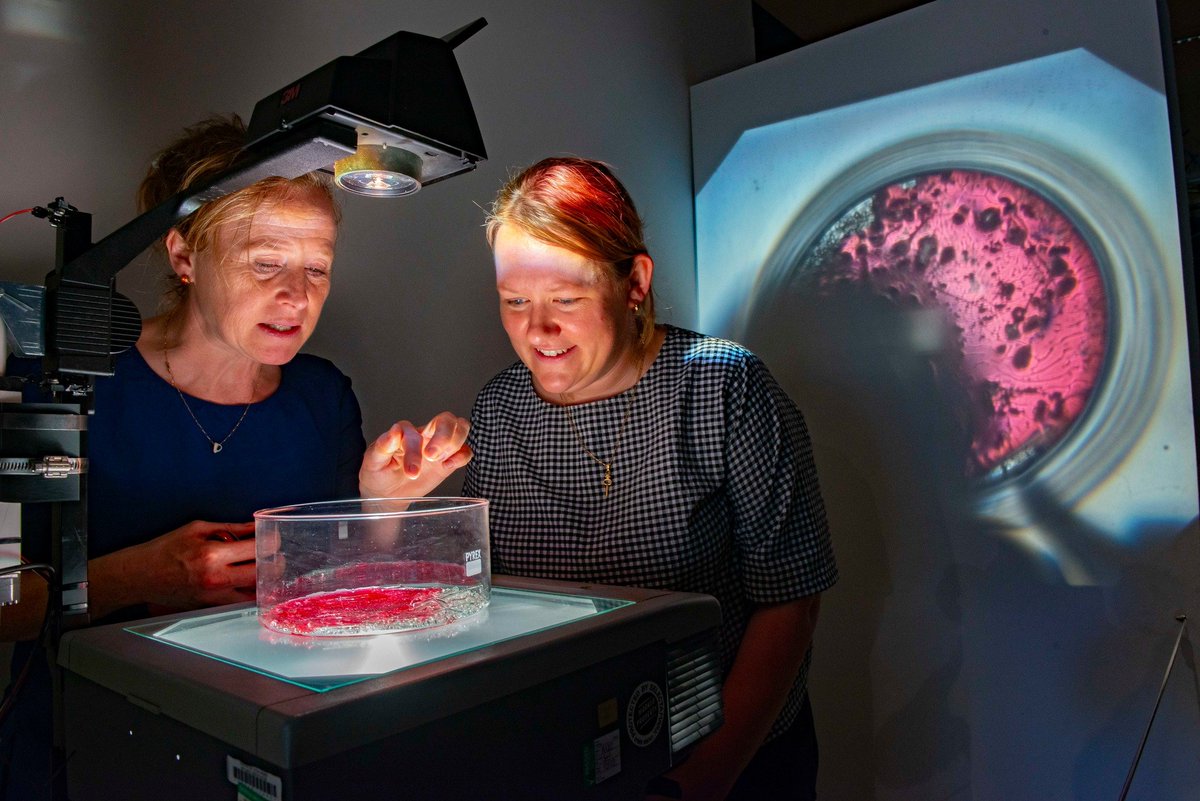
ALT Two women are examining a specimen on an overhead projector. A magnified image of the specimen is projected on the wall behind them. They appear focused and engaged in their scientific observation.
9
17
1,124
Charlie Arber retweeted

17 Oct 2024
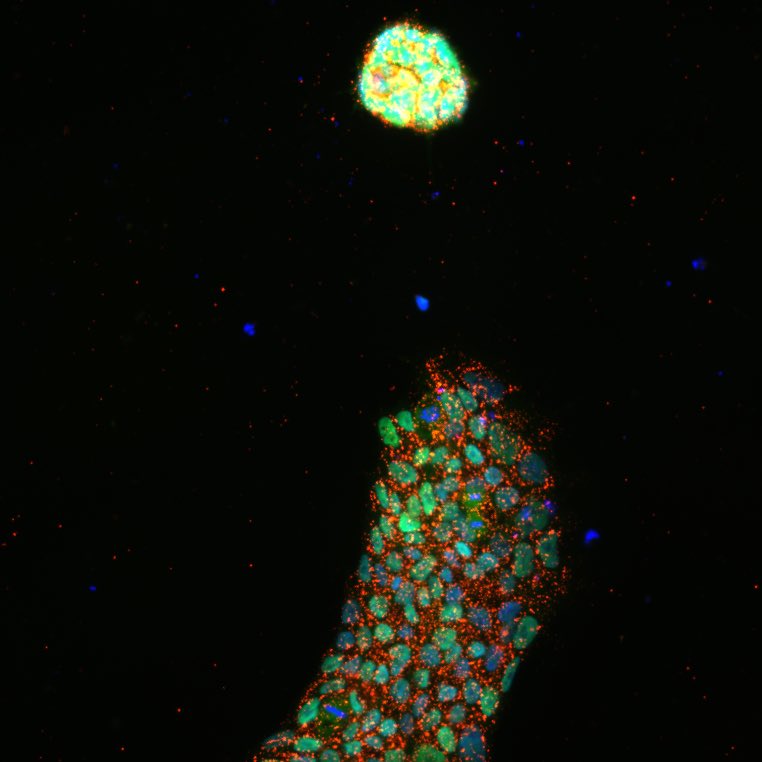
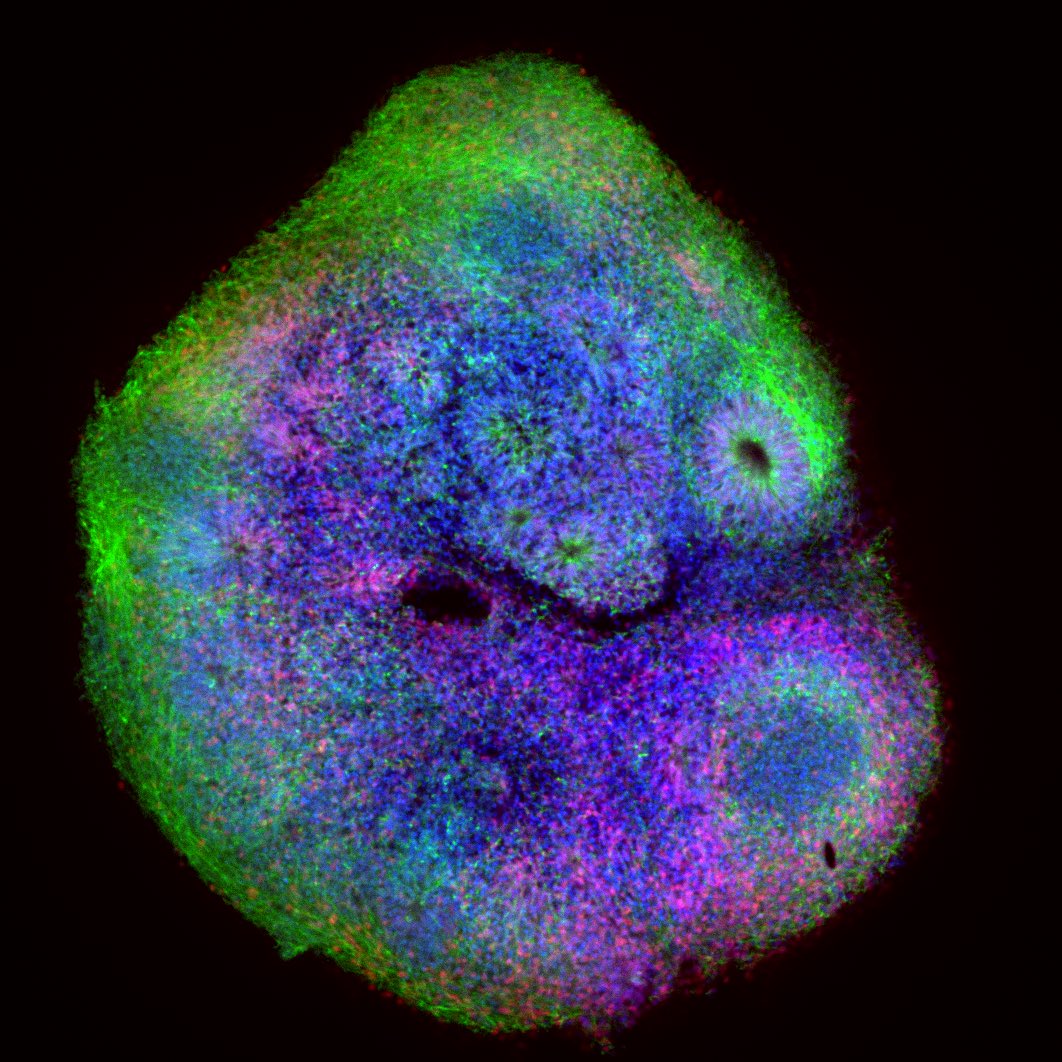
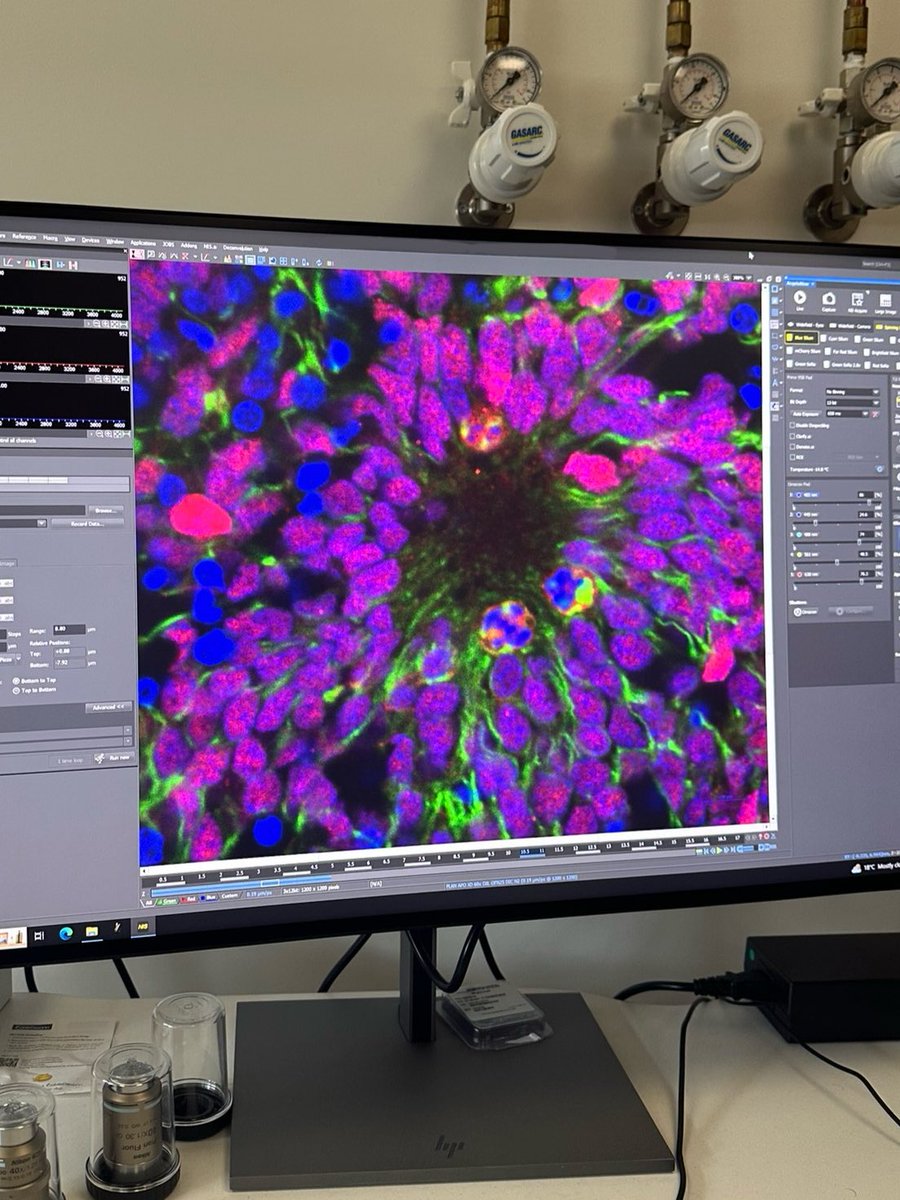
Always exciting to get images like these 😁🧠 first go at whole mount staining of organoids in the first image!🧫
6
2
139
10,174
Charlie Arber retweeted
21 Sep 2024
It’s been an amazing few days at the @isftd conference in Amsterdam so far! 🧠 I am very excited to have the fantastic opportunity to present a poster (P372) on some preliminary work from my PhD! 🧫Come say hi if you’re around ☺️ #ISFTD2024

3
37
3,538
21 Sep 2024
4.94km (lap 6) done. 🏃
#singaporeGP
@racingdementia
#WorldAlzheimersDay
Still some laps left. Please consider signing up today.
1
3
7
712
18 Sep 2024
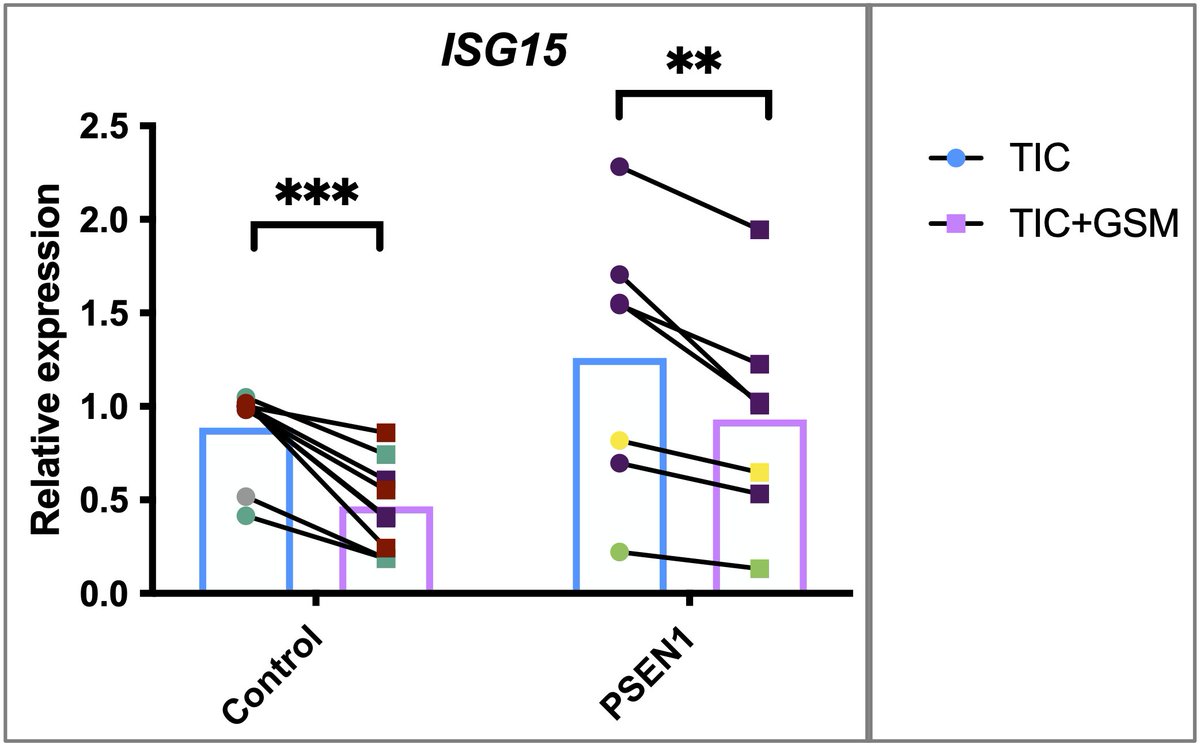
4. Finally, we can confirm this role for PSEN1 in cytokine signalling using gamma-secretase modulators which lower the astrocyte response to inflammatory cues.
1
3
204
18 Sep 2024
Perhaps inflammation is key to disease onset? Aligning familial and late onset AD via a 2-hit model of fAD.
Feedback and new collaborations really welcome!
1
3
165
18 Sep 2024
Huge thanks to @SelinaWray @PataniLab @ARUK_UCL_DDI @ojziff @nsetsalvia @DervisSalih1 and funders @AlzSocResearch
1
2
191
18 Sep 2024
More than just making amyloid
What if mutations in PSEN1 also predispose inflammation.
We asked if Alzheimer's disease mutations affect cytokine signalling using stem cell derived astrocytes.
biorxiv.org/content/10.1101/…
@WrayLabUCL @AlzSocResearch
🧵/6
2
9
45
7,797
18 Sep 2024
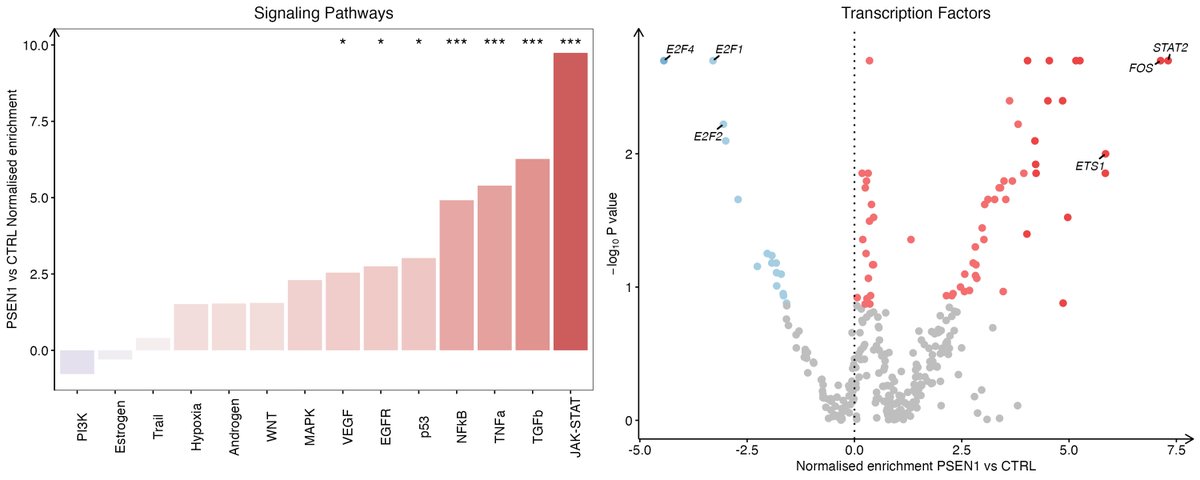
3. Under basal conditions, PSEN1 mutant astrocytes have an inflammatory phenotype. This is driven by TNF, NFKB and most notably JAK-STAT signalling (STAT2).
1
2
176
18 Sep 2024
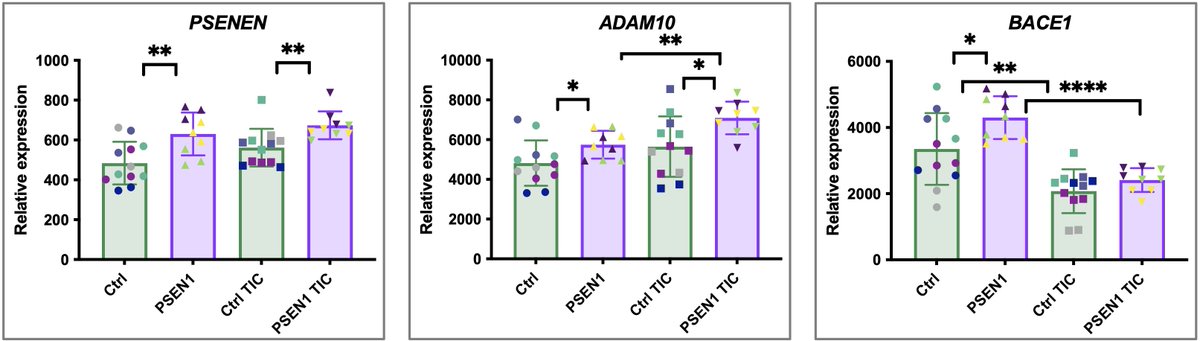
2. Genes involved in membrane proteolysis are disrupted in PSEN1 mutant astrocytes.
1
1
157
18 Sep 2024
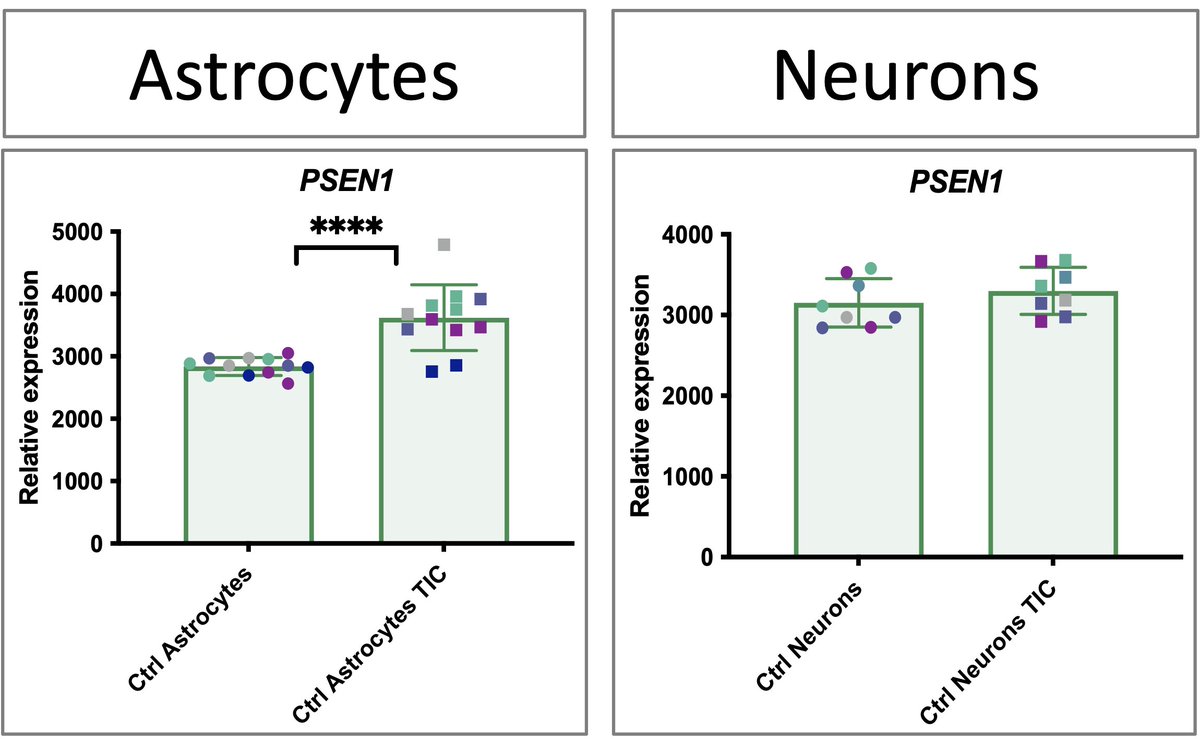
1. PSEN1 cleaves hundreds of substrates including many cytokine receptors.
We find PSEN1 is involved in the astrocyte response to cytokine stimulation (which is not the case in neurons). This upregulation is disrupted by familial AD mutations in PSEN1.
1
1
210
17 Sep 2024
Super exciting project! Spread the word...
1
4
521
16 Sep 2024
I'm running lap 6!
Please consider signing up for Run Singapore, there are still laps that need volunteers! 🏃♀️🏃♂️
raceagainstdementia.com/run-…
@racingdementia
1
3
745