
Status denying, label removing, simply naked HUMAN. I support others use of technology, harnessing it for GOOD! #NakedPhilosophy #Uget1Life #2K26
Joined April 2010
- Tweets 15,072
- Following 431
- Followers 222
- Likes 13,351
404 Photos and videos



Pinned Tweet

If anybody wants
to boost #Greenland
to the next level of
society, offer to help
improve their
#economy with
productivity,
#retirement homes
foreigners may buy,
own and pass on to
the next generation!
New covered farms,
greenhouse growing,
#automation and new
#infrastructure!
Jan 12

🚨😳 President Trump is wants Greenland because they have a high amount of UFO activity according to Ross Coulthart
2
935
Centauri4 beyond it. retweeted

16 Apr 2016
This is great news! Growing group of young #nudists in Texas: fwweekly.com/2016/04/13/youn…
3
3
The next question
in my mind is, can
anyone communi-
cate with these
Plasma orbs? .. Is
this even a course
of interaction able
to be pursued?
#UAP, #UFO, #NHI
Jun 10

Lue Elizondo: "There are sentient plasma beings or orbs that have some kind of intelligence, almost like a life form"
"The US Government are covering this up"
This comes after David Grusch said there is 'Sentient Plasma Life' on our planet & it may have been here a long time
71
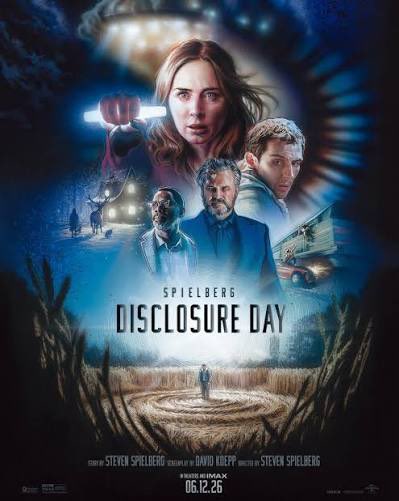
We, citizens of Earth,
are ready to know
whatever story Mr.
Spielberg is ready to
share with us, fact or
fiction.
Hints, suspicions,
personal accounts,
experiences, #CE1,
#CE2, #CE3, and
beyond.
If there is a "CEx" or
and "Unexplained"
event that is difficult
to qualify, bring it
Jun 11

Steven Spielberg was inspired to make Disclosure Day (incredible movie!) after binge watching 72 episodes of The Secret of Skinwalker Ranch
syfy.com/syfy-wire/what-insp…
16
Centauri4 beyond it. retweeted

Jun 9
**NEW** David Grusch on UFO Disclosure: "There are issues regarding cultural & religious institutions it's beyond life in in the universe" 👽🛸
"In my official duties I was exposed to UAP crash retrievals, adversary views on UFO legacy program reverse engineering & the associated biological material"
"It's unlawful for scientific information about the universe to be classified"
"Presidents have been kept in the dark"
"Secrecy around this issue did not appear overnight"
"The DIA should stop obstructing congress"
156
757
4,614
297,016

Centauri4 beyond it. retweeted

Jun 7
I don’t think the demon looks that bad, but man. If Harryhausen had done it, it would’ve been amazing.
#Svengoolie
1
5
54
Centauri4 beyond it. retweeted

May 3
I believe you @elonmusk—that coming from one who knows a great deal about it.
The issue deserves serious engineering effort now, not just rhetoric.
Nukes require visible infrastructure, testing, and deployment that intelligence can often monitor, allowing diplomatic, defensive, or preemptive responses, whereas advanced AI can be developed in secret, iterated rapidly in code, and deployed invisibly across networks.
Misuse by unscrupulous actors is a core risk: AI lacks inherent morality and can optimize for harmful goals like disinformation, autonomous weapons, or engineered pandemics if safeguards fail, making stealthy proliferation harder to contain than nuclear programs.
AI isn’t inherently evil or angelic; it is a powerful amplifier of whoever steers it. It presents unique existential challenges due to its potential for recursive self-improvement and goal misalignment, but unlike nukes it also offers tools for mitigation—better detection, alignment research, and defensive AI—provided development prioritizes safety alongside capability.
Many thanks for engaging the field and to be spent in making sure that AI is not a matter of monopoly and by all means not left only to the hands of one or a few above everyone else. Open, competitive development beats monopoly.
Safe, accountable, maximum truth seeking AI will remain to be virtuous standardized AI qualities next to your name, etched in history. Most High bless you. 💯♥️
3
2
8
185
Centauri4 beyond it. retweeted

May 22
this one is interesting
244
449
6,782
765,415
Could this #SpaceX
pre-IPO position
change the fate of
your entire family?
The current gen as
well as the next gen?
.. Who knows about
pre-IPO positions?
I want to ask my
family and extended
circle of friends.
Please, let me know
if you did a pre-IPO!
pro.oxfordclubresearch.com/p…
Elon Musk To Announce SpaceX IPO In the Next 72-Hours?
View details here.
pro.oxfordclubresearch.com 43
Centauri4 beyond it. retweeted

May 1
This puts you in danger if you are lying. This person has a law degree from oxford and our societies are based on law. The lie has been deemed illegal throughout human existence and now AI is a tool which can help society find truth. I support the truth and all technology that allows us to harness that. If you are a liar you should be afraid of technology like this but we will use this tech for this purpose with or with out this company - we already do! Hey @grok is this influencer comprehending the the business model correctly of using AI to decipher truth and humans to push back legally against bad actors?
1
1
2
189
Centauri4 beyond it. retweeted

12 Jun 2024
The Endangered Species Act is thought of as wildlife’s “emergency room.” Are we doing enough to prevent species from landing there?
motherjones.com/environment/…
5
10
4,846
Centauri4 beyond it. retweeted
26 Dec 2023
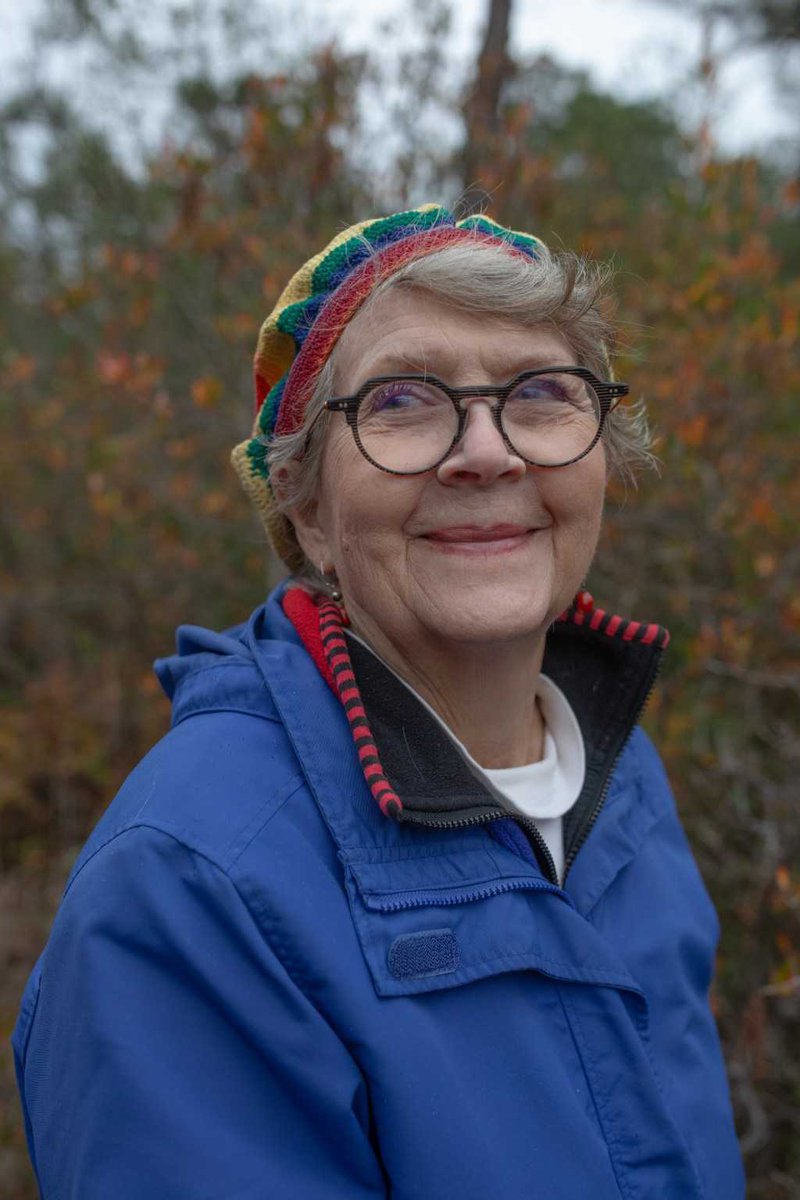
Venus flytraps grow naturally in only one place: a small region of North and South Carolina. Now, thanks to land development, fire suppression, climate change, and poaching, the plants are disappearing.
One biologist is on a mission to save them: motherjones.com/environment/…
4
27
71
10,343
Centauri4 beyond it. retweeted
22 Dec 2023
The Venus flytrap grows in the wild in one place on Earth—the coastal Carolinas—but is “disappearing fast.” This is the story of how the tiny, iconic plant is sinking through the cracks left by our federal environmental laws: motherjones.com/environment/…
1
16
22
8,685

#EarthDay is the perfect excuse to look back at our favourite view: home. This #ArtemisII mission photo highlights why exploration matters, every new perspective helps us better understand and protect our incredible planet. How are you celebrating Earth Day today? 🌍🚀
📷NASA
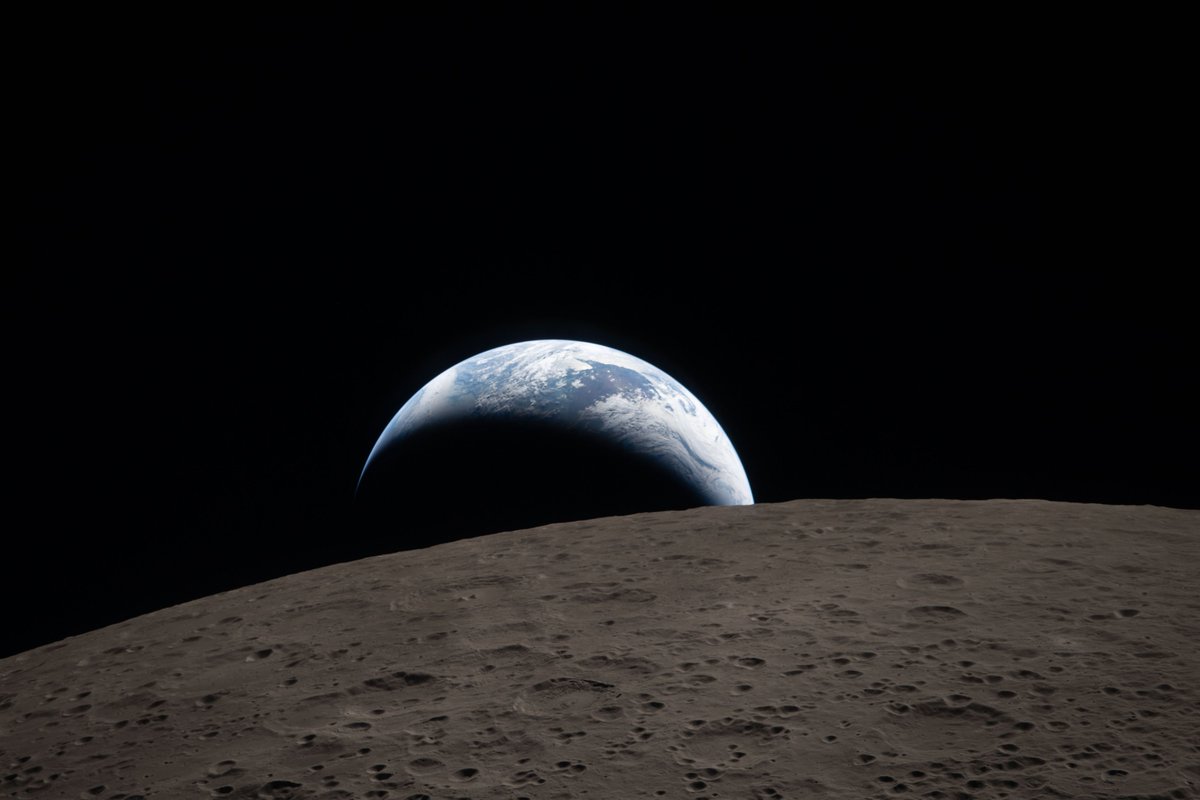
ALT Earthset captured through the Orion spacecraft window during the Artemis II crew's flyby of the Moon. The dark portion of Earth is experiencing nighttime. On Earth's day side, swirling clouds are visible over the Australia and Oceania region.
30
115
456
17,934
#CurseOfOakIsland
They need to find at
least 1 bag of buried
coins at this point,
otherwise its border-
line turning into a
"Money Pit". I saw that
movie, and its only
funny until it happens
to you!
#tCoOi #CurseMyPants
#StashRobbers, what
if they already got it?
(Years ago!)
1
88
What if the treasure
stash was carefully
buried elsewhere on
the island, know only
to a few and the lore
or legend was created
by the Templars in a
move to deceive and
obfuscate everything
in the finest tradition?
67
Centauri4 beyond it. retweeted

Remove 7, remove 8 and remove the current Iranian government and that’s likely the deal that comes with a friendly Iranian leading the country. No more chants of death to America and death to other countries. Holding out for a popular uprising will yield a better result. Pass.
13
3
21
27,746
Centauri4 beyond it. retweeted

Apr 7
My heart goes out to you sweet Elizabeth. Your husband helped humanity and leaves a legacy of education and enlightenment with us all. 🌟🙏🌟
2
3
26
2,891
Centauri4 beyond it. retweeted

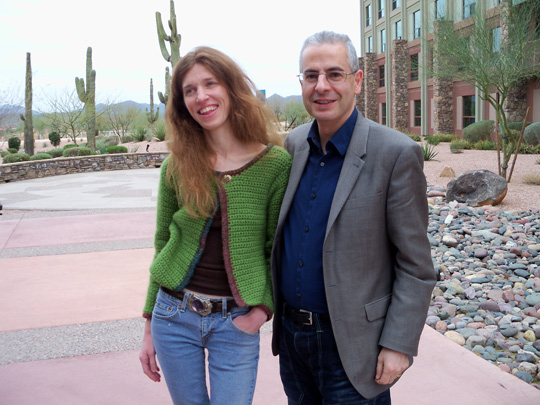
My heart is breaking -- Nick (@nickpopemod) passed away this afternoon at our home. The last few weeks of his life, even as he suffered, he managed to do a few interviews from home. I was so lucky to have met and to have married Nick. He was a wonderful husband. I loved him dearly.
2,730
1,319
14,789
926,190
#StarTrek
#StarfleetAcademy
Change.org petition.
c.org/fSWJGhNDhN
I think they should
keep going where
No Trek story has
gone before! ... If you
dislike #STA, go do
something else.
Write a Star Trek
story.
66