believe in yourself, parody, chelsea lover💙
Joined October 2021
- Tweets 138,864
- Following 5,323
- Followers 24,398
- Likes 245,583
2,064 Photos and videos

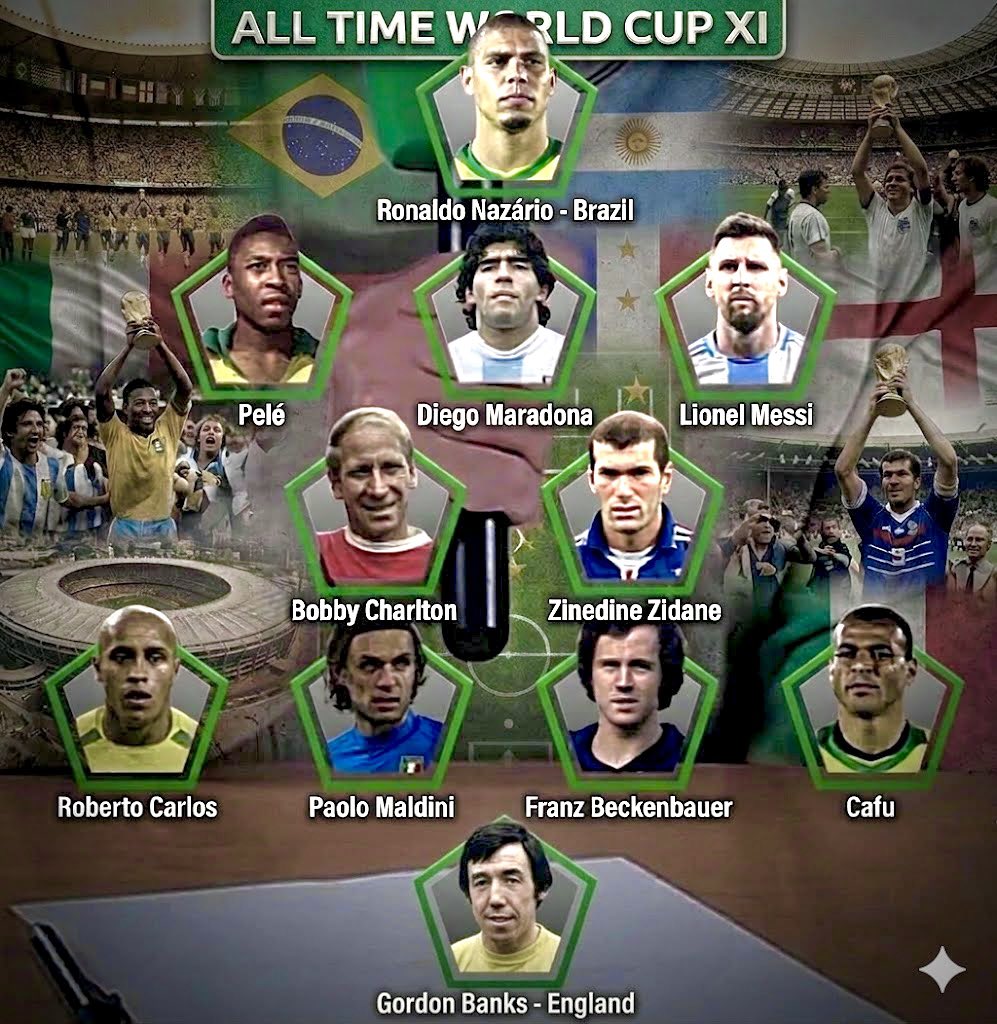



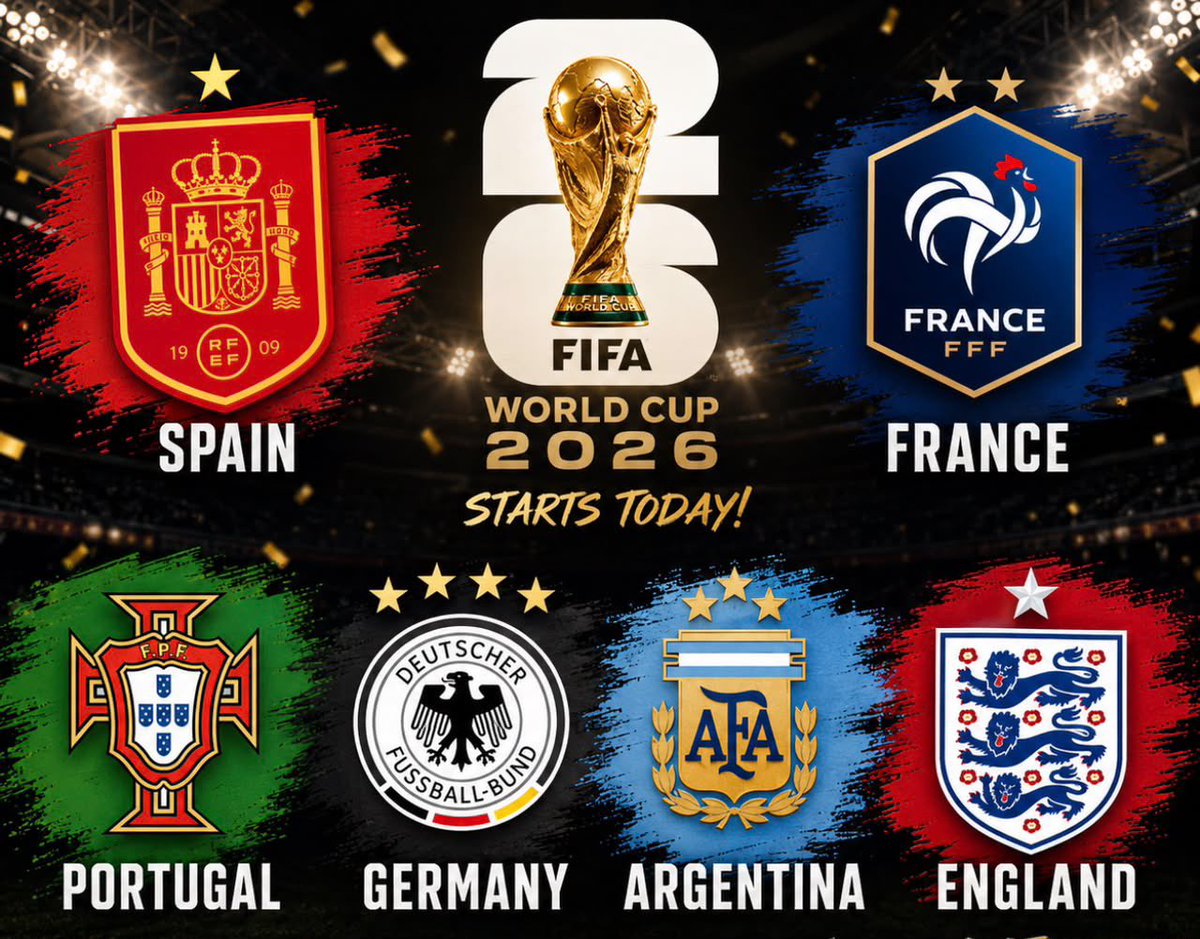
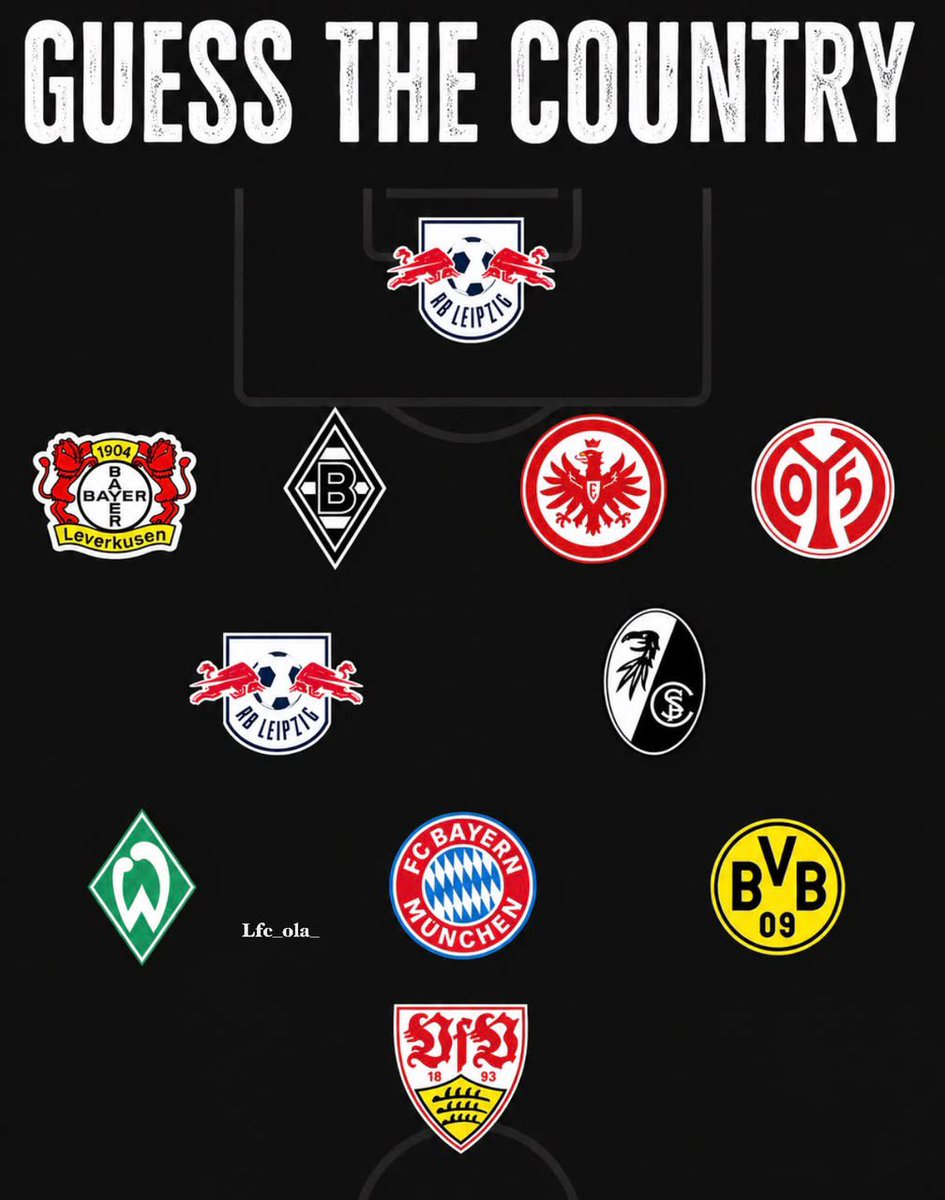
You can only make ONE change to this World Cup XI.
But if your change makes the team weaker, everyone in the comments gets to roast you.
Who’s coming in? 😭🔥👇

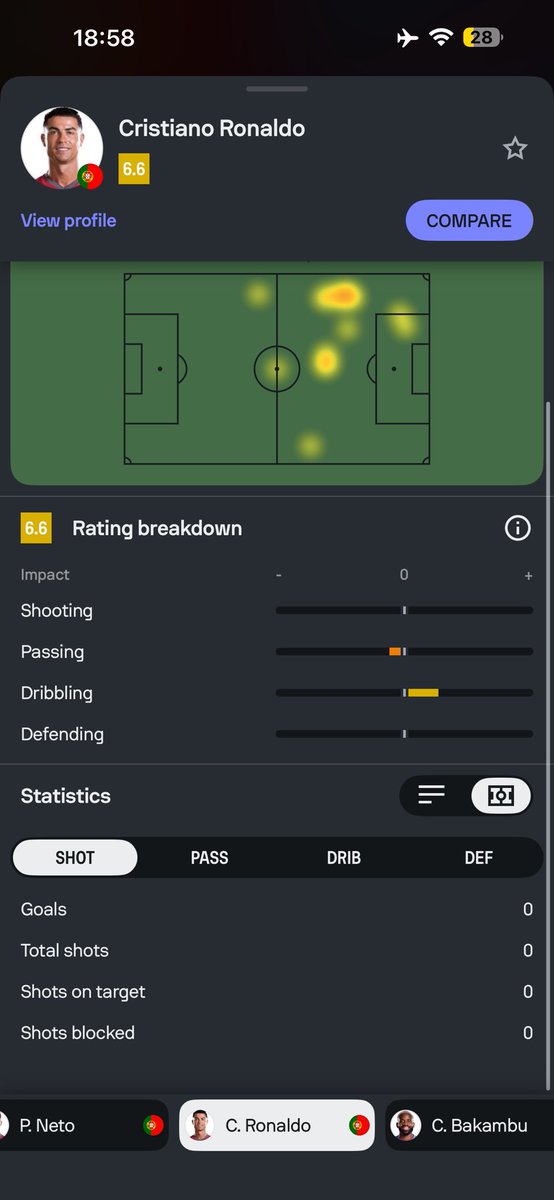
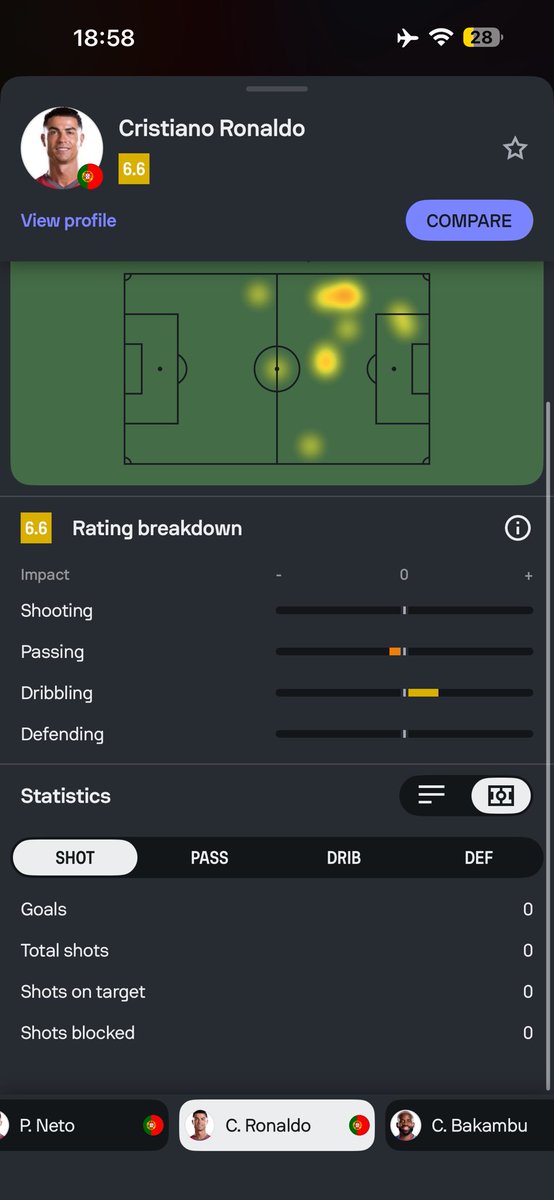
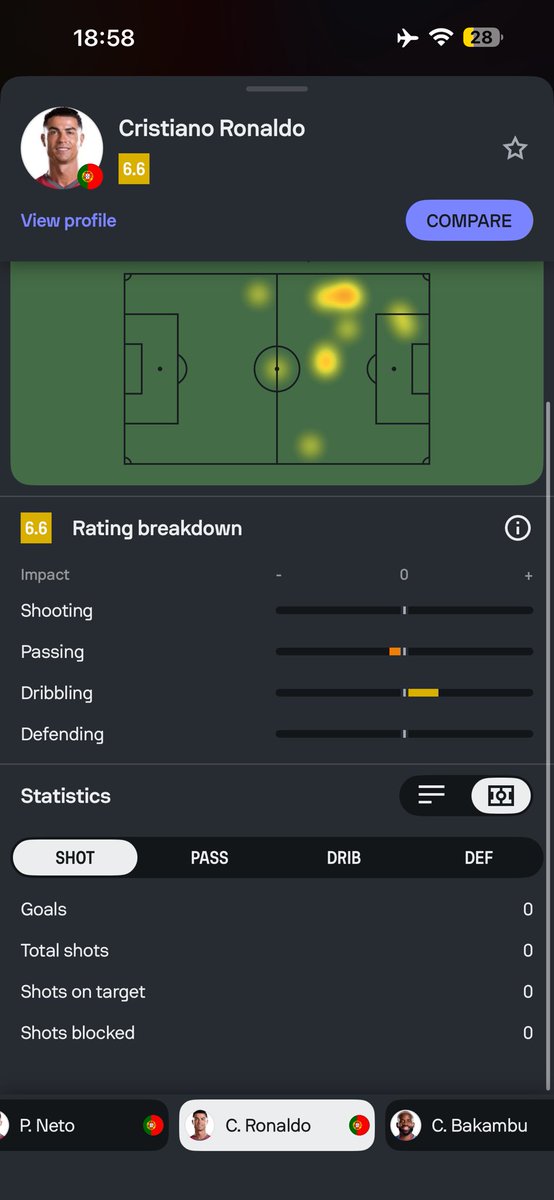
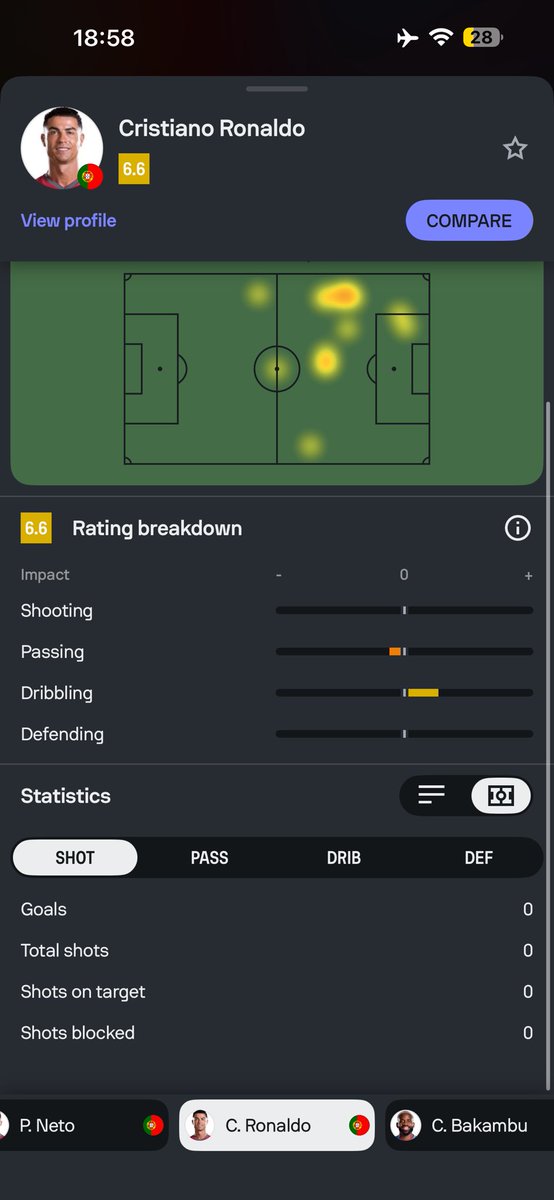
At 41, still finding space and getting on the end of 3 big chances against quicker and younger CBs is dangerous.
Ronaldo is leading Portugal 🇵🇹 to the 2026 World Cup 🏆.
158
166
221
2,502
☆SOM retweeted

Dai dai
Iko
Dale
Allez
Let’s go!
Who are you feeling so far in this world cup!

27
57
90
806
☆SOM retweeted

Jun 16
The Spanish in Mexico part II
101
600
5,840
193,575
Portugal always starts with 10 men when Ronaldo plays.
They need to move on from him or at least accept that he’s an impact sub if they want to win the World Cup. x.com/BrodiiKDB/status/20673…
Can someone genuinely explain how Ronaldo is better than Messi?
It would do Portugal 🇵🇹 a huge good not to start that man upfront today.

69
137
158
1,881
Ronaldo is holding Portugal back and it’s a known fact buh you all keep acting like you don’t see it…….he should be relegated to the bench.
Can someone genuinely explain how Ronaldo is better than Messi?
It would do Portugal 🇵🇹 a huge good not to start that man upfront today.
77
☆SOM retweeted
MBAPPÉ DROPPED A BRACE 🔥
14 World Cup goals in just 3 tournaments at 27. Pure clinical dominance.
Messi needed 6 tournaments and endless farewell tours to reach 16 — slow accumulation over decades.
Then throws in a reckless studs-up challenge that screams red card for anyone else… but FIFA’s golden boy gets protected again. No card, no VAR intervention.
Efficiency and talent vs protected legacy. Mbappé is simply on another level.

86
237
317
4,241
☆SOM retweeted
Jun 17
The Spanish in Mexico part III
14
232
1,295
28,121
☆SOM retweeted

Just imagine this was Ronaldo.
@ESPNFC would have been cry foul, I think everyone can now see the pattern.

How is this not a red card, is there something Fifa is not telling us about Messi.
20
232
237
1,787


☆SOM retweeted

I discovered @OraculusEye gives you unlimited access to trade predictions on sports, crypto, politics & major world events.
Join the World Cup Promo: Use code WORLDCUP and get a $250 free bet for eligible World Cup markets.
Go to oraculus.bet to check it out if you're into prediction markets
#Oraculus #WorldCup #oraculus

26
47
59
1,100
☆SOM retweeted
Jun 11
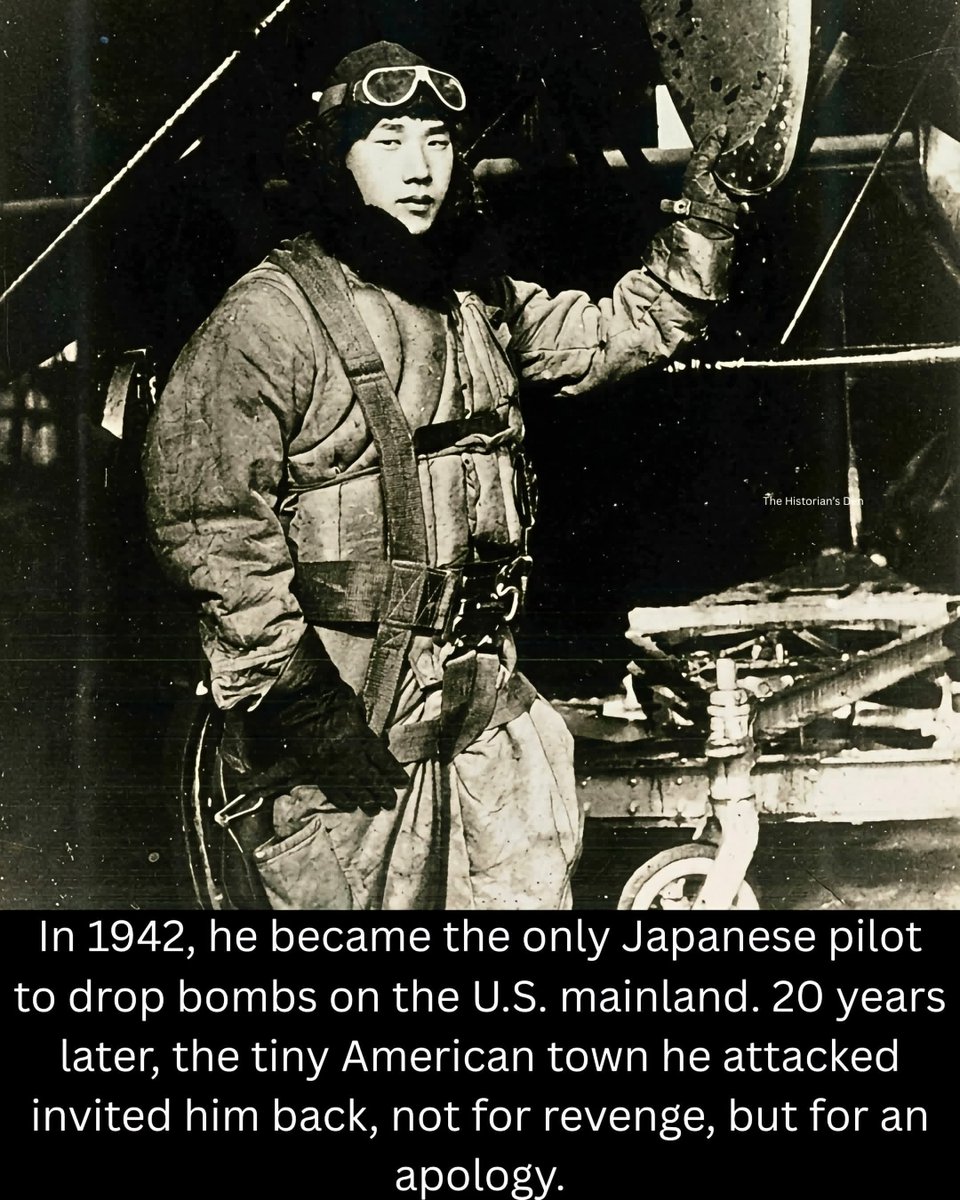
In September 1942, a lone Japanese floatplane launched from a submarine off the coast of Oregon. The pilot, Chief Warrant Officer Nobuo Fujita, carried two 170-pound incendiary bombs and a 400-year-old samurai sword tucked beside him in the tiny cockpit.
His mission?
Drop the bombs over the Pacific Northwest forests, ignite a massive, uncontrollable firestorm, and force the U.S. military to divert vital resources away from the Pacific theater.
Fujita dropped his payload over the town of Brookings, Oregon. But the plan failed. Recent rains had soaked the forest, and alert park rangers extinguished the small fires almost instantly. The war raged on, and the bizarre, isolated incident faded into history.
Until 20 years later.
In 1962, a local civic group in Brookings had a wild idea: they tracked down Fujita and invited him to be the guest of honor at their local festival.
The invitation sparked national controversy and divided the town. But the real drama was happening inside Fujita's mind. Deeply ashame of his wartime actions, Fujita accepted the invitation but made a dark, secret vow. He packed his family’s ancient samurai sword into his luggage. He later confessed that if the Americans put him on trial for war crimes or humiliated him, he intended to use the sword to commit seppuku (ritual suicide) right there on the spot.
Instead, when he stepped off the plane, he was met with handshakes, applause, and a town offering genuine reconciliation.
Overwhelmed by the forgiveness of his former targets, Fujita stepped up to the podium and did something unforgettable. He knelt down and presented the town with his most prized possession, his family's 400-year-old samurai sword, as a permanent pledge of peace.
Fujita spent the rest of his life funding student exchange programs between Japan and Oregon, and even returned to the exact spot he bombed to plant a redwood "peace tree." When he passed away in 1997, the town of Brookings named him an honorary citizen, and his daughter returned to the forest to scatter some of his ashes on the soil he once tried to destroy.
Today, that 400-year-old weapon sits proudly on display inside the Brookings Public Library, not as a trophy of war, but as a masterpiece of peace.
Q
7
157
181
1,139