Airline Pilot A320 | B737 | Flight Sim Enthusiast. (Views and comments are personal)
Joined September 2020
- Tweets 3,341
- Following 100
- Followers 7,519
- Likes 13,580
1,986 Photos and videos


Pinned Tweet

16 Mar 2024
A 1st in commercial aviation & one of the most distinctive features of the 777X's design is its innovative folding wingtips.
The 777X boasts an impressive 235 feet and five-inch wingspan, a bit too wide for most airport gates.
🧵 The Boeing 777X Folding WingTip (FWT) operation.
5
14
128
31,798
Jun 12
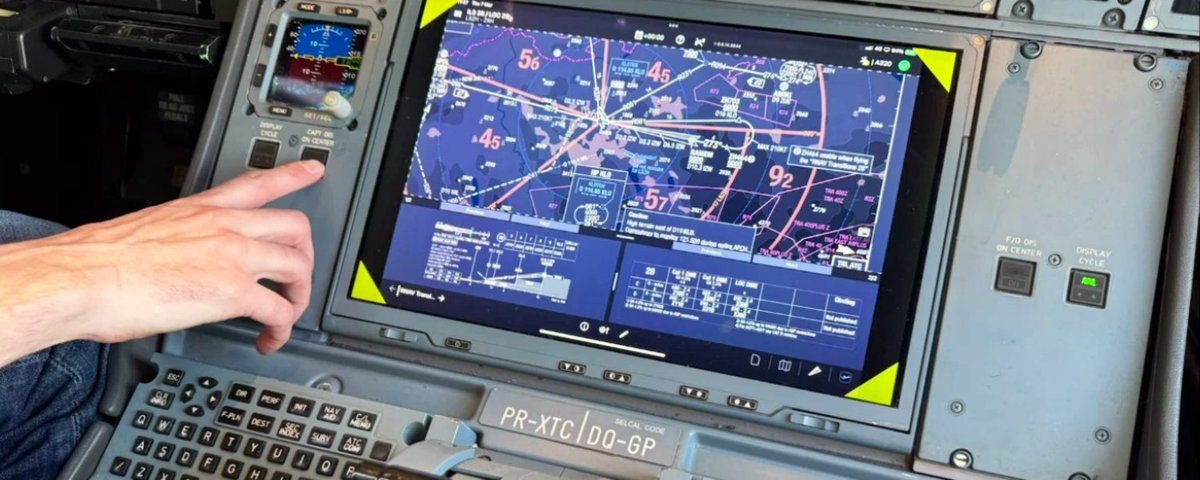
Lufthansa Systems shows how the Lido mPilot application can be extended from an iPad to the A350 cockpit display units. This integration creates a larger, shared interface for flight crews and supports various peripherals such as keyboards, mice, trackballs, and touchpads to improve cockpit efficiency.
Together, mirroring and peripheral support provide a practical and flexible way to interact with Lido mPilot in the cockpit.
A step closer to a connected FMS! ✈️
11 Mar 2025

Lufthansa Systems now enables mirroring of iPads to the displays of the A350.
Not only mirroring, but also integrating real-time aircraft avionics data, such as position and flight parameters to enhance operational efficiency and situational awareness.
2
7
118
24,404
Jun 11
Not something you see everyday.
The RCT on the A350-1000ULR.
youtu.be/-5XTM_HMpPw?si=V-CO…
3
22
331
22,544
Here's an interesting video I came across.
There are three types of radio altitude announcements: Type A (predetermined and pin-programmed), Type B (predetermined but not pin-programmed), and Type C (non-predetermined intermediate callouts).
For intermediate callouts between 100 and 400 feet: Thresholds like 400 ft (or 300, 200, 100) are picked up when the altitude enters the 410–400 ft range (and similar bands below). The callout rounds down to the nearest 10 feet. If the plane is descending and no Type A or B callout happens, an intermediate one triggers 11 seconds after the last predetermined callout.
Example: At 327 ft exactly 11 seconds after 400 ft, it says “three hundred twenty.” At 308 ft sooner than 11 seconds, it says the regular “three hundred.”
Between 50 and 100 feet: Thresholds like 70 ft (and 60 ft) are detected in the 72–70 ft band. It announces the exact altitude. The same 11-second rule applies.
Example: 68 ft at 11 seconds after 70 ft says “sixty eight.” 62 ft sooner says “sixty.”
Between 10 and 50 feet: Thresholds (50, 40, 30, 20, 10 ft) are detected in tight bands like 52–50 ft. It announces the exact altitude, but now uses a 4-second timer.
Example: 43 ft exactly 4 seconds after 50 ft says “forty three.” 41 ft sooner says “forty.”
Between 5 and 10 feet: The 5 ft threshold is detected in the 6–5 ft band. Exact altitude is announced using the 4-second rule.
Example: 8 ft at 4 seconds after 10 ft says “eight.” 6 ft sooner says “five.”
So next time, don't be surprised when you hear a "44."
📹 : youtube.com/shorts/tyTeSTxYQ…
3
7
55
3,861
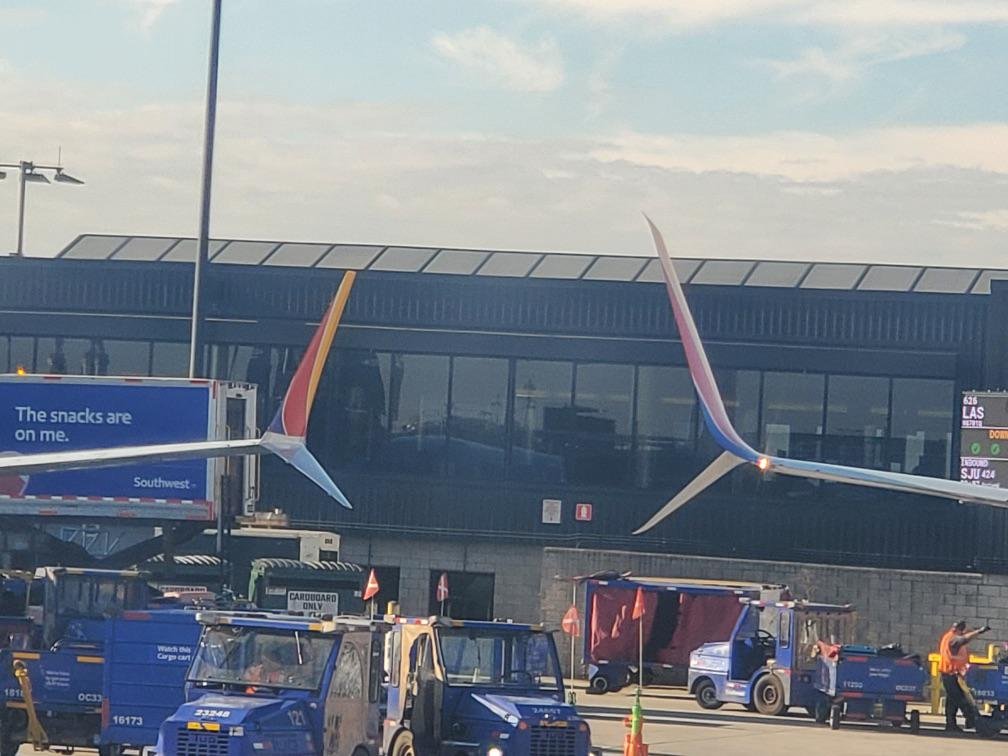
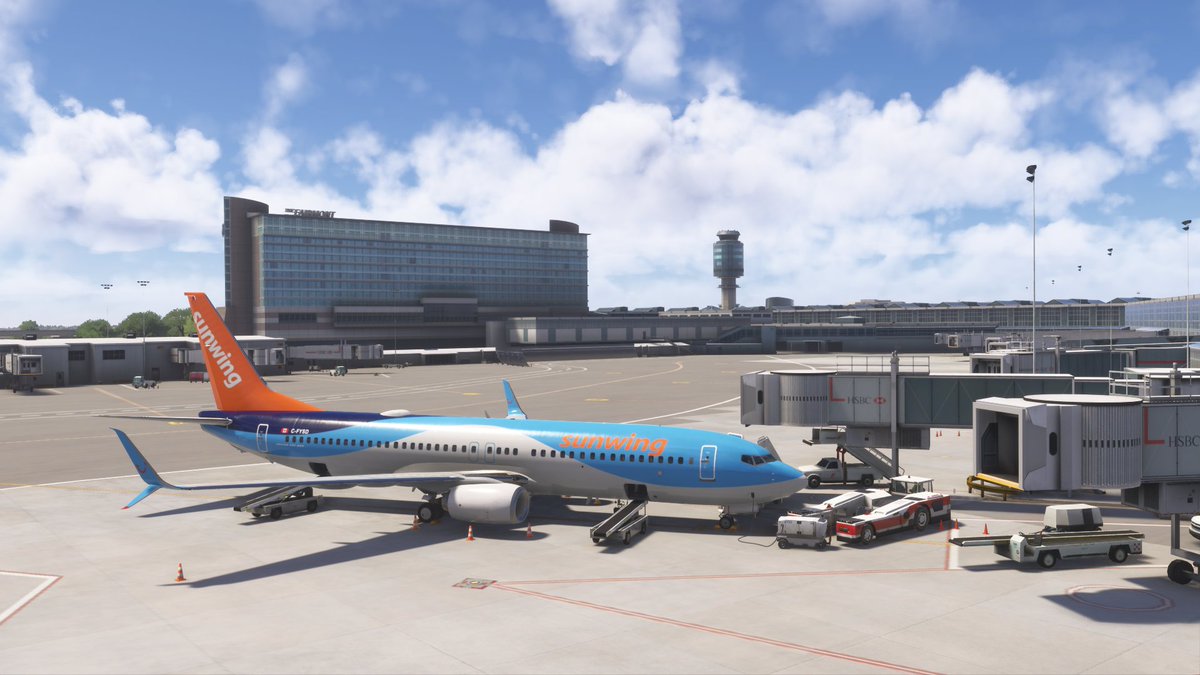
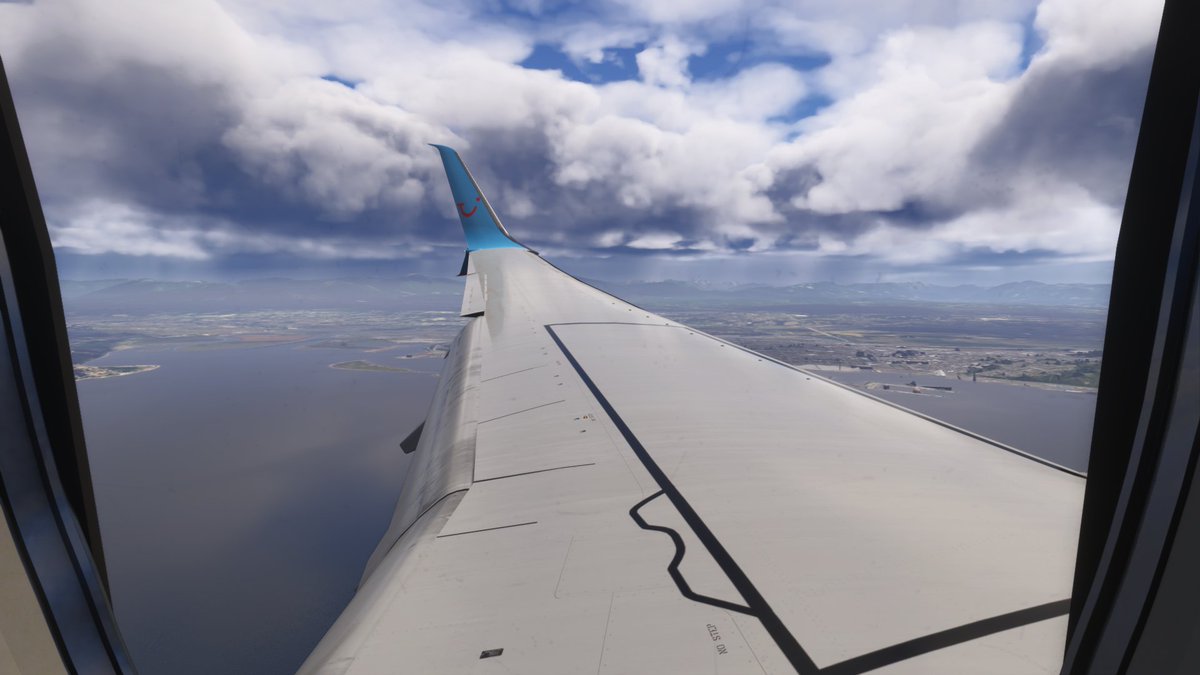
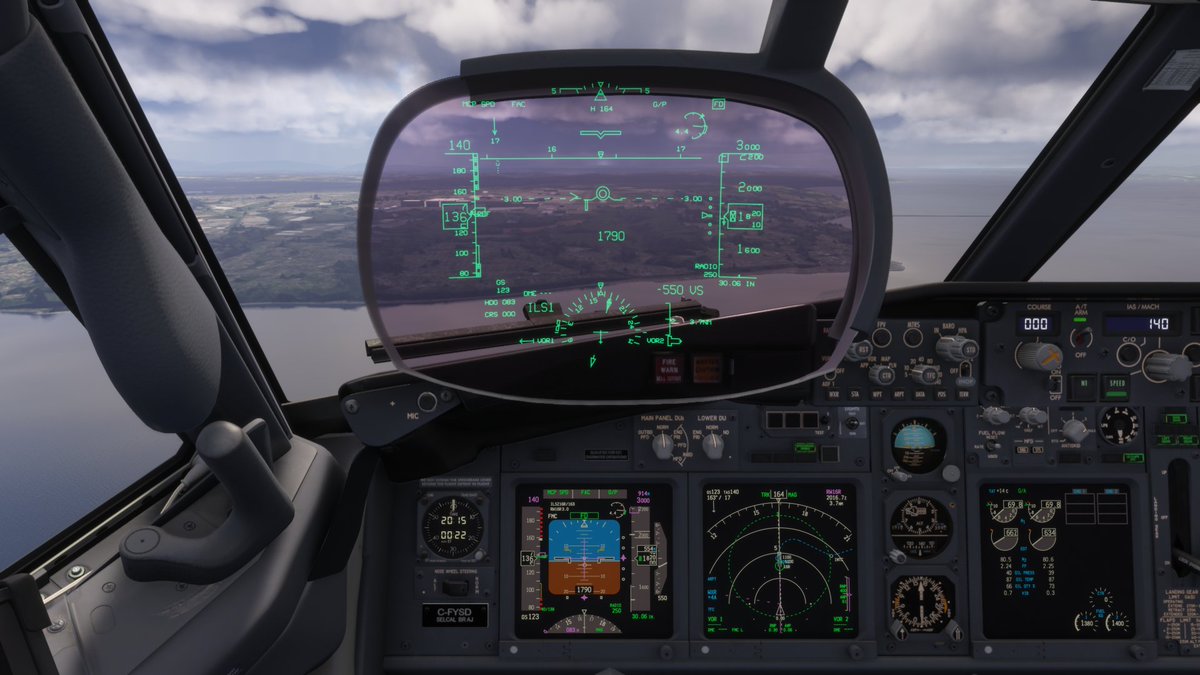
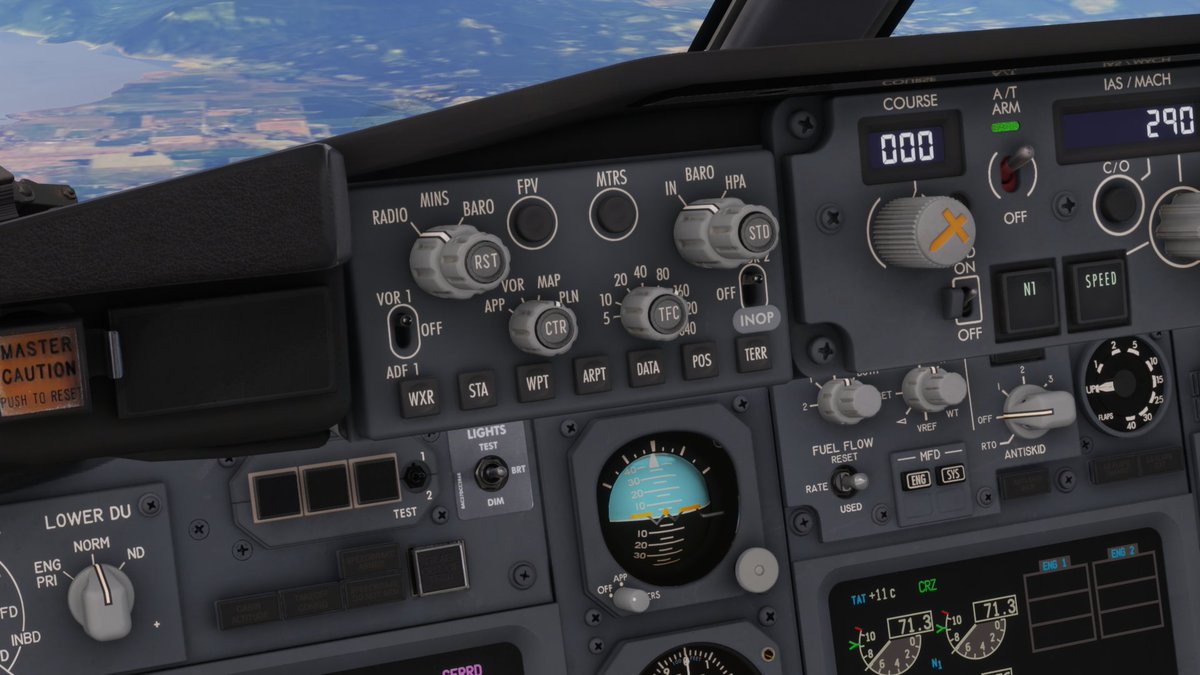
The Split Scimitar Winglet on the Boeing 737NG to the right not to be mistaken for the Advanced Technology (AT) Winglets featured as standard on the newer 737 MAX family.
Probably the best-looking winglet out there, the split scimitar combines ventral strakes, scimitar tips, and trailing-edge wedges. It delivers a 2% drag reduction and increased range on long-haul flights.
It later became standard on the final 737NG Boeing Business Jets.

4
5
105
38,940
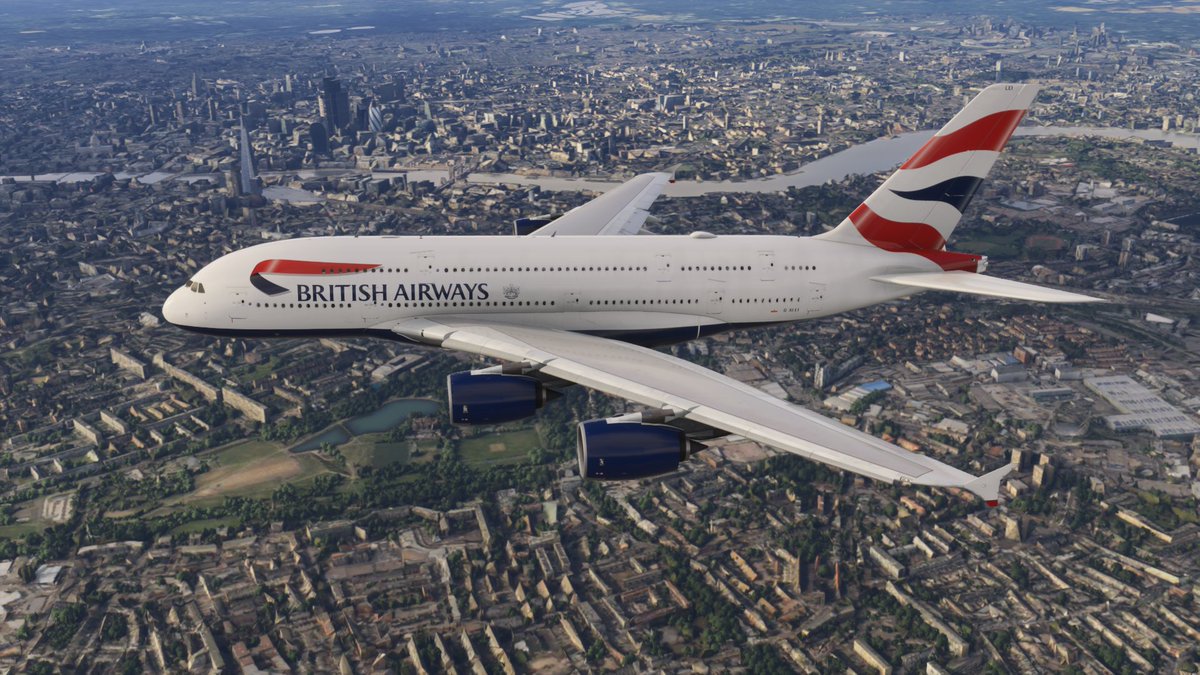
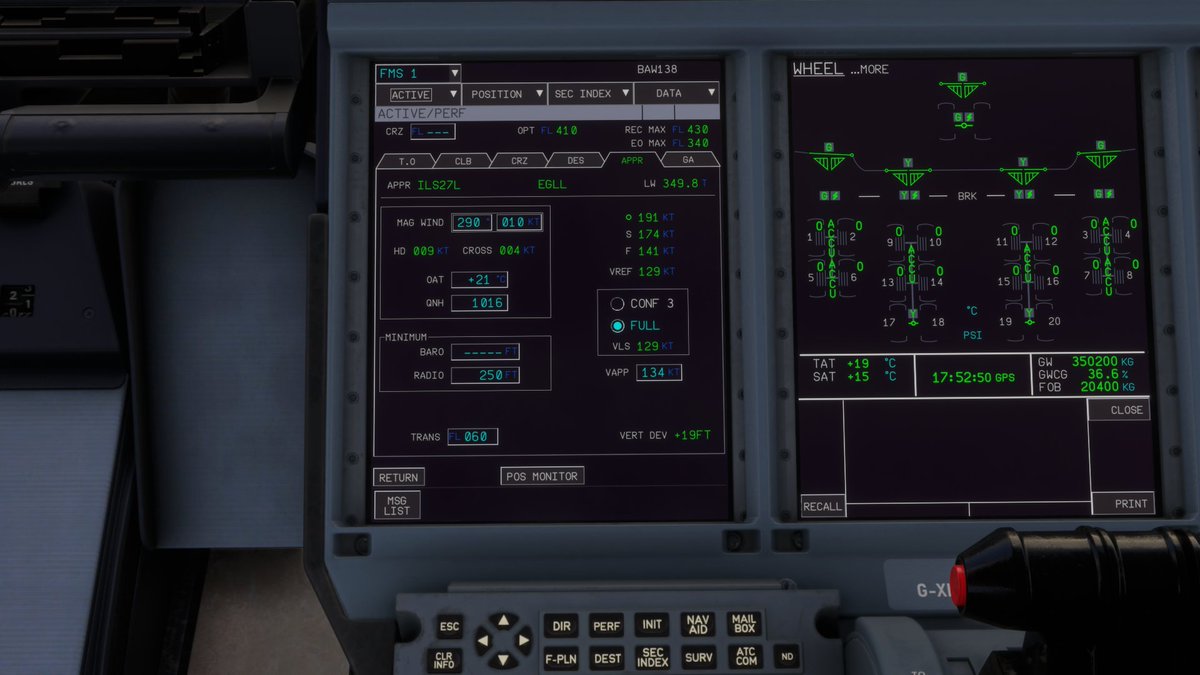
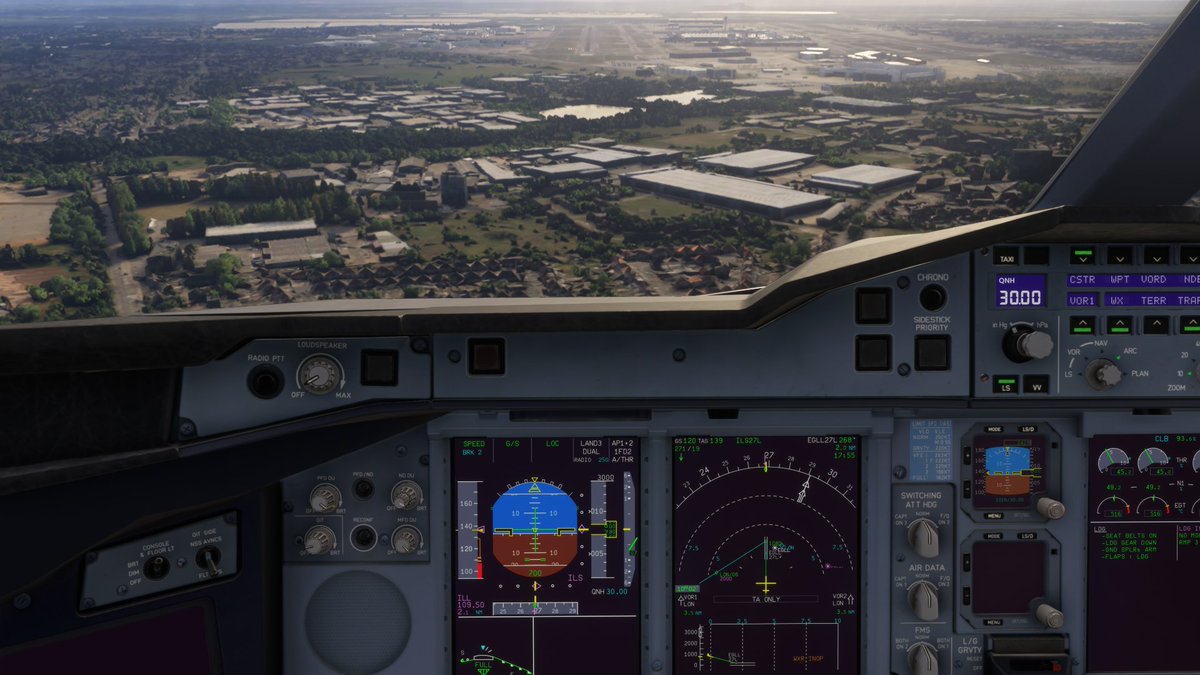
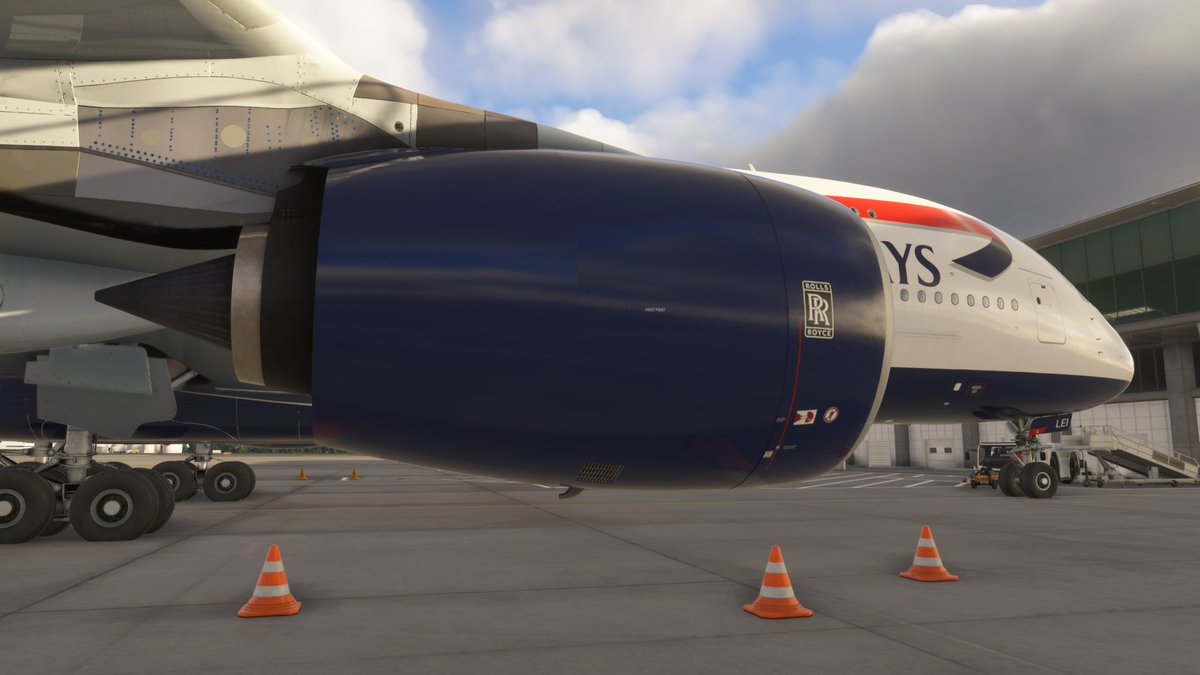
Although the A380 is huge, weight savings still matter.
To offset the heavy weight penalty of traditional hydraulic distribution piping, the Airbus A380 utilizes two key engineering innovations.
1️⃣ Increased system pressure (A380 raised it 66% from 210 to 350 bar) → less fluid volume smaller return lines = 20% system weight saved.
2️⃣ Zonal hydraulics using electrical power - perfect for distant, short-duration actuators - aptly called local electro-hydraulic generation systems (LEHGS) ⚡️
Both debuted on the Airbus A380.
3
8
116
29,101

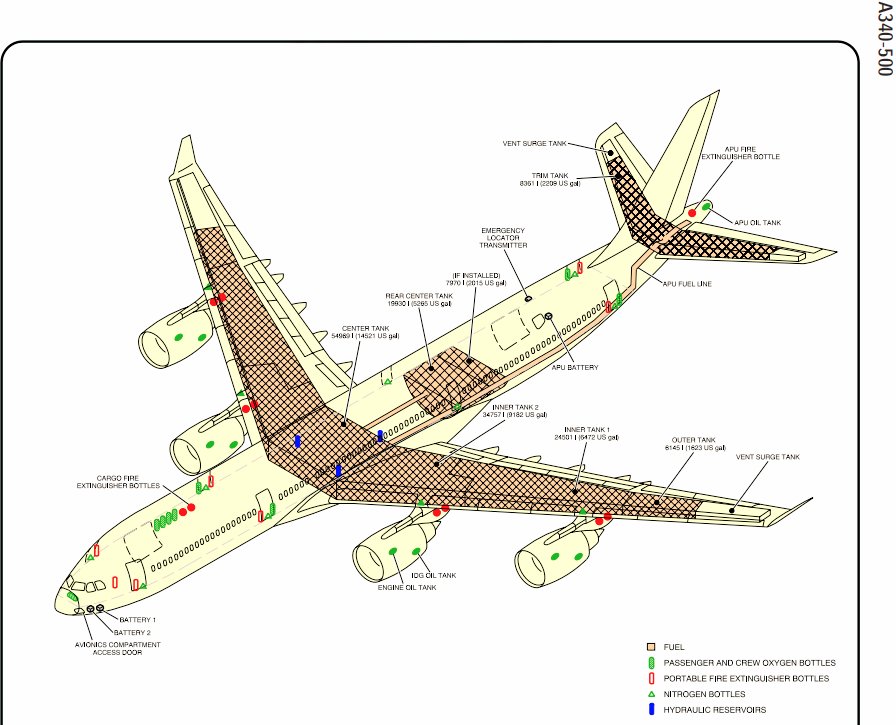
Airbus's first Rear Centre Tank (RCT) - The A340-500 was the first to introduce a fuselage integral fuel tank to enable extended-range operations, a design later adopted on the A321XLR and now used on the A350-1000ULR.
The standard 5-frame RCT provided a capacity of 19,930 liters (5,260 US gallons). It is a permanently installed fuel tank located in the lower fuselage, outside the pressurized cabin area, and positioned aft of the center landing gear bay.
Did you know - A larger 7-frame RCT was offered as an option.
Singapore Airlines A340-500s were a customer-specific variant equipped with the larger 7-frame tank (instead of the standard 5-frame) to support the Singapore–New York (SIN-NYC) route.

5
55
448
66,131
May 23
Tail Tipping in Freighters: A Critical Ground Handling Risk
Tail tipping is a serious hazard during aircraft loading and unloading. It happens when the center of gravity shifts too far aft, causing the nose to lift and the tail to crash to the ground.
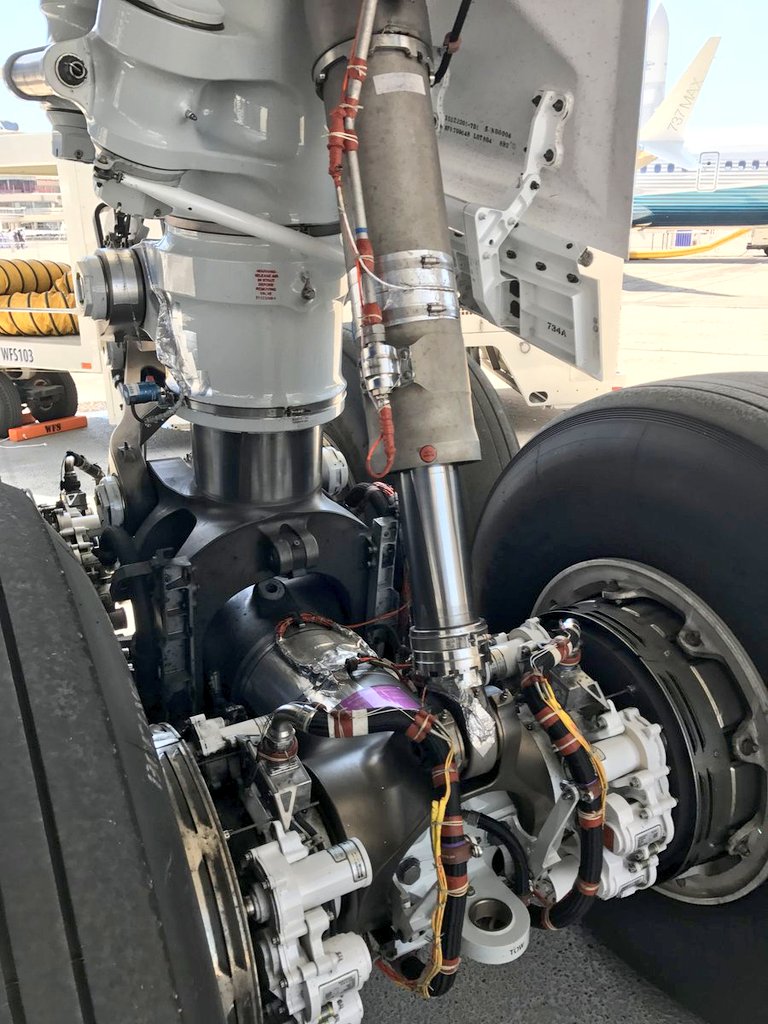
Most aircraft lack dedicated systems to prevent tail tipping. NLG extension and ECAM warnings are not designed for this purpose.
The nose landing gear strut extension is affected by many factors such as temperature, friction, joints, and servicing conditions. There is no reliable “normal” extension value that indicates tail tip risk. Ground personnel must visually monitor the nose gear at all times.
In some Airbus tail-tip cases with excessive NLG extension, the L/G SHOCK ABSORBER FAULT warning may appear. However, this warning only triggers when the engines are running. Since engines are usually off during cargo operations, it cannot be relied upon as a primary safeguard.
The Airbus A350F features a dedicated Tail Tipping Warning System (TTWS) that continuously monitors nose landing gear compression in real time. If the weight on the nose gear falls below a safe threshold, it triggers visual and audible alarms for the ground crew.
Tail Tipping Warning System (TTWS): Developed with Liebherr-Aerospace, the TTWS uses precision sensors to detect impending tail tipping. It immediately issues alerts and can automatically halt the cargo loading system.
Airbus validates the system through rigorous testing, including extreme simulations on the "Cargo Zero" test rig with ultra-heavy ULDs up to 28 tons. These tests ensure the anti-tail-tipping systems perform reliably under the most demanding conditions.
3
1
23
1,538
May 15
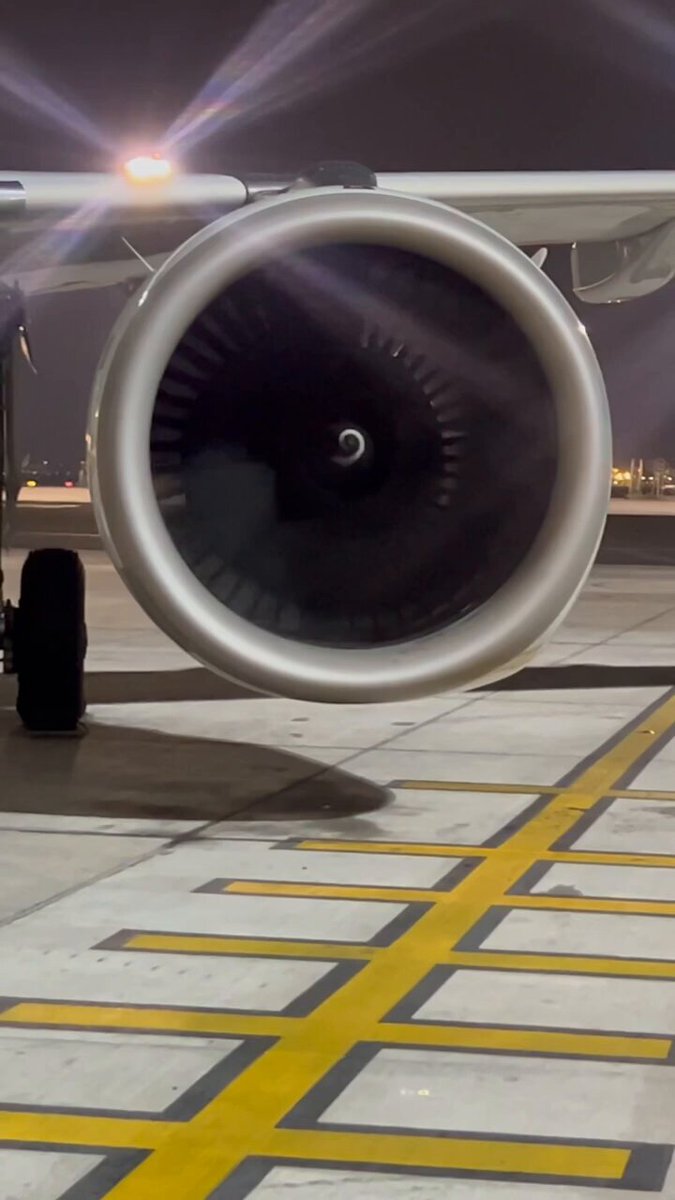
As the CFM LEAP engine shuts down, you can hear the distinctive “whoosh” sound followed by a gush of air. That is the Reverse Bleed System (RBS) at work.
During normal operation, a significant amount of fuel remains unpurged in the system after engine shutdown. This residual fuel, located near or within the hot section, vaporizes due to high temperatures and deposits carbon (coke) on the fuel nozzles. Over time, nozzle coking leads to several operational and maintenance issues, including loss of thrust, reduced engine efficiency due to incomplete combustion, accelerated deterioration of hot-section components (combustor and High-Pressure Turbine), engine start failures, potential engine stalls, and increased unscheduled engine removals.
The Reverse Bleed System (RBS) prevents fuel nozzle coking by automatically introducing cool air from the core compartment into the engine core flowpath after shutdown. This effectively lowers the fuel nozzle temperature below the coking threshold. RBS can operate for a maximum of 1 hour, and its effectiveness depends on ambient conditions (especially ambient temperature) and the total duration it runs. The last flight of the day contributes the most to fuel nozzle coke accumulation because of the extended dwell time at the gate.
By actively managing post-shutdown thermal conditions, RBS significantly reduces coking-related problems, improves engine reliability, and lowers long-term maintenance costs.
Now, also coming soon to the CFM56
8
44
470
53,028
Arjun Singh retweeted

May 1
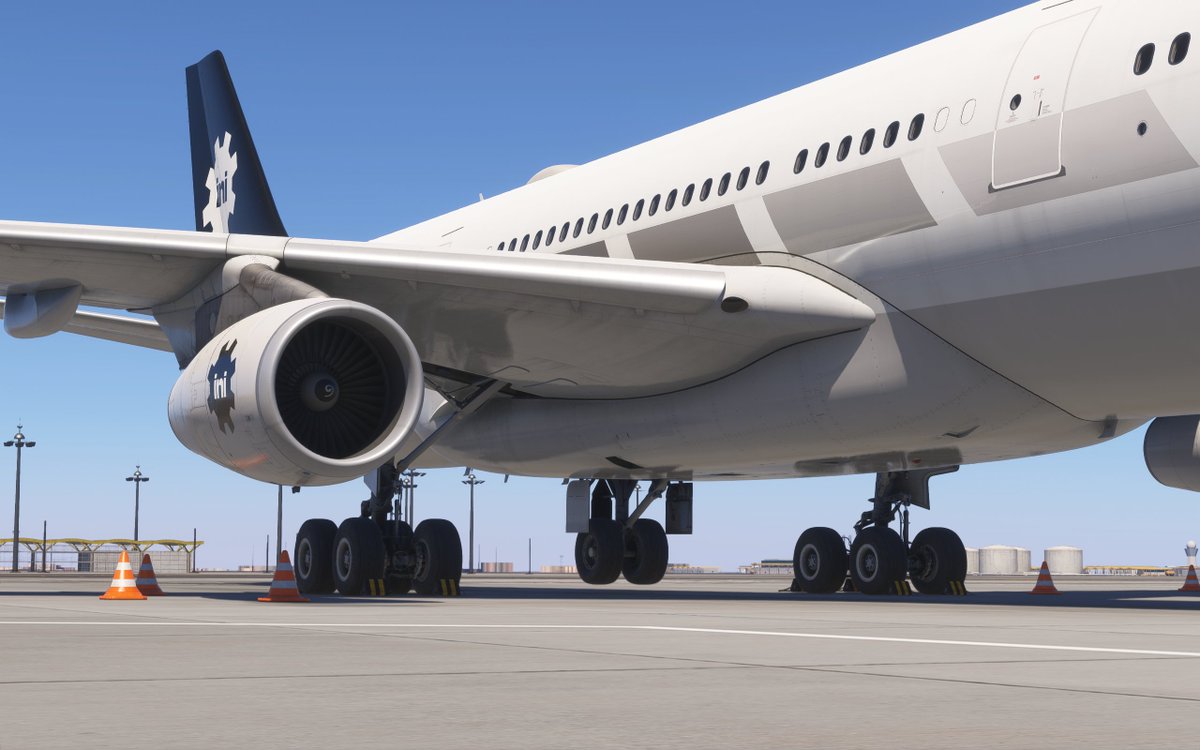
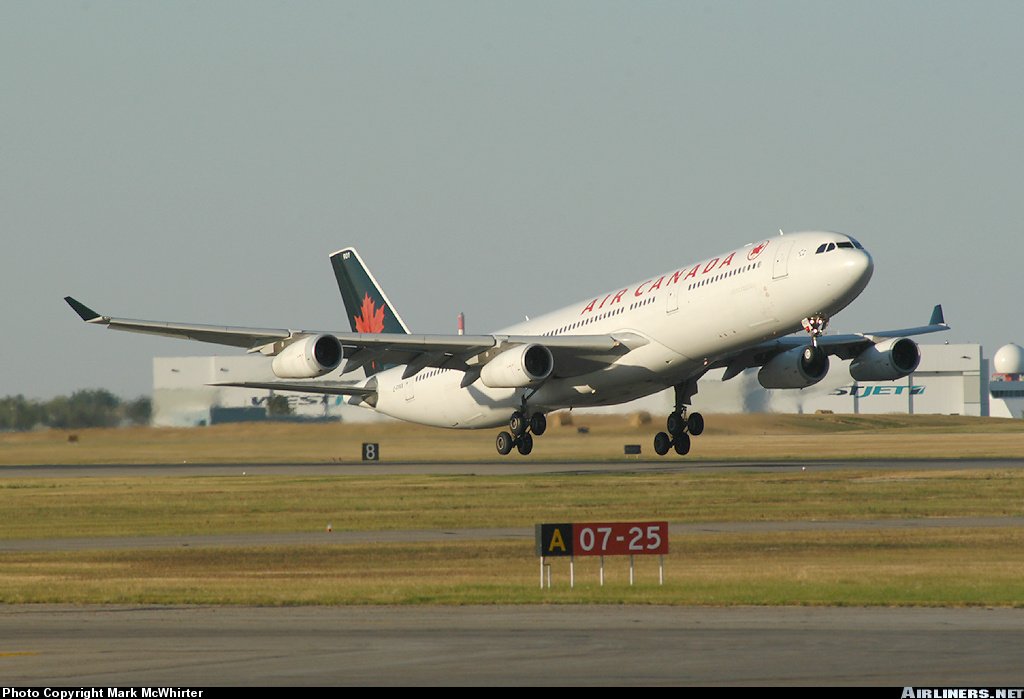
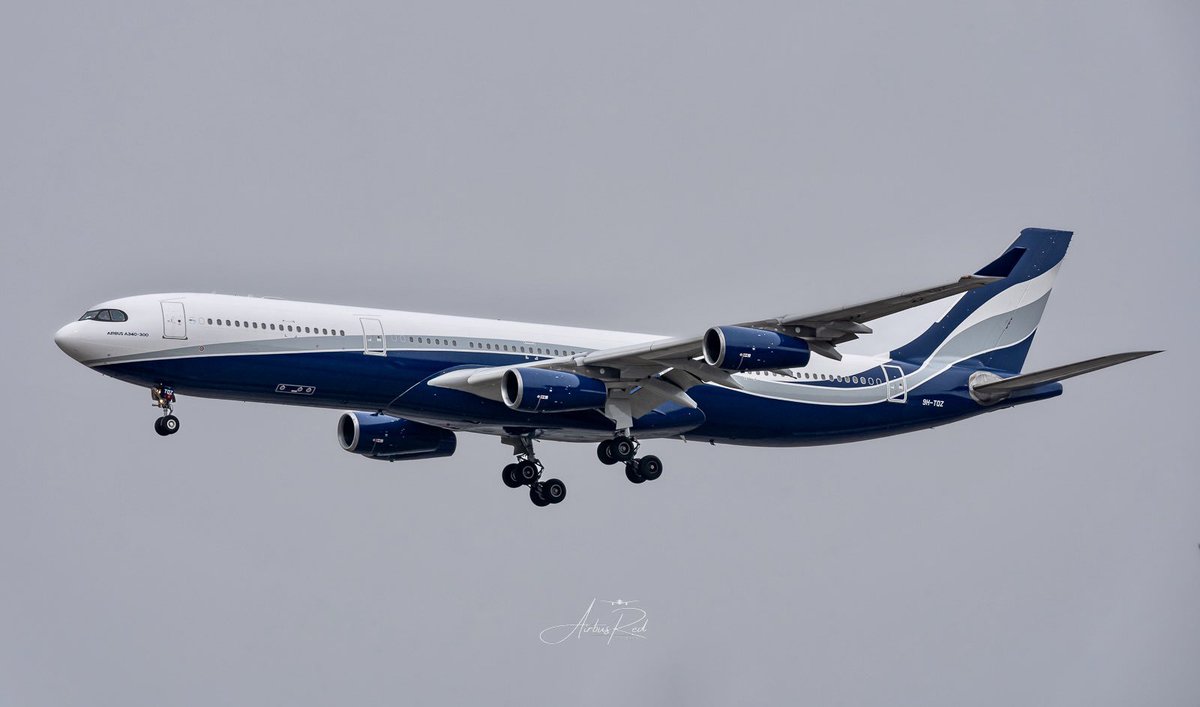
At weights below 230 tonnes, the centre (CTR) gear on the A340-200/-300 ceases to play a significant role in the aircraft's pavement loading. Notably, at very low operating weights, the CTR gear may hang clear off the pavement, making it unnecessary in certain instances. Some airlines have leveraged this characteristic by fully deactivating the CTR gear in accordance with the A340 MMEL (Master Minimum Equipment List), which results in a reduction of both drag and weight. This modification ultimately contributes to decreased fuel consumption and associated operational costs due to the decreasing airport fees.
3
34
429
32,689
Apr 25
On the Boeing 787-8 and 787-9, all four wheels of each main landing gear remain in contact with the runway during the initial rotation. This limits the aircraft’s maximum nose-up pitch angle to 11.2° for the 787-8 and 9.7° for the 787-9 to avoid a tailstrike.
For the longer 787-10, Boeing introduced a hydraulic strut at the forward end of the main landing gear trucks. This strut restricts the amount the gear truck can tilt during rotation. As a result, the forward pair of wheels lifts off first, allowing the aircraft to pivot smoothly over the rear axle in a gentle “tiptoe” motion.
This modification increases tail clearance, enabling the 787-10 to achieve the same maximum takeoff pitch attitude as the 787-9 (9.7°) at the same takeoff speed. The higher pitch angle not only reduces the risk of a tailstrike but also allows the aircraft to become airborne more efficiently without requiring a significantly higher takeoff speed.
2
27
311
37,266
Apr 23
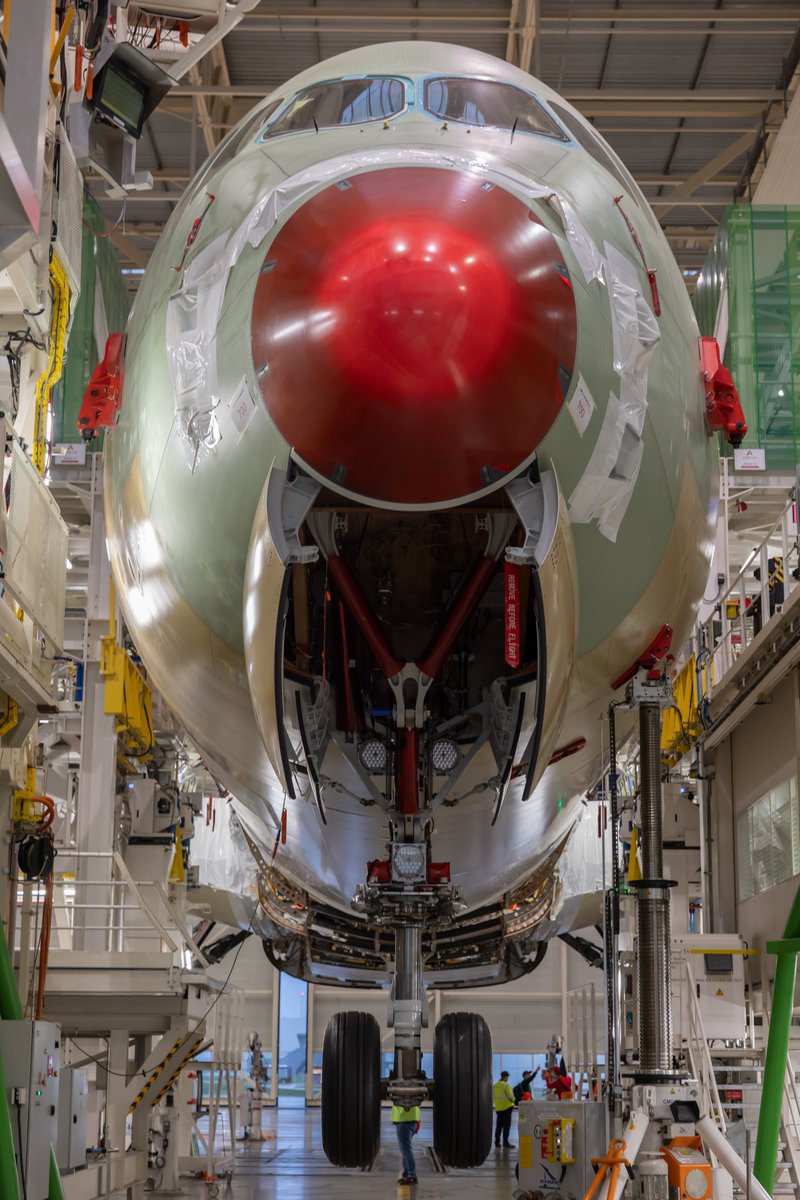
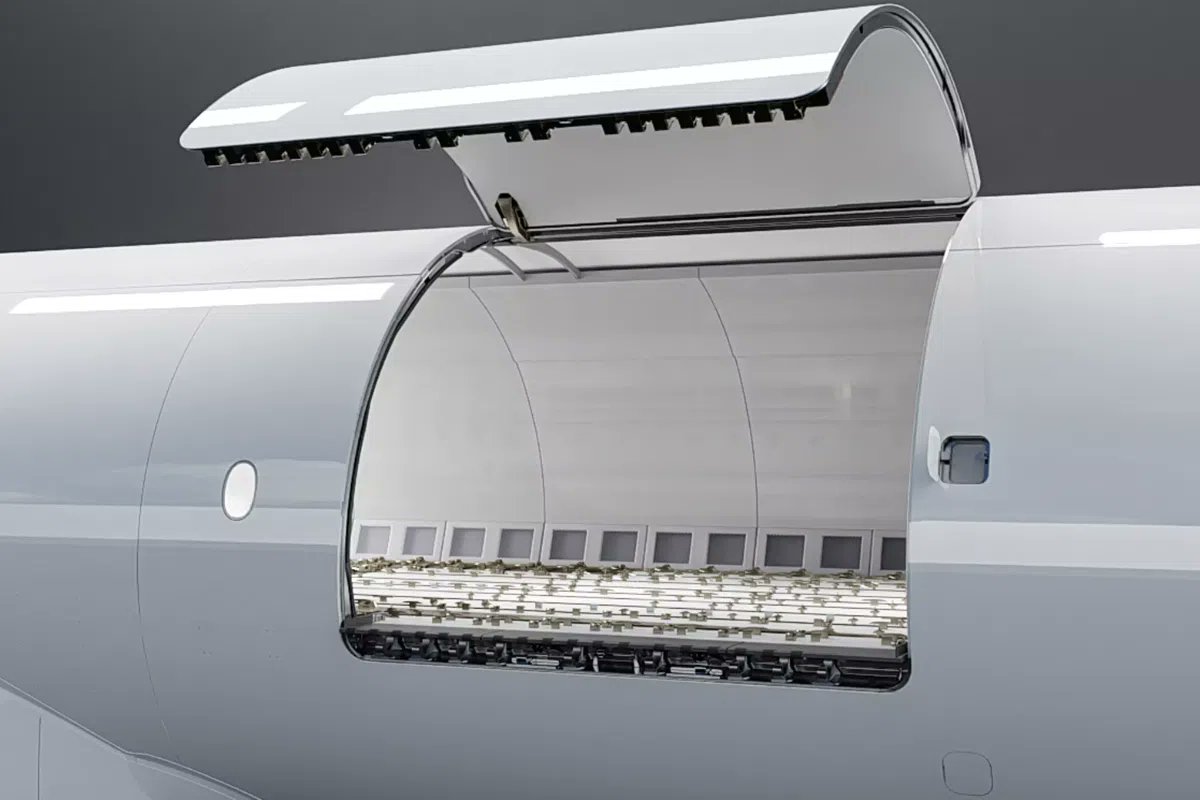
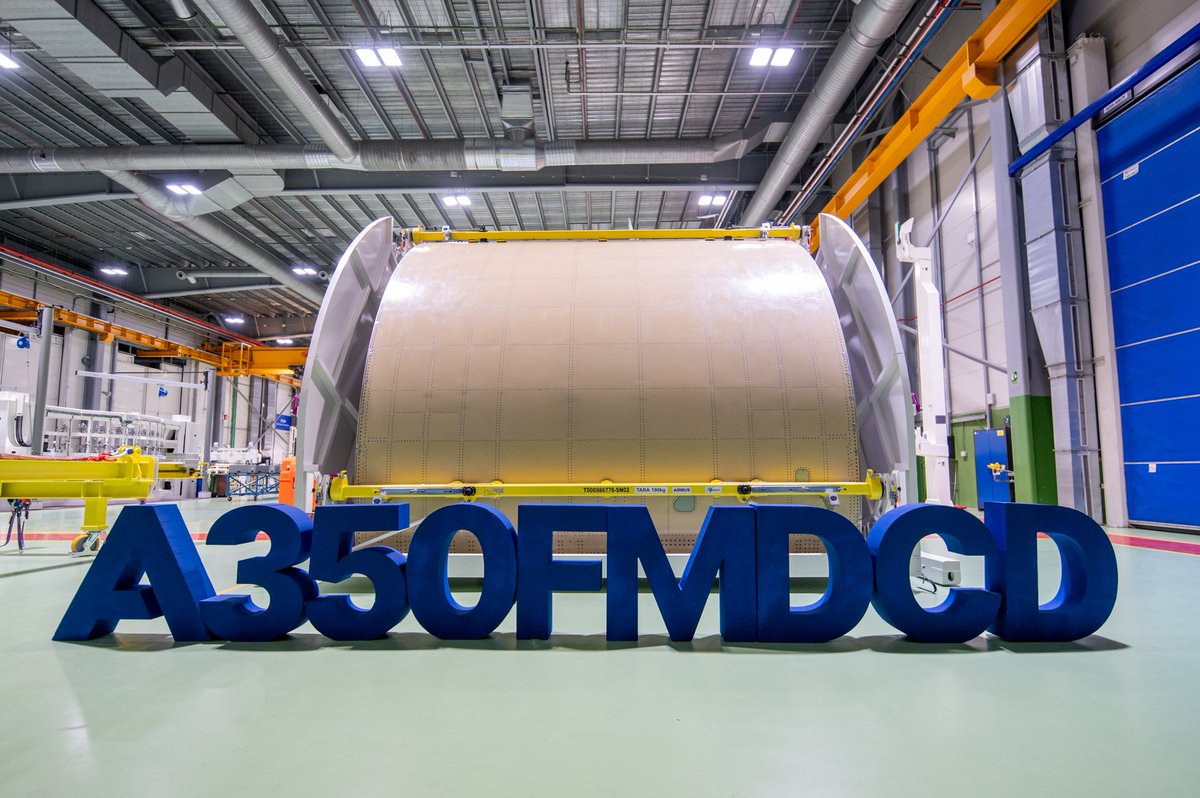
The Airbus A350 Family was conceived from the start as a "more electric" aircraft. Traditional dependence on pneumatics and hydraulics in earlier generations has been partially replaced by electrically assisted actuation systems. It was therefore logical for the A350F's new Main Deck Cargo Door (MDCD) to adopt an electrically driven opening and closing mechanism instead of a hydraulic one. This architecture reduces weight, improves reliability, and cuts maintenance needs.
The MDCD on the A350F (the world's largest main-deck cargo door on a commercial freighter) uses an electro-mechanical actuation system supplied by Curtiss-Wright. It incorporates rotary and linear actuators, alongside control and power electronics, to open, close, latch, and lock the A350F’s Main Deck Cargo Door and a high-voltage DC architecture. This replaces traditional hydraulic actuation for the door's opening, closing, latching, and locking functions.
This design eliminates the need for hydraulic fluid lines running to the door. However, it requires a powerful electric motor capable of operating the large, composite cargo door reliably under all potential ground conditions.

The #A350F main deck cargo door is made from composite materials and features an electrical open/close actuation system.
📸 Airbus
5
15
274
40,340
Apr 16
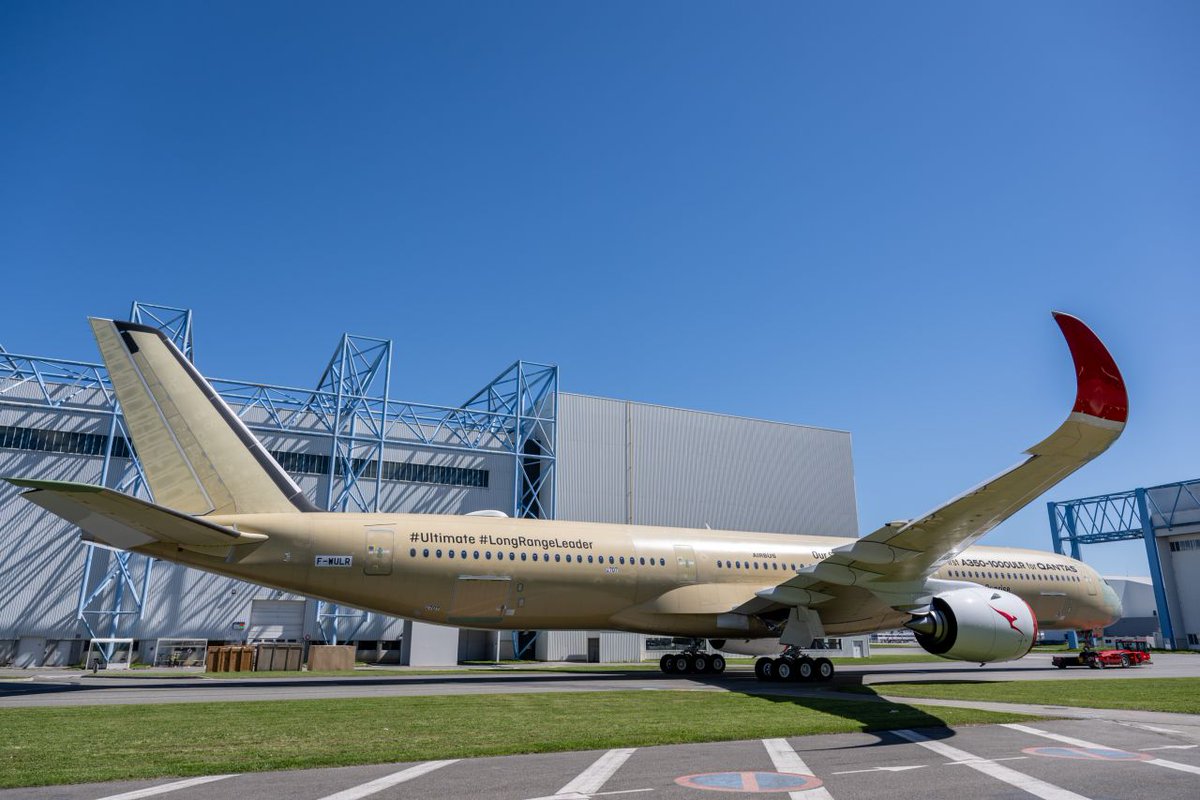
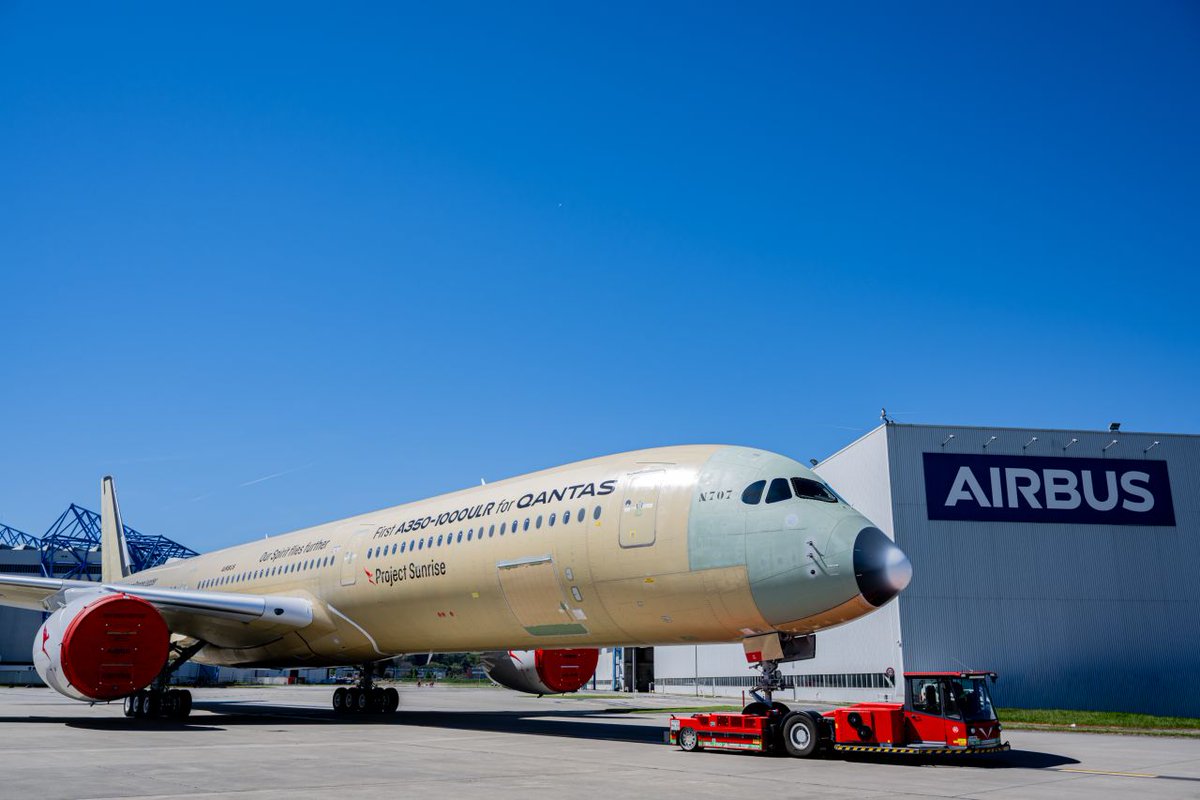
Fun Fact : The Airbus A350 XWB Final Assembly Line (FAL) in Toulouse, France, is officially named the Roger Béteille Final Assembly Line in honor of Roger Béteille (1921–2019), one of Airbus's four founding fathers and a pioneering aeronautical engineer.
Often called "Mr. Airbus," he played a key part in the company's early success, including the development of the A300 (Airbus's first aircraft), the wide fuselage cross-section design, work-share agreements among European partners, and the introduction of fly-by-wire flight controls - a technology that became an industry standard.


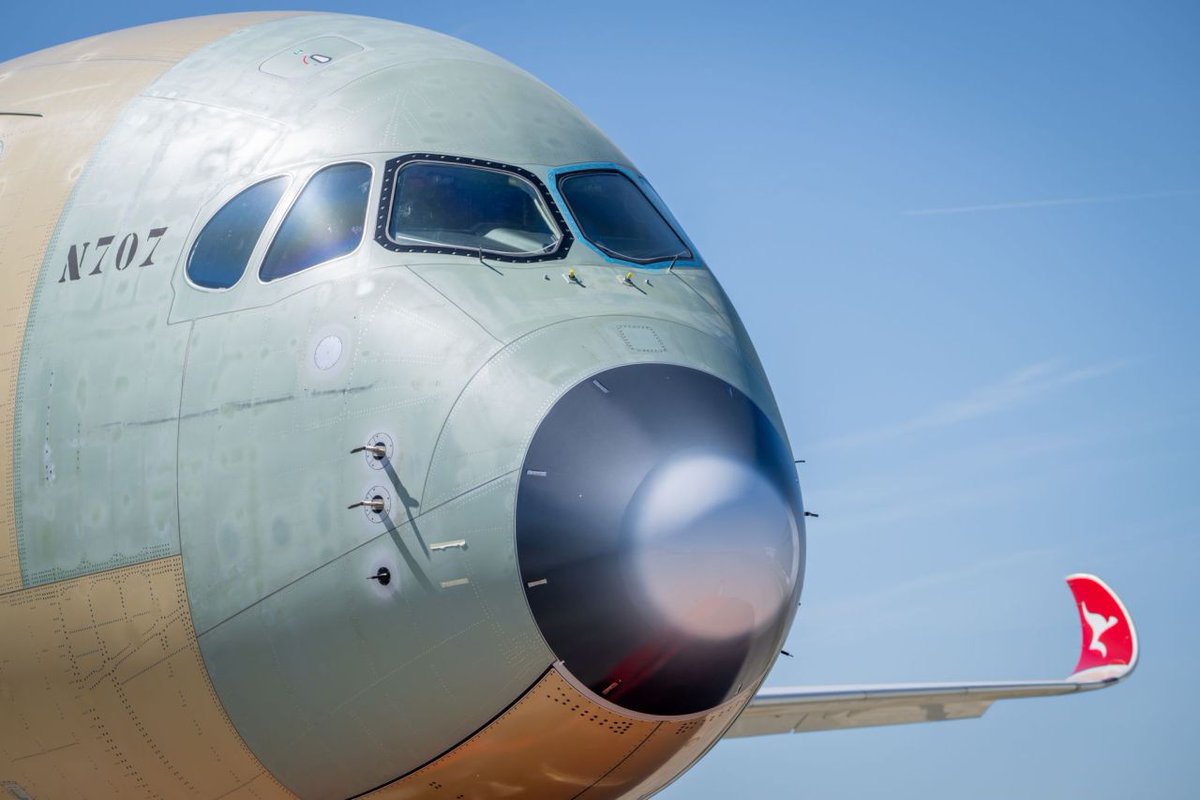
🔴 The first Airbus A350-1000ULR has rolled out of the final assembly line in Toulouse.
#Qantas #Airbus #A350 #ULR
11
118
7,608
According to a EUROCONTROL study conducted in 2020 (and later updated), which analysed radar data from core European airspace over a 12-month period, pilots followed only 38% of TCAS Resolution Advisories (RAs) correctly. In 34% of cases, aircraft manoeuvred in the opposite direction to the RA command - directly contrary to what the collision avoidance system required.
In short, flight crews failed to properly follow this vital last-resort safety net in nearly half of all cases, despite TCAS RAs being specifically designed and proven to prevent mid-air collisions and save lives.
To assist crews in performing the optimal manoeuvre in response to an RA, Airbus developed the AP/FD TCAS function.
This autoflight guidance mode helps flight crews correctly respond to the RA in a timely manner, perform a manoeuvre only to the extent necessary, execute it with a moderate load factor to ensure passenger comfort and reduce the risk of injury, and prevent the triggering of TCAS alerts on other aircraft.
When engaged, the system automatically targets a vertical speed 200 ft/min inside the RA green band (or precisely 0 ft/min for Level Off RAs), with smooth accelerations typically between 0.15g and 0.25g. This significantly improves compliance and reduces the risk of over- or under-reaction.
Flight crews can revert to the standard TCAS warning procedure at any time if they prefer to follow the RA manually. However, an Airbus analysis of more than 130,000 flights on A350 and A380 aircraft shows strong confidence in the AP/FD TCAS function: in 91% of RA situations, crews kept the autopilot engaged.
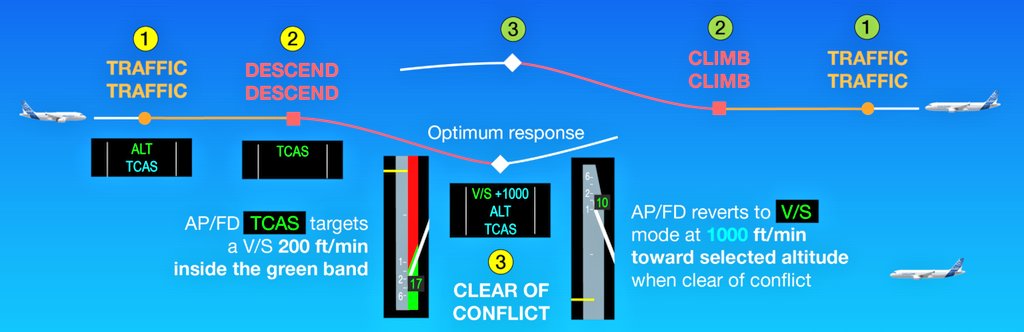

Are TCAS alerts really this dramatic? And do pilots actually look out the window to spot the other aircraft?
3
6
67
8,838
It's always fascinating to watch the outflow valve (OFV) close during takeoff. This marks the beginning of the aircraft’s pre-pressurisation cycle.
While it does provide a smoother transition to pressurised flight and improves passenger comfort, its main purpose goes beyond that.
The primary reason for closing the outflow valve at takeoff is to prevent a slight pressure bump that occurs during aircraft rotation. At high angles of attack, an air cushion effect forms over the aft outflow valve, which can cause a momentary reverse airflow - potentially pushing air back into the cabin through the OFV.
This pre-pressurization prevents FOD from being blown into the cabin, and this is also the reason the airplane lands with a slightly pressurized cabin.
#FunFact
2
18
180
23,724
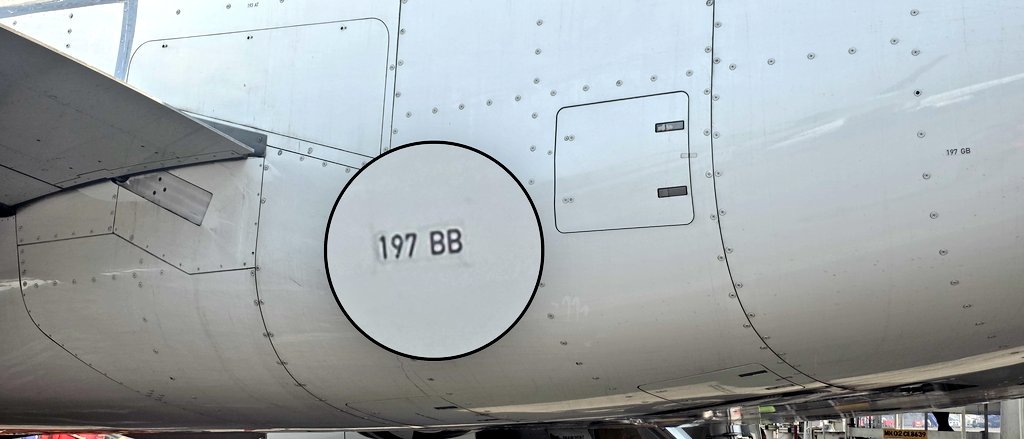
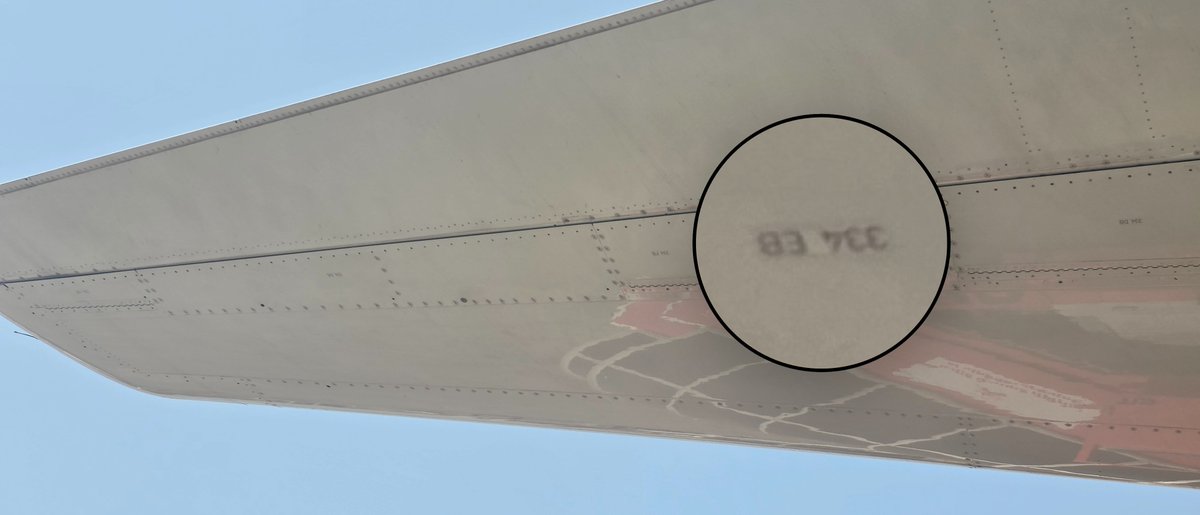
Ever wondered what those mysterious numbers on an aircraft fuselage actually mean?
They're not random codes - they're a smart, logical naming system that tells engineers and technicians exactly where each access door and panel is located.
Here's how it works:
Access doors and panels are identified by: The zone number where the panel is installed, followed by a two-letter suffix.
The first letter shows the sequence from the reference axis:
→ A = 1st panel
→ B = 2nd panel
→ C = 3rd... up to G = 7th, and so on.
The second letter tells you the location/surface:
• T = Top (upper) surface
• B = Bottom (lower) surface
• R = Right side
• L = Left side
• Z = Internal
• F = Floor panel
• W = Sidewall panel
• C = Ceiling panel
They also use a 3-digit numbering system for the zones:
• Odd numbers = Left Hand (LH) side
• Even numbers = Right Hand (RH) side
The first three digits pinpoint the smallest zone where the panel sits. For example:
• 632 = Right wing area
• 193 = Lower fuselage area
Real examples:
• 632BB → Second panel on the bottom (lower) surface of the right wing
• 193AT → First panel on the top surface in the lower fuselage zone 193
• 197GB → Seventh panel on the bottom surface in zone 197 (left side, since 197 is odd)
This clever system makes maintenance incredibly efficient — every panel has a precise, logical address.
Aviation engineering is full of these elegant solutions most passengers never notice.
3
16
98
8,191
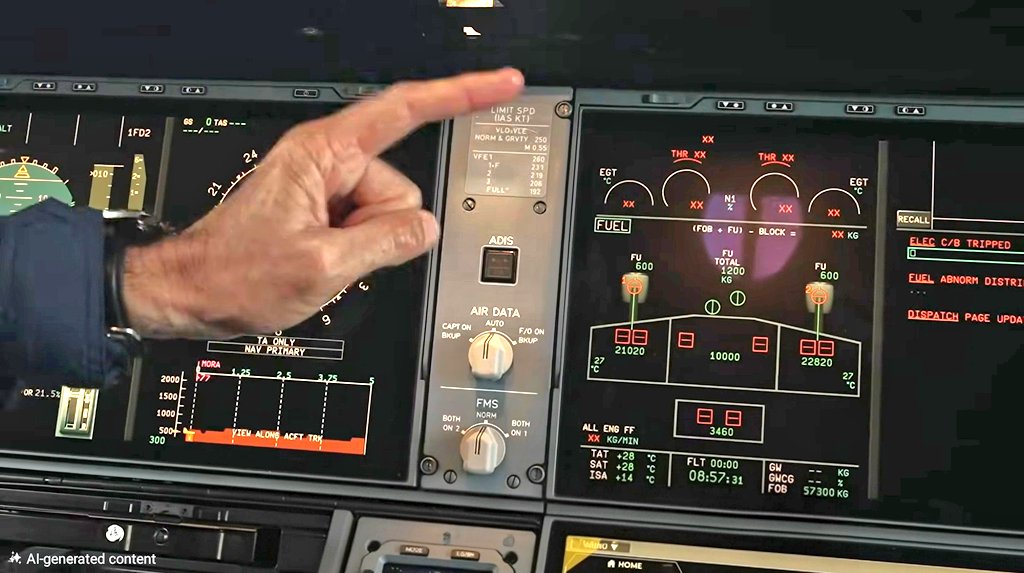
For those who got caught in this web of lies, happy April Fools' Day. A day of fools like you and me.
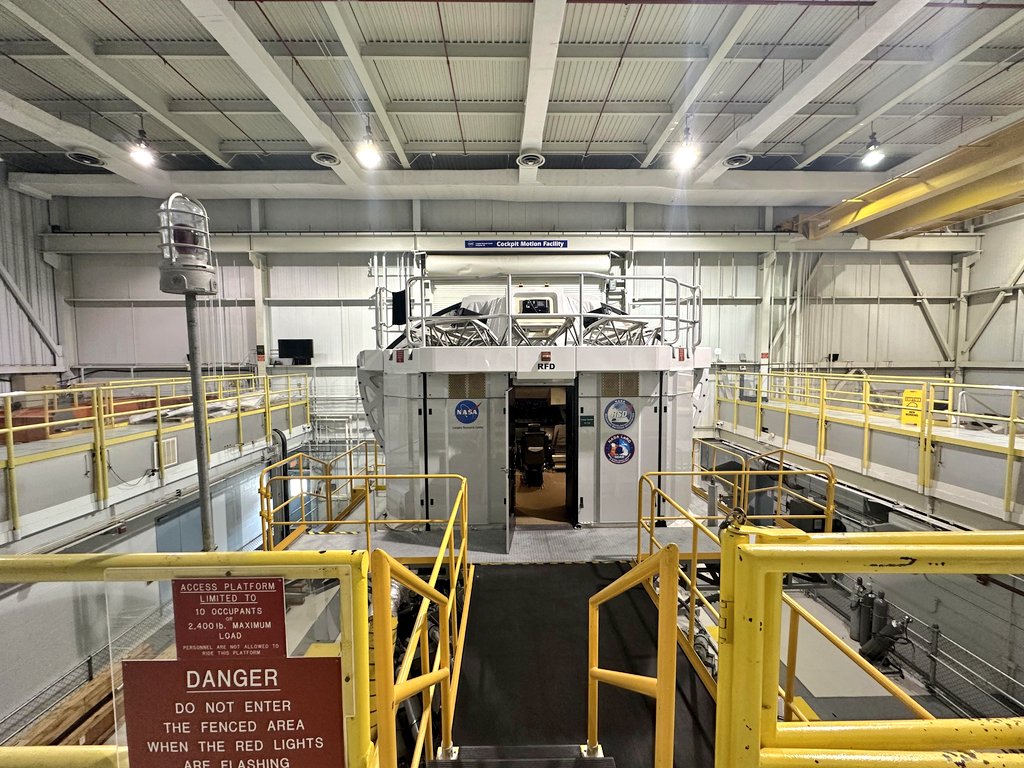
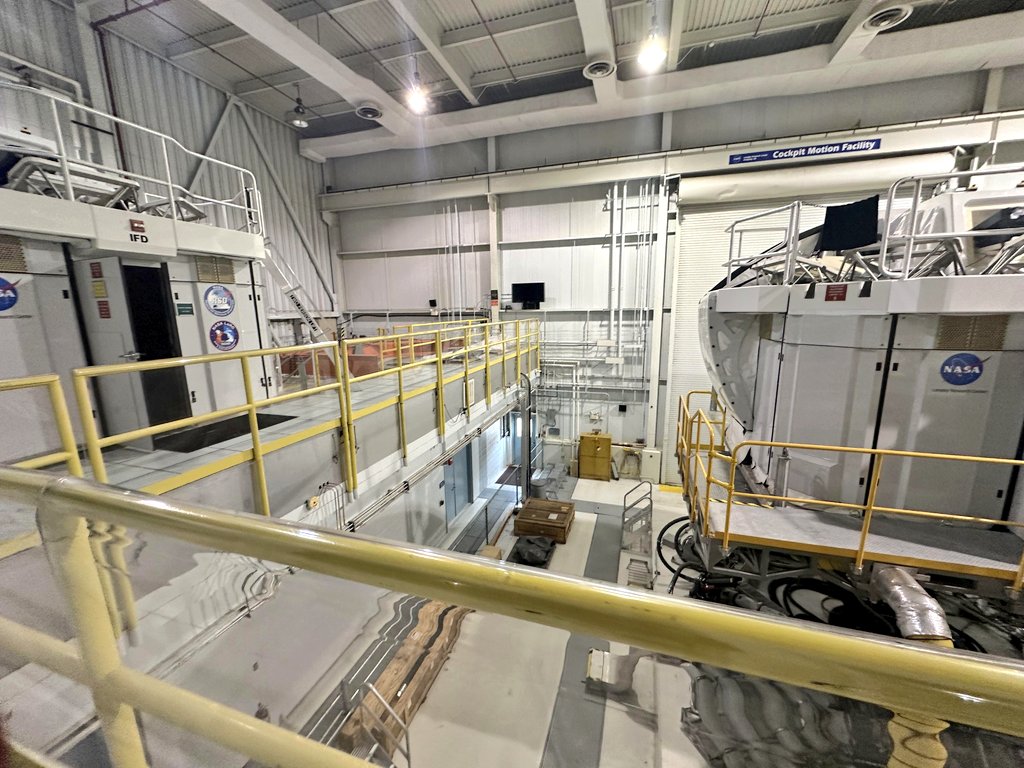
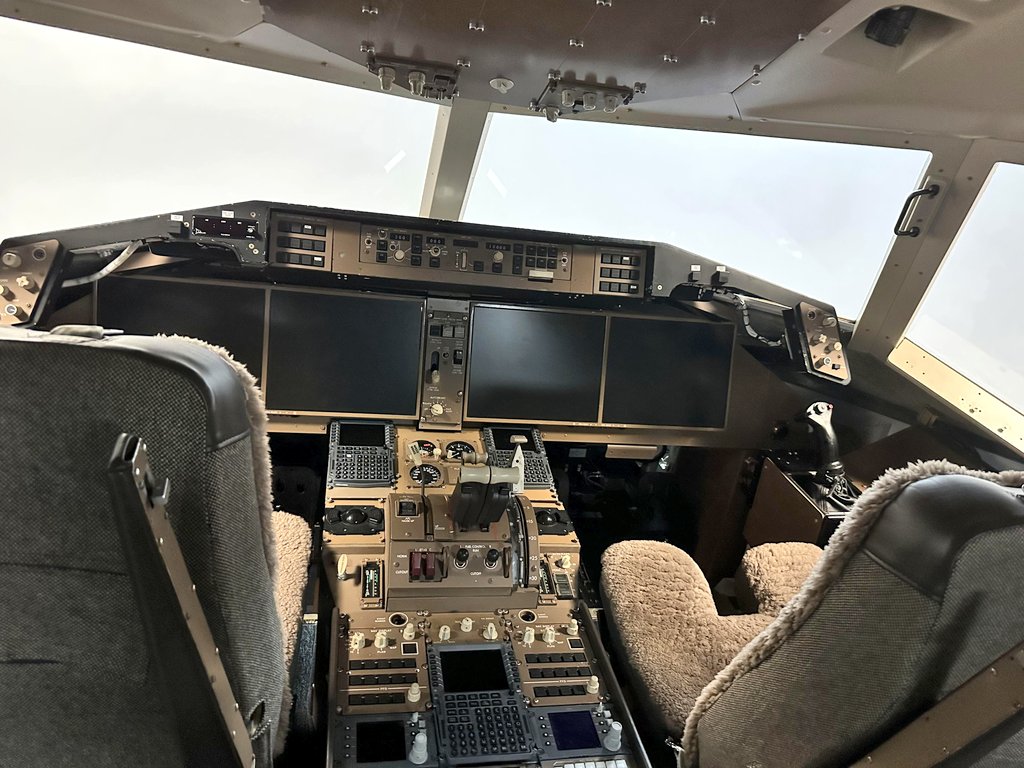
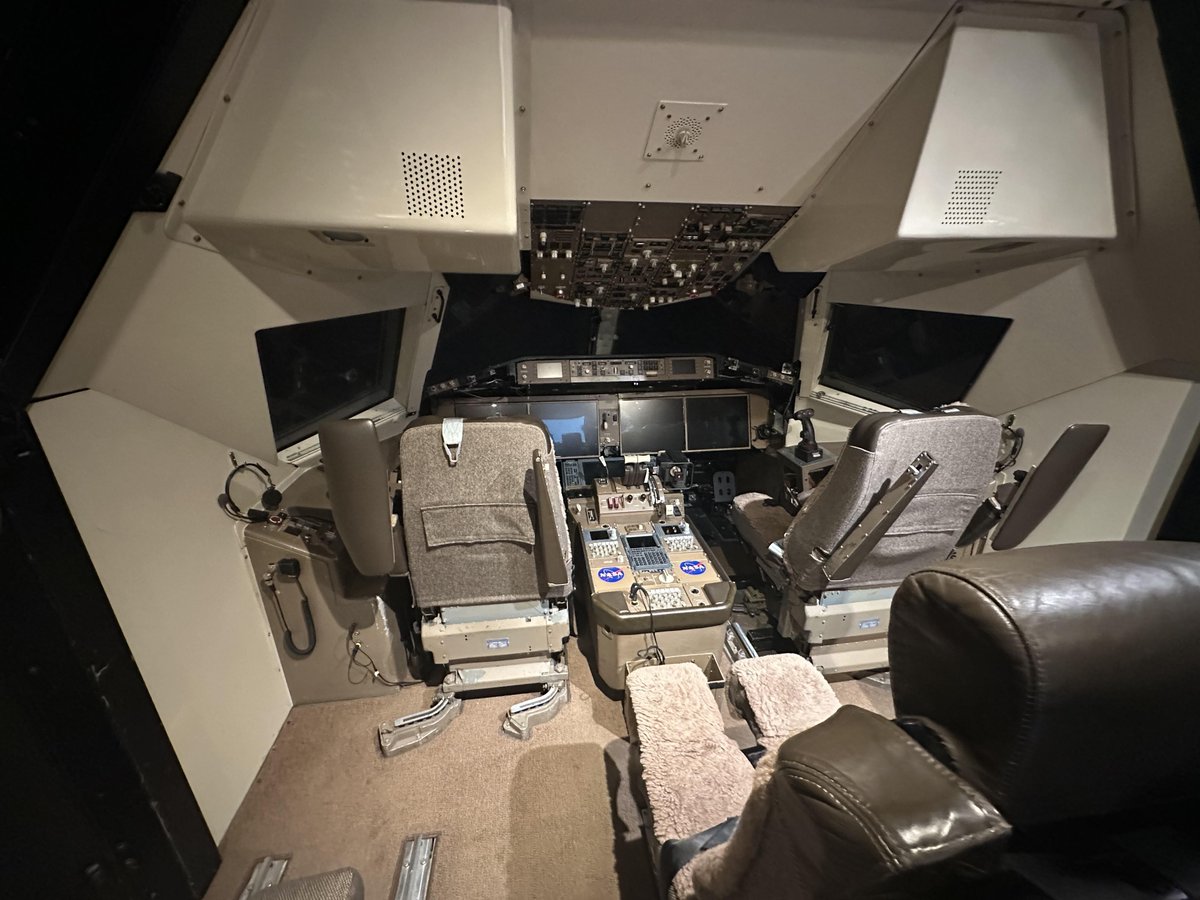
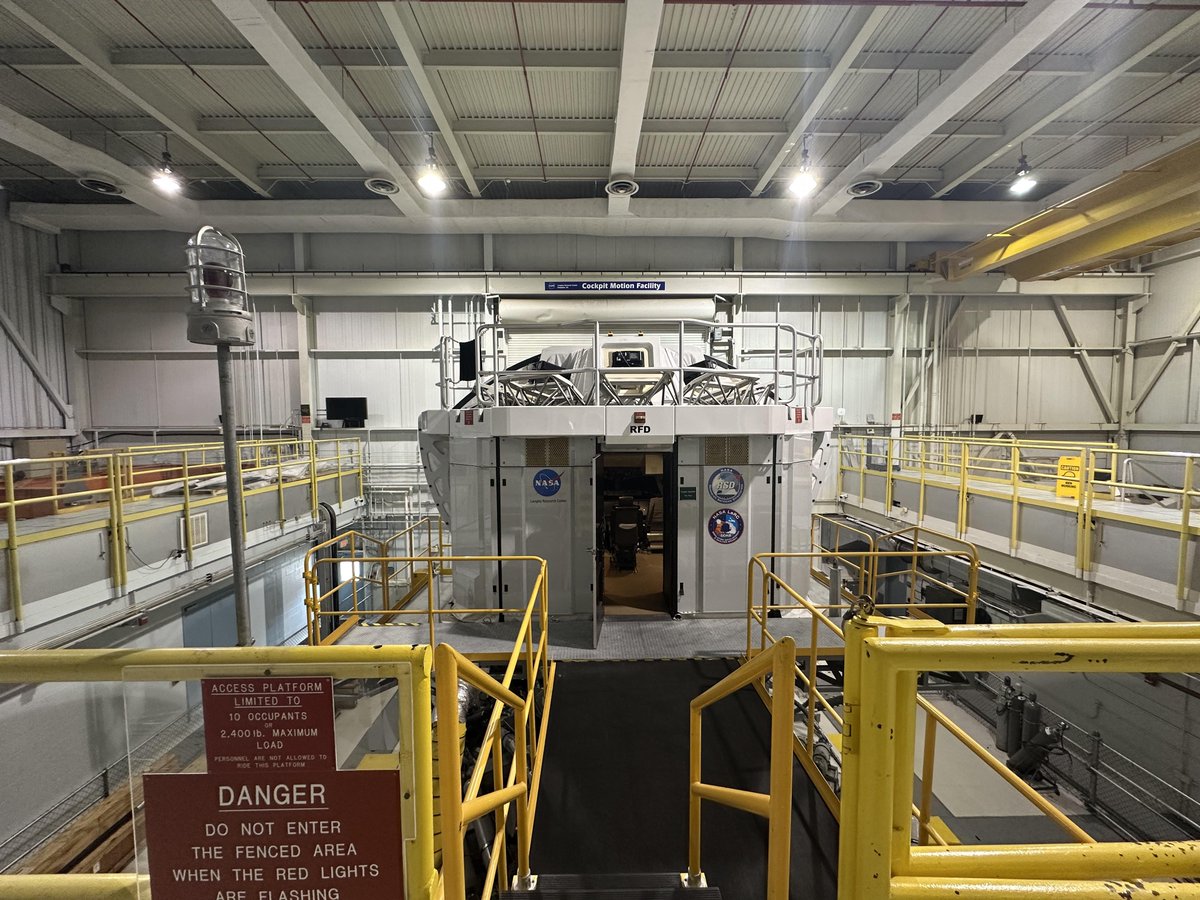
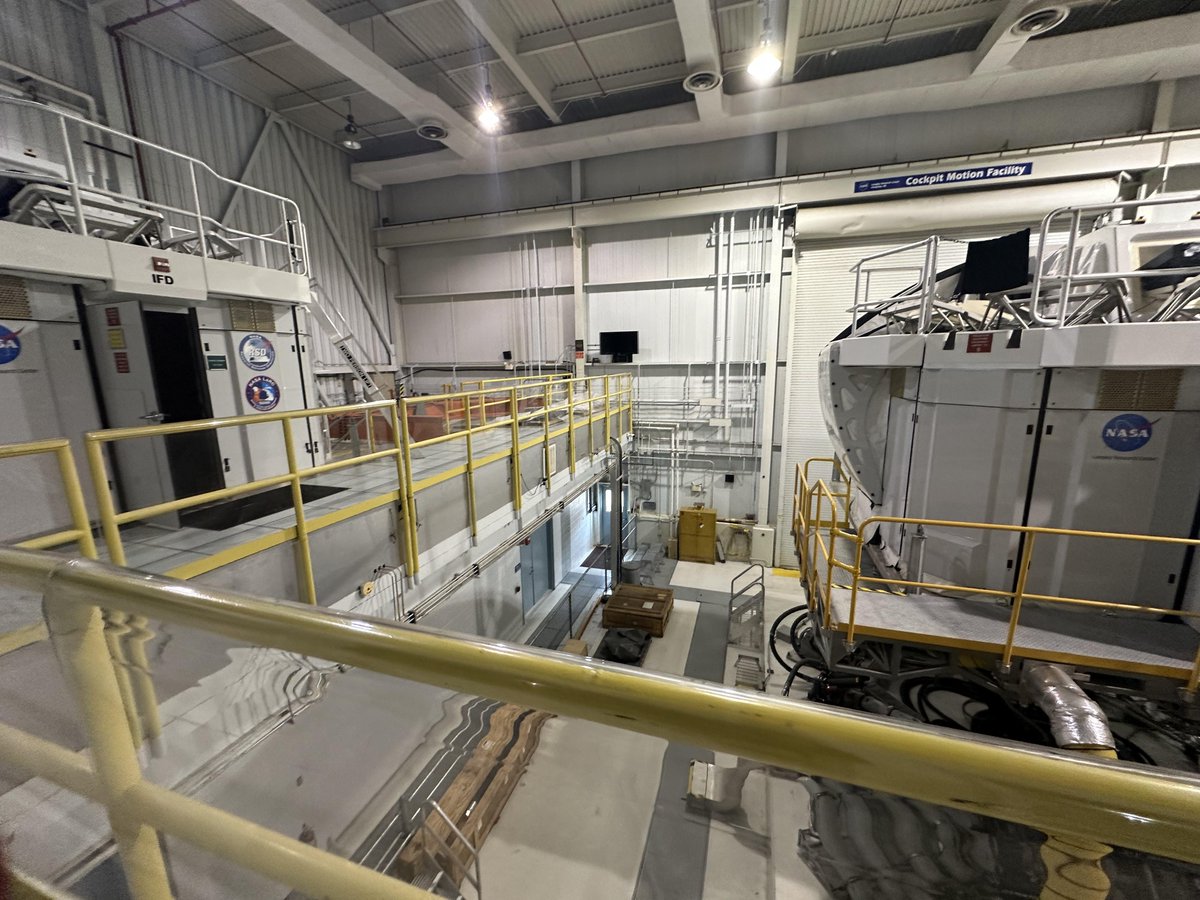
For something a little more interesting, this is not AI-generated. This is an actual simulator used by NASA. It’s a sim that can be customized for multiple aircraft, and the touchscreen interface displays change to match the panel layout of that plane.
The Beoing 777 is finally getting a midlife upgrade.
This new upgrade features an advanced Electronic Flight Instrument System (EFIS) panel, with large 15.1-inch screens—similar to those on the 777X.
But by far the biggest upgrade: Sidesticks now replace the conventional yoke, continuing to its fly-by-wire flight control system.
What do you think - time for the 777 to get that Airboss glow-up?
1
7
75
11,038
The Beoing 777 is finally getting a midlife upgrade.
This new upgrade features an advanced Electronic Flight Instrument System (EFIS) panel, with large 15.1-inch screens—similar to those on the 777X.
But by far the biggest upgrade: Sidesticks now replace the conventional yoke, continuing to its fly-by-wire flight control system.
What do you think - time for the 777 to get that Airboss glow-up?
43
63
1,060
142,968
For those who got caught in this web of lies, happy April Fools' Day. A day of fools like you and me.
For something a little more interesting, this is not AI-generated. This is an actual simulator used by NASA. It’s a sim that can be customized for multiple aircraft, and the touchscreen interface displays change to match the panel layout of that plane.
4
35
5,250