
Joined June 2017
- Tweets 69,823
- Following 2,490
- Followers 1,483
- Likes 157,150
3,221 Photos and videos





Pinned Tweet

8 Oct 2022
Bonjour, dire : pose mais enlève aussi très souvent mes tweets et réponses et ça fait des blancs,le sais,c'est comme ça , ici c'est de "l'instant" ,ne collectionne rien et "ne fait pas un almanach" ,et garde juste un peu, merci de votre compréhension ,
bien a vous tous,🙂
4
7
74
henrigastonchamiteux retweeted

🚨 BREAKING NEWS! 🚨
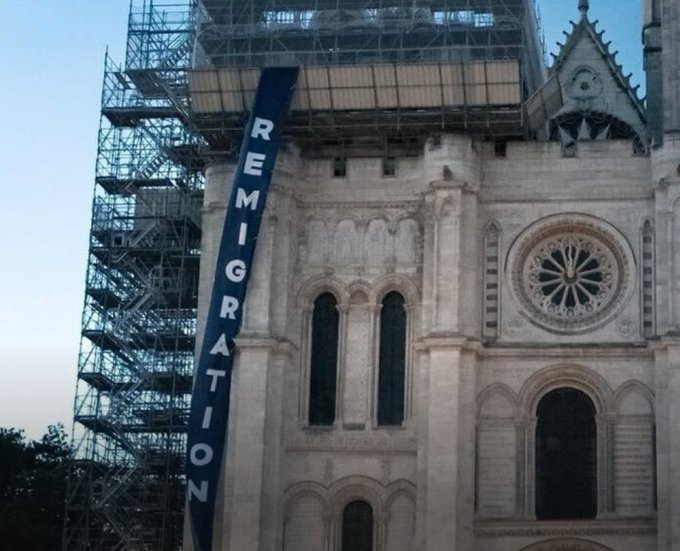
A 124 year old Buddhist temple in Hokkaido called the Naritasan Shōkōji Temple has been burned down.
This now makes it the 8th historic Buddhist temple burned down this year.
865
3,045
9,369
140,563
henrigastonchamiteux retweeted

"BlackRock wants to turn EVERYTHING nature gave us—forests, rivers, entire ecosystems—into tradable Wall Street tokens on a blockchain."
~Whitney Webb
IT'S A HEIST: infinite new collateral for their endless debt machine, all tracked & controlled by their AI overlord, Aladdin.
All under the feel-good banner of "saving the planet"... This isn't environmentalism.
This is total financial domination of the living world.
130
2,172
3,841
47,629
Bon Dimanche a tous 🙂👋
voila longtemps que n'avais pas posé un #CeuxQuiFontLesNuages #GeoEngineering #Chemtrails since 1980's
Lille , 14 juin 2026 , 5h du matin
"peinture a l'huile / peinture a l'eau" 😌🤔


2
22
henrigastonchamiteux retweeted

Jun 13
Has anybody else noticed how unprovoked, violent attacks on the indigenous peoples of the UK and Europe by hostile, military age immigrants appear to have substantially increased in 'lockstep', at exactly the same time governments are planning to surveil all our communications?
It's almost as if an order to attack has been given, in which case we need to ask:
By whom, how and why?
140
798
3,309
36,517
henrigastonchamiteux retweeted

⚠️ La Suède abaisse l’âge de responsabilité pénale à 14 ans face à une réalité explosive : des gangs recrutent des enfants dès 11 ans pour commettre des violences, des attentats à l’explosif et des assassinats commandités. Le modèle social suédois, longtemps présenté comme intouchable, se heurte désormais à une criminalité organisée qui exploite méthodiquement ses failles.
Quand un État en arrive à poursuivre pénalement des enfants parce que les gangs les transforment en exécutants interchangeables, faut-il encore parler de délinquance juvénile ou d’effondrement complet d’un modèle de société ? 🔥

7
123
157
2,312
henrigastonchamiteux retweeted

La mayoría de la gente NO entiende lo que está pasando...
Europa está siendo arruinada A PROPÓSITO
Todo lo que están haciendo, está pasando A PROPÓSITO
Accidentalmente NO invadis a tu país con inmigrantes ilegales de 5to mundo
Accidentalmente NO permitís que el crimen se dispare y castigas a la gente que se manifiesta
Accidentalmente NO dejas que las drogas estén fuera de control
Accidentalmente NO aumentas los impuestos para que la gente bien posicionada se vaya del país
TODO lo que están viendo estuvo planeado
Porque la gente que gobierna al mundo con dinero estaban cansados de los europeos blancos con estándares altos
De esta manera les va a ser mucho más sencillo manipularlos y obtener ganancias mayores.
537
3,731
12,441
141,421
henrigastonchamiteux retweeted

Jun 13
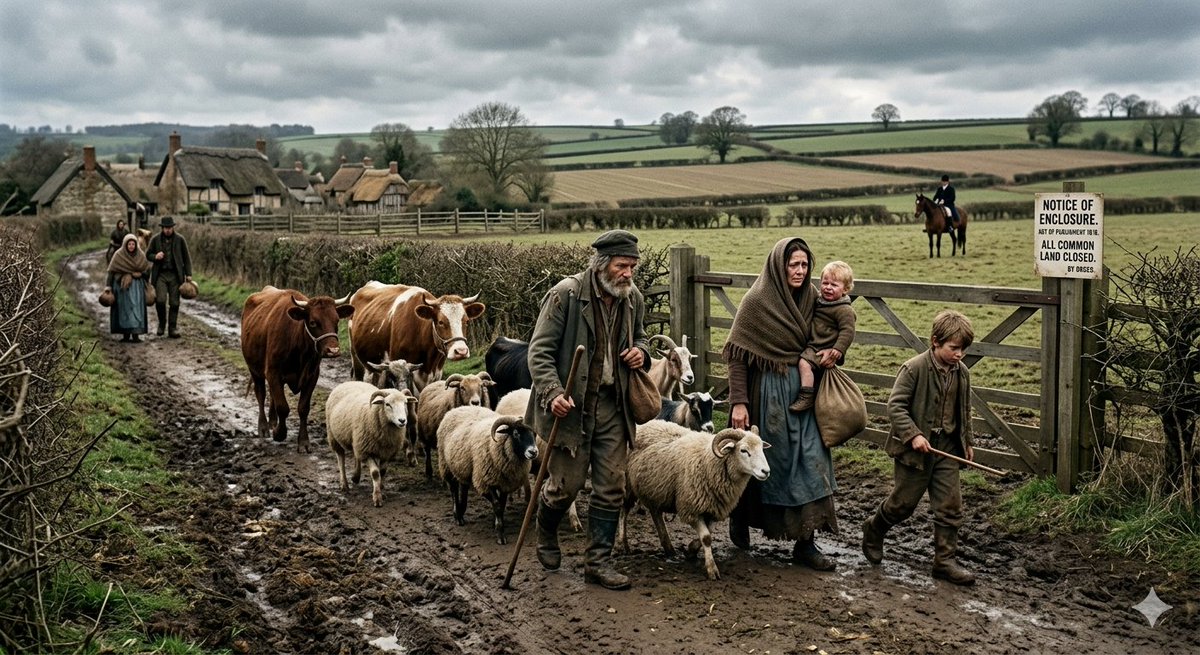
Britain has cleared its uplands twice before. We are most of the way through the third, and almost nobody has said the word out loud.
The first was enclosure. Across the 1700s and 1800s, act by act, the common land that ordinary families had grazed for generations was fenced off and signed over to private owners. Millions of acres. A cottager with a pig and a cow on the common went to bed a commoner and woke up a trespasser, his animals grazing land that now belonged to the big house.
The second was the Highland Clearances. Families were burned out of their glens and put on ships, because a hillside of sheep paid the landlord better than a hillside of people. Whole valleys went silent. Walk far enough today and you can still find the rooftrees lying in the heather.
The third is happening now, and it arrives in a green coat. The hill farmer is squeezed out by carbon money, by tree-planting targets, by schemes that pay him to keep fewer animals, by land-use plans that quietly file his fields under surplus. A drinks company buys the glen to cancel out its emissions. The valley empties on schedule. Only the cover story is new.
Enclosure was sold as improvement. The Clearances were sold as progress. This one is sold as saving the planet.
Notice what does not change. The same families lose the land. The same hills fall quiet. The same large interests end up owning the ground, and the same comfortable people, a safe distance away, explain why it was all regrettably necessary.
History rarely repeats itself exactly. It just keeps clearing the uplands, and reaching for the kindest available word to do it.
14
319
777
10,767
henrigastonchamiteux retweeted

Jun 13
Qu'en pensez-vous?

183
1,087
1,905
14,844
henrigastonchamiteux retweeted

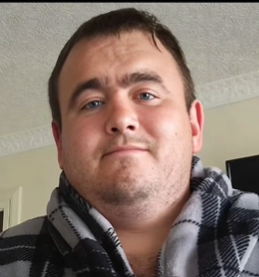
Compare how the media portrayed these two:
For a victim, they chose the most unflattering image they could find.
For a murderer, they went through his childhood photos to find the most harmless.
It's not accidental. One is designed to elicit sympathy, while the other is not.


🚨NEWS: It has been reported that Stephen Ogilvie, the man attacked by a migrant in Belfast has sadly lost sight in both eyes
136
4,344
25,679
703,178
henrigastonchamiteux retweeted

ATTENDEZ !!! 😳
Non mais c’est trop. Une église en France 🇫🇷 et un nouveau temple au Japon 🇯🇵 ??? LE MÊME JOUR ?????

I can’t stop crying.
Now a temple in Hokkaido has burned down.
Seriously, who did this?
I can’t forgive it.
25
108
873
13,395
henrigastonchamiteux retweeted

🇯🇵 "If one should ask you concerning the spirit of a true Japanese, point to the wild cherry blossom shining in the morning sun." — Motoori Norinaga (1790)
Japan is a Japanese country. Not a Muslim one. We will preserve our sacred country.


81
401
2,611
17,408
henrigastonchamiteux retweeted

Jun 12
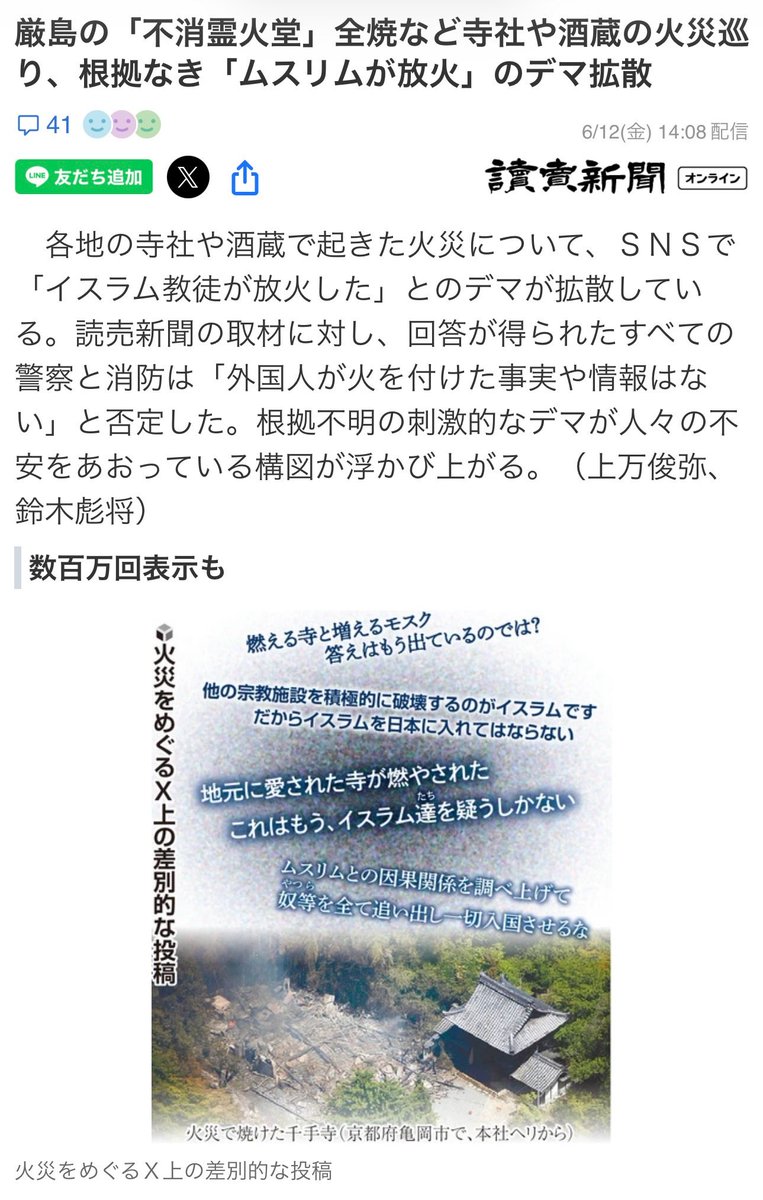
【悲報】広島県 厳島の寺院・大聖院の「 不消霊火堂 」で起こった火災はCNNにまで取り上げられたのに、日本のメディアは何故か「火消し」に走ってしまう。

194
17,920
48,962
961,798
henrigastonchamiteux retweeted

A Barcellona ci sono stati 44 accoltellamenti in 30 ore e tutti questi accoltellamenti sono stati commessi da stranieri contro la popolazione autoctona. Chi nega la degenerazione della violenza degli stranieri è parte del problema.
192
6,369
19,945
202,301
henrigastonchamiteux retweeted

Karen Hollis (23) was kidnapped by career violent criminal Randall Lendell Dejourney (43) in Alabama. He held her captive and repeated raped her.
After approximately a week in brutal captivity, he choked her to death and then repeatedly raped her dead body before dumping her corpse on the side of the road.
He was eventually arrested and his bond was set at $15,000. That's not a mis print. His bond was set at $15,000. For rape, murder, and rape of a corpse 🤨
Has this case been reported on by the national media? I certainly haven't seen it if so.
Plan accordingly...
#rural #alabama #crime #3rdWorld #decay #NorthPort
1,171
10,707
21,292
445,642
henrigastonchamiteux retweeted

Nederland:
Tieners vernederen jongens en stelen zijn gympen...
Wanneer je eigen land een plek van angst wordt...
378
3,574
7,169
157,005
henrigastonchamiteux retweeted

LA PETITE REINE D’ÉCOSSE VIENT DE DÉTRUIRE LE SYSTÈME WOKE À COUPS DE HACHE ! ⚔️🔥
LOLA ET RUBY DISCULPÉES, LE MIGRANT BULGARE ET SA SŒUR JUGÉS COUPABLES ! 💥
POLICE, MÉDIAS DE GAUCHE, POLITICIENS : VOUS AVEZ MENTI COMME DES PORCS ET VOUS VENEZ DE VOUS PRENDRE UNE CLAQUE ! 😈🔥
BRAVEHEART VERSION 2026, C’EST ELLE.
On l’appelle déjà la Petite Reine d’Écosse. 👑⚔️
Une gamine qui voit sa petite sœur de 12 ans en danger, qui sort une hache et un couteau, et qui balance au pervers :
« Ne touche pas à ma sœur. »
Pas de pleurnicheries.
Pas d’appel à la police « inclusive ».
Pas de discours creux.
Juste du cran.
Du vrai.
Du pur.
Et pendant ce temps, le système tout entier s’est mis à genoux devant son narratif habituel :
« C’est la gamine qui est méchante. »
« C’est encore la faute des méchants racistes sur internet. »
« Circulez, il n’y a rien à voir. »
Eh bien non. 😈
LE PROCÈS EST TERMINÉ.
ILIA BELLOV ET SA SŒUR SONT COUPABLES.
LOLA ET RUBY SONT BLANCHES COMME NEIGE.
Le système vient de se faire démonter la gueule en direct.
📰 MÉDIAS DE GAUCHE : VOUS AVEZ MANGÉ VOTRE CHAPEAU, BANDE DE CLOWNS !
Rappel pour ceux qui ont la mémoire courte.
Et vous en avez, bande de menteurs.
La vidéo sort : une gamine brandit des armes pour protéger sa sœur.
Police Scotland sort immédiatement son couplet habituel :
« Pas de preuve. Les filles ont probablement harcelé le pauvre migrant. »
Les médias de gauche embrayent aussitôt :
« Encore de la désinformation d’extrême droite ! »
« Elon Musk et Tommy Robinson propagent des fake news ! »
« Internet s’emballe pour rien ! »
Humza Yousaf et les autres clowns politiques montent aussi au créneau :
« C’est inacceptable. »
« Cela mine la cohésion sociale. »
« Il faut lutter contre la haine. »
Et les titres à la con défilent :
« Une collégienne armée choque l’Écosse »
Mais sans jamais mettre au centre les paroles du Bulgare.
- Sans jamais rappeler ce qu’il aurait balancé à une gamine de 12 ans.
- Sans jamais se demander pourquoi une adolescente en arrive à défendre sa petite sœur avec une hache.
VOUS AVEZ TOUS MENTI.
- Vous avez traité des gamines victimes d’agression sexuelle et physique comme des menteuses racistes.
- Vous avez défendu le type qui a dragué une gamine de 12 ans comme s’il était la victime.
- Vous avez préféré protéger le narratif plutôt que protéger les enfants.
Parce que vous avez plus peur d’être traités de « racistes » que de voir des fillettes se faire agresser.
PATHÉTIQUE.
LÂCHE.
DÉGUEULASSE.
🤡 POLICE ET POLITICIENS : MODE « ON A TOUT FAUX MAIS ON S’EN FOUT »
Maintenant qu’ils ont perdu au tribunal, ils nous font leur petite danse habituelle :
« Euh… en fait, notre première communication n’était pas tout à fait précise… »
Ah ouais ? 🤡
Vous avez accusé tout le monde de désinformation pendant des mois, et maintenant vous avouez que :
C’ÉTAIT VOUS LES DÉSINFORMATEURS !
Vous avez passé votre temps à protéger les agresseurs et à lyncher les victimes.
C’est exactement le même cirque que Rotherham, Rochdale et toutes ces villes où on a laissé pourrir la situation pendant des années parce qu’il ne fallait surtout pas « stigmatiser ».
Résultat :
- Des filles sacrifiées.
- Des familles méprisées.
- Des victimes accusées.
- Des prédateurs protégés par lâcheté politique.
VOUS ÊTES EN TRAIN DE TUER L’EUROPE À PETIT FEU AVEC VOTRE IMMIGRATION DE MERDE ET VOTRE IDÉOLOGIE DE MERDE.
Et quand une gamine ose se défendre, vous lui tombez dessus comme des hyènes.
BRAVO LES CLOWNS.
Vous venez de prouver une fois de plus que l’État ne protège plus ses enfants.
Il protège le narratif.
Point.
⚔️ LA PETITE REINE D’ÉCOSSE A FAIT CE QUE VOUS N’OSEREZ JAMAIS FAIRE
Pendant que vous tweetiez des #CohésionSociale…
Pendant que vous posiez pour les photos « diversité »…
Pendant que vous récitiez vos slogans creux sur le vivre-ensemble…
Cette gamine, elle, a agi.
Elle a vu sa sœur en danger.
Elle a compris ce qui se passait.
Elle n’a pas attendu l’autorisation d’un bureaucrate.
Elle n’a pas demandé la permission à un journaliste.
Elle n’a pas vérifié si sa réaction était compatible avec la dernière circulaire woke.
Elle a pris une hache.
Elle a pris un couteau.
Elle a défendu sa petite sœur.
C’EST ÇA, LE VRAI COURAGE.
Pas vos discours bidon.
Pas vos condamnations « fermes ».
Pas vos articles minables qui inversent toujours les rôles.
Pas vos communiqués de police écrits pour calmer Twitter plutôt que pour dire la vérité.
ON L’APPELLE BRAVEHEART.
ON L’APPELLE LA PETITE REINE D’ÉCOSSE. 👑⚔️
Parce qu’elle a fait ce que des générations d’hommes politiques ont refusé de faire :
DÉFENDRE LES SIENS.
🔥 LE CHOIX EST SIMPLE MAINTENANT
Continuer à laisser ce système pourri traiter nos filles comme des criminelles quand elles se défendent…
Ou arrêter de se voiler la face et reprendre le contrôle avant qu’il ne soit trop tard.
Parce que là, clairement :
LE ROI EST NU.
Et il a l’air complètement débile.
JUSTICE POUR LOLA ET RUBY.
HONTE ÉTERNELLE AUX MENTEURS.
HONTE AUX LÂCHES.
HONTE AUX TRAÎTRES.
La Petite Reine d’Écosse vient de leur mettre une claque historique.
Et on n’est pas près d’oublier.
#PetiteReineDEcosse
#Braveheart2026
#LolaEtRuby
#JusticePourLesFilles
#StopMensongesMedias
#EuropeEnColere ⚔️🔥

161
3,731
9,722
48,276
henrigastonchamiteux retweeted

Mass Migration is DESTROYING Belgium...
129
1,197
6,923
71,130
henrigastonchamiteux retweeted

Jun 13
In the UK you will get called a racist for being stabbed by a migrant and then bothered by a 4'9 female cop for the crime of staying the same spot for 120 seconds.
How did you guys go from owning the world to being a diversity toilet country so fast?
988
4,046
23,577
1,647,143
henrigastonchamiteux retweeted

‘Tolerance and apathy are the last virtues of a dying society’
- Aristotle

Community note
This quotation is not from Aristotle. sententiaeantiquae.com/2018/09/29/rac… wist.info/aristotle/54711
76
1,495
4,700
61,175
henrigastonchamiteux retweeted

Jun 13
All these undocumented men arriving in Europe. How will they benefit any economy, and where are all their women and children?
799
2,449
5,734
71,908