A University of Edinburgh research group investigating the world's rapidly changing oceans & the subsequent implications for society, industry & policy
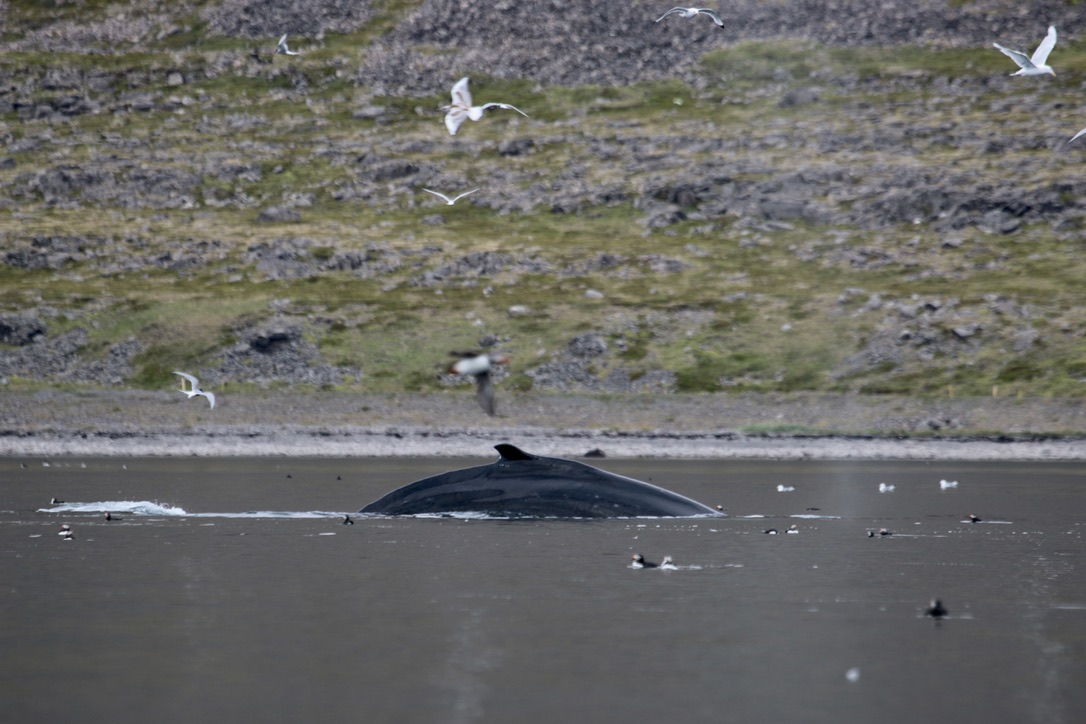
Thanks for letting us tell the story of Bird the humpback whale - entanglement and rescue. If you don’t already, check out @whaletalespod for regular whale stories from around the world 🐋 🐳
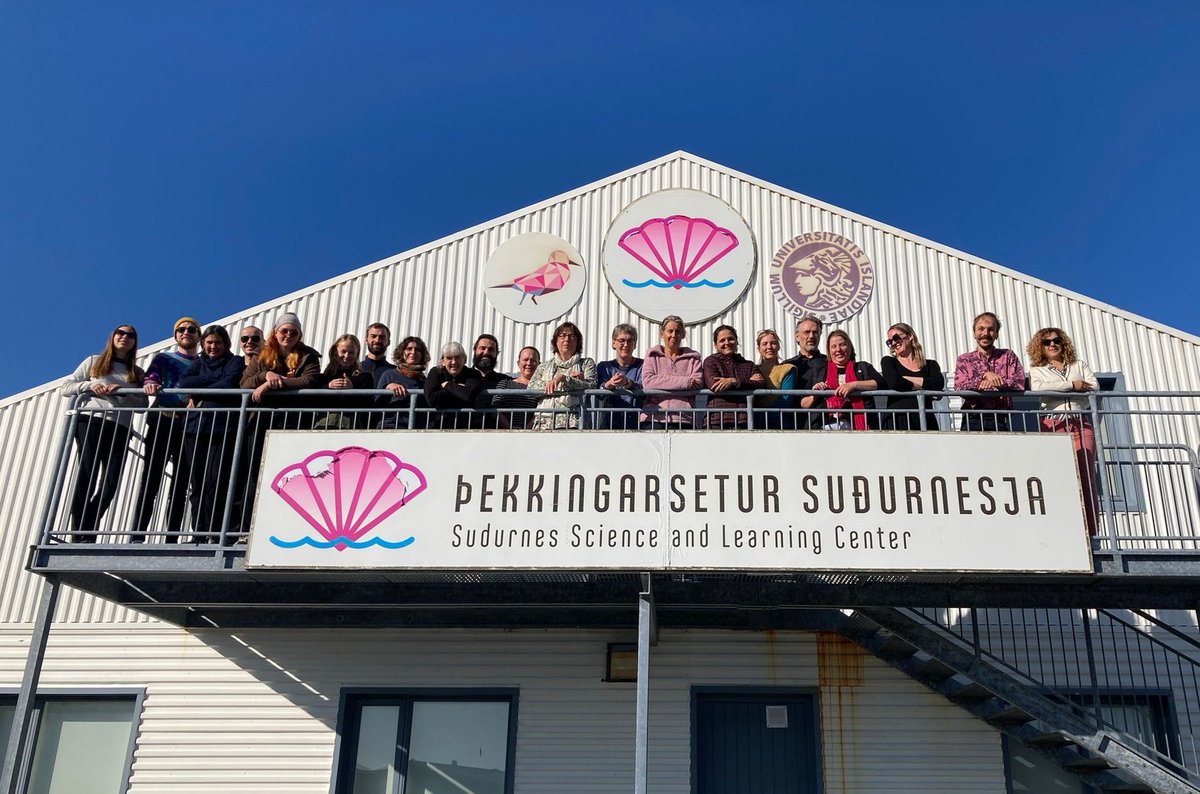
Last chance to register for the first in-person global meeting of representatives of marine stations in Japan in November! I can't wait to meet many long-term collaborators that I have only seen online so far.
Congress website: sites.google.com/view/wcms20…
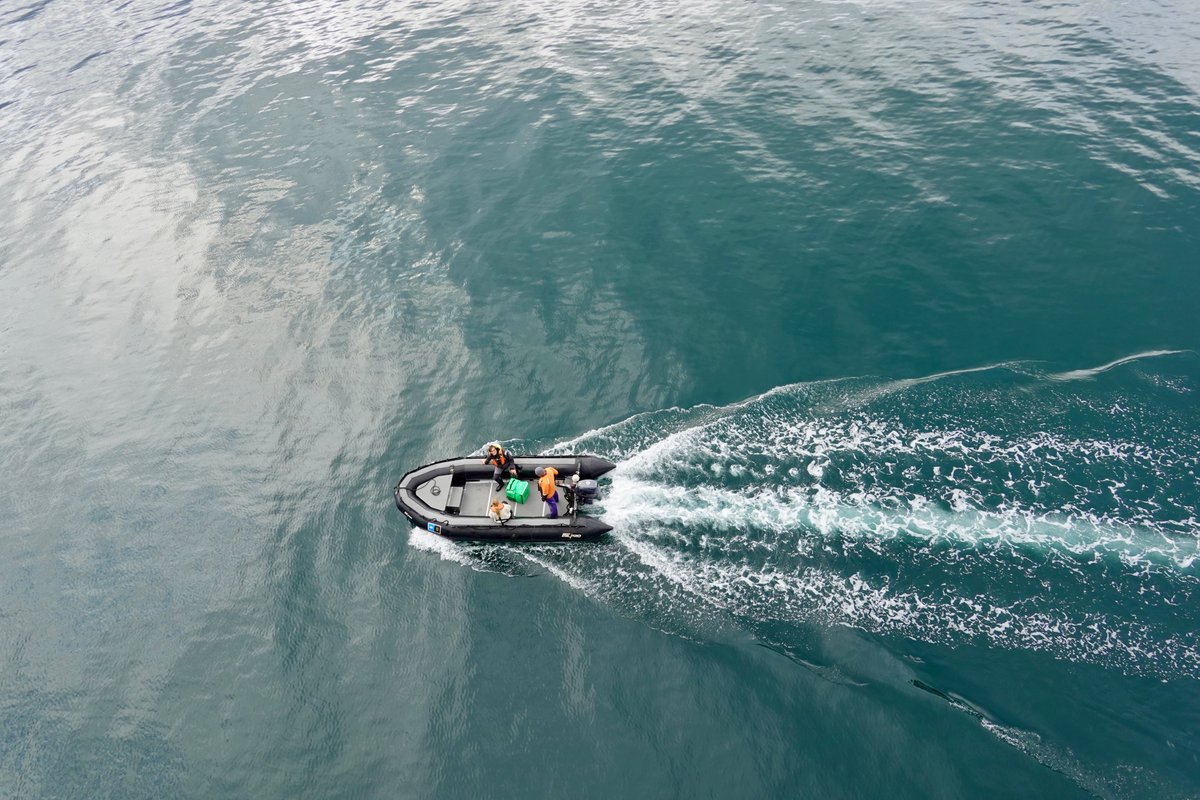
Happy that we could play a part in the rescue of Bird the humpback whale from entanglement in fishing gear. Amazing collaborative effort, coordinated by the Icelandic government. Bird was rescued by a search and rescue boat as well as fishing boats from Drangsnes and Hólmavík 🐋
Last month a #whale was spotted behaving strangely in the waters of #Steingrímsfjörður, by Judith Scott of Laki Tours. who raised the alarm with Tom Grove from charity Whale Wise. The story has a happy ending. RÚV English Radio is in Drangsnes to hear it.
ruv.is/english/2024-10-16-ru…
Today is your FINAL CHANCE to speak up for Scotland's deep seas, before @scotgov's consultation on offshore marine protected areas closes.
Make your voice heard now:
scotlink.org/deepseas
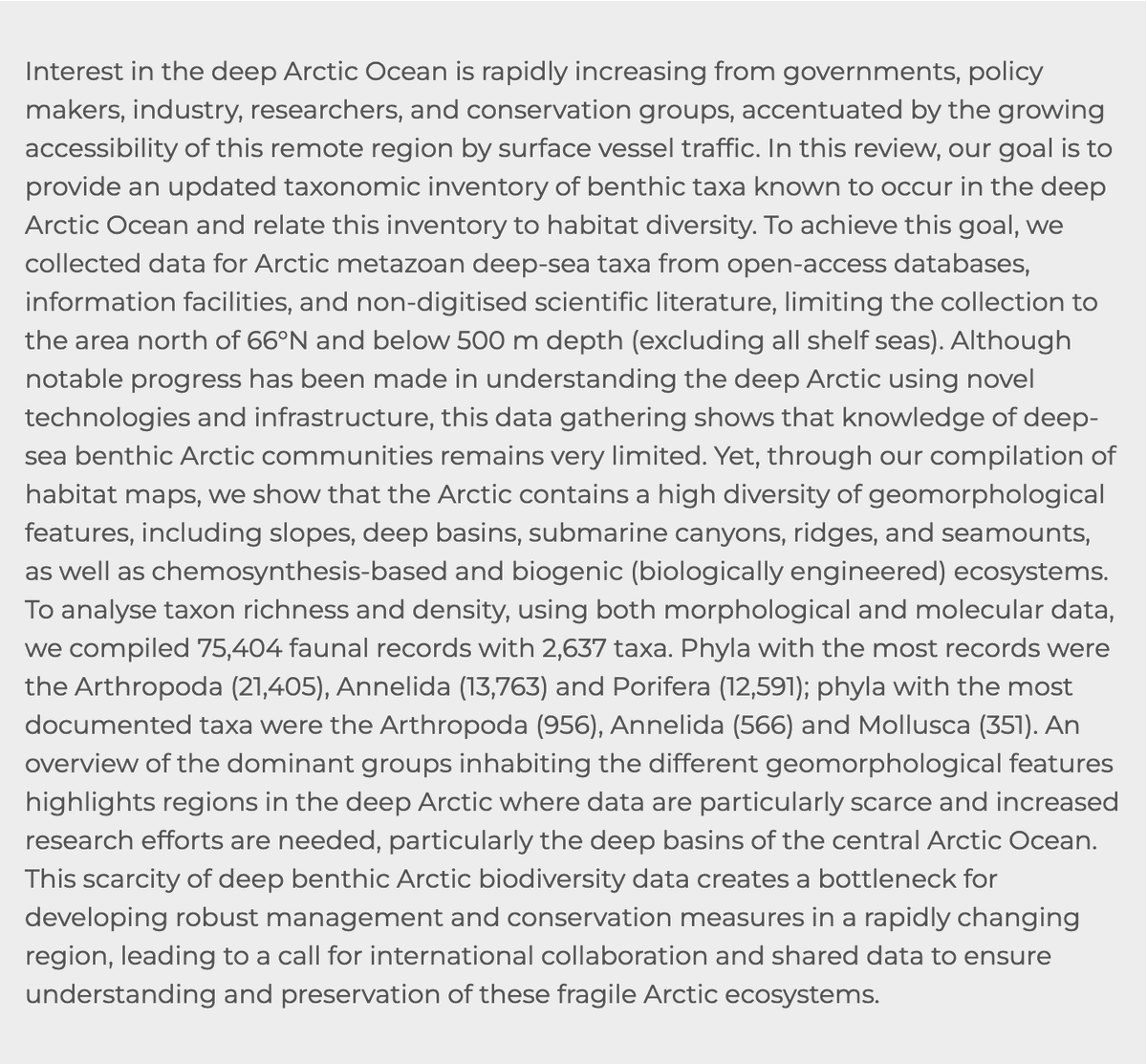
🚨 New Ocean Science review article: The emerging picture of a diverse deep #Arctic Ocean seafloor: From habitats to ecosystems doi.org/10.1525/elementa.202…
ALT Interest in the deep Arctic Ocean is rapidly increasing from governments, policy makers, industry, researchers, and conservation groups, accentuated by the growing accessibility of this remote region by surface vessel traffic. In this review, our goal is to provide an updated taxonomic inventory of benthic taxa known to occur in the deep Arctic Ocean and relate this inventory to habitat diversity. To achieve this goal, we collected data for Arctic metazoan deep-sea taxa from open-access databases, information facilities, and non-digitised scientific literature, limiting the collection to the area north of 66°N and below 500 m depth (excluding all shelf seas). Although notable progress has been made in understanding the deep Arctic using novel technologies and infrastructure, this data gathering shows that knowledge of deep-sea benthic Arctic communities remains very limited. Yet, through our compilation of habitat maps, we show that the Arctic contains a high diversity...
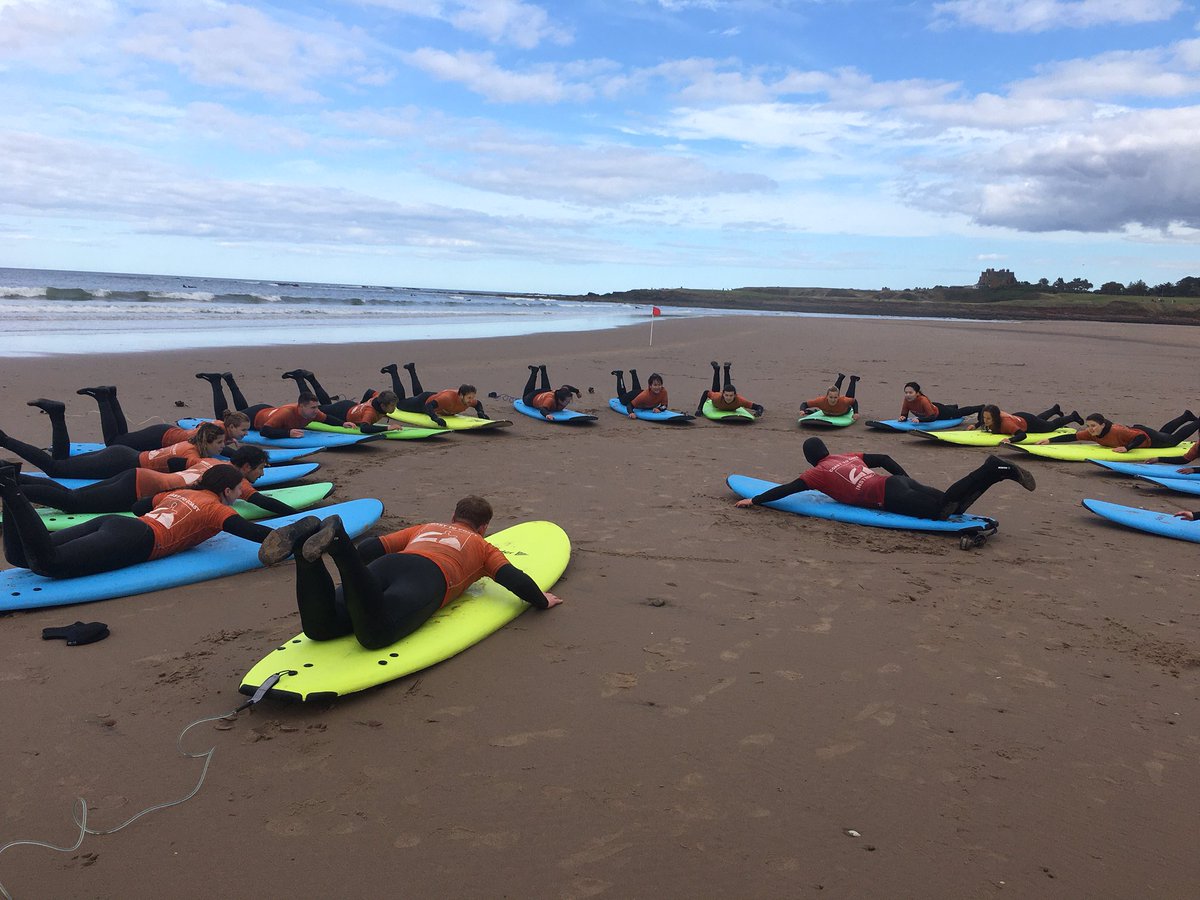
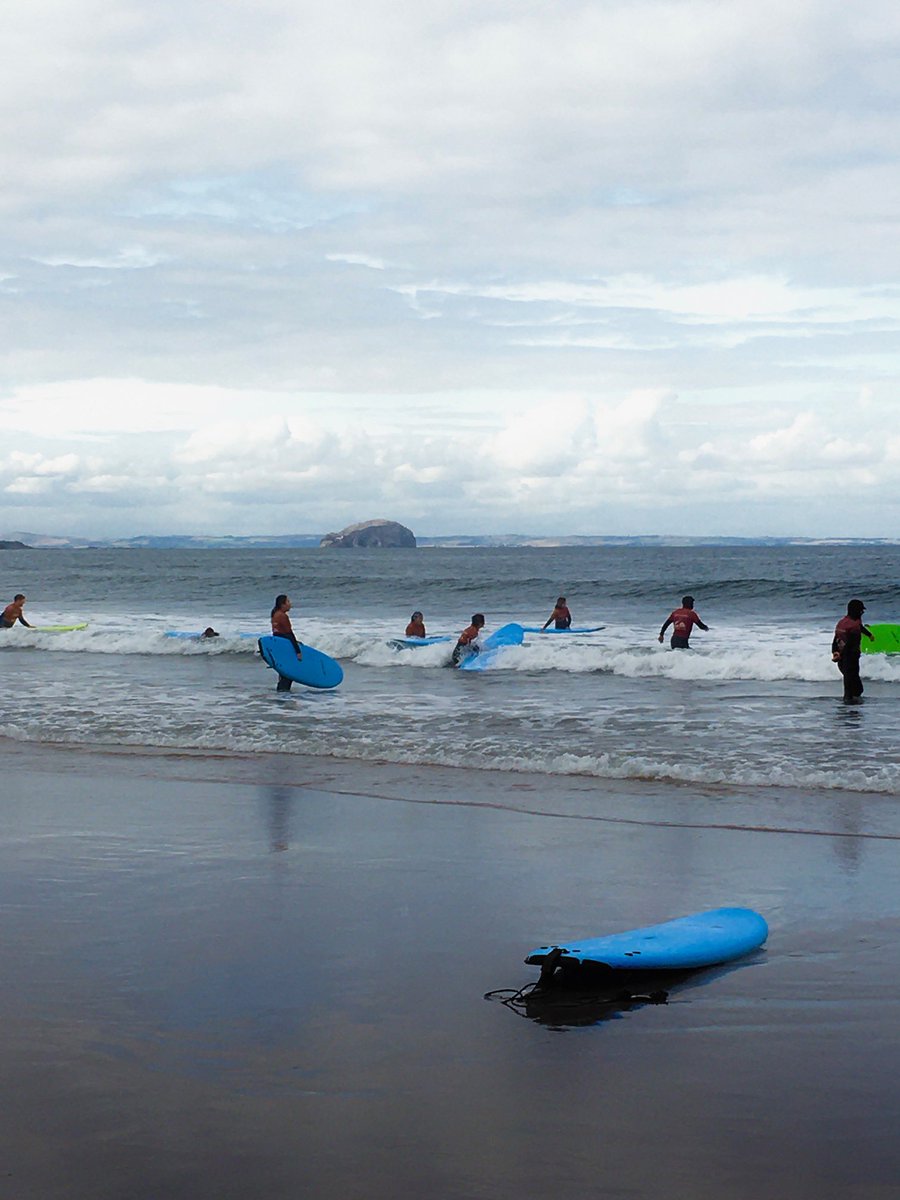
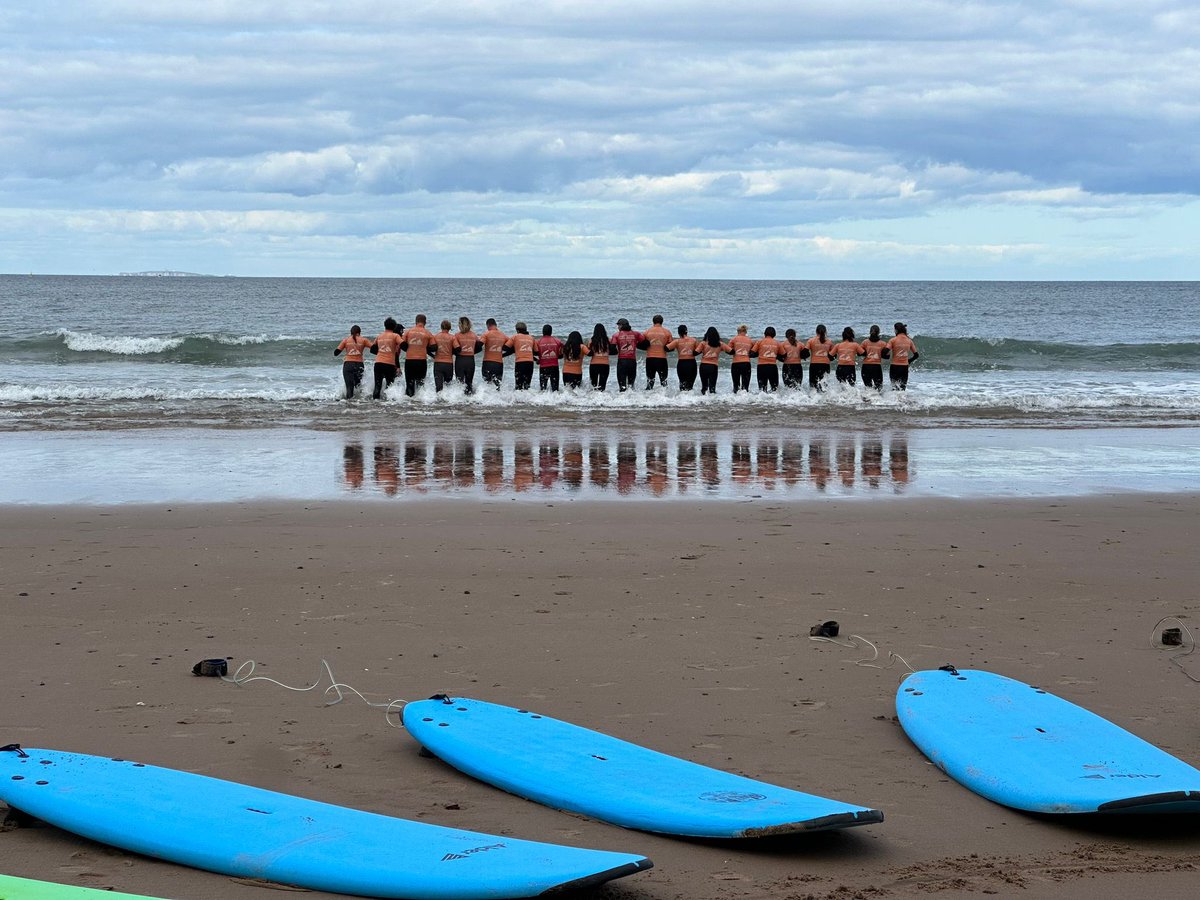
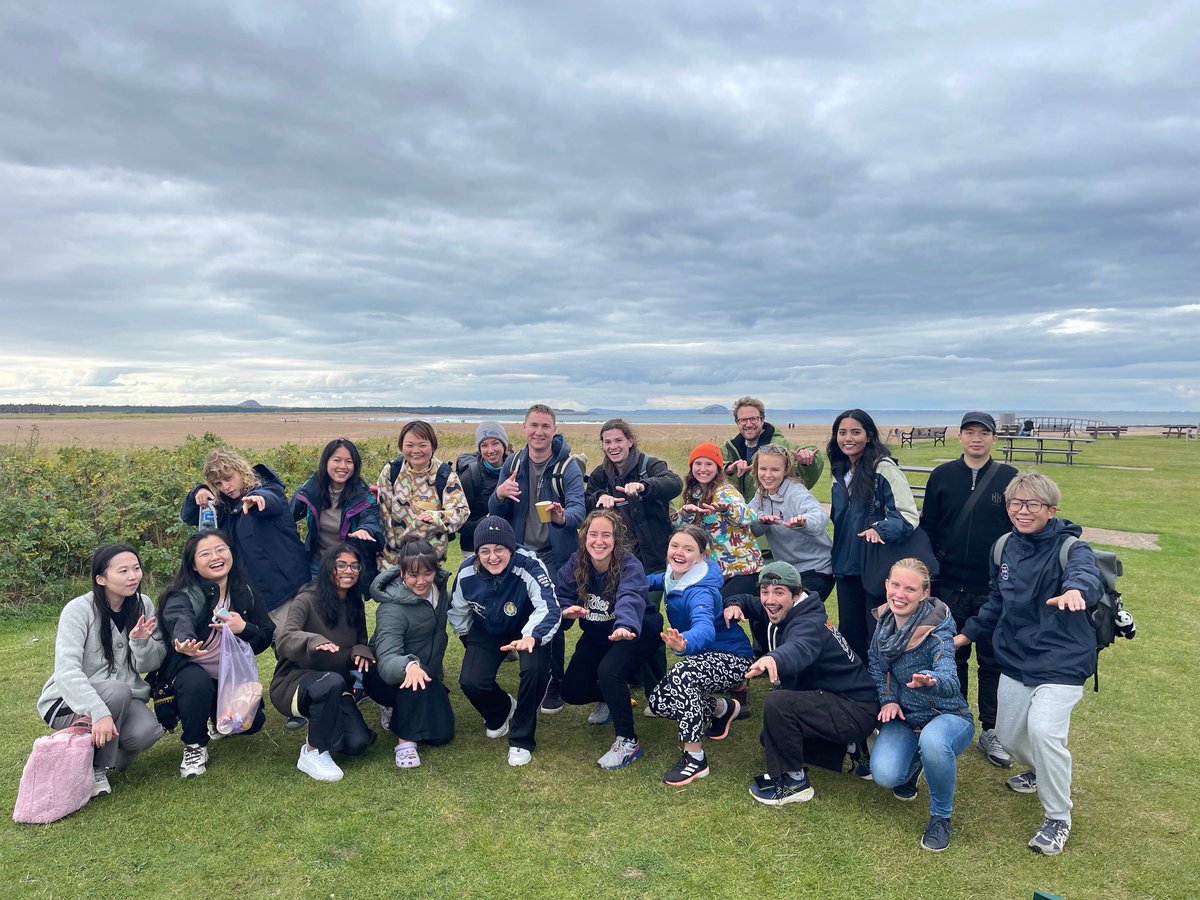
The pod headed out to Belhaven Beach during welcome week for a swim and a surf🌊🏄♀️Thanks to Coast to Coast Surf School for the warm welcome and Lea-Anne for the warm drinks!
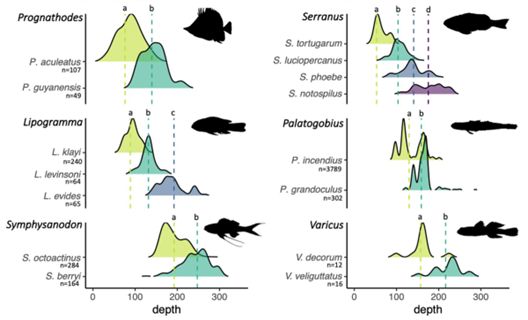
New research on Caribbean deep-reef fishes! 🌊
Over 10 years, 38 new species were discovered, and 4 distinct communities identified between 40-300m. This study sheds light on how depth drives fish diversity across reefs.
Dive into the details here buff.ly/3Xslvxq
🌊 Dive into the Latest #DeepSeaRoundUp!
Explore microplastics, deep-sea canyons, eels, and a message from Digital DEPTH in the Pacific. Read it here buff.ly/4e9FLcv
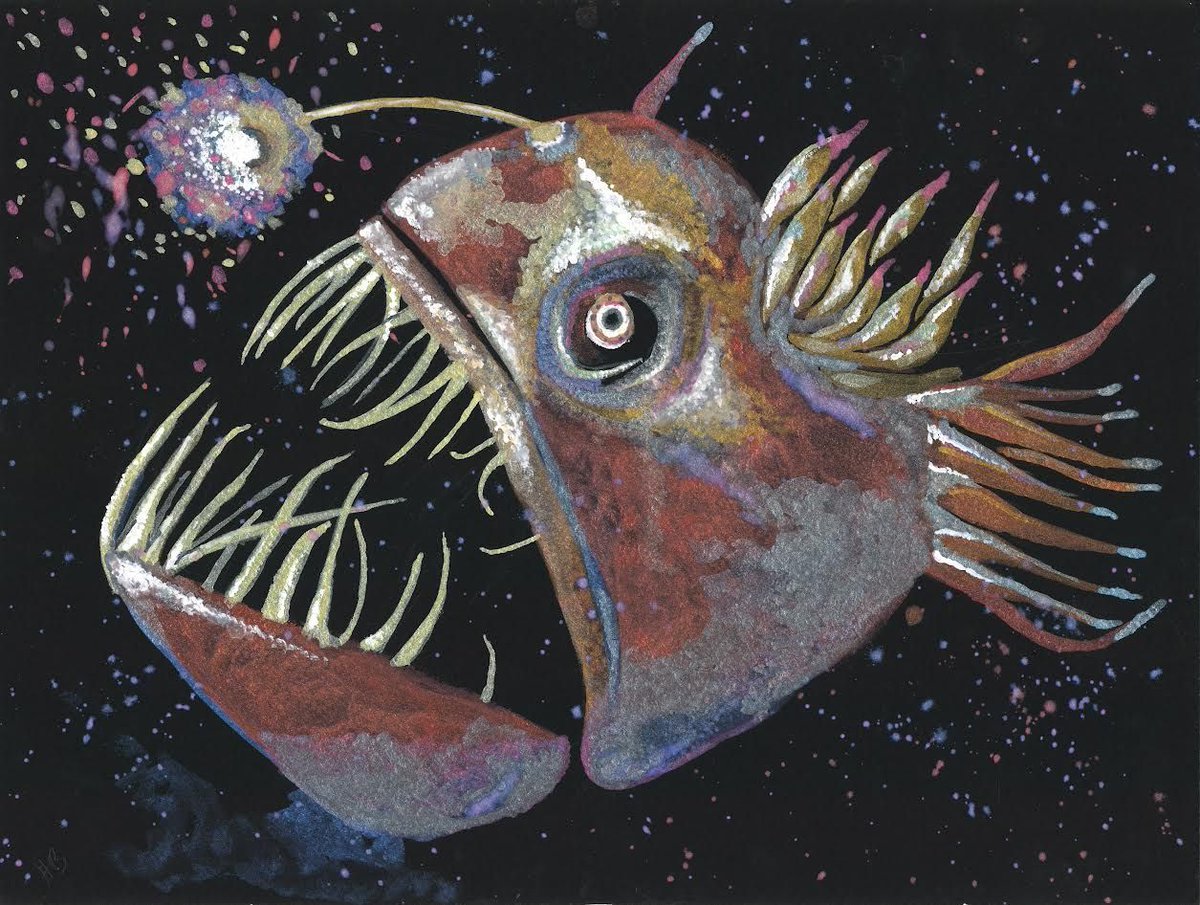
📸🎨 Dr. Hayley Brazier's stunning watercolor of the Pacific footballfish: buff.ly/3MvuzeI
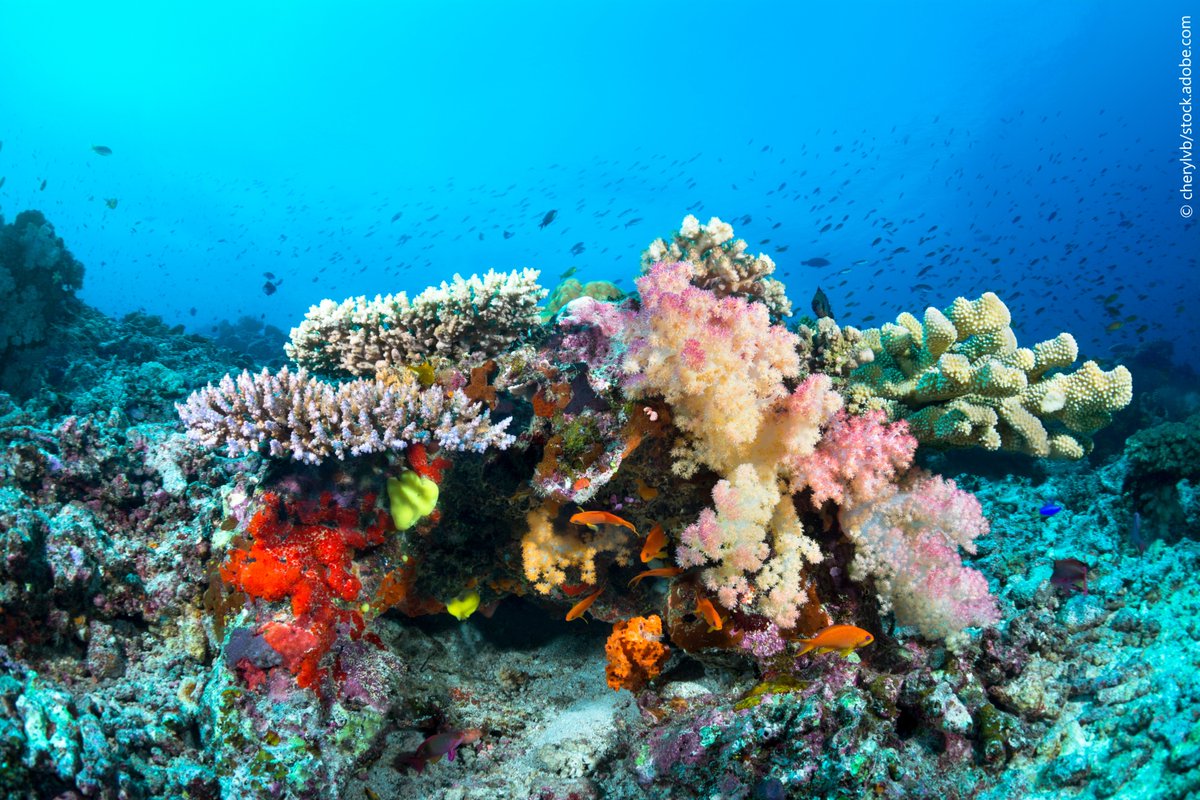
How will corals in the depths of the oceans fare in the future? 🌊
Evidence from the last major global warming event thousands of years ago gives scientists a hint. 👉 europa.eu/!C6pXmM@iAtlanticEU | @eu_atlas
As the @iAtlanticEU project has now finished, we are delighted to share all of our scientific reports (deliverables) on our website: iatlantic.eu/our-work/delive… - thank you to the numerous authors for contributions!
New paper alert - delighted to see this out and have contributed! Paper is looking at spatial variability of floating microplastics in Svalbard fjords. sciencedirect.com/science/ar…
We recently joined the NG Explorer in Iceland to collect data for our Scars from Above project through the @LindbladExp Visiting Scientists program.
A huge thank you to the staff and crew onboard the Explorer - your support and kindness during the voyage made our work possible.
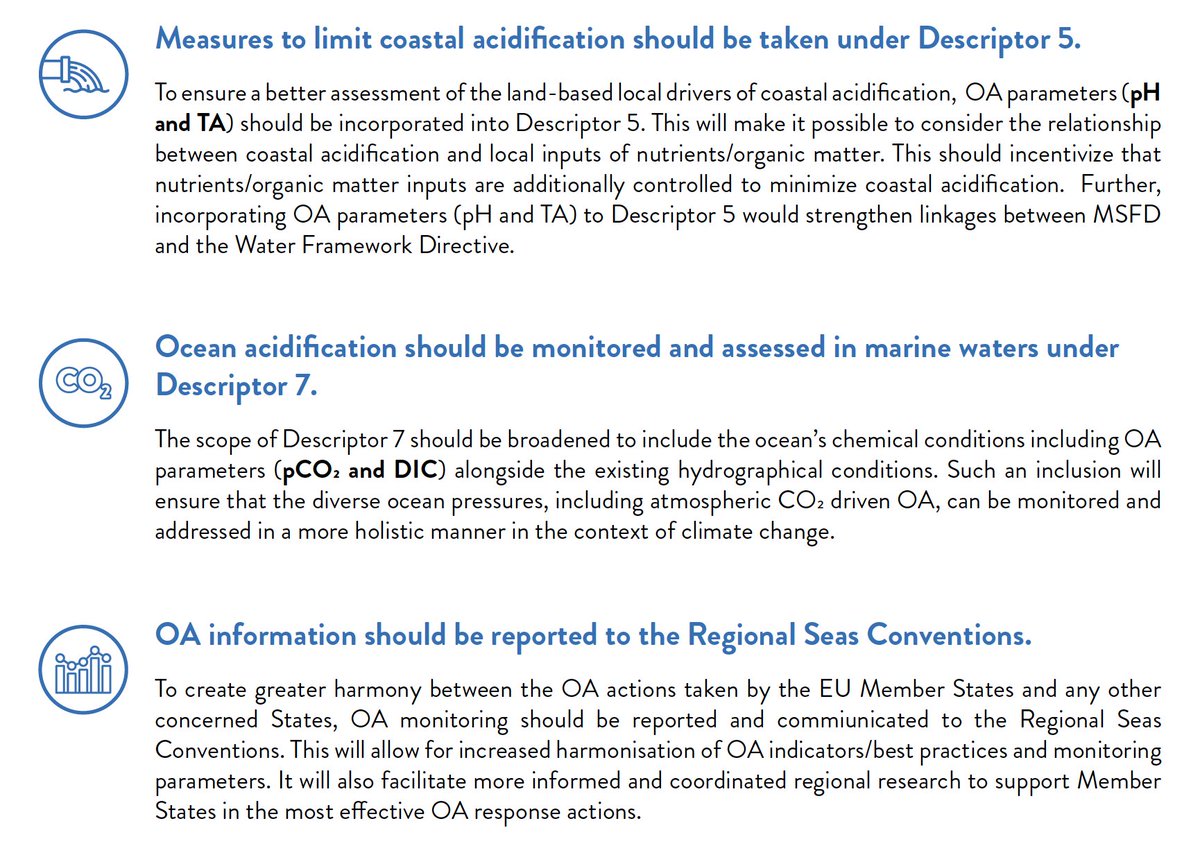
NE Atlantic and Mediterranean #oceanacidification hubs publish new @OA_Alliance briefing on ocean & coastal acidification across the EU's Marine Strategy Framework Directive.
3 key recommendations: