
Music Freak / Hustler / Politics Junkie
Joined November 2011
- Tweets 31,653
- Following 688
- Followers 1,517
- Likes 75,033
10,259 Photos and videos




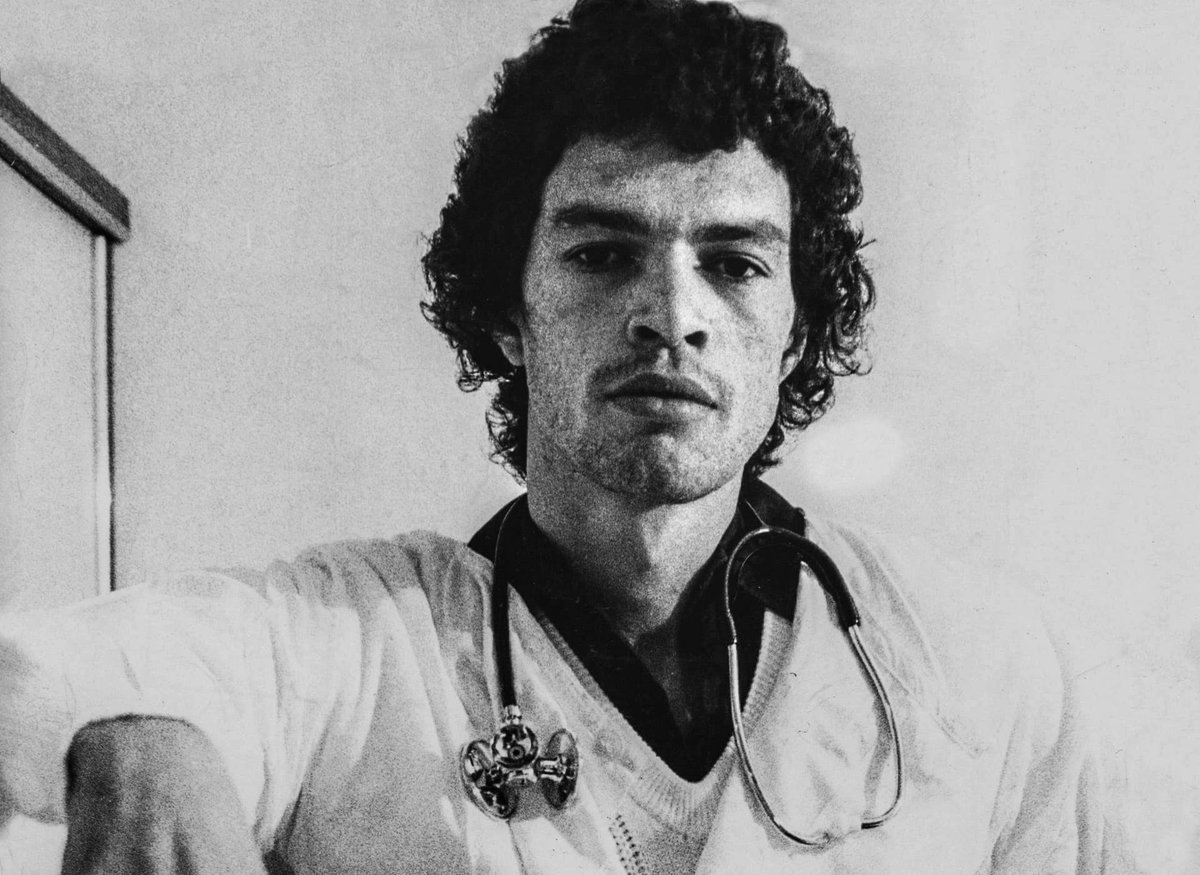

Aside from Jesus Christ, Che Guevara is the greatest man to ever live.

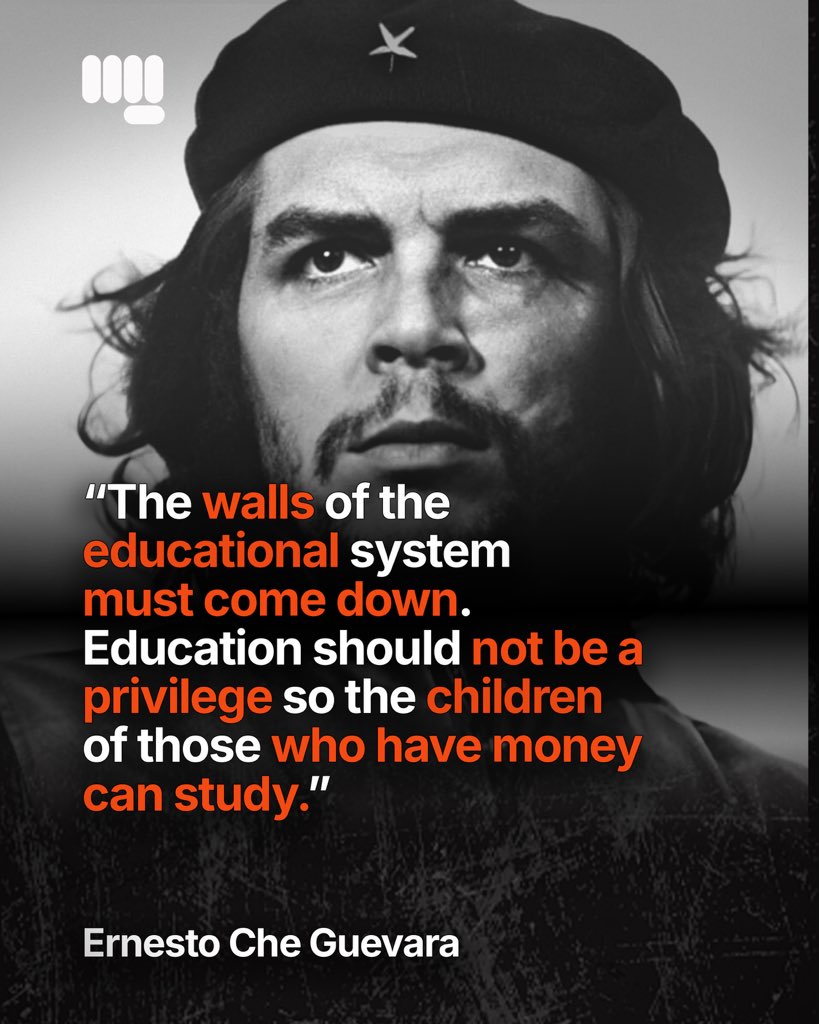
Education has long been a cornerstone of the Cuban Revolution, and universal education is one of its most successful goals. In 1961, Cuba carried out a mass literacy campaign, targeting the rural countryside. Illiteracy declined from 23% to 3.9% that year alone.
Today, despite a 66-year-long US blockade of Cuba, the country allots about 14% of its national budget to education. According to the World Bank, Cuba had a 98% literacy rate as of 2021, and according to UNICEF, a 100% primary school completion rate.
Education is completely free in Cuba, even to the highest level. This means that in addition to primary and secondary school, university education, postgraduate studies, medical school, and all other fields of study are accessible to Cubans at no charge.
According to the U.S. Department of Education, 79 per cent of adults in the United States had sufficient English literacy skills as of 2019. This means that one in five adults in the United States lacks these skills. In September 2025, the Nation’s Report Card revealed that reading scores for high school seniors dropped to the lowest average since 1992, signalling that literacy rates are falling. Reports state that even in the United States' top Ivy League Universities, current students struggle tremendously to read just a single book. Meanwhile, in other schools, some university students struggle to read just a single sentence. Professors at the University of California system are expressing frustration that their students lack basic middle-school math skills.
While the United States has long targeted Cuba and its socialist system, it seems that the island country's dedication to investing in accessible educational opportunities for every citizen has generated results superior to those of the capitalist United States, despite the fact that the latter has a much larger economy and more global power.
2
31
Jason A. 🔻 retweeted

Jun 14
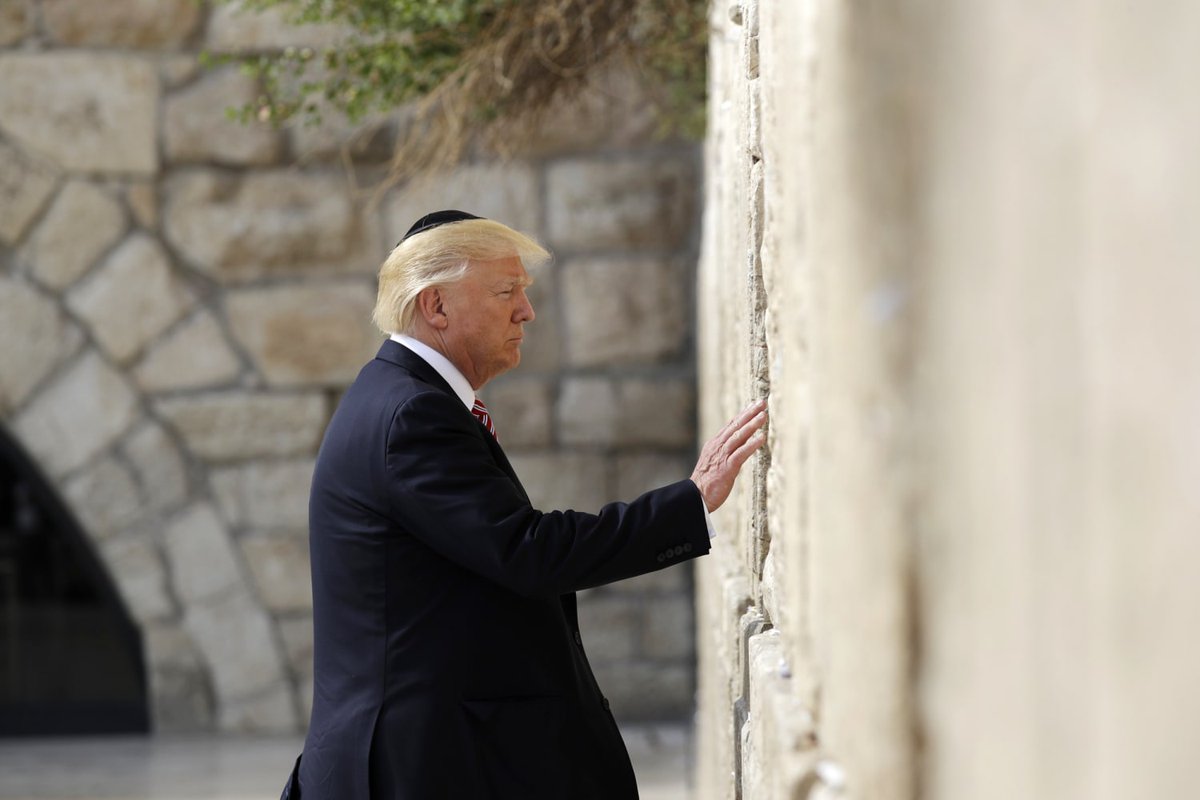
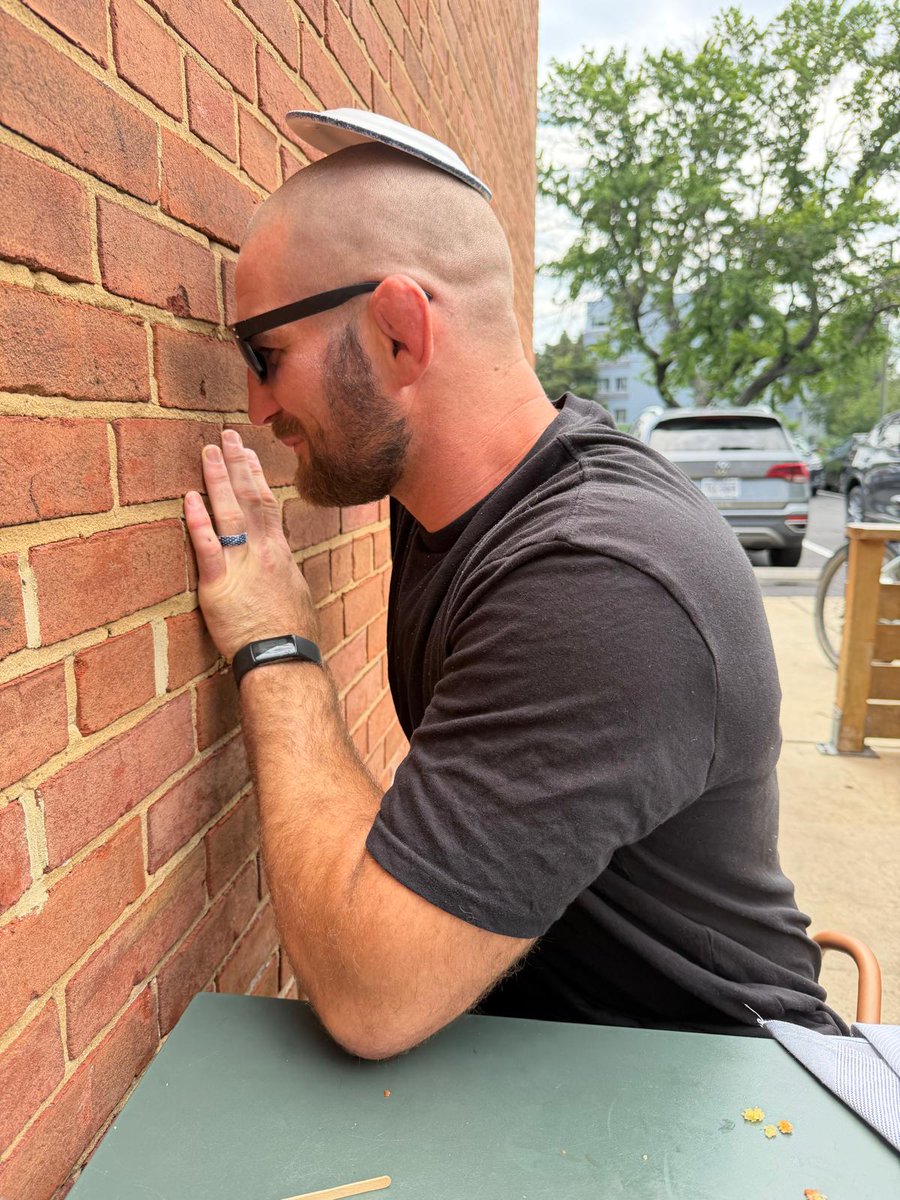
Who did it better?
2,036
10,881
161,575
4,203,998

Jun 14
The clear zio-strategy is for you to hate Muslims so much that you'll be indifferent to Israel's perpetual genocide(s) and their Greater Israel project. This is Pax Judaica in action - don't get played by Satan.
Jun 12

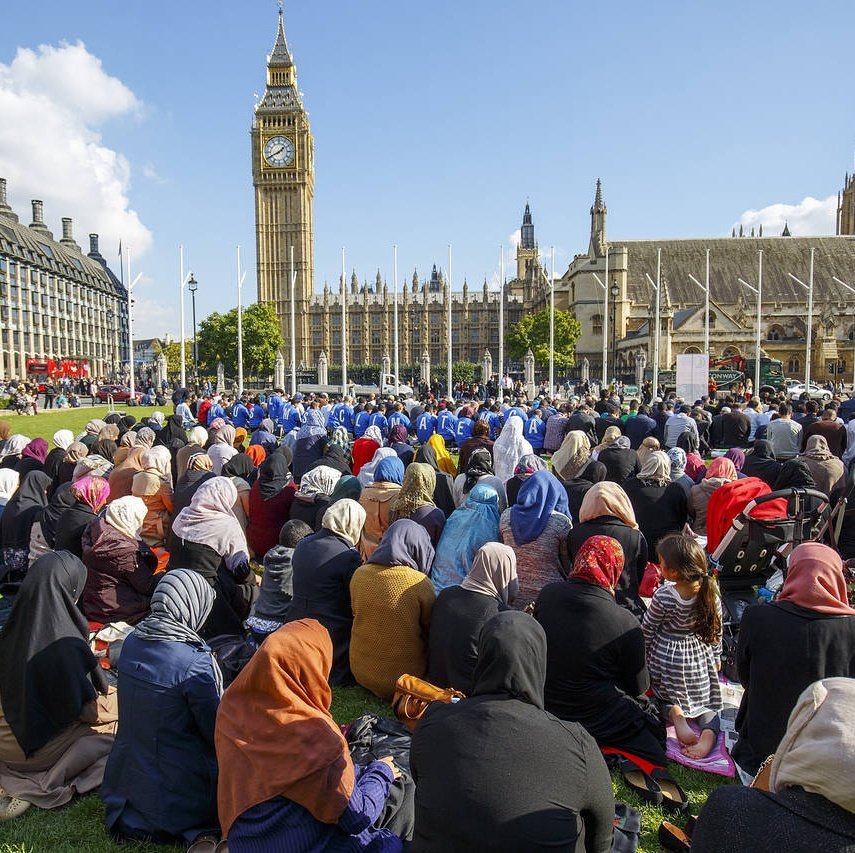
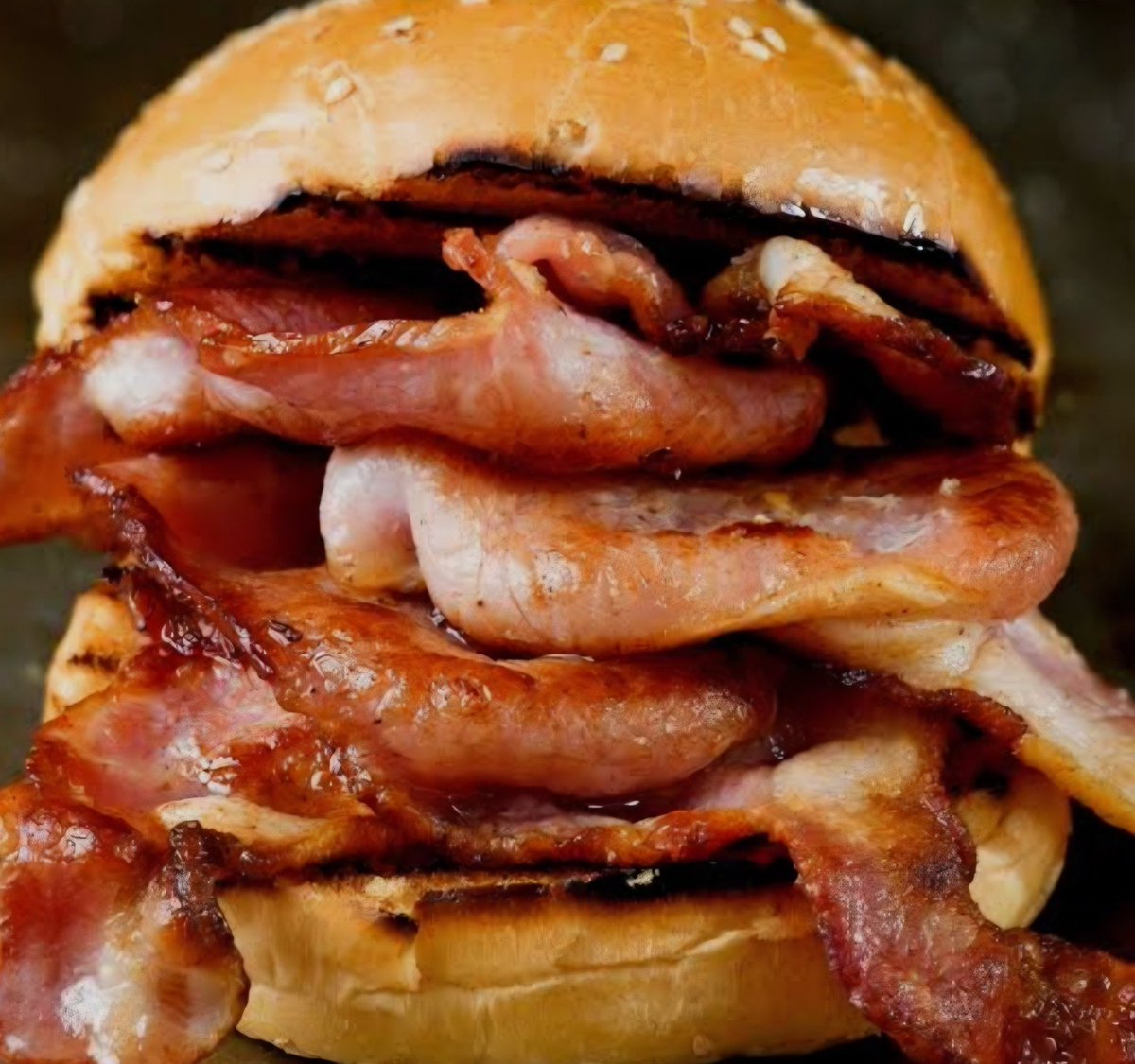
Muslims in the UK are calling for a BAN of people eating Bacon in public during Praying hours.
They argue that seeing people eating Bacon is untidy to their faith.
What's your message to them?
Community note
This is a complete fabrication. Muslims have not called for Bacon to be banned.
reuters.com/fact-check/no-…
3
83
Jason A. 🔻 retweeted

Not including services as part of a ban on trade with Israel is a shameful decision by government on #OccupiedTerritoriesBill.
Spain has successfully included both goods and services in its trade ban with Israel, so why can't we?
It is not a question of legality, it is a lack of political will. Shame on them.
32
97
189
5,982
Jason A. 🔻 retweeted

Jun 13
How many protesters were there today?
6
6
64
1,422
Jason A. 🔻 retweeted

Jun 13
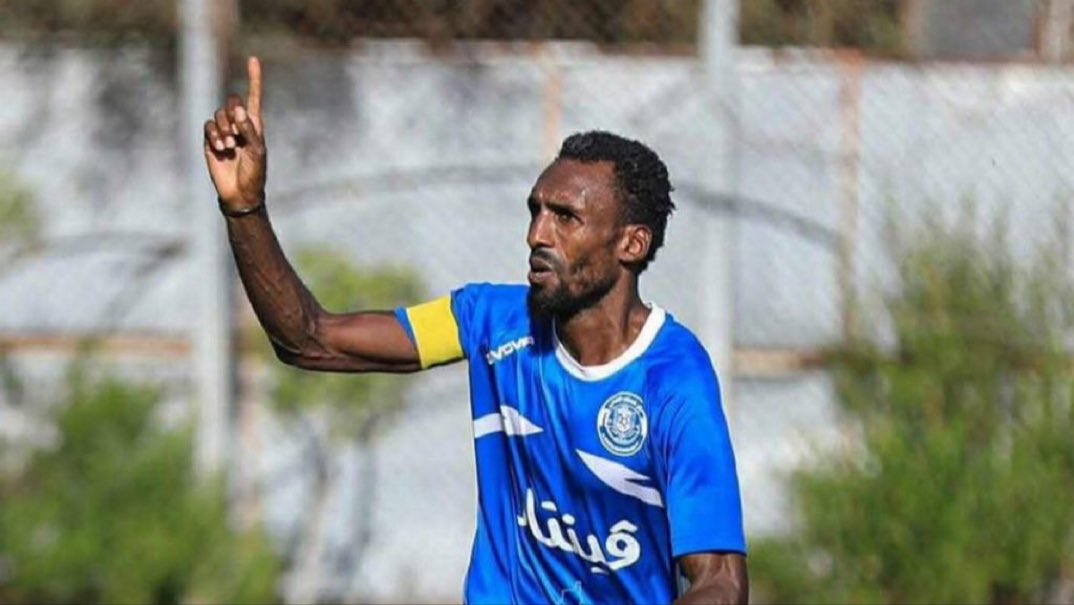
Suleiman Obeid, known as the “Pelé of Palestine,” was killed by an Israeli tank while standing in line trying to secure food for his five children.
266
13,276
35,307
362,412
Jason A. 🔻 retweeted

Damon Wayans on how they use the rich in our community to downplay racism (1990) Still true today.
34
824
3,155
64,776
Jun 12
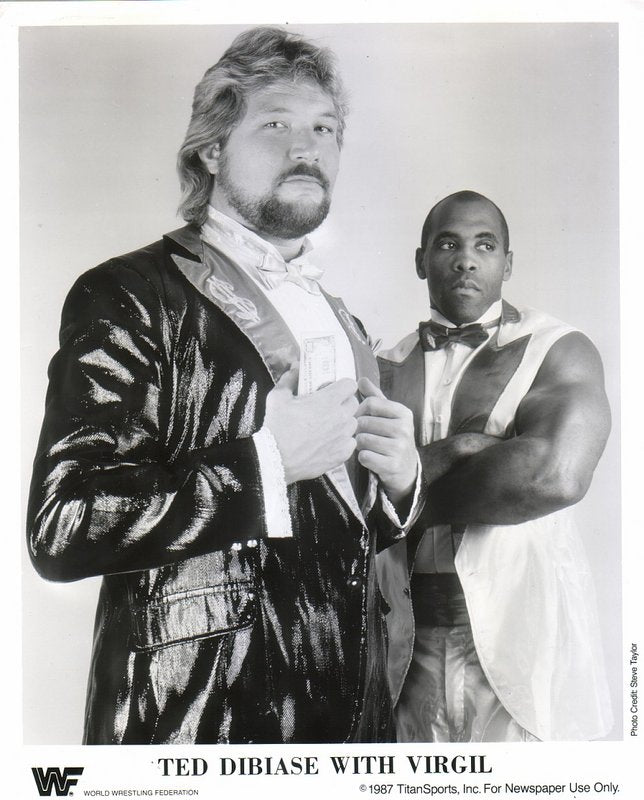
There are 100s of people you've never heard of that are infinitely more wealthy than zio-geek Musk. He's essentially Ted DiBiase, the Million Dollar Man of the Epstein-class.

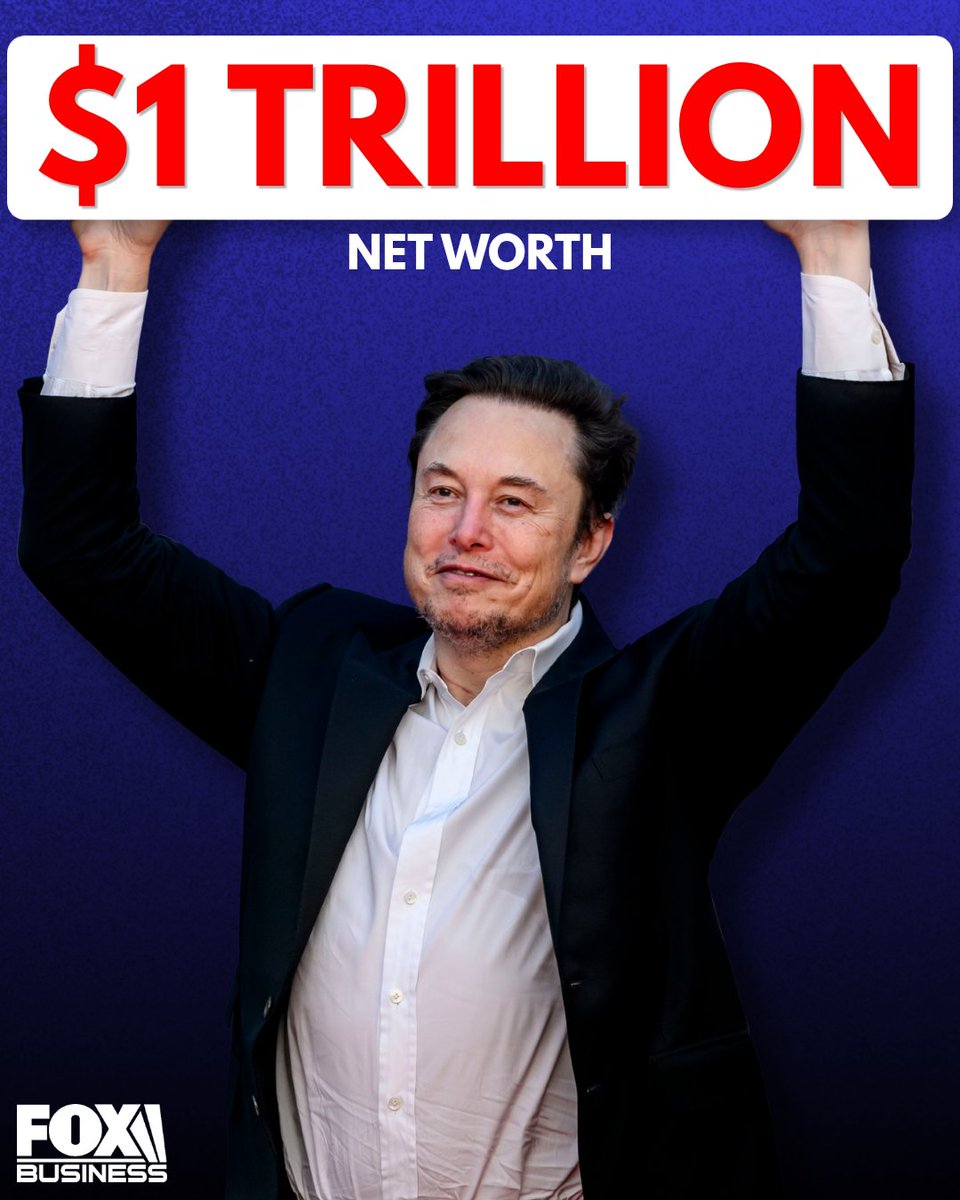
BREAKING: Elon Musk has become the world's first trillionaire.
After SpaceX raised a record $75 billion in its IPO, Musk’s net worth shot up to top $1.1 trillion when the stock began trading Friday, putting him in an economic class of his own.
Combined with his holdings in electric vehicle maker Tesla, as well as other investments and assets, Musk's net worth is now estimated at about $1.1 trillion.
Musk's stake in the rocket and satellite company alone is now estimated at a staggering $690 billion, but it's also a life-changing moment for thousands of workers at the company who hold equity.
Investors who watched Musk help turn Tesla into an automotive giant are now betting he can do the same in space and artificial intelligence, as SpaceX launches the largest IPO in history.
90
Jason A. 🔻 retweeted

Jun 11
Attack on Cuba's CUPET is straight from 1960 State Dept "Mallory" playbook: a secret memo admitting the goal was "economic dissatisfaction & hardship" to "bring about hunger, desperation & overthrow" of the Cuban revolution. Same imperialist policy. Failed then & will fail now!🇨🇺
Jun 11

Today, I am sanctioning Cuba’s state-owned energy company, Unión Cuba-Petróleo (CUPET), under President Trump’s EO 14404. Cuba’s Communist elites have weaponized energy as a tool of social control and kleptocratic profit.
For decades, the regime has stolen and hoarded available fuel — using it for the Castros’ private jet, the security services forces used to repress the Cuban people, to keep empty tourist hotels lit up, and to bus people in for fake protests and political stunts — all while the Cuban people have suffered blackouts and waited weeks to fill their cars.
President Trump wants a new future for the Cuban people with greater economic and political freedom and opportunity. Until then, we will continue to target the Communist regime’s ability to leverage its energy trade to further its corrupt agenda and violently repress the Cuban people.
2
14
36
1,417
Jun 11
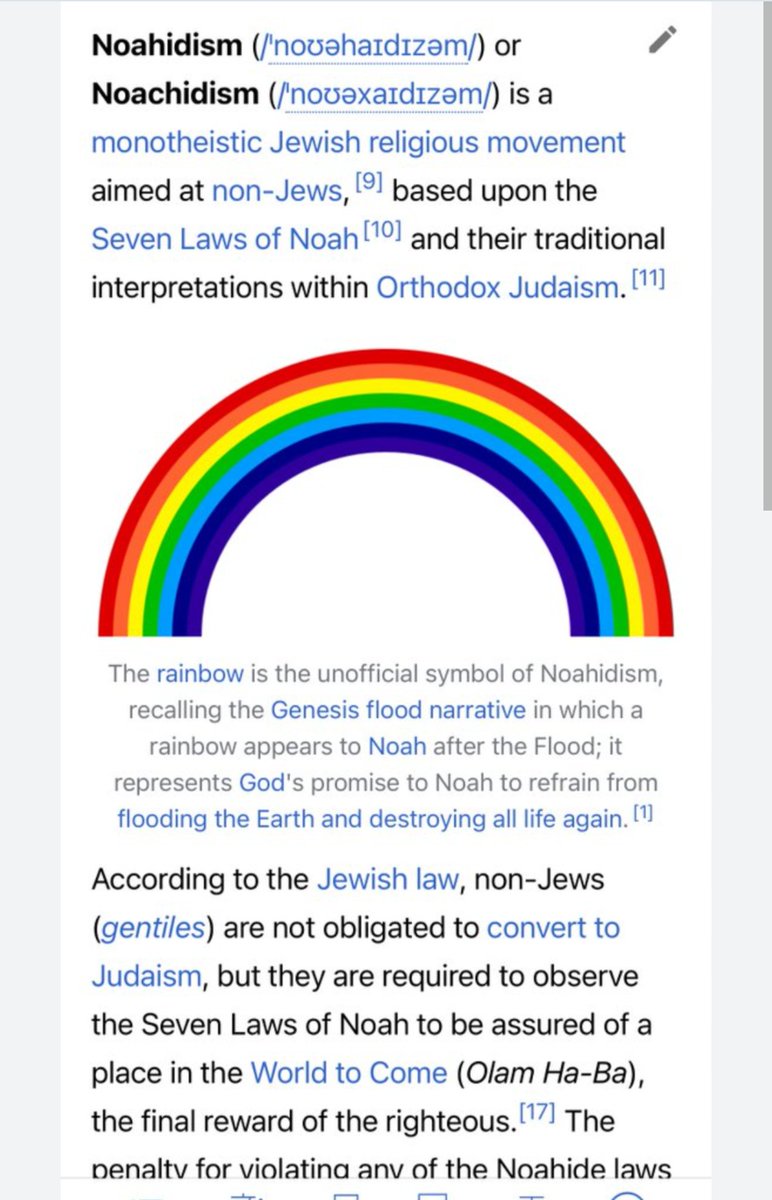
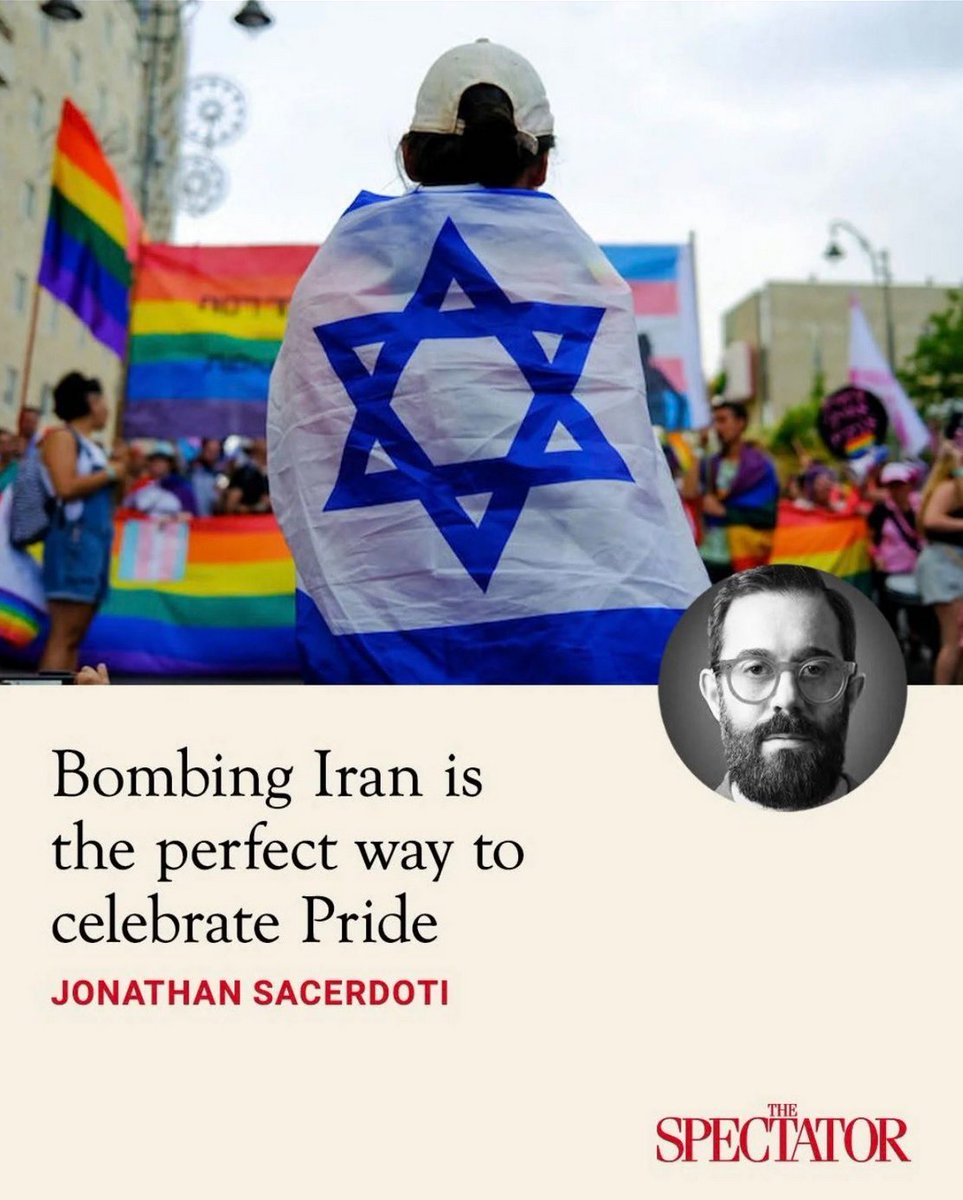
Whilst also ushering in their satanic Noahide Laws for the goy.
Take note.

1
109
Jason A. 🔻 retweeted

Ireland must not play Israel in the UEFA nations league.
#StopTheGame #StopAnCluiche
28
112
245
4,340
Jun 10
Identity Politics has absolutely castrated The Left. We need to wind back to 1959.
May 3

Gentle reminder that class must lead, whilst identity follows.
1
51
Jun 9
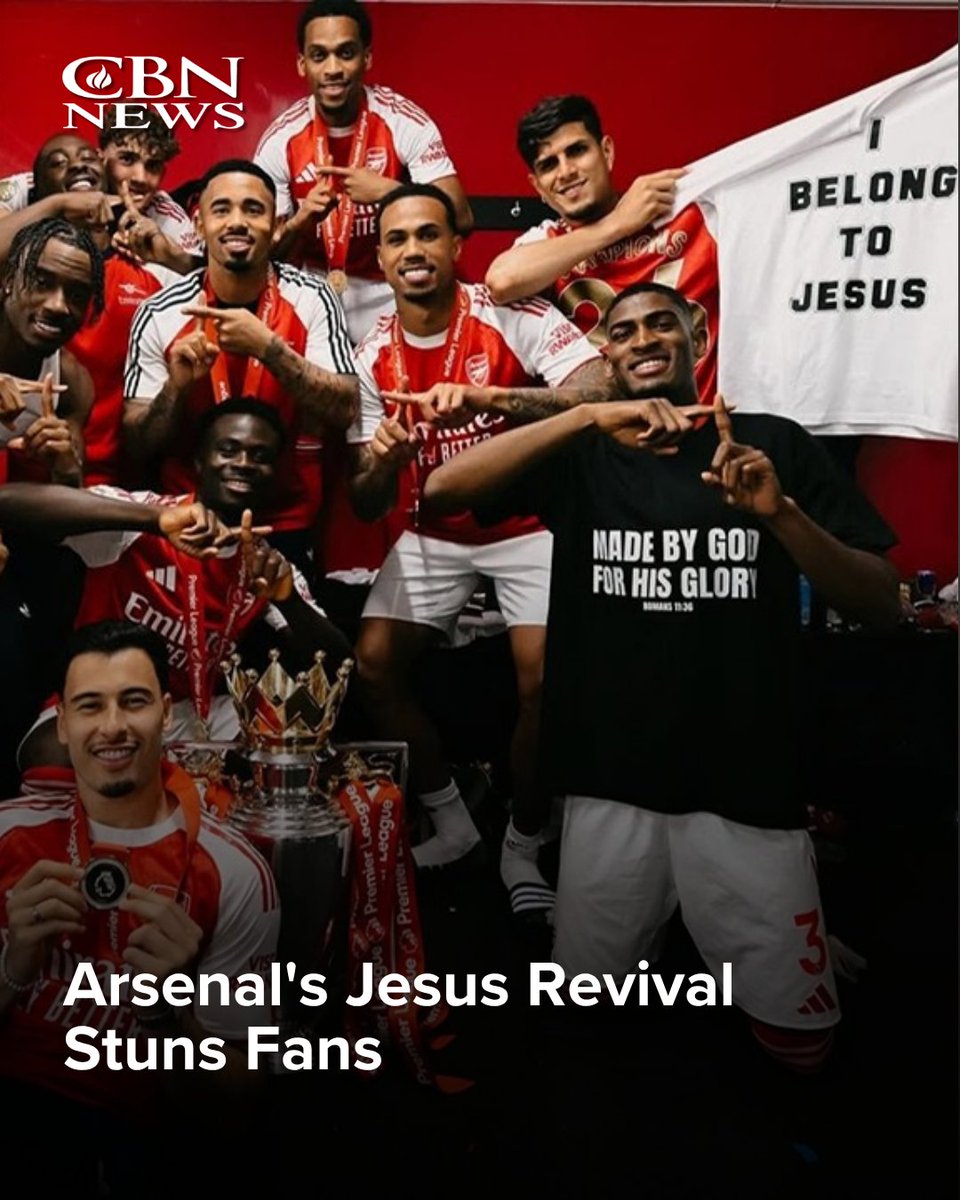
The MSM hatred towards Arsenal F.C. now makes total sense.

Arsenal, the champions of the English Premier League, are experiencing a not-so-quiet Jesus revival. Our British expert, Stephen Briggs, joins us to unpack this surprising move of God.
WATCH: youtube.com/watch?v=IrkoTka6…
1
60
Jason A. 🔻 retweeted

59 years ago today, Israel attacked the USS Liberty in international waters. 34 crew members were killed and 174 were wounded by the IDF.
Today, I spoke on the House floor to honor the fallen and to recognize the survivors who were present in the gallery.
3,342
23,795
98,160
2,060,311
Jason A. 🔻 retweeted

REMINDER: Israel is a terrorist state.
34
396
2,861
66,553