I love my family, sports, and music. UNCW 1991 & 2008. Former principal at Bellamy Elem (2014-2024) & current principal at Masonboro Elementary.
Joined June 2009
- Tweets 2,379
- Following 768
- Followers 424
- Likes 17,669
727 Photos and videos









Pinned Tweet

7 Jun 2018
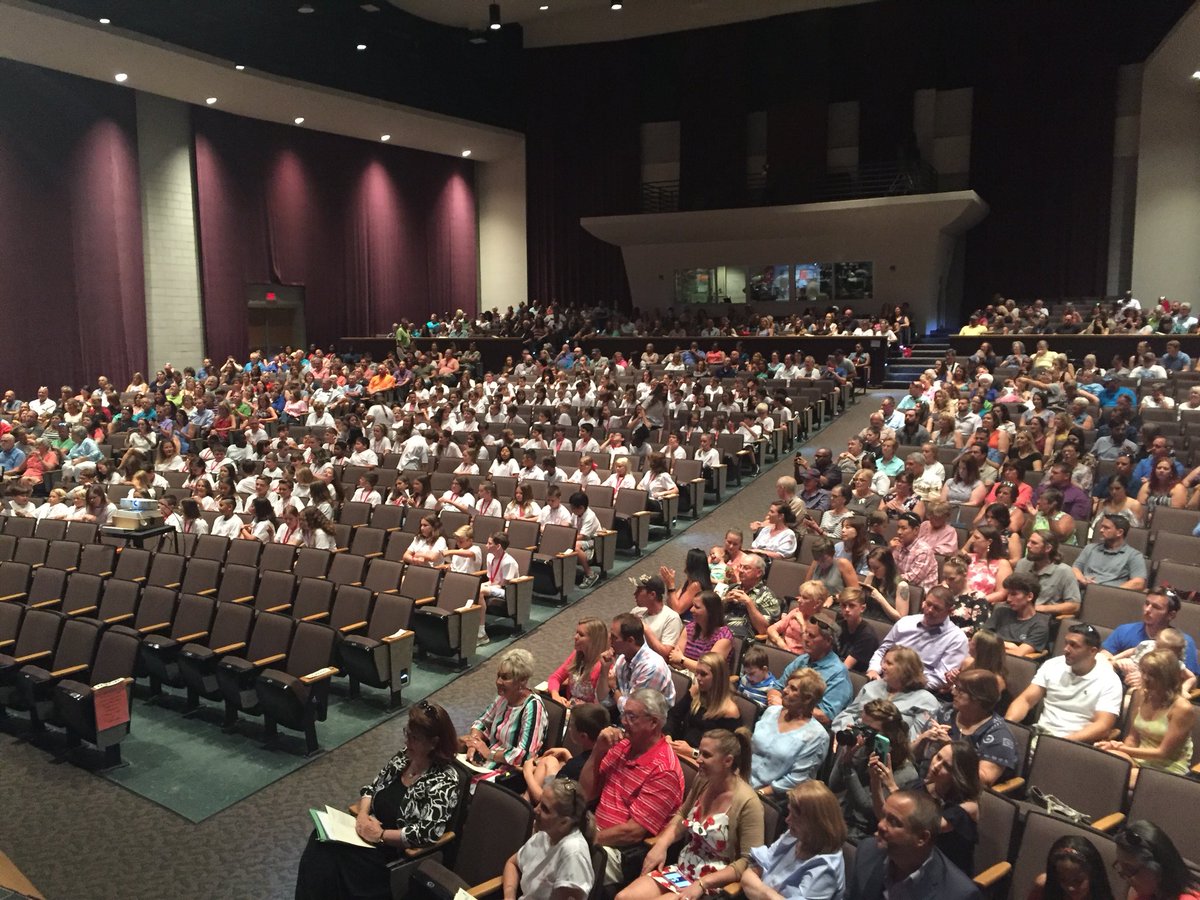
When you have almost 170 5th graders at a promotion ceremony!! Thank you to @psutton729 for welcoming us to Minnie Evans Arts Center today. @JannaLennon @HCBellamyPTA
1
20
JB Kilpatrick retweeted

Mar 20
What’s your all-time favorite college basketball team? I’ve got 1983 NC State. If you remember the ultimate Cinderella run those kids went on, you damn sure know why. Jimmy V forever.
314
182
2,297
145,005
JB Kilpatrick retweeted
I liked the world better when the news came on for 30 minutes and then we did other shit for 23 1/2 hours. Now it follows you around all day like a hobo begging for change.
303
1,946
20,342
435,595
JB Kilpatrick retweeted

Feb 22
STICK SAVE AND A BEAUTY
WHAT THE HELLEBUYCK
52
521
11,757
528,924

JB Kilpatrick retweeted

14 Dec 2025
Did you watch this as a child?
364
355
4,684
55,430
JB Kilpatrick retweeted

14 Dec 2025
JUST IN: Indiana quarterback Fernando Mendoza honors his mother during his speech after winning the Heisman Trophy.
Mendoza’s mother suffers from Multiple Sclerosis (MS).
“Mom, this is your trophy as much as it is mine. You've always been my biggest fan … Your sacrifices, courage, love...”
“Those have been my first playbook and the playbook that I'm gonna carry by my side, through my entire life...”
458
3,804
49,364
1,348,189
JB Kilpatrick retweeted

4 Dec 2025
I could watch this all day
28
281
1,447
92,147


JB Kilpatrick retweeted

6 Nov 2025
You know what's bothering me for no reason?
Up until 1080p, we referred to video resolutions by their VERTICAL RESOLUTION
426x240 = "240p"
854x480 = "480p"
1280x720 = "720p"
1920x1080 = "1080p"
But then above that, we started using HORIZONTAL resolution, but rounded
7680x4230 = "8K"
3840x2160 = "4K"
And then for everything in between, we just... threw that out?
2560x1440 = "2K" ?????????
2772x1272 = "1.5K" ????????
1,429
2,991
62,701
4,586,349
19 Sep 2025
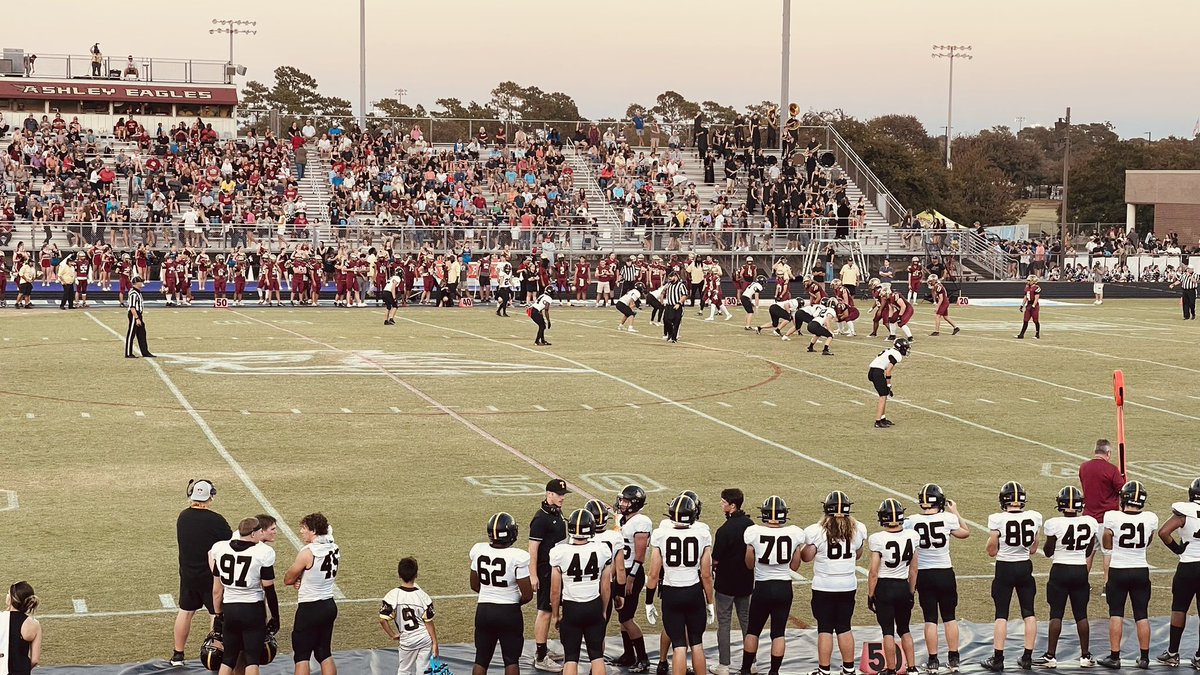
Mrs. Blackburn is guiding 2nd graders through some questions to determine understanding of the book “The Little Yellow Leaf.” @NewHanoverCoSch
23
19 Sep 2025
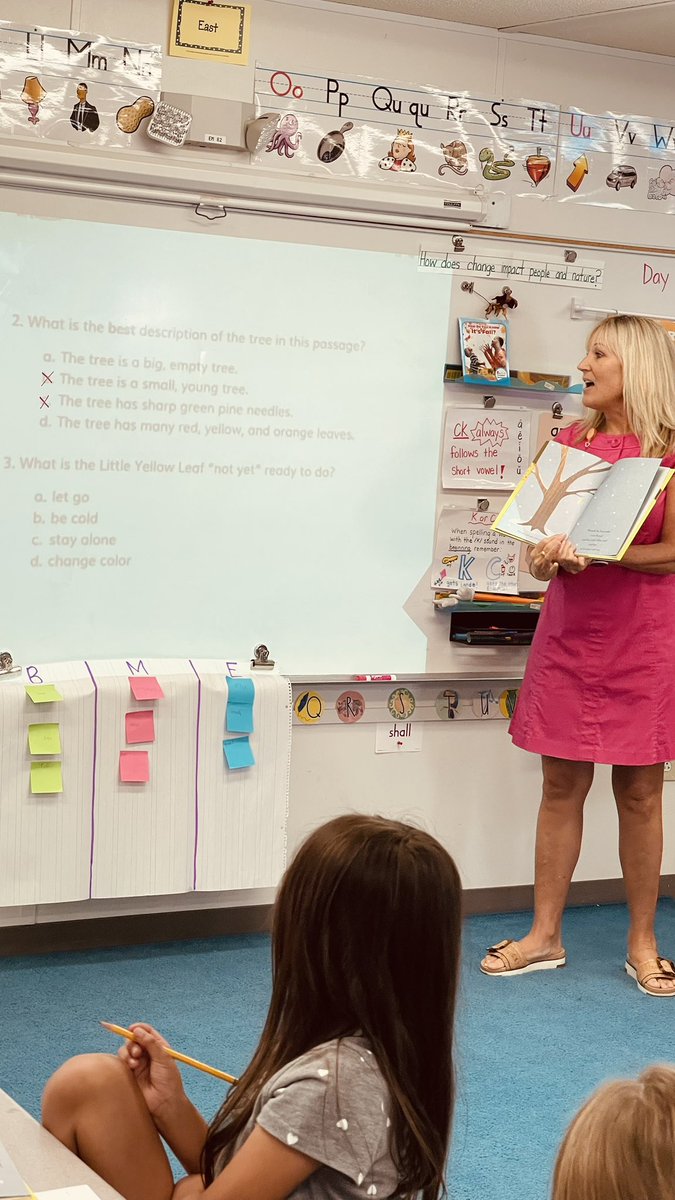
Students in Mrs. Senger’s class are working on determining the central message in 2nd grade this morning. @NewHanoverCoSch
24
JB Kilpatrick retweeted

23 Mar 2025
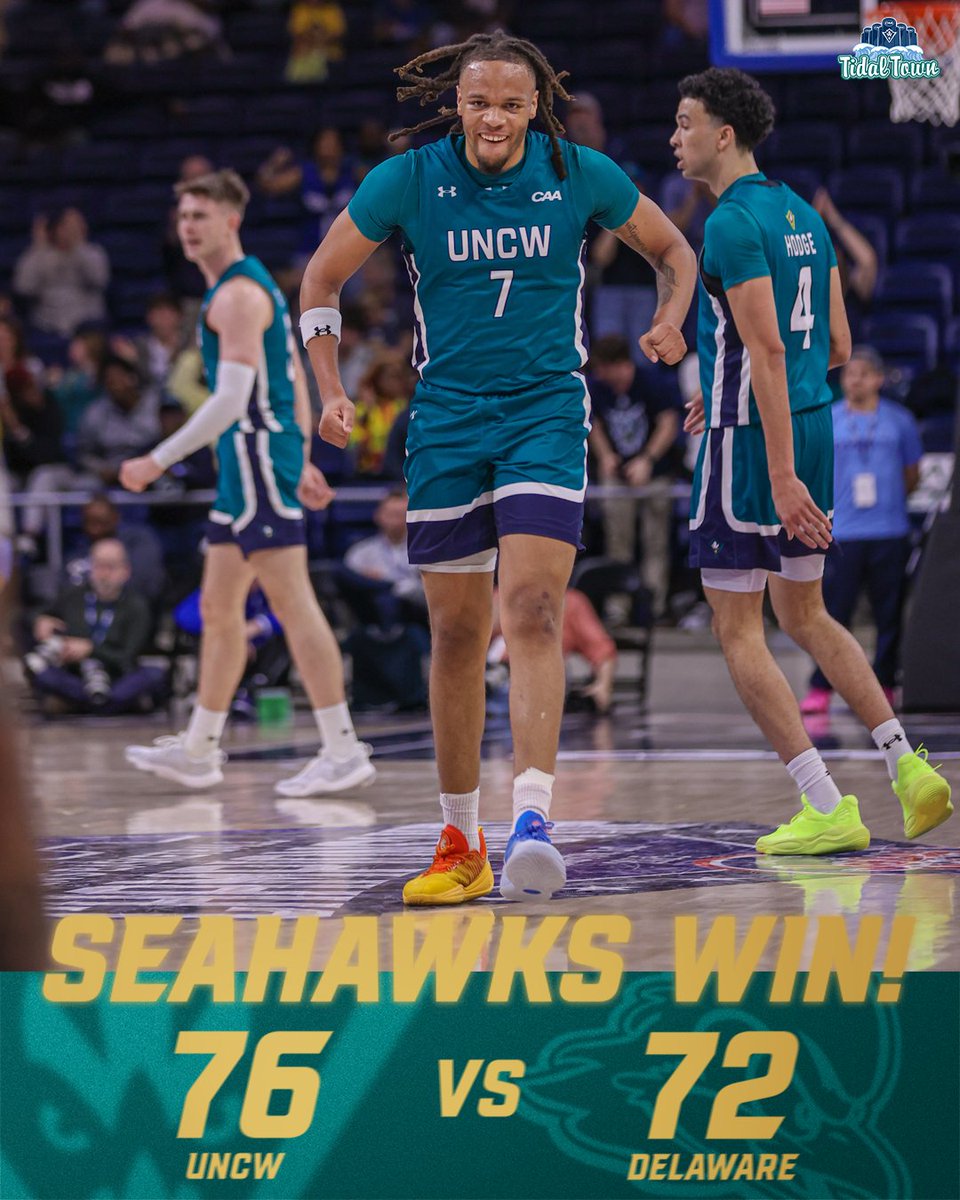
SWEET 16!!!!!

DUKE ROUTS BAYLOR, SWEET 16 BOUND! | Crazie Cast x.com/i/broadcasts/1mnxegeDn…
1
14
2,521

JB Kilpatrick retweeted
2 Mar 2025
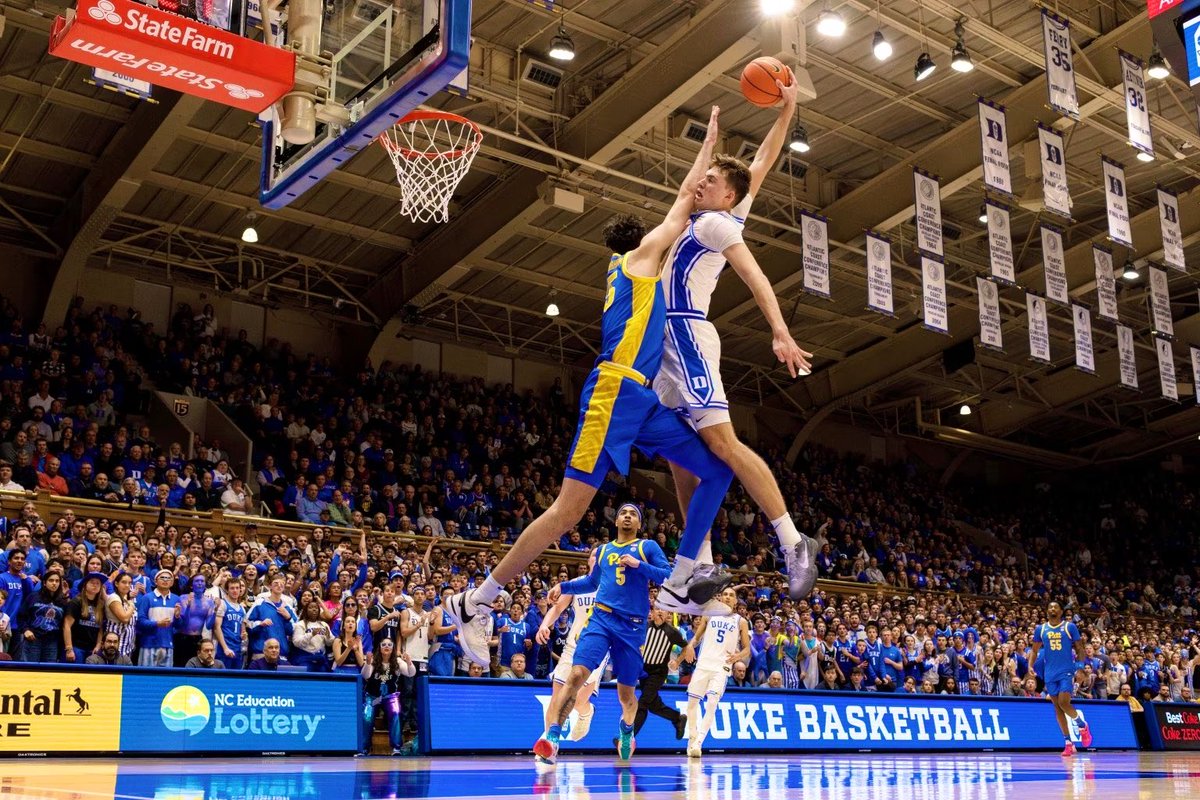
Crazies asked. SpenHubb delivered.
20
208
3,209
287,817



JB Kilpatrick retweeted

6 Jan 2025
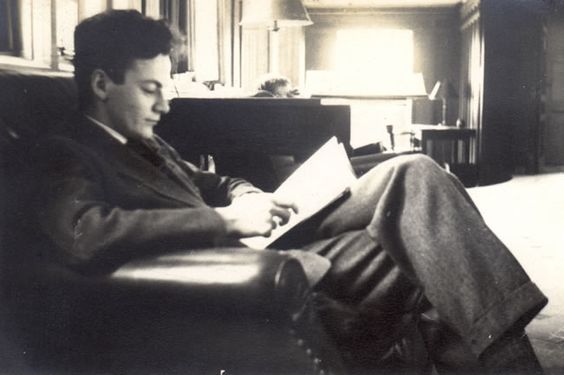
Richard Feynman taught himself advanced mathematics from books without the aid of a teacher. Here's how he mastered calculus by the age of 15:
He started with a series of self-instruction books called Calculus for the Practical Man, which explained the principles of differential and integral calculus in a clear and simple way.
He followed the book closely and took meticulous notes in his own notebook, copying diagrams and formulas carefully. He also compiled a table of contents for his notes, which helped him find the relevant sections later. He found the book fascinating and challenging, and it was the first time he realized that he could understand something that his father could not.
He developed his own mathematical notations and symbols before he entered college, and experimented with topics such as the half-derivative using his own logic.
Feynman’s calculus notes show his insatiable curiosity and his determination to learn by himself. He later became one of the most influential physicists of the 20th century, known for his contributions to quantum mechanics, particle physics, and many other fields.
47
197
1,139
52,176
9 Dec 2024
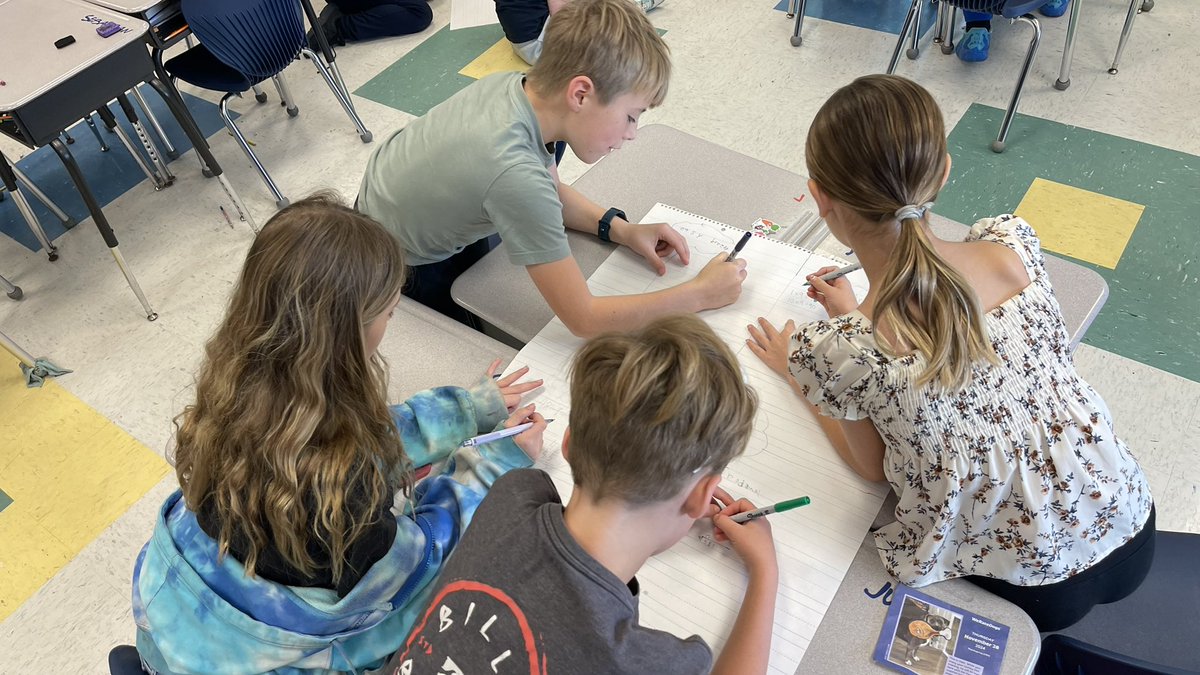
4th graders using all strategies to solve division problems. @aredd21 @KefLauren @NewHanoverCoSch @MasonboroElem
2
40