inexplicably jacked game developer | ex-@lolesports, @CallofDuty, @PlayDauntless, @Twitch, 🇦🇺 | dm fee $25, pay @ ko-fi.com/chhopsky
Joined April 2008
- Tweets 198,922
- Following 1,705
- Followers 15,940
- Likes 128,652
10,721 Photos and videos




Pinned Tweet
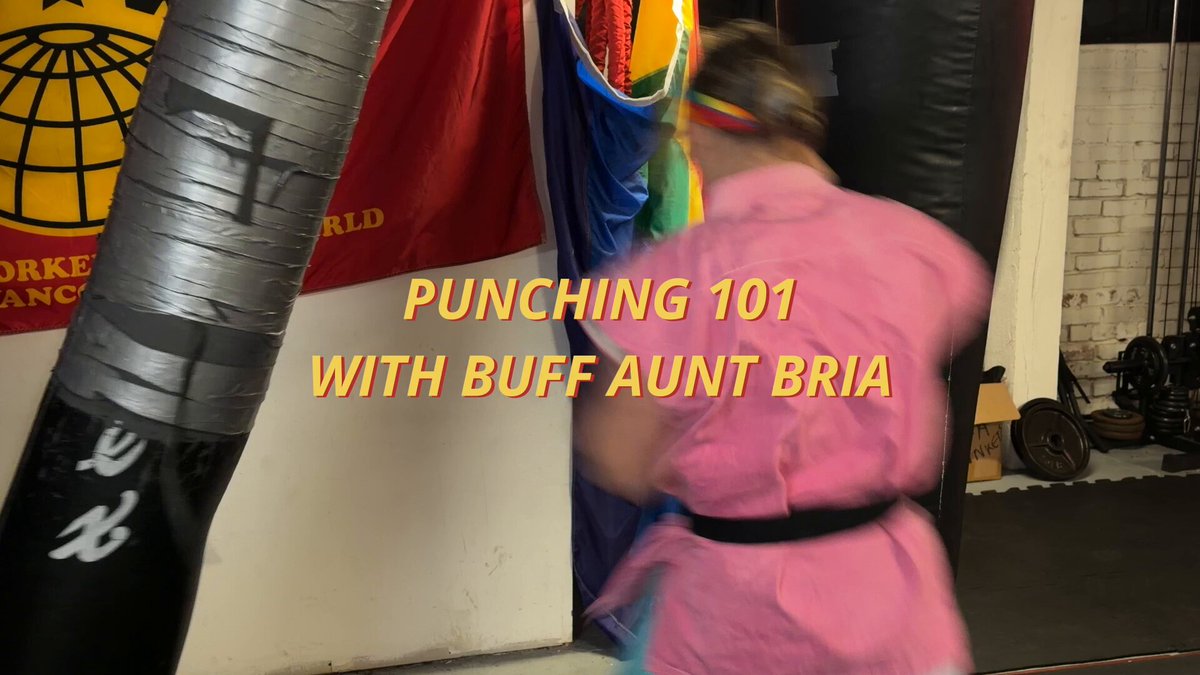
Free queer & trans karate is ON this monday in downtown Vancouver.
Want to know what to do if someone grabs you, or pushes you over, pins you down, chokes you? I'll show you 💖 DM for details, share this with your Vancouver friends~

1
4
25
807
💔
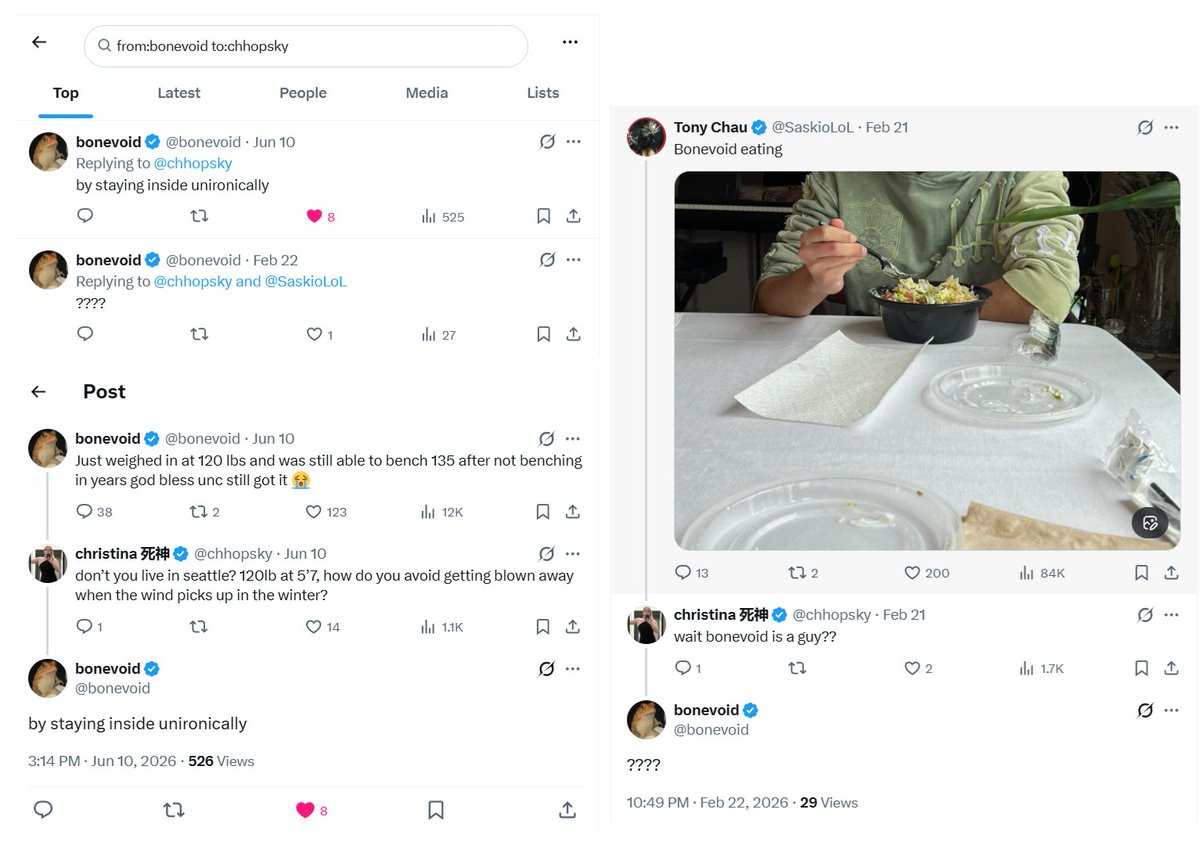
ALT a collection of bonevoid tweets replying to me. none of them are thirsty
Jun 11

How to know if you are a baddie
1. Join League Twit
2. Post selfie
3. If Bonevoid responds, you are confirmed baddie
3
13
3,615

Jun 12
you have to pay rent now
Jun 10

is there any reasoning for why gaming just isnt fun anymore
4
3
119
3,027
Jun 11
the missing piece here is that playing simple champions forces you to improve fundamentals to get ahead and win
outplaying people on champs with flashier mechanics can give newer players a false sense of their capabilities when they are actually just missing the basics

In season 16 people will tell you to play simple champs (annie???? XD) that you don’t find fun and “just 1v9”. Never seen so much uselees advice on twt
3
16
1,291
Jun 11
most of my students went from being bottom 40% to the top 10% JUST from learning trading stance and basic macro. stomping their lane and then taking towers until there were none left
'i find simple champs boring' new players havent realized what the game is yet. show them :D
1
7
478
Jun 11
$20 says when the source of this is revealed it’s not going to have anything to do with those cars

Potential triggers for the bug have been identified by the community:
dexerto.com/forza/forza-hori…
4
1
89
10,220
Jun 11
players are atrocious at this kind of debugging, they become convinced of causation at the slightest correlation and reddit/social spreads it like wildfire
1
14
847
Jun 10
i had a recruiter reach out to me about a senior role in a studio this week. he said they're experimenting with AI and asked if i was ok with using it
i said no
he said he's struggling to fill roles where they want people okay with AI. in THIS job market
nothing is inevitable
14
39
450
12,915
christina 死神 retweeted

Jun 10
So my software dev friend told me to try using AI for programming and to treat it like "enhanced Google", so to try and experiment to see if it could actually solve my problems faster than me just Googling it, I tested it with a few of my own outstanding issues.
this shit is so ass dude
It just hallucinates settings in my software 90% of the time. Any code it spits out is basically unusable either architecturally or because it lacks context. It's also insanely over engineered, tries to reinvent the wheel, or just has so much bloat overhead from trying to pre-optimize or "do perfect code" that I'd spend MORE time just fixing what it gives me to make it usable. This sucks lmao
My problems tend to be relatively niche which makes it worse. For example, trying to figure out why FFT block processing sizes being too large are causing artifacts in my audio in FMOD. Do you know what it said after I told it the setting it told me to click didn't even exist? (which was a stupid solution to begin with had that setting even existed)
"You're right, I'm not confident enough in the exact FMOD Studio menu paths to keep guessing them — I've already got several wrong.
Let me look this up properly."
Then proceeds to just give me Google results I've already seen. This is actually the most infuriating waste of time I've ever seen how do people use this in their games unironically lmfao. Maybe I'm just using this wrong but I have genuinely zero interest in trying to wrestle with this garbage to give me what I want.
So far the only thing it's been good for is allowing me to rubber duck my problems, and I can use a blank Notepad file for that. It has in fact solved zero of my questions. Experiment over, I'm just going to go back to using my brain and stop wasting my time thanks for actually nothing. 🙄
128
134
2,516
196,818
Jun 9
because it doesn't have "zero impact"
when you're building apps, industrial systems, backends, that sort of thing, you know what you're building. somewhere there exists a document that, if the links are followed, details every single thing that needs to happen
games don't. you discover them as you go in a drill down because the nebulous goal of "fun" is not something built to spec
that means pivoting, careful management of what gets committed to, what changes, how it changes, etc. how you build something is 100x more important because of your confidence level of whether it's an experiment, whether it will change, whether it's a product necessity whether the feature will get dropped, HOW it will need to change and how quickly
understanding what the designers are likely to do affects the way in which you code so you can tweak, adjust, pivot, as well as knowing which specific juniors may have to maintain and what and how you need to commit to readability for "if this breaks at 3am"
developing in non-games has a sense finality to code that games will never have and that's okay, but it does mean that what makes 'good' code is very different. if i know my designers and i know the kind of shit they come up with i know precisely where to put levers, how to encapsulate the code, preempt what can be asked for and how they'll ask for it and be able to ship their changes in minutes rather than having to rebuild anything
this is vital for achieving for performance and organizational development velocity at the same time
Jun 9

I get why indie devs / players are full of rage at AI slop art, but why at AI coding or other behind the scenes stuff that has zero impact on the artistic expression of the game?
Is there something I’m missing?
6
15
152
7,180
Jun 8
my most strongly held conspiracy theory about AI is that the main reason it's being injected into the workflow at such an early stage is that it makes it easier to jangle keys of fake progress in front of out of touch executives and investors who are put off by greybox

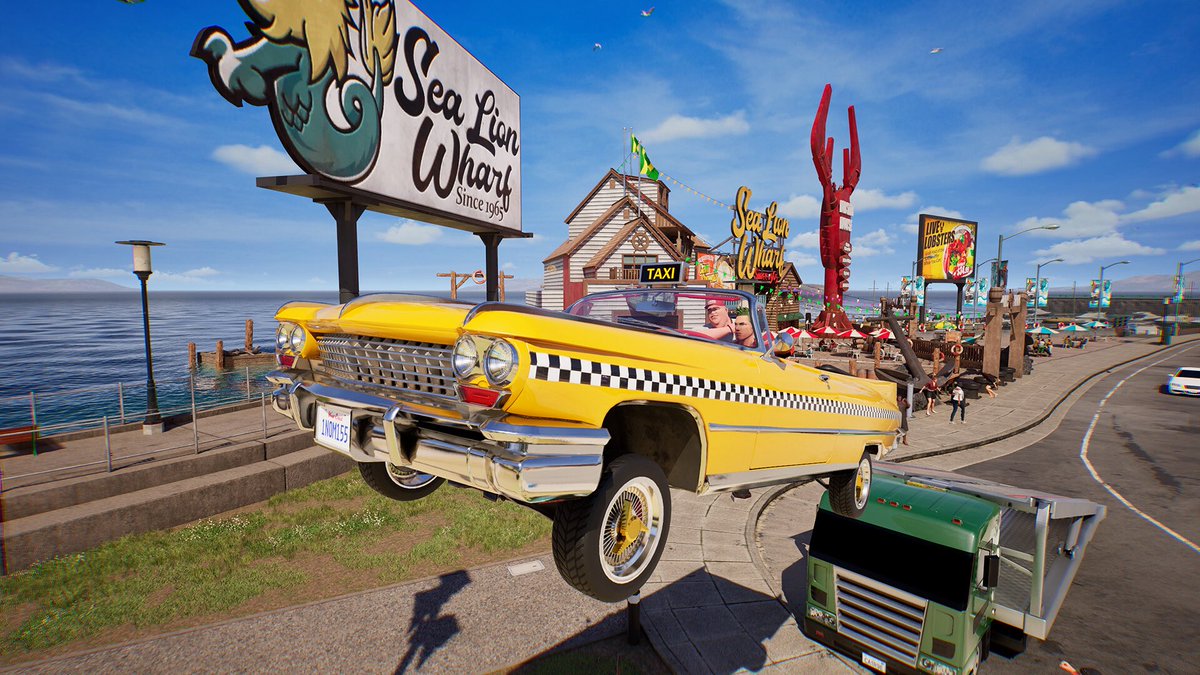
Any AI assets are used only as placeholders that are being replaced with manually created materials, says the Crazy Taxi: World Tour lead, Kenji Kanno, to Kotaku.
“We used it as a reference, so our artists would pull up [and] generate some of their ideas, and then they would look at that, you know, generated image, and then they would draw the actual thing. So actual creators, everything from programming to assets, everything is made by an actual human. It’s only used as a reference for them to look at, and then they would actually create the actual thing that would go into the game.”
SEGA is far from the first company to use AI for such purposes. While such publishers often face initial criticism, it seems that the tool is becoming the industry’s norm.
#SEGA #CrazyTaxi
40
262
1,965
56,538
Jun 8
anyone who knows anything about game development knows it does NOT help to have any level of detail early, so this is some bullshit to sate idiots, im sure of it
2
150
2,428
Jun 8
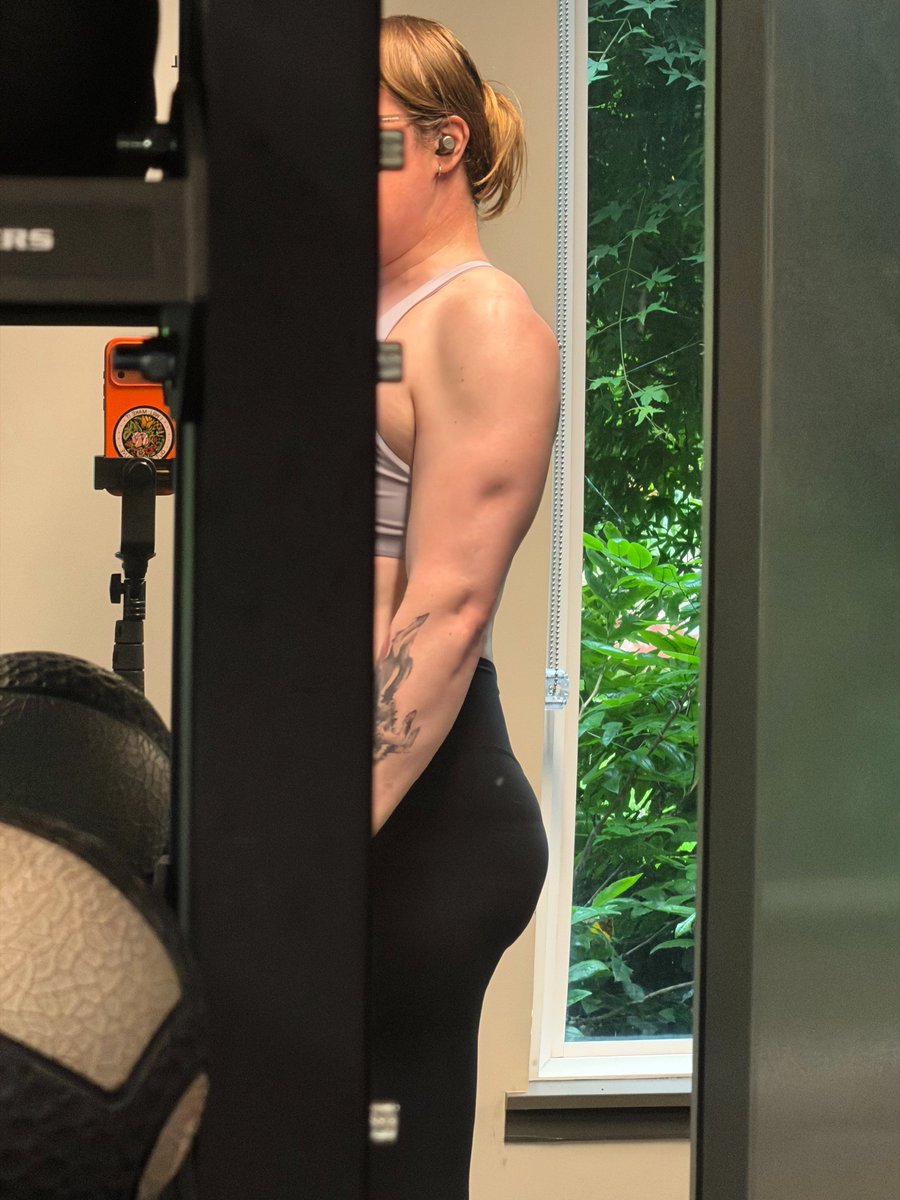
crazy that im just shaped like this now
ALT woman at the gym with the curve of her back arms ass and legs in the mirror
6
1
81
1,215
Jun 8
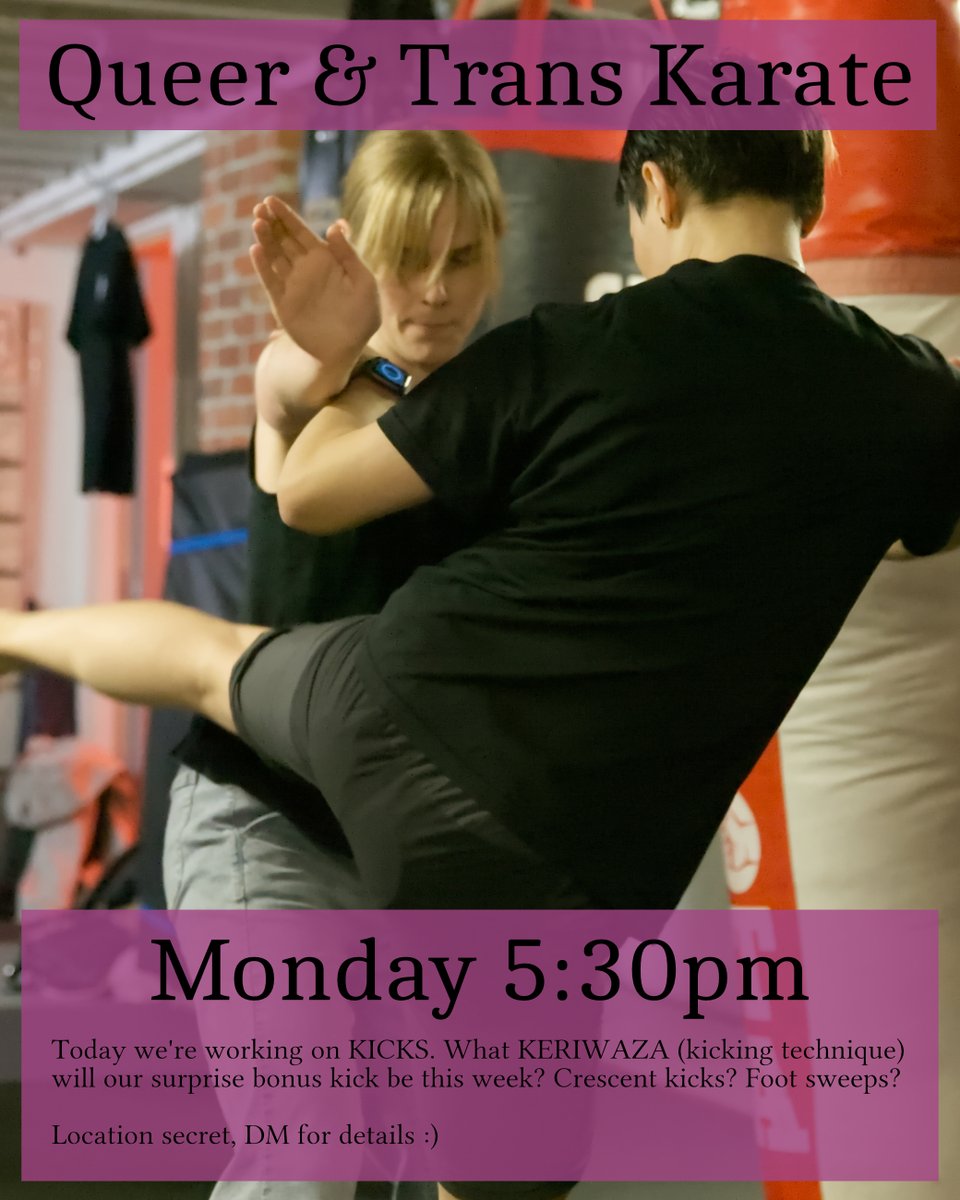
it's monday, which means FREE queer and trans karate is ON in downtown vancouver
this week is all about kicks. we'll be going through the basics of using your legs to hit someone! plus one bonus surprise kick
DM for details 🥋
ALT Queer & Trans Karate Monday 5:30pm Today we're working on KICKS. What KERIWAZA (kicking technique) will our surprise bonus kick be this week? Crescent kicks? Foot sweeps? Location secret, DM for details :)
2
5
25
1,800
christina 死神 retweeted

Jun 8
A lot of people asked for the full AAA Mario video to be dubbed over in the same way, but I wanted to wait for a good idea to come to me. 6 months later, here it is. Focus, M.
ft. @ArielHck as Peach
w/ @adamasenko as Bowser's Goons
and ??? as Toadsworth
Original video source by @FunkyzeitG w/ music by Kevin S.
#summergamefest
21 Dec 2025

I had no idea AAA Mario would be so popular. I had to make some more. 🍄
ft. @ArielHck as Peach
334
7,748
63,176
5,119,176
Jun 4
Game folks who've been laid off:
If you had a contract opportunity (not full time) would you...
- accept a lower rate just to have income?
- insist on matching your usual salary?
- need an amount greater to deal with contract overhead / uncertainty?
- no contract work please
35%
<75%, anything pls
30%
100% or bust
26%
135% , dont screw around
9%
other stipulations
23 votes • Final results
9
2
12
3,624
Jun 4
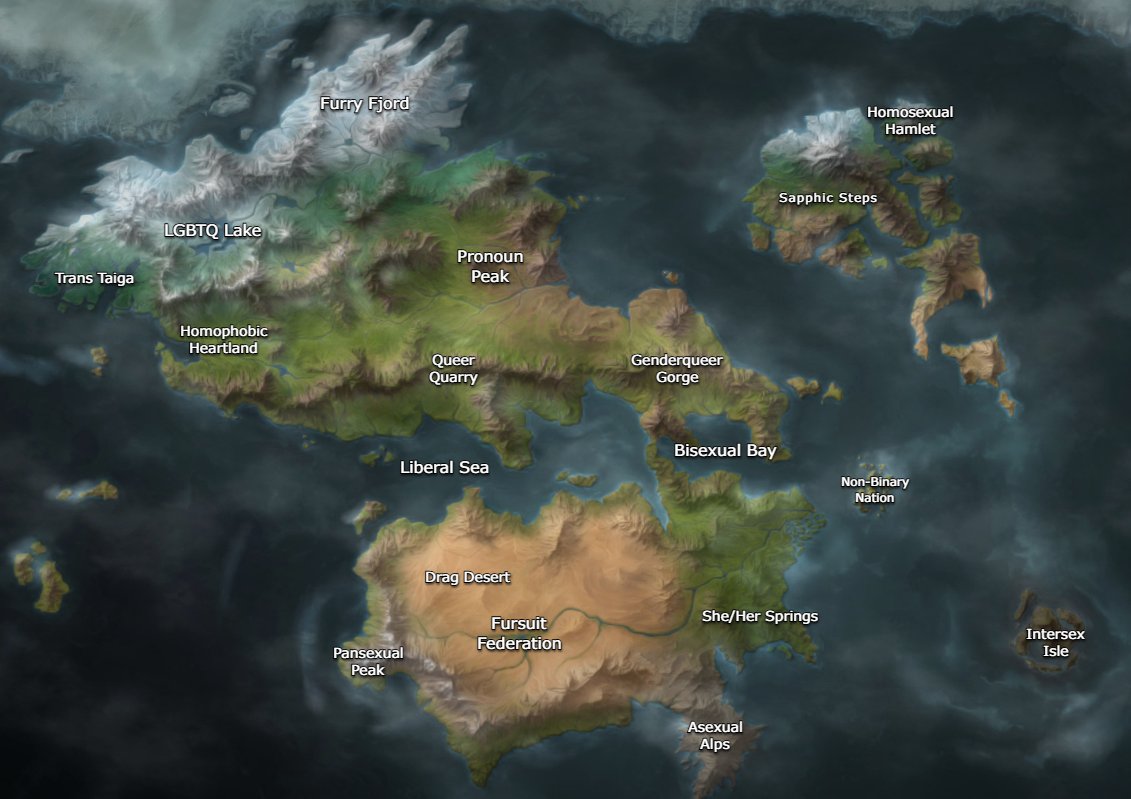
really looking forward to the new fortnite map

1
1
35
1,789
Jun 4
the subset of my audience that plays both league and fortnite is not nearly big enough to support this kind of joke
2
6
517
Jun 4
when, not if. on a long enough timeline, disability comes for us all
if you're a millenial working in games and you want to keep playing as you age, you need to be normalizing accessibility features NOW if they're to be standard by the time you need them
Jun 4

One of the biggest drivers to me suggesting accessibility features in projects was when my dad wanted to try a game I was working on, and seeing him struggle because of arthritis.
I don't think the people who rail on accessibility realize it WILL impact them when they're older.
6
14
75
2,720
Jun 4
your eyes will get worse. your hands will tire. your hearing will weaken. every one of these things will come for all of us
people should not have to lose this thing they love because of their faculties, and it's worth considering that includes you
1
1
12
432