Joined April 2011
- Tweets 1,457
- Following 161
- Followers 4,906
- Likes 104
894 Photos and videos


1 Dec 2022
New in @NatureEcoEvo: Study maps global locations of critical natural assets. Shows that conserving 30% of global land & 24% of coastal waters would sustain 90% of nature’s current contribution to people. Collab led by @UMNIonE w/ @NatCapProject. Read: go.nature.com/3AYyGdQ
1
12
34
23 Nov 2022
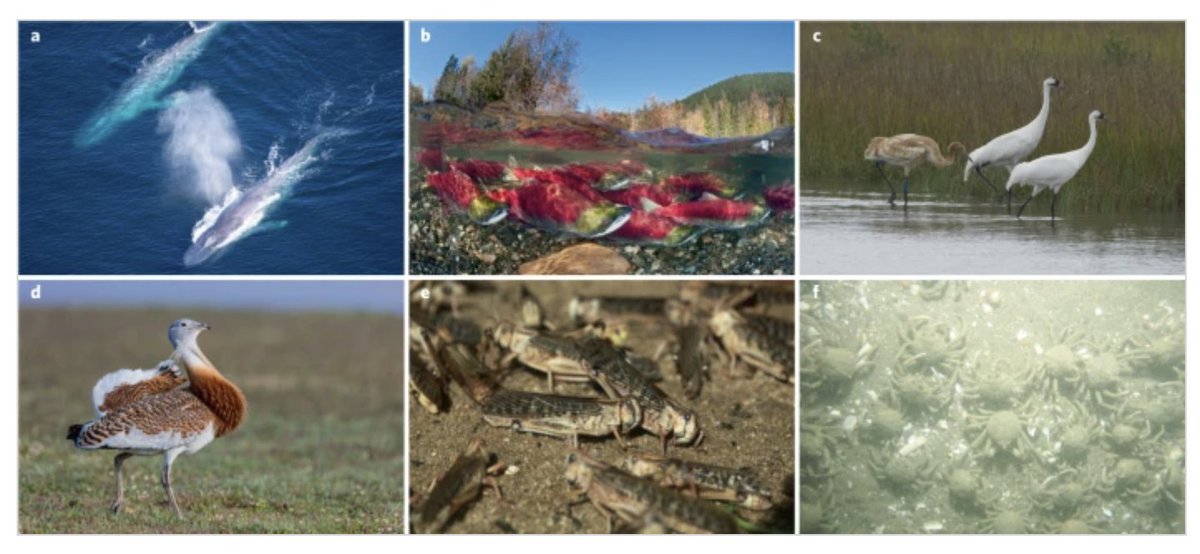
Paper in @natureecoevo develops a framework to assess the role that various social cues play in animal's migration decisions. Applies framework to existing cases documenting the influence of social cues on the timing of animal migration.
go.nature.com/3hADoaM @HopkinsMarine
1
10
22 Nov 2022
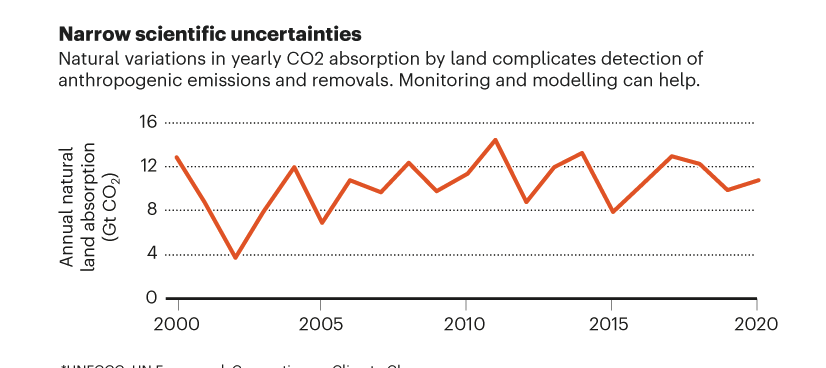
It was a pleasure to moderate the @Stanford #COP27 side event with @Princeton and @Cornell covering the 2022 Global Carbon Budget @gcarbonproject, creating impact at scale @StanfordDoerr, and decarbonizing #agriculture @WorldResources.
Read summary: stanford.io/3Oqp0hK
1
7
21 Nov 2022
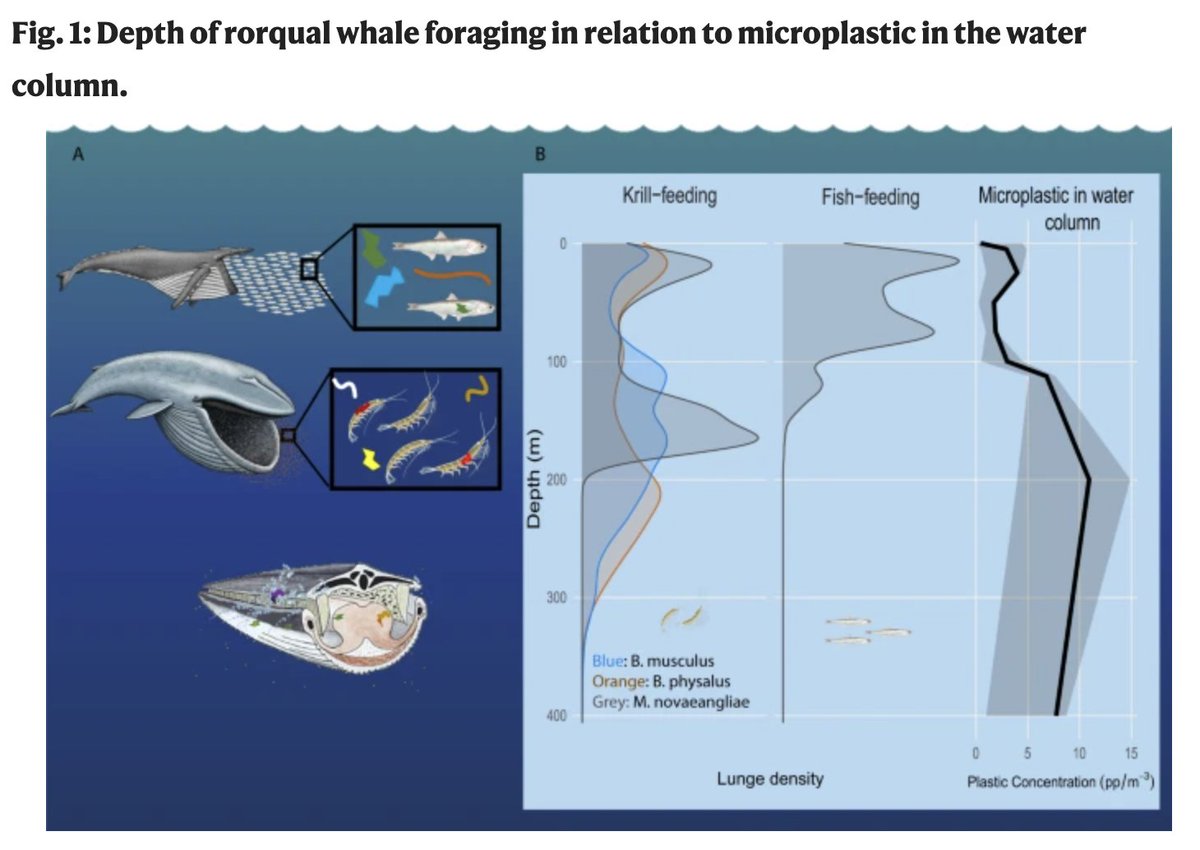
Study in @naturecomms reveals #microplastics ingestion by filter-feeding whales is likely 10 million pieces/day. Combines depth-integrated microplastic data w/ foraging measurements from 191 blue, fin, & humpback whales: go.nature.com/3E3Yt4U @hopkinsmarine
3
32
72
18 Nov 2022
New in @NatureComms: Beaver dams positively influence water quality in mountain watersheds, overshadowing climatic extremes. Warmer weather -> more beavers -> more dams -> removal of nitrate that would otherwise lead to water quality degradation: go.nature.com/3E6IFOT
2
8
16 Nov 2022
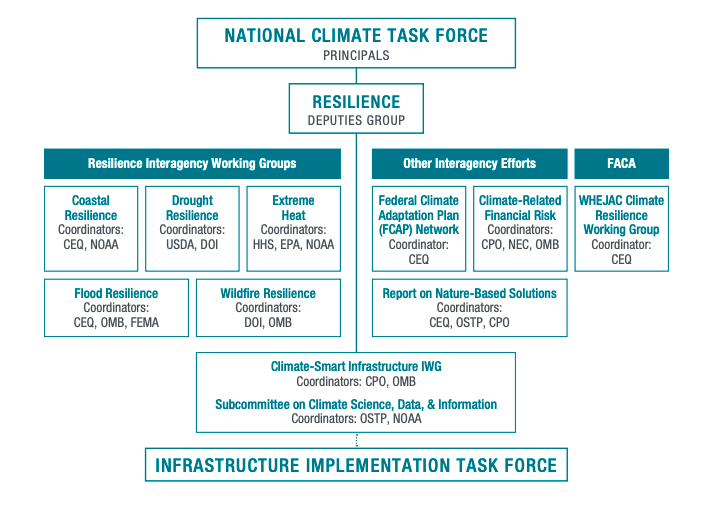
From @djhayes01: an insider’s view on the Biden administration’s #climate resilience strategy - how the US federal government is approaching major climate risks. Important context for current adaptation conversations at #COP27.
Read: stanford.io/3UoaFVc
ALT Figure 1 from Forging New Ground: Implementing A Climate Resilience Agenda Across the U.S. Federal Government.
2
5
14 Nov 2022
New @PNASNews from @RjpSchmitt @lorenzorosa1992 & Gretchen Daily @natcapproject: Study quantifies h2o storage required to maximize crop irrigation w/o depleting water stocks or nature. Finds dams also store 50% of needed h2o, but notes dam drawbacks: bit.ly/3GlvpsJ
10
20
10 Nov 2022
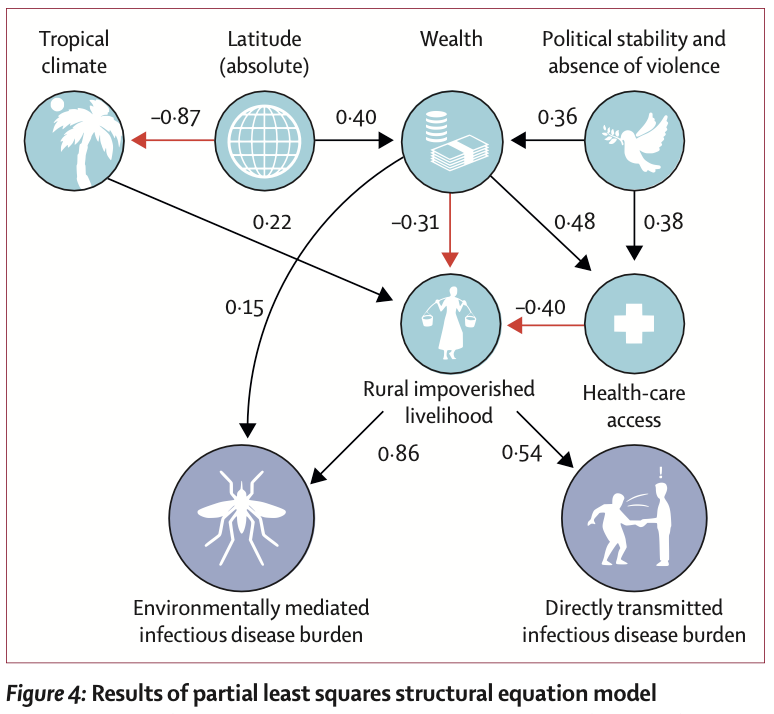
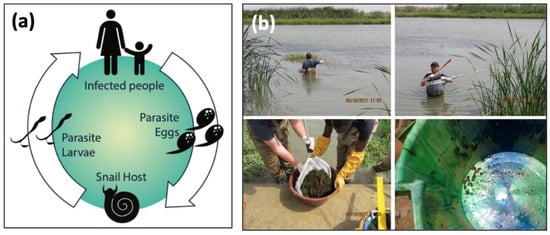
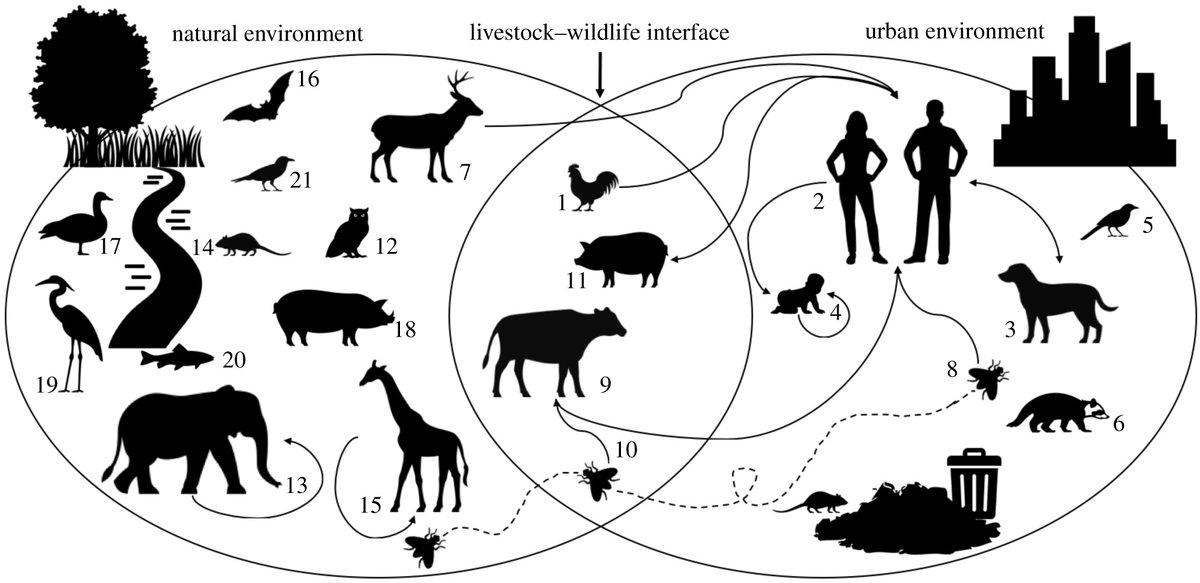
New in @TheLancetPlanet: Analysis from @Stanford, @Princeton, et al. explores direct vs environmental disease drivers. Finds 80% of pathogens are environmentally mediated, supporting the need for more research on #environmental solutions to human diseases: bit.ly/3fYjzKg
1
5
8 Nov 2022
New from @DavidBLobell et al. in @GlobalChangeBio: Cover crops reduce maize & soybean yields in U.S. Corn Belt. Study suggests cover cropping could lead to negative impacts despite being encouraged as a method of carbon sequestration: bit.ly/3G85F2y
6
Chris Field retweeted

2 Nov 2022
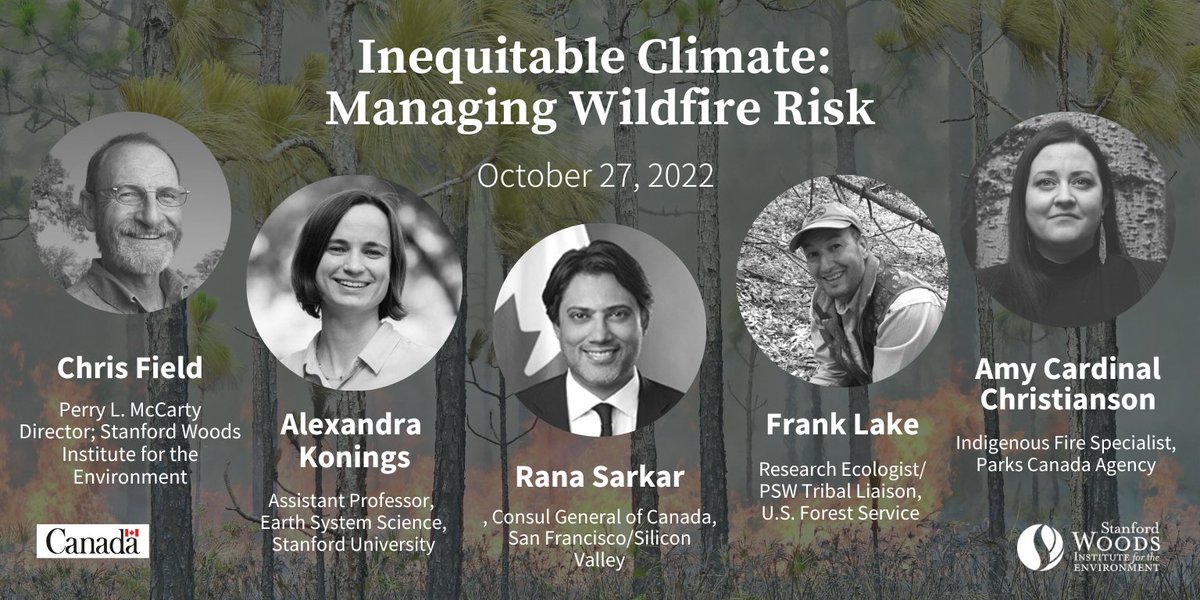
Fighting fire with fire 🔥 Experts @RanaSarkar_, @ChristiansonAmy, Alexandra Konings, & Frank Lake discussed the growing threat of #wildfire and a path to resiliency w/ moderator @chrfield.
Watch the webinar 🎞️ bit.ly/3Dvso5N
Read insights💡stanford.io/3UnHEbE
1
3
7
Chris Field retweeted

27 Oct 2022
Listening now. What an amazing panel gathered together
26 Oct 2022

🔥 Webinar tomorrow @ 11am PT | Different approaches to #wildfire mitigation and forest management, new climate factors, public perceptions of controlled burns and more, with US & Canadian fire experts.
Register: stanford.io/3evWbD6
1
2
4
24 Oct 2022
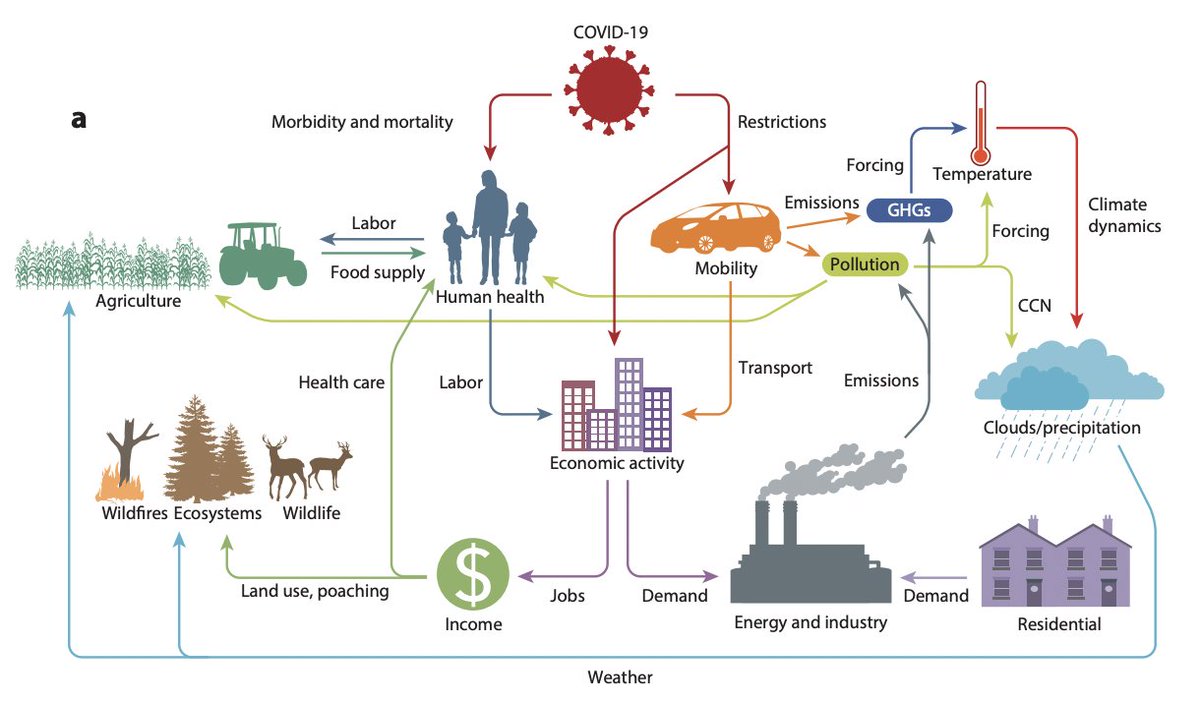
New in @AnnualReviews: Comprehensive review from Noah Diffenbaugh examines observed and hypothesized enviro impacts of the COVID-19 pandemic; finds acute risks to many terrestrial and marine ecosystems and communities that depend on them. bit.ly/3z9zCeB
1
8
19 Oct 2022
New in @SocRiskAnalysis from @WongParodi_grp and others: Exposure to traditional media (TV, radio, etc.) predicts mitigation behaviors for both COVID-19 & hurricanes, but exposure to social media does not. bit.ly/3ML5ADh
1
3
12 Oct 2022
New @ISMEJournal study on microbial activity off the #california coast from @annedekas, @NestorArandia & Alma Parada. Study detects activity throughout the water column & exceeds previous estimates for the proportion of active cells in the deep sea. go.nature.com/3embNZT
1
4
7 Oct 2022
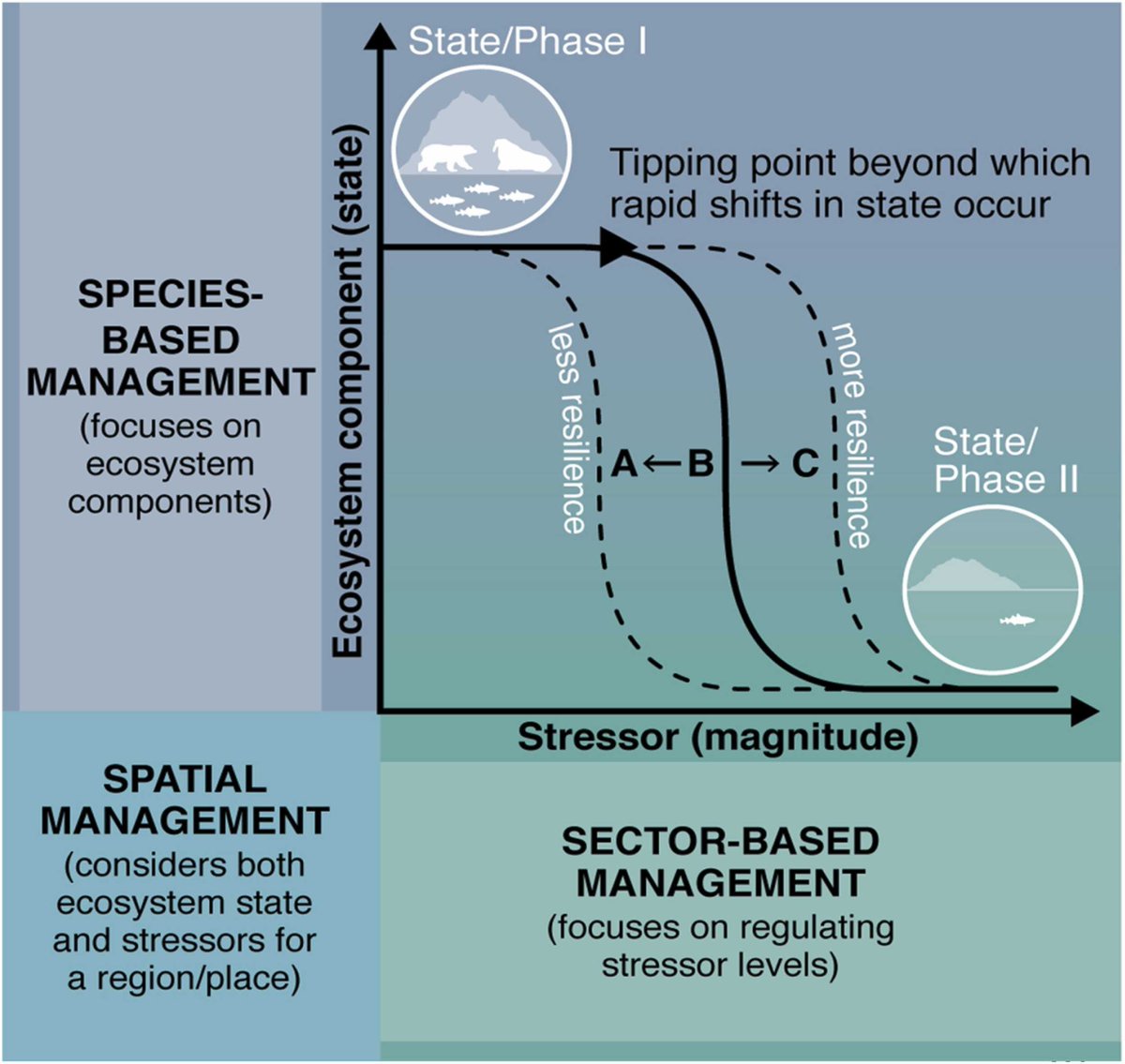
New @PolicyMarine paper from scientists at @oceansolutions @natcapproject & @Hopkinsmarine offers an understanding of the compounding risks posed by multiple interacting ocean stressors & a framework for policymakers to integrate into decision-making: bit.ly/3RFVp3H
36
79
Chris Field retweeted
5 Oct 2022
.@BillGates visited @Stanforddoerr to learn how our researchers are tackling climate challenges. He met #StanfordWHD faculty affiliate @TarpehDiem, who transforms sewage into valuable products. Read more about Tarpeh's work ➡️ stanford.io/3Rz9sIB
4 Oct 2022

After my visit to the @stanforddoerr school of sustainability, I’m even more optimistic that we can develop breakthroughs that will transform our global economy, our lives, and our planet for the better: gatesnot.es/3e3Irz4
4
4
4 Oct 2022
New @naturesustainab paper quantifies a social cost of US #wildfires: smoke exposure reduces test scores. (Fixed-effects regression models controlled for confounds like temp & precipitation). From @jeffliwen & @MarshallBBurke @StanfordECHOLab: go.nature.com/3e8wgBd
5
17
30 Sep 2022
New @EnvSciTech study by Yang Liu and Meagan Mauter of @WE3Lab and @StanfordEng presents a high-resolution carbon accounting framework for urban water supply systems: bit.ly/3BHUSZi
2
6
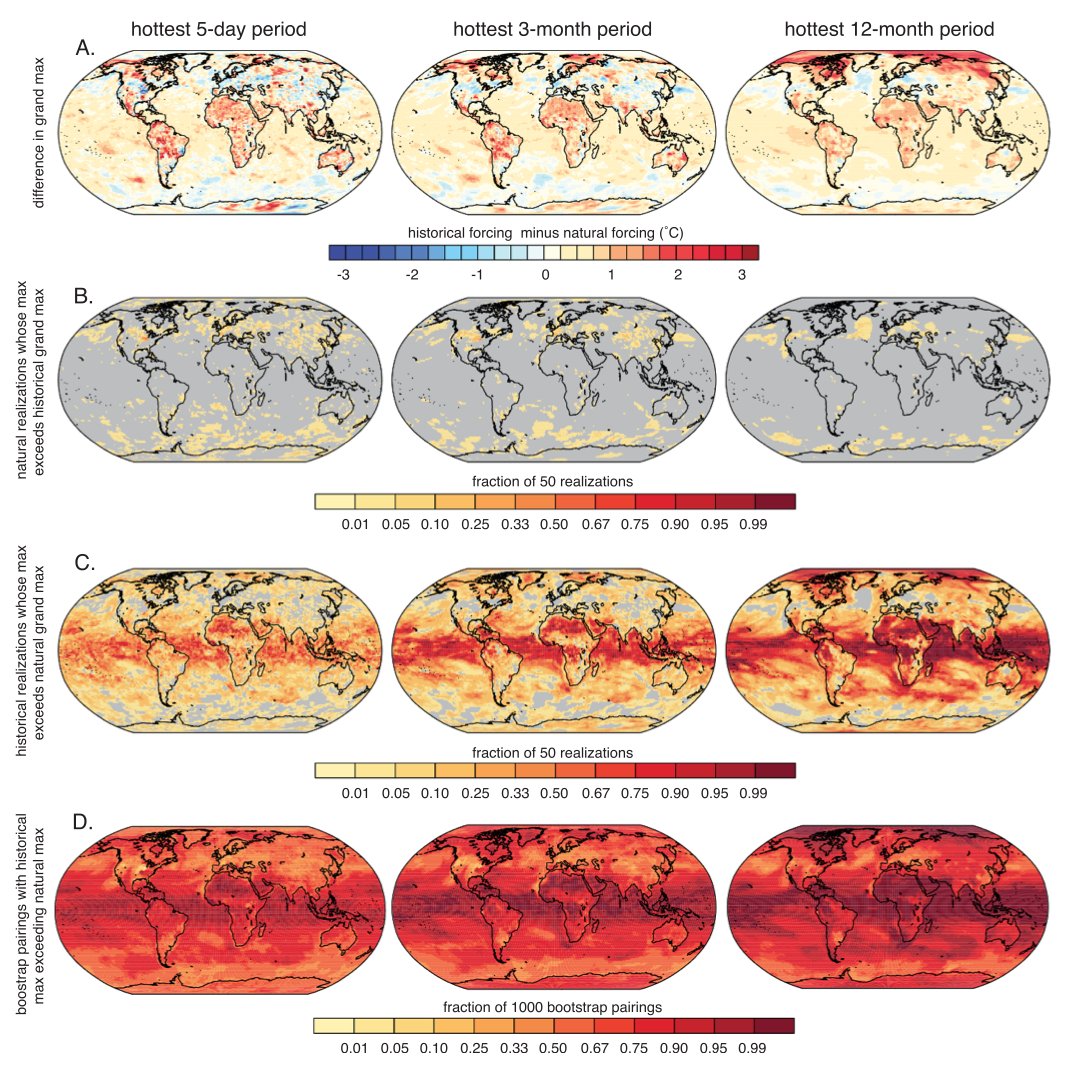
27 Sep 2022
New @PNASnews: #climate models show the effectiveness of stratospheric aerosol injection (SAI) could be hidden by the natural variability of Earth’s climate. In the decade after SAI, many regions could still experience even higher local temps: bit.ly/3fpsZgV
1
2
5
23 Sep 2022
New paper @FrontiersofAgr1 predicts that increasing temporal variability in precipitation will reduce crop yields & increase nitrogen losses. This is expected & observed to occur w/ anthropogenic #climatechange: bit.ly/3ffXpCv
3
4