
Interventional Cardiology | Mayo Clinic 🇬🇧🇺🇸 she/her
Joined May 2013
- Tweets 66
- Following 324
- Followers 415
- Likes 614
2 Photos and videos
Claire Raphael retweeted

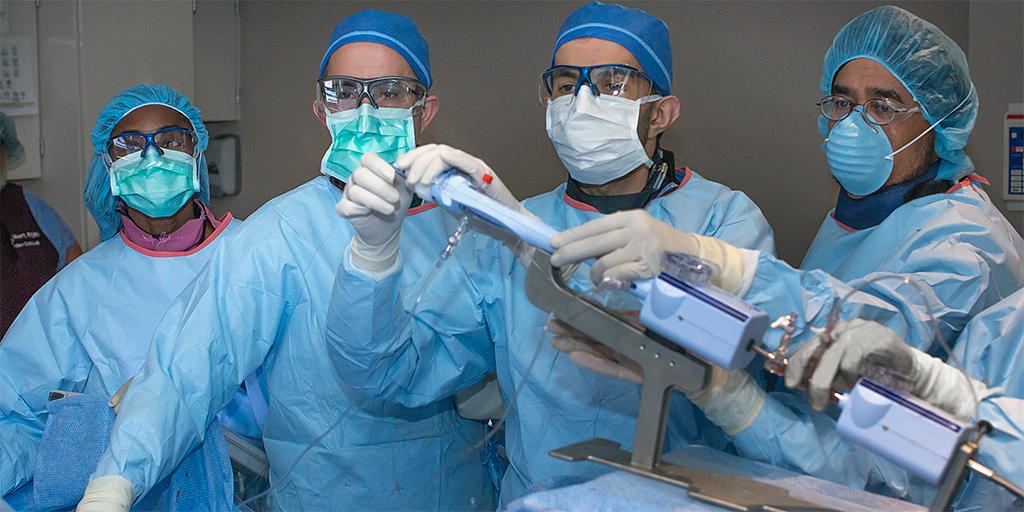
🚨📢Calling Interventional Cardiology Fellows
@MayoClinicCV has an opening for our Structural Heart Disease Fellowship for 2026-27 in Rochester, MN.
Please complete application via mccms.elluciancrmrecruit.com…
Any questions can be forwarded to Ellie Fate at fate.ellie@mayo.edu
41
126
19,677
Claire Raphael retweeted

11 Oct 2025
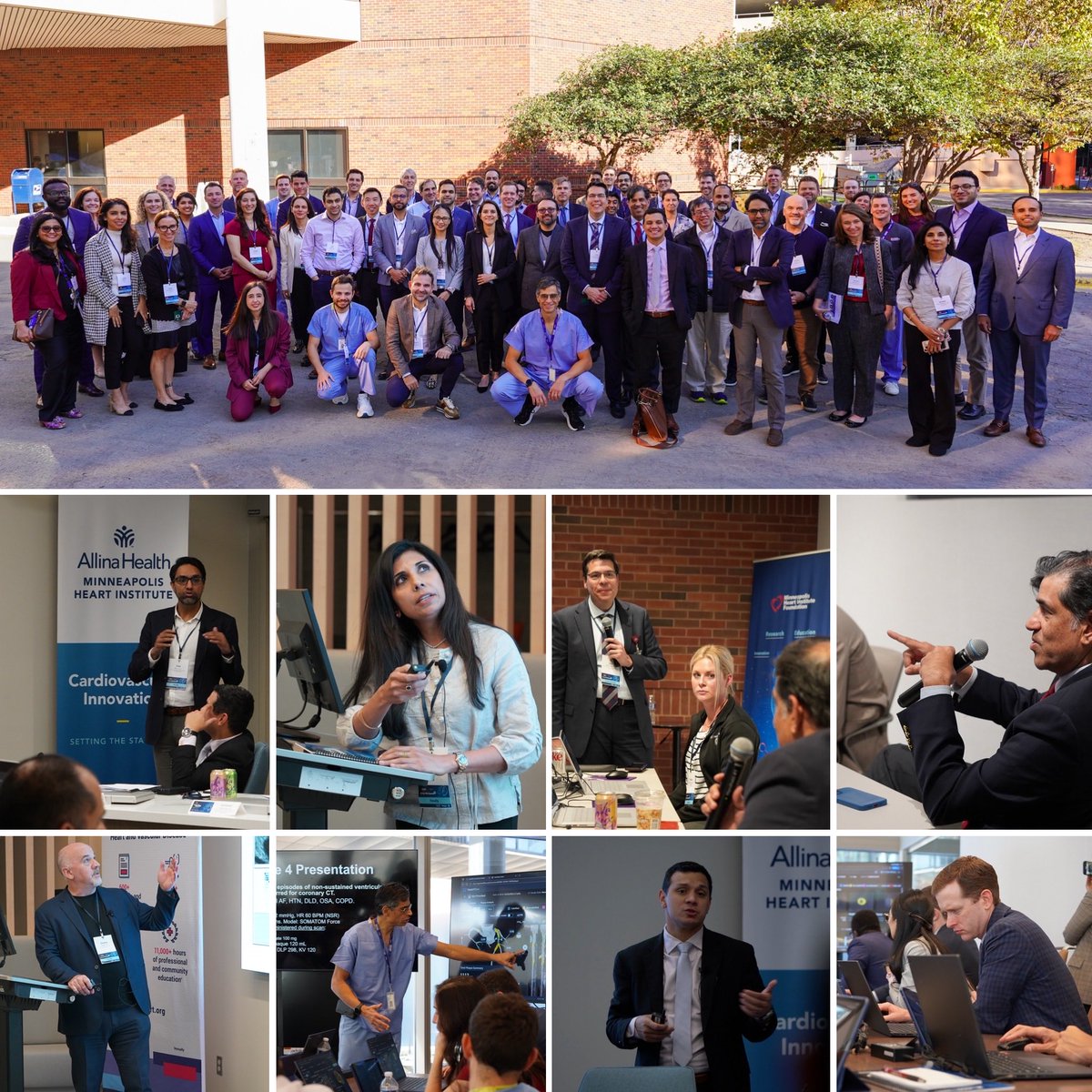
SENSATIONAL meeting! Opening new avenues in the field of coronary interventions.
Bravo @yadersandoval, @esbrilakis & @JoaoLCavalcante
11 Oct 2025

An incredible and inspiring CT for PCI 3.0 Summit in Minneapolis! Grateful to all who joined and supported this multidisciplinary think tank convening innovators and pioneers to learn together, identify unmet needs & barriers, and explore opportunities to leverage CT data to guide PCI #CT4PCI @CCAD_MHIF @esbrilakis @JoaoLCavalcante
1
3
18
5,883
Claire Raphael retweeted

15 Sep 2025
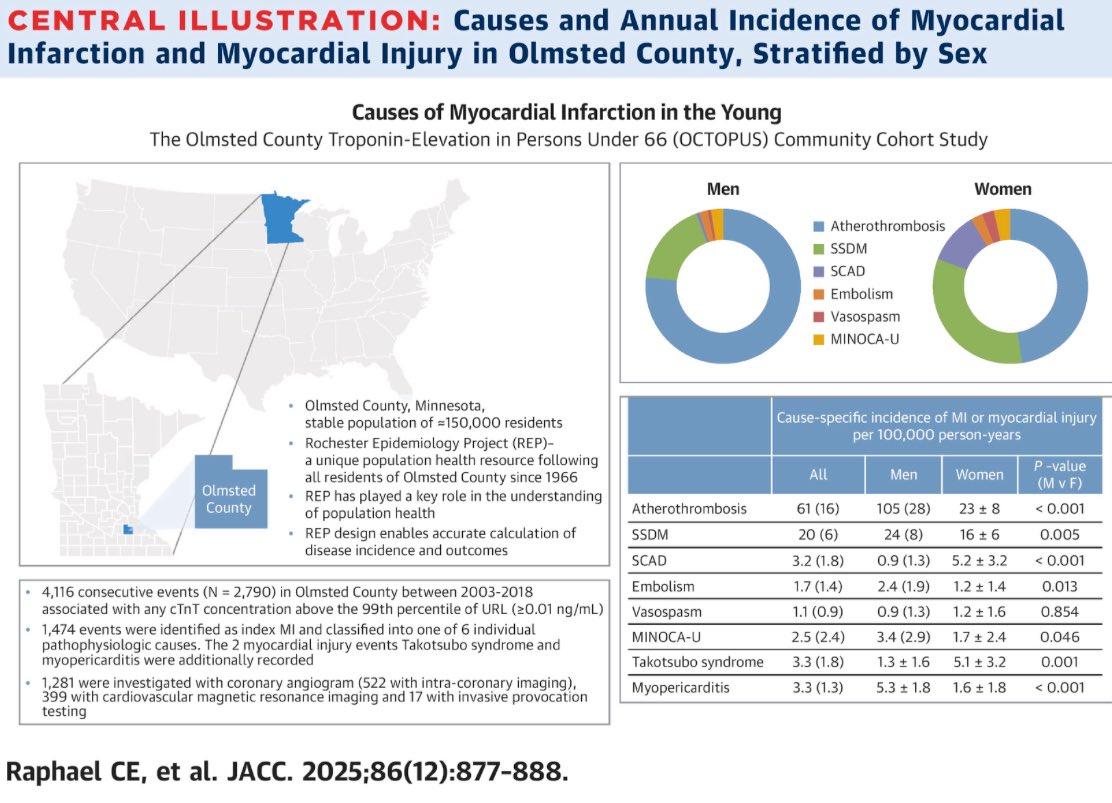
Causes of MI in the Young!
The OCTOPUS study out in JACC today @JACCJournals
@claireraph et al
16
51
150
26,253
Claire Raphael retweeted

16 May 2025
🚨 Interventional Cardiologists: How do you use coronary physiology?
Your insights will help shape a clearer understanding of real-world patterns.
📝 Take the survey now: redcap.link/physiologysurvey
@PedroEPCarvalho @CCAD_MHIF @ColletCarlos @MortonKern @wfearonmd @arnoldseto @claireraph @DrArgyle @BernardBruyne @MHIF_Heart @OPCILive @monaltiren
4
4
1,207
Claire Raphael retweeted
15 Apr 2025
🚨 Limited spots remaining! Don’t miss out — registration is open until capacity is reached:
mplsheart.org/physiology
📍 The Physiology Course – Minneapolis is less than 2 months away! Join us for a one-of-a-kind event with @BernardBruyne @ColletCarlos @esbrilakis @wfearonmd @MortonKern @DrArgyle @claireraph Nils Johnson, @JoaoLCavalcante @arnoldseto Nathaniel Smilowitz & Jay Traverse.
🎓 Residents and fellows: Free registration travel grants are available for trainees.

📢 Fellows, Students, & Residents 📢
Share your most challenging, innovative, or educational case or research abstract for a chance to present at The Physiology Course! Winners earn a showcase spot and a travel grant. Learn more here: buff.ly/arGe3Oo
1
6
15
3,436
Claire Raphael retweeted

6 Jan 2025
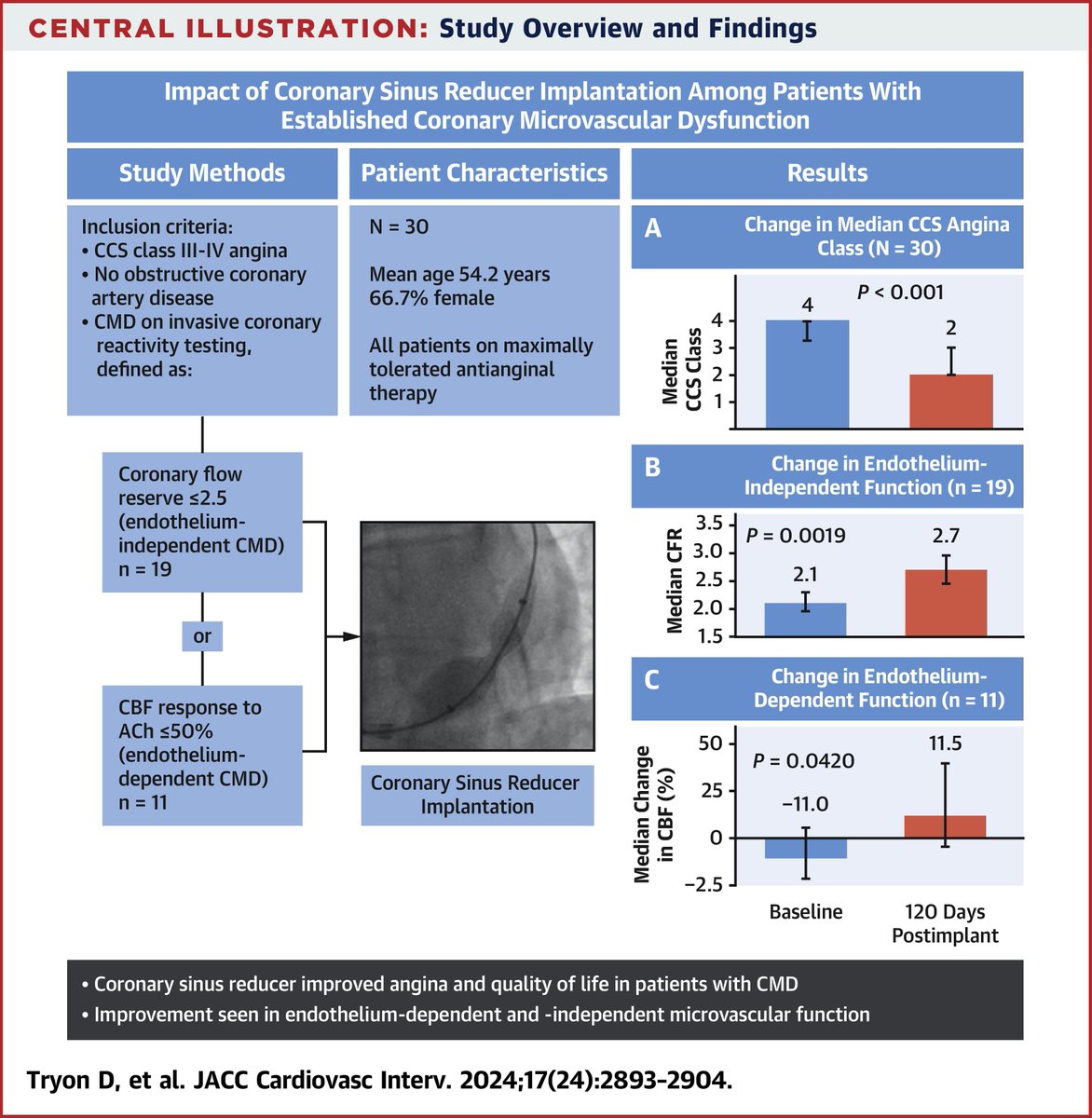
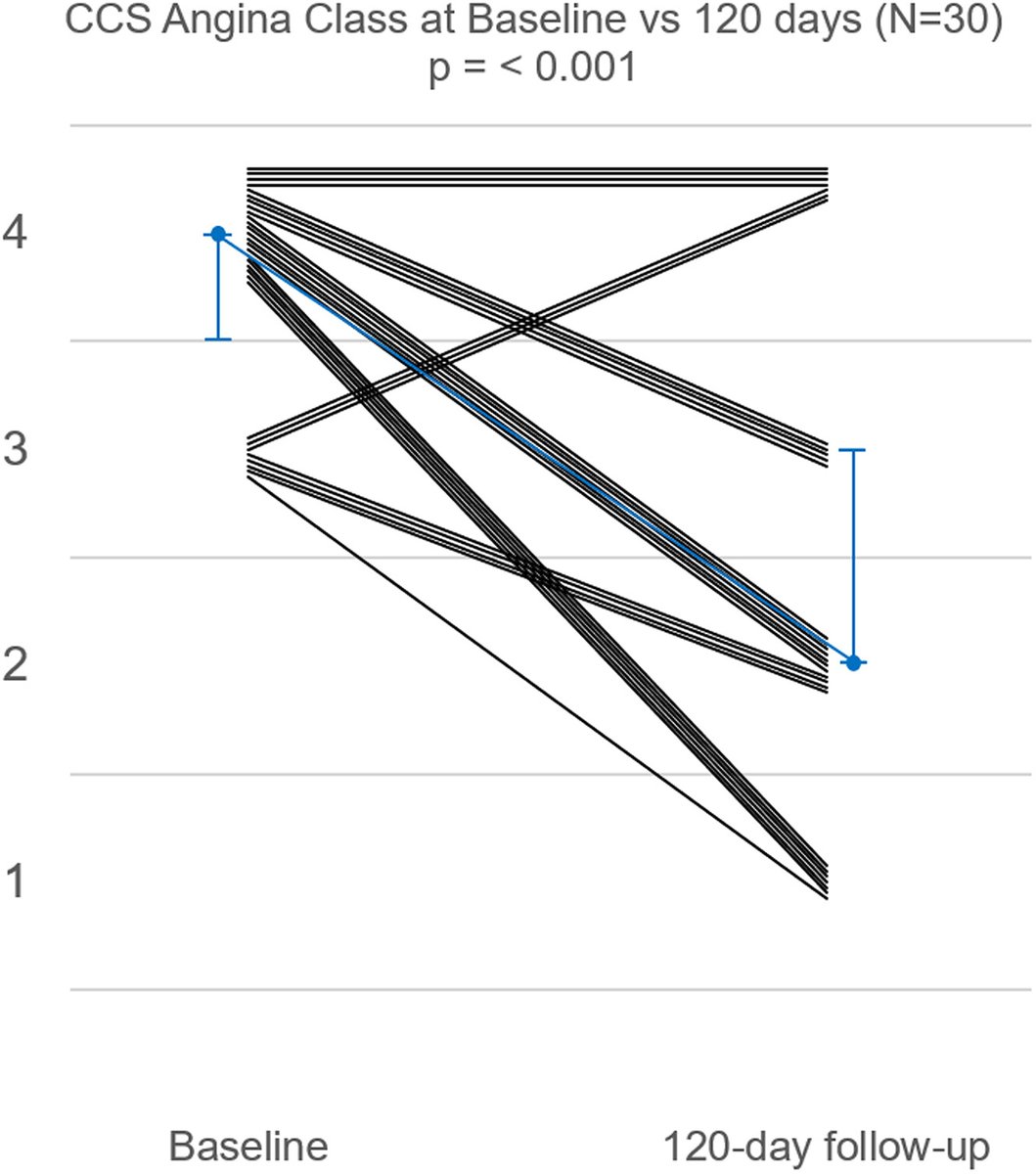
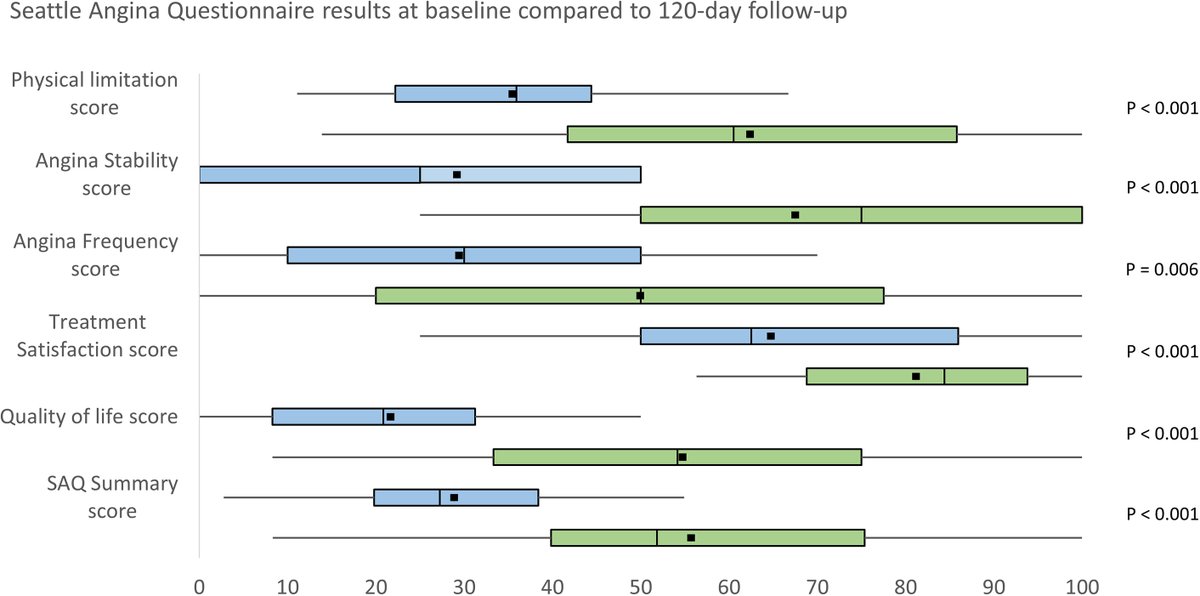
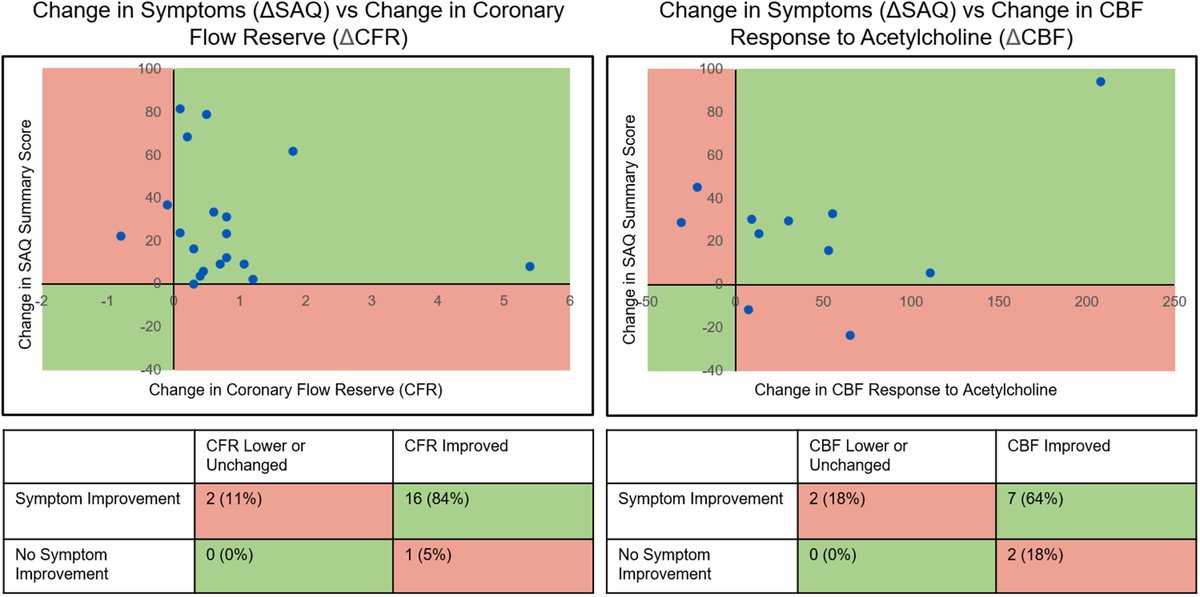
🌟 Big news in #Cardiology! The Coronary Sinus Reducer 💉 improves angina, #QoL, & coronary flow reserve in CMD patients with #ANOCA. A breakthrough for those with limited treatment options! 💓🩺 jacc.org/doi/10.1016/j.jcin.…
#JACCINT @Michel_CorbanMD @LermanAmir @adnanalkhouli @claireraph @rajivxgulati @ChetRihal
2
34
79
8,601
Claire Raphael retweeted

19 Nov 2024
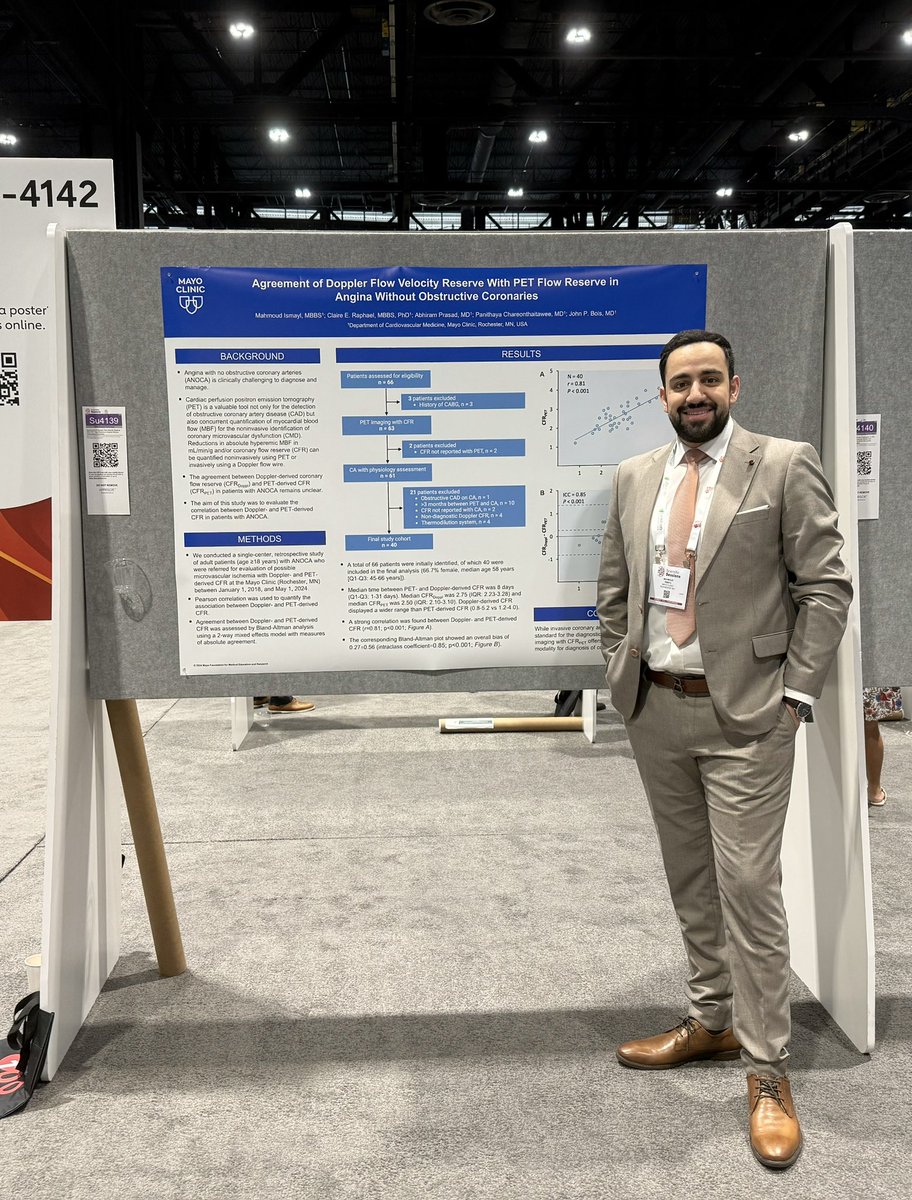
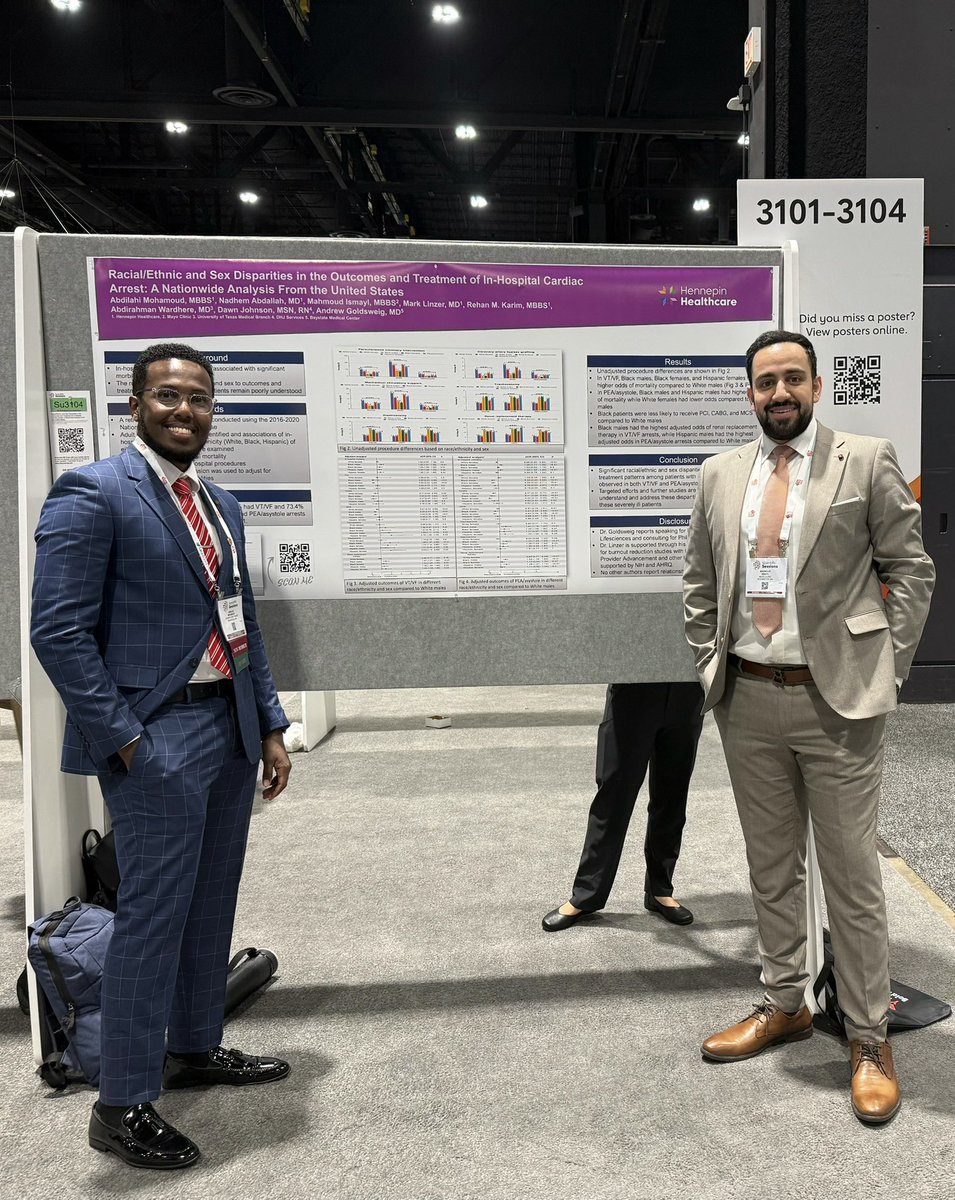
Excited to have presented our work at #AHA24 with 2 simultaneous publications @MayoProceedings & @JAHA_AHA
Agreement of Doppler CFR with PET MFR in ANOCA pts
🔗 sciencedirect.com/science/ar…
Racial/ethnic & sex disparities in IHCA. Kudos to @DrAbdilahi_M
🔗 ahajournals.org/doi/10.1161/…
5
10
55
7,779

7 Aug 2024
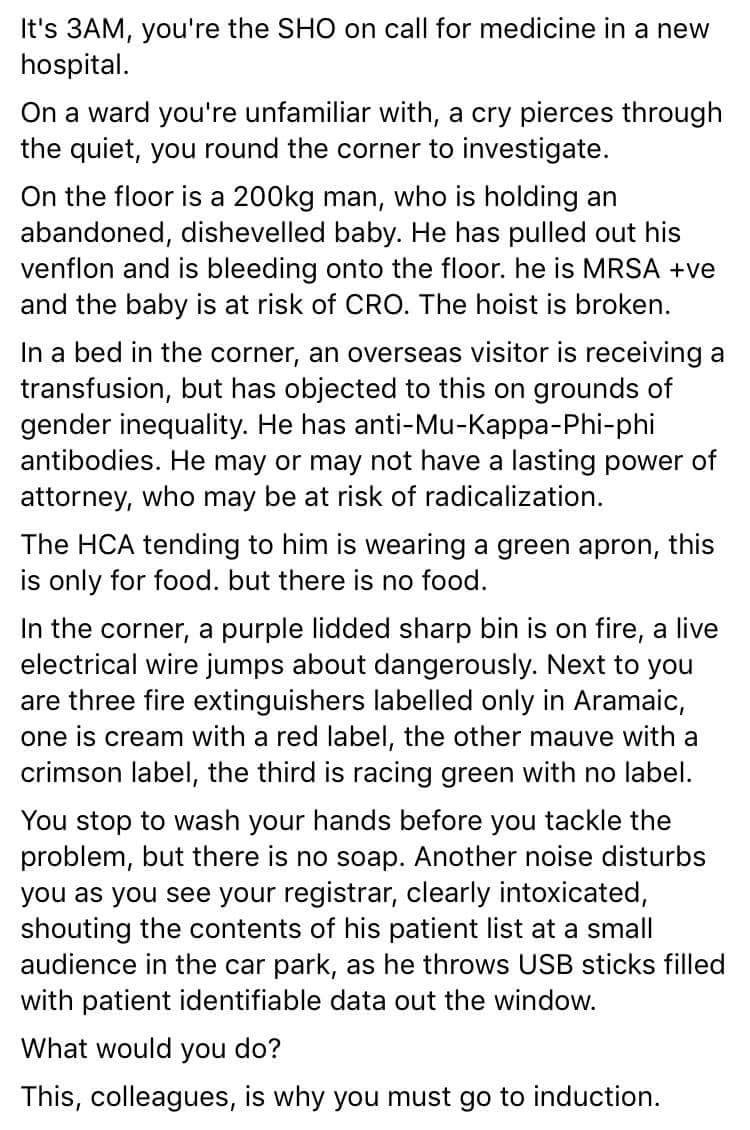
Still love this
7 Aug 2024

It’s induction day for many doctors changing jobs and the first day of doctoring for the freshly minted ones. I’ll share this evergreen gem from @drphiliplee1 to get you all in the mood.
1
4
479
Claire Raphael retweeted

7 Apr 2024
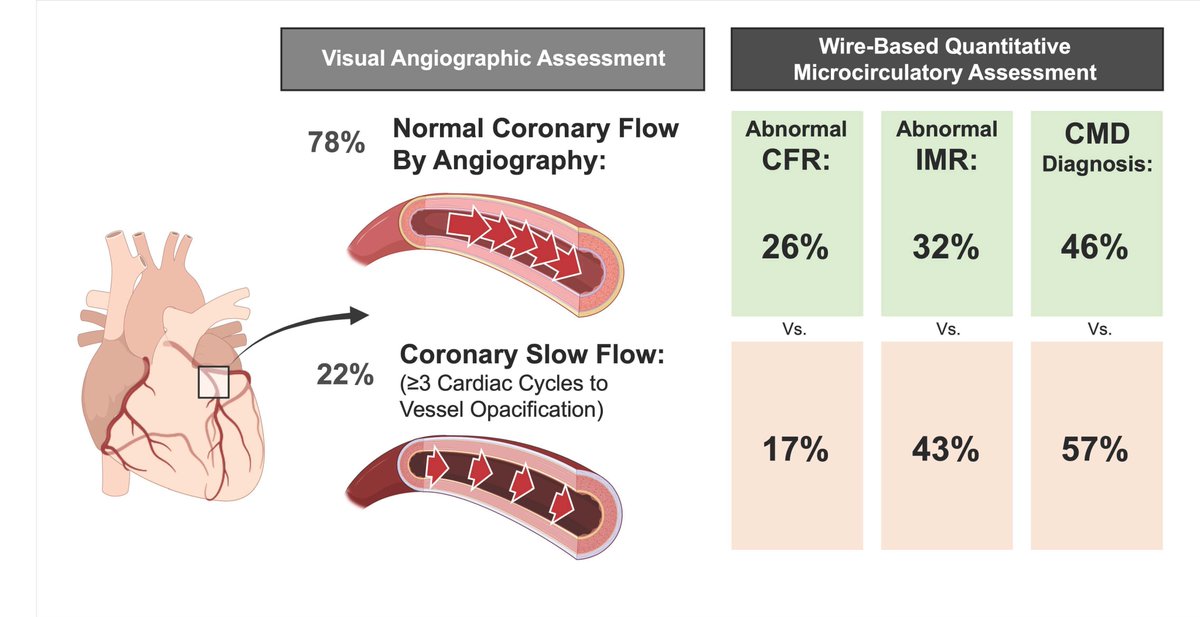
Is coronary slow-flow a reliable angiographic surrogate for wire-based physiology testing in INOCA? To be presented at #ACC24 and published simultaneously: ahajournals.org/doi/10.1161/… @NSmilowitzMD @AHausvater #AHAJournals
1
15
38
16,141
20 Jan 2024
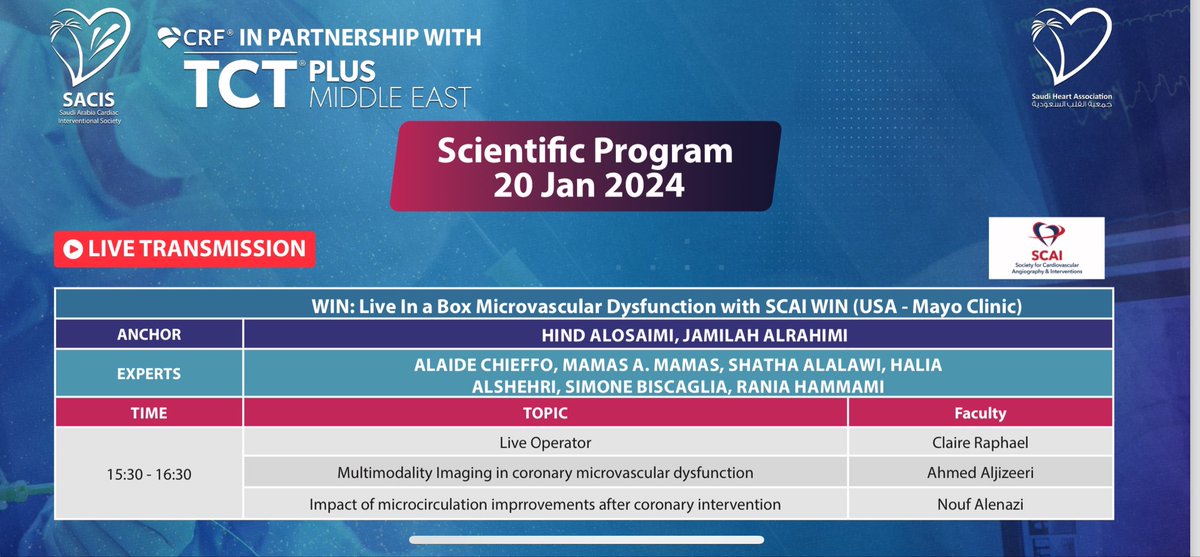
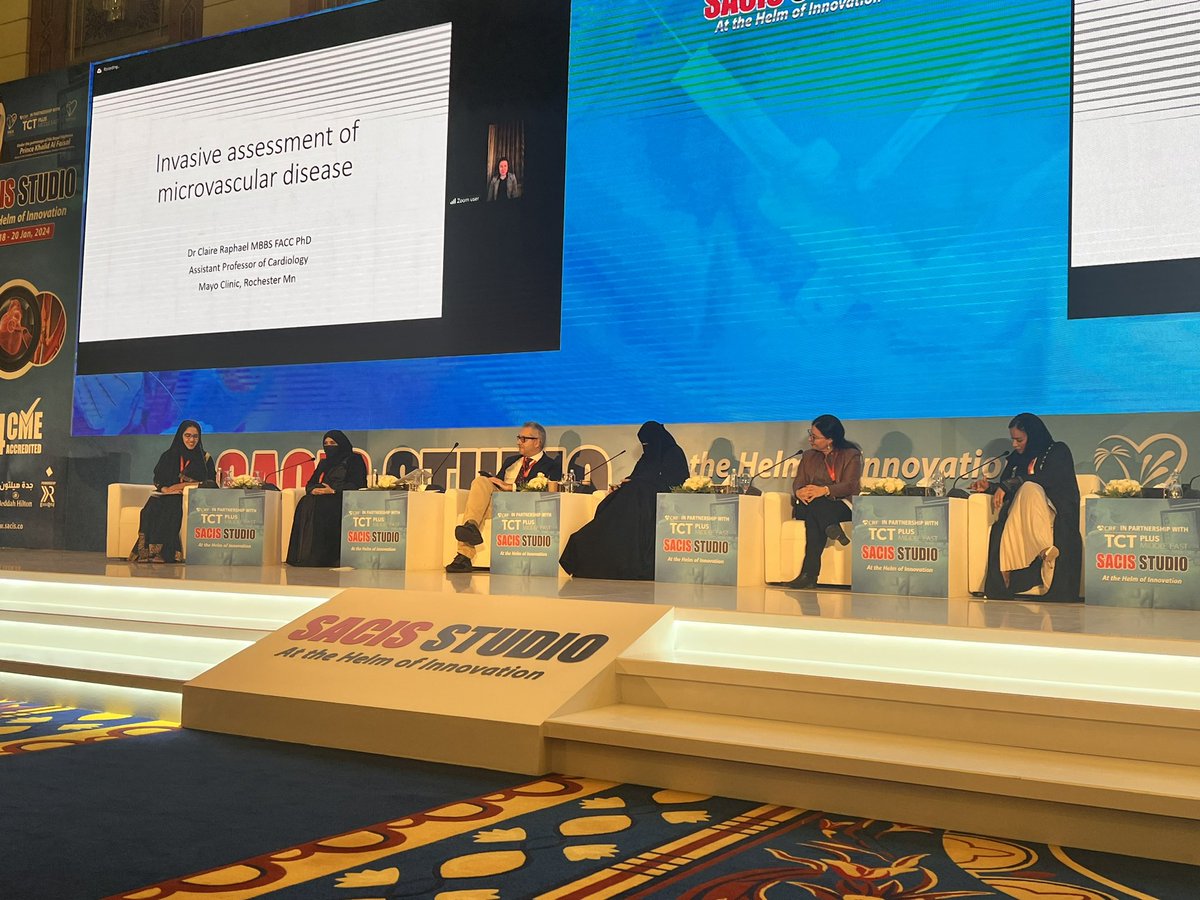
Honored to have been invited to present on invasive assessment of microvascular disease at @SCAI_STUDIO. Thank you to the wonderful team and panellists for an excellent session
20 Jan 2024

SCAI-WIN session @SACIS_STUDIO with @claireraph from @MayoClinic presenting a state of the art demonstration of how to perform a complete assessment of the micro vascular circulation @SCAI #TCT_MiddleEast @AlrahimiJ @HindAlosaimi_ @drhalia @RHammami_cardio @Dr_ShazaAlalawi
2
3
23
5,868
Claire Raphael retweeted

15 Jan 2024
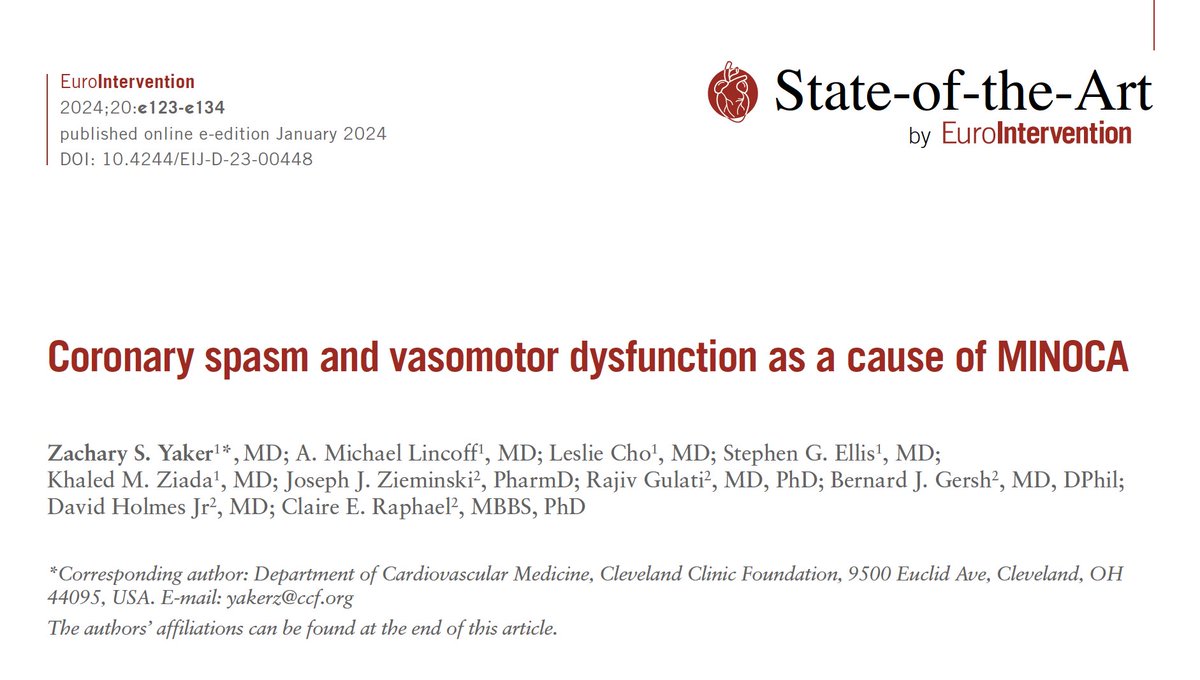
Increasing evidence has shown that coronary spasm and vasomotor dysfunction may be the underlying cause in more than half of myocardial infarctions with non-obstructive coronary arteries (MINOCA) as well as an important cause of chronic chest pain in the outpatient setting.
In this new State-of-the-Art, the authors review the contemporary understanding of coronary spasm and related vasomotor dysfunction of the coronary arteries, the pathophysiology and prognosis, and current and emerging approaches to diagnosis and evidence-based treatment.
Read the article (free): eurointervention.pcronline.c…
4
70
203
19,673
Claire Raphael retweeted

23 Dec 2023
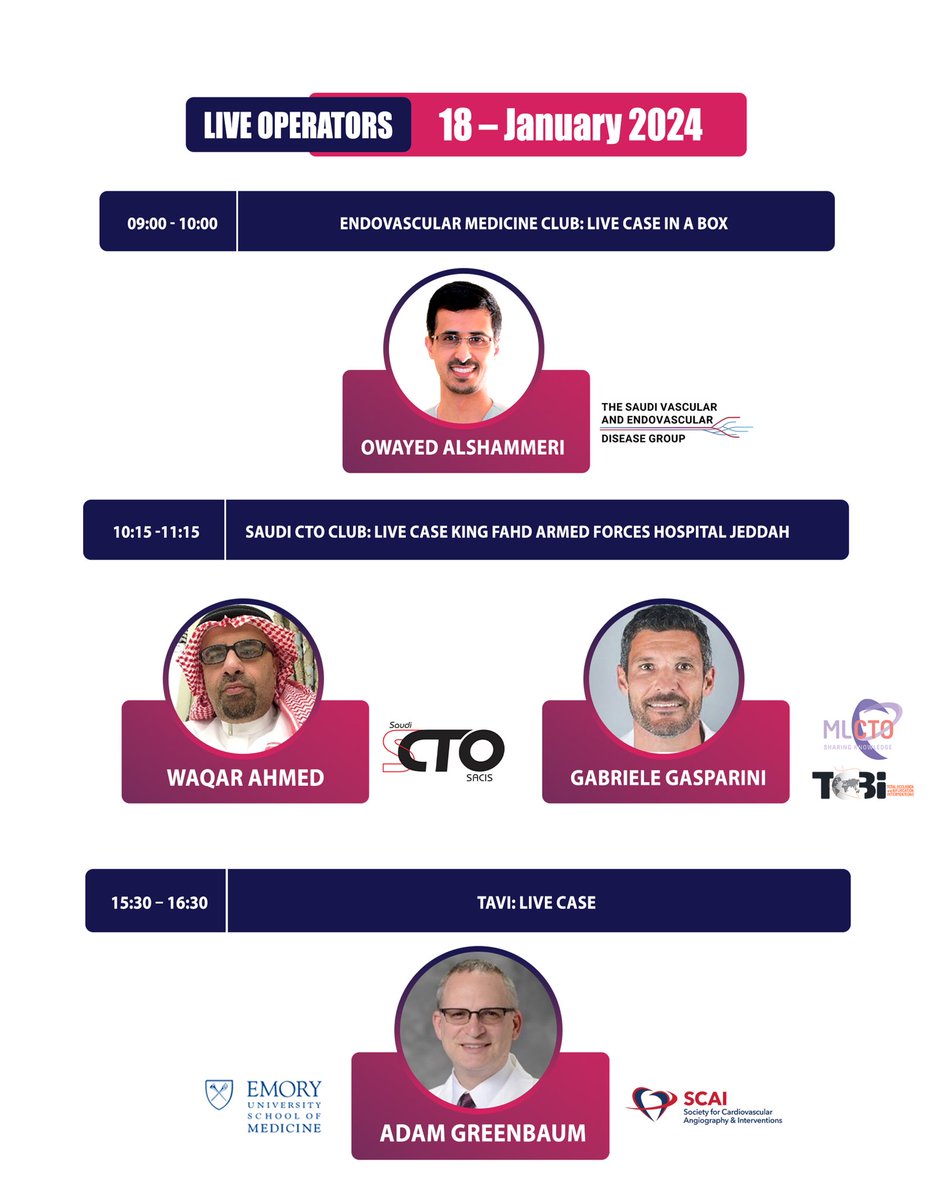
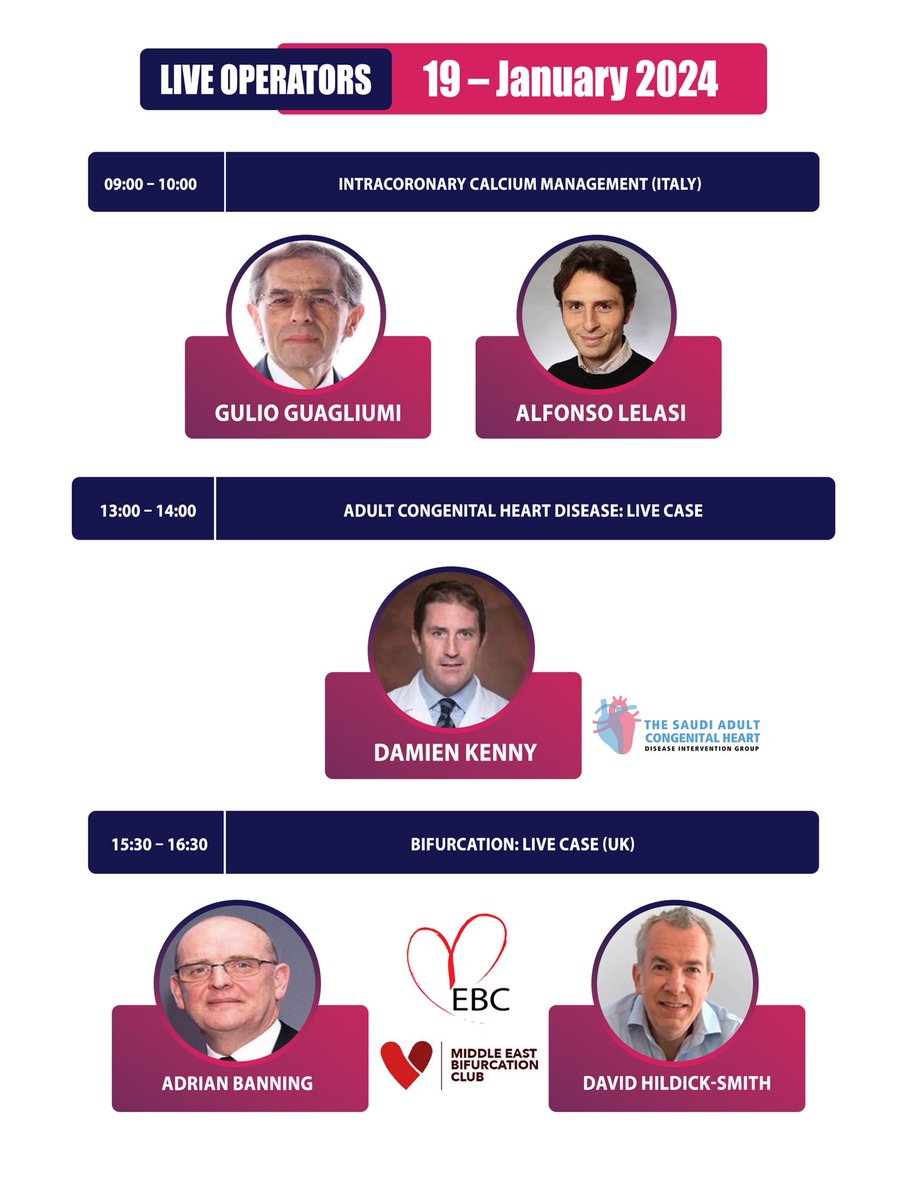
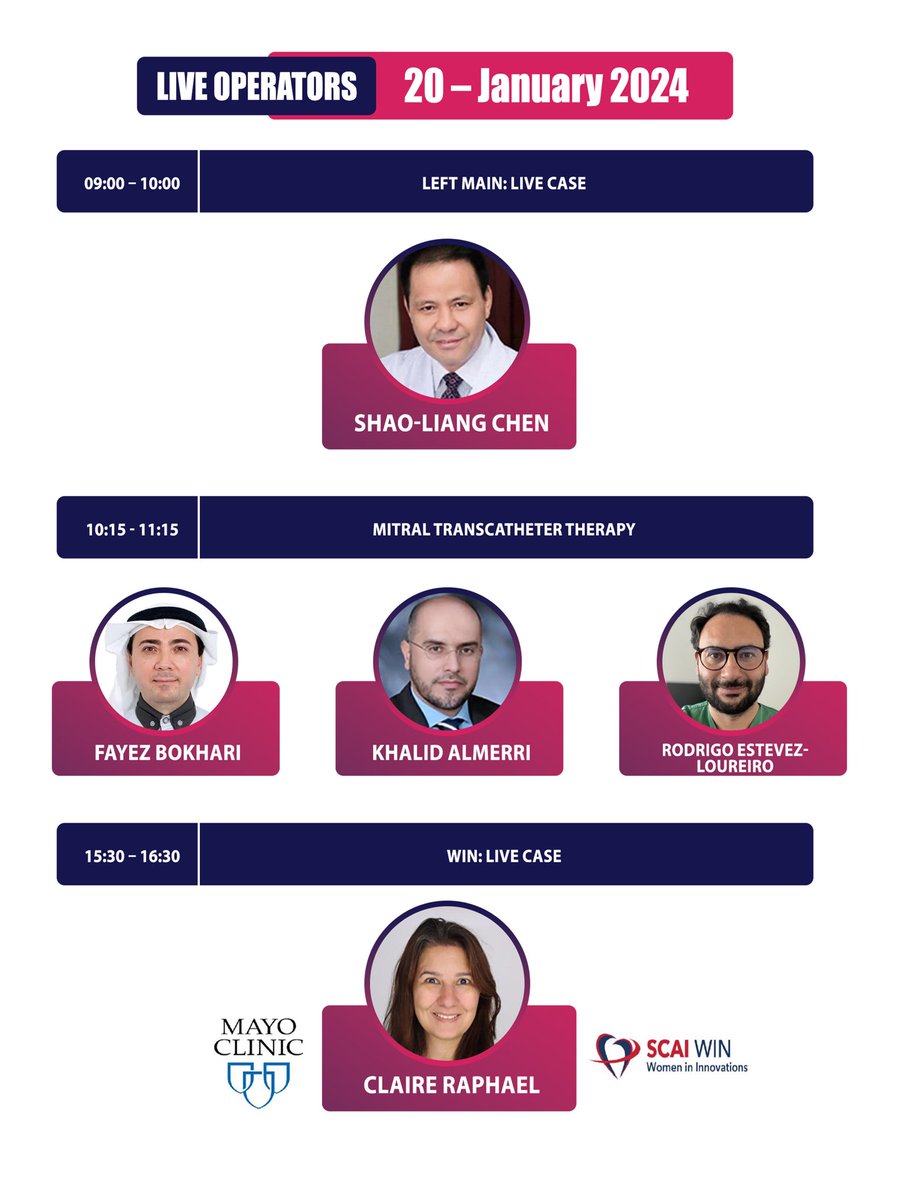
Focal point of #SACIS_Studio is live cases
🛰️ Jan 18
1 Endovasc @DrOwayed🇸🇦
2 CTO @wagarhabib @GLGasparini🇸🇦
3 #TAVR @AdamGreenbaumMD🇺🇸
🛰️Jan 19
1 Ca Mx @kfaraidy🇮🇹
2 ACHD🇮🇪
3 @BifurcationClub🇬🇧
🛰️Jan 20
1 LM PCI @shaoliang_chen🇨🇳
2 MTEER @fayezbaraah🇸🇦
3 WIN @claireraph🇺🇸
4
27
45
31,276
Claire Raphael retweeted

16 Jul 2019
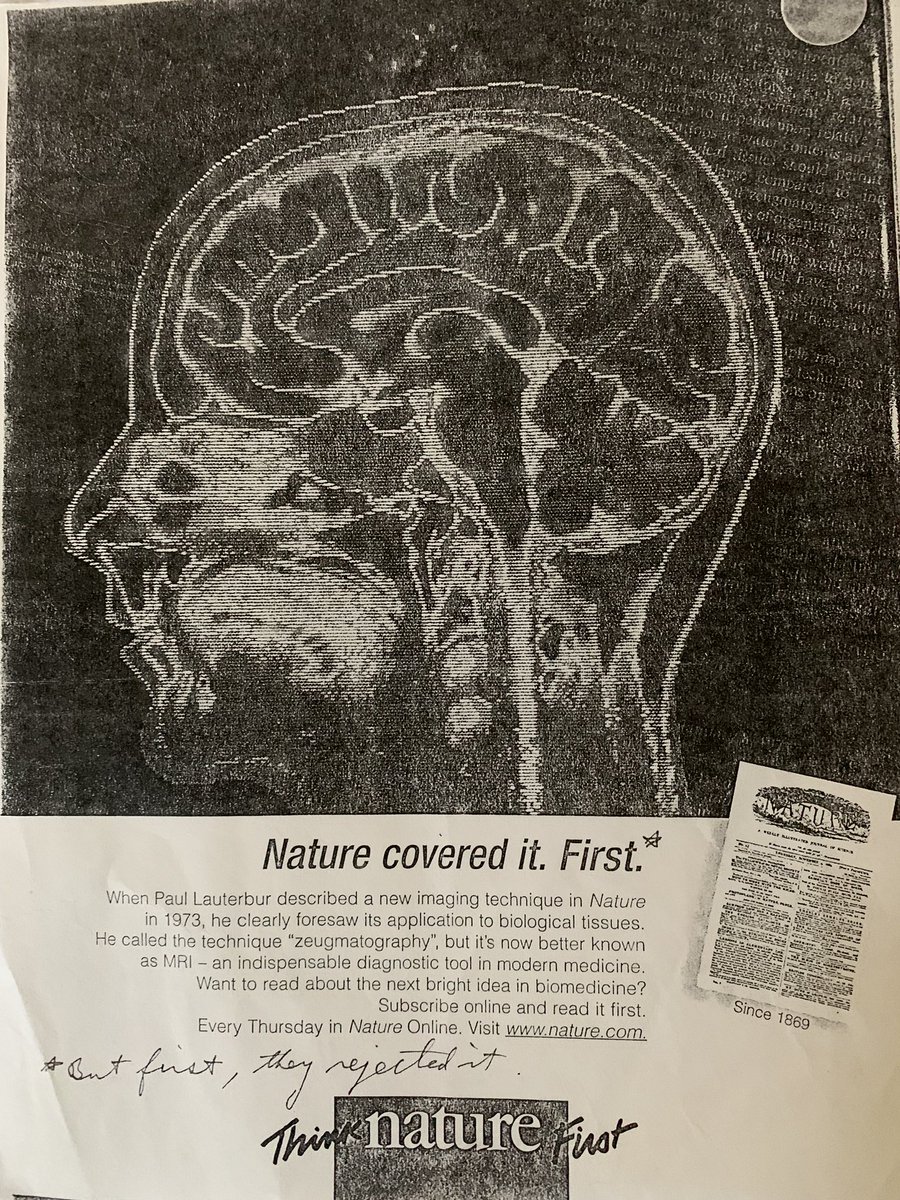
Paul Lauterbur put this up in our lab in 1996, original writing in red ink. Take heart, people, even the paper describing MRI was first rejected. Also, moving is hard, but digging up these gems from the past is beautiful. @NeuroDx @MRInicole #MRI #ISMRM
6
63
191
Claire Raphael retweeted

5 Mar 2023
Another large RCT demonstrating the benefits of IVUS in improving patients outcomes. Time to a class I indication? @hect2701 @ajaykirtane @SanjogKalra @JoostDaemen @ziadalinyc @mbmcentegart @mmamas1973 @KateKearney4

In RENOVATE-COMPLEX-PCI, a randomized trial of imaging-guided or angiography-guided PCI for complex coronary lesion revascularization procedures, imaging-guided PCI led to a lower risk of target-vessel failure than angiography-guided PCI. nej.md/3Y2zION
#ACC23/#WCCardio
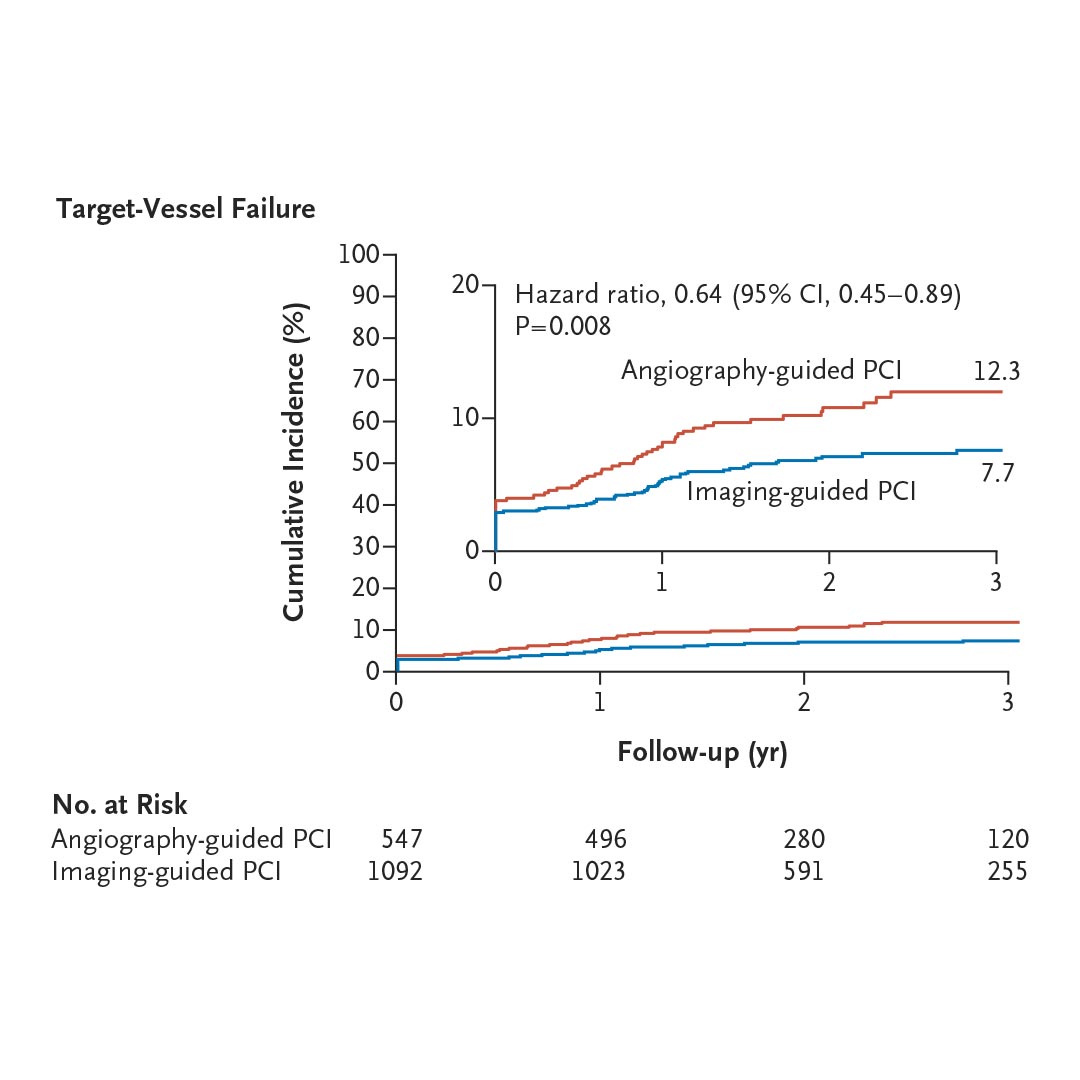
ALT Figure 1A. The primary end point was target-vessel failure, which was defined as a composite of death from cardiac causes, target-vessel–related myocardial infarction, or clinically driven target-vessel revascularization in the intention-to-treat population during the overall trial period (i.e., from the time of randomization to the day of the first occurrence of a primary end-point event, the day of the last office or telephone visit, or the day of death during follow-up).
2
5
24
4,099
Claire Raphael retweeted

21 Feb 2023
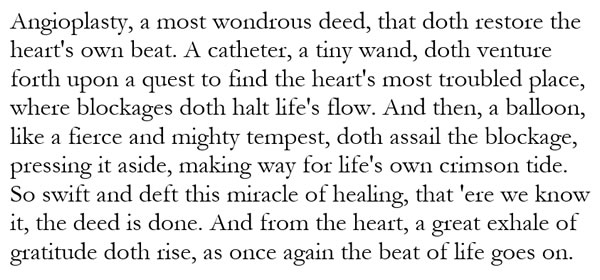
So for all the liberal arts majors who became cardiologists, I asked #ChatGPT to tell me how #angioplasty works, but to do it in the style of William Shakespeare. I'm looking at you @kaulcsmc 😉
10
23
108
33,679
Claire Raphael retweeted

18 Jul 2022
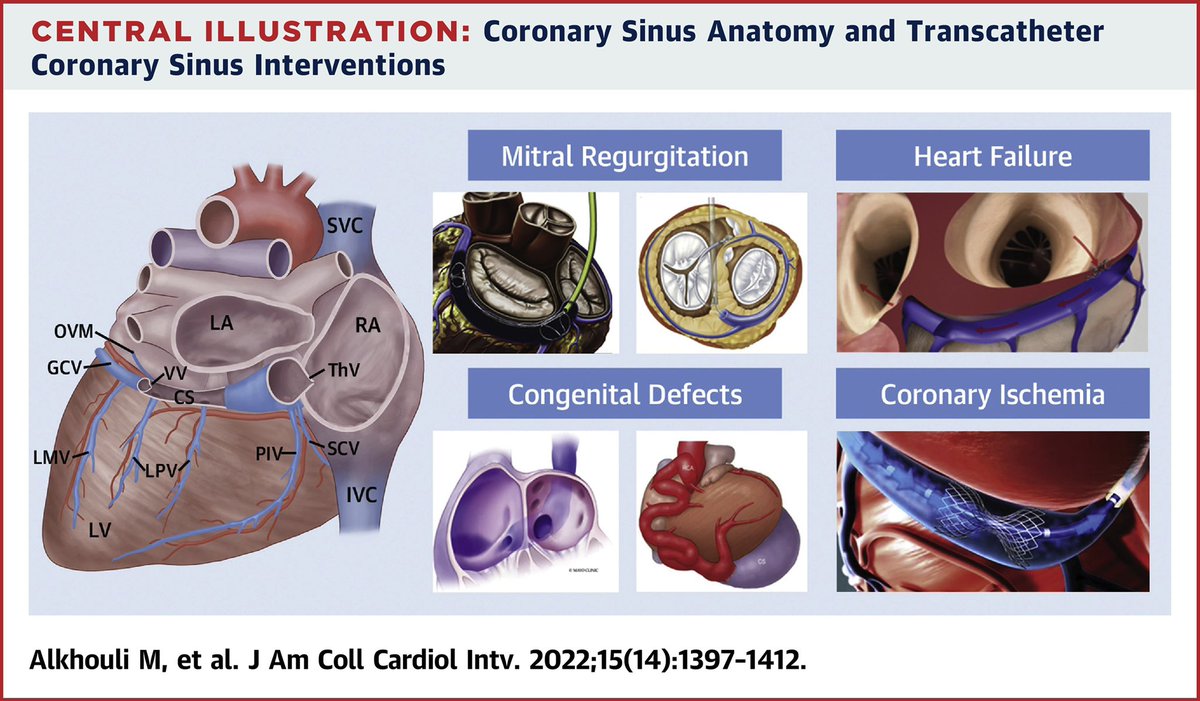
Our SOA on transcatheter coronary sinus interventions is now online.
The 📝 covers key aspects of CS anatomy, techniques & evolving data on CS-based interventions for coronary ischemic, MR, HF & congenital defects. jacc.org/doi/10.1016/j.jcin.…
3
28
138
Claire Raphael retweeted

15 May 2022
Not sure about the impact of SB rewiring site on #kissing balloon efficacy? have a look on 3D #OCT result after kissing with non-distal rewiring and after repeat kissing on top of distal rewiring… both 1- and 2-stenting #PCI result would be affected!!! @BifurcationClub
2
22
65

Claire Raphael retweeted
1 Nov 2021
New #JACCINT issue is out!
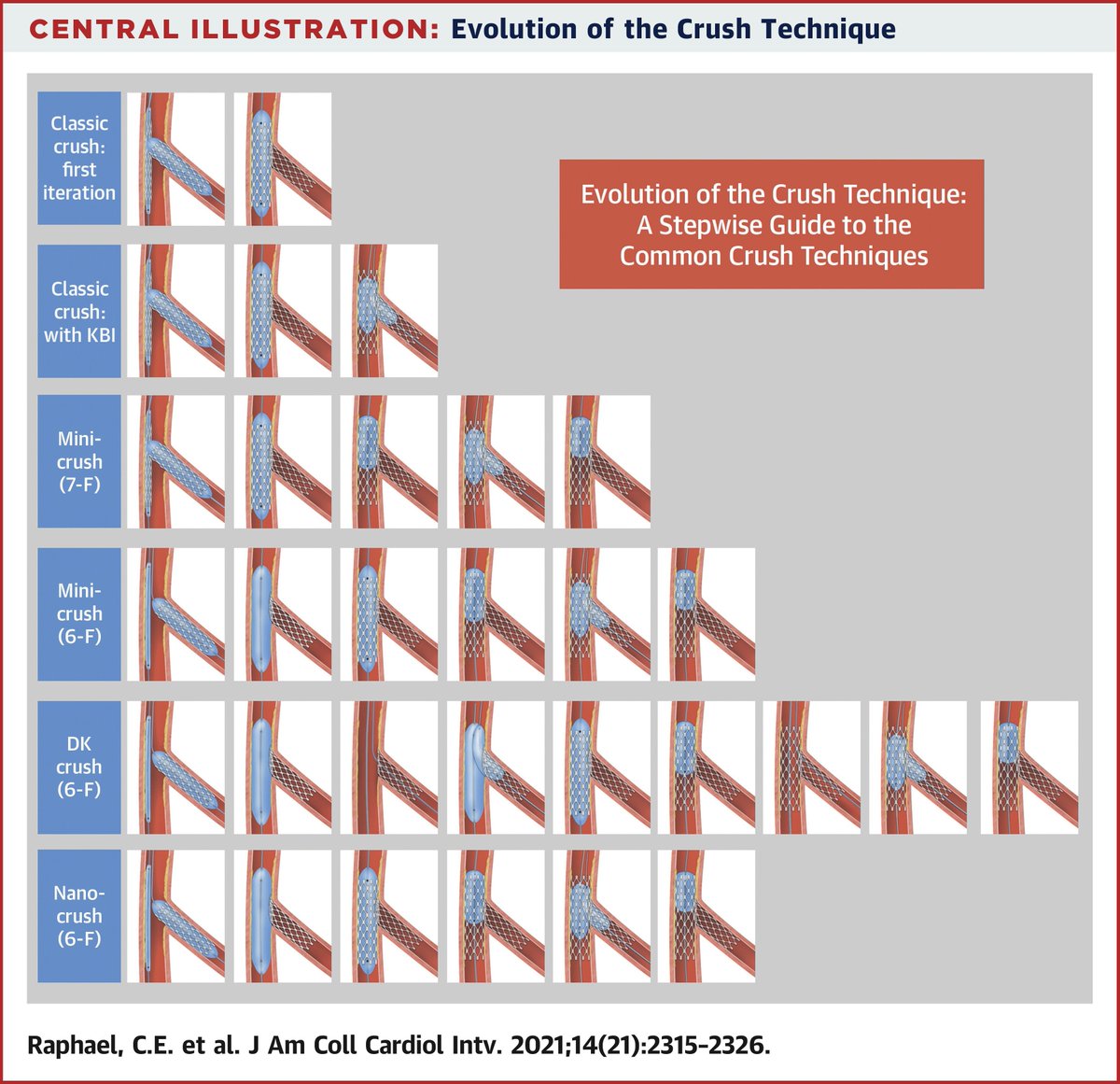
Classic crush, Mini-crush, DK-crush and Nano-crush: How did the crush techniques in bifurcation #PCI evolve w/ time? What are the outcomes of the different crush techniques?
Read more in this state-of-the art review: bit.ly/3pZ8tXU #ACCIntl
1
95
220