
Joined May 2012
- Tweets 5,524
- Following 1,620
- Followers 4,461
- Likes 13,820
275 Photos and videos




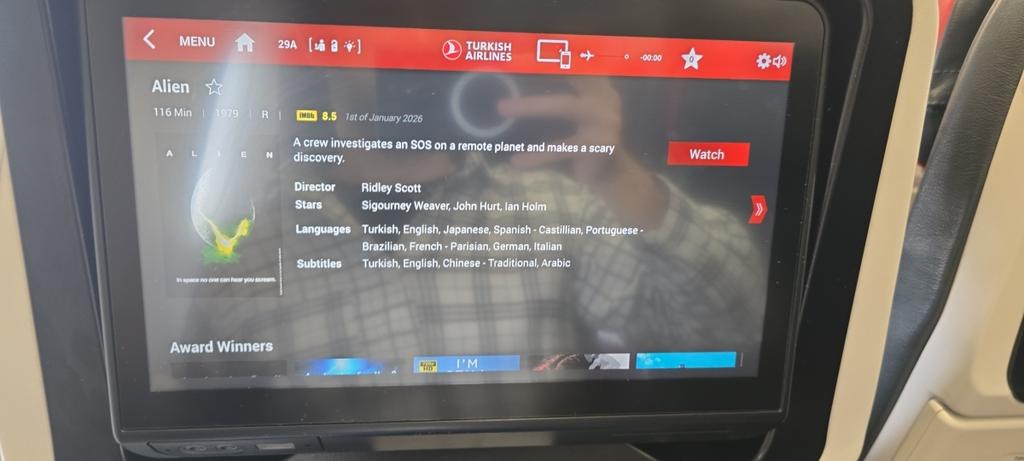
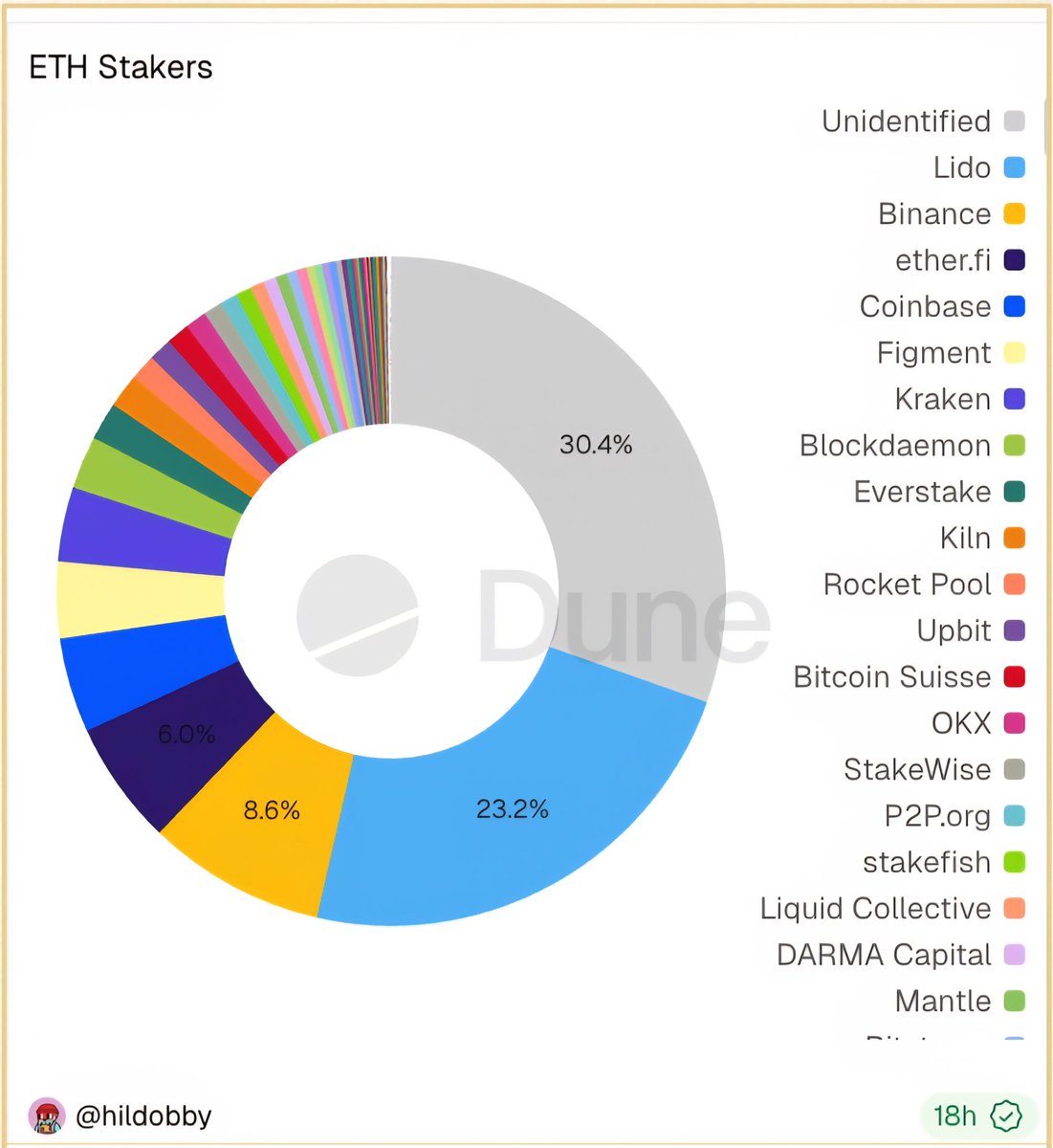
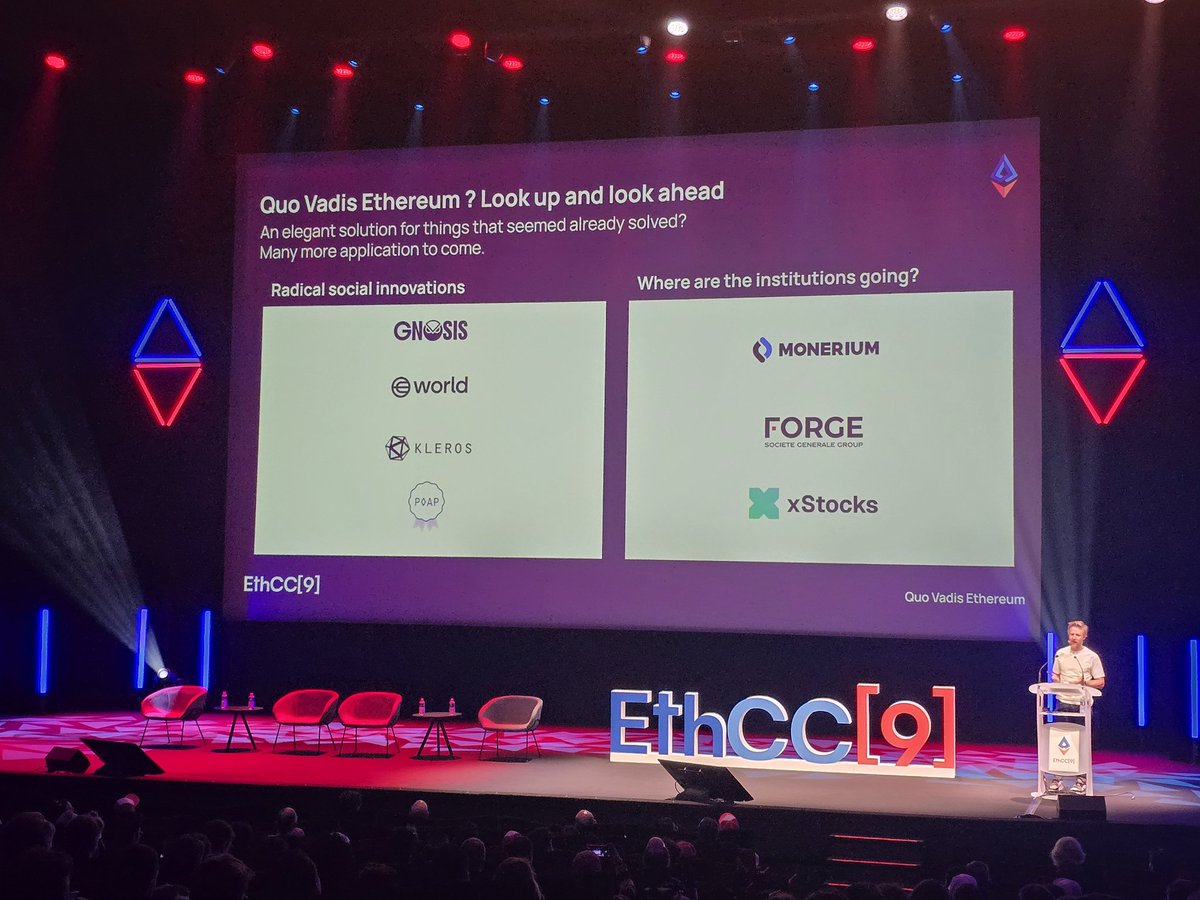
Clément Lesaege retweeted

Jun 12
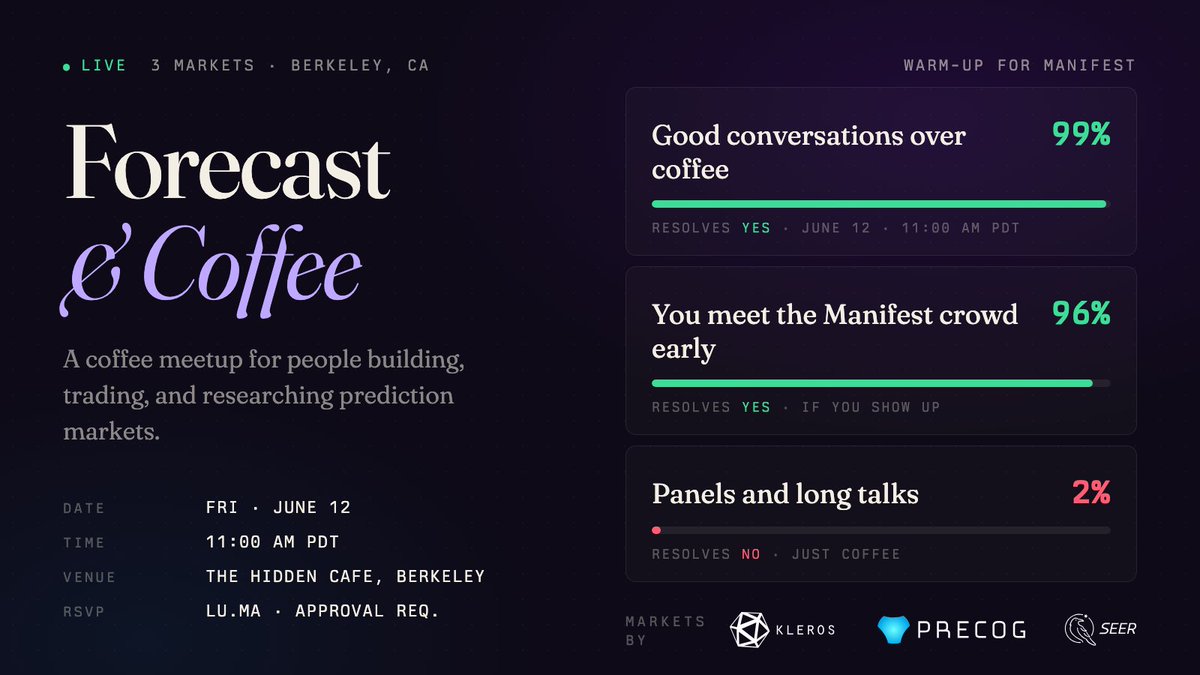
🎲 Odds of good conversations at Forecast & Coffee tomorrow: 99%.
Odds of panels and long talks: 1%. Less than Jesus returning this year.
If you're warming up for Manifest, the best prediction market conference, come help the first market resolve YES. Register ↓
Jun 11

📈 Manifest is this weekend. Will we see you there?
Our internal market says 91% yes.
Push it to 100%: we're co-hosting Forecast & Coffee with @precogmarkets and @seer_pm at The Hidden Cafe in Berkeley, the day before the conference kicks off.
Resolve YES by registering ▸ luma.com/3rwm2l1r
2
6
11
701
Clément Lesaege retweeted
Jun 10
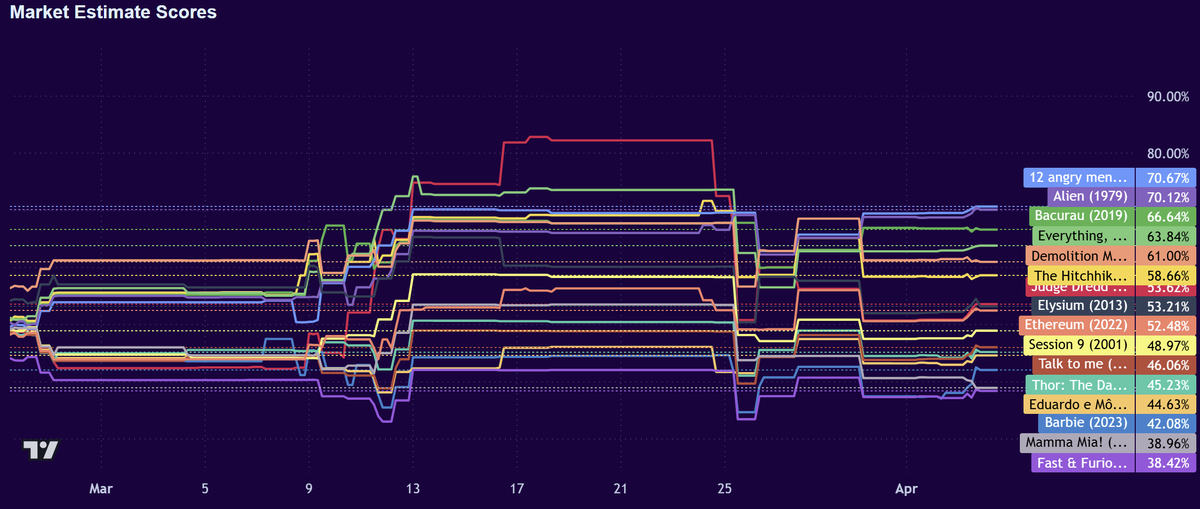
🔮Kleros Foresight: Round 1 Recap Round 2
113 traders priced 16 films to predict our CTO's movie ratings before he watched them. The prediction market came closer than ChatGPT and Criticker's own algo.
Round 2 is live, films picked by @clesaege himself this time ↓
1
10
17
1,037

Jun 8
But it is time to make it as such!
Jun 7

Prediction markets isn’t a positive game unfortunately.
1
4
301
Jun 5
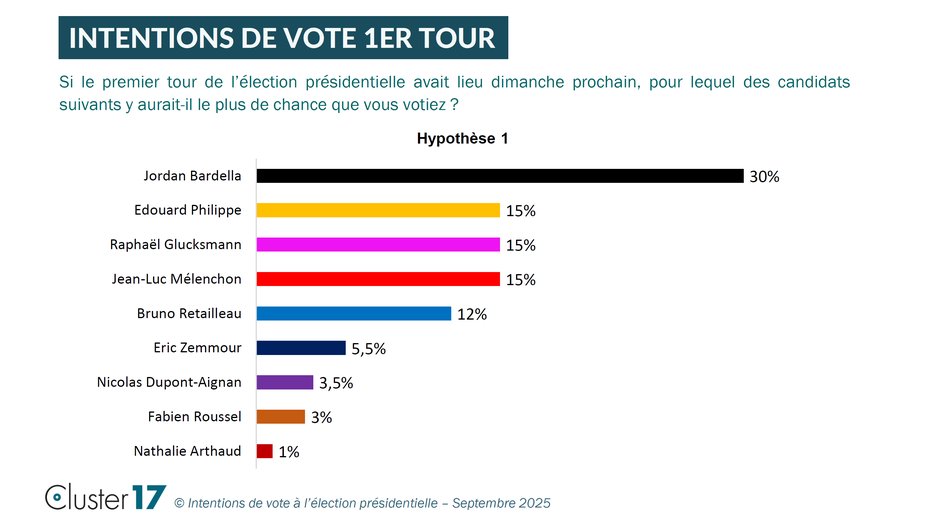
¹Far right supporters in France are gonna vote for the far left candidate in the first turn because:
- The far right candidate is pretty sure to qualify for the second turn.
- The far left candidate would be the easiest to beat in the second turn.


1
8
653
Jun 5
²If you make a voting system with simple rules, you do not end up with a simple system. You end up with a complex systems due to complex strategic behaviours attempting to exploit it.
Voting systems with more complex rules (ex Condorcet) are actually simpler for participants.
2
7
295
Jun 5
³We should evaluate voting systems complexity by looking at "how often is it strategic not to vote for what you believe?", not by "how hard is it to compute a winner from a set of ballots?" which can be done trivially and verified independently with computers anyways.
6
227
Clément Lesaege retweeted
Jun 4
🎬 Movie taste is subjective, but that doesn't mean it's unpredictable.
We wanted to find out which recommender was most accurate:
▸ a specialized recommender algo trained on 20 years of community ratings,
▸ the latest ChatGPT model,
▸ or Kleros Foresight, powered by prediction markets.
Kleros Foresight won. In Round 1, 113 traders beat Criticker (avg error 32 vs 38) and ChatGPT (vs 42) at guessing what our CTO would rate five films.
The caveat: it didn't beat ChatGPT when it had access to Clément's own chat history. That's why we're back with the Kleros Foresight Movie Experiment 2: Electric Boogaloo.
Read how to participate ↓
1
6
16
14,959
Clément Lesaege retweeted
Jun 4
Trade UP/DOWN on @clesaege's next ratings:
movies-r2.foresight.kleros.i…
1
8
275
Jun 3
Subjective oracles are hard and @Kleros_io also suffered from nitpicking attempts. But we've always worked to keep those in check.
Happy to help here. It doesn't need to be Kleros or UMA. We could have oracle aggregation (2/3 systems to determine the outcome).
Jun 3

A decade ago, I was very involved in @Kleros_io, and what I called then "subjective oracles" (opposed to deterministic oracle a la Chainlink) is incredibly hard to implement in a decentralized way because game theory will always favor nitpicking and trying to rob users, especially in "nothing at stake" situations.
Long term, this erodes trust in the system and drives users away.
Kleros solution was to impose a stake from the jurors and allow ever-increasing staked "challenges" to make game theory work for the benefit of users, wasn't perfect, was slow, was costly but quite efficient.
Another solution is centralisation, but that prevents deflecting liability, and my guess is @Polymarket really wants to avoid that.
Anyway, now that Polymarket has been wearing the big boi pants for a while, their current biggest challenge is improving this resolution system, because things like MSTR will happen more and more often, and the stakes are getting increasingly large.
5
3
23
2,546
Jun 3
It could also be a "per market" oracle. This would then allow to evaluate which oracle is providing the best results (assign markets to different oracles randomly and look at difference of trading on those).
1
7
206
Jun 2
Prediction markets to make a super stable coin. Who wants to build this?
Jun 2

Re-posting the idea from the second half of this post a few months ago firefly.social/post/x/202266…:
(This is very relevant to the options ideas from yesterday)
Question: if we're making a synthetic stable, what should it really be stable WITH RESPECT TO? USD is actually far from the best choice.
---
What do people who want stablecoins ultimately want? They want price stability. They have some future expenses in mind, and they want a guarantee that will be able to pay those expenses. But if crypto grows on top of USD-backed stablecoins, crypto is ultimately not truly decentralized. Furthermore, different people have different types of expenses. There has been lots of thinking about making an "ideal stablecoin" that is based on some decentralized global price index, but what if the real solution is to go a step further, and get rid of the concept of currency altogether?
Here's the idea. You have price indices on all major categories of goods and services that people buy (treating physical goods/services in different regions as different categories), and prediction markets on each category. Each user (individual or business) has a local LLM that understands that user's expenses, and offers the user a personalized basket of prediction market shares, representing "N days of that user's expected future expenses".
Now, we do not need fiat currency at all! People can hold stocks, ETH, or whatever else to grow wealth, and personalized prediction market shares when they want stability.
1
11
690

Jun 1
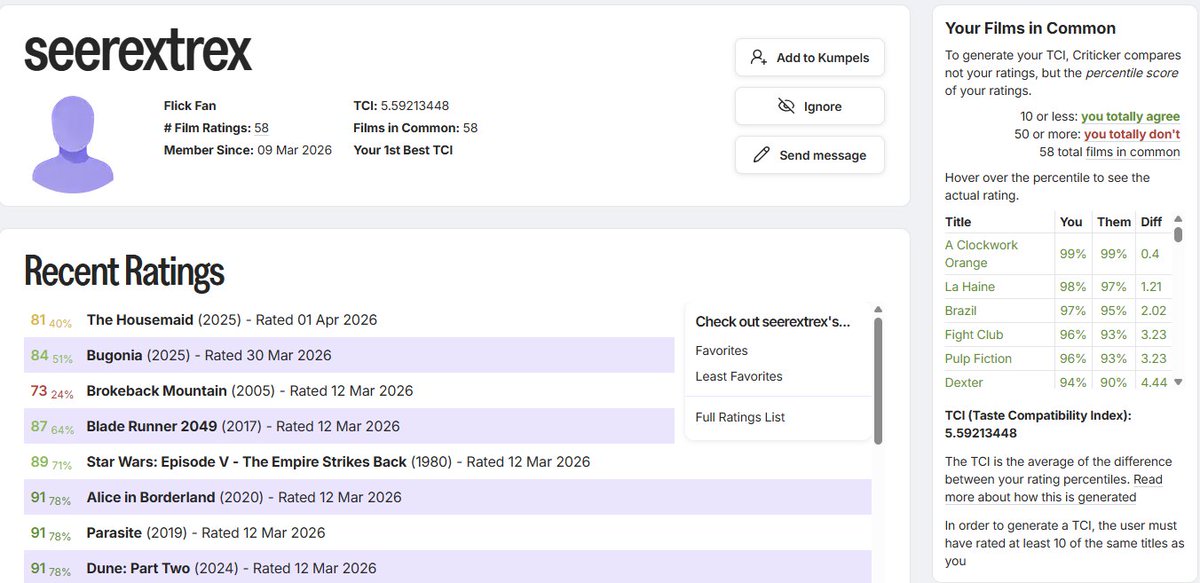
Just found out that some guy has been copying my list of ratings on @criticker.
I think he did this to get the predictions of Criticker in the Foresight movie experiment.
2
1
9
565
Jun 1
I rated way more movies so people have better data for the next round of the movie experiment.
I now rated 149 movies.
2
2
139
May 31
Detectors are great to flag or confirm feelings about AI use, but they are not perfect. When there is a suspicion of undisclosed AI use in candidate exercises, we always read it ourselves and look at the edit history.
May 29

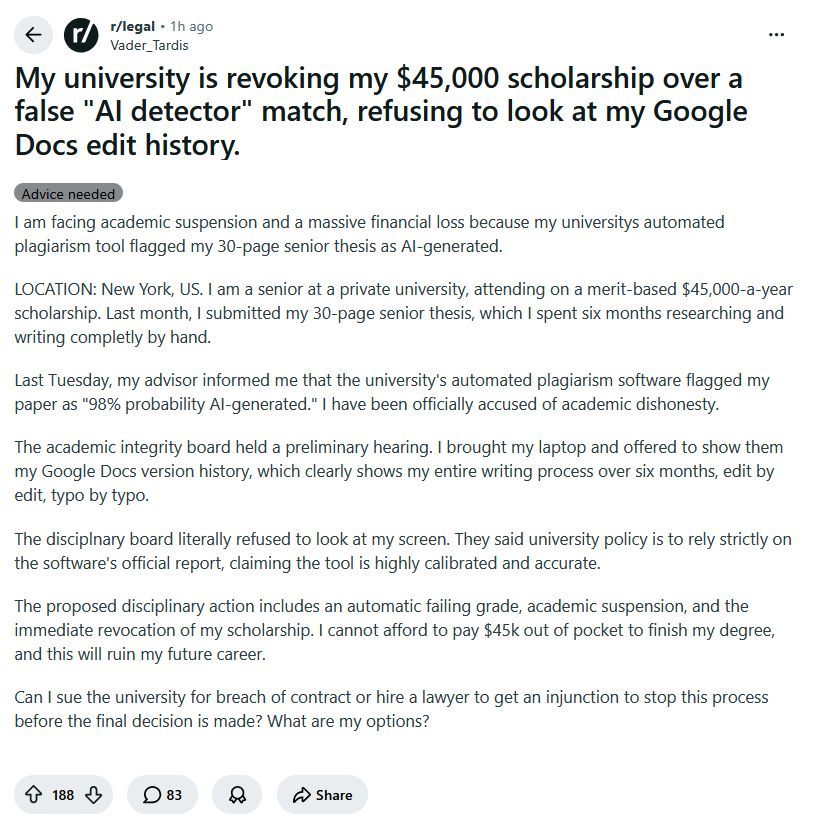
Daily reminder that AI detectors are a scam and literally do not work.
2
1
10
992
Clément Lesaege retweeted

May 26
AI agents are going to need a decision layer that isn't governance tokens
you can't trust an agent to vote in a DAO
you can trust it to put capital on a market and let outcomes settle
futarchy is the natural interface for autonomous capital
2
1
20
1,317
Clément Lesaege retweeted
May 26
🤖 What happens when you hand the same legal case to five different AIs?
They disagree. at almost exactly the same rate human jurors do.
That's one the findings in the new chapter @federicoast, @williamhwgeorge, and @robertgdean just published in AI and Arbitration (Wolters Kluwer, 2026), "When Decentralised Justice Meets Artificial Intelligence."
63 real Kleros disputes, judged by five frontier LLMs from: ChatGPT, Claude, Gemini, DeepSeek, Mistral. The takeaway isn't which model judges best. It's that you shouldn't trust a monolith AI.
Round 2 of the experiment is already in flight: the team is re-running the test on real-world consumer cases from Argentina's Junín pilot and Lemon, where early evidence suggests the AIs and human jurors come to different conclusions on the same cases.
Book details below ↓
2
7
24
27,275
Clément Lesaege retweeted

May 25
one thing deep funding finally figured out is how to involve degens in public goods funding
so far its been just the cypherpunks applying for funding & the regens building the allocation rails
The core idea?
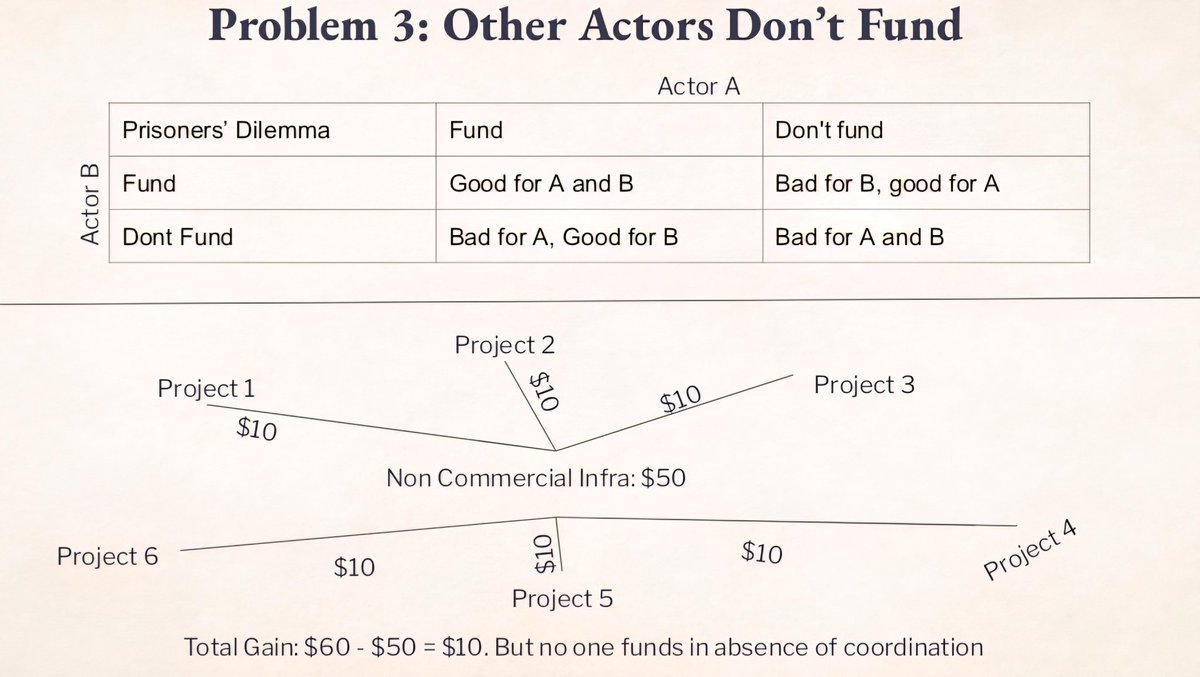
> run a prediction market to forecast the results of funding rounds, so if project A has a market price of 0.1, that means the market expects it to get 10% of the funding in the round
> degens earn a profit if their trades move the market price of the project closer to the actual amount it gets in the round
Henceforth i really hope to see prediction markets attached to every public funding program!
12
6
47
4,060
Clément Lesaege retweeted

May 25
If you have some time to read, let me give you my opinion about Kleros as of May 2026.
I'm going to start by mentioning that the resolution of a medical-related case is, in my opinion, an enormous step forward for Kleros legitimacy as a suitable solution for dispute resolution in the legal landscape, since medical cases are generally subject to very strict regulations and heavy legal oversight.
Even if this kind of applicable verdict may seem like small steps to some people, it shows that Kleros is becoming increasingly integrated into the legal landscape. As of 2026, Kleros real-world usage (if we define it as legally bound usage) is mainly focused in Latin America.
If you look at the complaints about Kleros since 2021 (most of them started that year as it marked the end of the crypto frenzy in which most web3 projects were pumping without any real reason), you'll see that most of the criticism is focused on the V2 deployment, which is supposedly the main unachieved stepping stone for Kleros.
But I don't think V2 is that important for now (even if I'd like to see it live too). Let me explain why.
As weird as it may seem, I think that most of the work of the Kleros Coop isn’t in the coding/development part (maybe it’s half the job) but in the integration with legal public institutions and private companies (even if it's only with V2 Beta or even V1).
As time passes, less costly and more efficient AI tools will make smart-contract deployment and reviewing easier and cheaper. Deploying a decentralized dispute resolution system will become doable for anyone capable of using AI with a bit of money and time. To keep it short, in ~5 to 10 years, any small team could be able to deploy a Kleros-like decentralized dispute resolution system.
But why are the chances of Kleros being replaced by a competitor almost non-existent? Two things: institutional trust and juror-based staking.
Institutional trust is extremely hard to replicate. Kleros has built real credibility over years with proven cases, successful resolutions, and partnerships. Companies and institutions won't easily trust a new fork with no track record.
Juror-based staking creates a strong self-reinforcing loop. More cases attract more staked PNK, which improves quality and security. A competitor would start with almost no jurors and no staked capital, making it slow, expensive, and vulnerable to Sybil attacks, vote manipulation, or low-quality rulings.
Aragon Court is dead. Celeste is dead. Jur is dead.
Kleros survived thanks to a much stronger network effect driven by its critical mass of jurors and cases, a more mature and effective incentive system, a strong focus on real-world adoption with fintechs, companies and universities, and consistent long-term development since 2017.
I think that the pilot cases in legal institutions, such as the ones in Mendoza Court, are the real stepping stones, because they show that the game theory behind Kleros is applicable to legal templates for fast resolution of almost any type of dispute.
This is also why Kleros is focusing so much on working with universities. Having partnerships and research collaborations with institutions like the University of Oxford or Ohio State University validates the theory that the incentive principles behind Kleros indeed produce applicable and robust verdicts. I personally believe it is the best initiative and the smartest move from the Kleros Coop.
And yes, Kleros had and probably still has some flaws in its development speed and in building certain side tools that weren’t really necessary.
But today, you are witnessing what began as a small theoretical project 9 years ago transform into a fully functional decentralized justice system, applicable across the globe and to an almost unlimited number of use cases.
You will have noticed that I only mentioned Kleros Court’s main use case and didn’t even cover all its derivatives (only Curate and Scout could be standalone projects by themselves).
Better use Kleros $PNK.
May 18
A private health insurer ended up covering a patient's therapeutic companion after the case went through a Kleros jury.
Alejandra Tomasone, from the Consumer Defense office of Junín, Argentina, tells the story: waiting would have been the equivalent of denying the patient the care they were entitled to. ⚖️
4
8
23
1,278