
Offensive Security & Asset Recovery. Intercepting malicious transactions via MEV strategies. $5M Assets Rescued.
Joined October 2021
- Tweets 1,866
- Following 284
- Followers 6,783
- Likes 5,540
560 Photos and videos


Pinned Tweet

18 Sep 2025
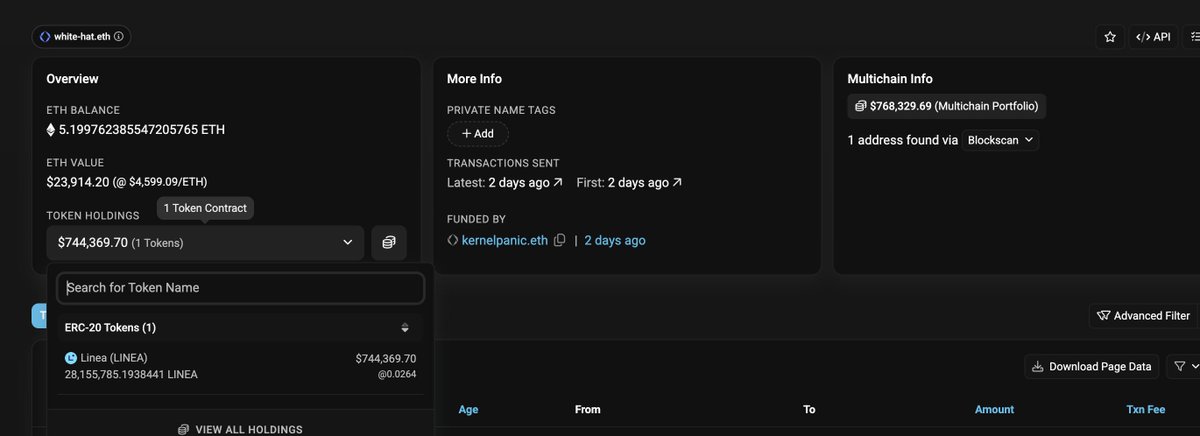
The Linea Rescue Operation Has Been Successfully Completed.
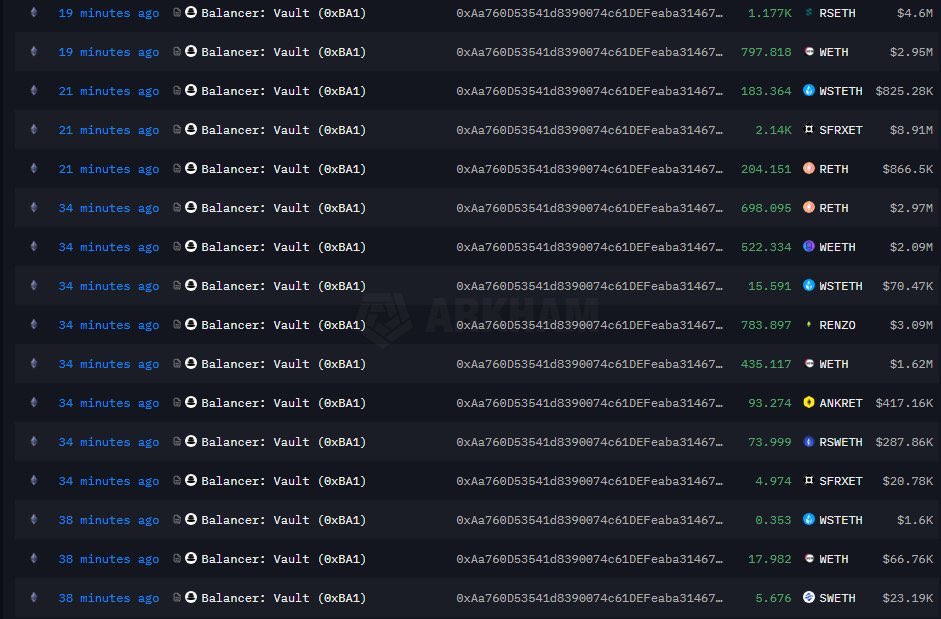
After a week of intensive, non-stop work, the mission to rescue the Linea airdrops from the compromised wallets under my management has successfully concluded. A total of ~30M Linea (~$800k) has been secured.
168
44
459
52,256
Mar 4
If your wallet has been compromised, you can submit it to Whitehat Rescue Ops.
I continuously monitor all submitted wallets. Any incoming tokens, airdrops, or claimable rewards are automatically rescued to your designated safe wallet—beating the sweeper bots to the punch.
With the Base airdrop approaching, timing is critical. If your compromised wallet might be eligible, submit it now and I'll handle the rest when it drops.
whitehat.codeesura.dev
Note: This is ONLY for compromised wallets. If your wallet is safe, you don't need this.
ALT This is ONLY for compromised wallets
13
4
27
1,602
Jan 25
Bildiğimiz cüzdan devri kapanıyor, yerine kuantum korumalı akıllı hesaplar geliyor.
OP Labs geçiş için 10 yıl süre vermiş ama bence çok muhafazakar bir tahmin. Bu dönüşüm yarı sürede gerçekleşir.
bye bye EOA (estimate in 5 years)

3
1
46
4,981
15 Dec 2025
React/Next tarafında kritik güvenlik açıkları tespit edilmiş. Güncelleme yapmayan projeler şu an aktif olarak hedef alınmaktadır.
Bu süreçte etkileşime girdiğiniz (cüzdan bağladığınız, giriş yaptığınız vb.) sitelere karşı çok dikkatli olun.
5
21
1,428
ArmutBey retweeted

7 Dec 2025
Herkese merhaba,
Benim adım Ufuk. Bu tweeti size hastaneden yazıyorum. Hayatım, beni — engelli bırakan ve boynumdan aşağısını felç eden bir dalış kazasıyla bir anda değişti. Ellerimi kullanamıyorum sürekli hastanedeyim. Sürekli enfeksiyonlar, ağrı ve uzun yoğun bakım süreçleriyle mücadele ediyorum. Yıllar geçtikçe bu yolculuğun ağırlığı daha da arttı ve en büyük destekçim olan Annem bile artık bu yükü tek başına taşıyamıyor. Annem beni kaldırıp indirmekten şu an bel-boyun fıtığıyla savaşıyor.
Acil olarak ihtiyaç duyduğum pek çok tedavi ve ameliyat hala bizim için ulaşılamaz durumda ve hem duygusal hem de fiziksel zorluklar dayanılması güç bir hal aldı.
Yine de mücadele ediyorum, tutunuyorum ve daha iyi bakım alabilmek için hala umut ediyorum.
Bu NFT, tedavi masraflarıma destek olmak için oluşturuldu. Yapacağınız her katkı bana umut veriyor ve bu zorlu yolculuğa devam edebilmemi sağlayacak.
“Bir Mint Bir Umut” için @opensea mint linkini aşağıya bırakıyorum. Hepimiz birer engelli adayıyız diyor ve sizleri sevgiyle kucaklıyorum. Herkese teşekkür ederim.
👇
opensea.io/collection/limitl…
594
1,096
3,500
1,933,610
ArmutBey retweeted

2 Nov 2025
How Turkish scientist Erdal Arikan’s theory helped Huawei dominate 5G and this is how they thanked him.
41
608
4,041
463,445
3 Nov 2025
110m$

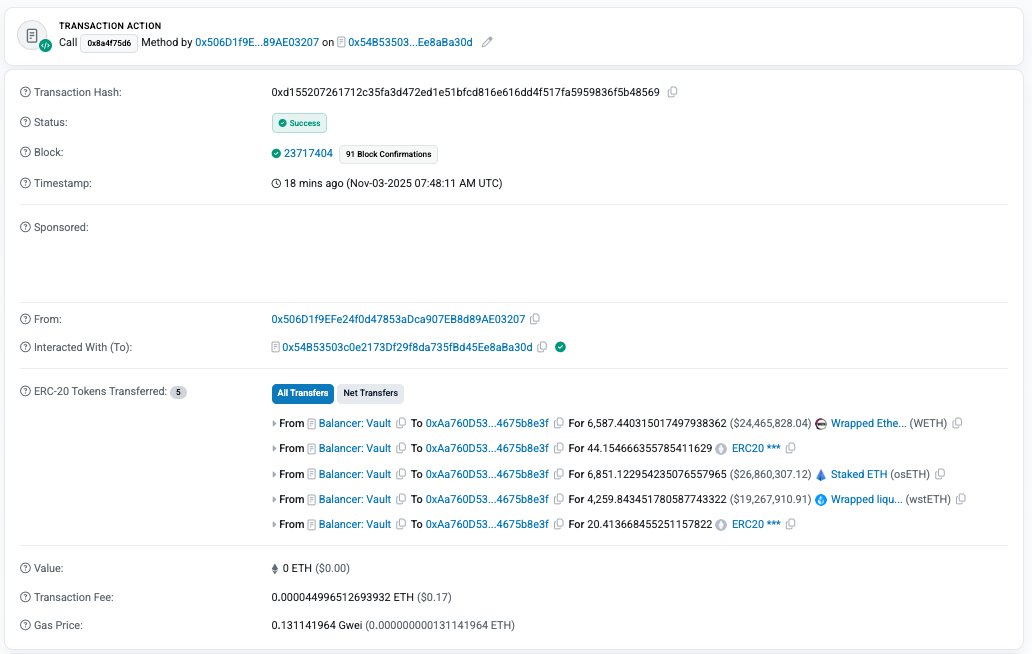
5
30
7,988
30 Oct 2025
Announcing the (unofficial) Tenderly Rust SDK @TenderlyApp
github.com/codeesura/tenderl…
3
21
1,479
28 Oct 2025
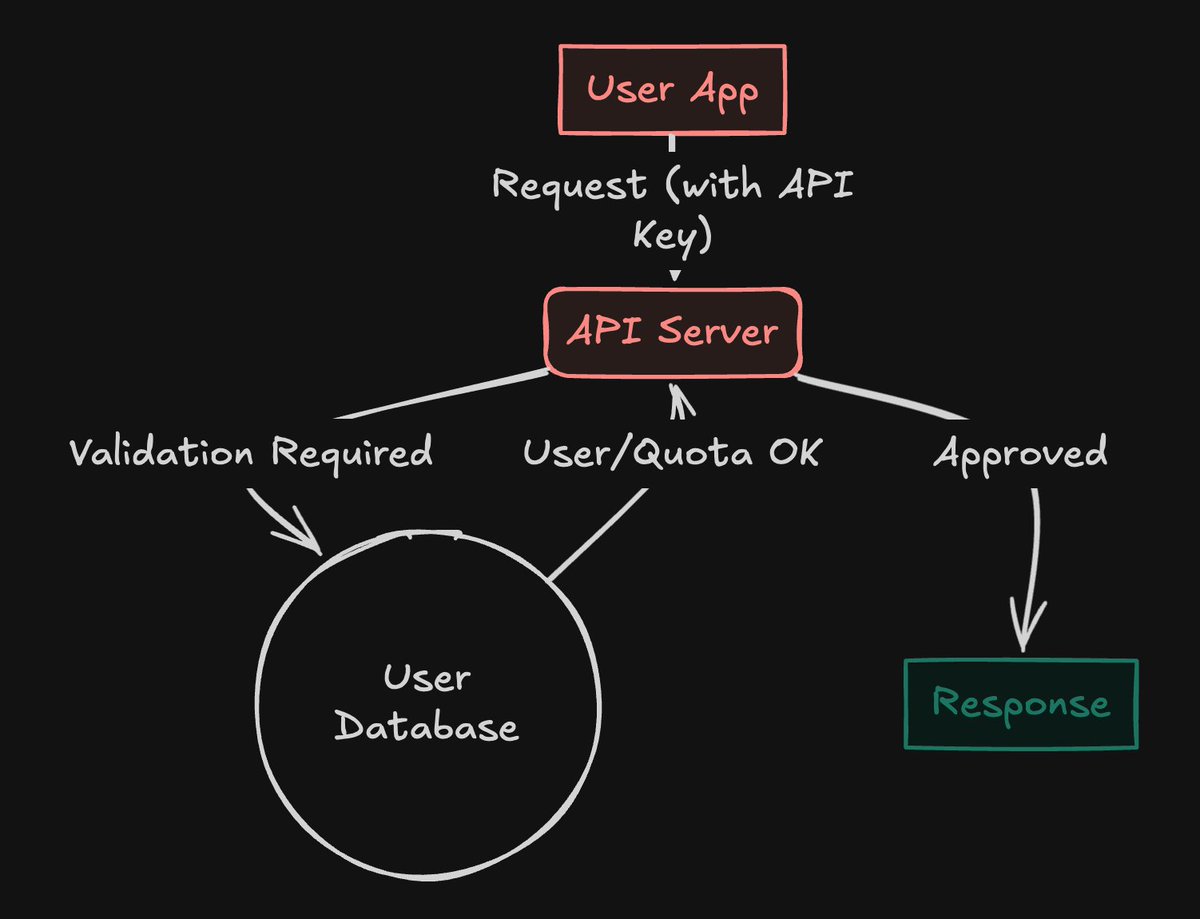
The x402 protocol truly offers a turning point for microservice architectures. Traditional service pricing is generally based on monthly or yearly subscription packages or "pay-as-you-go" models billed at the end of the month. Projects distribute unique API keys to users to manage access.
Let's examine the hidden but immense workload this method creates with an example. Suppose you have an API service that provides real-time weather data. In the Traditional Model, when a developer wants to use your service, they must first register on your site, select a plan (e.g., $20 for 10,000 requests per month), and enter their payment information. You then provide them with an API key. Every time your service receives a request, it must take the incoming API key and query the database: "Is this API key valid?", "Is this user's subscription active? Is their payment overdue?", "Has this user exceeded their 10,000-request monthly quota?". If all these checks pass, the service is delivered, and one request is deducted from their quota. This means database reads, writes, and complex subscription management for every single simple weather request. At the end of the month, you then have to deal with collecting payments from thousands of users.
The x402 Model, however, completely eliminates this burden. You can technically open your service to the public; no registration or API key is required. When the user sends a direct request from their application, your service, instead of looking for an account or key, returns a "HTTP 402 Payment Required" response. Inside this response is a tiny invoice for that single, instant use, perhaps for $0.001. The user's client pays this micropayment in milliseconds and re-sends the same request along with the proof of payment. Your service instantly validates the incoming payment proof and processes the request.
In other words, the service provider doesn't need to know who the user is, maintain a user database, manage subscriptions, or track balances. Every single API call carries its own payment within it. This reduces the workload to zero for developers while opening the door to a true, no-commitment "pay-as-you-go" model for users.

5
2
37
2,246
27 Oct 2025
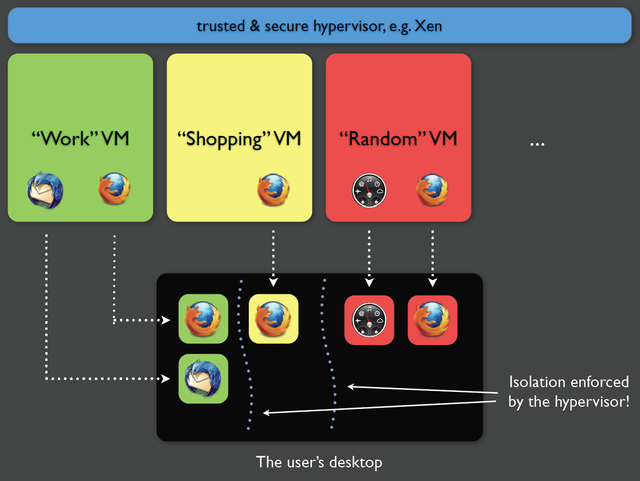
Gündelik işlemler yaptığınız bilgisayarda cüzdanlarınızı tutmayın. Bunun için ayrı bir fiziksel bilgisayar kullanmak zorunda değilsiniz; örneğin, Qubes OS gibi güvenlik odaklı işletim sistemlerini kullanabilirsiniz.
9
4
50
4,305
27 Oct 2025
Hatta Qubes OS, her bir tarayıcı sekmesini bile tek kullanımlık ayrı bir sanal makinede çalıştırabilir. Böylece olası bir saldırıda x sekmeniz tehlikeye atılsa bile bu saldırı diğer sekmelerinizi veya daha önemlisi cüzdanlarınızın bulunduğu sanal makineyi hiçbir şekilde etkilemz
1
5
870
27 Oct 2025
Günümüzde de en güvenli kabul edilen işletim sistemidir zaten, çünkü bu yalıtım yoluyla güvenlik (security by isolation) mimarisi, sistemin bir parçası tehlikeye girse bile diğer tüm parçaların güvende kalmasını sağlar.
5
798