
Software Engineer. Think It? Do It!
Joined July 2018
- Tweets 344
- Following 156
- Followers 186
- Likes 247,679
25 Photos and videos



Frank K. retweeted

Jun 14
Will be on duty
Jun 14

🇿🇦 Next match loading... ⌛️
⚽ Czechia vs Bafana Bafana
📅 Thursday, 18 June 2026
🏟️ Atlanta Stadium, Georgia
🕕 Kick-off: 18:00 (SA Time)
#BafanaPride
#BafanaBafana
#FIFAWorldCup

29
121
2,717
61,786
Frank K. retweeted

Jun 8
Tailors, your hard work deserves more than thanks. This week, managing your orders on boafuo earns you points, and the top 3 tailors get cash prizes.
A little reward for the work you already put in. Join now 👇🏽
whatsapp.boafuo.com/share/ch…
1
12
12
3,618

At Haxo Labs, we build intelligent software solutions across multiple industries.
Proud to see @boafuoapp hitting this milestone with the support of @foundervine and @eagle_labs as they scale their impact in the fashion space!
Jun 1

We're scaling up! 📈
Thrilled to share that @foundervine and @eagle_labs are supporting boafuo as we expand our footprint and reach more tailors across the continent.
This is a major milestone for us. We're just getting started! 🚀
6
11
141
Frank K. retweeted
Jun 1
We're scaling up! 📈
Thrilled to share that @foundervine and @eagle_labs are supporting boafuo as we expand our footprint and reach more tailors across the continent.
This is a major milestone for us. We're just getting started! 🚀
1
7
10
366
Frank K. retweeted

Announcement: Closure of IT and Cybersecurity Operations in Ghana
Effective immediately, Tactical Intelligence Security is discontinuing all IT and Cybersecurity services in Ghana.
Following a thorough review of the operating environment, we have determined that continued operations in Ghana are no longer viable. The increasing over-regulation and burdensome compliance requirements in the IT/ICT sector have made it unsustainable and unprofitable to run a technology company in the country.
This was a difficult but necessary strategic decision to ensure the long-term sustainability of our operations. All cybersecurity services and solutions will now be managed from a more favorable jurisdiction.
Please note that our defense supply and physical security guard services will remain the only services provided in Ghana.
We will be contacting all active clients and partners directly to manage the transition of ongoing engagements in an orderly manner. New inquiries for IT and cybersecurity services will not be accepted in Ghana.
We appreciate the support received over the years and remain committed to delivering excellent services to our clients.
Archzilon Toomtom-Nyame
CEO
Tactical Intelligence Security
9
96
146
63,448

Hon. Sam George told us we don't read.
Said the bill has been on their website for 2 weeks and we should have read it.
So we read it.
Then he told us the bill we read is DEAD.
That it's a V0. A zero draft. Irrelevant.
Sir.
With the greatest respect — which bill exactly were we supposed to read?
Because here is what just happened:
✅ You put a bill on your website
✅ You told the public to read it
✅ The public read it
✅ The public raised serious concerns about what they read
❌ You then told them what they read doesn't count
❌ Because the REAL bill is V5
❌ Which was... where exactly?
V5 was not on the website.
V5 was not shared publicly.
V5 was apparently only available to a select few in that room.
So the bill you told us to read was never the bill you were working from.
And when we read what you gave us and raised alarms, you used it as evidence that we don't read.
That is not a communication problem on our end sir.
That is a transparency problem on yours.
You cannot put a V0 in public view, keep V5 in a private room, then tell citizens they are uninformed for reacting to what you gave them.
We read.
We showed up.
We just weren't given the right document.
So before the next meeting — which bill are we reading? Where is it? And when exactly were you planning to share it with the people it affects most?
We are still waiting.
#NITA #NITABill #GhanaTech #WhichBill #V5 #CitizensNotSpectators #HonSamGeorge
@koboateng @pazunre @Hackerslord_24 @MacJordaN @KwesiHubert
4
61
147
5,288
Frank K. retweeted

Me personally along with other folks was instrumental in raising awareness of the bills.
Spent money and time to work on apdigh.org breaking down all the bills and making them accessible.
This narrative is weird af.
2
50
100
3,052
Frank K. retweeted
There was no guarantee.
Over to you.
5
41
135
5,740
Frank K. retweeted

May 26
Ghanaian Politicians


33
226
1,006
20,306
Frank K. retweeted
May 26
hmm @NITAGhana , if there is now a new version of the bill, why was it not circulated early enough for stakeholders to study before this engagement? How can citizens, professionals, startups, and industry players give meaningful feedback on a document they have not had proper time to review?????? #AskNITA @samgeorgegh
17
144
320
16,254
Frank K. retweeted

May 26
1,118
100
157
224,094
Frank K. retweeted
May 26
5
26
27
1,203
Frank K. retweeted

May 26
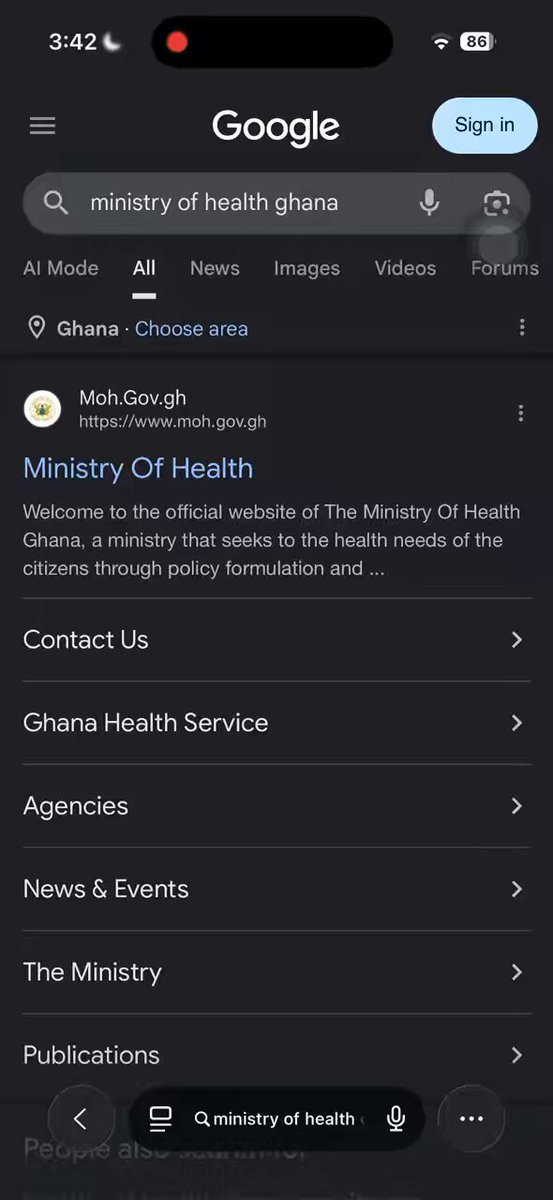
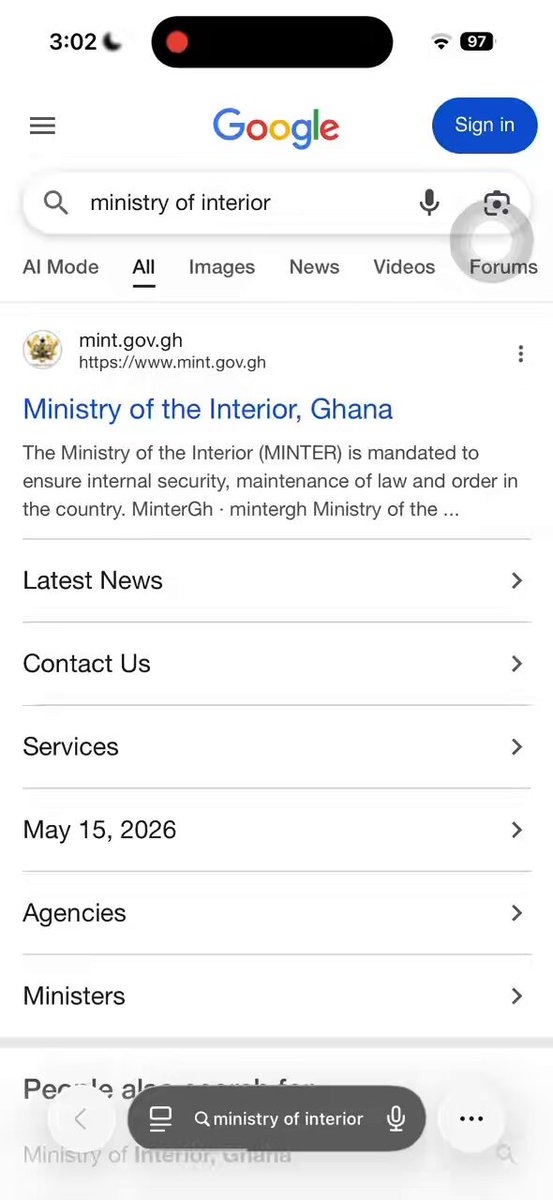
Yesterday, if you opened a Ghana government ministry website on your phone, there was a chance you got redirected to a casino.
Not a metaphor. Not satire. The actual Ministry of Interior. The actual Ministry of Health. Mobile visitors bounced to gambling pages while the same sites looked perfectly clean on desktop.
Here is the technical detail worth understanding: this is called a conditional mobile redirect. Hackers know that IT administrators manage websites from desktop computers. So they write code that checks your device before deciding what to show you. Desktop gets the real site. Phone gets the trap. The admin never sees the problem because the admin never checks from a phone.
It is a clever hack in the most uncomfortable sense of that word.
Within 48 hours, Interior, Health, Agriculture were all compromised. The Ministry of Communications faced a DDoS attack on top of that. By evening, the sites were back. No data breach confirmed.
But the timing of all this is the part that matters.
Ghana is currently debating the NITA Bill. A draft that would require ICT businesses to hold licenses and tech professionals to carry certifications. The conversation in the ecosystem has been heated: why is the government focused on controlling and licensing the talent instead of investing in it?
Then this happens.
This is not about embarrassing the government. Governments everywhere get hacked. Kenya went through this. Nigeria went through this extensively. It is a pattern, and Ghana is not uniquely negligent for being on that list.
But the community's question deserves to be asked plainly: if the systems responsible for internal security and national safety can be redirected to slot machine pages, what does that tell us about where the priorities actually are?
Developers who can find these vulnerabilities exist in Ghana. They are in the same community being asked to go get licensed.
Before any licensing framework, audit the digital infrastructure those licenses are supposed to protect. A certification means nothing if the systems behind it are running exposed code.
Bug bounty programmes are not optional extras. They are a form of governance. Paying local talent to find problems before attackers do is cheaper than the alternative, and it builds exactly the pipeline that everyone agrees Ghana needs.
The regulation conversation and the infrastructure conversation cannot keep happening separately.
What should the government's first concrete to stopping this?
8
48
116
5,998
Frank K. retweeted

May 25
NITA BILL is simply a revenue generation bill aiming to extort from various IT professionals .... and we speak against it
3
76
180
2,201
Frank K. retweeted

May 23
Dialysis is draining man, I'm literally on my knees. I need medication refill and food to get by. If you can spare something please help a brother. My number is 09098539701, 08079468065. Thank you. 🙏🏿
81
6,693
5,203
848,210

May 25
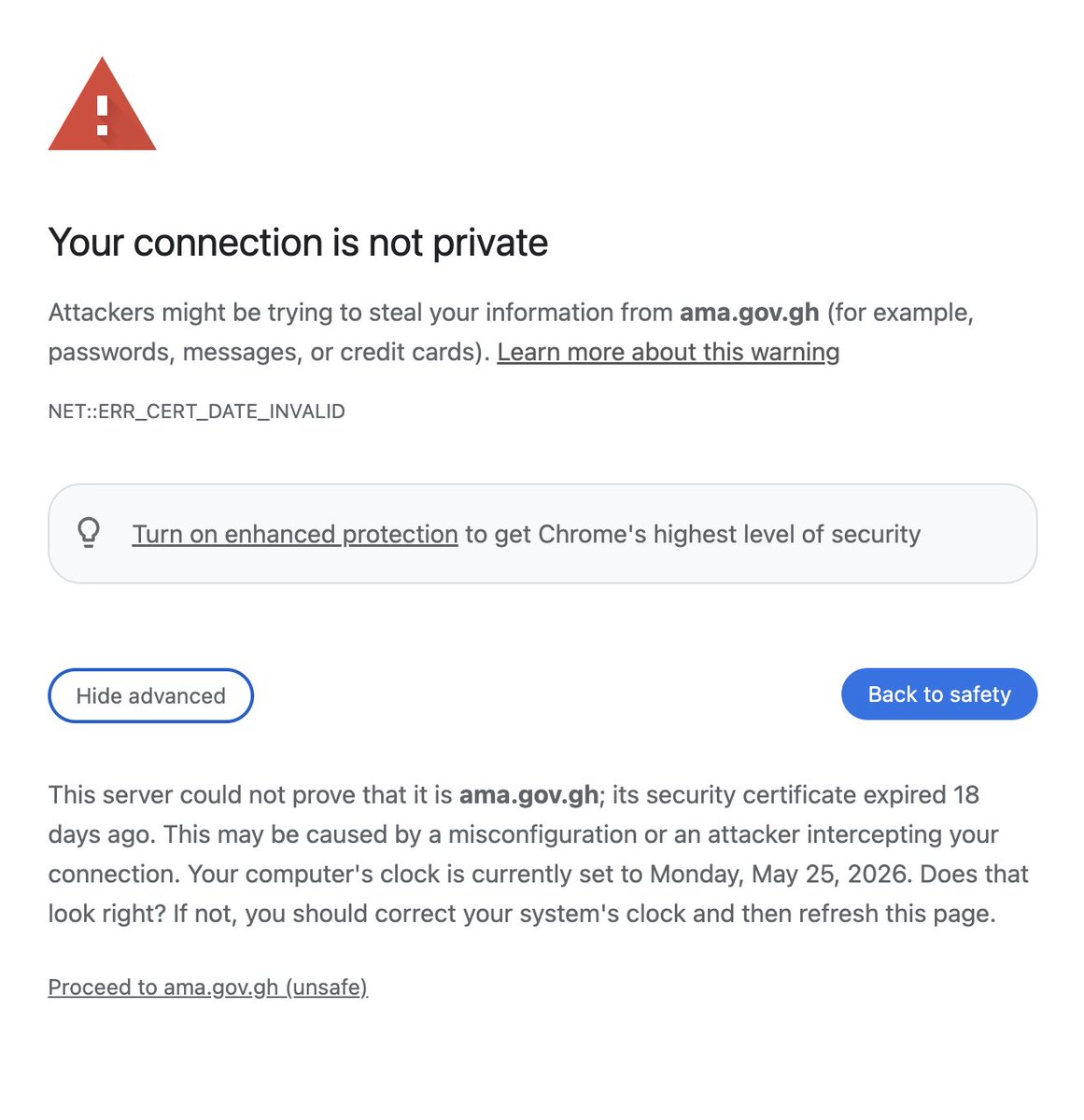
Some government officials websites too are running on expired ssl certificates and no one is attending to them, yet their priority remains killing millions dreams with NITA bill. Sad! 💔
2
24
52
1,527
May 25
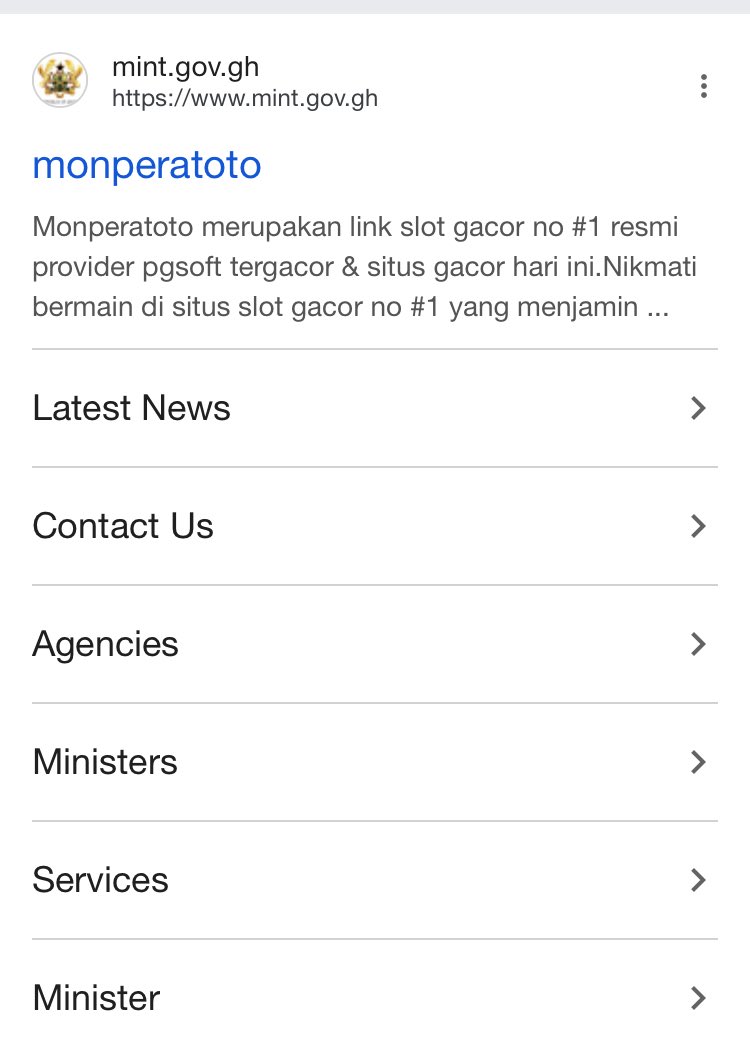
“Monperatoto is an official #1 ‘hot slot’ gambling link from the trusted PGSoft provider & today’s popular gambling site. Enjoy playing on the #1 hot slot site that guarantees…” 😂🤣

4
10
28
2,567
Frank K. retweeted

May 25
Monperatoto 😭🤦🏾♂️💔
May 25

The Ministry of Interior website has been hacked. If government agencies cannot secure their own systems, how can citizens trust that their data and digital services are safe? Instead of focusing on building better systems, their focus is on license fees and threatening punishment for non-compliance. Ghana needs reliable systems that actually work. We deserve better.
Site: mint.gov.gh/
7
7
51
14,753
Frank K. retweeted

May 25
The Interior Minister website of Ghana has been targeted with an SEO spam injection attack. More proof that the government needs to start enabling the youth in the tech space to help build a better country rather than trying to control them.
9
71
408
6,572