
Joined August 2024
- Tweets 3,586
- Following 1,420
- Followers 1,654
- Likes 363
434 Photos and videos









Coldlight Walker retweeted

Mar 23
Algorithm was like here’s 5 of the same exact tweets in all caps.

28
87
359
9,424
Coldlight Walker retweeted

No, that's false.
The US submarine was not required to personally search for or rescue survivors after torpedoing the IRIS Dena.
In armed conflict, submarines (especially fast-attack types like the Virginia-class) are generally not obligated to conduct on-site search and rescue (SAR) for survivors of a vessel they've sunk, particularly when it's an active military target during hostilities.
Key reasons include:
Practical limitations — A submarine has a small crew (around 130–140), very limited space, no dedicated medical facilities for mass casualties, and no easy way to take on dozens or hundreds of survivors without compromising its stealth, safety, or mission.
Boarding or surfacing to assist would expose it to risk, especially in a war zone.
International humanitarian law (e.g., Geneva Conventions, customary law of naval warfare) requires parties to take feasible measures to search for and collect shipwrecked persons after an engagement, but this duty is qualified:
it applies only if it can be done without undue risk to their own forces or mission.
In practice, for submarines in modern conflicts, this often means transmitting a distress signal (which allows others to respond) rather than direct rescue. Attacking survivors is strictly prohibited, but there's no absolute requirement to expose the sub itself.
Reports from the incident (March 4, 2026) align with this:
The attack occurred in international waters off Sri Lanka.
A distress call was sent (likely from the IRIS Dena itself or automatic systems), prompting Sri Lanka's navy to respond quickly.
Sri Lankan forces rescued 32 survivors, recovered 87 bodies, and continued searching for the remaining ~60–100 (from a crew of ~180), with many presumed dead or missing.
No credible reports indicate the US submarine surfaced, lingered, or conducted its own rescue. US statements (e.g., from Defense Secretary Pete Hegseth) focused on the strike itself, not post-attack SAR.
Some online claims of the US "leaving survivors to drown" appear exaggerated or propagandistic; local/neutral forces (Sri Lanka) handled the response under international maritime SAR conventions (to which Sri Lanka is a signatory).
In short, while the attacking submarine likely reported the incident (enabling others to act), it had no practical or legal duty to perform the rescue itself in this context. The obligation fell to nearby vessels or coastal states like Sri Lanka, which stepped in.
1
7
497

I’m a journalist in Tel Aviv.
This man is lying.
Mar 4

Israel is hit very hard
You're not allowed to know
I'm telling you anyway
From someone in Tel-Aviv
870
345
5,956
232,541
Coldlight Walker retweeted

Mar 4
BREAKING: Majority of Cuba hit by nationwide electricity blackout.
310
936
8,055
665,646
Coldlight Walker retweeted

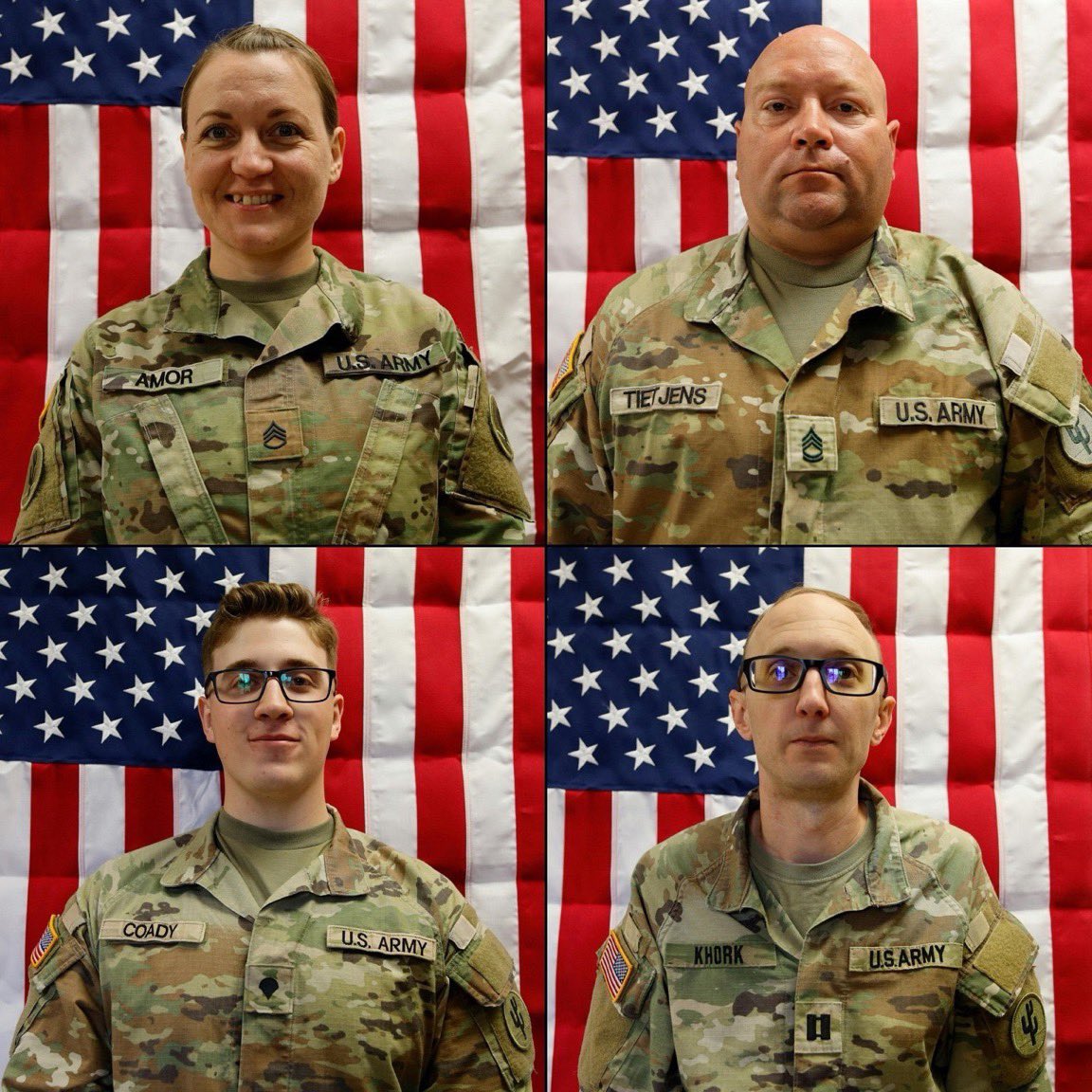
May God rest their souls.
- Sgt. 1st Class Nicole M. Amor of Minnesota
- Sgt. 1st Class Noah L. Tietjens of Nebraska
- Sgt. Declan J. Coady of Iowa
- Capt. Cody A. Khork of Florida
2,299
4,300
28,120
369,907

Mar 3

🚨 BREAKING: President Trump announces that effective IMMEDIATELY, the US Navy will escort tankers through the Strait of Hormuz, as Iran threatens to close it
“No matter what, the United States will ensure the FREE FLOW of ENERGY to the WORLD. The United States' ECONOMIC and MILITARY MIGHT is the GREATEST ON EARTH — More actions to come.”
3
46
All they have is propaganda at this point lol. I've never seen a group of people lie more than this. It's crazy.
3
35
Coldlight Walker retweeted

No boots on the ground in Iran.
I cannot stress this enough.
We get the job done, we leave.
2
1
66
Coldlight Walker retweeted

Mar 2
Literally every brainwashed leftist in America the last month 🤣
152
3,255
15,899
313,872
Coldlight Walker retweeted

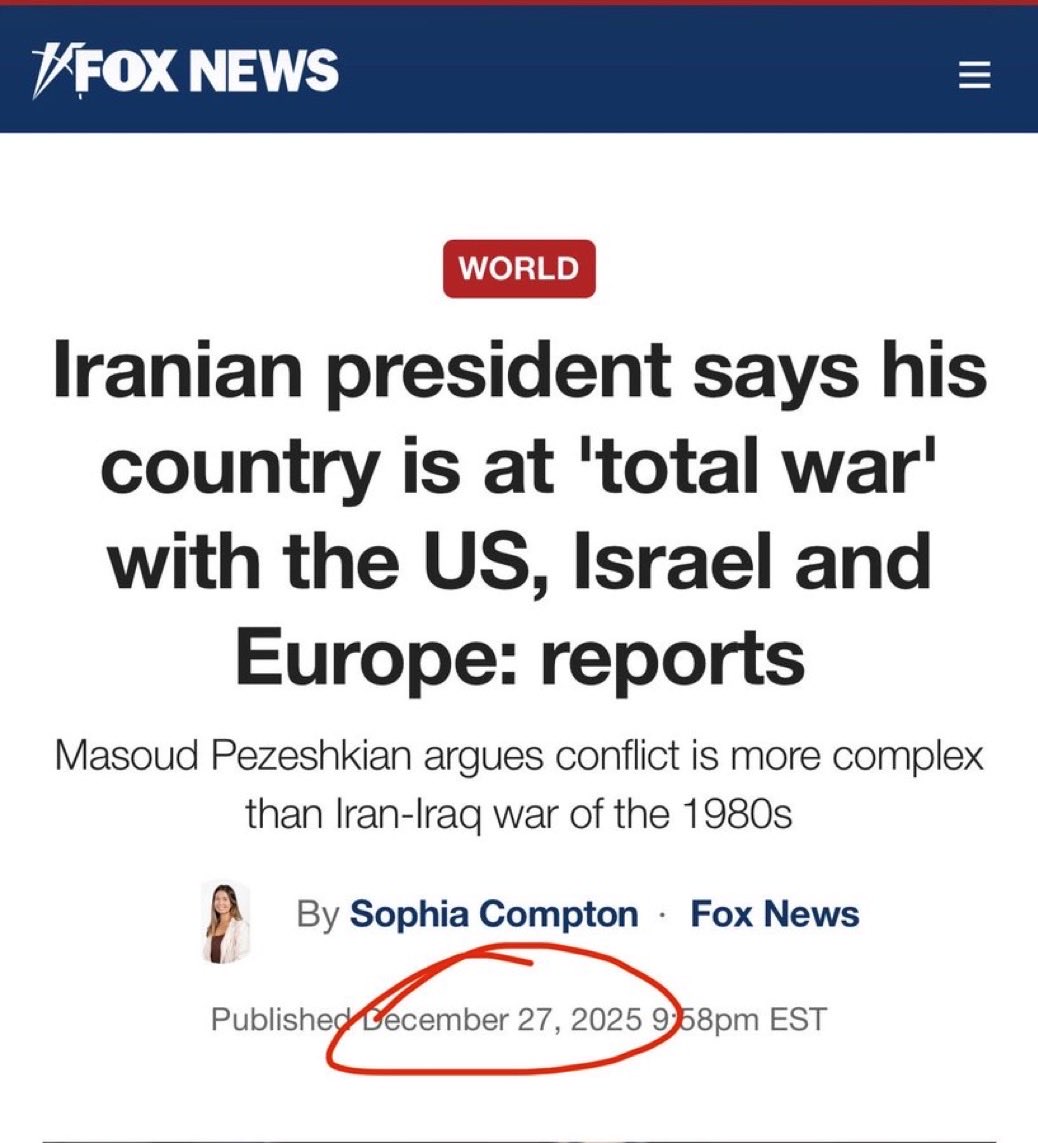
Iran chose to war with us in 1979
And
6
11
383
37,573
Coldlight Walker retweeted

Mar 2
I can’t stop watching this.. 😭😭
244
1,164
6,735
205,220
Coldlight Walker retweeted

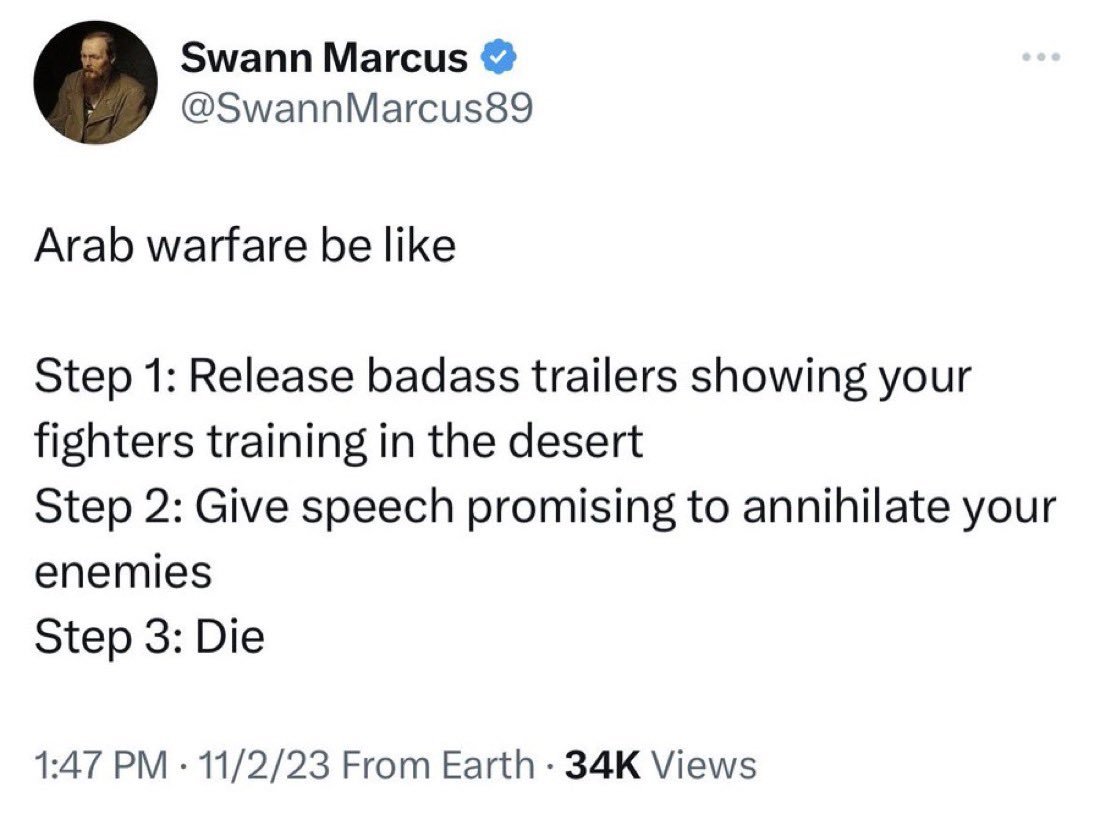
Evergreen tweet
15
169
3,246
42,573


Coldlight Walker retweeted

Mar 2
They’re the same picture…

566
5,182
35,009
699,232



Coldlight Walker retweeted

🚨Wow, unbelievable! Deep blue Washington DC is overflowing with Iranians rallying behind President Trump’s bold strikes on the regime!
After enduring 47 years of tyranny, Trump has finally brought freedom to Iran, and the gratitude is pouring out! 🇺🇸
58
412
2,393
13,913


My feed is getting flooded by Iranian bot accounts @elonmusk
Get it under control lol. Pure propaganda is hitting hard today.
6