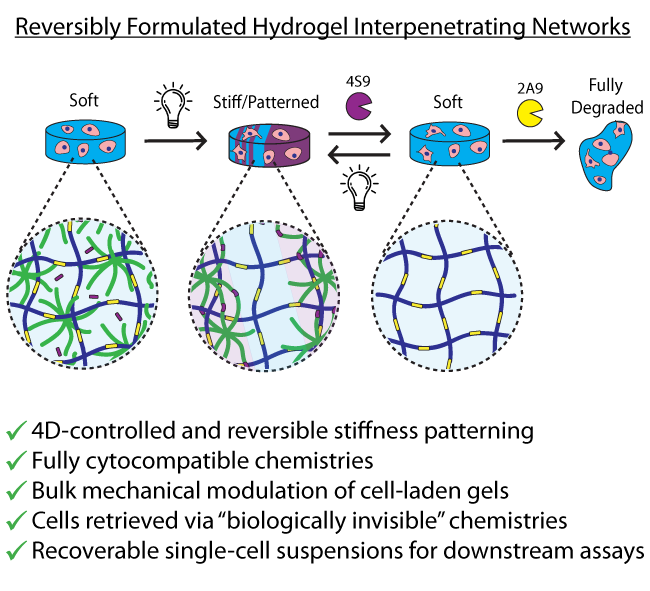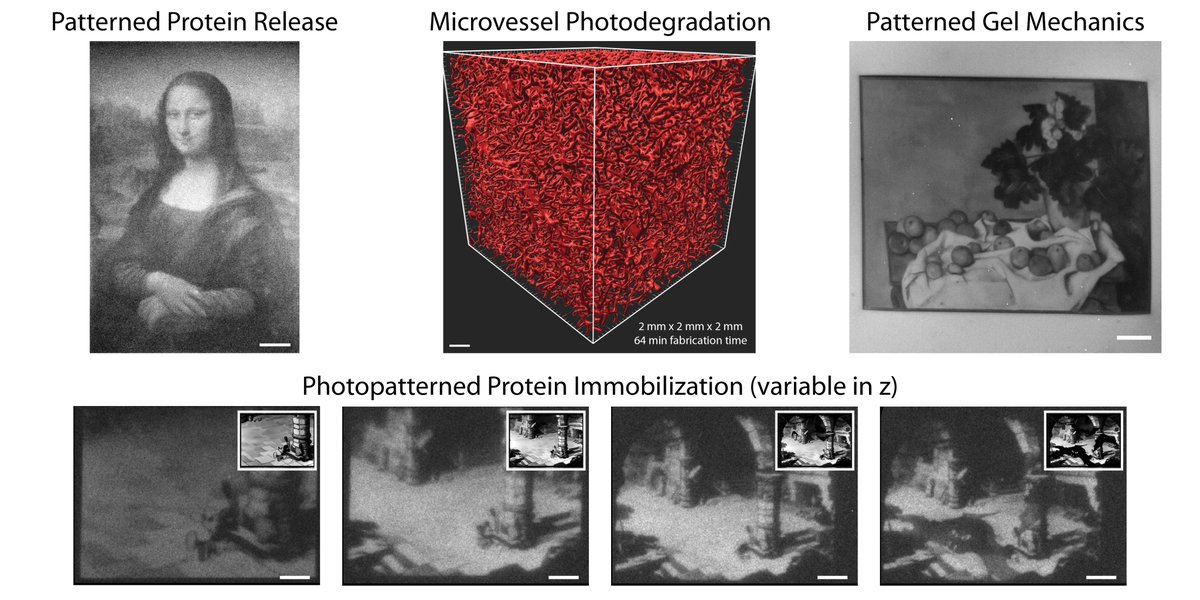
HUGE NEWS! In our new preprint, we introduce “grayscale image z-stack-guided multiphoton optical-lithography” (GIZMO) to rapidly photomodulate materials in full 3D non-binary patterns at sub-µm resolutions spanning large volumes (>mm3).
biorxiv.org/content/10.1101/…
Paper 🧵 (1/19)
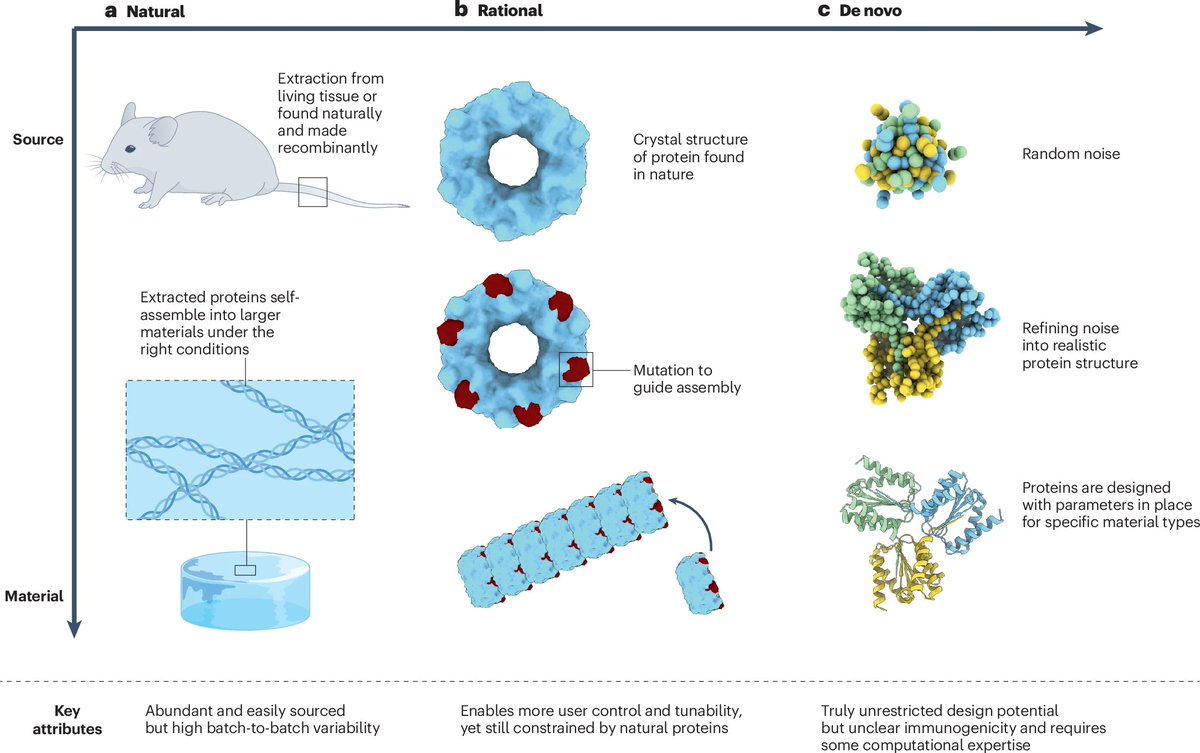
The publishing streak continues! Excited to share our new article in Nature Reviews Materials @NatRevMater entitled "Engineering Complexity into Protein-based Biomaterials for Biomedical Applications"!
Check it out here:
📜: doi.org/10.1038/s41578-025-0…
🔓: rdcu.be/eRFDh
ALT Protein-based biomaterials are growing in popularity for biomedical applications, in part owing to their innate ability to interface with biological systems. These materials, in the form of fibres, nanoparticles and hydrogels, have shown promise as drug delivery vehicles, tissue scaffolds and vaccines. Moreover, the explosion of protein engineering tools and the inception of de novo protein design have transformed our ability to explore new protein structures, enabling the creation of novel materials with diverse properties and furthering their customization for various applications. Here we explore the coming of age of protein engineering technologies and their impact on biomaterials. Starting with naturally sourced materials, we highlight common protein building blocks and fabrication methods, as well as recent applications of each. We subsequently explore rationally designed materials and conclude by discussing the potential impacts that de novo design will have on biomaterial dev.
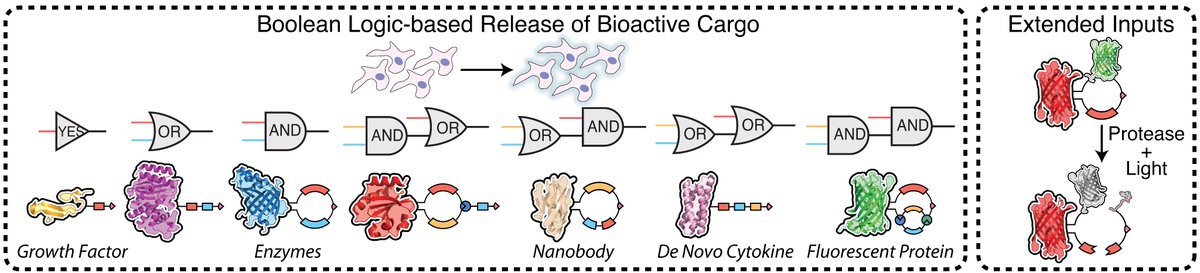
Check out our new paper entitled "Boolean Logic-based Controlled Release of Bioactive Proteins with Diversified Inputs", live in @angew_chem!
Growth factors, enzymes, nanobodies, cytokines, and fluorescent proteins can now be "logically" delivered!
📜: onlinelibrary.wiley.com/doi/…
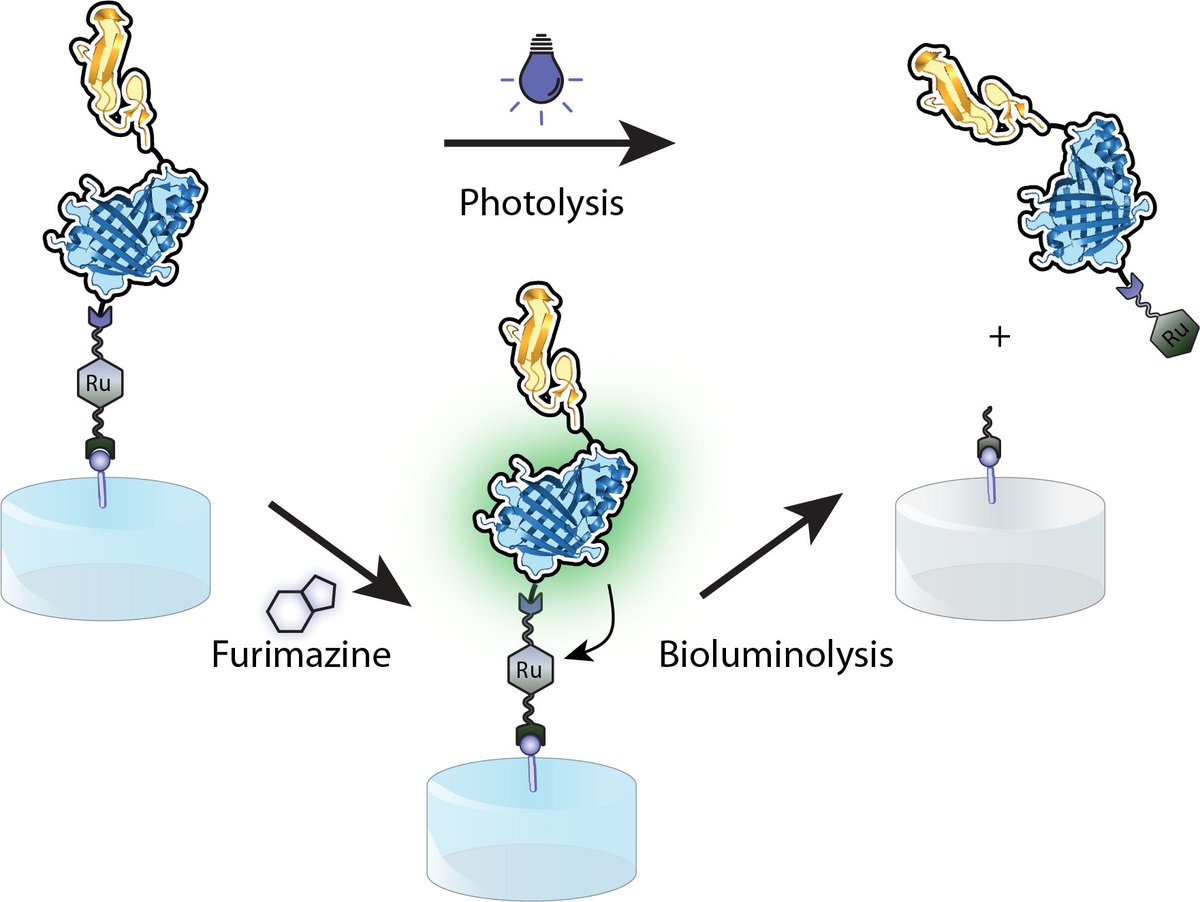
ALT Stimuli-responsive biomaterials hold great promise in controlled therapeutic delivery, tissue engineering, and biosensing applications. Recently, molecular assembly via autonomous compilation has been employed to create topologically specified protein cargos that can be site-specifically tethered to and conditionally released from biomaterials following user-programmable Boolean logic. Prior implementation has been confined to simple fluorescent protein outputs and model protease inputs. Here, we extend the applicability of this framework by assembling all 7 unique logical operations emanating from a YES/OR/AND 3-input operator set to deliver bioactive proteins spanning diverse categories: growth factors, enzymes, therapeutic nanobodies, de novo-engineered cytokines, and fluorescent proteins. Through inclusion of a photocleavable protein motif, we further establish that visible light can be employed as an additional input in specifying logic-based protein release.
Medicine isn’t just about finding the right therapies — it’s also about getting them to where in the body they’re needed. These new smart proteins can autonomously read bodily cues to zero in on the exact locations of diseases. @coledeforestwashington.edu/news/2025/10/…
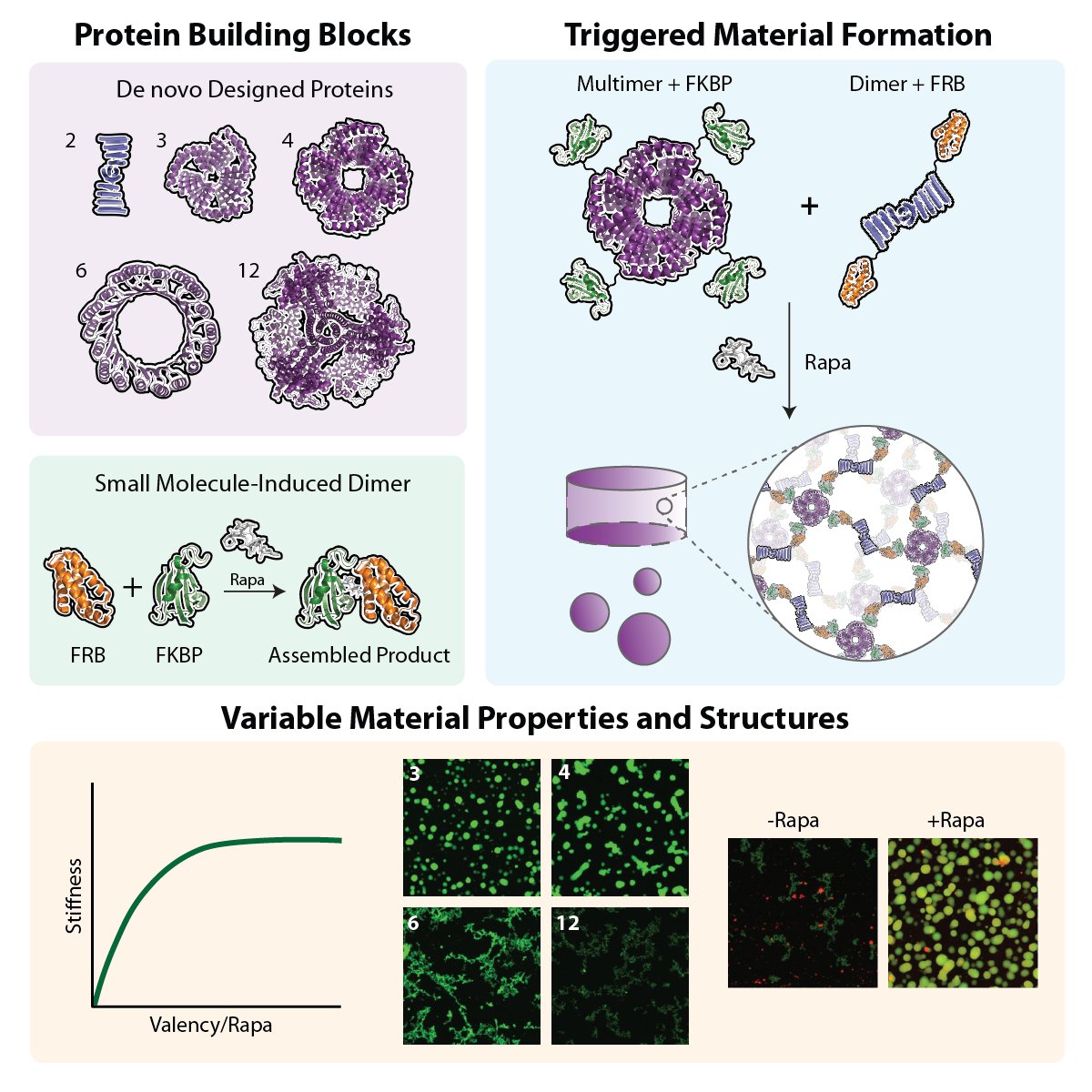
Our latest collaborative paper with David Baker's lab is now live in Cell Biomaterials (@CellBiomat, Cell Press)! Check out "Stimuli-triggered Formation of De Novo-designed Protein Biomaterials"!
🔓 : cell.com/cell-biomaterials/f…
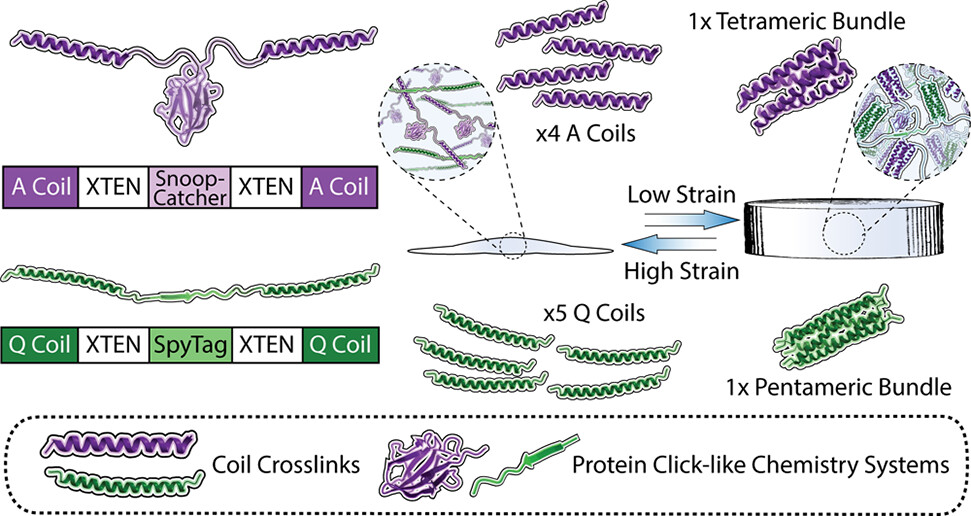
ALT In this work, we employ de novo protein design methodologies to generate a suite of self-assembling multimeric proteins, whose step-growth heteropolymerization into bulk hydrogels and condensates can be exogenously triggered through small-molecule addition. Our results highlight how changes in programmed multimer valency and their triggered assembly yield materials with varying structures and viscoelasticity. We anticipate that these approaches will prove useful in rapidly generating large libraries of stimuli-responsive biomaterials that are precisely tailored to specific applications in the biosciences and beyond.
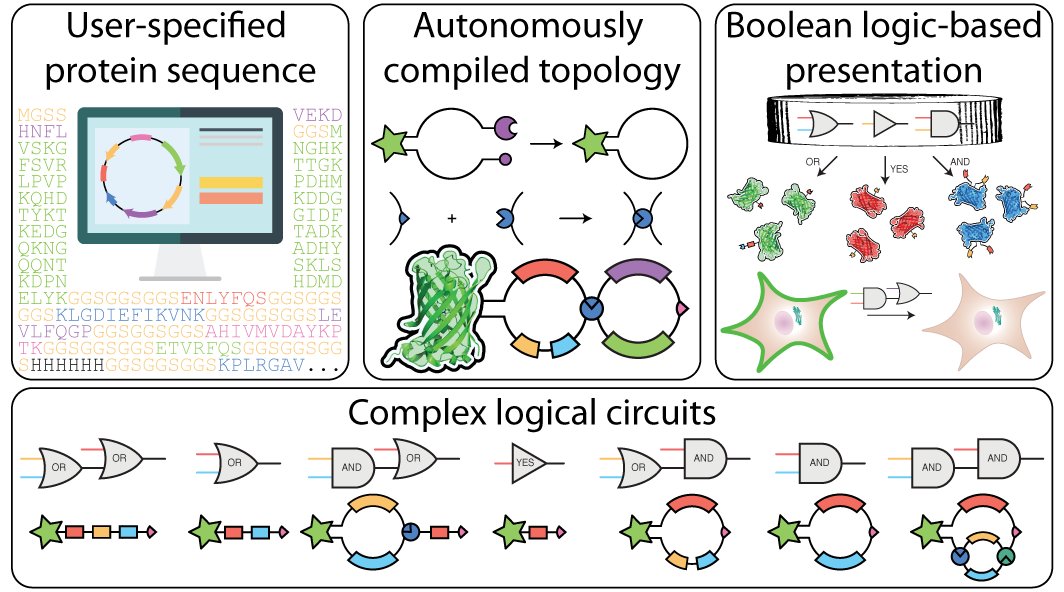
Our new paper entitled “Boolean Logic-gated Protein Presentation through Autonomously Compiled Molecular Topology” is now live at Nature Chemical Biology! Check it out!
📜: nature.com/articles/s41589-0…
Thanks to @uwnews for the feature write-up! washington.edu/news/2025/10/…
ALT Harnessing the power of recombinant expression, we integrate emerging chemical biology tools to create topologically specified protein cargos that can be site-specifically tethered to and conditionally released from biomaterials following user-programmable Boolean logic. Critically, construct topology is autonomously compiled during expression through spontaneous intramolecular ligations, enabling direct and scalable synthesis of advanced operators. Using this framework, we specify protein release from biomaterials following all 17 possible YES/OR/AND logic outputs from input combinations of three orthogonal protease actuators, multiplexed delivery of three distinct biomacromolecules from hydrogels, five-input-based conditional cargo liberation and logically defined protein localization on or within living mammalian cells.
New in @ScienceMagazine, we report that dilated cardiomyopathy can be alleviated by preventing hypocontractility-induced fibroblast expansion! The story is a fun combination of advanced in vivo and biomaterial-based in vitro models. Check it out!
📜 : doi.org/10.1126/science.adv9…
Our new manuscript entitled "PhoCoil: A Photodegradable and Injectable Single-component Recombinant Protein Hydrogel for Minimally Invasive Delivery and Degradation" is now live at @ScienceAdvances!
Check it out here (🔓): science.org/doi/10.1126/scia…
A new study in @ScienceAdvances from @coledeforest introduces PhoCoil, a recombinant protein hydrogel with light-triggered disassembly, enabling precise spatiotemporal control of cell delivery, advancing tools for regenerative medicine cell therapy.
shorturl.at/hnNmO
Check out our new paper entitled "Genetically Encoded Interpenetrating Polymer Networks as Injectable Biomaterials for Controlled Therapeutic Protein Delivery", appearing in @ACSBiomaterials!
pubs.acs.org/doi/10.1021/acs…
Happy Holidays from the DeForest Lab!
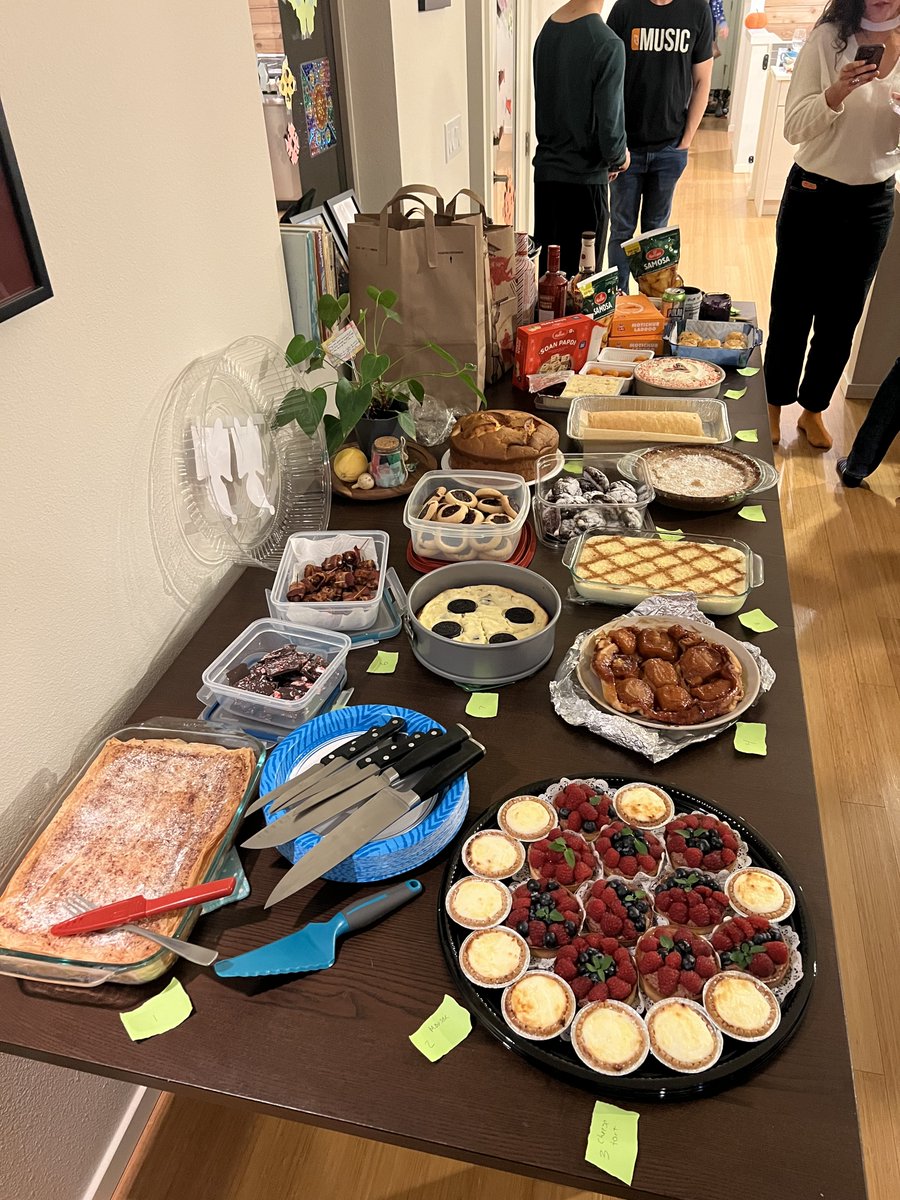
What fun to celebrate the group’s 2024 achievements, especially in the baking sector. Our annual dessert bake-off competition was a tasty success!
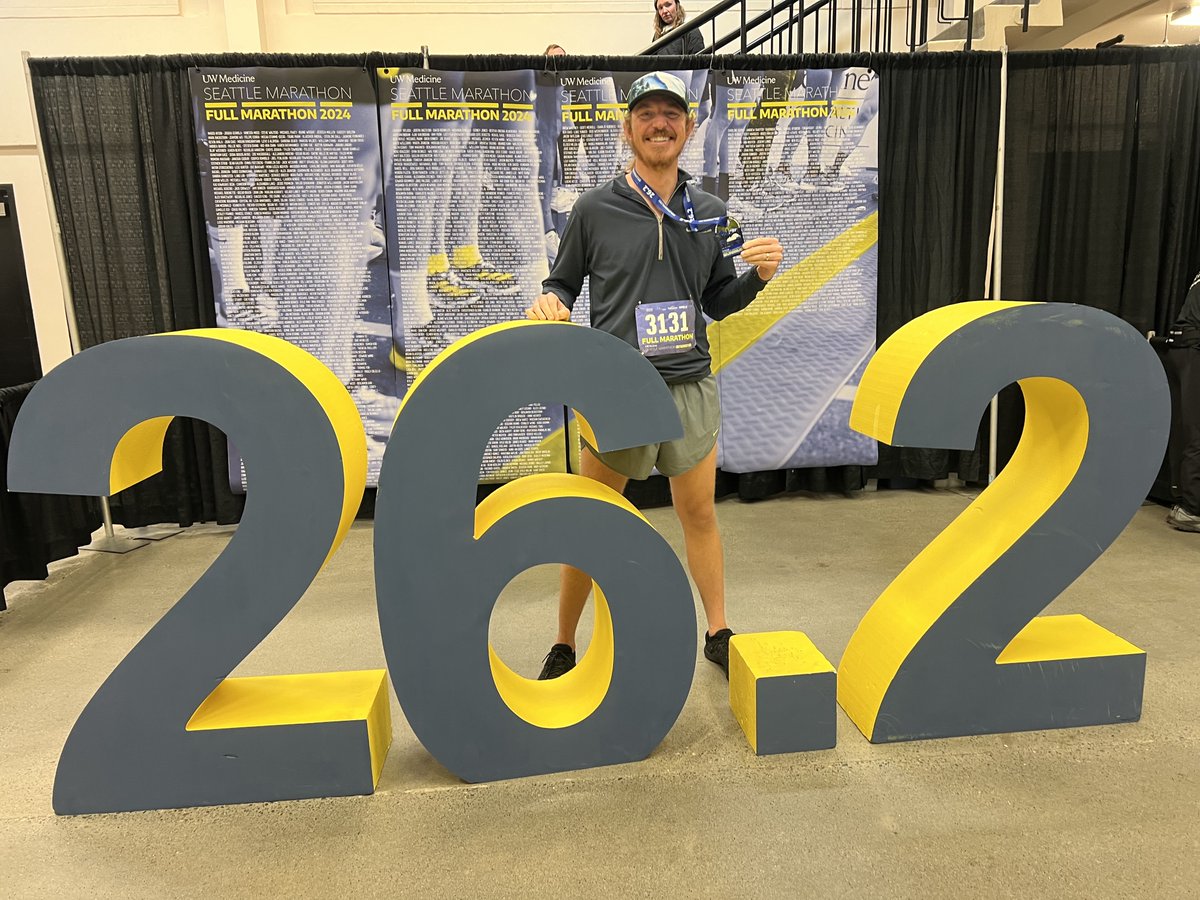
Professors often tell graduate students that “Your PhD is a #marathon, not a sprint”.
Having now run the 2024 @SeattleMarathon (many years after finishing a PhD), I now actually feel qualified to make such a statement.
@UWMedicine
Happy Halloween! 👻
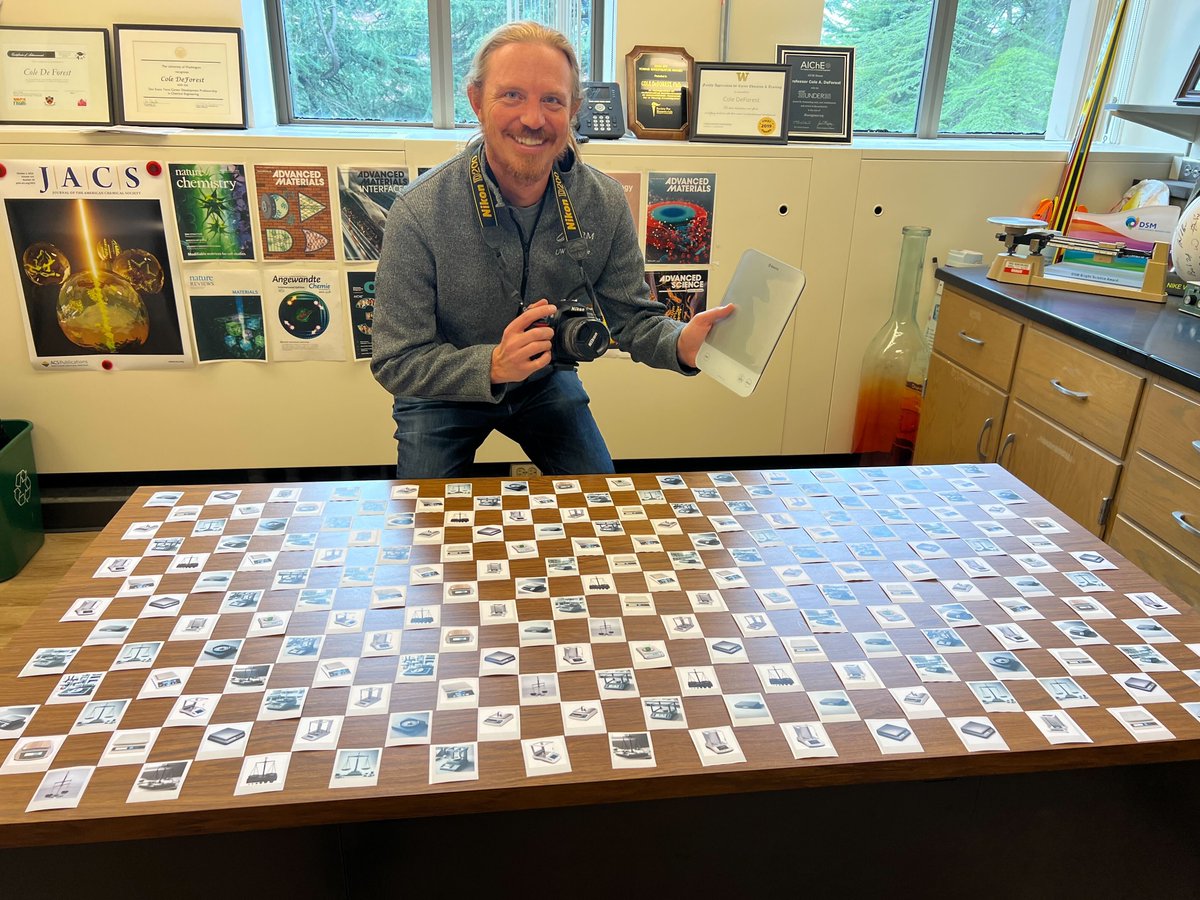
A patterned arrangement of photos, each of an analytical balance/scale that is colored gray?
Or, perhaps... a "grayscale photopattern"?
(costume inspired by our lab's recent work here: biorxiv.org/content/10.1101/…)
Calling all faculty candidates (postdocs, Asst Profs, senior grad students) - Apply to @UWBioE! Job ad at link below. If you are considering applying and have questions on the ad, please email or DM me. Come join us, UW is amazing! apply.interfolio.com/155240
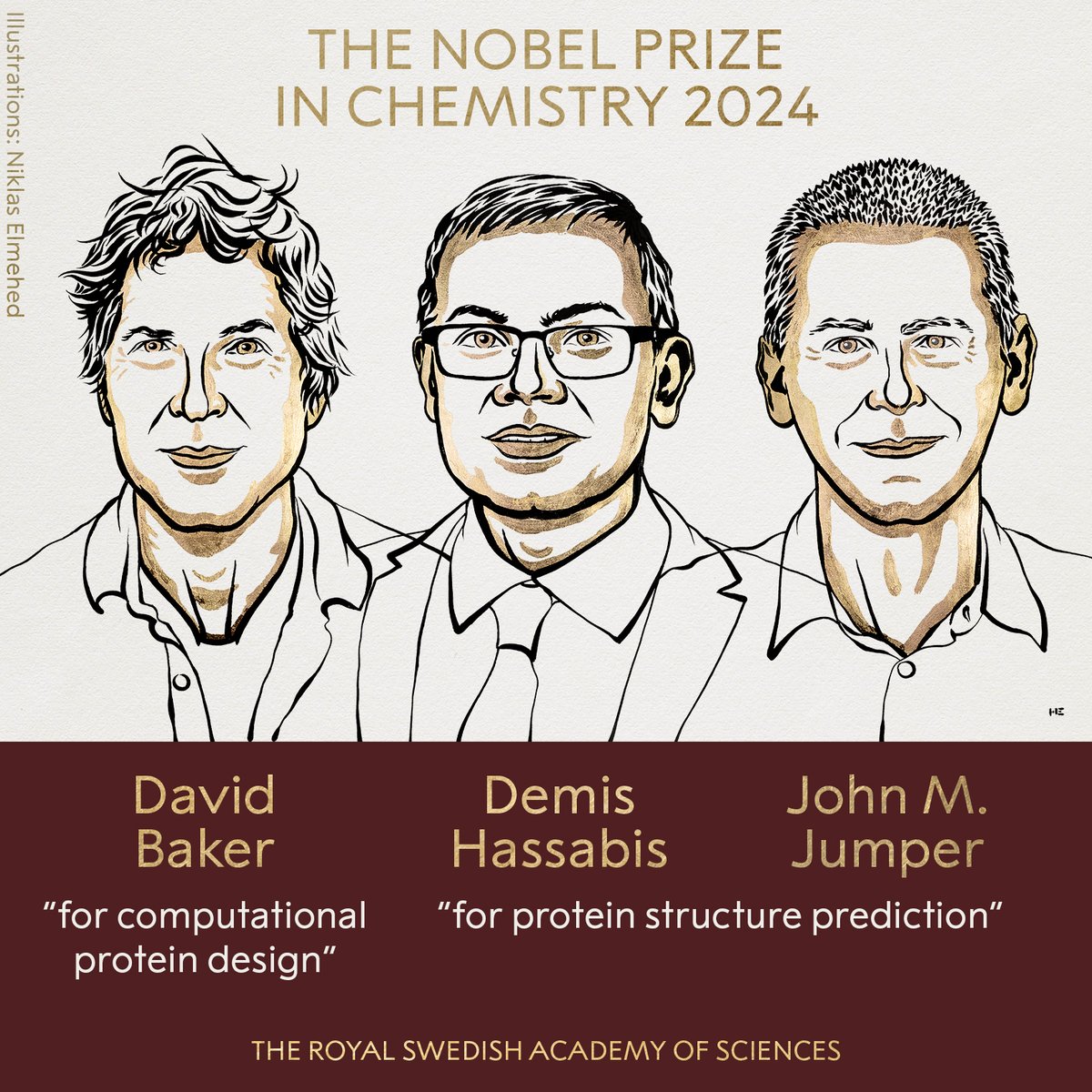
Absolutely thrilled that my recent sabbatical host, collaborator, backcountry ski partner, and friend - the one and only David Baker from the @UW@UWproteindesign Institute - for winning the 2024 #NobelPrize for "computational protein design"!
What an amazing ride!
BREAKING NEWS
The Royal Swedish Academy of Sciences has decided to award the 2024 #NobelPrize in Chemistry with one half to David Baker “for computational protein design” and the other half jointly to Demis Hassabis and John M. Jumper “for protein structure prediction.”
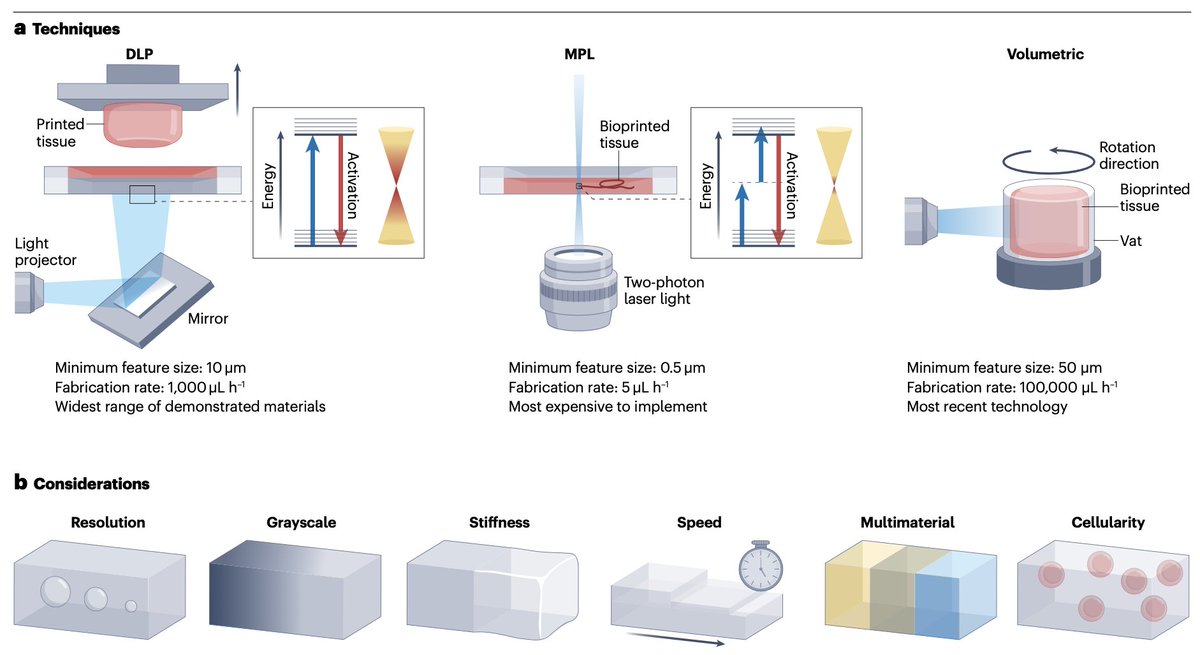
Excited to see our latest manuscript, entitled "Light-based fabrication and 4D customization of hydrogel biomaterials" is now LIVE at @natrevbioeng!
Read for free here: rdcu.be/dVggd
Congrats to Irina Kopyeva (@UWBioE) and @RP_Brady (@UWChemE)! This was a fun one!
Light can be applied to engineer materials approaching the 4D complexity of tissues. In their Review, @coledeforest et al discuss the light-based fabrication of hydrogels - the union of light-based manufacturing and photoresponsive chemistries @RP_Bradygo.nature.com/4gEapgm
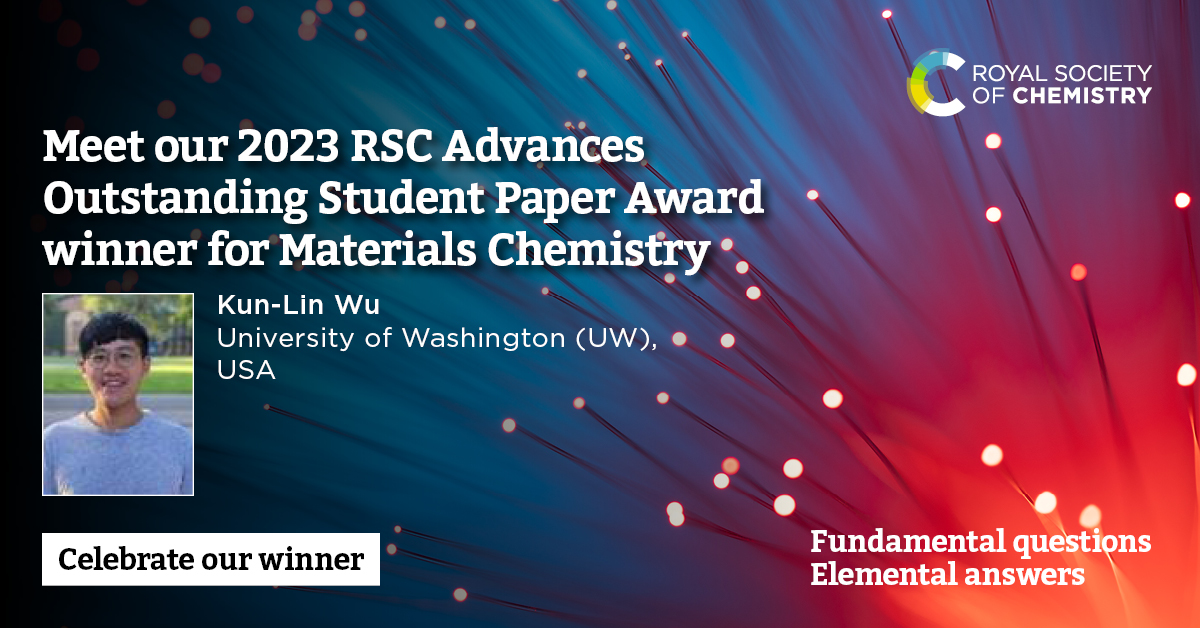
Huge congrats to @kunlinwu whose @UWChemE Master's thesis work/manuscript in our lab received @RSCAdvances's "Outstanding Student Paper Award 2023" for the Materials Chemistry category! 🎉
Be sure to check out the paper, too: doi.org/10.1039/d3ra04046a
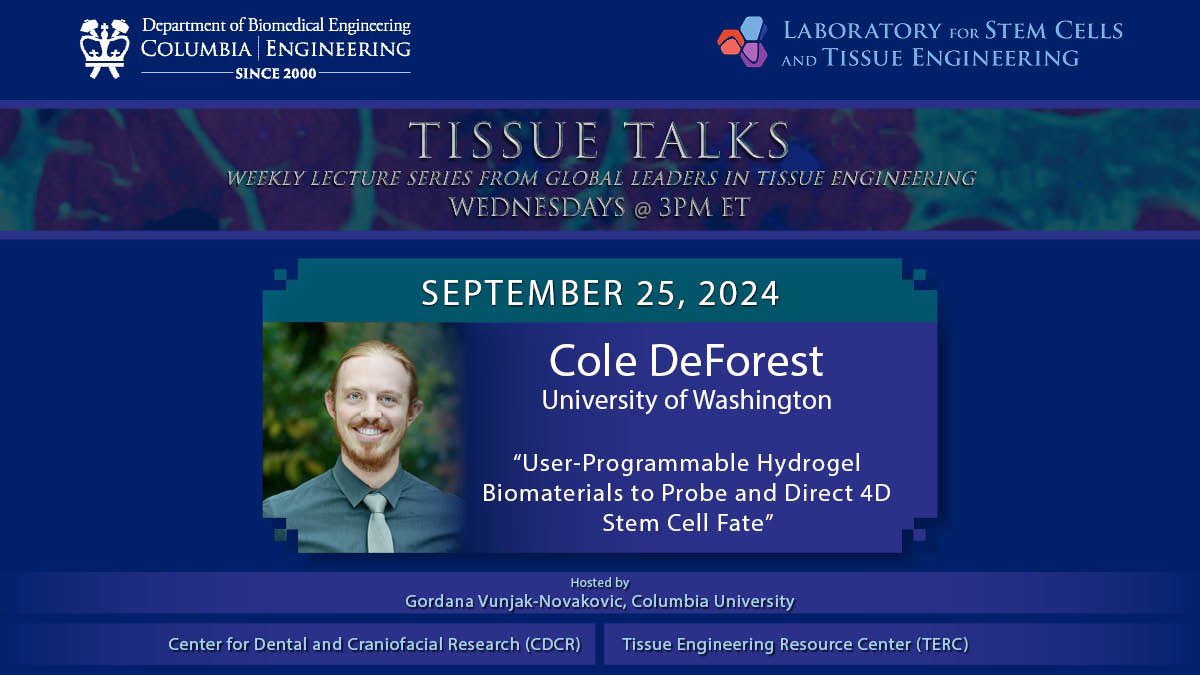
Join us this Wednesday, Sept. 25th at 3pm EST for a #TissueTalk with @UW Prof. @coledeforest on “User-programmable hydrogel biomaterials to probe and direct 4D stem cell fate.”
See you there: bit.ly/tissuetalks