
Joined March 2022
- Tweets 1,955
- Following 120
- Followers 103
- Likes 746
302 Photos and videos













Conspiracy Zero retweeted

Apr 30
CHINA LOSING ITS ALLIES…EXACTLY THE WAY TRUMP WANTS IT
North Carolina GOP Congressman @RepPatHarrigan explains that Trump has successfully cut off resources to China during the conflict with Iran, leaving them evermore isolated, exactly the way Trump wants it.
Watch Fine Point with @ChanelRion Weeknights 10pm ET / 7pm PT
8
46
178
12,519



Mar 27
I’m predicting we will see a large number of pro-Iranian and Cuban messages and flags at the next No Kings rally.

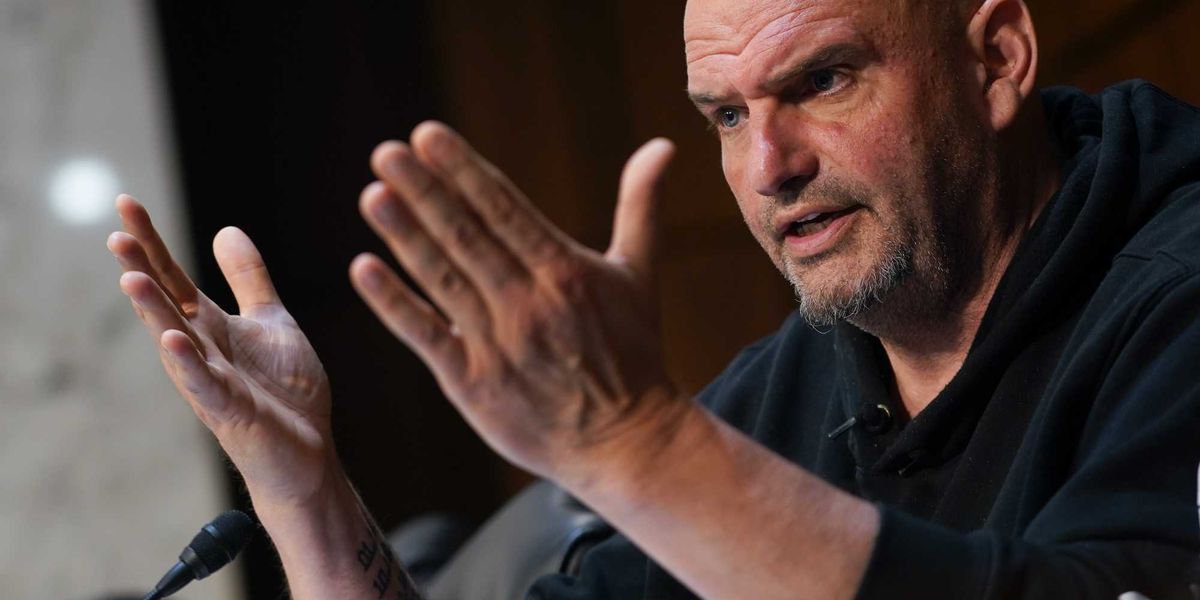
'Where's the Dem outrage': Sen. Fetterman calls out his own party on protesters wishing death on US soldiers dlvr.it/TRk4kg
2
66
Feb 24
I wonder how the left will spin this one?

US Consumer Confidence Rises on Stronger Prospects for Jobs
bloomberg.com/news/articles/…
1
109
Feb 18
Meh.
Feb 18

🚨EMERGENCY ALERT: Trump's Imminent Attack On Iran Will Lead To The Close Of The Strait of Hormuz & A Global Economic Crisis That Could Trigger WWIII!
1
84
Conspiracy Zero retweeted

14 Aug 2025
Do you understand agitprop? Can you recognize it? Can you resist it?
44
390
952
121,443
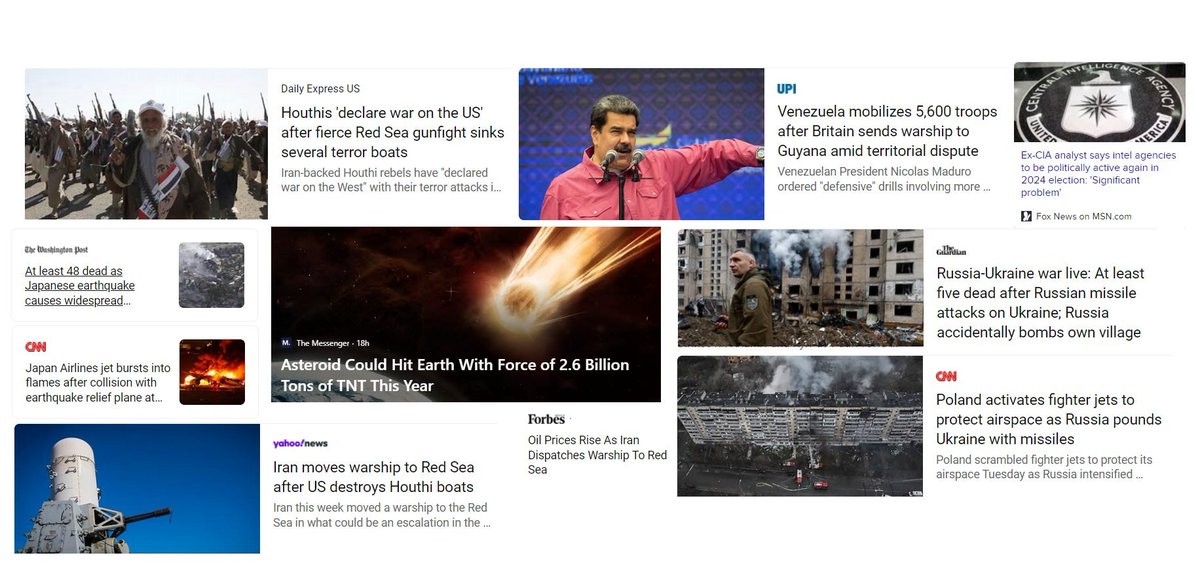
Conspiracy Zero retweeted

🇻🇪I’m in tears. In the middle of the night, a husband woke his wife just to tell her that President Trump had confirmed Maduro’s capture, a moment they never thought they would witness.
994
14,673
121,655
5,743,954
24 Dec 2025
How an Internet Hoax Ended Up in an FBI File?
First, the claim itself. The story alleges that a limo driver overheard Donald Trump talking about an assault that occurred involving a minor Trump and Epstein.
There is no evidence for this. No records, no witnesses, no contemporaneous reporting, and no mention in court filings, flight logs, or sworn testimony.
So how did it end up in an FBI document?
The FBI logs tips. All of them.
The FBI is legally required to accept and record information submitted by the public. Tips can be anonymous, secondhand, politically motivated, or flat-out wrong. Logging a tip does not mean it was verified, investigated, or considered credible.
In this case, the rumor circulated online after Epstein’s 2019 arrest and death. At some point, someone repeated the claim to the FBI as a tip. The FBI recorded it. That’s it.
No corroboration followed.
No employment records.
No timeline match.
No supporting evidence.
The allegation went nowhere and sat dormant in the system. Even with the Biden DOJ.
Years later, when large batches of Epstein-related files were released through transparency requests, that raw, unverified tip became public. Headlines then blurred the line between “reported to the FBI” and “confirmed by the FBI.”
Those are not the same thing.
FBI files routinely contain false accusations, hoaxes, conspiracy theories, and misidentified individuals. The presence of a claim in a file only proves that someone said it, not that it’s true.
This is how misinformation works in the modern age:
A rumor becomes a tip.
A tip becomes a document.
A document becomes a headline.
Bottom line
The hoax didn’t become fact.
It became a recorded allegation.
65
15 Nov 2025
TDS is real -
Psychotherapist Jonathan Alpert says about 75% of his patients have an unhealthy fixation on Donald Trump…their intense focus on Trump comes up within minutes of a session and is something that needs treatment.
foxnews.com/media/psychother…
47
Conspiracy Zero retweeted

1 Nov 2025
473
5,121
17,031
324,698
16 Oct 2025
Ketanji Brown Jackson has to be the dumbest Supreme Court judge in the history of the United States.
15 Oct 2025

🚨I'm sorry... WHAT????
Justice Ketanji Brown Jackson rules that race should determine Congressional districts... Because black voters are disabled...
"They don't have equal access to the voting system. They're DISABLED!"
1
109
Conspiracy Zero retweeted

15 Oct 2025
🌟NEW ANIMATION🌟
What do you call it when government-funded university labs
partner with private spook censorship firms
to develop psychological inoculation videos
to psychologically brainwash the public into
a certain set of beliefs???
You call it Digital MKUltra.
•••
“This is what MKUltra sought to achieve: behavioral modification at the individual and group level through a web of intelligence agencies and university centers.”
–Mike Benz
78
451
1,024
349,676
11 Oct 2025
20,000 foreign troops train in the US each year, with ~2000 from the Middle East.
10 Oct 2025

Cut the Qatar fake outrage bullshit. You look stupid. I'm tired of seeing in my timeline.
Do some research and you will see that weve been training troops from around the world since before many of you were born.
Thank you for your attention to this matter.
19
Conspiracy Zero retweeted
8 Oct 2025
Israel drafts hostage release plan as Trump suggests possible deal by this weekend oann.com/newsroom/israel-dra…
8
20
80
16,056
Conspiracy Zero retweeted

1 Oct 2025
We are witnessing the first government shutdown in history over free healthcare for criminal aliens.
Just let that sink in.
1,050
4,422
28,277
253,512
27 Sep 2025
So the trash is threatening to take itself out?
27 Sep 2025

MSNBC is now reporting that many career DOJ and FBI officials are threatening to resign in protest over the indictment of James Comey. Is this what you voted for?
1
15