
Senior editor: @mudseasonreview. Columnist: @Trampset. Words: @TheAfricareport, @Thelondonmag, @craftliterary, @strangehorizons, @maudlinhouse.
Joined March 2024
- Tweets 8,639
- Following 309
- Followers 334
- Likes 13,940
60 Photos and videos


Pinned Tweet

2 Oct 2025
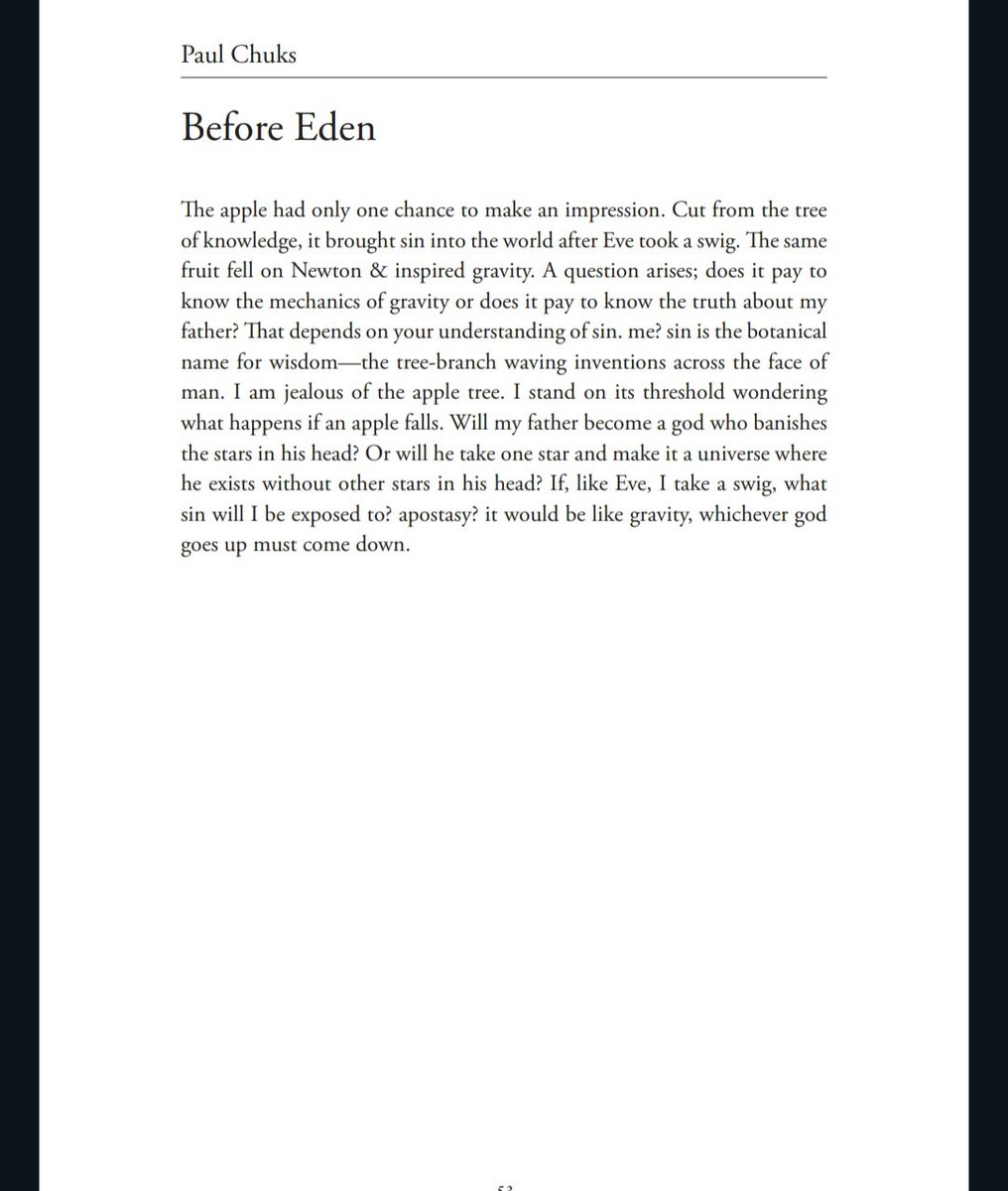
I'm happy to share my new poem in the October/November issue of @TheLondonMag exploring the story of Eden. Kindly read & engage. Thank you.
11
48
123
11,270
RT @TroyOnyango: the complexity of the james baldwin and nikki giovanni conversation being reduced to “lie to me” is exactly the kind of ps…
40

Kcee from KcPresh group
He fell off and came back with a monster hit in 2013 “Limpopo”
19h

Give me an example of a Nigerian artist that has a successful comeback after falling off, just curious
3
29
300
23,156
This guy sabi.

Kcee from KcPresh group
He fell off and came back with a monster hit in 2013 “Limpopo”
38
What a loser you are.
Jun 12

Rihanna is overcompensating when it comes to Asap Rocky.. it’s like she’s forgotten who she is.. she looks lame asf lately..
17
This is why i do not argue on twitter anymore. It'll seem like you are talking to a wall. So just let it go.
1
17
Monsieur Meursault retweeted

Jun 11
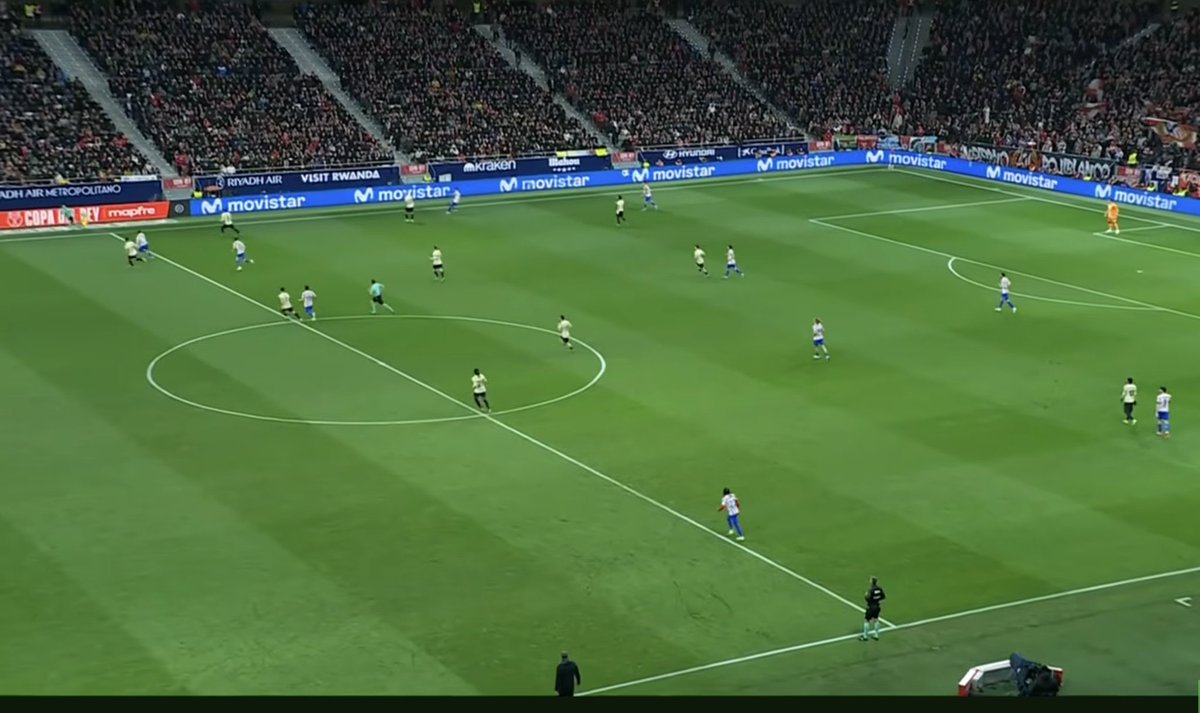
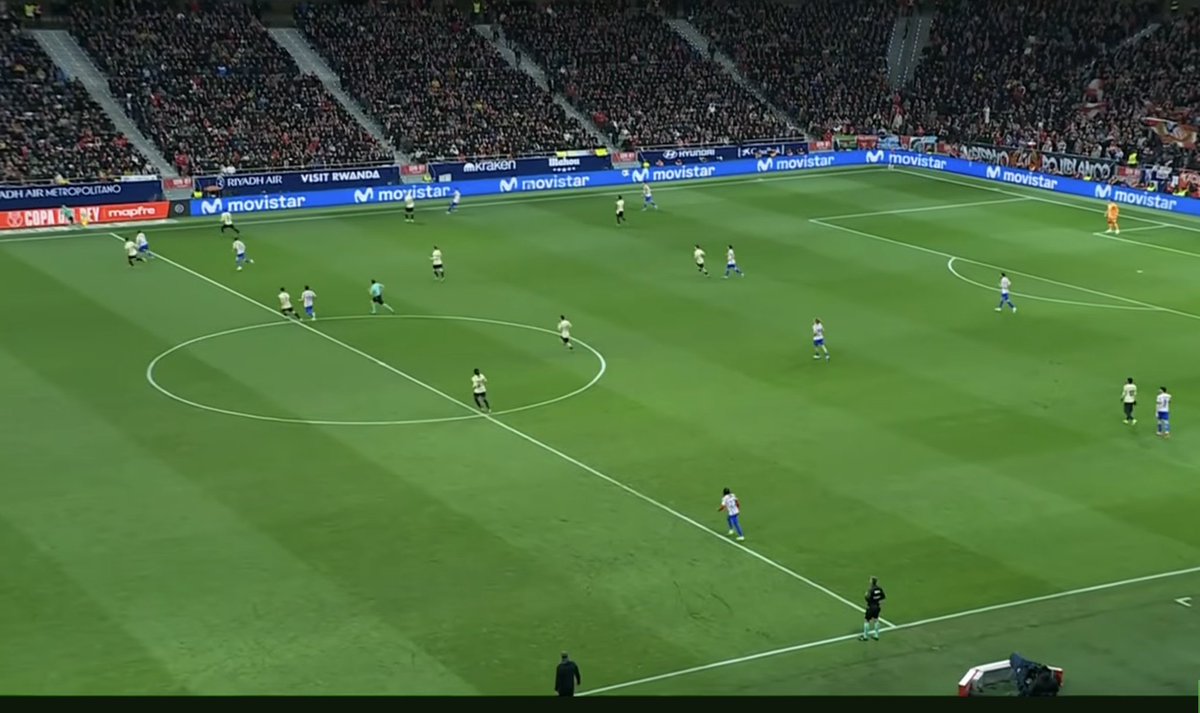
Ever wondered what the difference between a Centre forward/striker is, a wing back/ full back, defensive midfielder/deep lying playmaker ?
2
4
14
1,619
Monsieur Meursault retweeted

I’ve heard people say that heaven and hell are “necessary fiction” in regulating human behavior, that if people knew neither exists, they would go berserk.
We can debate the degree to which the claim is true some other time.
But for now: what the claim often misses is the fact that heaven and hell divisions do not exist in many ancient and contemporary religions, and that adherents do not become sociopaths because of this.
Ever since my “Christian-Babalawo” grandfather told me that proto-Yoruba cosmology does not conceive of Hell, I started to imagine that perhaps people did not require portents of a fiery pit to be on their best behavior.
Perhaps if Kunle Afolayan knew my grandpa, his second season of Anikulapo, which is set in 17th-century Oyo Empire, would not have depicted Hell. It’s clearly an anachronism, a case of Afolayan retrojecting his Christian influence onto ancient Yorubas. (I suspect Mr. Afolayan also bears Greek influence, perhaps from watching Hercules or Clash of the Titans, because the pathway to Hell in Anikulapo resembles the River Styx.)
Like Yorubas, ancient Israelites did not conceive of Hell, and thought both good and bad people went to Sheol after death. This is not Hell, but rather a permanent state of unconsciousness. Ancient Jews would only start to develop afterlife concepts from the 6th century BCE after being exiled to Babylon. So it could have been a theodicean response to their predicament, but also because in exile they interacted with Persian/Zoroastrian culture, which had well-developed ideas of heaven and Hell, although scholars debate the degree to which Zoroastrianism had an impact.
Further developments of afterlife concepts in Judaism would happen because of both Greek influence and persecution, especially during the Maccabean Revolt period in the 2nd century BCE.
Even in Jesus’ time, it was not a settled matter, with various Jewish sects having different ideas about the afterlife. The Sadducees, for example, thought death was final. Like Ivan Drago, they thought if you die, you die.
Christianity also did not have heaven and hell divisions from the outset. The earliest Christians, like the historical Jesus and Paul, were Jewish apocalypticists who believed the world as they knew it may end in their lifetime, an event they believed would see the wicked destroyed permanently (not “eternally”), while the righteous live on earth with the messiah-king.
It was only when parousia (the Second Coming of Jesus) did not happen as soon as they thought it would that Christians, who were influenced by Platonism and Greek thought, started to reinterpret their earlier views and develop the concepts of heaven and hell.
So... are heaven and hell really “necessary fiction” if many cultures did just fine without them?
3
12
24
2,241

Elon, you’re not a bystander wondering what’s riling people up you bought the megaphone, rewired the algorithm, and personally hit “post.” When Britain was last on fire you told 200 million people “civil war is inevitable.” You boost Tommy Robinson a man a court found lied about a waterboarded refugee child to the top of everyone’s feed. And now you’re stood over the blaze going “must be something else, eh?”
Scroll down. The replies under your own tweet are calling to fire migrants into space and “send them underground.” That’s not the weather. That’s the room you built, the door you opened, and the crowd you keep cheering on.
You don’t get to pour the petrol from the world’s biggest platform and then squint at the flames asking who lit it. The call’s coming from inside the house, mate.

Murderous migrants beheading innocent people in their home town is what’s making people angry, not “social media”!
21
56
208
5,801
Monsieur Meursault retweeted

Jun 10
"Very poor white people” are being convinced that “very poor, hard-working brown or Black people” are responsible for the “problems caused by billionaire white men”, Allison Morris, Crime Correspondent at the Belfast Telegraph, says in the wake of the riots that spread through the capital of Northern Ireland overnight.
4,127
5,185
16,015
865,241
Liar liar pants on fire
Jun 9

Because he doesn’t make good music.
18

Let me tell you why Atlético is blocking Julián’s move to Barça. It’s behind the scenes stuff that fans don’t know.
It has to do with two people: Víctor Font and Mateu Alemany (former Barça sporting director), who is now Atlético’s director.
Mateu Alemany still holds a grudge against Laporta because he chased him away for Deco. If you remember, during the presidential election campaign, Xavi said Barça had an agreement with Messi, then Laporta came out to deny it. The next day, Víctor Font came out and said Laporta was lying — that there was an agreement with Messi for his return.
How did he know? Apparently, Mateu Alemany had an agreement with Font to come back to Barça as sporting director if Font won the election. After Laporta sacked him, Alemany formed a good relationship with Font so he could return to Barça. Font got to know about the agreement from Alemany. And everything became clear when Alemany himself came out to say Laporta was lying. ( Going against your former boss? )
Víctor Font even said during the election campaign that there had never been talks between Álvarez and Barça, and that people at Atlético told him. Who are those people? Obviously, Mateu Alemany.
Deco and Alemany don’t have a good relationship because of how Deco succeeded him at Barca. That’s why Barça is using an intermediary for this negotiation with Atlético. Alemany doesn’t want to sell Álvarez to Laporta, and he is the obstacle behind the deal and all their social media rants.
Jun 9

🚨🗣️ “Barcelona is still searching for a 9, with Julian as their favorite and Joao Pedro’s name in the background, but with less urgency now” 📞
“In the club, there’s this idea that they won’t go crazy and pay more than what common sense says. If they have to go down a step, they will, but only paying enough” @ffpolo #Transfers 💰🔵🔴
28
76
1,261
167,950
Monsieur Meursault retweeted

Jun 9
You're only making this tweet today because vou're a MAGA-coon & an unrepentant Trumpist.
If Egypt was hosting & denying visas left right and centre, you'll have been writing threads on the TL about it & been one of the loudest voices championing the criticism.
Jun 8

People get denied visas for life-changing opportunities like scholarships, jobs, and immigration programs every day because of the passports they hold or the countries they come from. If governments are willing to draw the line there, why would anyone expect the World Cup to be the exception?
The reality is that visa restrictions and refusals have always existed. A major sporting event doesn’t automatically override a country’s immigration policies.
7
150
448
21,642
This is it. Bro is on the spectrum. He shies away from the public and people think he is acting nonchalant. Lmao.
Olise might just be a shy guy but since he looks good & has swag they’ll call him nonchalant, never seen anyone call Kante nonchalant 😆
371
Oh what is a Nigerian without solipsism? A broken record.
Jun 8
People get denied visas for life-changing opportunities like scholarships, jobs, and immigration programs every day because of the passports they hold or the countries they come from. If governments are willing to draw the line there, why would anyone expect the World Cup to be the exception?
The reality is that visa restrictions and refusals have always existed. A major sporting event doesn’t automatically override a country’s immigration policies.
5
14
858
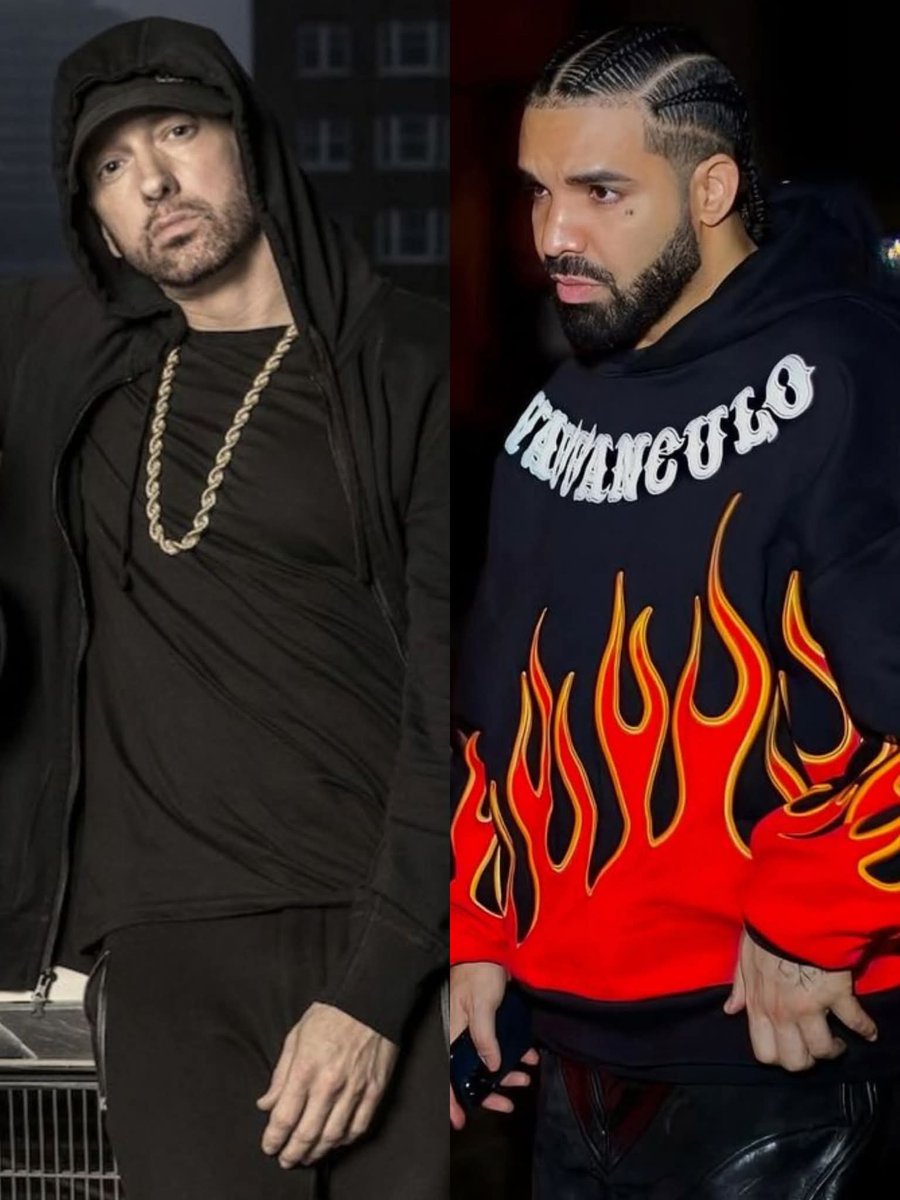
Because Eminem assimilated and Drake. Did. Eminem says he is black. Drake says he "associates" himself with black people & not "identify as" a black man. Drake has slave bars, accuses black artists of causing "white guilt" to sell records. E plenty o.
Jun 7

Why do people try to push Drake out of hip-hop culture, but never apply that same energy to Eminem?
2
147
Lol. Do not provoke me.

17
See who is talking
Jun 6

Don't quit your day job 😩😩
1
324
Monsieur Meursault retweeted

Bro idk why Drake gets the BIGGEST passes i’ve ever seen! And it be by black people! Kendrick was 100% right on this lame ahh culture vulture
Jun 4

Throwback of Jewish Israeli-Canadian Rapper Drake discussing his deep disdain for Black culture amongst his day-one White friends at a Kosher Deli restaurant 👀😳
182
4,149
23,184
613,737
Every single one.

Everything Dot said about the character of drake on euphoria, 6:16 in la, Meet the grahams, and not like us
Every word was true
1
2
145