The Computational Modeling of Biological Systems (SysMod) Community of Special Interest (COSI) of the International Society for Computational Biology (ISCB)
Chiara Damiani et al. combine data-driven and knowledge-based modeling to study tumor metabolism from high-resolution spatial transcriptomics data and apply the universal spFBA methodology in spatially resolved contexts.
npj Systems Biology & Applications
doi.org/10.1038/s41540-026-0…
We are glad to share this job opportunity with the SysMod community: the @KlippLindingLab is seeking a senior researcher at the interface of systems modeling, data science, and cell biology.
linkedin.com/posts/klipp-edd…
🎄✨ Happy Holidays to all of you from SysMod! ✨🎄
We can’t wait to see you at our conference, July 12–16, 2026, in Washington, D.C., USA, to connect, share knowledge & continue advancing innovation in computational biology—mark your calendars & stay tuned for updates!
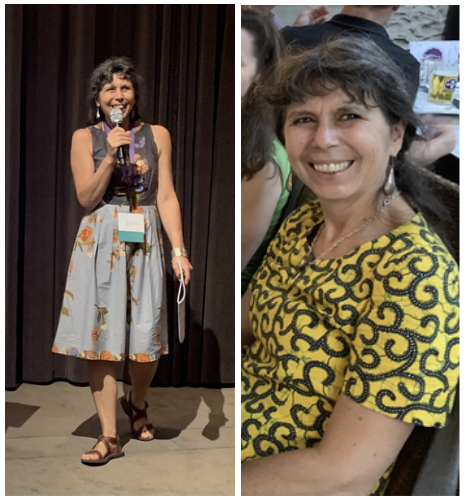
We are deeply saddened by the passing of @ChaouiyaC (1969–2025) – a cherished member of our community and coordinator (2018-2022), contributing with expertise & kindness. Her work on logical modeling of regulatory networks & dedication to SysMod left a lasting mark. We miss her.
ALT Prof. Dr. Claudine Chaouiya at the 2018 SysMod gathering in Basel, CH
SysMod just turned 10! 🎉
We continue to serve our community of systems modelers and researchers in computational systems biology.
Join us and get involved, for instance, in our annual meetings at the ISMB conference.
#MyXAnniversary
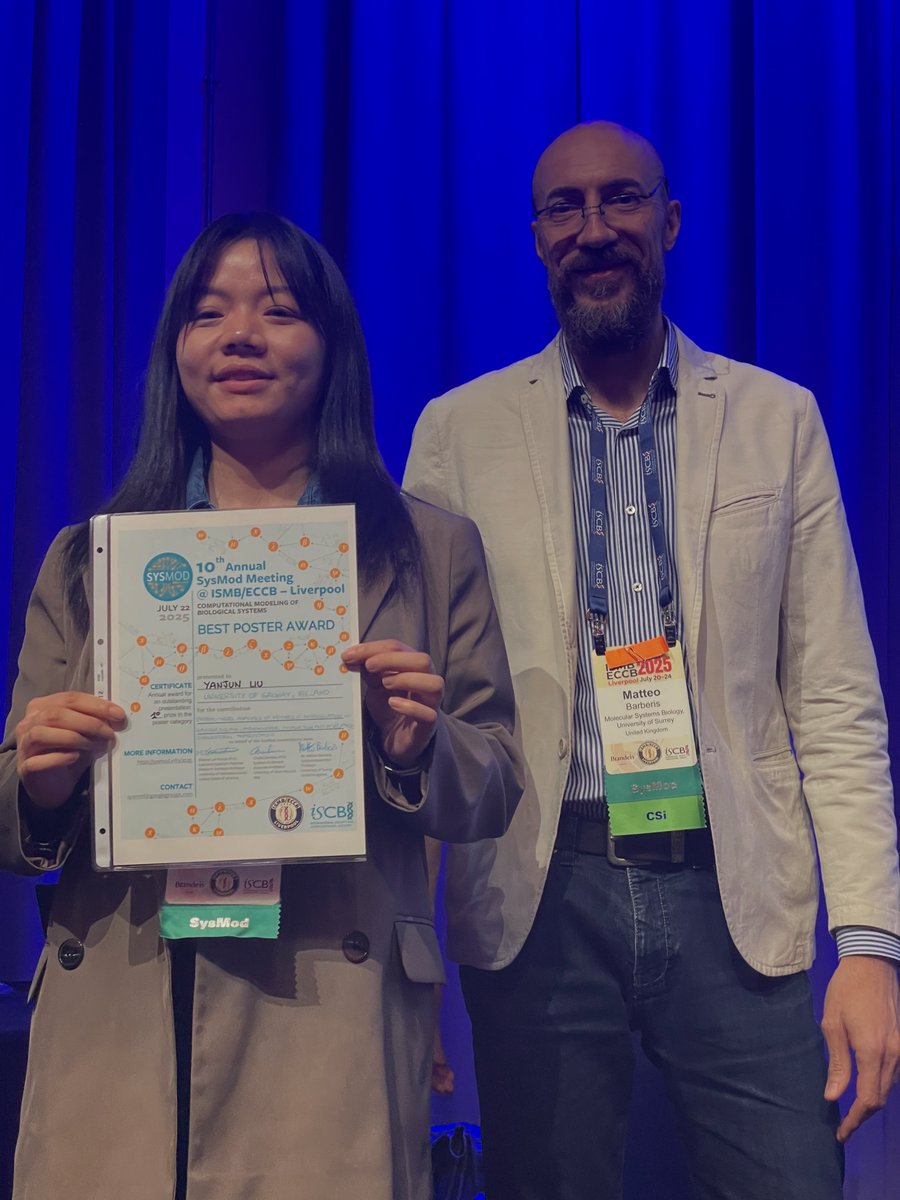
🎉 Congratulations to our poster prize winners of SysMod at #ISMBECCB2025! 🥁
Prizes: local food and beverages, and, as the first priue, a 20% discount to the 2026 meeting!
➢ 1st: Yanjun Liu @uniofgalway
➢ 2nd: Rupinder Kaur @kieluni
➢ 3rd: Sebastian Huß at the Uni Potsdam
ALT 1st prize: Yanjun Liu – Systems-Level Analysis of Metabolic Dysregulation in Gaucher Disease: Mitochondrial Dysfunction and Disrupted Cholesterol Homeostasis.
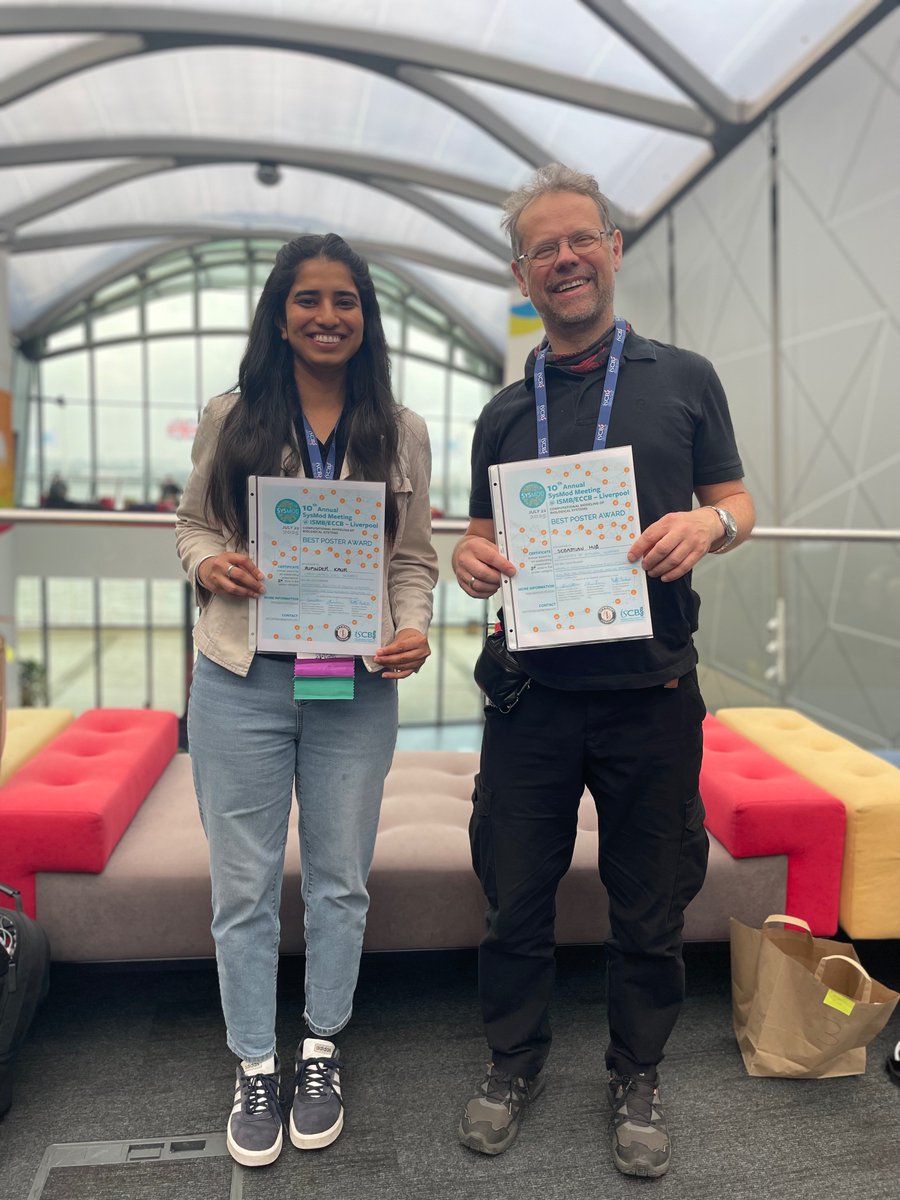
ALT 2nd: Rupinder Kaur – Computational Prediction of Targeted Nutritional Interventions for Host–Microbiome Modulation in C. elegans
3rd: Sebastian Huß – NeuralFlux: Estimating Genome-Scale Reaction Fluxes from Time-Resolved Isotope Labeling Using Deep Learning
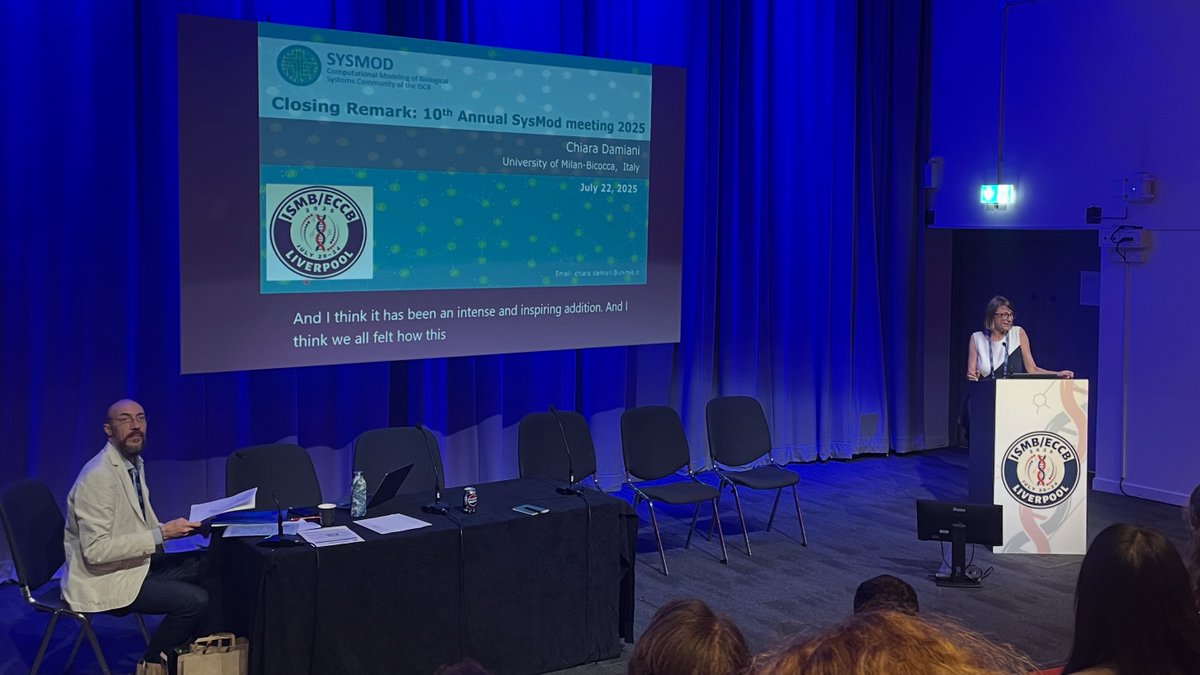
Chiara Damiani (University of Milano-Bicocca) wraps up the 2025 SysMod Meeting at #ISMBECCB2025 with closing remarks and announcing the poster awards.
Huge thanks to all participants and speakers for making it a vibrant showcase of systems biology!
See you at #ISMB2026!
ALT Chiara Damiani: “Closing Remarks and poster awards”
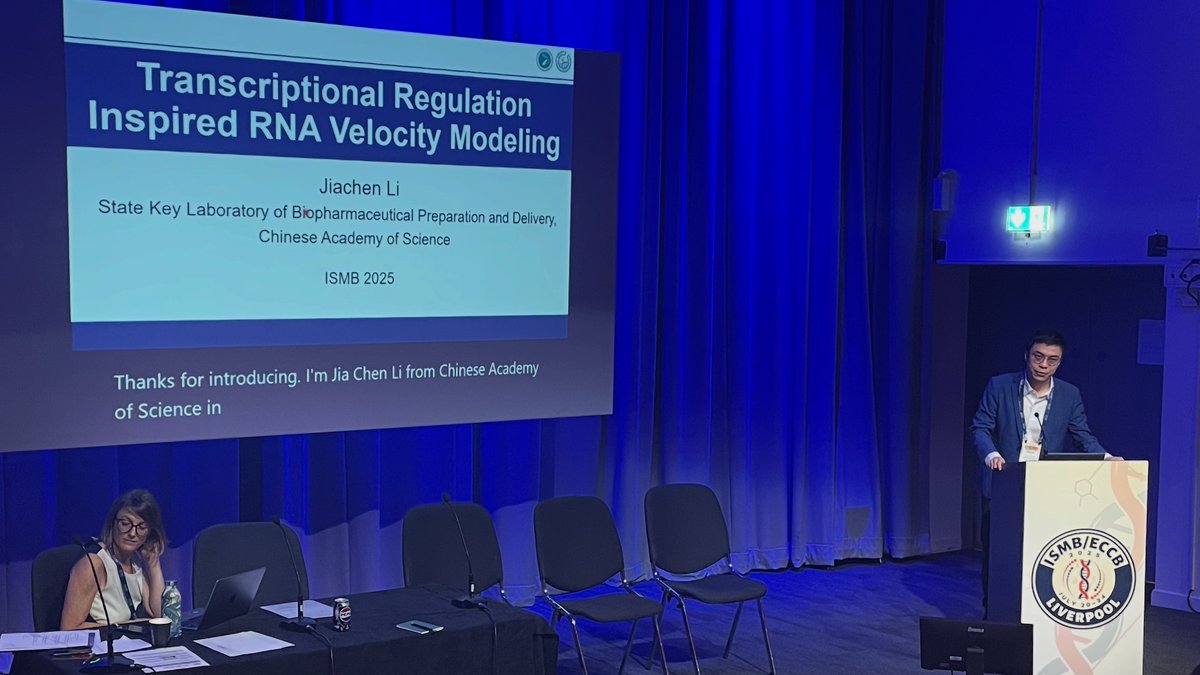
“TFvelo: gene regulation–inspired RNA velocity estimation” by Jiachen Li (Institute of Process Engineering) presents TFvelo—a tool that models RNA velocity without splicing info by leveraging regulatory networks, inferring cell trajectories & pseudotime.
#ISMBECCB2025
ALT Jiachen Li: “TFvelo: gene regulation–inspired RNA velocity estimation”
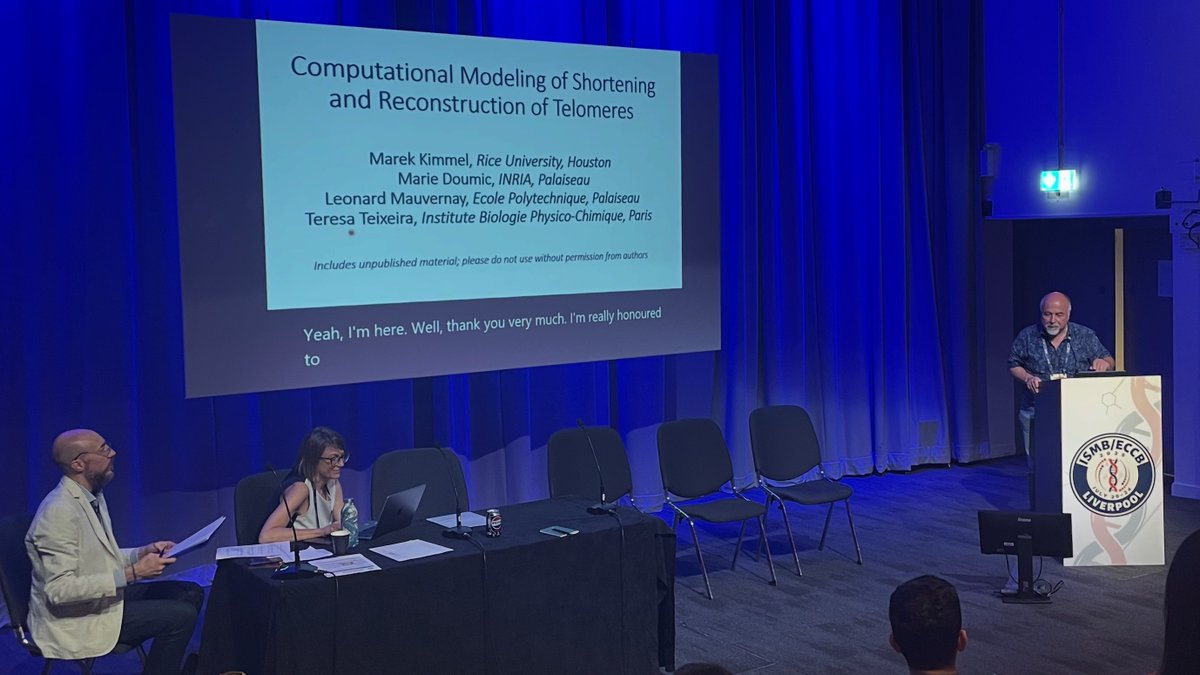
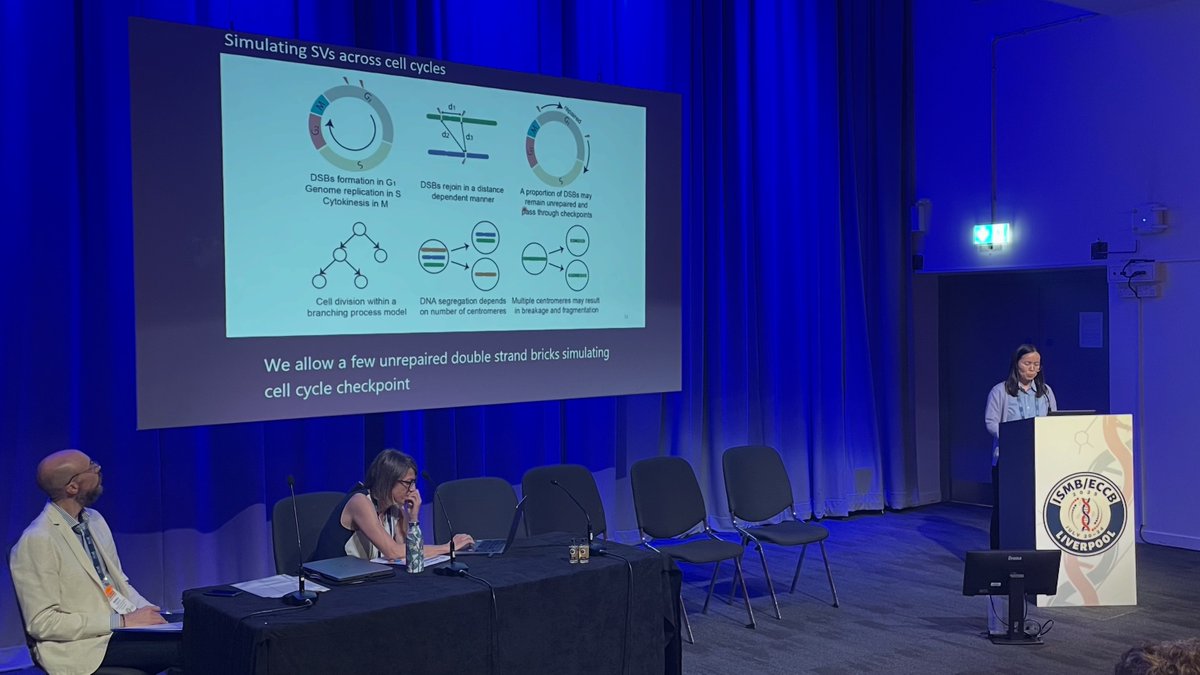
Marek Kimmel (@RiceUniversity) on “Computational Modeling of Shortening and Reconstruction of Telomeres”: a stochastic branching-process model captures yeast telomere decay, cell death & alternate lengthening of telomeres-driven rebuilding—for human aging & cancer.
#ISMBECCB2025
ALT Marek Kimmel: “Computational Modeling of Shortening and Reconstruction of Telomeres”
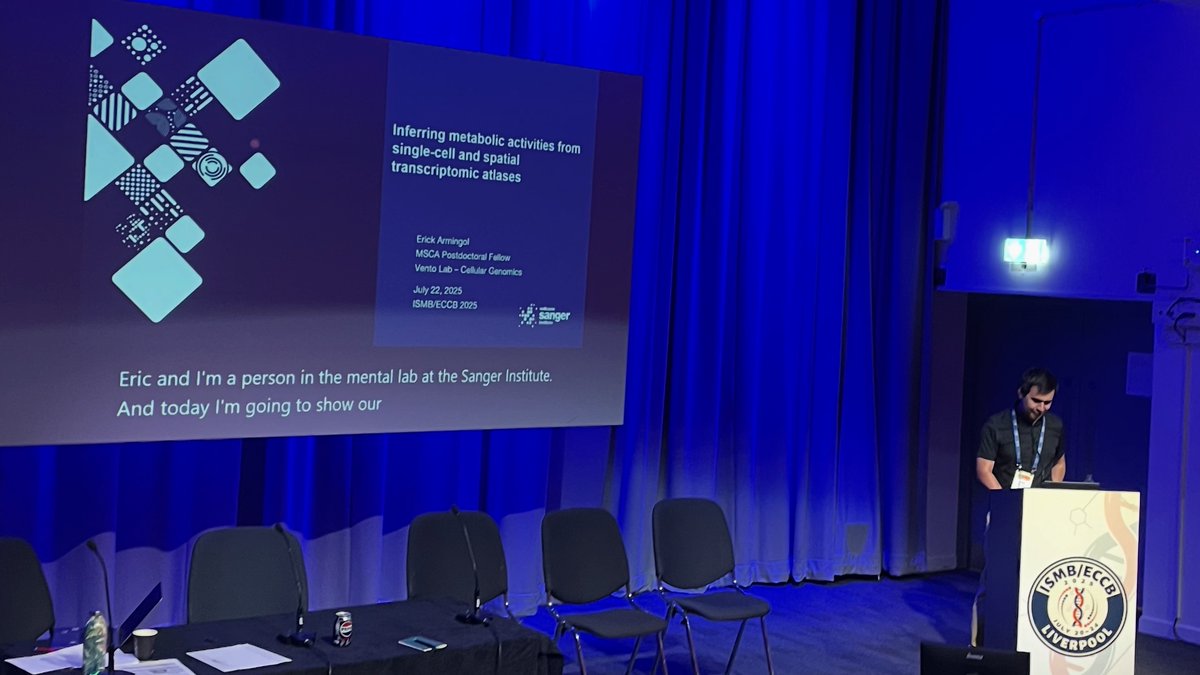
Erick Armingol presents at #ISMBECCB2025: scCellFie, a tool to infer metabolic activities from single-cell & spatial transcriptomics. Scaling to 30M cells, it maps human metabolism and uncovers rewired pathways in endometrium, endometriosis, and cancer.
#SingleCell#Metabolism
ALT Erick Armingol: “Inferring metabolic activities from single-cell and spatial transcriptomic atlases”
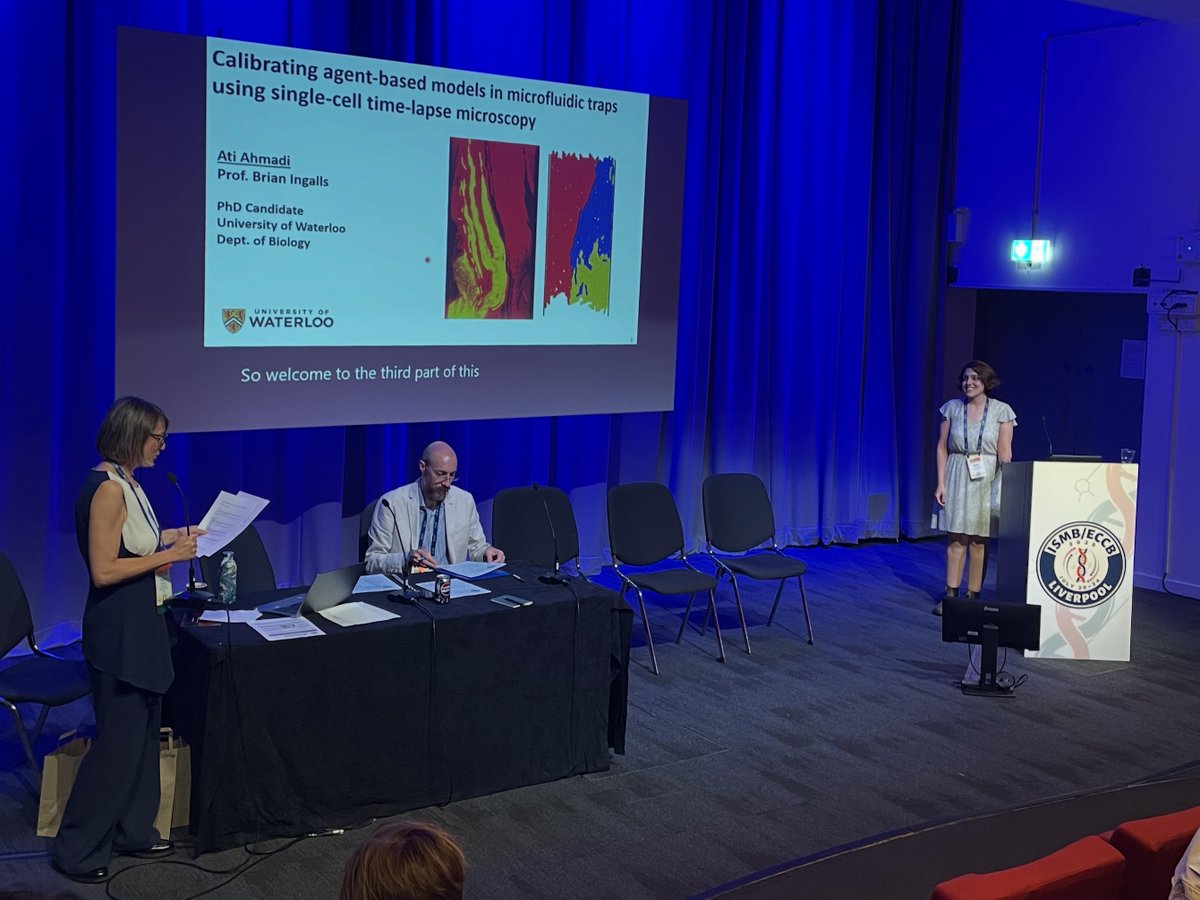
Using single-cell time-lapse microscopy and agent-based #modeling, Ati Ahmad et al. (@UWaterloo) calibrate how colicin-producing E. coli kill susceptible strains in microfluidic traps—revealing how spatial structure shapes microbial competition
#Microbiology#ISMBECCB2025
ALT Ati Ahmadi: “Calibrating agent‐based models of colicin-mediated inhibition in microfluidic traps using single-cell time-lapse microscopy”
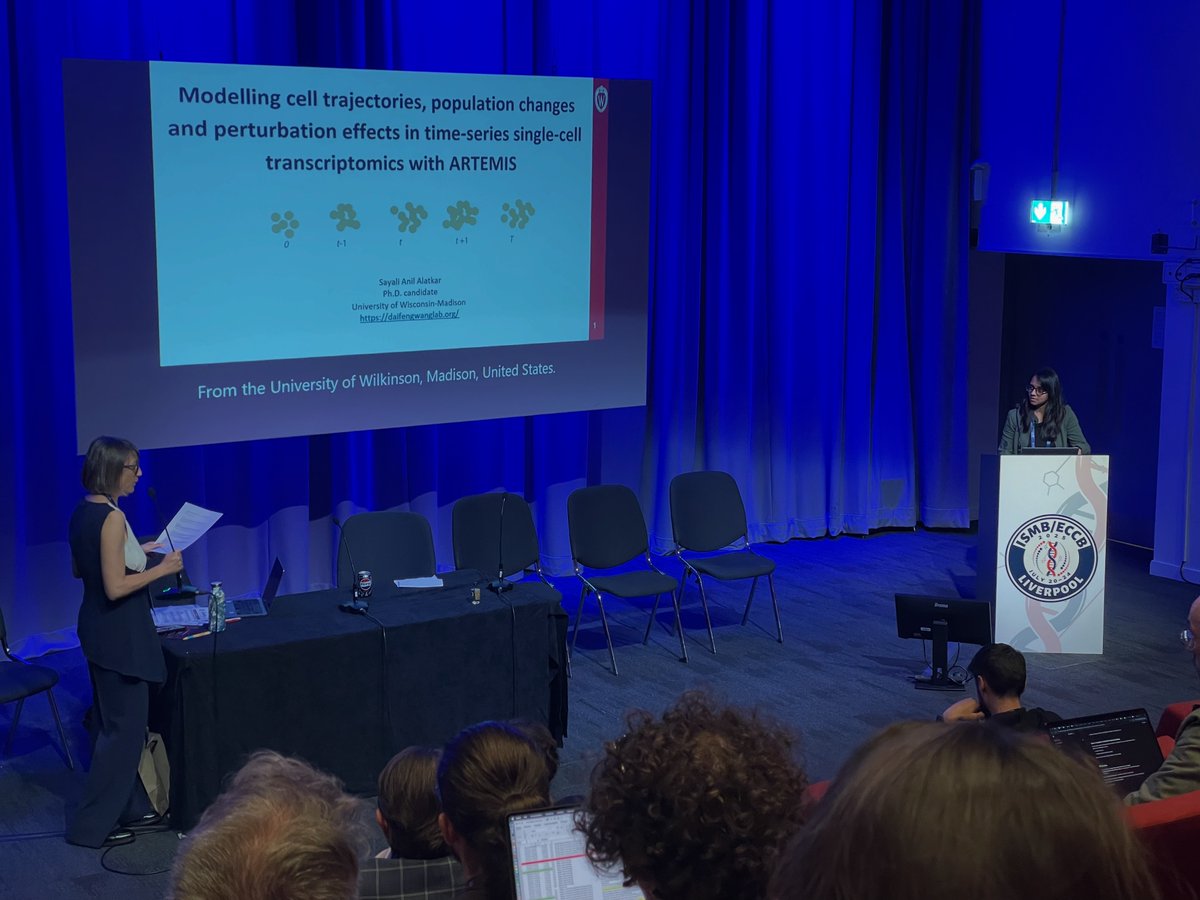
Next, Sayali Anil Alatkar (@UWMadison) presents ARTEMIS—a generative model combining autoencoders & Schrödinger Bridges at #ISMBECCB2025, aiming to predict continuous gene expression, cell population, and perturbation dynamics from time-series single-cell data. #SingleCell#AI
ALT Sayali Anil Alatkar: “Modelling cell trajectories, population changes and perturbation effects in time-series single-cell transcriptomics with ARTEMIS”
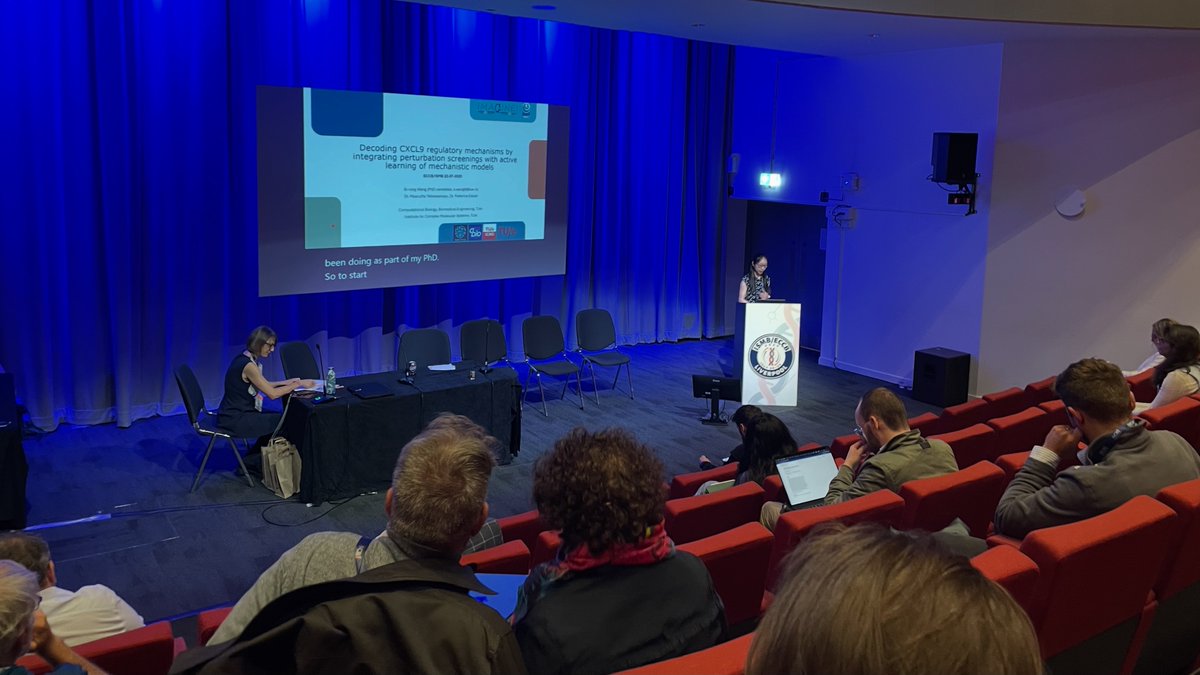
Now, Bi-Rong Wang (TU Eindhoven) presents at #ISMBECCB2025 how active learning logic-ODE models decode CXCL9 regulation in pancreatic cancer. This approach speeds discovery of drug combos to boost T cell recruitment & tackle immune exclusion. #SystemsBiology#CancerImmunology
ALT Bi-Rong Wang: “Decoding CXCL9 regulatory mechanisms by integrating perturbation screenings with active learning of mechanistic logic-ODE models”
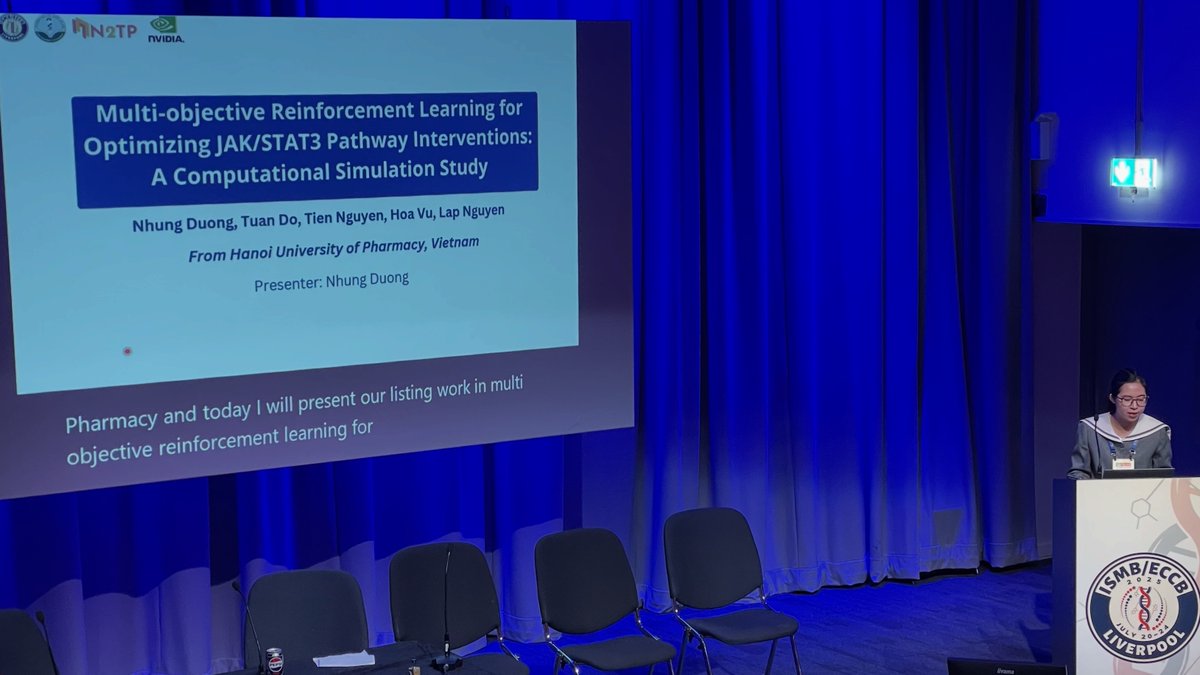
Using multi-objective reinforcement learning, Nhung Duong et al. (Hanoi University of Pharmacy) modeled JAK/STAT pathway for cancer therapies to balance tumor control, immune health, resistance & toxicity to reveal optimal strategies, towards personalized treatment.
#ISMBECCB2025
ALT Nhung Duong: “Multi-objective Reinforcement Learning for Optimizing JAK/STAT3 Pathway Interventions: A Computational Simulation Study”
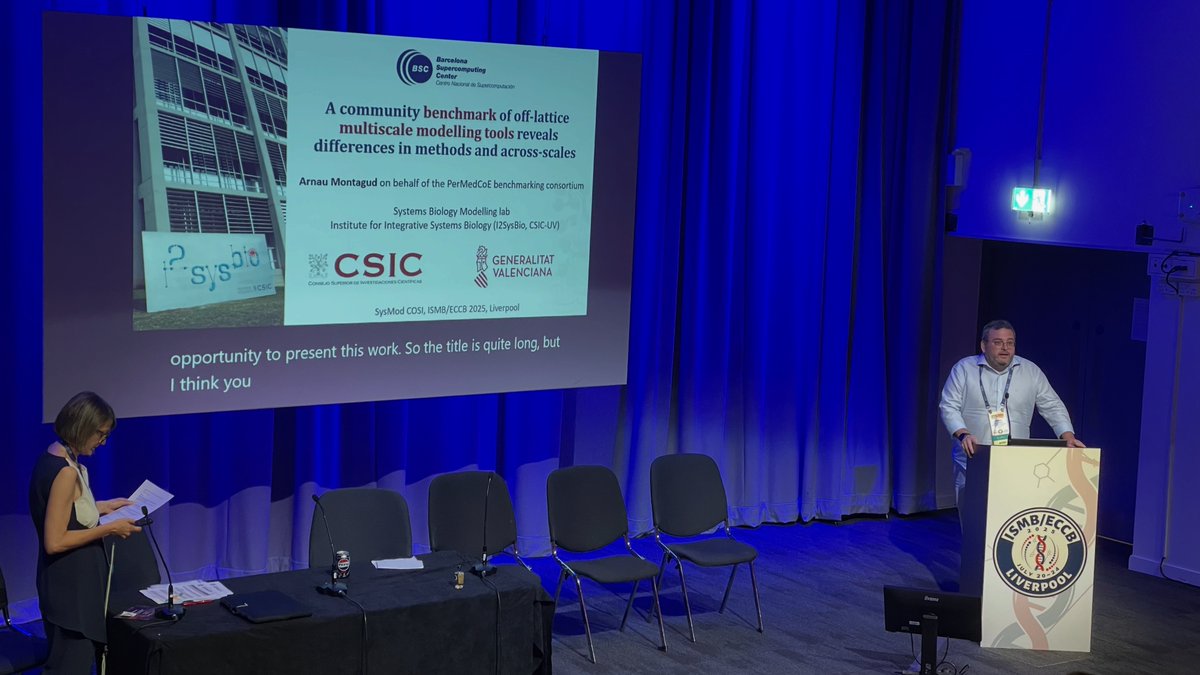
Arnau Montagud introduces a community benchmark to compare leading off-lattice multiscale modeling tools (BioDynaMo, Chaste, PhysiCell, TiSim) for virtual human twin research, revealing performance gaps & needs for gold standards to advance biomedical simulations.
#ISMBECCB2025
ALT Arnau Montagud: “A community benchmark of off-lattice multiscale modelling tools reveals differences in methods and across-scales integrations”
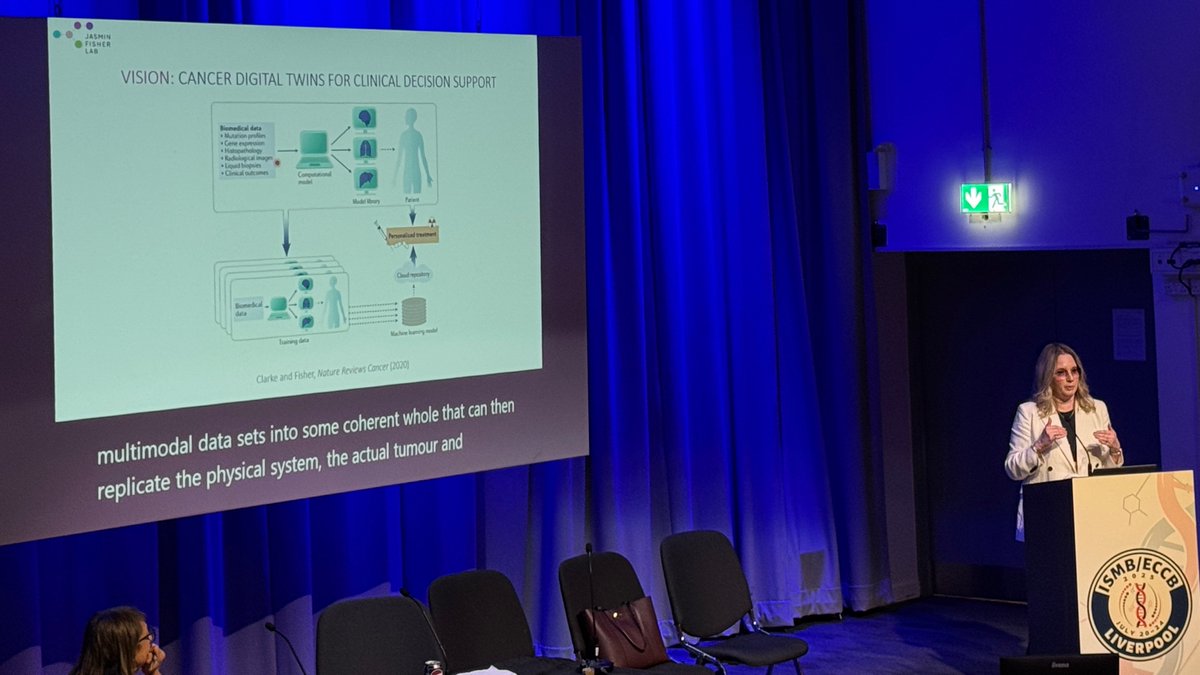
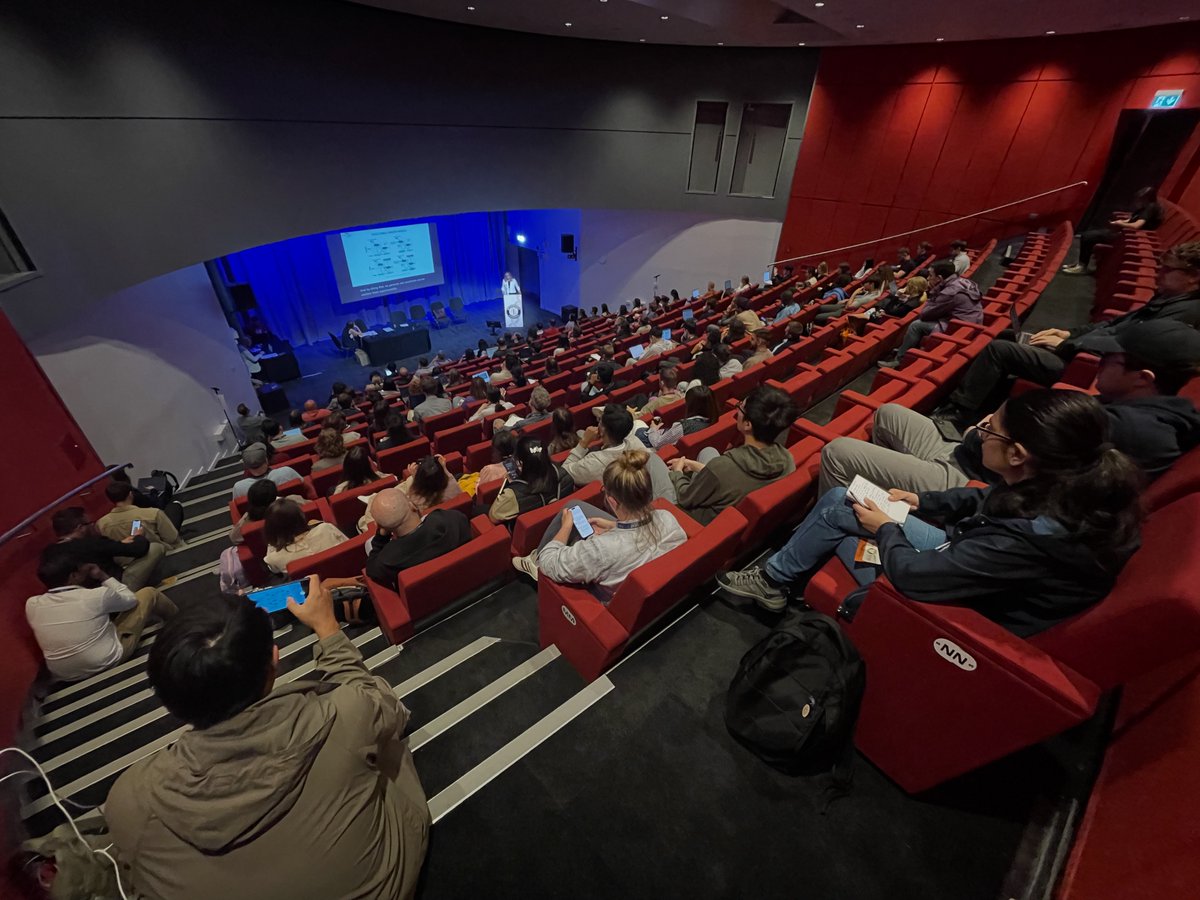
Jasmin Fisher, a professor at the @UCL, is delivering the second keynote talk in a full house on how computational models can decode complex cancer signalling networks at #ISMBECCB2025.
ALT Jasmin Fisher’s keynote talk: “Virtual Tumours for Predictive Precision Oncology”