
Joined May 2021
- Tweets 4,682
- Following 1,369
- Followers 505
- Likes 23,510
515 Photos and videos








May 3
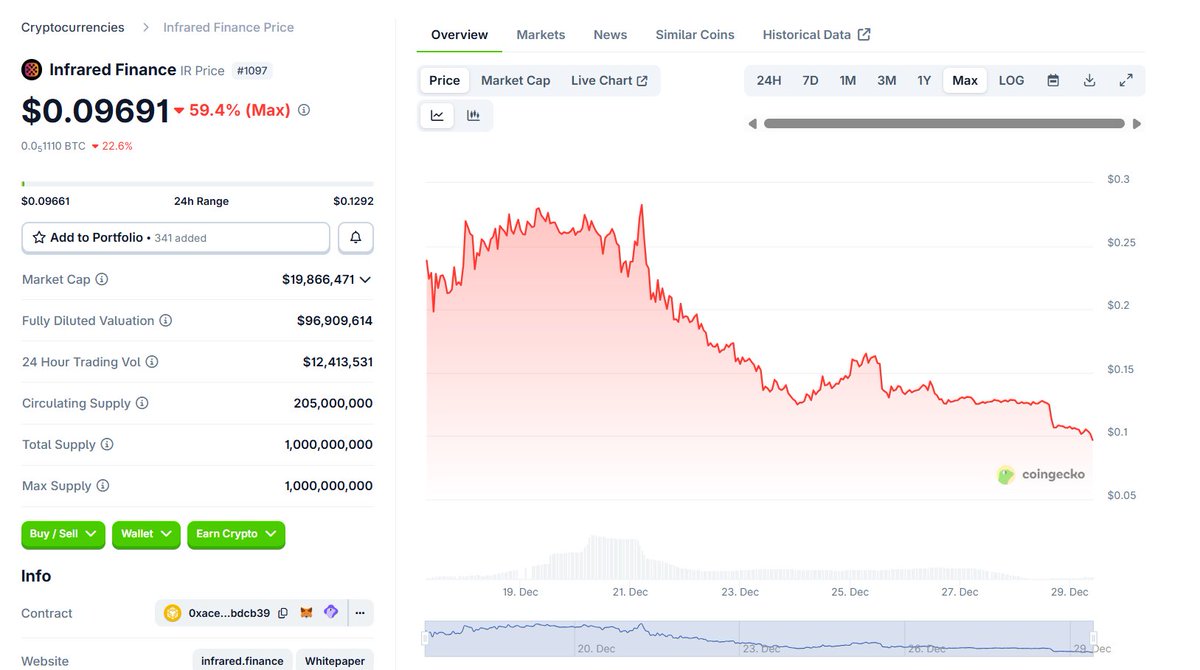
How do I effectively sell lots of worthless @berachain ecosystem NFTs in bulk? Since its no longer supported on @MEonBera and rightfully there's no appetite for worthless NFTs on @opensea. Need to offset my huge gains elsewhere with my even huger losses on Berapain
1
1
128
Apr 6
Sadly, bought 4 Berachain rebases after mainnet. My only interaction with the chain now is to claim my tokens on Sunday & sell them for USDC, which I will use to DCA into other tokens. Every Sunday, I go to claim and sell. Every time less USDC. Guess everyone is also only selling
1
2
103
kamaal412 retweeted

Mar 24
175
216
641
80,101
kamaal412 retweeted

Feb 20
If you put $1,000 into one of these tokens a year ago.
Here’s what you have left ↓
Survivors (still hurts)
BTC: ~$540
ETH: ~$405
XRP: ~$405
HYPE: ~$495
SOL: ~$290
TON: ~$175
DOGE: ~$140
The graveyard
TRUMP: ~$50
BERA: ~$45
EIGEN: ~$35
Household-name bagholder cemetery
DOT: ~$25
ALGO: ~$25
APE: ~$5
ATOM: ~$50
NEAR: ~$50
ADA: ~$90
SHIB: ~$15
FIL: ~$10
ICP: ~$20
BCH: ~$55
LTC: ~$130
POL (ex-MATIC): ~$85
Name your worst bag.
34
11
71
11,143
Feb 18
Sounds like the new playbook
Same thing happened at Bera
Can’t blame them…the bag secured
On to the next grift
Feb 18

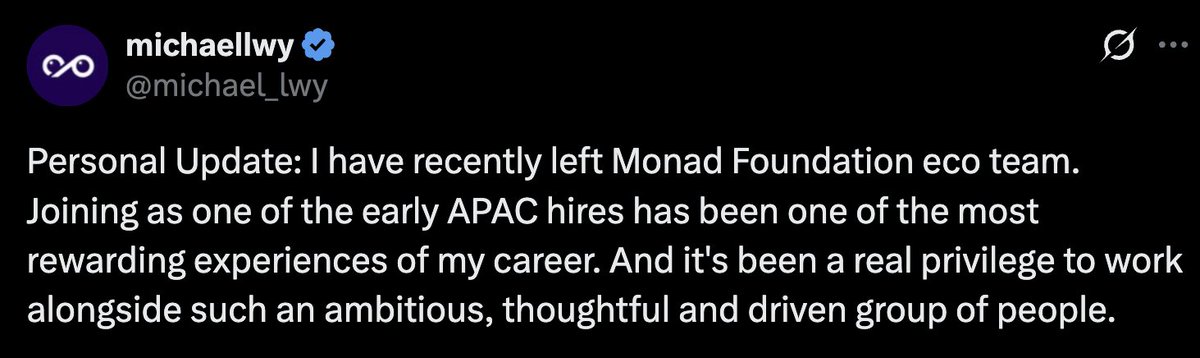
Another day another @monad team member left
Head of Growth, Head of DeFi, Ecosystem lead
All left Monad Fnd in less then a month
Something crazy is going on here
Be carefull with big VCs projects
1
1
109
Feb 13
The scam pump before the juicy dump!!!
Jan 29

The scam dump before the juicy pump!!! 2 6 26
31
kamaal412 retweeted

Feb 11
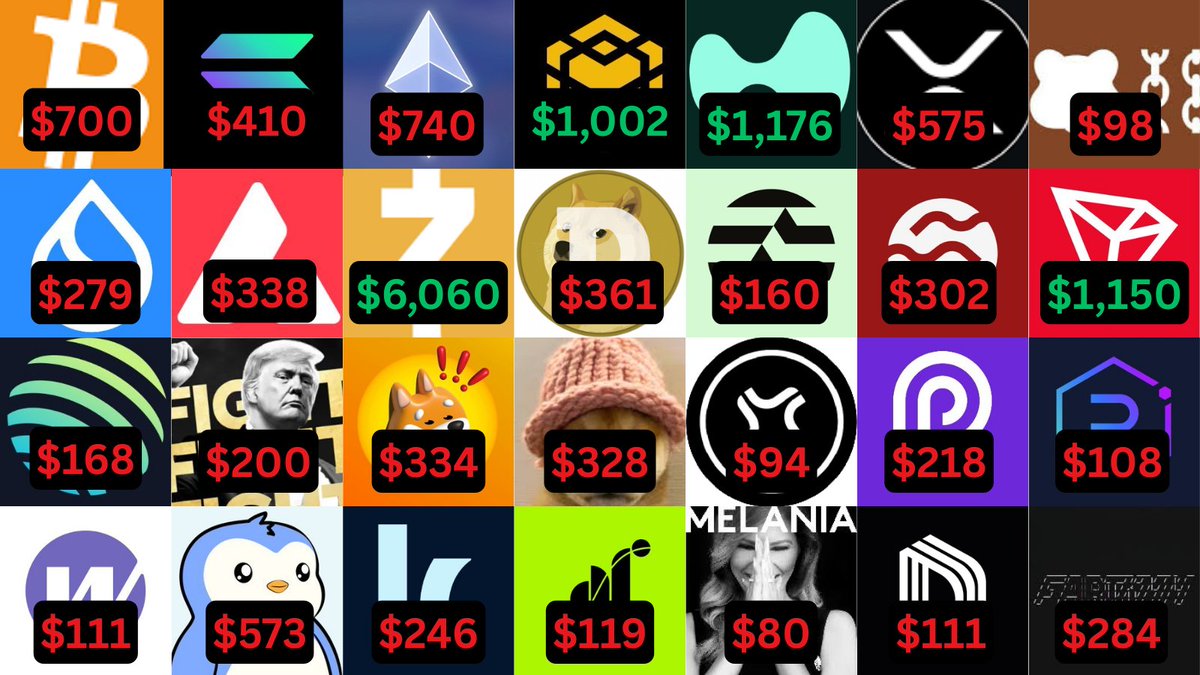
If you invested $1,000 in ____ a year ago you would have:
BTC: $700
SOL: $410
ETH: $740
BNB: $1,002
HYPE: $1,176
XRP: $575
BERA: $98
SUI: $279
AVAX: $338
ZEC: $6,060
DOGE: $361
APTOS: $160
SEI: $302
TRX: $1,150
JUP: $168
TRUMP: $200
BONK: $334
WIF: $328
JITO: $94
PYTH: $218
RAY: $108
W: $111
PENGU: $573
KMNO: $246
GRASS: $119
MELANIA: $80
DRIFT: $111
FART: $284
134
24
305
43,925
Jan 29
The scam dump before the juicy pump!!! 2 6 26
Jan 14
The scam pump before the juicy dump!!! 2 6 26
91
Jan 15
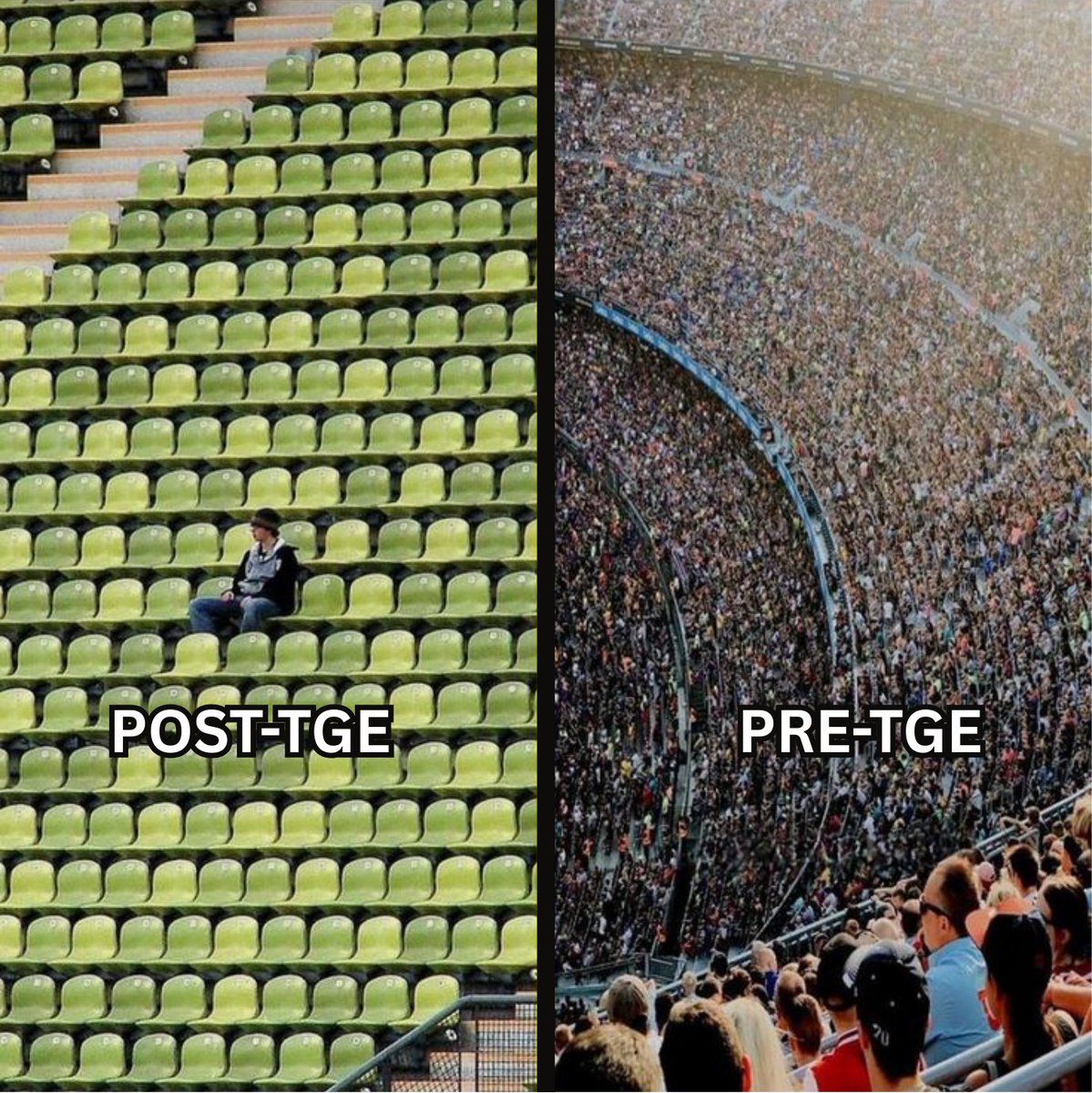
End of an (b)Era

2
91
Jan 15
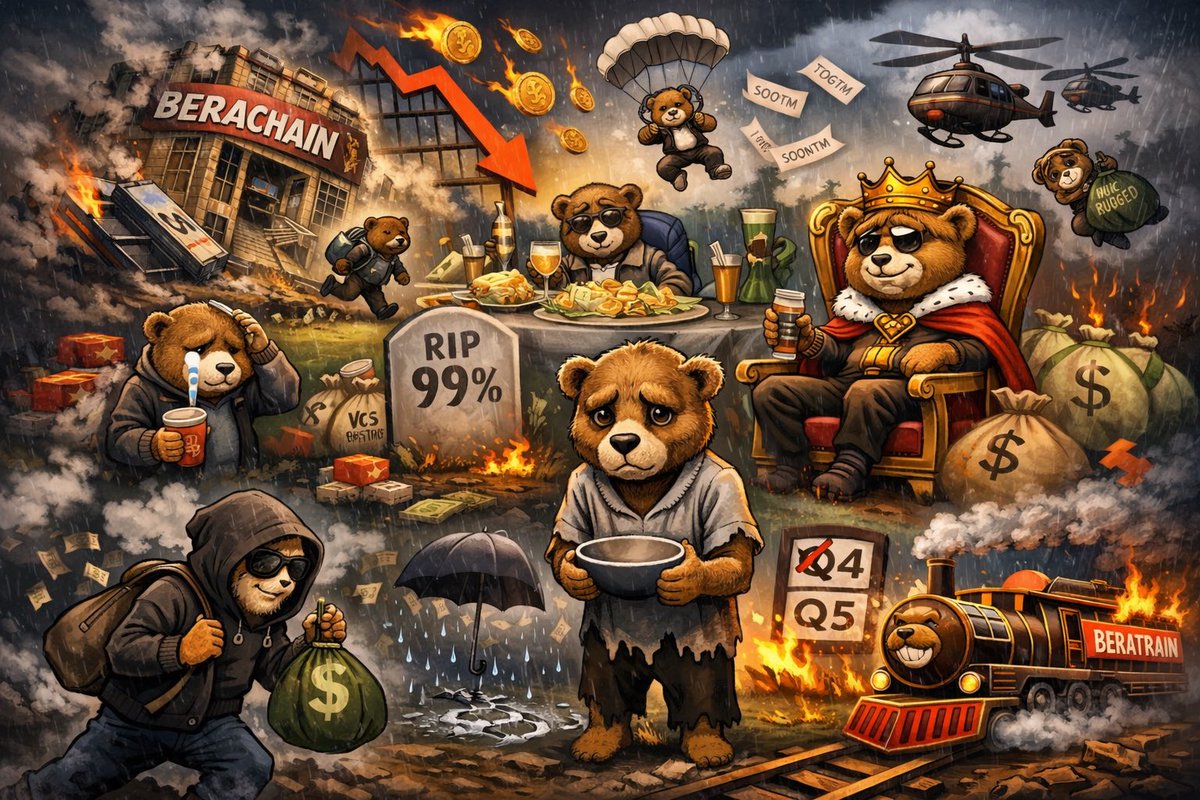
Building businesses that fail that’s Berachain
Buying tokens all 90% down that’s Berashame
Actually sorry for your losses that’s Berapain
Jeeted at TGE that’s Beragain
Believed in something that’s Berastain
Users will get RFA that’s a Beraclaim
VCs eating, retail starving that’s Beradrain
Pretending everything’s ok that’s Berastrain
Price down only that’s Berarain
Founders who rugged that’s Berabane
Q5 way worse that Q4 that’s Beramain
Crash out yet get appeased that’s Berareign
Like these rhyme add to the Beratrain
2
8
767
Jan 14
A −95.7% drawdown ($14 → $0.6) requires a ~2,233% gain to recover. Remember this.
1
52
kamaal412 retweeted
Jan 12
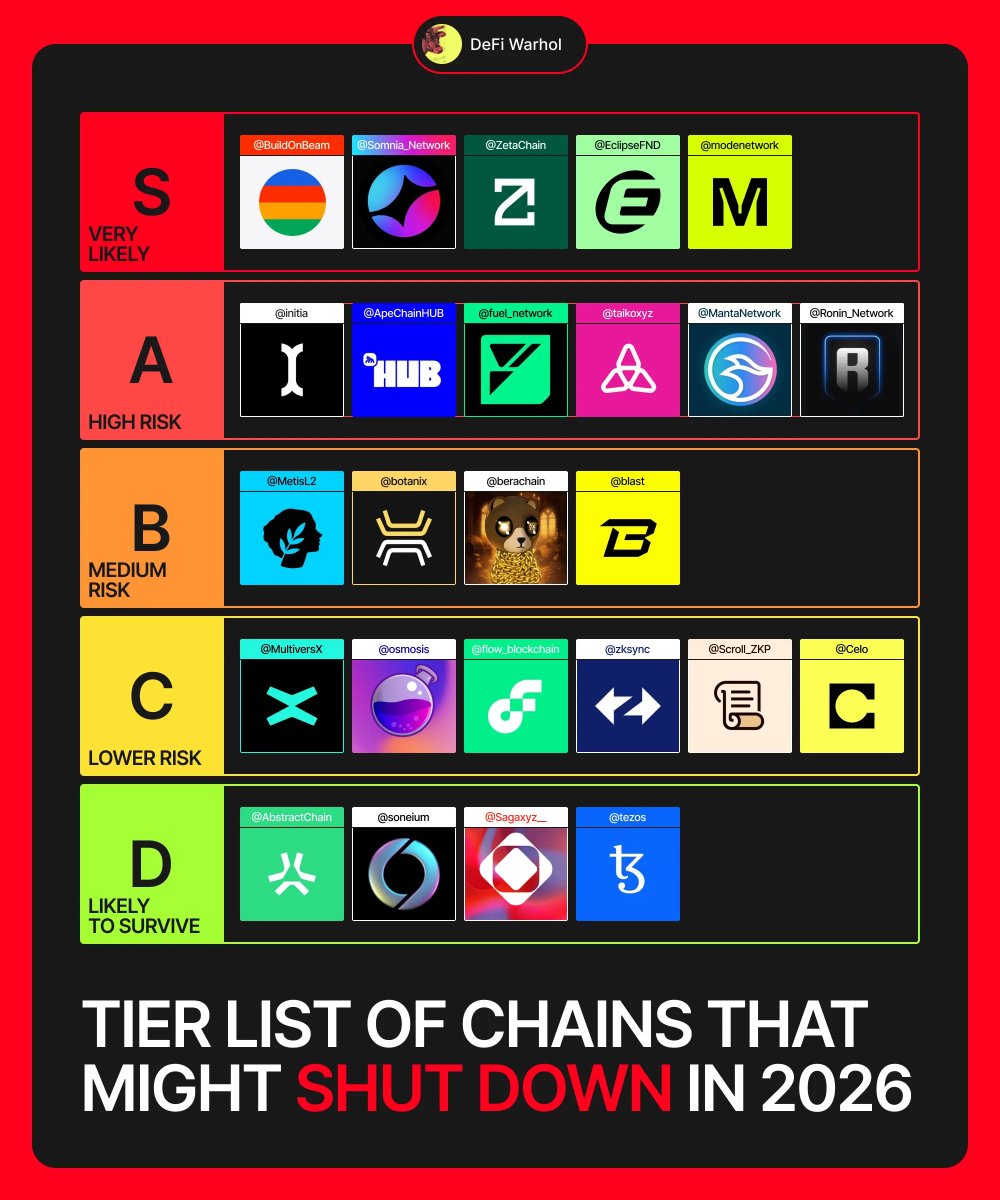
Tier List of Chains that may Shut Down in 2026 🧵
(Ranked by their current self-sustainability across revenue, users, TVL, liquidity, and ecosystem traction)
S tier: Very Likely
@BuildOnBeam: Gaming-focused chain that doesn't have any established games and players.
@Somnia_Network: L1 built for real-time, fully onchain apps that never had a real moat, with dying metrics.
@ZetaChain: L1 for omnichain smart contracts with no users, ecosystem, and a down-only token.
@EclipseFND: Had a strong tech moat before TGE, but completely died after TGE, with insiders dumping the token to zero.
@modenetwork: Ethereum L2 pitched as a DeFi hub, but it never developed users or apps. Zero revenue, and no path for survival.
A tier: High Risk
@initia: L1 network of customizable L2 rollups to help teams launch their own chains/apps. Tech never paid out, and metrics are decreasing day by day.
@ApeChainHUB: Arbitrum-based chain built to power the ApeCoin ecosystem with virtually zero onchain activity.
@fuel_network: Gud execution tech, but liquidity vanished after TGE, and tech wasn't enough to sustain it.
@taikoxyz: Ethereum-equivalent zkEVM L2 aiming for maximum Ethereum compatibility that died on the TGE day.
@MantaNetwork: ZK ecosystem vision, but nothing became a USP for users. Usage is minimal wth occasional small spikes, incentive-based.
@Ronin_Network: Gaming chain that has been in a free-fall since 2021. No flagship games, and a weak economy to sustain its activity.
B tier: Medium Risk
@MetisL2: L2 with some infra around, yet it still cannot compete with bigger names and attract builders. It's just another useless L2 at the moment.
@BotanixLabs: Bitcoin L2 narrative, but the actual chain economy is barely alive. No real users and sustained transaction demand, it is one downturn away from being abandoned.
@berachain: L1 using Proof of Liquidity to align liquidity and security incentives. Failed to sustain meaningful activity post-TGE price has been down only
@blast_l2: Built around yield and points, which is the definition of mercenary liquidity. Once rewards were distributed, users left, and the chain was left hanging with no usage.
C tier: Lower Risk
@MultiversX: Big brand and big claims once, but it started to fade after 2021. It becomes a legacy chain that survives only on community inertia and treasury tokens.
@osmosis: Was presented as a full-blown DeFi hub with its own appchain. The volume started to decline after 2021, leaving it with virtually zero revenue to sustain its activity.
@flow_blockchain: Consumer and NFT chain, but it has not sustained a durable economy & retention post-NFT mania, and weak monetization keep it at risk of potential shutdown.
@zksync: ZK leader by narrative, yet its economy & usage still feels underpowered. If it doesn't get a banger app and more builders, it becomes great tech with no actual demand.
@Scroll_ZKP: Gud zkEVM tech, but adoption remains niche to some payment projects. Without a sustained healthy ecosystem, its apps will pivot to other L2s.
@Celo: Ethereum L2 for payments/stablecoins, but it needs consistent daily use beyond incentives, or it's just temporary mercenary liquidity.
D tier: Likely to Survive
@AbstractChain: Actually has a base of users & liquidity, not massive, but enough to survive if it keeps compounding.
@soneium: Has some branding advantage by Sony association, and IMO its survival odds are higher even if metrics aren are in decline.
@Sagaxyz__: An appchain that gained some traction lately (although the metrics are conservative). Can survive if they can sustain their yield and incentives.
@tezos: Not thriving, but historically resilient low excitement, yet it tends to somehow survive through cycles on inertia/runway.
Did I miss anything?
Hope you enjoyed this post and found some new VALUABLE information.
If you wanna support me, I'd appreciate a like, reply, and RT <3
149
58
324
85,611
Jan 6
An0ther 1!!!
Jan 6

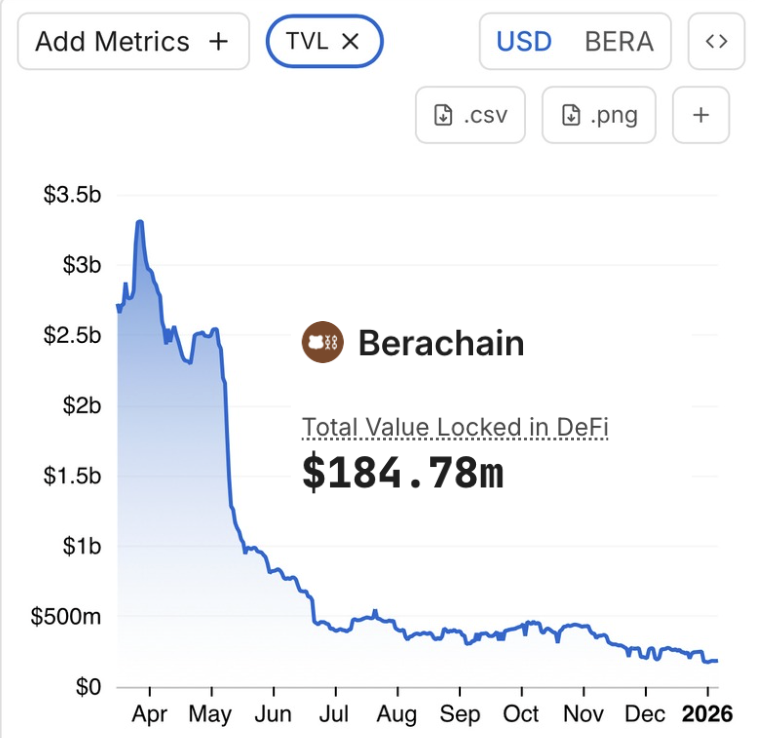
Remember Berachain?
In 2024, at Token2049 in Singapore, they hosted the biggest party at Marquee in Marina Bay Sands
They had unbelievable hype
Today, their TVL is down from $3B to about $184M, and on a good day they generate a few thousand dollars
1
1
318
30 Dec 2025
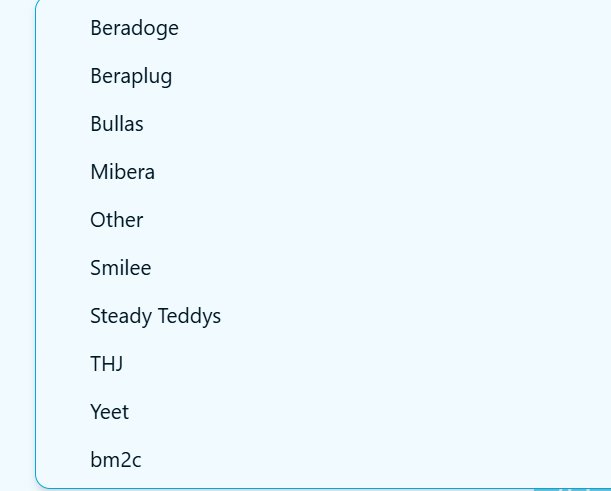
Fun @Berachain fact
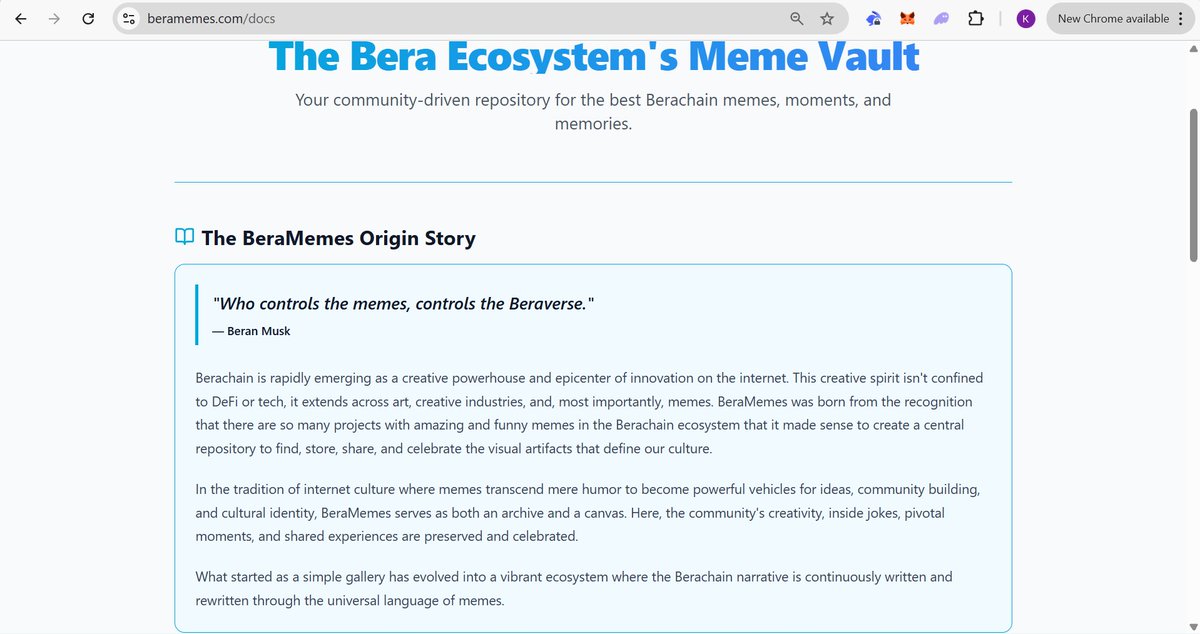
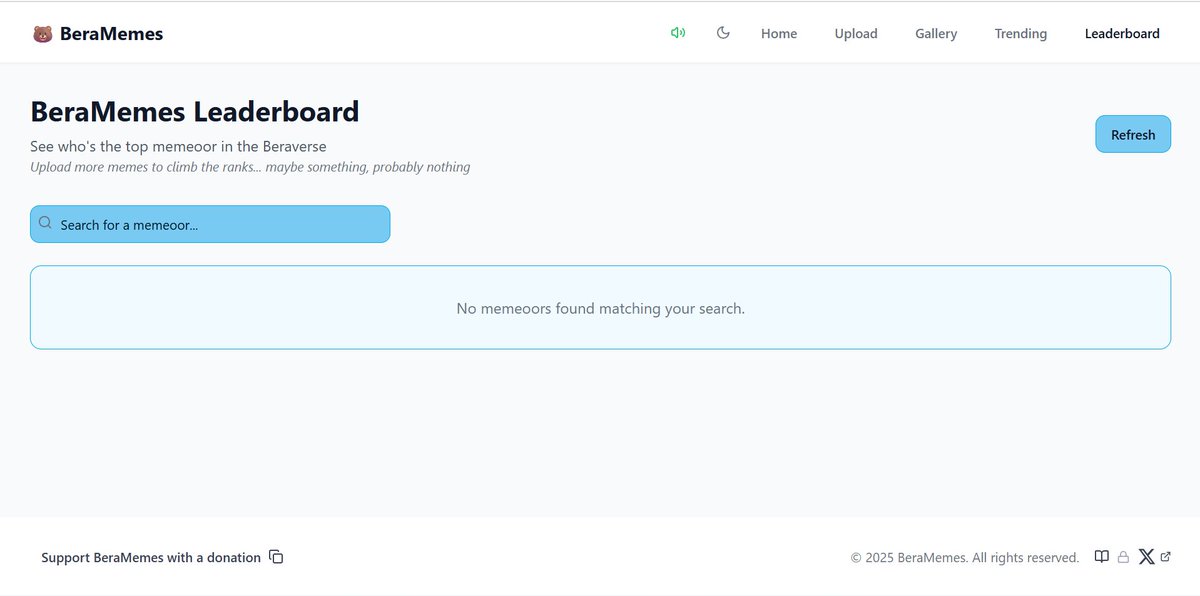
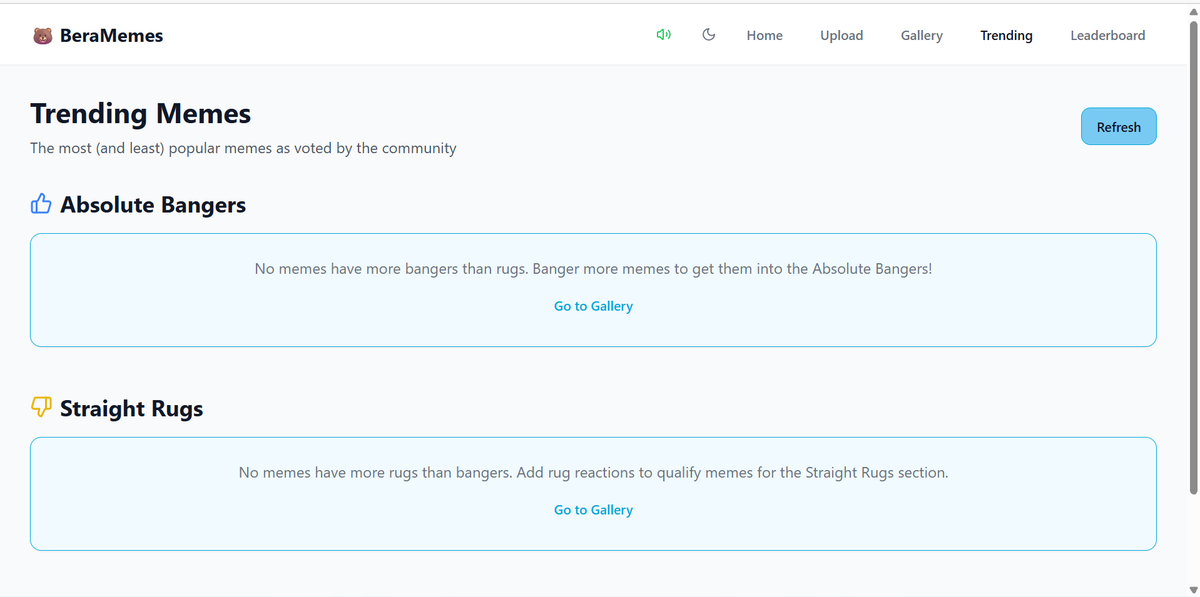
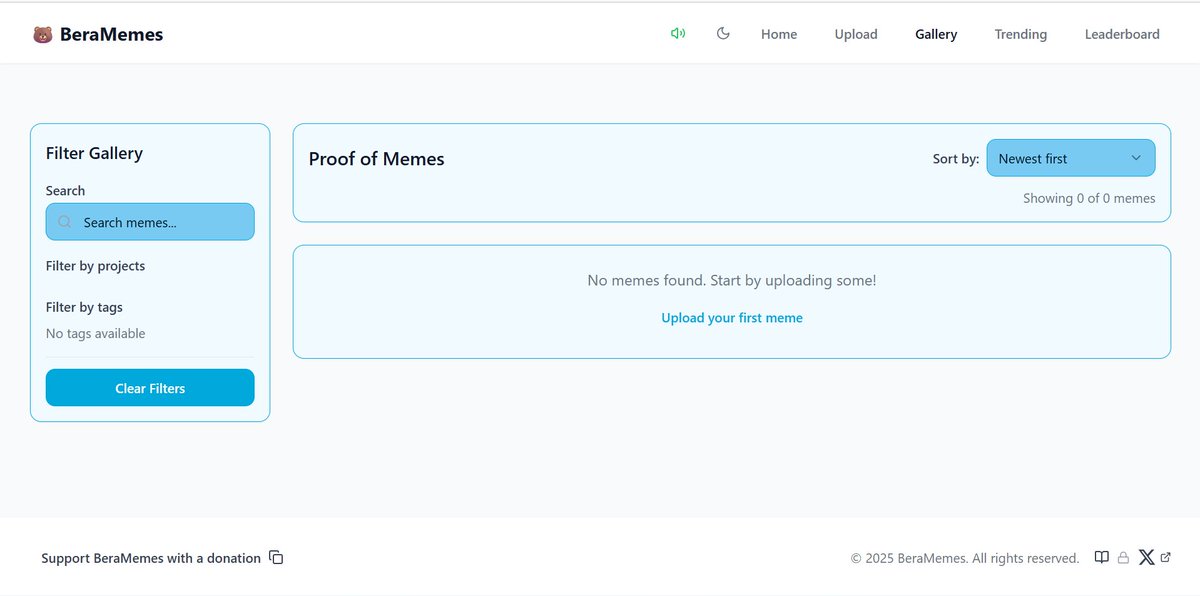
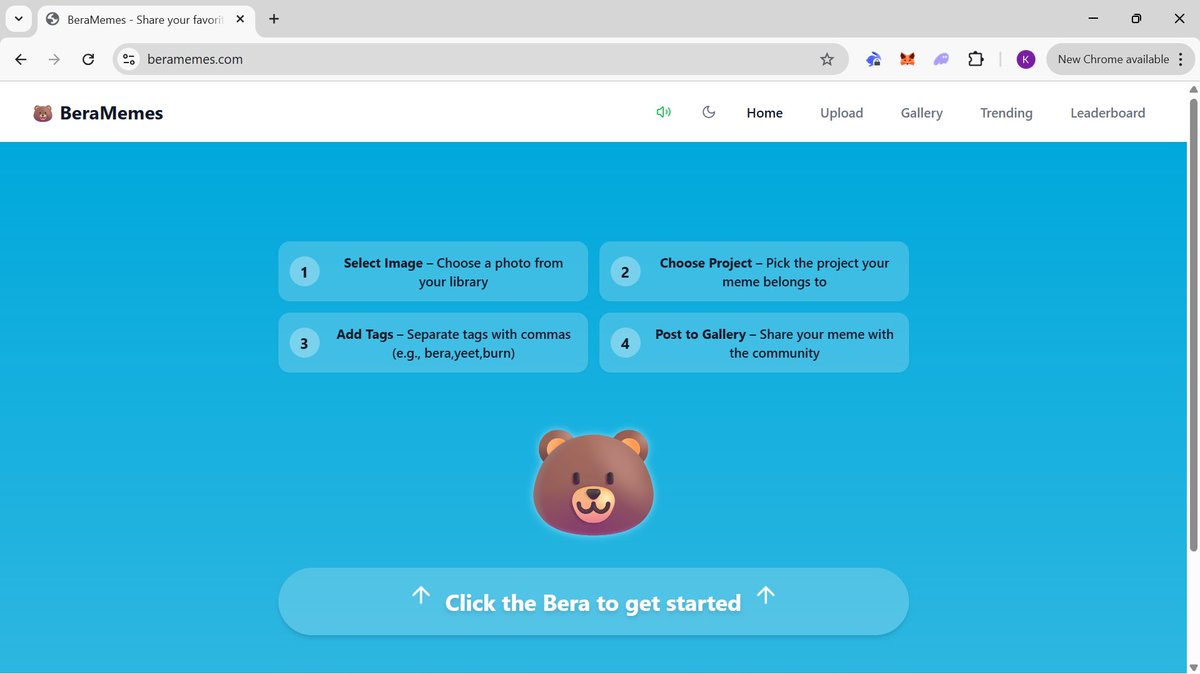
I had bought the domain beramemes.com to host all the amazing memes that were made and related to Berachain as a repository. I vibe coded the site on replit and its got some nice meme sound effects when you go to upload memes some easter eggs thrown in....But just like $Bera I kinda just let it die before it got going. If you like, you can visit it, get a sense of what I was trying to do and pay your respects. RIP
8
16
427
30 Dec 2025
Even had a docs section to make it look fancy with an origin story, improvements, roadmap, community feedback.
5
137