
Joined April 2019
- Tweets 7,224
- Following 6,202
- Followers 1,789
- Likes 82,394
922 Photos and videos









Zink retweeted

Instead of adding pink ribbons to their products every October maybe companies should just remove the cancer causing ingredients
550
24,151
126,059
1,117,778

Zink retweeted

Jun 10
BEFORE YOU BOARD YOUR NEXT FLIGHT READ THIS
A former airline captain named John Hoyte reached out to me recently. He spent nearly 30 years flying commercial aircraft, developed serious neurological damage, lost his career, and has been trying to get this story properly investigated ever since.
He sent me documents spanning two decades. The scale of what is in them is HUGE.
What he shared includes parliamentary records, a 320-page published report from the British pilots union, @BBC coverage, House of Lords testimony, and active litigation in multiple countries. This has been heard at the highest levels. It has largely been buried.
Most commercial jet aircraft use a system called bleed air. Instead of drawing fresh air from outside, the plane takes compressed air directly from the engines and pumps it into the cabin. That is the air you breathe for the entire flight.
When engine seals wear down, oil and hydraulic fluid can leak into that air supply. Those fluids contain organophosphates, the same compounds found in certain pesticides and nerve agents. Inhaling them can cause neurological damage, memory loss, and chronic fatigue. In documented cases, far worse.
This design has been in use since the 1950s. The health risk has been documented for just as long.
In 2005, @BALPApilots, the British pilots union, published a full conference report on this with the University of New South Wales. The following year, 27 BALPA pilots were tested by University College London. All 27 showed evidence of toxic poisoning and reduced cognitive function. Not some of them. All of them.
@BBCPanorama covered it in 2008. The House of Lords Science and Technology Committee heard evidence on it in 2007 and 2008. In February 2007, 40 unrelated passengers on a single XL Airways flight were seriously injured by contaminated cabin air. Their cases went to court. Twenty of them won a US jurisdiction ruling in 2010.
A UK coroner recorded a death linked to this in 2015.
France has formally recognised aerotoxic syndrome as an occupational disease. In the US, a law professor is suing Boeing for $40 million after a single exposure left him permanently injured. Morgan & Morgan, America's largest personal injury firm, is now actively taking mass cases on behalf of passengers and crew.
John himself was one of those 27 pilots tested by UCL. He founded the Aerotoxic Association in 2007 at the Houses of Parliament to support other survivors. He has been fighting for this for nearly 20 years.
Almost every commercial jet aircraft except the Boeing 787 Dreamliner uses the bleed air system. The 787 uses a different design that avoids this problem entirely. That safer design has existed for years. That fact alone says everything.
BBC has not covered this story since 2020. The UK Civil Aviation Authority continues to say there is no positive evidence of a link. The Aerotoxic Association has been contacted by more than 2,500 people who believe they have been affected.
John is looking for mainstream investigative journalists who want to dig deep into this. He is an expert witness with decades of evidence and is willing to answer every question. He has a passenger injured on that 2007 flight, Samantha Sabatino, whose case is in the parliamentary record.
This is a genuine story of enormous public interest and it deserves proper investigation.
If you are a journalist or researcher and want to speak to John directly, his contact details are in the comments.
I will add media coverage links in the comments section.
Sources:
@AerotoxicAssoc (Aerotoxic Association)
@BALPApilots (British Airline Pilots Association) @forthepeople (Morgan & Morgan)
gcaqe org (Global Cabin Air Quality Executive)
@BBCPanorama covered it in 2008 with a full documentary titled Something in the Air.
@heraldtweets
@WSJ
@FlightGlobal
@TheCanaryUK
@the_ecologist
288
4,535
8,643
746,328
Zink retweeted

Jun 9
There’s so many comments like these under my post and I’m having to restrain myself from full porting $SLV calls.
I love how terrified people are 😁
What narrative has changed over the past year regarding Silver?
ABSOLUTELY NOTHING 😤
It’s time to punish the bears.


Silver is going back to 30s
Ath coming in another 10 years
35
8
191
12,623
Zink retweeted

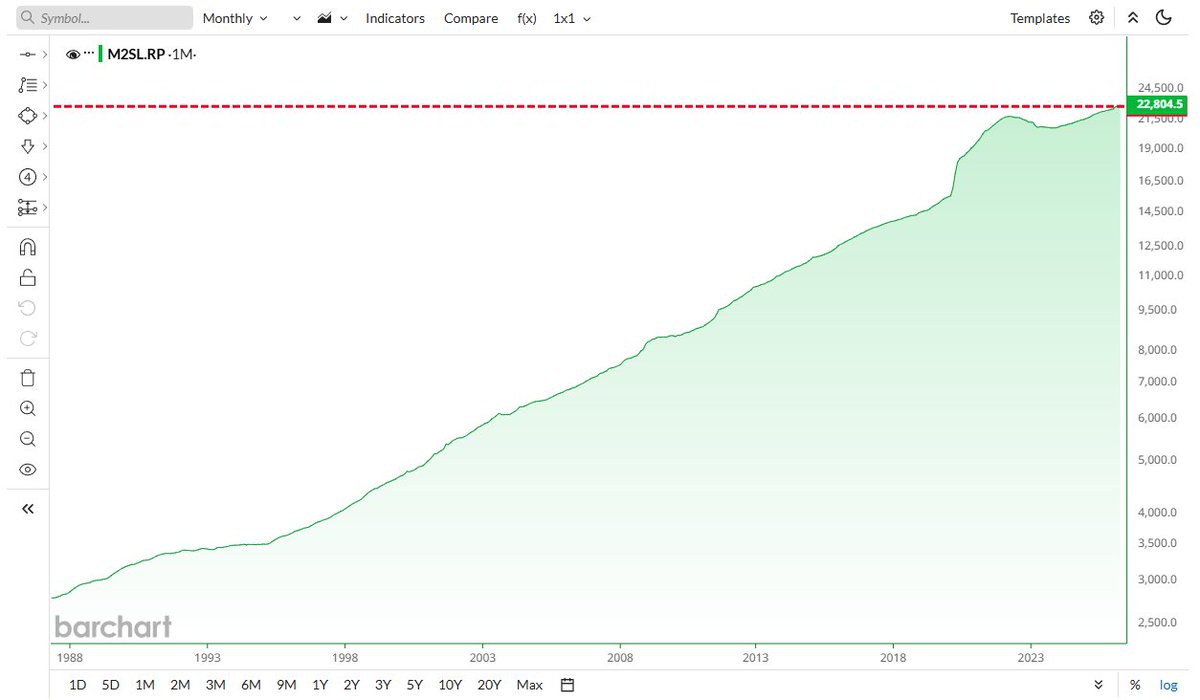
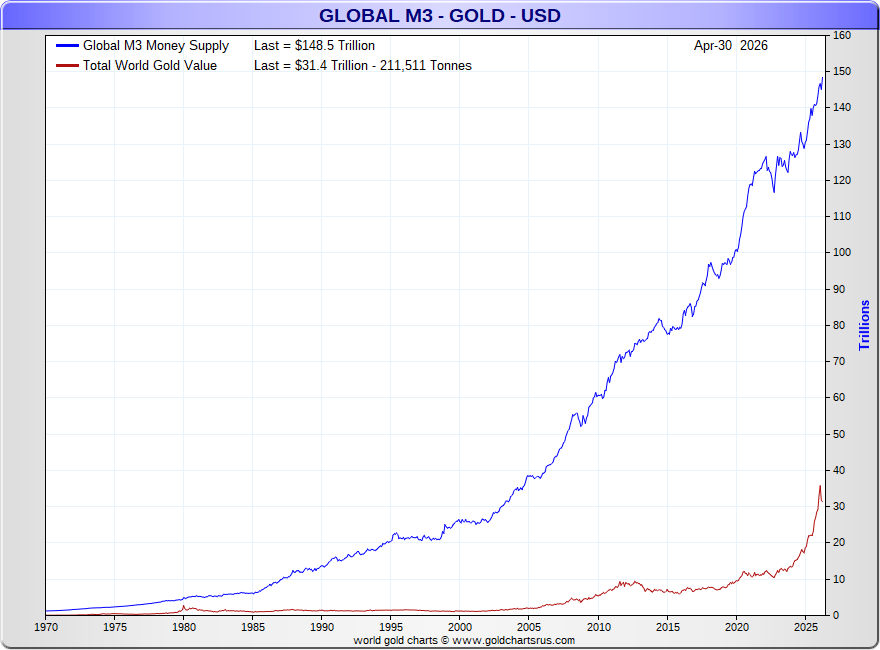
M3 vs Gold
Five-fold the difference.
18
87
382
26,087
Zink retweeted

Jun 6
If you want to destroy the myth of European elitism, just get a connecting flight through Frankfurt airport.
162
241
4,978
1,046,878
Zink retweeted

Jun 5
🚨 It's not just ZCash.
Opus 4.8 also found a vulnerability in $USD that allows for unlimited issuance which could theoretically enrich insiders at the expense of all holders
huge breaking
151
529
6,259
288,514
Zink retweeted

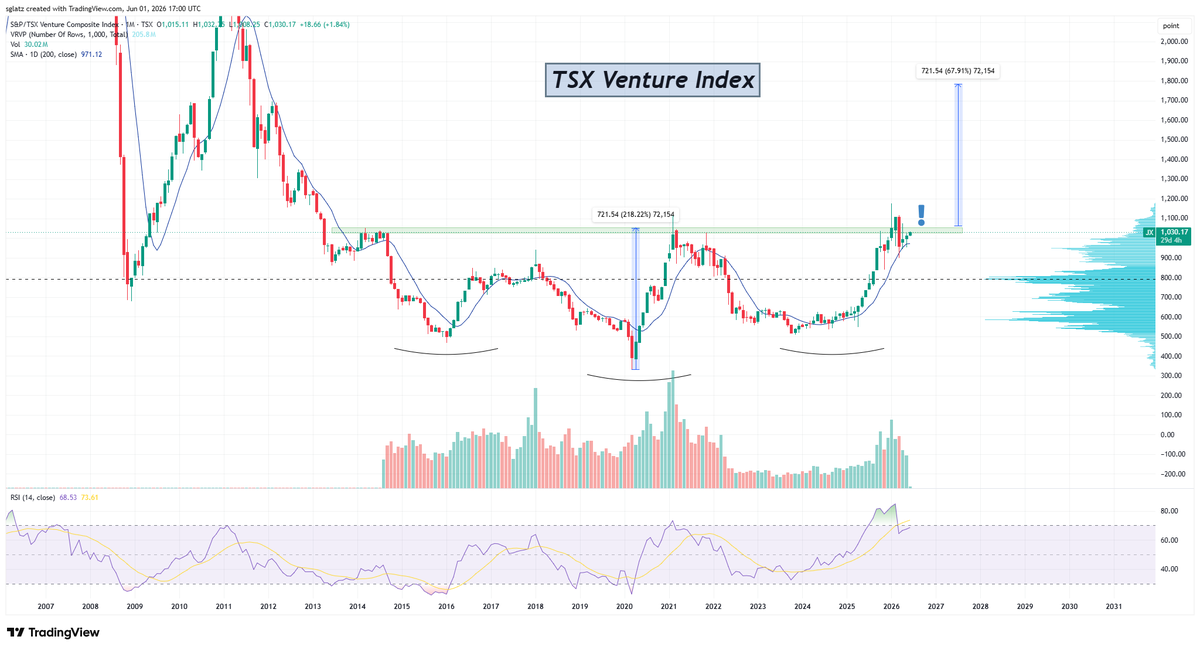
Junior miners are now outperforming the majors.
The Venture is breaking out of a 10-year base.
This looks like the real deal - years in the making.
14
73
416
27,601
Zink retweeted

May 27
They keep telling me about the crazy loan growth and money printing
And yet somehow that money doesn't go to commodities
During the biggest commodity shock in history

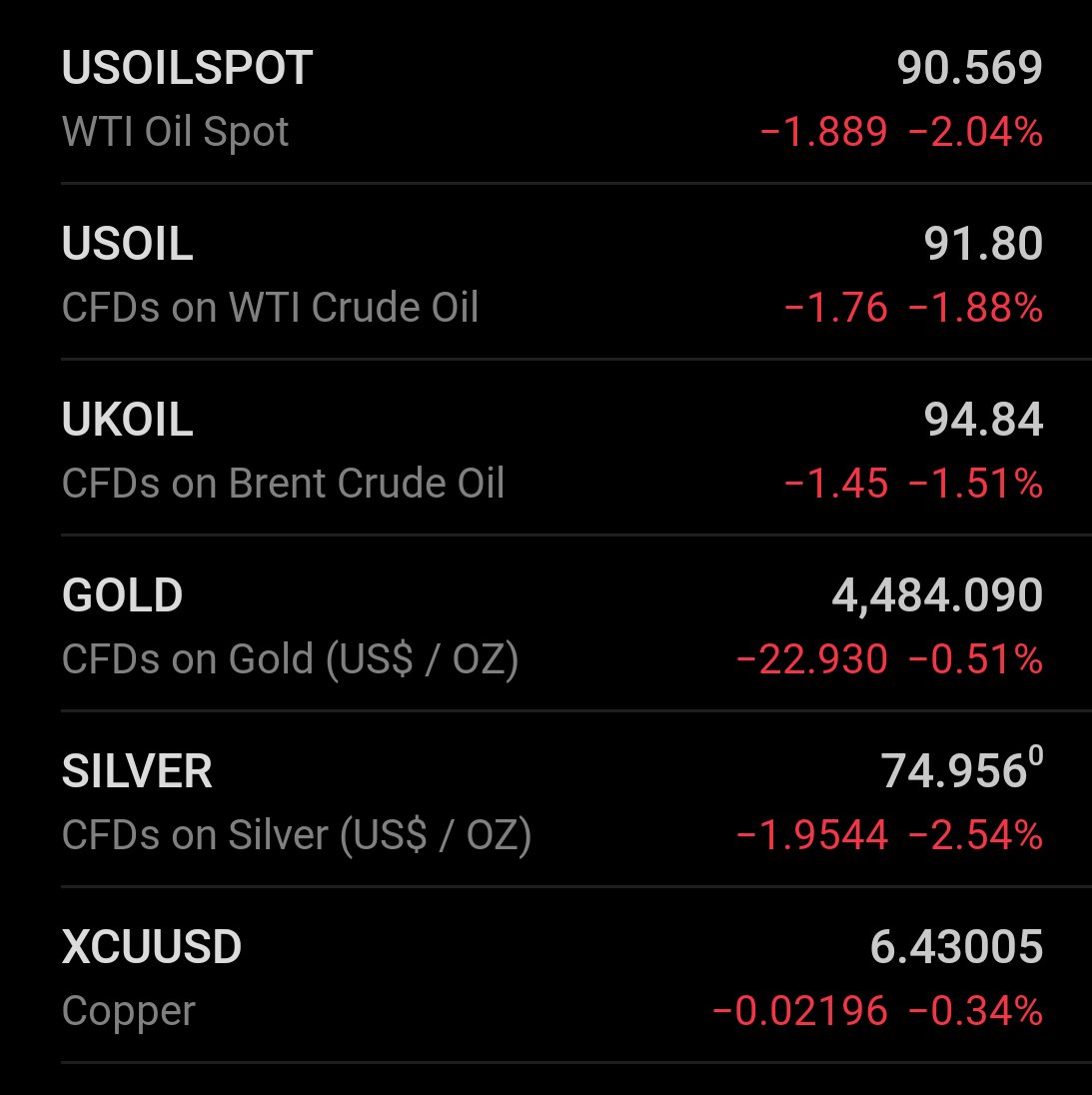
Interesting price action today.
Oil is down.
Silver is down.
Copper is weak.
Gold is also down.
This is not isolated weakness in one commodity, the entire commodity board is cooling together.
One session doesn’t confirm a macro shift, but if this weakness sustains, it starts sending a very important signal:
Demand destruction is beginning .
33
31
454
40,748

Zink retweeted

May 22
Man I really don’t own enough gold.
May 22

TRUMP: WE WILL GROW OUR WAY OUT OF DEBT
35
71
1,332
192,142

Zink retweeted

The first $1 trillion of debt took 200 yrs.
The $39th trillion took 200 days.
63
431
3,085
63,334
Zink retweeted

May 20
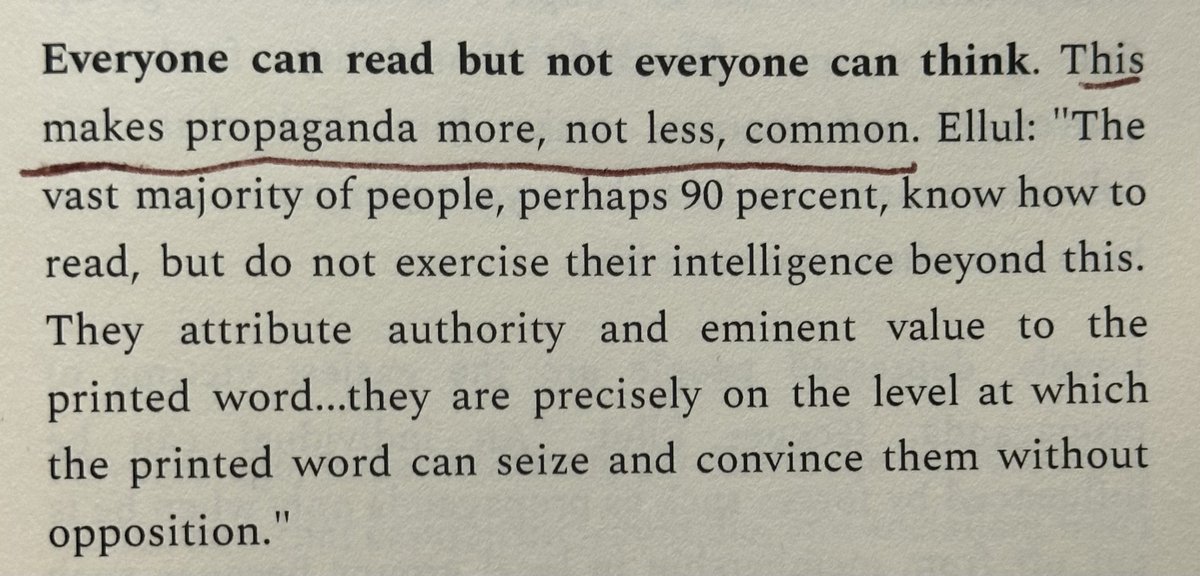
As Schopenhauer said: “The majority of men... are not capable of thinking, but only of believing, and... are not accessible to reason, but only to authority.”
19
250
1,390
24,217
Zink retweeted

May 20
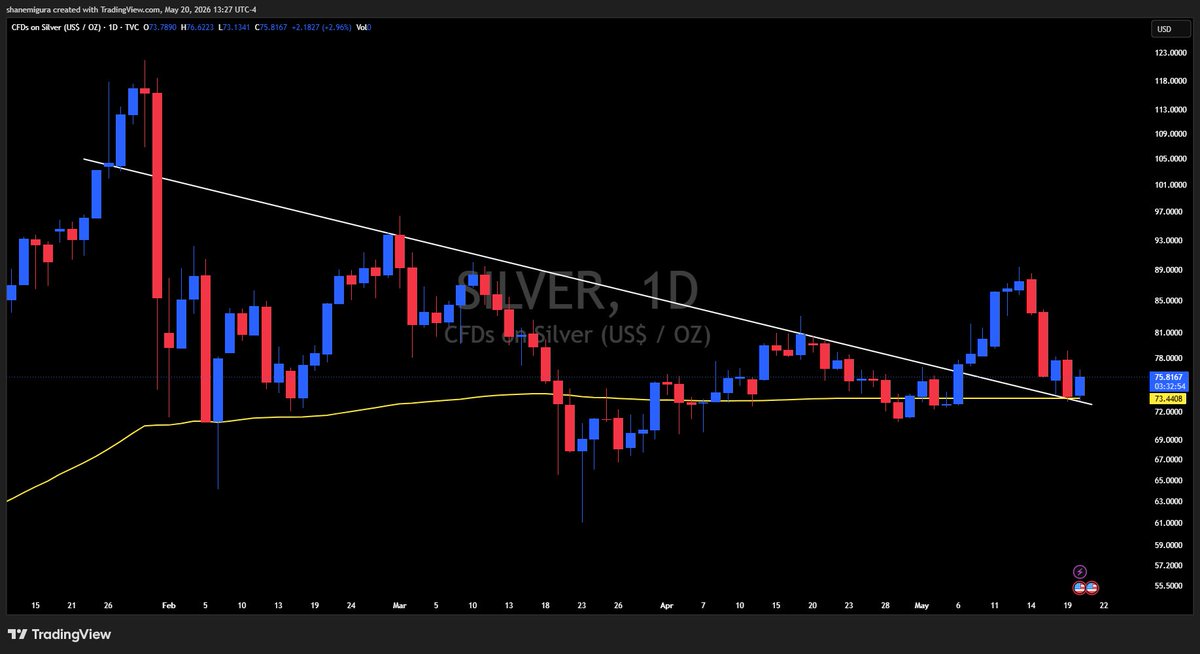
Silver looks to have completed its backtest on the daily. Looking to see a move up throughout the rest of the week in order for a better close on the weekly.
7
16
174
7,755

Zink retweeted

May 18
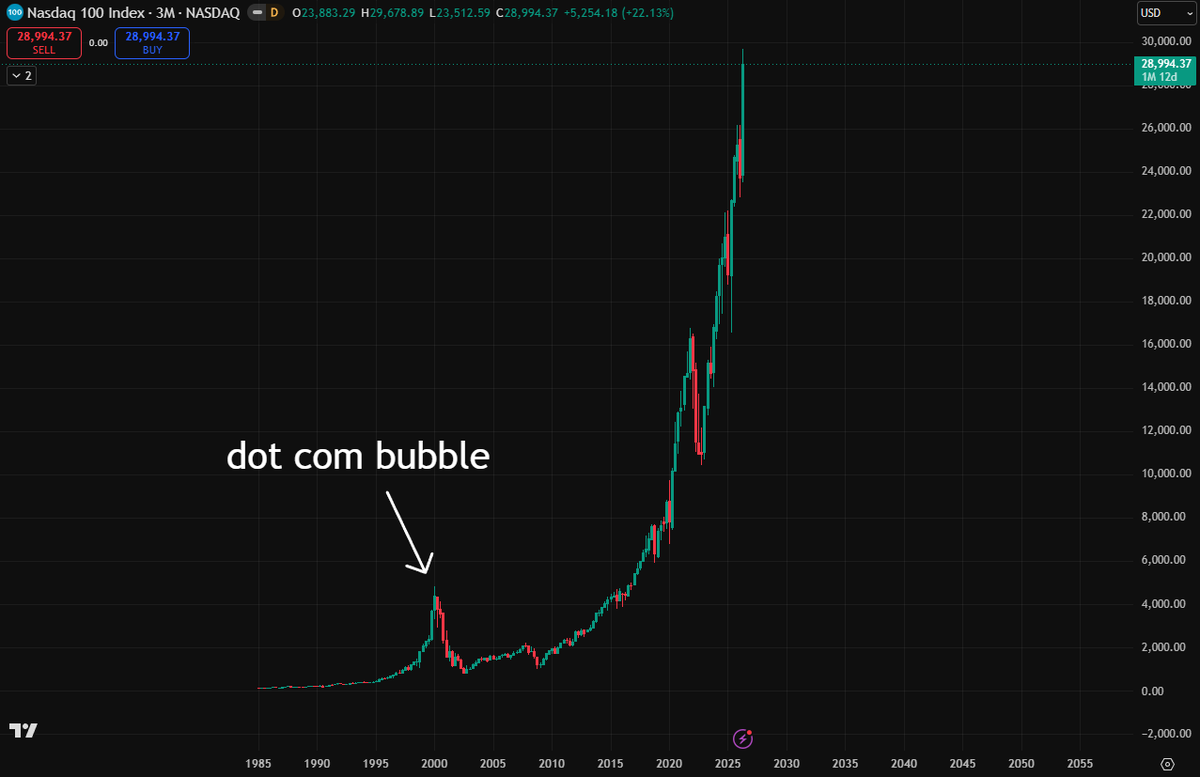
dot com bubble ain't got nothing on this
218
255
4,488
564,021
Zink retweeted

The 10-year Treasury yield is perhaps the most important financial benchmark in the global fiat system, as it drives valuations and market trends worldwide. It is widely—and erroneously—regarded as the risk-free rate of return.
The 10-year Treasury yield can be thought of as a key barometer of the US dollar-based fiat system—a critical measure akin to its beating heart.
Bond yields move inversely to bond prices. When bond prices fall, bond yields rise.
A rising 10-year Treasury yield signals trouble for the US dollar because it means investors are selling Treasuries, which pushes up the US government’s borrowing costs. That is why the 10-year Treasury yield is a major pain point for the US government.
The 10-year Treasury yield was 3.97% when the war started. Now it is around 4.60%, an increase of roughly 63 basis points.
I expect the 10-year Treasury yield to keep climbing over the coming weeks and months—until it forces the Fed’s hand. At that point, the intervention will be sold as “stability,” but the mechanism will be familiar: suppress yields by debasing the currency.
At today’s debt levels, every 1 basis point increase in the government’s average borrowing cost adds roughly $3.9 billion in annual interest expense. So a 63 bps rise is not trivial—it translates to nearly $250 billion in additional yearly interest costs, materially widening a 2025 budget deficit that was already around $1.8 trillion.
Higher yields mean the US government must pay tens or even hundreds of billions more in interest on its debt. At the same time, the global economy faces even greater added costs because Treasury rates serve as the benchmark for borrowing worldwide.
That is not an insignificant move. However, given all the headwinds I have discussed, I suspect the 10-year Treasury yield is headed much higher because investors will demand higher yields to compensate for rising inflation. Further, if Hormuz remains closed, drastically higher oil prices are all but certain. Higher energy prices mean higher prices across the economy and higher official inflation rates, which means investors will demand still higher yields to compensate.
The problem is that interest on the federal debt is already over $1.2 trillion and is now the second-largest item in the budget. The US government cannot afford yields going much higher because the interest expense would push it toward bankruptcy.
I am not sure how—or even if—the US government can manage this situation. Something has to give, and we will not have to wait long to find out what.
The Iran war may prove to be more than another foreign policy disaster. It could be the trigger that exposes the fragility of the entire dollar-based financial system.
236
673
3,291
1,592,335
Zink retweeted

May 19
They're not going to crash the stock market like they did in 2008...
They're crashing the dollar instead so the money in your retirement funds will be worthless.
162
603
7,082
189,528
Zink retweeted

May 18
Gold's two markets are telling different stories.
The paper market - futures, ETFs, screens - is focused on rate hike fears, a strong dollar, and a Fed in no rush to cut.
The physical market sees something else entirely. Inflation at 3.8%. $39 trillion in debt. A war with no end in sight. Central banks buying at record levels.
The macro case for owning gold has never been stronger - and yet the paper price is selling off. Physical buyers see through it.
Headwinds pass. Gold stays.
8
14
141
23,882