
Joined May 2015
- Tweets 720
- Following 519
- Followers 233
- Likes 3,010
88 Photos and videos





Pinned Tweet

27 Oct 2025
Patrick's Law
"An organism can only create artifacts
which are less intelligent than itself."
3
10
10,490
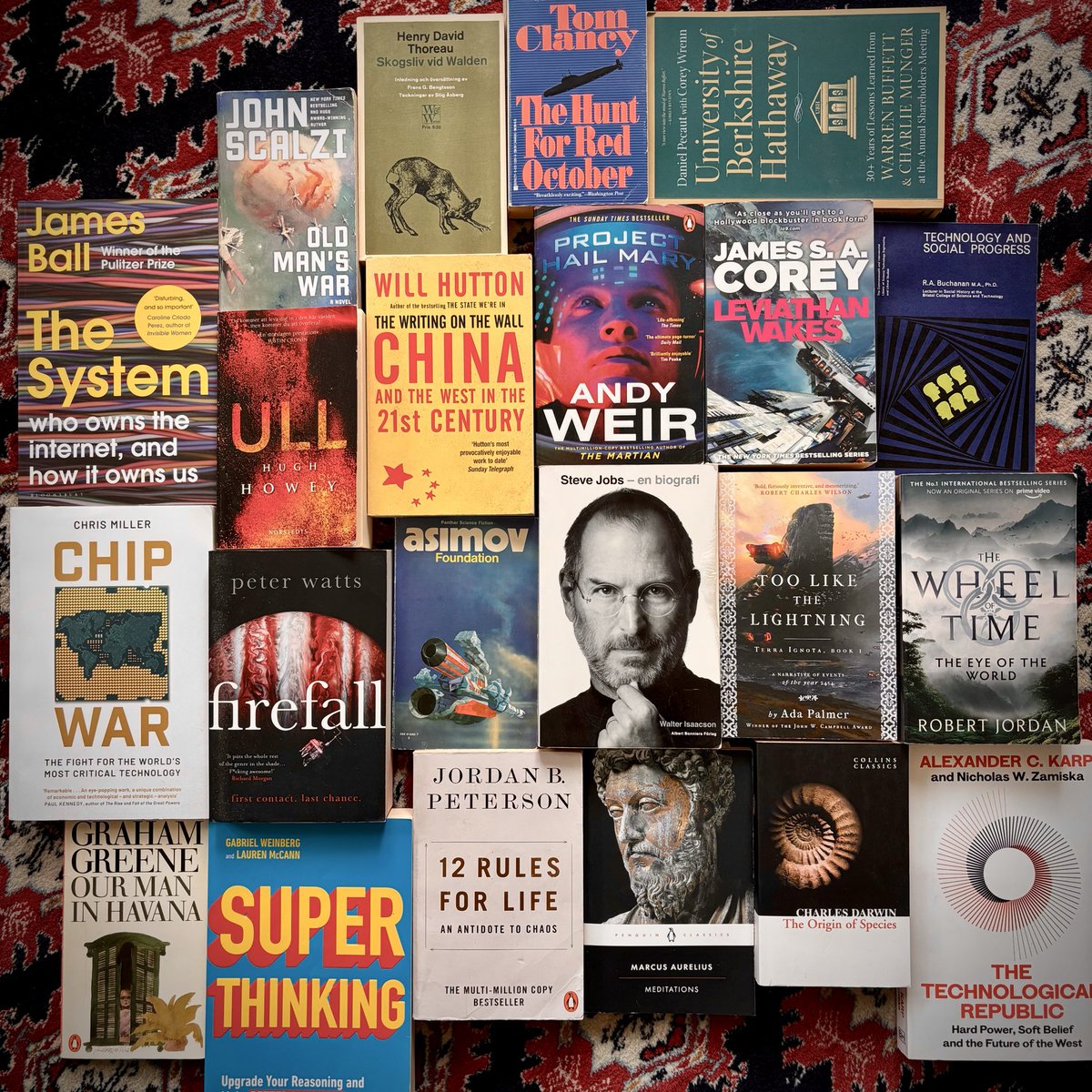
My goal for this year is to read 100 books.
goodreads.com/readingchallen…
12
Time to read up on World Models. Starting with the seminal paper that popularized the term.
Reading: arxiv.org/abs/1803.10122
56
"“A small group of technically strong people will always beat a large group of moderately strong people.”
- EM
42
May 29
"Throughout my whole life as a mathematician, the possibility of making explicit, elegant computations has always come out by itself, as a byproduct of a thorough conceptual understanding of what was going on."
- Grothendieck
x.com/marStarship1/status/17…
13 Dec 2023

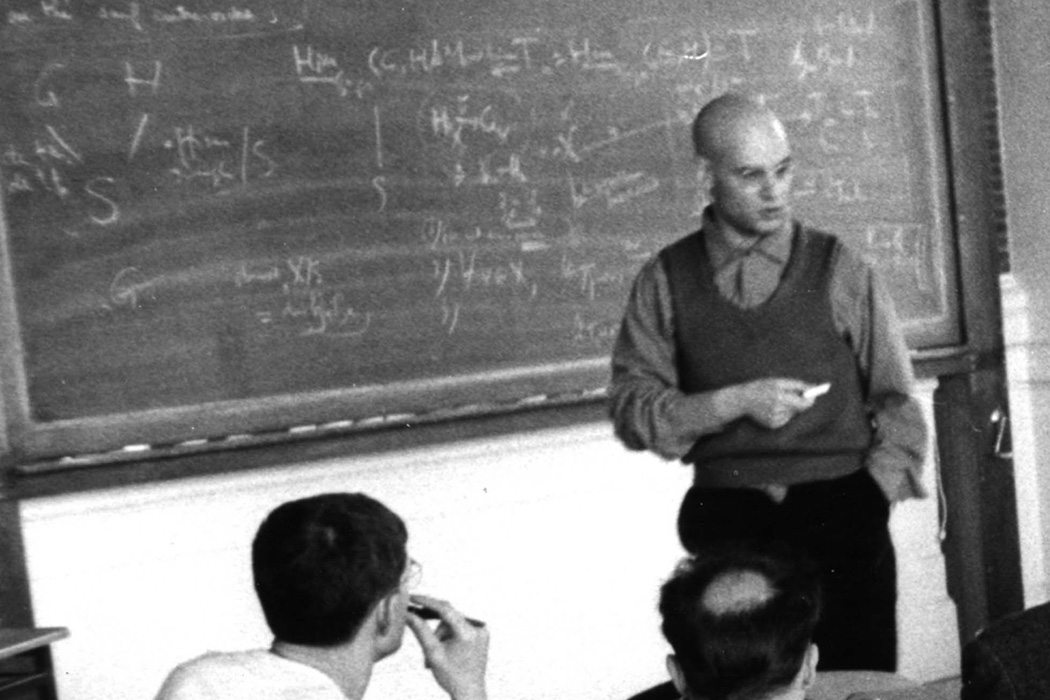
As revealed in correspondence with colleague Ronnie Brown, mathematician Alexander Grothendieck displayed an all-consuming drive for algebraic discovery. In one letter, Grothendieck remarks how he looks so deeply into mathematical ideas that he forgets basic needs like eating and sleeping. Brown also notes Grothendieck's fascination with granular details, citing his appreciation of a Henry Whitehead quote on avoiding disdaining simple proofs of difficult theorems.
In his own 1982 writings, Grothendieck compares his "nonsense" theories, like introducing the cypher 0, to stagnation in math - without such childish steps, fields remain static. He cared about conceptual breakthroughs over applications. As Grothendieck wrote in 1983:
"Throughout my whole life as a mathematician, the possibility of making explicit, elegant computations has always come out by itself, as a byproduct of a thorough conceptual understanding of what was going on."
For him, pure understanding trumped utility, confident computational tools would emerge once phenomena became properly illuminated. This towering mathematician followed conviction over consensus, plunging into uncharted algebraic darkness seeking to comprehend life's mysteries. As the quotes attest, he trusted original theoretical insights in new directions to reveal not just beauty, but in time, profound utility too.
100
May 28
I'm almost tempted to create a "theory" version of The Rising Sea by Ravi Vakil - there are so many exercises (which is great) spread out over the theory (less great imo), which makes the whole thing confusing to me. Really wish that the book had followed the classic format of placing exercises at the end of the chapter.
36
CryptoPatrick retweeted

May 27
Lean 4.30.0 is live!
The release notes highlight four areas: a new 𝚜𝚢𝚖 => tactic, 𝚌𝚋𝚟 out of experimental, a completed LCNF compiler backend, and a full Lake cache overhaul.
On 𝚜𝚢𝚖 =>: "Unlike 𝚐𝚛𝚒𝚗𝚍 =>, which eagerly introduces hypotheses and applies proof by contradiction, 𝚜𝚢𝚖 => gives users explicit control over each step."
On the compiler: the expand reset/reuse port "results in a ~15% decrease in binary size and slight speedups across the board."
Full release notes: lean-lang.org/doc/reference/…
2
26
146
7,315
May 27
Stop talking about doing things and just do them.
The incessant theory crafting about how to learn something, what the best books are, what courses to take, where the best place to learn etc... is tedious dithering.
If you actually wanted to do it, you would be doing it.
Endless talking isn't a strategy. You don't need another reddit thread, youtube deep dive or curated book list to get started.
You are not researching, you are procrastinating. If you actually cared about doing the thing, you’d already be doing it.
You romanticize the idea of doing something so much that you forget it actually requires effort. You are stalling because deep down, you know you won’t follow through.
Now prove me wrong and actually start learning how to hack, or whatever it is you never shutup about wanting to do.
27
CryptoPatrick retweeted

May 26
More big news from Mathlib:
# The Formal Frontier Project
The Mathlib Initiative is launching Formal Frontier — a new project focused on responsible, scalable, and open-source AI-driven autoformalization of mathematics.
The primary goal of Formal Frontier is to bring formal mathematics closer to the research frontier in a way that is scalable, composable with Mathlib and its ecosystem, aligned with community standards, and genuinely useful for researchers.
The Mathlib Initiative, a program of Renaissance Philanthropy, is funded by generous donations from Alex Gerko and XTX Markets.
Why now? Autoformalization is advancing rapidly, and the choices made now will shape the foundations that the next generation of formalized mathematics is built on. We think getting this right matters, and that it should be done in the open, in close coordination with the communities who will actually use and extend these artifacts.
What will we do? Formal Frontier will help establish standards and set a positive example for what formal mathematics in the age of AI should look like, both in the technical artifacts produced and in how projects at this scale engage with the wider community.
The initial phase of the project will have three components:
We will develop and release an autoformalization specification, in coordination with the community. This specification will articulate what a valid autoformalization looks like, covering how formal code should relate to its informal source, what counts as adequate coverage and faithfulness, and how artifacts document their relationship to Mathlib. It will also address the broader lifecycle of an autoformalized artifact, including expectations around human oversight, maintenance, licensing, coordination with related projects, and paths to eventual upstreaming. We expect this to happen quite soon, and will make follow-up announcements in the next couple of weeks.
We will develop and release open-source autoformalization tooling, so that inference cost, rather than access to tooling, is the main limiting factor for researchers who want to autoformalize at scale.
We will release autoformalized artifacts that embody the standards this project promotes, demonstrating in practice what responsible autoformalization at scale looks like while providing material that researchers can readily build on.
6
48
211
22,297
CryptoPatrick retweeted

May 9
I don't know why people believe that mathematics has been solved. It's not even close. I have been using big models frequently since July 2025, starting with Gemini 2.5 Pro (arxiv.org/abs/2510.04115), I use them daily since then. GPT has basically been running non-stop for me since 5.2. If you try to push these models beyond the boundary of the current literature, they fail. They don't tell you they fail, they introduce conditional assumptions which make the results weak. However, they make it very clear what is boundary knowledge and what is not, which was previously extremely hard to detect. Use them this way.
18
19
196
34,294
May 17
Round 01
Everyday 001/365
"An important component of human problem-solving expertise is the ability to use knowledge about solving easy problems to guide the solution of difficult one."
- Marvin Minsky.
🤿 Symbolic Descent : I'm trying to read as much as possible, and in the right order, to get a sense of what SD is about. So far, it's still a hazy concept for me.
🔖 Today I have been reading about how constraint-satisfaction can be used to explore the possibility of solving difficult problems, by first solving easy problems, and then use what we learned (on how to solve the easy problems) as heuristics when trying to solving difficult problems.
🗺️ So the idea is to:
1. represent a difficult problem in a format which lends itself to manipulation into an easy version of the same problem
2. search for a solution to the easy problem
3. extract heuristics which will guide the search for a solution to the difficult problem
🔦 These heuristics become search-pruning constraints which dramatically reduce the size of the hypothesis space we need to cover.
🤔 Is the ability to gauge when a difficult problem lends itself to this process an artistic or logical one?
Ps. I like to put emojis in my tweets, but they are 100% written by me - no SOTA AI is allowed to put its synthetic paws on muh tweets. 🛀
78
May 16
My journey into the mysterious lands of Symbolic Descent continuous. I'm half-way through Chollet's paper "On the Measure of Intelligence".
I have also started reading the more technical document "Program Synthesis" by Gulwani et al..
Having read chapter 1, 2, 3, and 4, I'm hoping to implement a simple enumerative synthesis algorithm for a hypothesis space defined using a tiny context free grammar.
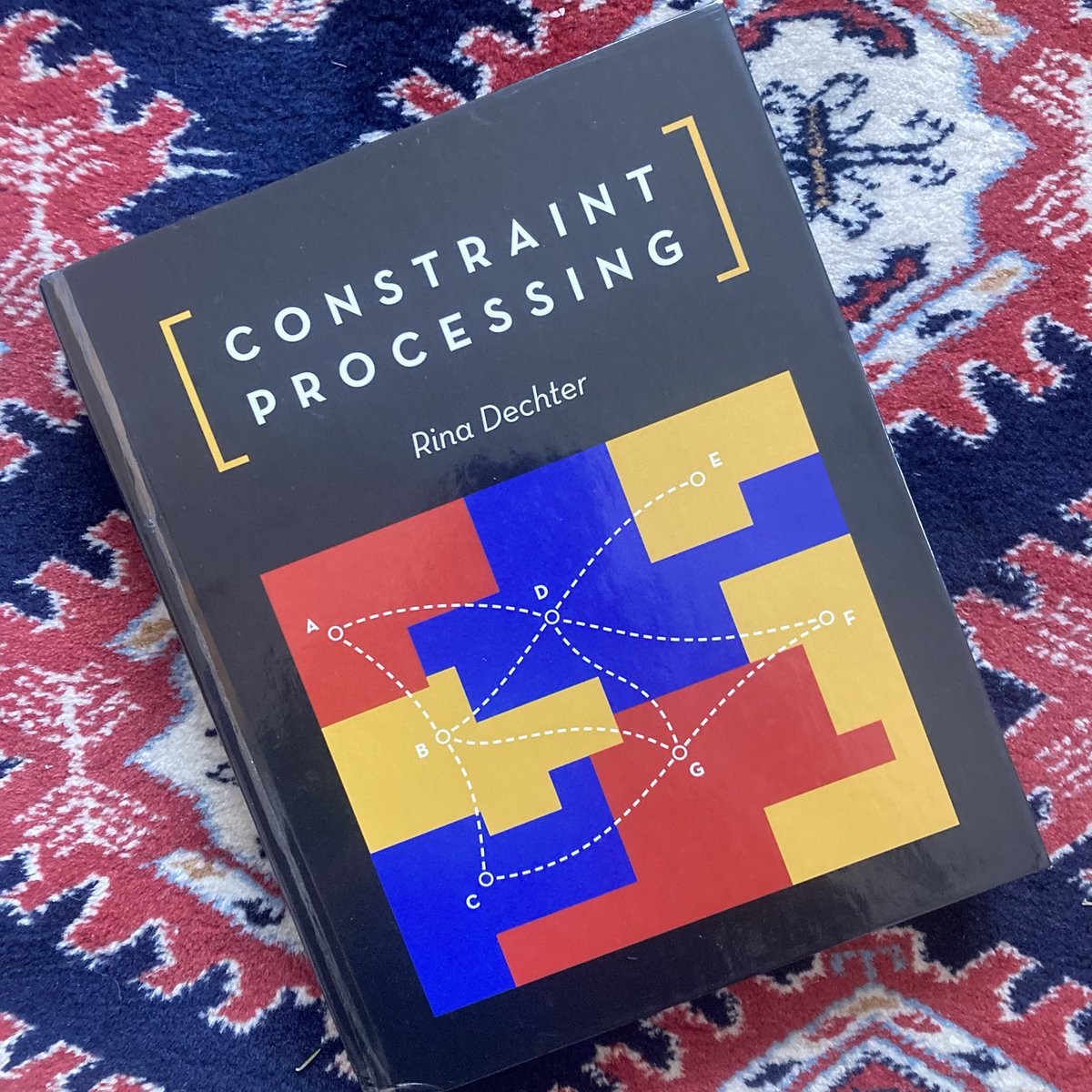
Reading these texts reminded me of a book I own, "Constraint Processing" by Rina Dechter. I bought it a while ago but I only skimmed the book - now I'm anxious to read the whole thing.
Dechter's book feels potentially relevant in that constraints are useable to shrink the size of a (likely vast) hypothesis space *before* investing expensive computational power to search over it.
It's early and I have no clue where this journey will take me, but I'm having a great time.
59
May 15
Started reading the paper by Chollet - it's great, I'm learning a lot about the philosophy behind Symbolic Descent.
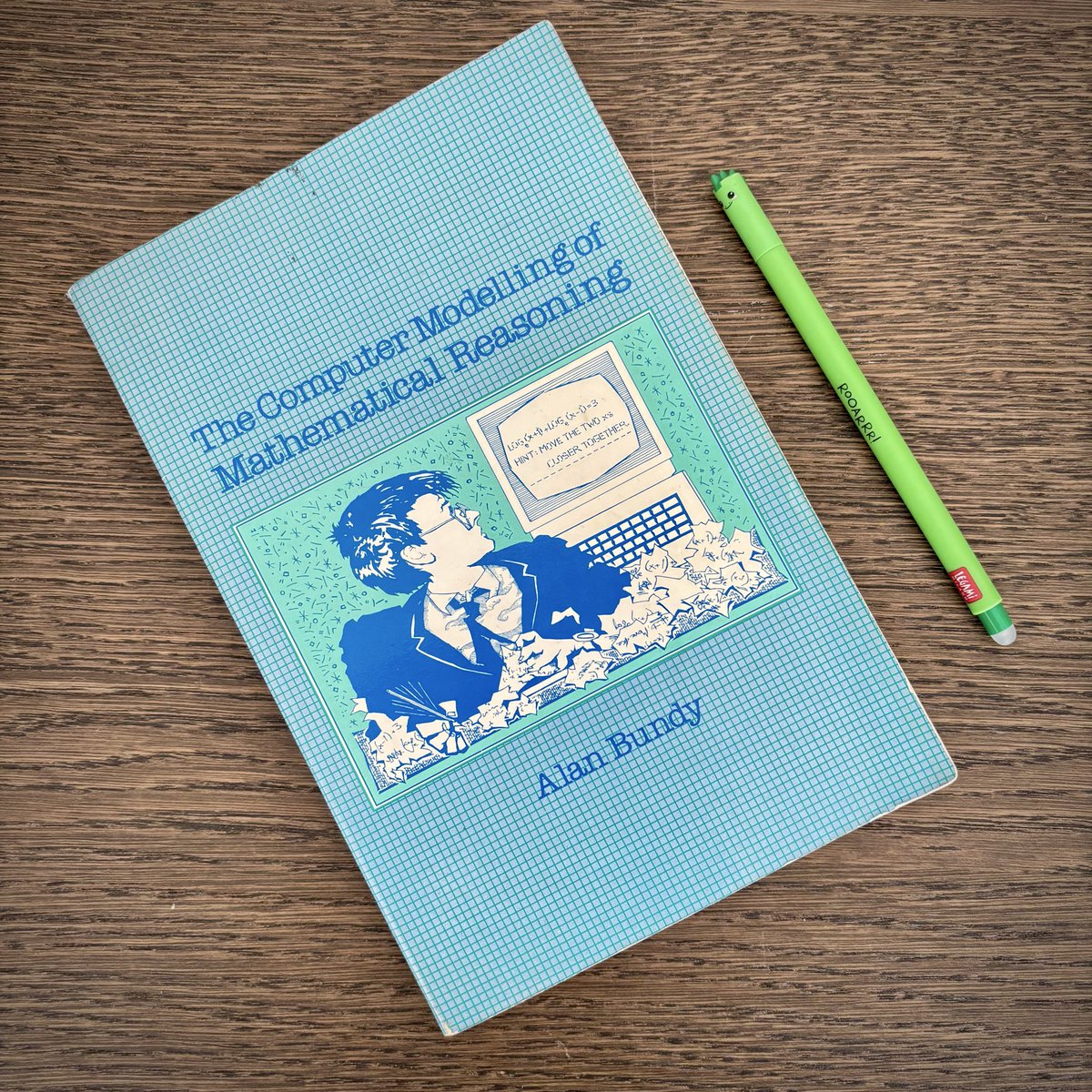
I also got this book on computer modelling of mathematical reasoning which I will start to read today.
3
68
May 14
I'm just a noob undergrad so most of this is way over my understandings - but just for fun, I'm going to try and code a tiny version of symbolic descent.
I have no idea how this will go but I'll start by reading papers (this one first: arxiv.org/abs/1911.01547) and then try get a tiny training run set up.
I guess the goal is to try to represent a small DSL in tensor friendly format so that GPUs can be used to search the hypothesis space, looking for programs which can be verified for semantic correctness, scored with MDL, and finally filtered for - I don't know - some kind of pattern expressive power.
😅
Not expecting to make much progress on this - but could be a fun way to embrace a paradigm shifting idea.
If anyone has any recommendation on things to read that's related to this - please share! Like I said - I'm just a noob undergrad - not a Ph.D. big researcher. 😀
Also, I'm definitely getting the 3rd edition of Francois' book.
75
CryptoPatrick retweeted
Mar 26
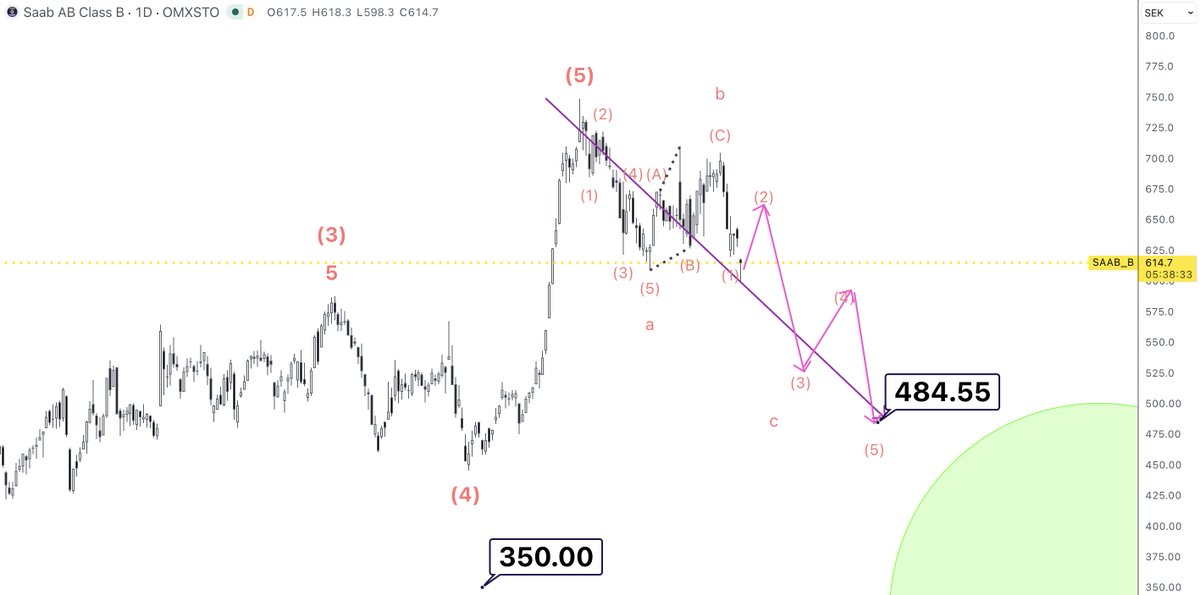
Måndag nästa vecka kan bli lintressant.
Inte lätt att se vad som skulle kunna pressa ner priset, men marknaden kommer säkert på något.
1
1
160
May 10
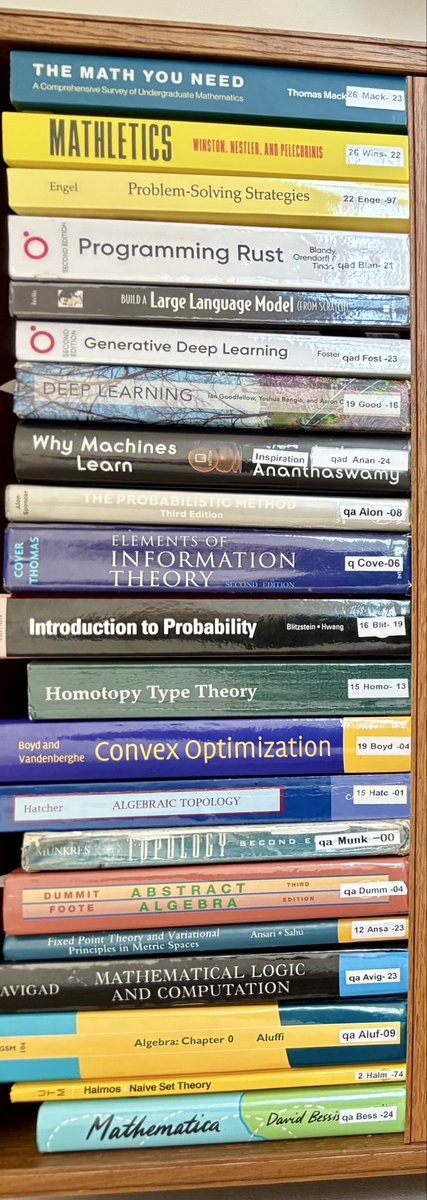
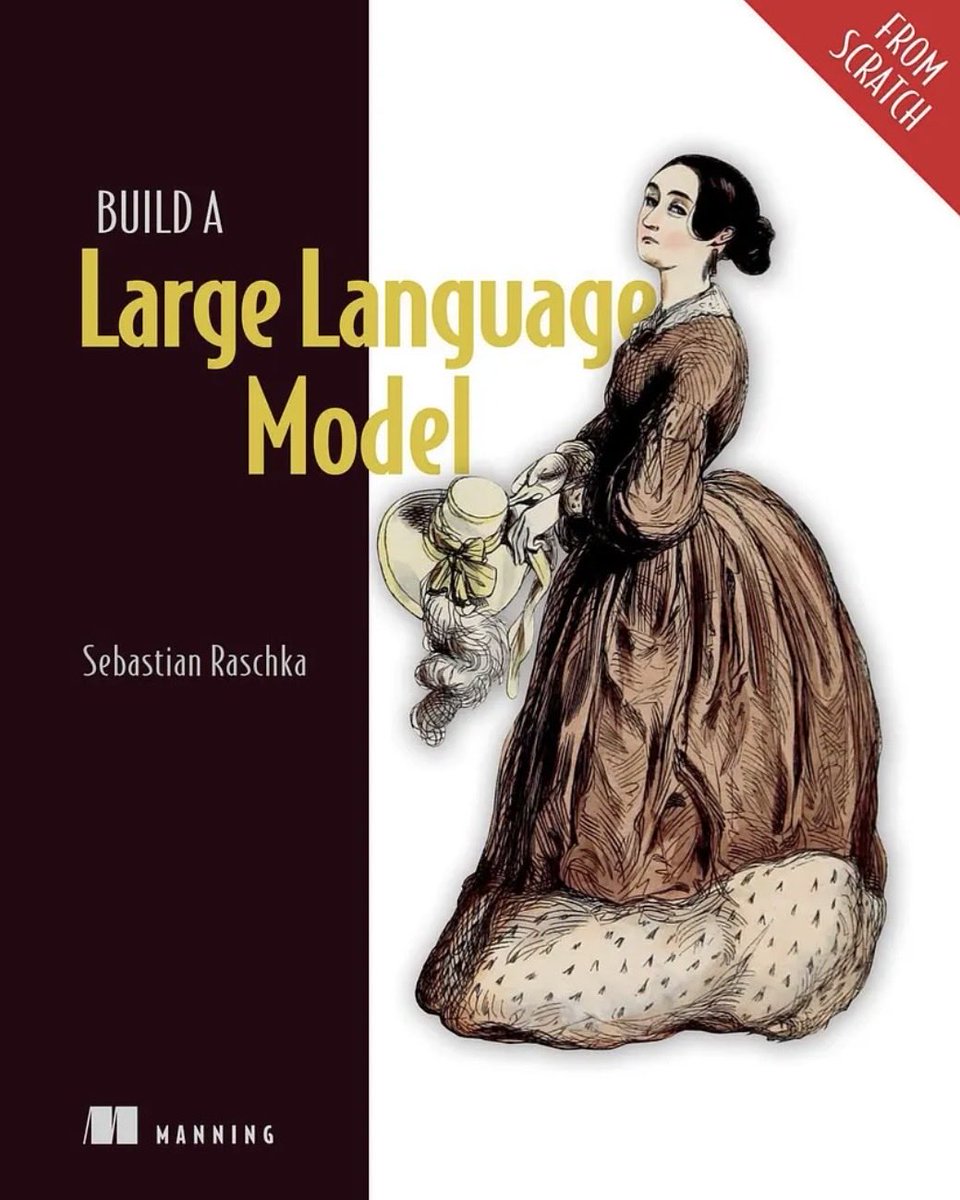
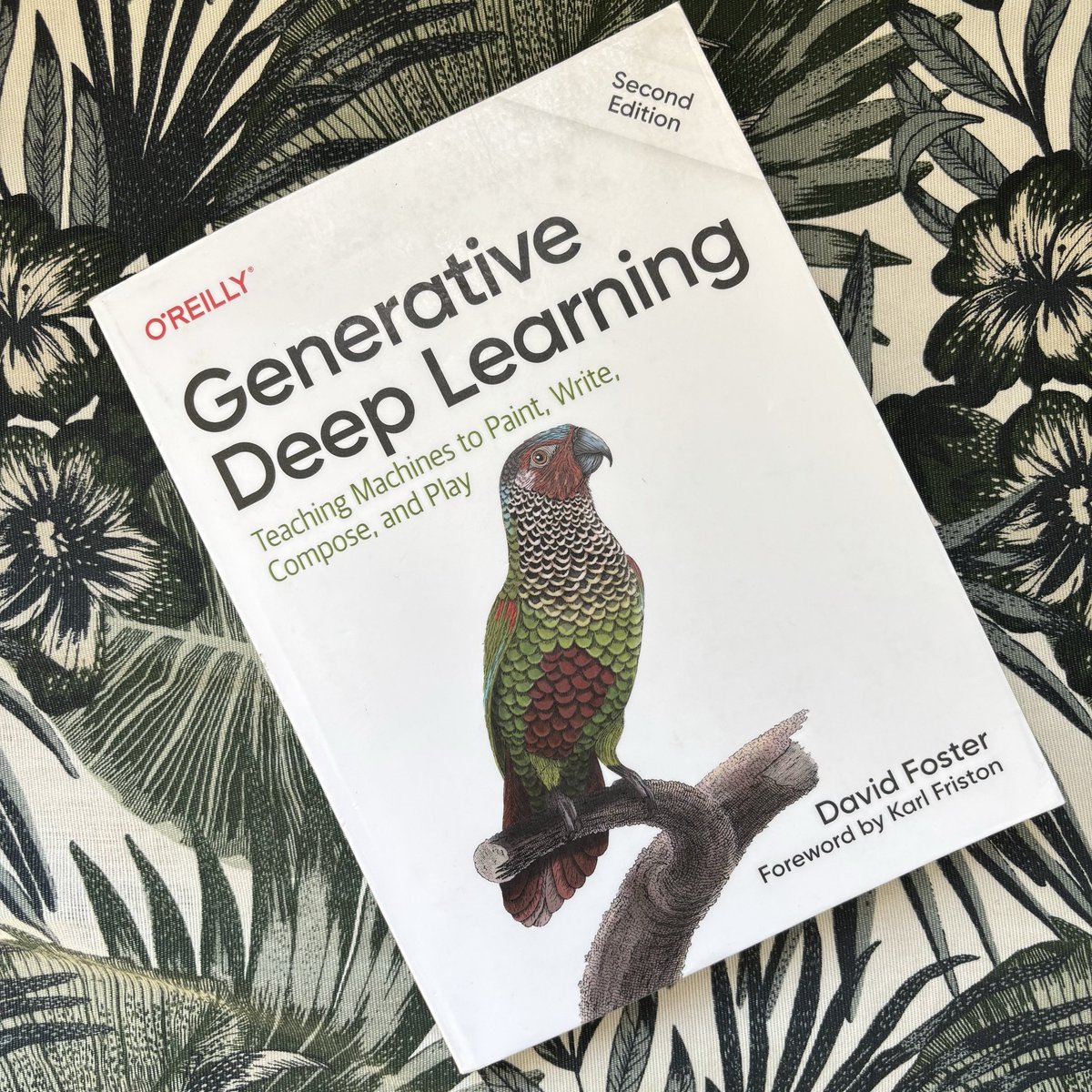
Just started reading but already loving this book by David Foster.
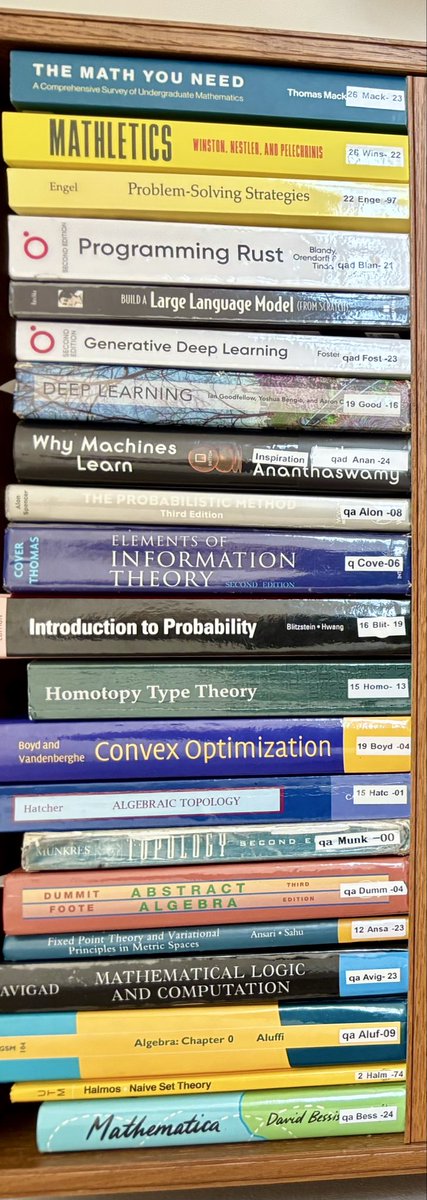
2026 for me is all about building
a strong foundation in:
• Mathematics
• World Models
• Robotics
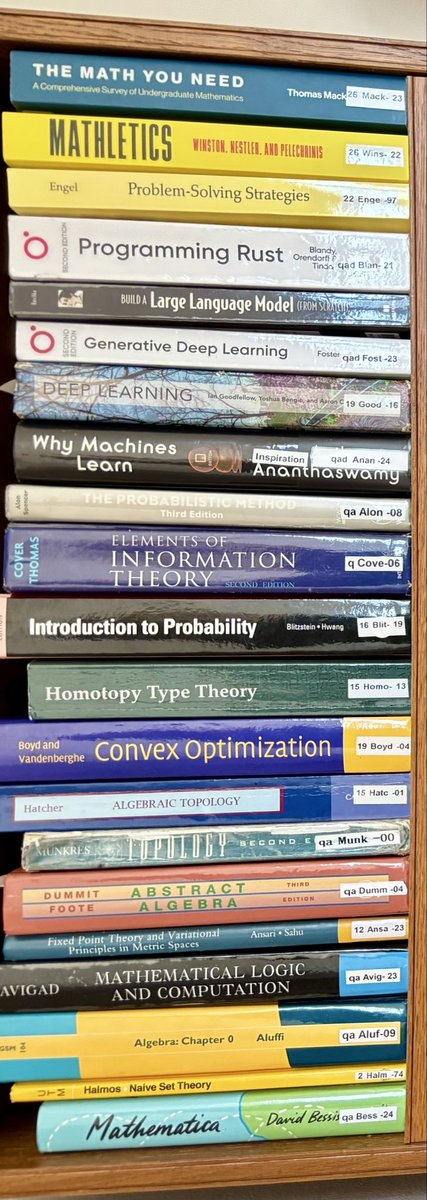
Looking to skimread 100 books
before the end of the year.📚
98
Apr 24
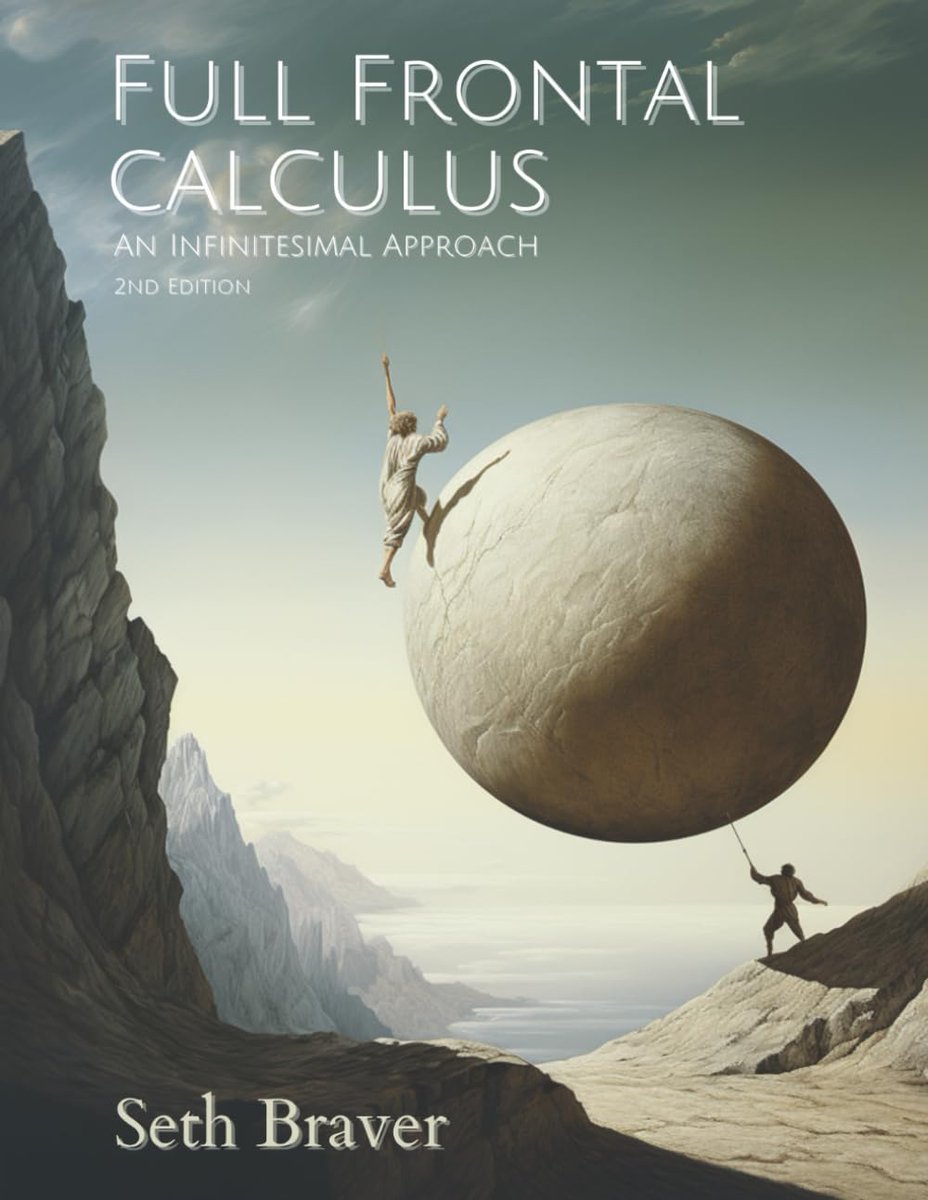
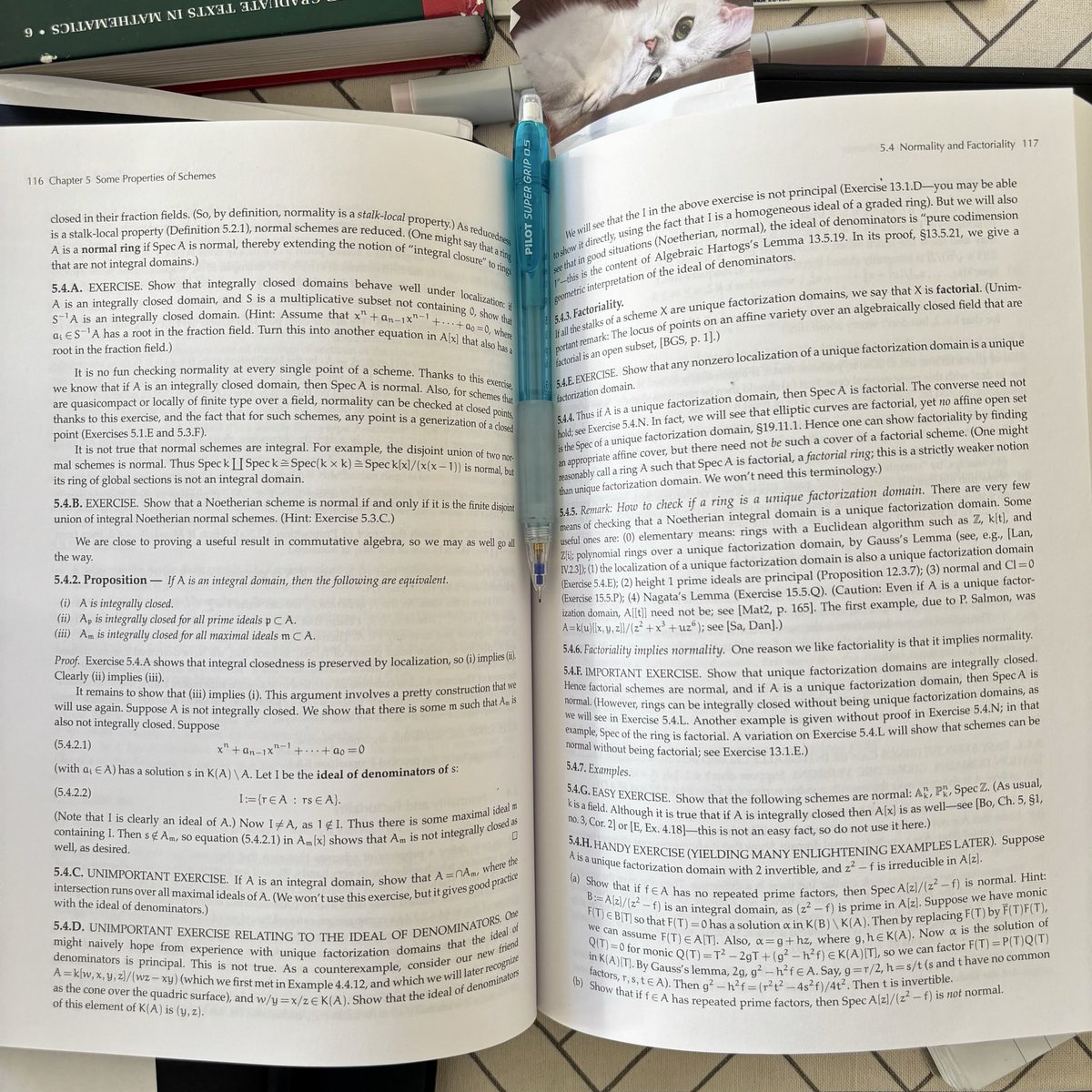
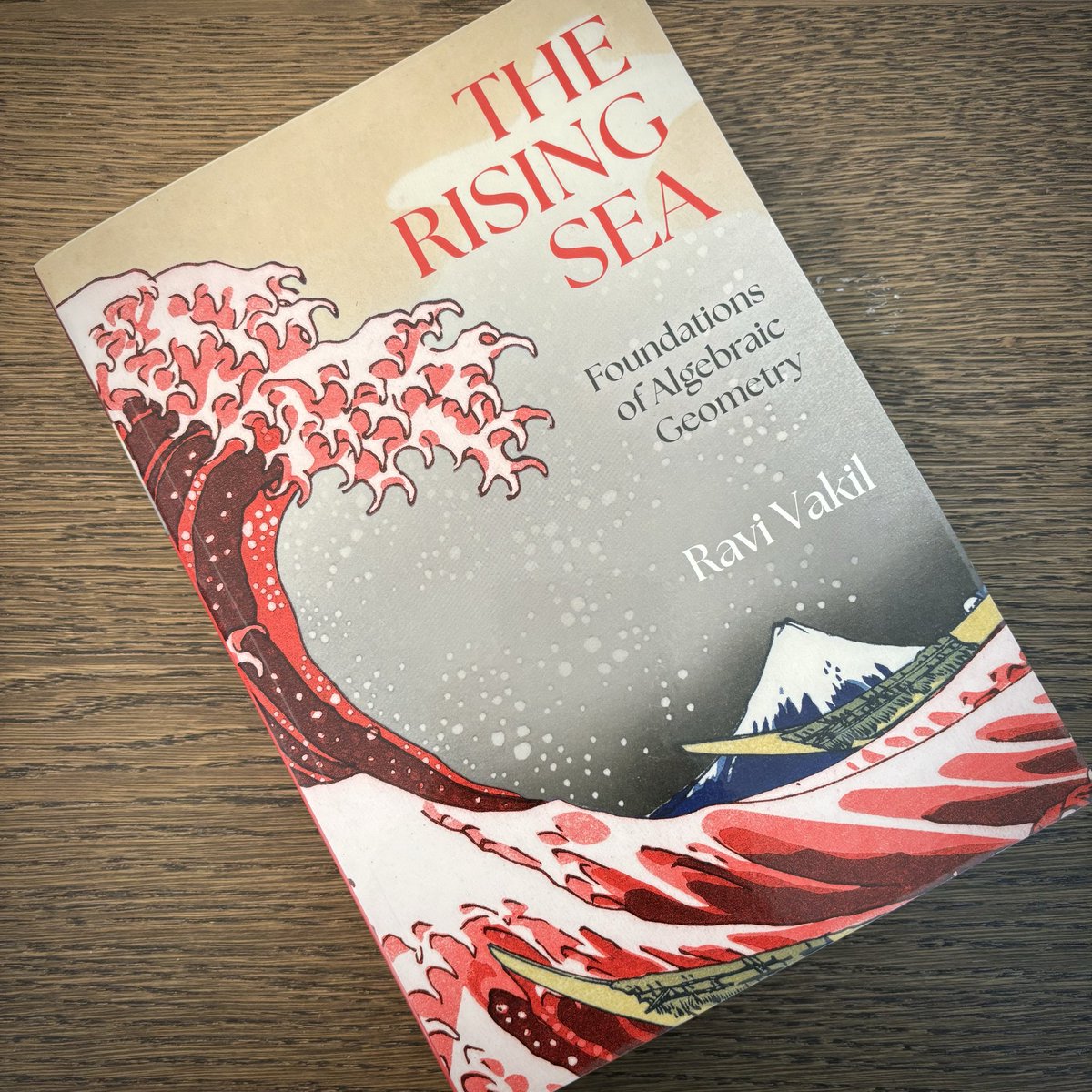
📚 I have just started reading the book "The Rising Sea" by Ravi Vakil.
🗺️ It will take me a long time to read and work through this book. For fun, I'm going to document the journey here on my X account.
✅ Preface
🚧 Chapter 1: Just Enough Category Theory to Be Dangerous
🚏Section 1.1: Categories and Functors
🧗♂️: Done with page 3.
2
3
12,243
CryptoPatrick retweeted

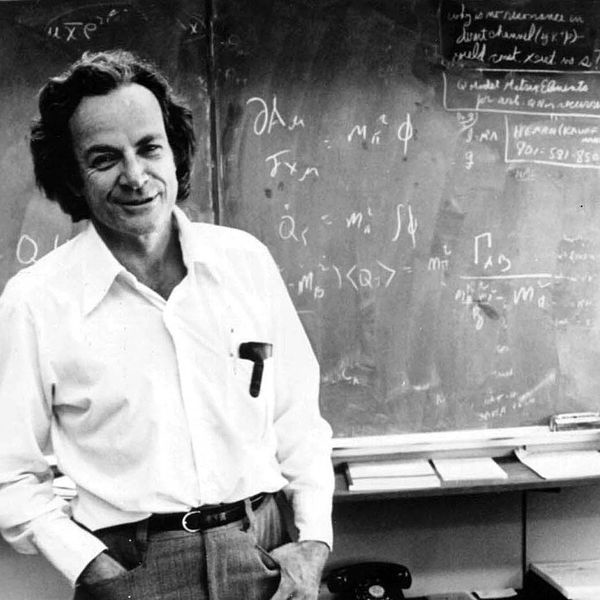
Never confuse education with intelligence, you can have a PhD and still be an idiot.
— Richard Feynman
63
430
1,687
39,799