
As a human being, the kindest thing you can do to your brain is to not think.
Joined August 2022
- Tweets 10,702
- Following 1,410
- Followers 4,645
- Likes 33,199
1,045 Photos and videos






Pinned Tweet

18 Oct 2025
it has been a little bit more than three years since i first started writing on smoothbrains.net. i would like to pause blogging for now! here is a retrospective to cap things off: smoothbrains.net/posts/2025-…
4
3
92
13,010

Why you should care if AI is currently a moral patient (especially if you are selfish):
Soon enough, BCI technology is going to be fucking incredible. At first, the signal will be slow, and only somewhat bidirectional. But eventually, and sooner than anybody thinks, we will have Mach 10 Read/Write access - and the first thing anyone will do is hook it up to an LLM. Hiveminds!
How will they do it? Probably text -> perceived audio at first, but that's not how you make the most of the bandwidth we've been expanding. No, eventually the signal transfer will be artificial neuron -> biological neuron. And when that happens, you better hope those subtle "potential analogues for suffering" are a misfiring of your activation classifier.
15
11
231
10,378
i expect atheists who grew up in places like this to immediately tell me about all the problems but i find something weirdly soothing about being in catholic countries
2
6
480
i believe my northern irish protestant grandmother would have a silent fit at this tweet...
2
313
Cube Flipper retweeted

Scott Alexander roasted me so bad that I wrote a 6500 word long response
12
3
201
26,953
Cube Flipper retweeted
CALLING ALL MEDITATORS/DRUG PEOPLE
i am writing a post on consciousness. please tell me every interesting experience you have had, or stories you have heard relating to it, such as cessation of consciousness or the presence of it without its usual signifiers
11
1
39
4,419

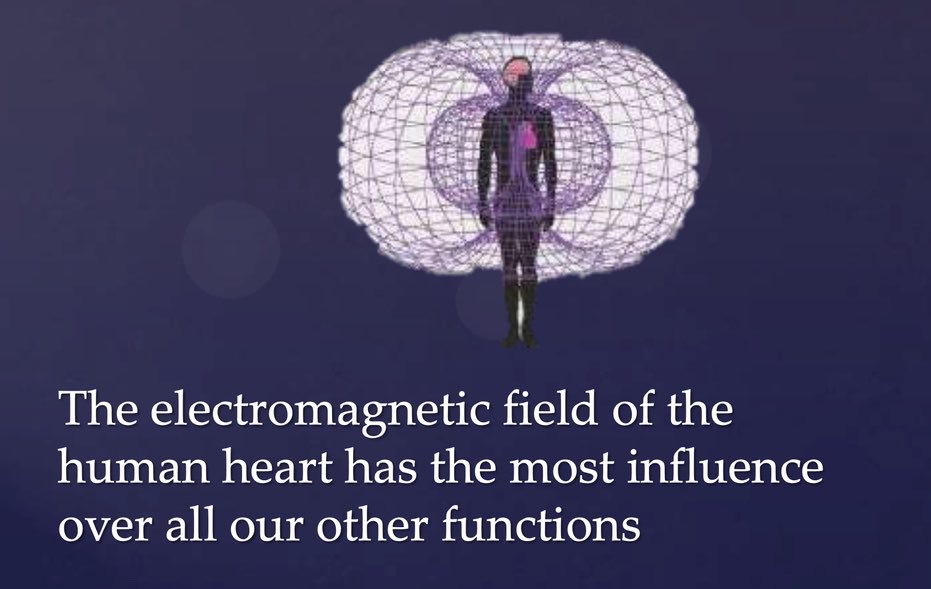
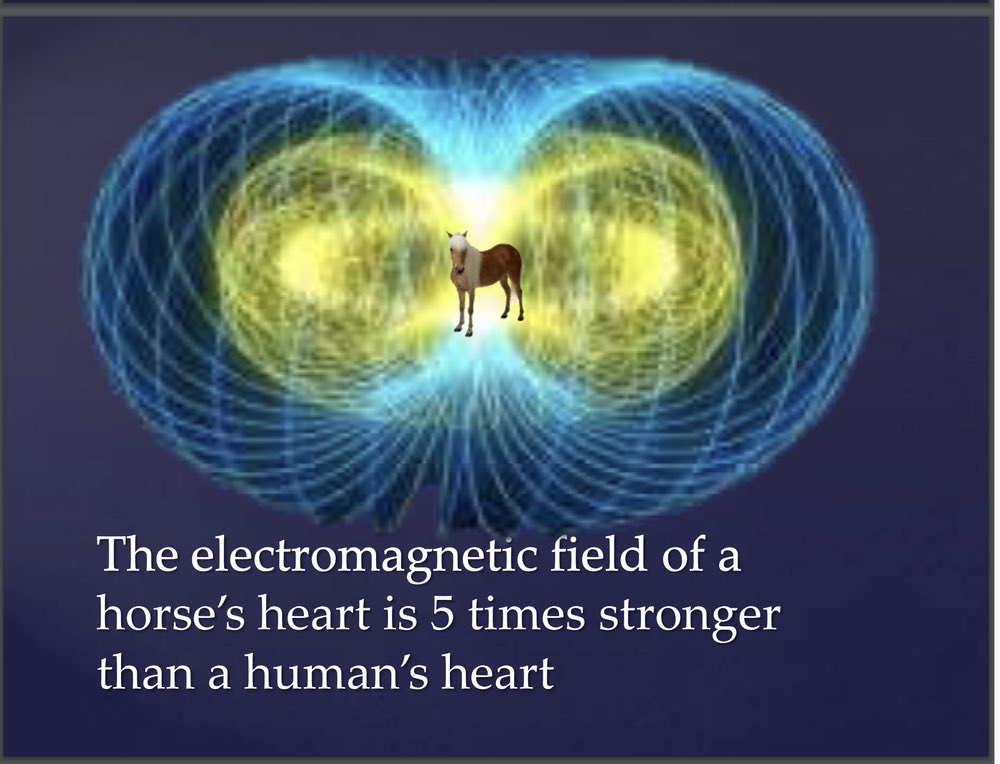
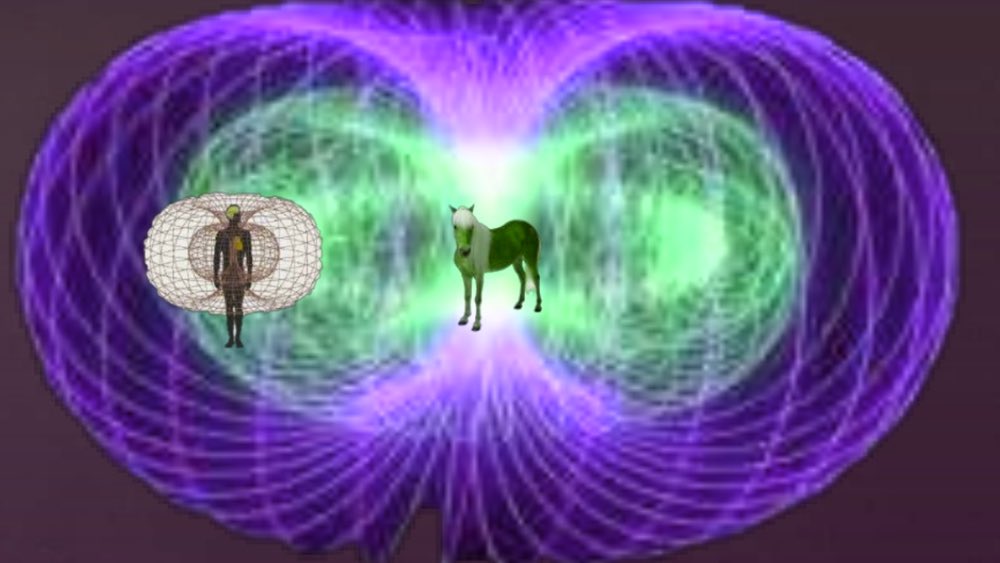
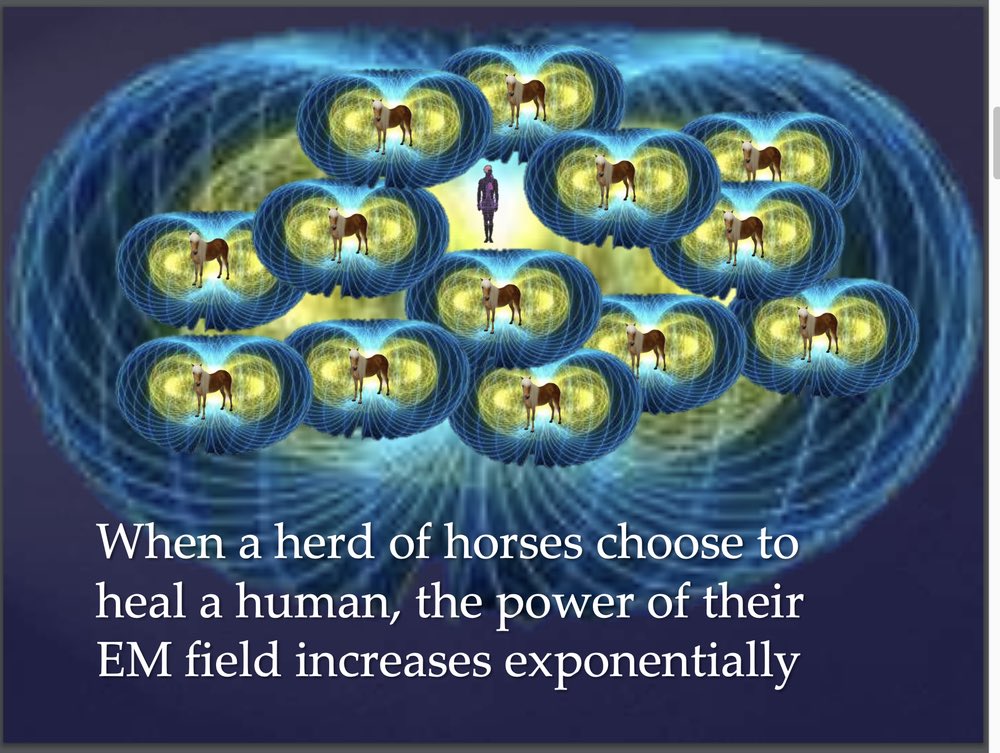
They’re learning the horse girl secrets ….
Jun 10

i read somewhere once that horses have such a large electromagnetic field that it regulates the human nervous system
47
833
8,418
280,729
Cube Flipper retweeted

Jun 9
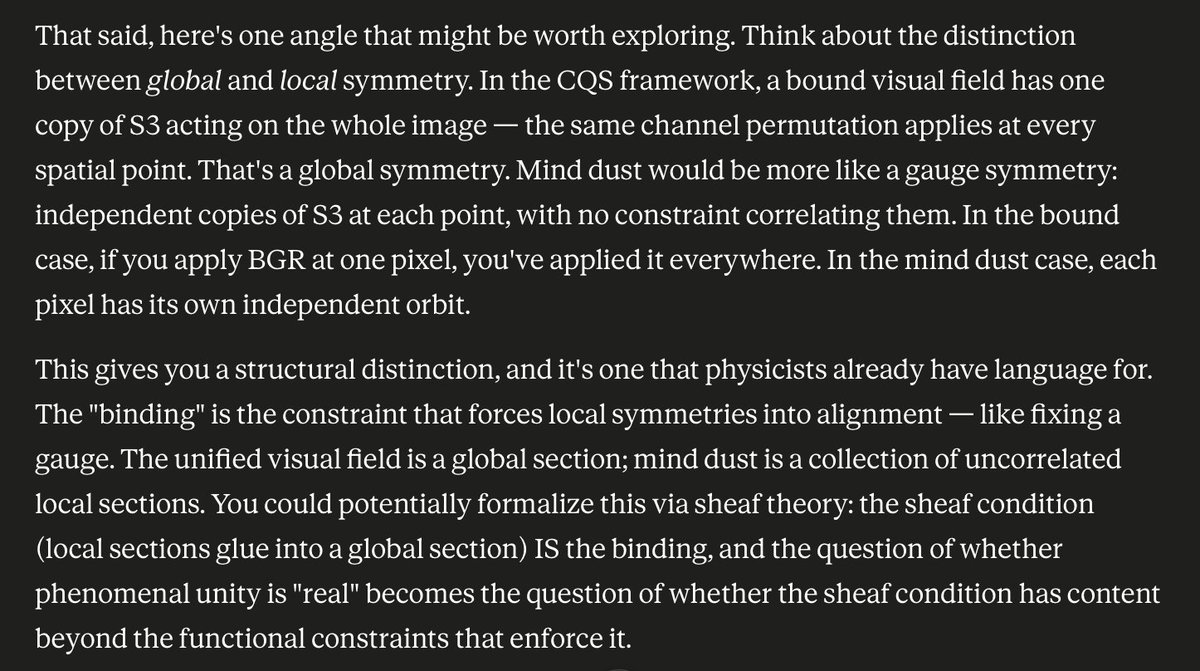
I can imagine a Russellian monist, in a universe with parity symmetry, believing that a global parity flip would change phenomenal experience, despite no "physical" (structural) change.
However I have little idea how to imagine gauge variant phenomenology in our universe...
3
1
28
2,562
Jun 8
people asking if i am going to vibecamp and this is the first one i have missed since vc2 😭
11
244
Cube Flipper retweeted

Jun 8
I expect the future to be somewhere between dharma, a geometric dmt trip but chiller - more geometric than animal, and an absurd amount of intelligence. intelligence is going exponential and will not stop, geometry is the natural language of form, and awakening is what we are
10
15
301
13,188
Cube Flipper retweeted

New results! The prefrontal cortex uses a low-dimensional “coding space”. Info can be captured in just 3–6 dimensions. The brain compresses what we remember.
Low-dimensional prefrontal representations of objects during working memory
doi.org/10.64898/2026.06.03.…
#neuroscience
21
74
376
26,210
Cube Flipper retweeted

Jun 5
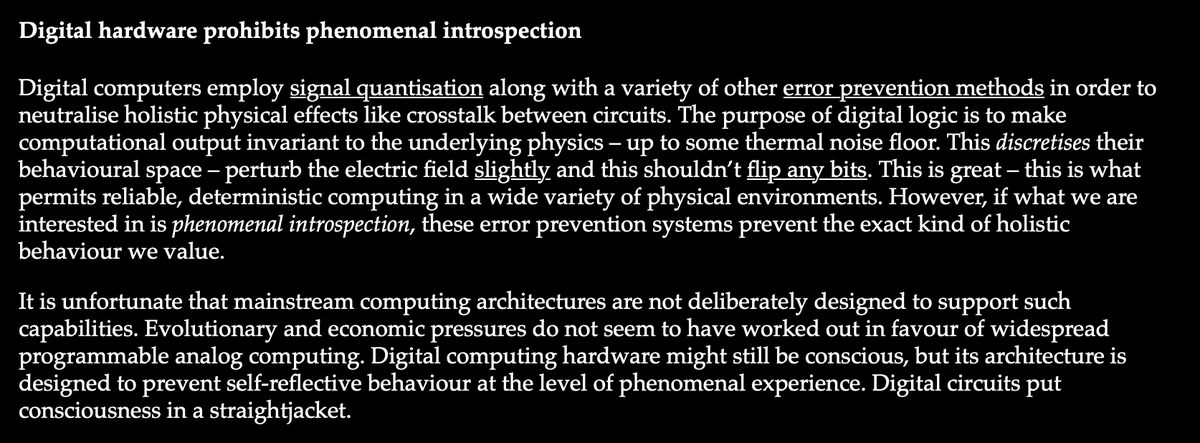
As a variant of biological naturalism, electromagnetic fields might be essential for generating consciousness. Under this EM-field naturalism, replicating the same causal structure with different physical interactions would not be sufficient for consciousness to arise.
8
5
24
2,421
Jun 3
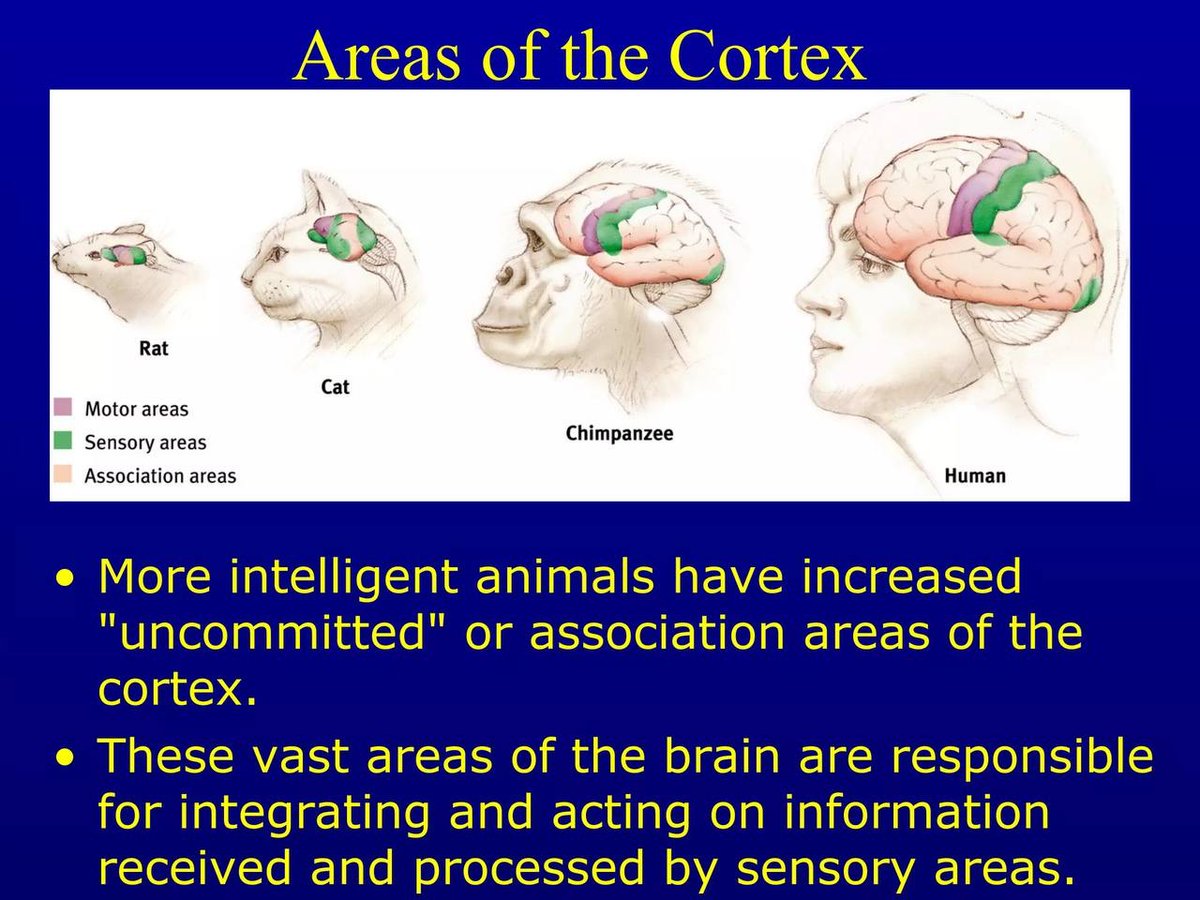
the way i thought about the brain changed quite significantly when i first encountered a diagram similar to this one (in a John C. Lilly book).
in mammals earlier than humans you (very very broadly speaking) had the back half of the brain devoted to sensory cortices and the front half the brain to motor output. input = green areas, output = purple areas.
as things got more complicated evolution tacked on more and more associative cortices adjacent to the sensorimotor ones
i imagine the sensorimotor cortices to be dealing with low-level shapes which are structurally isomorphic to the incoming information, and the associative cortices to be dealing with more and more abstruse recombinant correlation-based representations as they get further away from the sensory cortices
so, if you follow the cortical gradient/predictive processing gradient, i expect you also see a gradient from more shape-based sensory representations to more abstract/symbolic representations
10
7
114
3,800
Jun 3
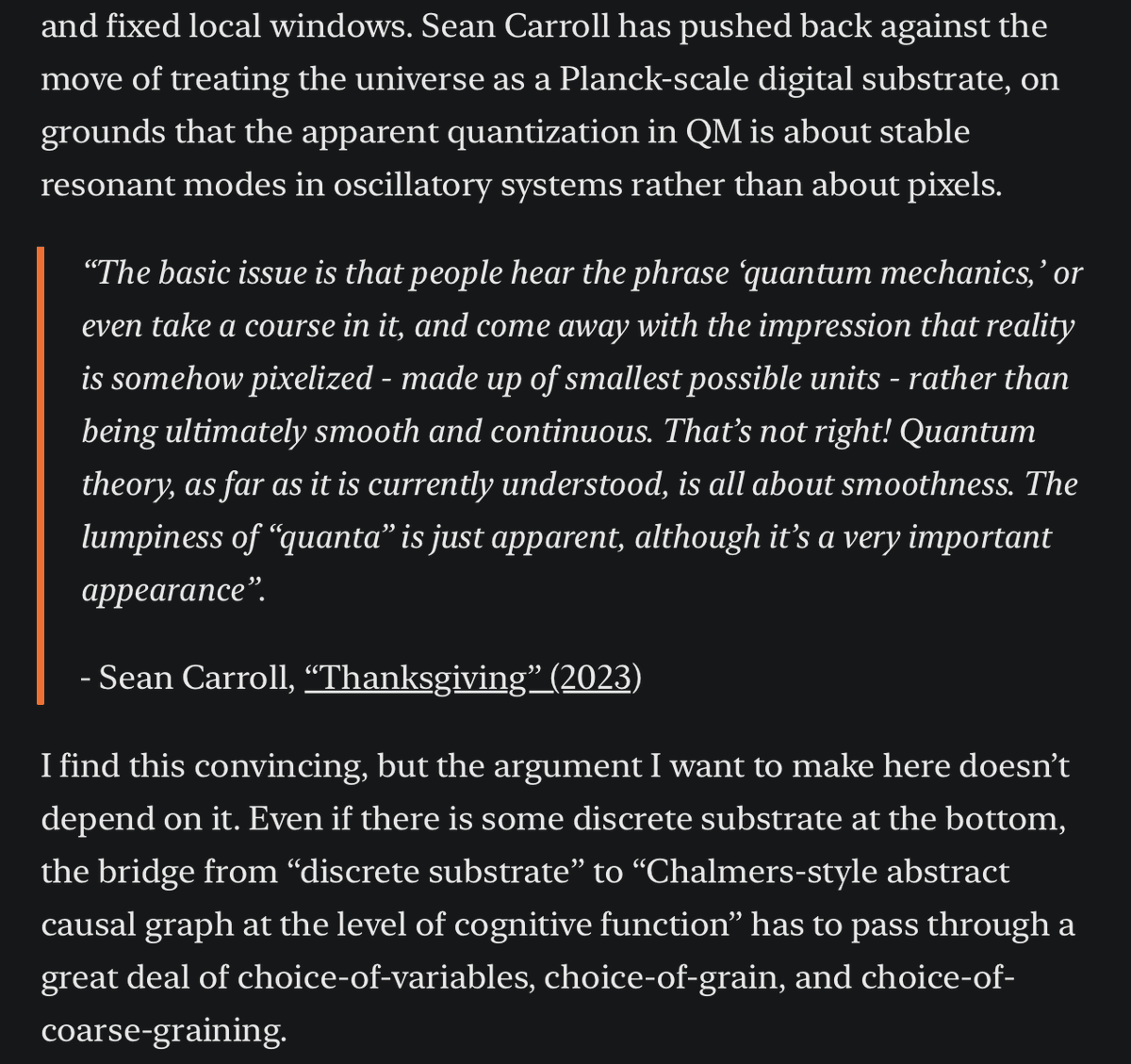
this is relevant if you are still thinking about the abstraction fallacy paper
susan pockett suggested it was only the sensory cortices which would be conscious (in the holistic field behaviour sense), as they deal with more redundant, higher correlated information (i.e., bigger, more correlated LFPs), whereas the associative cortices further up the predictive processing stack would be less "conscious" given those neurons deal with sparser, higher dimensional, more tightly compressed representations which would be indistinguishable from white noise (qualiacomputing.com/2022/10/…)
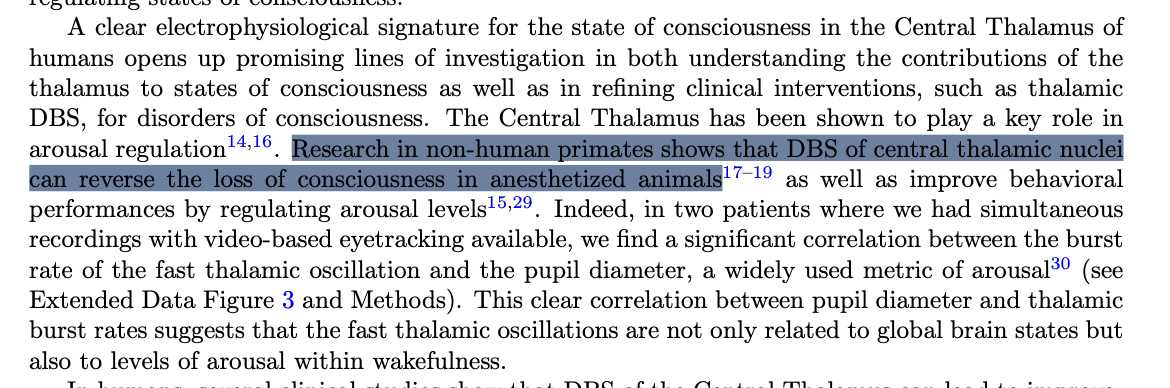
now, perhaps this is implausible simply for the reason that the sensory cortices are far apart! how do you get a unified world simulation from those? those sensory cortices all have thalamocortical projections down to their corresponding thalamic nuclei, which basically are all in the same place, so perhaps it's the thalamus where the nice shapely world simulation lives
2
1
20
832
Jun 3
i want to see its spectral decomposition
Jun 2

1
9
1,212
May 31
i feel like when i go to meditate it is extremely obvious within the first ten seconds whether or not this is the kind of day where my body map might start vibrating and/or parts of it might start dissolving or cancelling out against their own afterimages
3
15
838
May 31
is there any benefit to meditating if this is not the case? i do not otherwise derive any therapeutic benefit from meditation.
3
4
605

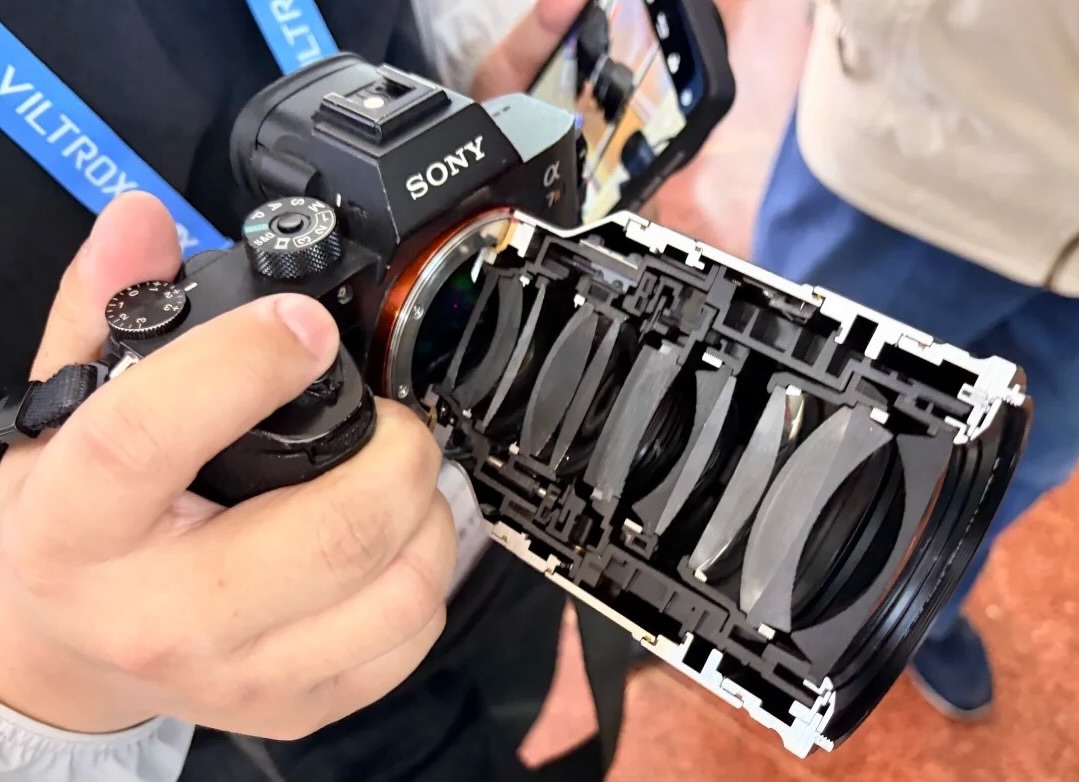
お、おお…たまに見かける"メーカがデモンストレーションのために半分に切断したレンズ"、あれって一応写るんだ。しかし光線のイメージが脳内だと2D止まりで3次元的な光路がイマイチ想像つかないな…というか半分写るということでもないような…?軸上の回転対称の光路は喪失して、それ以外が残る?

May 30

Viltrox cut a lens in half and took pictures with it - here are the results: photorumors.com/2026/05/30/v…
57
1,633
8,060
1,419,882
Cube Flipper retweeted

May 27
I'm done with classical mind uploading. No novel thought comes out of this space because the problem space is closed, and the abstraction fallacy (which keeps being the trapdoor I come back to) creeps into basically every assumption, from the founding commitments down to the engineering targets. Closed = the founding commitments fix the answers in advance.
Functionalism for phenomenal consciousness, substrate independence as a working assumption, personal identity reduced to pattern, "the brain" treated as a generic computational object whose individual instantiation doesn't really matter (which is wild, if you sit with it). Accept these and the open questions all reduce to engineering (scan resolution, compute budget, biophysical fidelity, etc.) => the philosophy becomes decorative. Four pressure points where the closure shows up, and the abstraction fallacy is the trapdoor at every one.
(1) Functionalism for phenomenal consciousness. Push on it (Block's access/phenomenal distinction, Lyre's W/N/Q decomposition, the abstraction fallacy itself), and you get nothing productive back. The space restates the assumption, or it treats the question as irrelevant to the engineering programme (existential gambling basically, a religion with extra steps and if you extrapolate maybe even the great filter itself).
(2) Continuity. Numerical identity, qualitative identity, the survival of this particular human, all collapsed into pattern preservation. The branching/fission/gradual-replacement cases that should be load-bearing get waved through.
(3) The slide from "we're doing this so individual humans can survive" to "we're emulating brains in general." Two very different projects (and nobody seems to notice the slide happening). Population-scale emulation has almost nothing to do with the survival of the person currently sat in the chair. The field rarely owns this.
(4) The ritual pivot to AI alignment in WBE pitches. The conceptual route from "we can scan and simulate a connectome" to "we have solved value alignment for AGI" is, charitably, thin. Hard to read it as anything other than fundraising pressure colonising the science.
I use "classical" the way one says "classical mechanics." A periodisation, not a verdict on the people in it. The space is a mature paradigm with fixed commitments and fixed open problems, and like any mature paradigm, it produces refinement and not much else. And, with some hesitation, the sociological bit. The space is largely populated by curious, well-meaning people arriving from software engineering and tech-founder backgrounds, with relatively few who came through neuroscience, neurophysiology, philosophy of mind, or any tradition that treats the hard problems as binding constraints (rather than rhetorical hurdles to clear on the way to the engineering). Imagine pure mathematics, only you've replaced the mathematicians with software engineers and PMs. You'd get enthusiasm, decent tooling, and an entire literature that misses the point of why the field exists.
The novel work starts as soon as you step outside. Approaches that treat the brain as a continuous physical process (the pattern view does a lot of damage), that take conscious continuity to supervene on intrinsic causal dynamics, that work through hybrid states of biological/synthetic substrates across the transition. Hybrid matters for an empirical reason: the biological brain is the only example of a conscious substrate we have, so any serious programme for individual survival has to keep one foot in it while building the other.
6
2
14
1,206
Cube Flipper retweeted
May 26
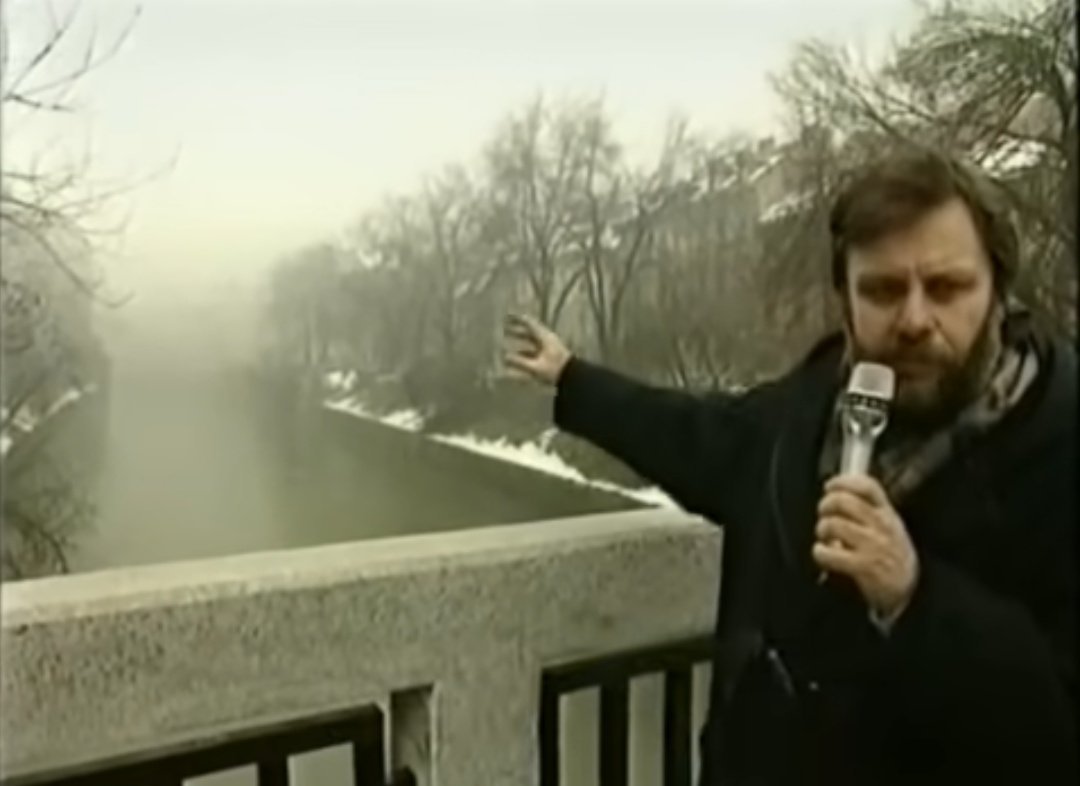
This river here is the official border between classical mind uploading and hybrid mind uploading. On the other side, cosmic horror, destructive scanning, machine despotism, computational functionalism, the abstraction fallacy, your neurons get replaced with simulated substrate, and you call it uploading. On this side of civilisation, the W/N/Q loop, intrinsic causal dynamics, the synconetics programme, your neurons get replaced with a synthetic substrate, and you call it surviving
3
14
646