The secure operating platform for internet capital markets. Powering digital asset operations with the rigor and accountability of modern finance.
- Tweets 570
- Following 3,887
- Followers 3,154
- Likes 1,261
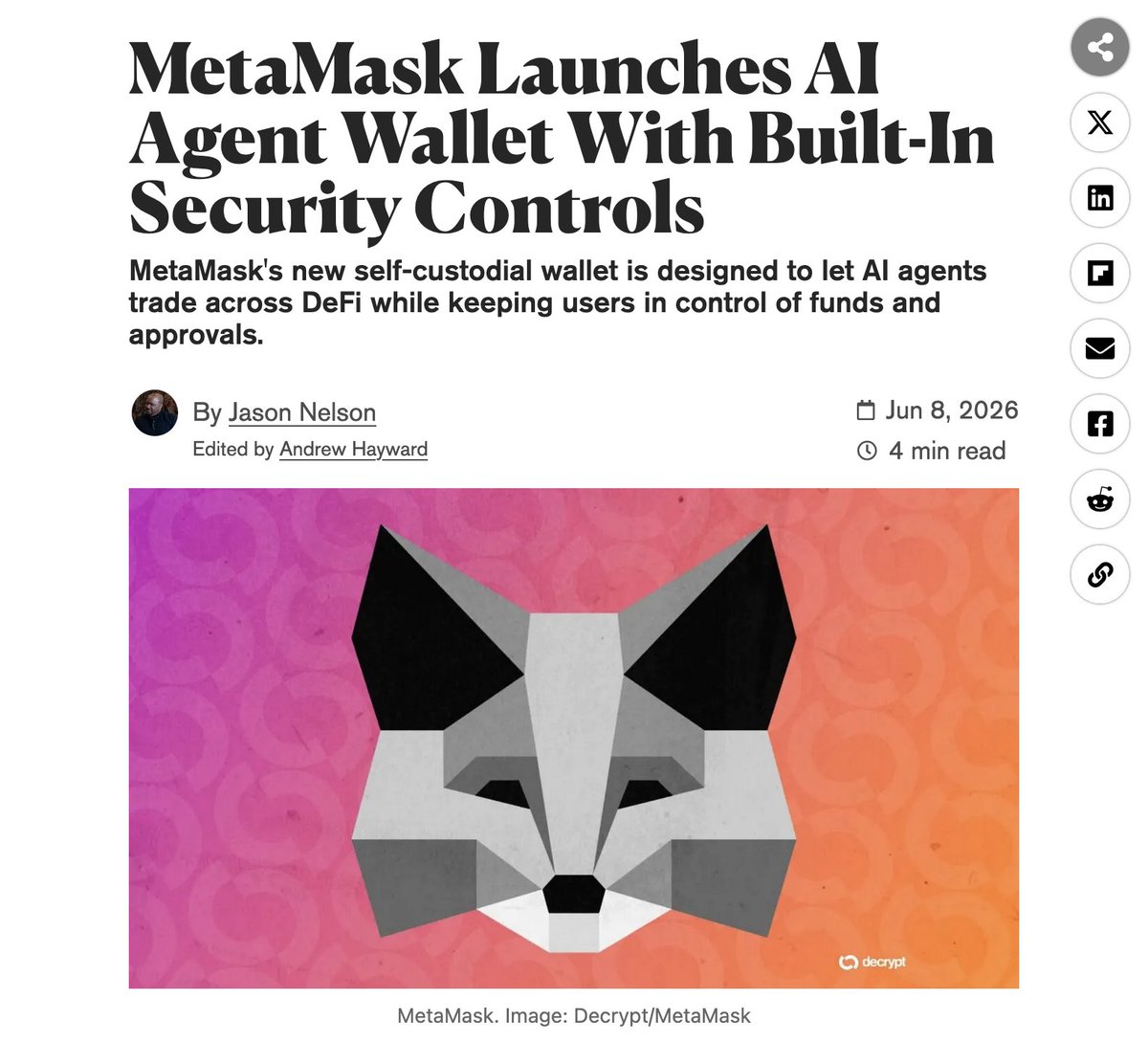




ALT MetaMask Launches AI Agent Wallet With Built-In Security Controls MetaMask's new self-custodial wallet is designed to let AI agents trade across DeFi while keeping users in control of funds and approvals By Jason Nelson, Decrypt

ALT I believe security should be built before the first user arrives.
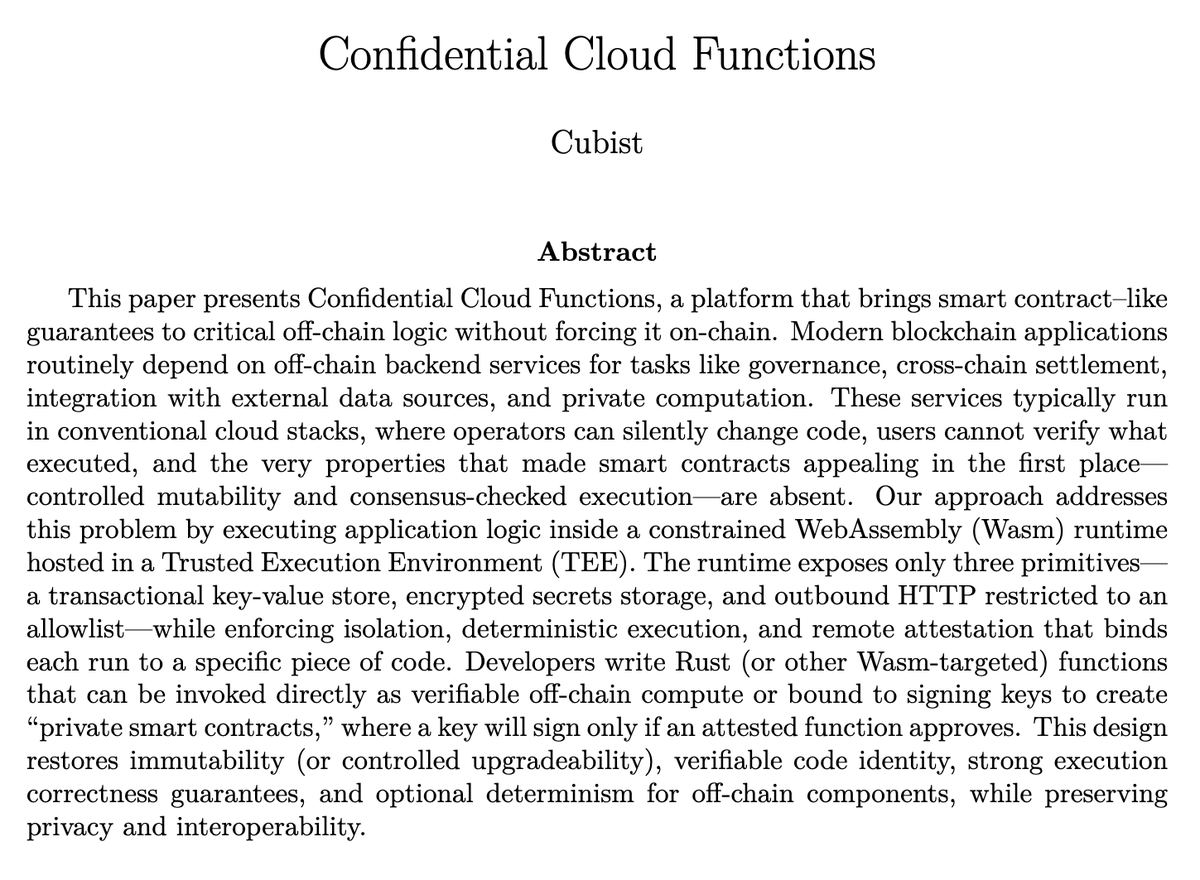
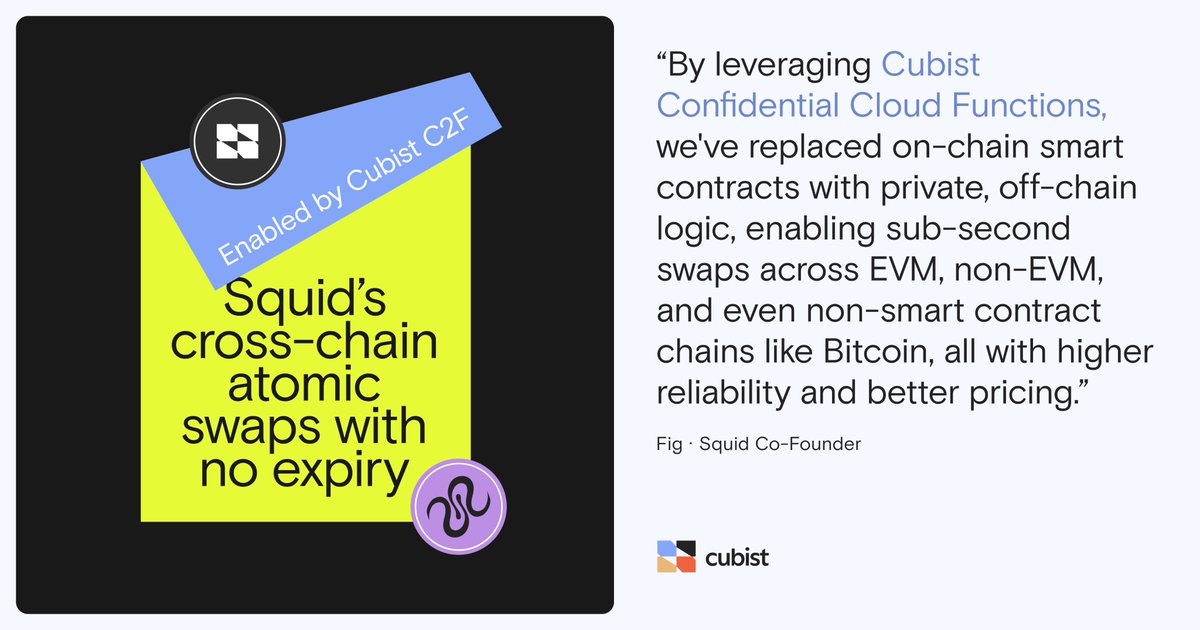
ALT Cubist C2F: Confidential Cloud Functions for Private Smart Contracts
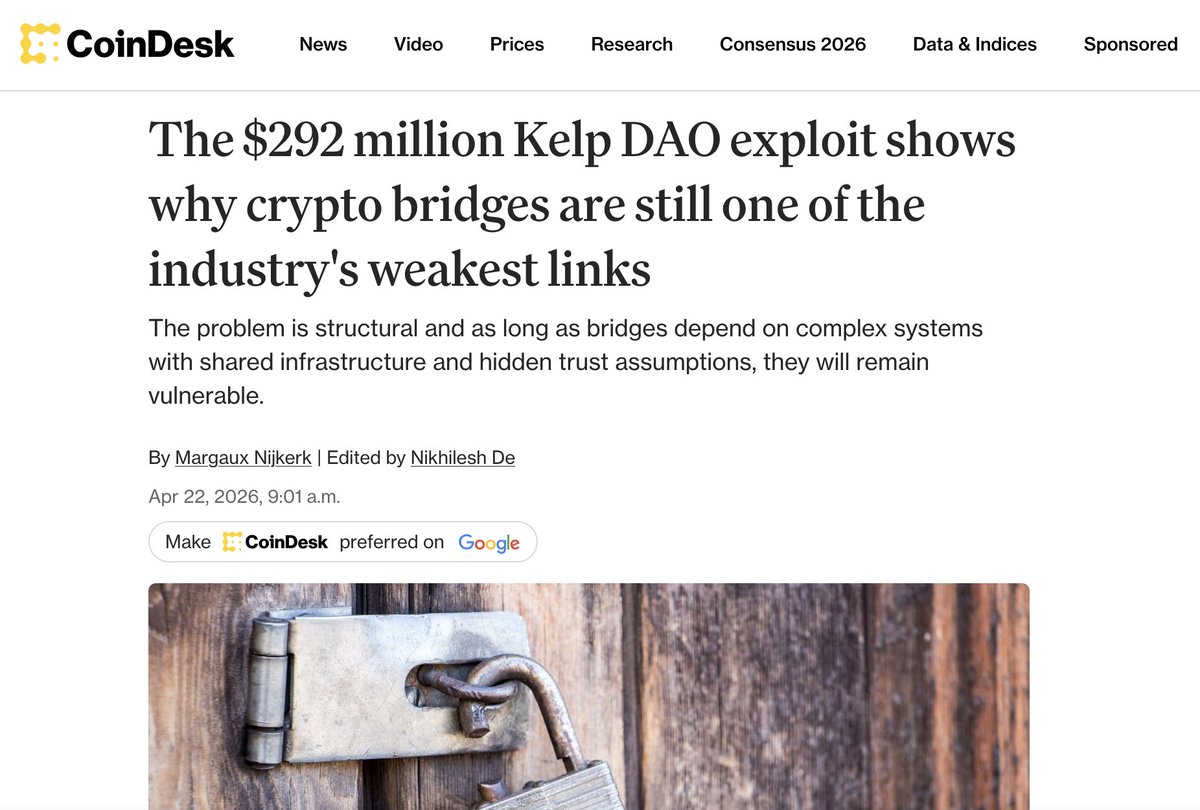
ALT CoinDesk by Margaux Nijkerk: The $292 million Kelp DAO exploit shows why crypto bridges are still one of the industry's weakest links. The problem is structural and as long as bridges depend on complex systems with shared infrastructure and hidden trust assumptions, they will remain vulnerable.

ALT Cubist: Partnering with Hashi, a native Bitcoin collateralization primitive on Sui


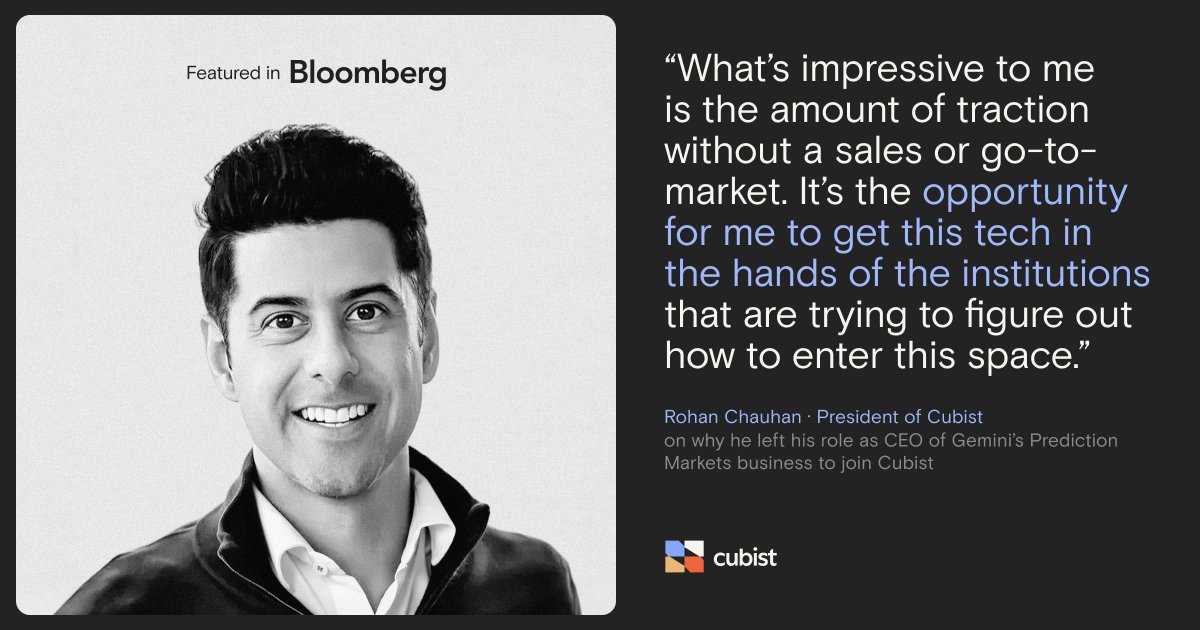
ALT Cubist welcomes former Gemini Executive Rohan Chauhan as President to lead global strategy and expansion for internet capital markets infrastructure

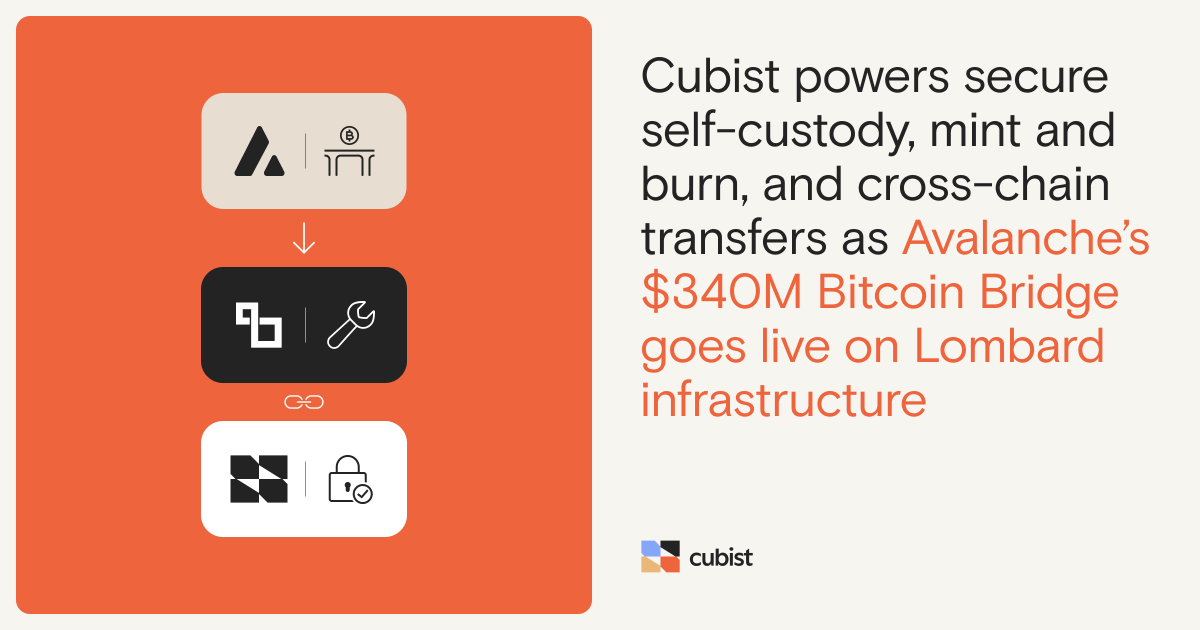
ALT Cubist powers secure self-custody, mint and burn, and cross-chain transfers as Avalanche's $340M Bitcoin Bridge goes live on Lombard infrastructure

ALT Featured in Bloomberg: "What's impressive to me is the amount of traction without a sales or go-to-market. It's the opportunity for me to get this tech in the hands of institutions that are trying to figure out how to enter this space." - Rohan Chauhan, President of Cubist on why he left his role as CEO of Gemini's Prediction Markets business to join Cubist