
Elixir & React Native meets modern design | contact@curiosum.com
Joined September 2019
- Tweets 714
- Following 61
- Followers 263
- Likes 235
492 Photos and videos









Jun 3
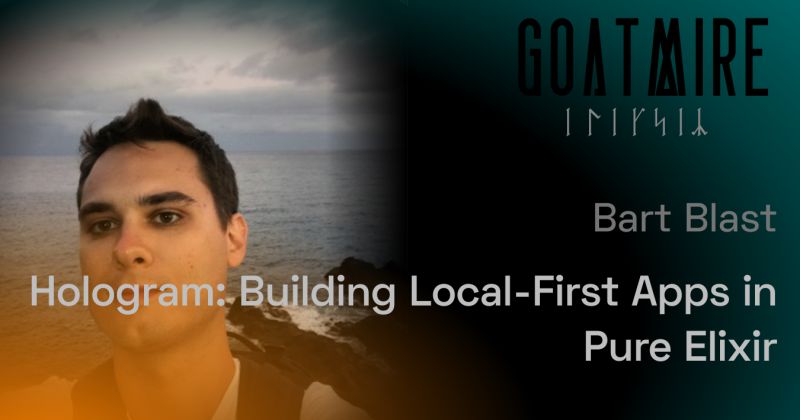
And here he is! @Bart_Blast is the second one from our team who'll be speaking at the Goatmire Elixir conference in Sweden.
The topic: Hologram: Building Local-First Apps in Pure Elixir.
More here👉 goatmire.com/talk/hologram-b…
#elixir #nerves #goatmire #elixirlang #myelixirstatus
1
43
May 28
Hologram v0.9 update with a big change.
hologram.page/blog/hologram-…
Servers can now push updates to connected clients without polling, all in pure Elixir.
#elixir #beam #hologram #opensource #elixirlang #myelixirstatus
1
53
May 22
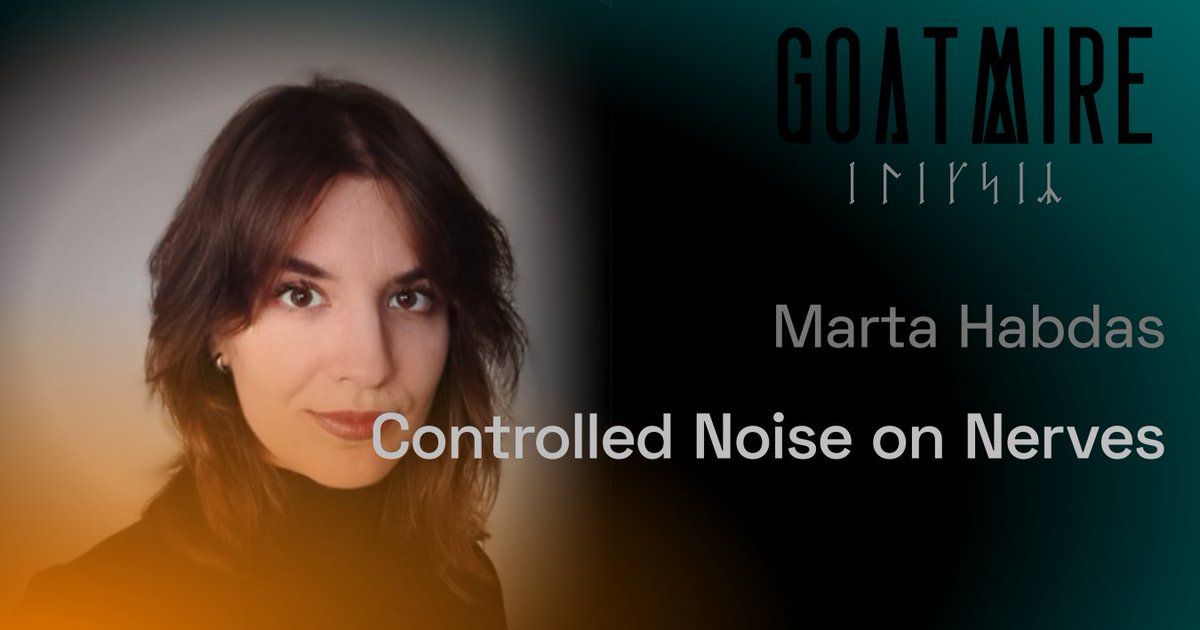
Our team doesn't stop! After a good presentation during the @ElixirConfEU this year, Marta Habdas is joining the Goatmire conference in Sweden as a speaker.
She's going with the “Controlled Noise on Nerves” topic, a talk about using Elixir and Nerves with noisy sensor input, DIY audio controllers, Arduino boards, Raspberry Pi, and Pure Data.
See her profile here:
👉 goatmire.com/speaker/marta-h…
And the second announcement is coming... 😏
#elixir #nerves #goatmire #elixirlang #myelixirstatus
1
37
May 14
Good framework design often means taking complexity out of the hands of developers without hiding the important trade-offs.
Bart’s post shows that nicely: a simple API on the surface, a lot of careful thinking underneath.
Glad to be the main sponsor of Hologram and to help make this work possible.
#hologram #opensource #elixir #elixirlang #myelixirstatus
May 13

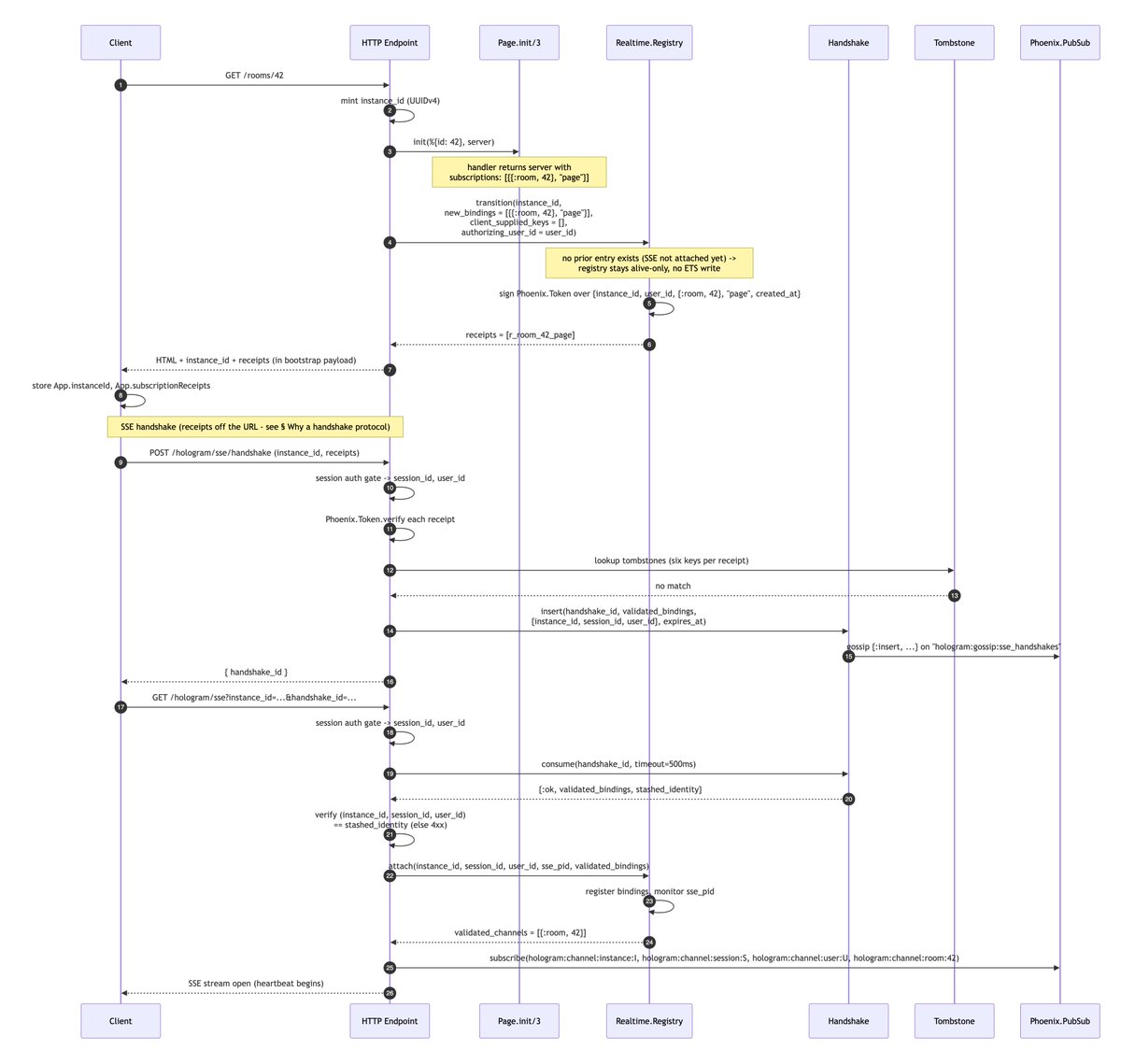
Hey Elixir friends, funny how getting a feature down to a simple one-line call takes two weeks of design work. Sharing what that looked like for Hologram realtime.
One slice of the new realtime API - the call for "push an action to every client in a room":
put_broadcast(server, {:room, 42}, "page", :append_message, message: msg)
The full API is a handful of similarly tight functions for broadcast, subscribe, and unsubscribe.
The diagram below is what it takes to set up the SSE connection underneath - and it's just one of six workflows in the design doc.
I originally thought the realtime layer would be a thin server-to-client action push and nothing more.
But a bare push API would have forced every app to roll its own membership tables or presence layer the moment they wanted something as ordinary as a chat room. That defeats the point of using a framework.
Hologram Local-First (on the roadmap) will eventually own most pub/sub use cases - durable, ordered, DB-backed state.
But channel-style fan-out has a permanent niche even after Local-First lands: typing indicators, real-time cursors, forced sign-outs - anything ephemeral or non-DB-backed.
A pattern I keep running into building this framework: the simpler the public API, the more the framework has to absorb underneath. Most of that work is invisible to the people who'll eventually use it, which is exactly how it should be - but it's also why design like this takes longer than people expect.
Anyone else here hit this trade-off building developer-facing tools?
1
70
May 13
We updated Permit, our open source authorization framework for Elixir.
New in the ecosystem: Igniter-powered setup, better plural action handling in Phoenix, route fixes, :create authorization fixes, and LiveView stream options.
curiosum.com/blog/updates-to…
#elixir #phoenixframework #opensource #permit #elixirlang #elixirstatus
1
3
121
May 6
Hologram UI has opened early access.
It’s a component library designed specifically for Hologram, with reusable components, shared design tokens, and APIs that fit the framework’s conventions.
Early access is open here:
hologram.page/ui
We’re supporting this as a main sponsor because we think Hologram is one of the more interesting projects happening around Elixir UI development right now.
#elixir #hologram #webdevelopment #opensource #elixirlang #myelixirstatus
1
4
95
Apr 24
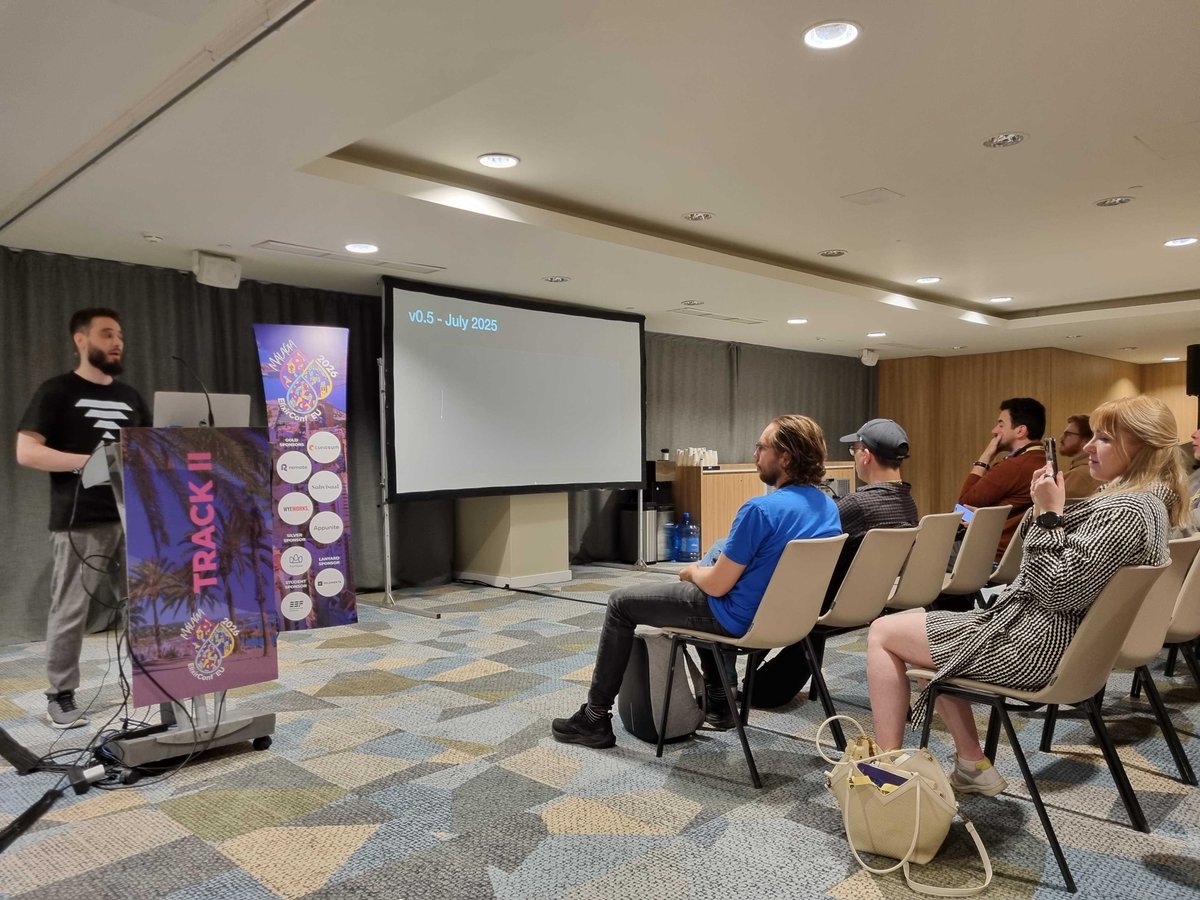
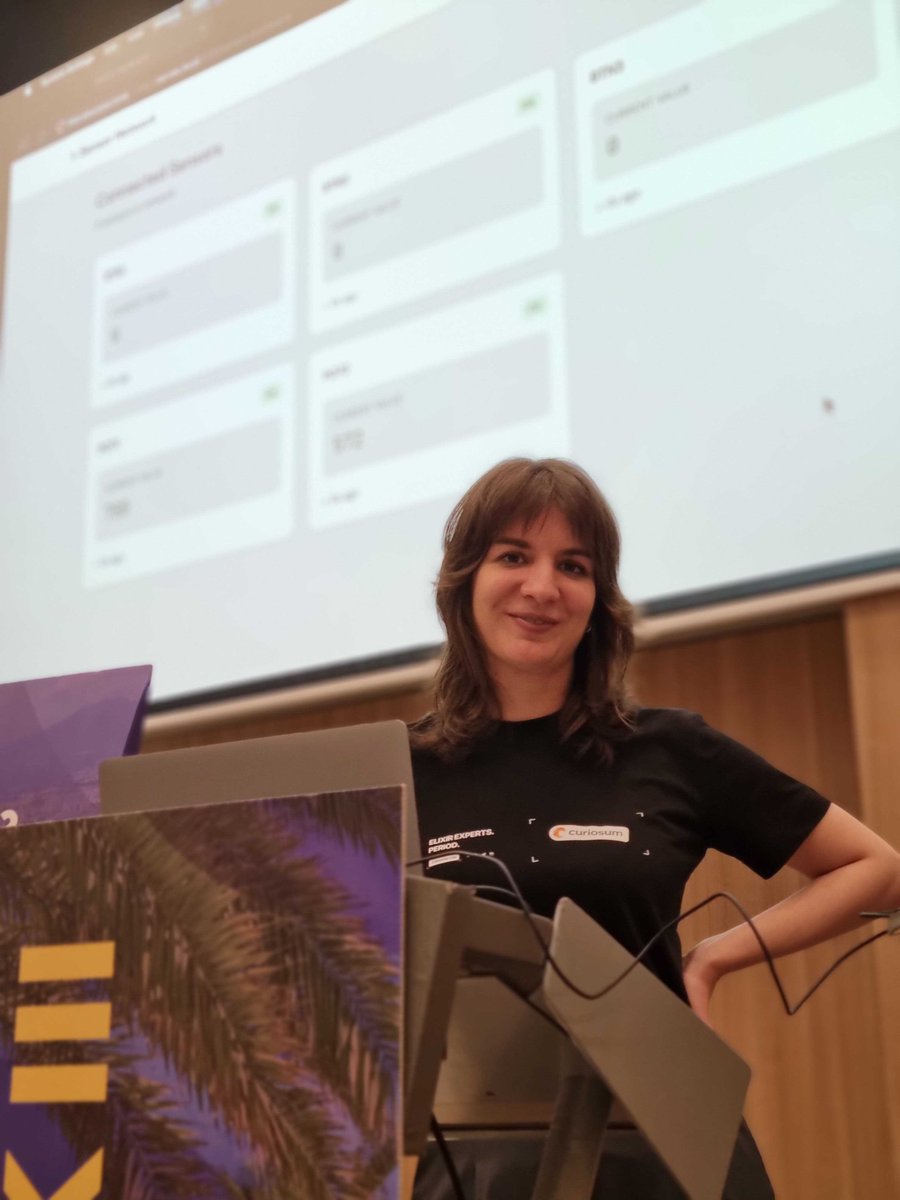
Marta and @Bart_Blast just finished their talks.
Thanks to everyone who joined. Let us know how it was if you were there.
We’re slowly getting to the end of @ElixirConf, but still around at our stand.
#elixirconfeu #elixirlang #myelixirstatus
1
12
178
Apr 24
Day 2 at @ElixirConfEU
We’re at our stand - come talk to us.
At 11:55:
Marta ➡️ testing concurrency & fault tolerance in Elixir/Nerves
elixirconf.eu/talks/testing-…
Bart ➡️ Hologram and local-first Elixir in the browser
elixirconf.eu/talks/hologram…
#elixir #elixirconfeu #hologram #elixirnerves #elixirlang #myelixirstatus
5
116
Apr 23
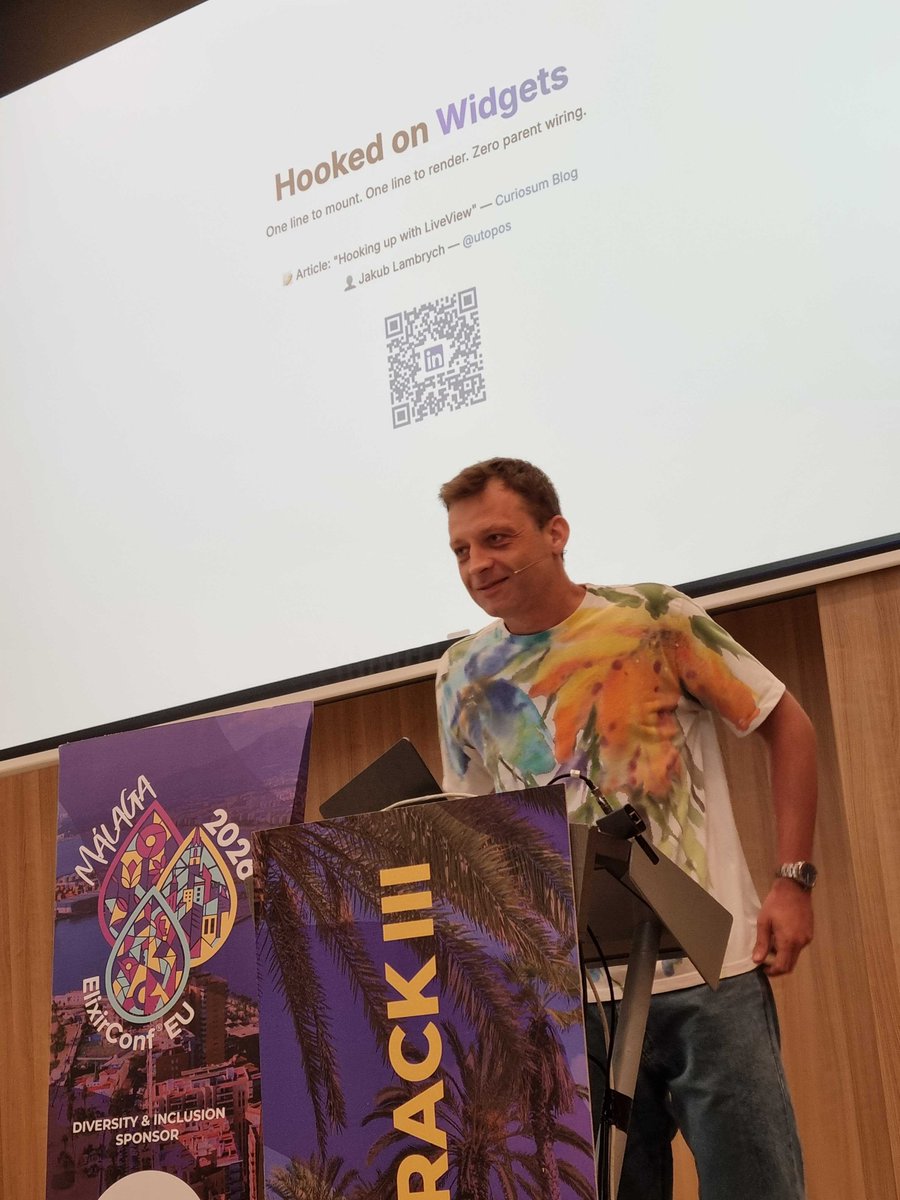
First presentation by Jakub Lambrych is behind us! For more details, catch him at our stand.
And tomorrow there'll be a chance to listen to Marta Habdas and @Bart_Blast from the Curiosum team.
Join them at 11:55.
➡️ elixirconf.eu/talks/testing-…
➡️ elixirconf.eu/talks/hologram…
#elixirconfeu #elixirconf #curiosumteam #elixirlang #myelixirstatus
3
54
Apr 23
Jakub Lambrych is speaking about Hooked on Widgets: A Better Pattern for Reusable LiveView Components.
Join his talk at 14:55 at the @ElixirConfEU
More details:
👉 elixirconf.eu/talks/hooked-o…
#elixirconfeu #curiosumteam #elixirlang #myelixirstatus
1
69
Apr 23
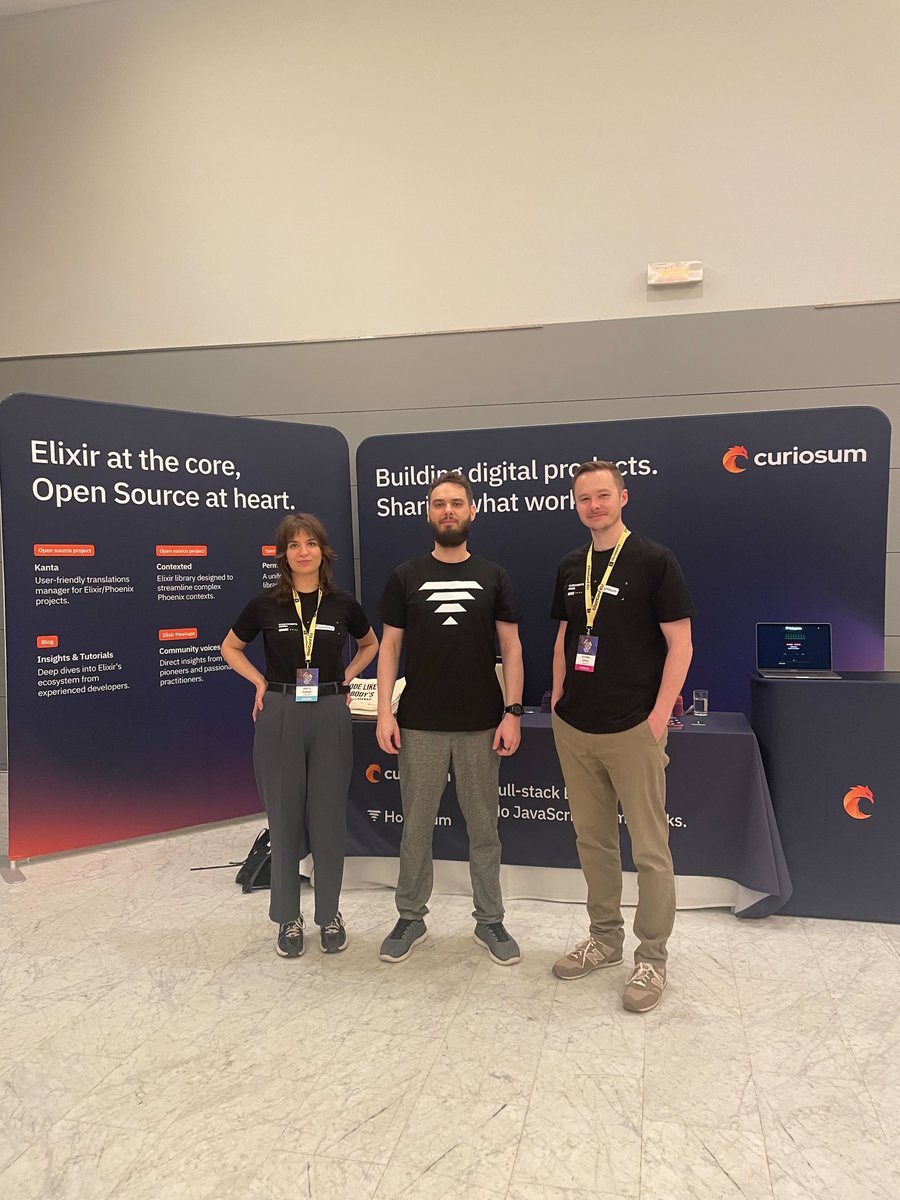
We’re in Málaga for @ElixirConfEU and ready at our stand.
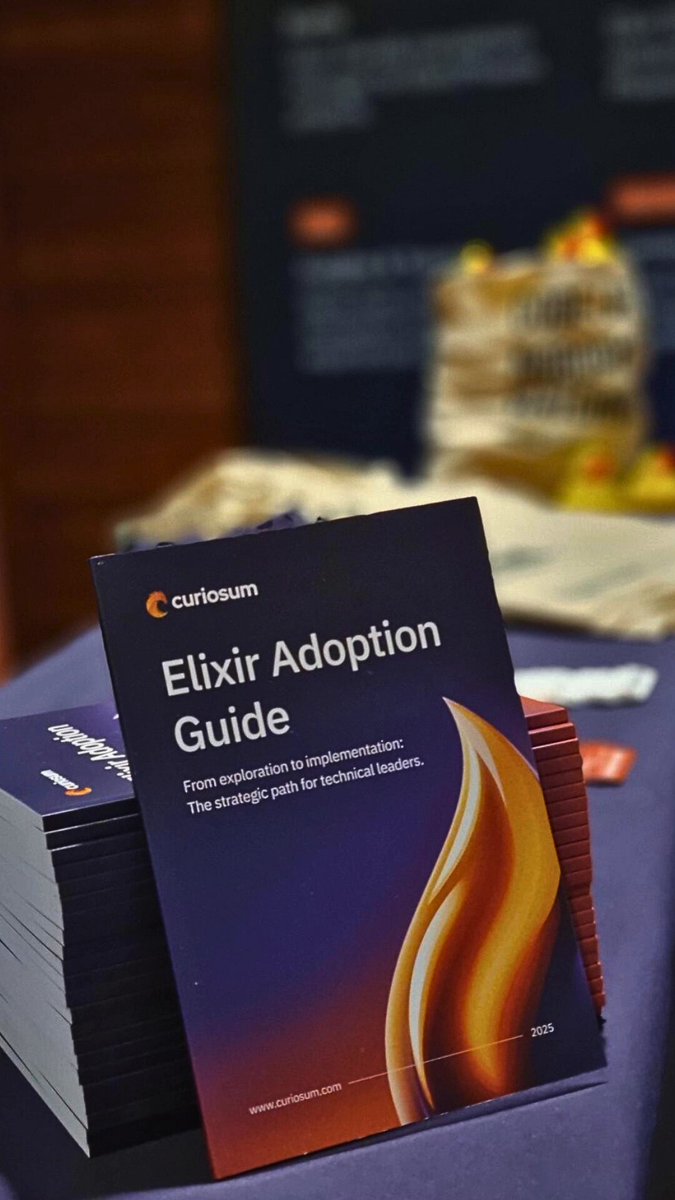
Come talk to us if you want to discuss Elixir, software delivery, team setup, or just say hi. We also brought printed copies of the Elixir Adoption Guide, which we released last year, and now it’s back with updates.
If you’re not here, check the e-book version:
curiosum.com/ebooks/elixir-a…
Drop by and grab a copy. See you there!
#elixirconfeu #elixir #elixirlang #myelixirstatus
5
64
Apr 21
A few days ago, we asked you whether the Elixir ecosystem needs a stronger frontend story. Most answers said yes.
@Bart_Blast from our team is speaking at #elixirconfeu about:
Hologram: The Journey to Local-First Elixir in the Browser.
This talk fits right into that discussion, but from the practical side: what Hologram has built since last year, what local-first Elixir in the browser can look like, and where this work is going next.
If you're at the #elixirconfeu in Malaga, on Friday at 11:55, you should be there.
Also, you can come to our Curiosum stand and catch Bart to talk.
Details:
elixirconf.eu/talks/hologram…
#elixirlang #myelixirstatus #elixirconfeu #hologram #phoenixframework
2
3
13
734
Apr 16
Do you think the Elixir ecosystem needs a stronger frontend story?
1. Yes - it's the biggest gap right now
2. Yes - but keep it server-rendered (better LiveView)
3. No - LiveView is enough for most of what we need
4. No strong opinion / depends on the project
#elixirlang #myelixirstatus #elixirprogramming #elixirconfeu #hologram
3
85
Apr 15
New on our blog: our team member Marta wrote about building a DIY sound controller with Nerves, Raspberry Pi, and Arduino, plus what happens when sensors fail, and the system still needs to keep going.
She’ll also speak about it at @ElixirConfEU on Friday, 24th at 11:55. SAVE THE DATE.
Blog:
curiosum.com/blog/making-sou…
Talk:
elixirconf.eu/talks/testing-…
#elixir #nerves #elixirconfeu #myelixirstatus #elixirlang
2
58
Apr 7
Asking about components last week wasn’t a coincidence.
At @ElixirConfEU, Kuba Lambrych from our team will speak about:
“Hooked on widgets: a better pattern for reusable LiveView components”.
We’re posting a short video with a quick intro to the topic below.
Join us in Malaga
➡️elixirconf.eu/participants/j…
#elixir #phoenixliveview #elixirconfeu #elixirlang #myelixirstatus
2
55
Apr 1
Do you think LiveView needs better native abstractions for component patterns?
#liveview #elixirlang #myelixirstatus #elixirprogramming #elixirconfeu
0%
Yes, it's the missing one
67%
Maybe, but it's workable
33%
No, it's flexible enough
0%
I need more knowledge
3 votes • Final results
80
Mar 31
What triggers you to extract something into a reusable component?
#elixir #liveview #elixirconfeu #phoenix #elixirlang #myelixirstatus
0%
When I use it more than t
0%
Parent component got too
0%
I need it in 2nd project
0%
I don't have a clear rule
0 votes • Final results
1
77
Mar 26
Hologram now has official VS Code support.
hologram.page/blog/hologram-…
The new extension adds HOLO syntax highlighting in ~HOLO and .holo files.
We support the project. At ElixirConf, if you're there, stop by our stand to talk about the Hologram.
#elixirlang #myelixirstatus #elixirconfeu
3
74
Mar 24
Authorization in Phoenix doesn’t have to be spread across plugs and random checks.
We wrote about using Phoenix Scopes to structure it better:
➡️ Clearer permission boundaries
➡️ Less scattered logic
➡️ Closer to the domain
💜 curiosum.com/blog/phoenix-sc…
#elixir #phoenixframework #elixirlang #myelixirstatus
3
10
422