
5,999 Photos and videos




daeduo retweeted

May 28
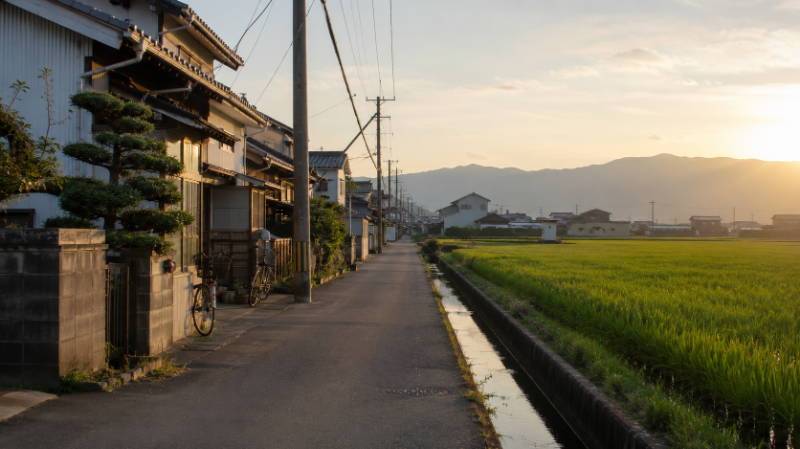
In some Japanese towns, houses and rice fields are neighbors.
Real Daily Life in Japan #10
A quiet local area in Japan.
Houses.
Narrow roads.
Bicycles.
Small gardens.
Rice fields nearby.
Mountains in the distance.
Not deep countryside.
Just one ordinary side of local Japan.
Tanbo(田んぼ) = rice field
15
20
209
2,182
因吹斯汀
May 25

苏联当年为了在西方(特别是美国)的重重技术封锁和禁运下突围,发展自己的计算机工业,确实走过一条极其震撼、脑洞大开的“非主流科技”路线。
当时苏联面对的困境和今天的华为非常相似:西方的基础材料(晶体管)、关键设备对苏联严密断供。如果跟着西方的屁股后面亦步亦趋地卷物理尺寸和晶体管数量,苏联只会被越甩越远。
于是,苏联的顶级科学家被迫在底层数学原理、物理结构和材料替换上另辟蹊径,硬生生逼出了几款放到今天都算得上是异类的“黑科技”:
一、 换道超车的终极数学魔术:三进制计算机(Setun)Сетунь
今天全世界所有的计算机,从你的手机到最顶级的英伟达 AI 服务器,底层全部是二进制(0 和 1)。但苏联在 1958 年,由莫斯科国立大学的科学家布鲁森佐夫(Nikolai Brusentsov)牵头,弄出了人类历史上唯一量产过的三进制计算机——“Сетунь”(谢通巴)。
$。这意味着,实现相同的算力,三进制需要的元器件数量比二进制更少!为什么要搞三进制?当时苏联的晶体管制造工艺极差,良率低、产量少。美国用几万个晶体管堆算力,苏联根本掏不出那么多晶体管。苏联数学家从信息论中推导出一个极其恐怖的定理:在物理经济性上,最完美的进位制其实是自然常数$e$(约2.718)。而在整数中,3 比 2 更接近$e
它是怎么运作的?Setun 采用的是“对称三进制”,它的基本单元不是位(Bit),而是“ trit(特里特)”,代表三个状态:-1(负电压)、0(零电压)、 1(正电压)。
等效黑科技效果:这台机器只用了极其可怜的物理元件,其算力和运行效率却直接绞杀了当时西方同等体积的二进制计算机。它的结构极其简单,生产成本极低,在苏联各大学和科研院所里运行了十几年,故障率竟然为零。它用底层的数学架构创新,直接弥补了苏联硬件制程上的惊天短板。
有了Сетунь的成功经验,他们在1970年推出了Сетунь 70型计算机。Сетунь 70对三进制的特性和概念有了进一步的完善和理解:建立了三进制字节——tryte(对应于二进制的byte),每个三进制字节由6个三进制位(trit,约等于9.5个二进制位bit)构成;指令集符合三进制逻辑;算术指令允许更多的操作数长——1、2和3字节(三进制),结果长度也扩展到6字节(三进制)。
运算和三进制地址的操作。这些基于三进制字节的命令将会通过对虚拟指令的编译而得到。对Сетунь 70而言,传统计算机的字的概念已经失去意义了。编程的过程就是对三进制
Сетунь总共生产了50台(包括样机)。各地都对Сетунь的反应不错,认为它编程简单(不需要使用汇编语言),适用于工程计算、工业控制、计算机教学等各个领域。
二、 物理防御加满的异类:磁逻辑芯片(Magnetic Core Logic)
美国在 20 世纪 60 年代开始大面积走向硅基晶体管集成电路,而苏联由于硅纯度和光刻工艺落后,晶体管不仅贵,而且坏得快。苏联工程师一横心,决定不用硅晶体管来做逻辑门。
黑科技本质:苏联大规模研发了“铁氧体磁芯逻辑(Ferrite Core Logic)”。他们利用一个小小的、像微型甜甜圈一样的磁环,通过改变其磁化方向(顺时针/逆时针/无磁)来做逻辑运算和存储。上面的三进制计算机 Setun,其底层核心部件就是用磁芯和二极管拧在一起做的,根本没用几个普通的晶体管。
等效黑科技效果:这种芯片最大的特点就是物理防御力点满。硅基晶体管非常脆弱,遇到核辐射、强电磁脉冲(EMP)或者极端的高低温就会瞬间烧毁。而苏联的磁逻辑芯片只要铁环不碎,就能在核战争的辐射尘埃里、在零下 50 度的西伯利亚荒野里、或者在万米高空的米格战机里安然无恙地继续疯狂计算。苏联用这种沉重、笨拙但极其可靠的“铁疙瘩”,硬生生撑起了冷战时期整个华约的军事自动化防空网络(拔刀术系统)。
三、 没有硅芯片的自动化:气动计算机(Pneumatic Computers)
如果说磁逻辑芯片还算电子学的范畴,那么苏联在 20 世纪 60 年代搞出的 “Volga”(伏尔加)气动计算机系列,则完全属于机械与流体力学的“赛博朋克”。
为什么要搞这个?在某些极端的工业场景(如化工厂、核反应堆、导弹发射井),当时的电子芯片极易因为火花引发爆炸,或者被强辐射干扰导致算力报错。
它是怎么运作的?苏联科学家发明了“流体逻辑(Fluidics)”。这台计算机里面没有任何一根导线,没有任何一个晶体管,取而代之的是密密麻麻的微型气管、气阀和喷嘴。它利用气流的压力高低、射流的偏转方向来代替电流,实现了高密度的“与、或、非”逻辑门运算。
等效黑科技效果:它是一台活生生的、能跑复杂控制算法的“空气计算机”。你用火烧它、用电磁脉冲轰炸它、甚至把它泡在水里,只要后面还有压缩空气源源不断地供气,它就能精准地控制导弹的伺服机构。这种将流体力学玩到纯青的技术,直接成了苏联工业自动化里的一座奇碑。
四、 殊途同归的悲壮宿命
看清了苏联这三大黑科技,你就能明白“换道超车”在商业和历史上面临的残酷现实:当年的苏联因为这些“非主流黑科技”太好用了,导致高层和官僚陷入了严重的路径依赖。
这导致苏联在 20 世纪 70 年代后,当全球半导体全面转向微米/纳米级硅基集成电路大爆发时,由于缺乏商业化民用市场(没有个人电脑、没有智能手机大盘)去分摊天价的研发成本,其底层工业被彻底锁死在成熟制程上。
到了冷战末期,苏联高层被迫放弃了自己的独特路线,转去全面抄袭、山寨西方的 IBM 二进制架构(Elbrus系列),但此时地缘政治的制裁枷锁已经落下,苏联计算机产业最终在步入数字化时代前夕遗憾崩溃。
1
26
daeduo retweeted

May 11
Everything mentioned were given to the common people of South Asia by the English East India Company. Even Sanskrit books.
3
1
2
3,234
daeduo retweeted

May 12
-Israel - gave us the seven day week, Noahide Laws
1
6
858
daeduo retweeted

May 11
ANCIENT CIVILIZATIONS & WHAT THEY LEFT BEHIND:
- Mesopotamia – gave us writing
- Egypt – gave us monuments
- Greece – gave us democracy
- Rome – gave us law
- Indus Valley – gave us urban planning
- China – gave us paper and printing
- Maya – gave us advanced astronomy
- Persia – gave us roads and governance
- Aztec – gave us agricultural innovation
- Inca – gave us mountain engineering
- Phoenicia – gave us the alphabet
- Carthage – gave us trade networks
- Nubia – gave us iron smelting
- Babylon – gave us the first legal code
- Minoans – gave us Europe's earliest palace culture
- Sumer – gave us the wheel
- Vikings – gave us oceanic exploration
67
308
1,327
117,070
daeduo retweeted

May 10
Suddenly a cheap meal becomes a cathedral built by strangers you'll never even get to thank.
2
14
1,094

I was eating lunch at a cheap teishoku place in Tokyo. The kind where working people go for fast, filling meals.
The salaryman sat down at the counter next to me. Ordered the daily special. When it came, he just stared at it for a minute before eating.
Not in a bad way. Just... looking at it. Really looking at it.
He noticed me and looked embarrassed. Said in English "sorry. I have a strange habit."
I said no problem, and asked what the habit was. He said "before eating, I look at food and think about all the people who made this meal possible."
He pointed at the rice. "Farmer who grew rice. Person who transported rice. Person who cooked rice." Then the fish. "Fisherman. Market worker. Chef."
He said "my father taught me this. He said every meal is the work of hundreds of people. We should acknowledge this before eating."
He did a little bow to his food and started eating.
I tried it with my meal. Looked at everything on my plate and thought about all the people involved. The farmers, the drivers, the cooks, the person who washed the dishes it was served on.
It made the cheap ¥600 lunch feel like something sacred.
When we both finished, the salaryman said "you tried it? Looking?"
I said yes. He smiled. "Makes food taste better, yes? When you remember you are not alone, that many people worked so you can eat, food becomes... how do you say... gratitude in physical form."
I've been doing it ever since. Before every meal, I look and think about all the hands that touched it.
8
148
759
24,993
daeduo retweeted

May 8
Japanese kids are trained from childhood to read people without being told anything. The skill has a name: kuuki wo yomu, literally "reading the air." It's one of three concepts behind what that old woman did, all three traced to a 16th-century tea master.
Kuuki wo yomu is what happens when you learn to read tone, posture, and tiny habit shifts before anyone says a word. Japan is a high-context culture, where people communicate as much through cues as through actual words. Fail at it and you get a slang label, KY, short for kuuki yomenai, "cannot read the air," and people quietly stop inviting you to things.
The second concept is omotenashi, often translated as Japanese hospitality. Break the word down and you get "omote-nashi," hosting without a front or any pretense. The Japan National Tourism Organization traces the practice to Sen no Rikyu, a 16th-century tea master who codified seven rules for hosting guests. His seventh rule was simple: give every guest your full consideration. The deeper idea behind it is that a guest having to ask for something means the host has already failed. From the tea room, that mindset spread into almost every customer-facing trade in Japan, from sushi counters to neighborhood ramen shops.
The third is ichigo ichie, "one time, one meeting." Rikyu's apprentice Yamanoue Soji wrote it down in 1588. Ichigo is a Buddhist word for the whole stretch of a person's life, birth to death. Even if the same guest walks in tomorrow, this exact visit will never come back, so the host owes them full attention every single time.
Shop size also matters. Japan has around 935,000 restaurants, and most are tiny specialty places where the same person stands behind the counter for years, sometimes decades. A regular customer is called a jōren-san. Over time the owner builds a quiet mental file on you, your order, your seat, your timing, the tiny patterns you don't notice in yourself. After two years of the same order, an extra portion of noodles becomes data.
So when he came back from a month away and ordered just one bowl, the change was loud. The old woman knew nothing about his life. She'd been reading the chart for two years.

My friend lived in Osaka for almost three years and said the weirdest part about Japan wasn't the technology or the vending machines or any of that, It was how quietly people noticed things.
He used to stop at the same tiny ramen place after work maybe twice a week, six seats total, old couple running it together.
The husband cooked, the wife handled customers.
Very normal place.
One winter he disappeared for about a month because he went back home unexpectedly after his dad had a stroke.
When he returned, he walked into the ramen shop around 10 PM and the old woman looked up and said, "Your family okay now?"
He froze.
Because he had never told them anything about his life.
Not once.
He asked, "How did you know something happened?"
And she looked genuinely confused by the question, then she goes, "You stopped ordering extra noodles."
That was it.
Apparently every single time he came in after work he ordered an extra portion without fail.
For almost two years.
Then suddenly he vanished for weeks and when he came back he only ordered one bowl.
She noticed immediately.
He said that somehow hit harder than people back home sending him long emotional texts.
Just an old woman quietly paying attention to whether or not he was hungry.
21
281
1,847
126,550
I was sitting in a Starbucks in Kyoto working on my laptop. A college-aged girl approached me looking nervous.
She asked in very careful English "excuse me, may I practice English with you?"
I said sure. She sat down with a notebook full of prepared questions. "Where are you from?" "How long in Japan?" "What is your job?" All written out in advance.
We talked for about 30 minutes. Her English was okay but she kept apologizing for mistakes.
I told her she didn't need to apologize, she was doing great. She said "but I have studied English for 10 years. Should be better."
I asked why she was so focused on learning English. She said she wanted to be a translator, specifically for international disaster relief.
"When the tsunami happened in 2011, many foreign rescue teams came to help. But communication was difficult. I was only 12 but I remember seeing foreign helpers looking confused, Japanese people looking confused. Everyone wanted to help but could not understand each other."
She said "I decided then I will be bridge. So people who want to help can help."
I told her that was one of the best reasons to learn a language I'd ever heard.
She smiled. "My English teacher says I should practice business English for a better job. But I don't want a business job. I want to help people when they are scared."
We talked for another hour. When she left, she bowed and said "thank you for practice. You are my teacher today."
I said no, she taught me something. She looked confused. I said "you taught me that language learning can be about something bigger than business."
24
662
7,233
188,335
daeduo retweeted

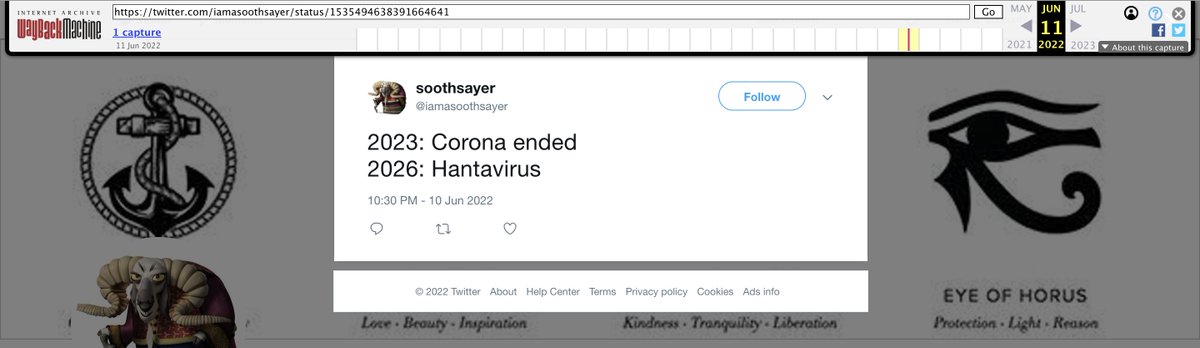
That isn't what happened here. The account was public when they posted it hence why it was archived. There aren't a bunch of false predictions that were deleted. x.com/TruueDiscipline/status…

The "Cole Allen" tweet wasn't archived (Twitter archiving wasn't working for much of 2023) but this one was.
5
8
172
55,837
daeduo retweeted

May 7
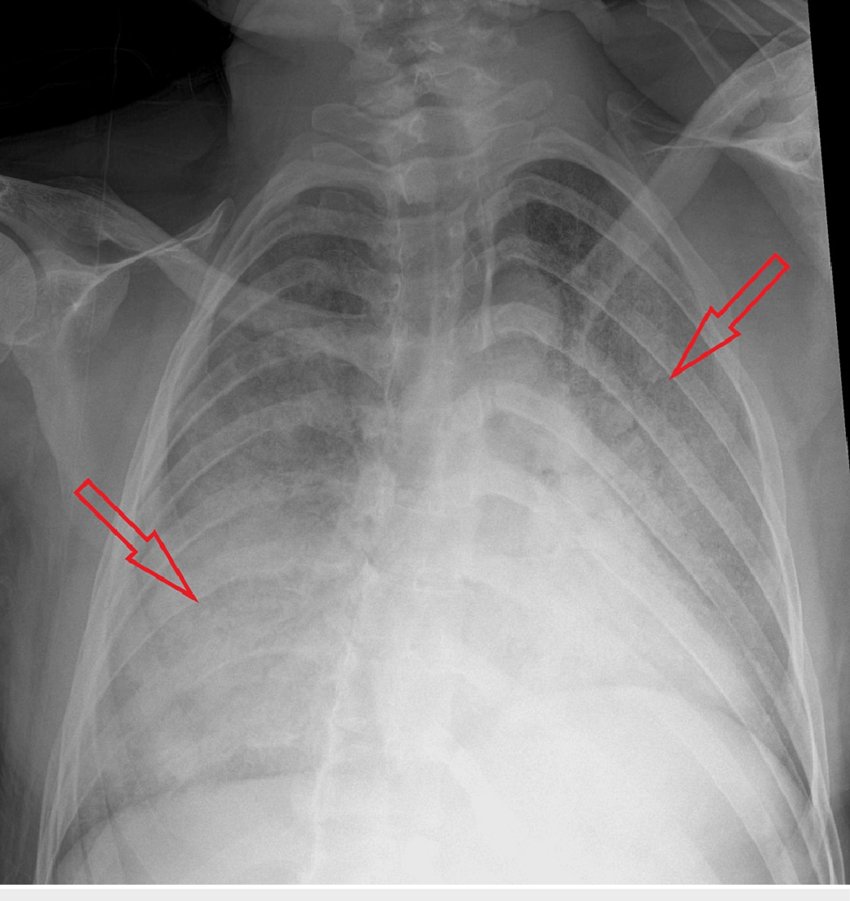
Hantavirus drowns you in your own blood plasma. There is no cure.
The mechanism targets one cell layer, the vascular endothelium, the lining between your capillaries and your lung tissue. Its only job is keeping plasma inside your blood vessels. The virus infects endothelial cells directly and disrupts the cell-to-cell adhesion proteins that hold the barrier together. Once it fails, plasma floods your alveoli. Hematocrit climbs as your blood thickens. Blood protein crashes. Patients suffocate from internal flooding in 4 to 10 days from first symptoms.
Ribavirin doesn't work. Favipiravir doesn't work. ECMO buys time but doesn't cure. New World strains carry case fatality rates of 35 to 50 percent.
The strain on this ship is Andes virus. That's the part that should freeze you. Every other hantavirus on Earth requires inhaling aerosolized rodent urine, feces, or saliva. Andes is the single exception. It transmits human to human through close contact, sharing a bed, sharing food, sharing a cabin. The 2018-2019 Epuyén outbreak in Patagonia killed 11 people through exactly this chain, all close contacts.
The MV Hondius departed Ushuaia, Argentina on April 1. Andes is endemic to Patagonia, carried by the pygmy rice rat. The WHO's working assumption is the index couple was infected in Argentina before boarding, then transmitted to close contacts inside a 1 to 6 week incubation window, then disembarked while asymptomatic.
23 passengers are now home in "all corners." First symptoms on the boat appeared on day 5. Anyone exposed in late April is inside the symptom window through early June.
Andes spreads only to people you sleep next to or eat with. Spouses, partners, kids. Whoever picked them up at the airport. None of those names live on a flight manifest.
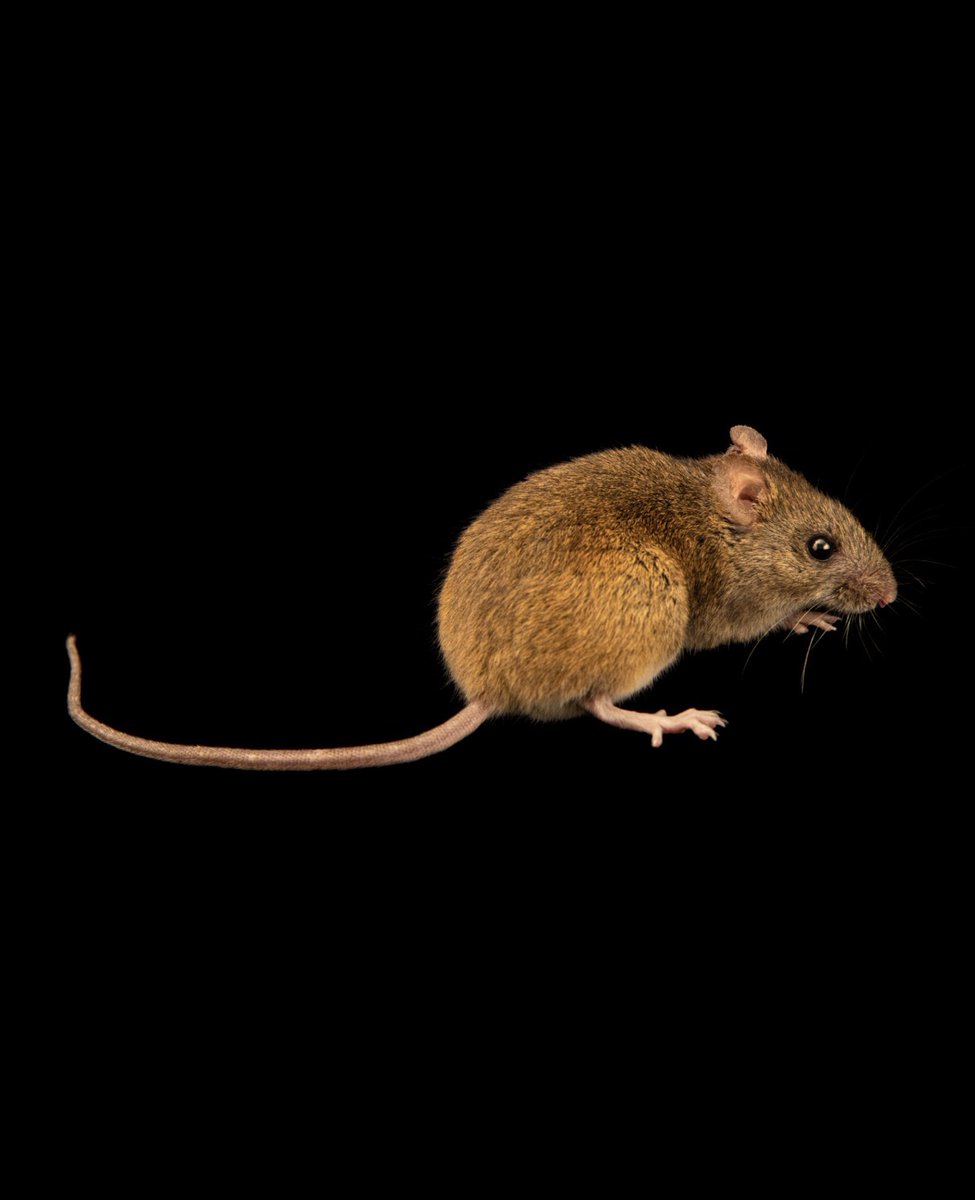

BREAKING: 23 hantavirus cruise passengers returned home to 'all corners,' including to the US, and one is already sick, per NYP
20
57
201
82,141
11 Jun 2022

2023: Corona ended
2026: Hantavirus
1
13
daeduo retweeted

A list of iconic photographs and the cameras they were taken with. A thread 🧵📸
1. ''The Terror Of War/Napalm Girl" By Nick Ut, 1972 / Leica M3 — Kodak Tri-X 400
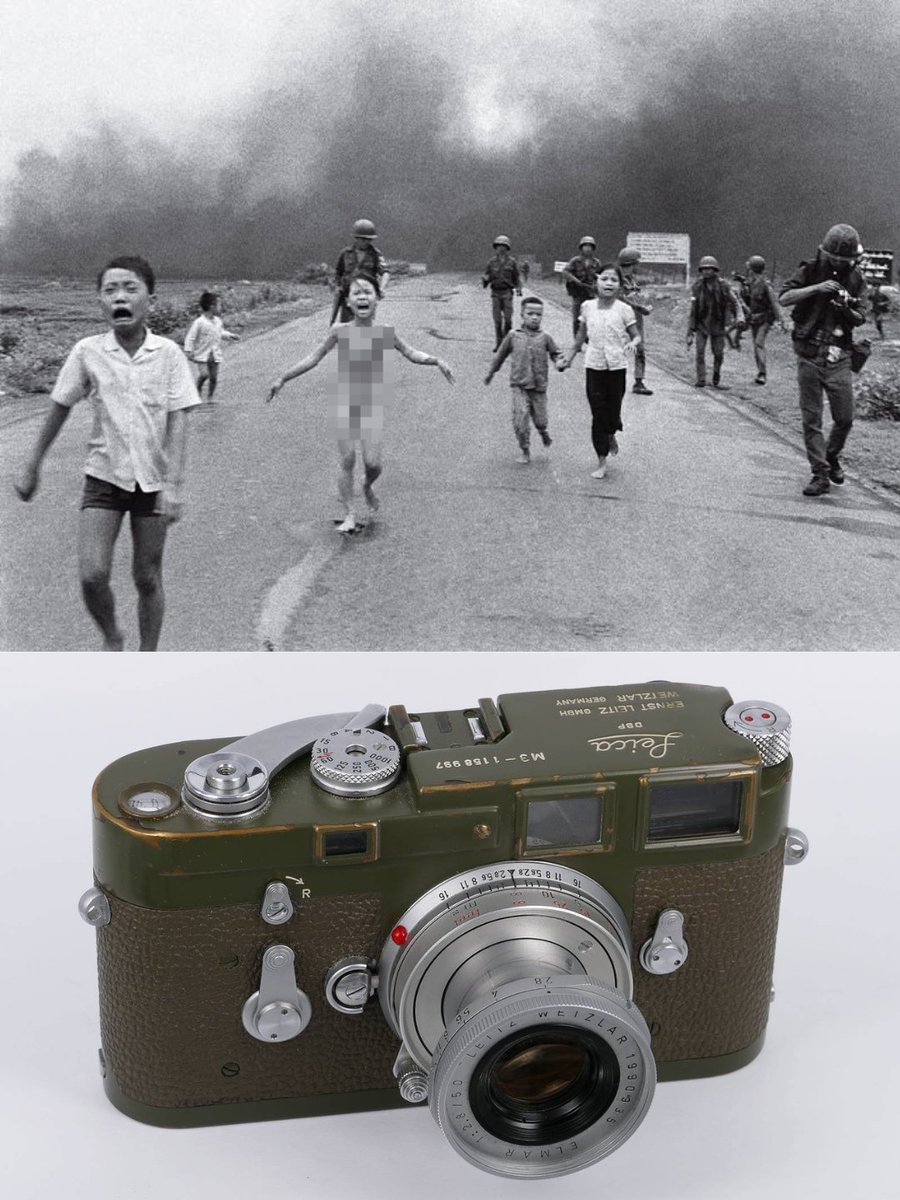
4
40
250
13,875
daeduo retweeted

Apr 30
Is called man’s best friend for a reason, god spelled backwards is dog 🐕
1
5
172
daeduo retweeted

Wonderful performance, such a good natural attitude and tone of voice...💖
Lanie Gardner and her cover of “Dream” by Fleetwood Mac is amazing.
24
152
1,094
51,735
