
Building new things /// Co-founder @goTenna/@goTennaPro (acq. by @ForterraDrive)
Joined January 2009
- Tweets 10,398
- Following 1,872
- Followers 6,001
- Likes 59,963
650 Photos and videos









Pinned Tweet

21 Nov 2024
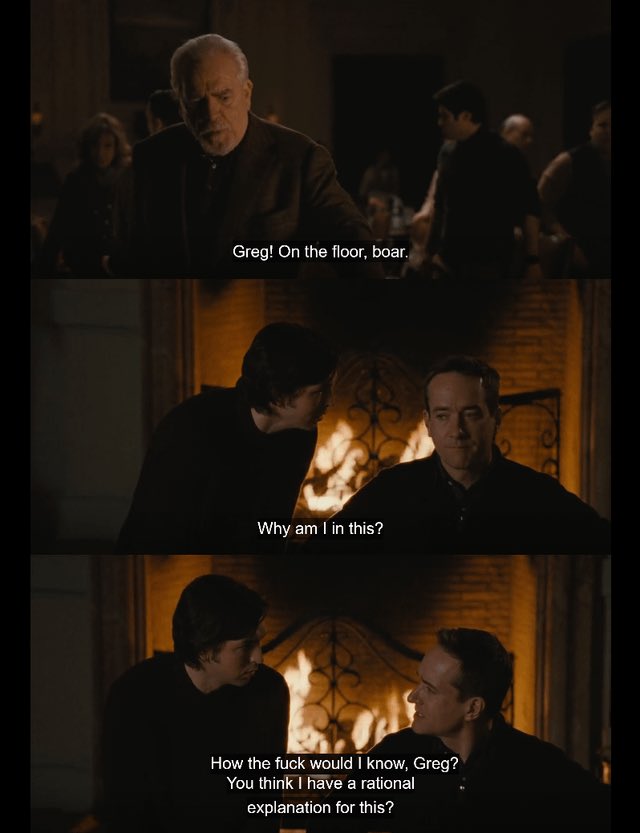
I feel like we’re all playing “boar on the floor”
1
12
2,846
Daniela Perlein retweeted

May 12
Very important lesson for Blue Cities here: Every change Lurie has made has been opposed by screaming, bullying activists -- ignoring them has been the path to policy success and extremely high popularity. @skaushik100
sfchronicle.com/election/art…
43
382
2,868
165,730
Daniela Perlein retweeted

May 4
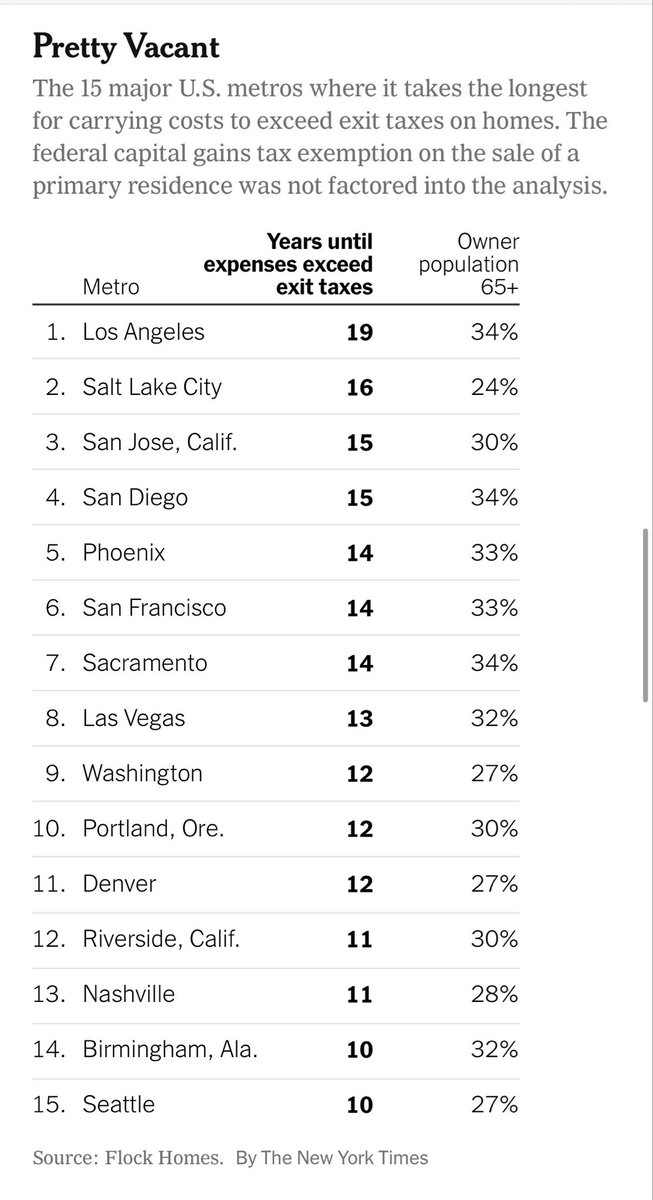
“In the Los Angeles area, for example, the average exit tax for homeowners 65 and older is $185,000, while the annual cost of insurance, maintenance and property taxes on a zombie home is only about $10,000, the data showed..” nytimes.com/2026/04/30/reale…
13
13
93
23,554
Daniela Perlein retweeted

Apr 10
How lucky we are to experience boring, ordinary, uneventful days. Somewhere in the world, that kind of safety is unimaginable.
102
28,834
152,793
1,969,756
Daniela Perlein retweeted

Apr 10
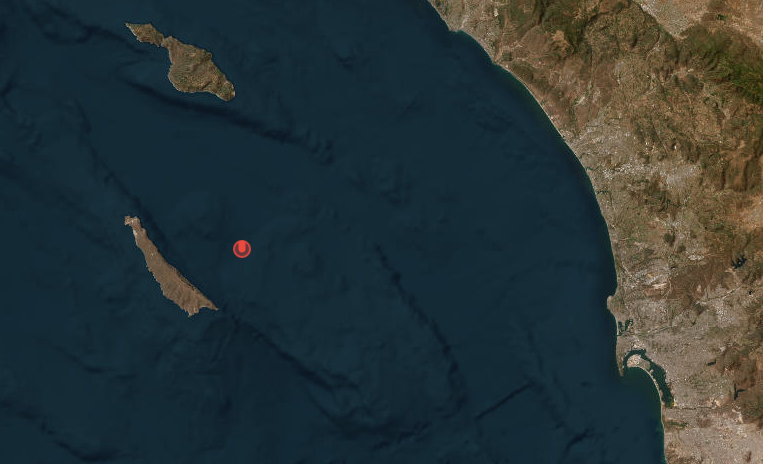
On our way to track @NASAArtemis using passive SONAR.
Stay Tuned
3
1
14
1,142
Daniela Perlein retweeted

Mar 15
living in a walkable neighborhood in LA is actually the best
20
40
897
36,890
Daniela Perlein retweeted

Mar 12
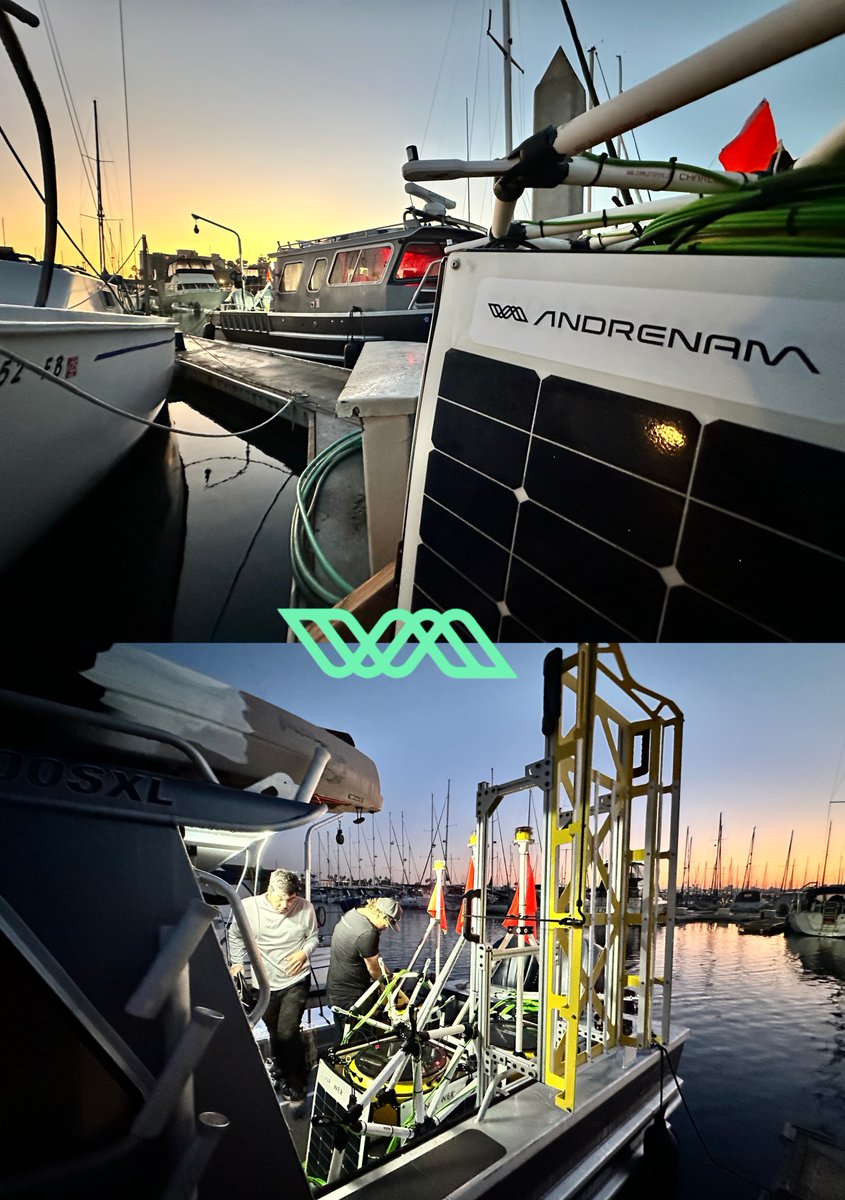
Solid Curtain '26 was a counter-UUV exercise that brought together multiple mission stakeholders and demonstrating teams to detect asymmetric underwater threats in semi-contested port environments.
The Andrenam team brought 12 buoys fully ready for the exercise. We deployed six across two locations and successfully detected several unmanned underwater vehicles in real time.
Mission success. More to come.
2
9
340
Daniela Perlein retweeted
Mar 10
Solid-state batteries are changing naval warfare. And the threats they enable are far harder to detect.
A post recently went viral claiming Iran's "Azhdar" UUV patrols at 18–25 knots with 4-day endurance and 600 km range.
This appears to be false, but the post went viral because the narrative is true. UUVs are a growing threat and maritime, as demonstrated by this crisis, is more important than ever.
And the stakes are high. Iran has long held the Strait of Hormuz as a pressure point; roughly 20% of global oil supply flows through a 21-mile-wide chokepoint.
UUVs capable of covertly laying mines in those waters would further threaten naval assets and escalate the conflict.
UUVs are already being deployed by multiple nations. Today's lithium-powered vehicles cover hundreds of kilometers and patrol for days. Solid-state batteries at 400 Wh/kg, and climbing, mean that gets dramatically better, cheaper, and more scalable this decade.
Sensing underwater is categorically harder than any other domain.
cUAS has radars, cameras, RF, microwave. The electromagnetic spectrum works for you in air.
Water kills RF. Acoustics are the primary detection modality, and littoral environments add clutter and complexity that open-ocean legacy systems were never built for.
Those legacy systems were designed to find large submarines in deep water. Not swarms of small autonomous vehicles near ports, chokepoints, and critical infrastructure.
As UUVs get cheaper, faster, and more autonomous - sensing is the defining gap.
cUUV is going to be a massive market.
Interdiction starts with detection. And detection underwater is still largely unsolved.
4
12
2,357
Feb 23
LFG, congrats @nunzi46 on Also Cap's $50M second fund! Mike moves fast and isn't scared of the truly hard/ambitious/messy stuff. Proud to play a small part!
Feb 23

We’re back with round 2!
Announcing @CapitalAlso’s second fund, $50M to catalyze founders solving hard problems
Was a ton of fun breaking the news with @tbpn @jordihays @johncoogan 🙏
We’ll share more detail tomorrow, but for now we made this graphic to celebrate 🚀

2
9
422
Daniela Perlein retweeted

Feb 14
Ultimately I have to be brave

148
27,466
133,405
7,359,292
Daniela Perlein retweeted

Feb 3
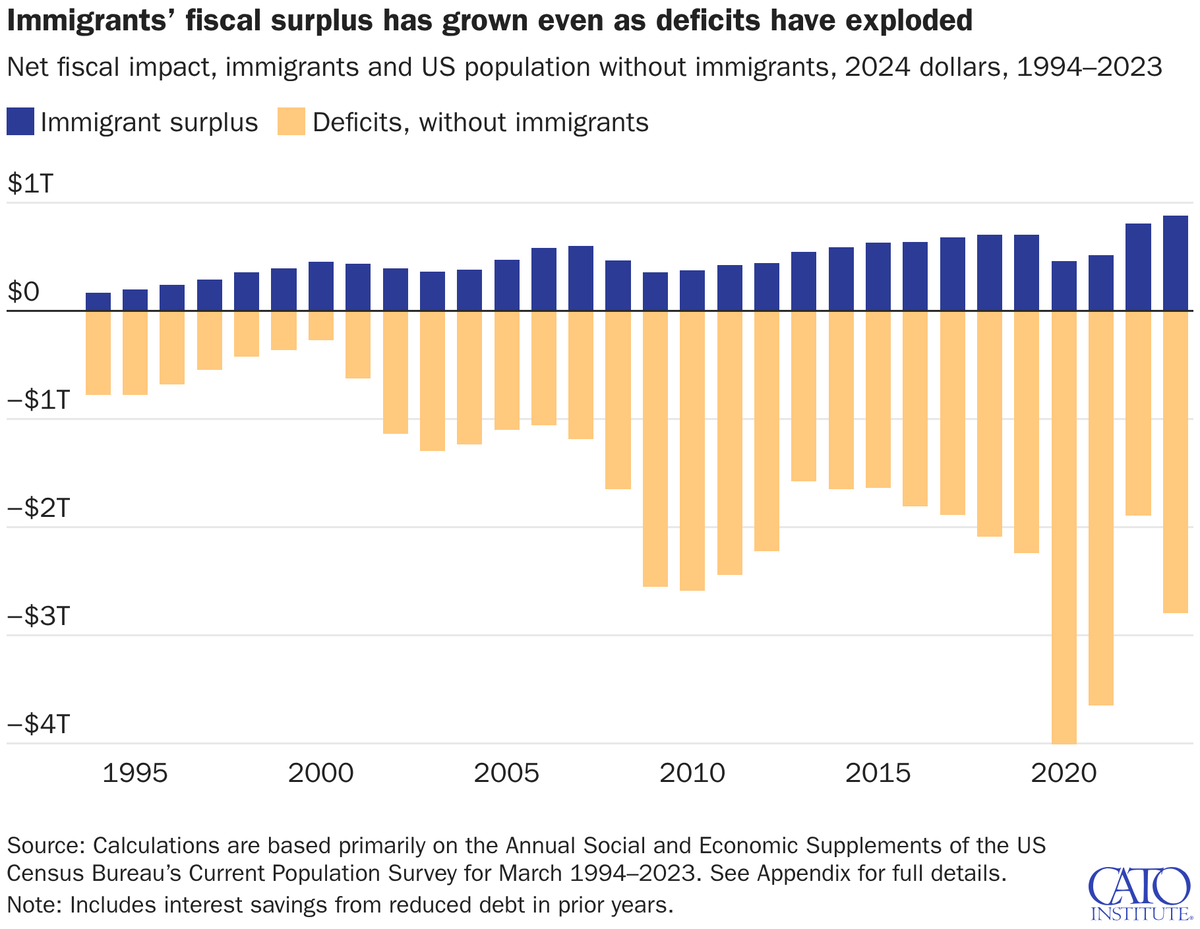
Today @CatoInstitute published our report providing the first look at the fiscal effects of the wave of legal & illegal immigration over the last 3 decades. It shows immigrants created surpluses every year, by a combined $14.5 trillion, even as deficits grew
469
1,908
4,651
919,752
Daniela Perlein retweeted

9 Oct 2025
Autonomy demands connection.
With the acquisition of @goTennaPro, the leader in low-bandwidth, tactical mesh networking, Forterra extends its edge platform integrating compute, communications, and control into a single resilient architecture.
This unified foundation enables connected autonomy across platforms, sensors, and operators, maintaining operational continuity when traditional networks fail.
Connected autonomy. Mission ready.
Check out the exclusive from @tectonicdefense.
tectonicdefense.com/exclusiv…

1
5
628
Daniela Perlein retweeted

9 Oct 2025
Remember when we said it had been a big week for @ForterraDrive? Well, it just got bigger. Forterra announced that they have fully acquired networking and secure comms company @goTennaPro for an undisclosed amount.
tectonicdefense.com/exclusiv…
1
3
410
Daniela Perlein retweeted

9 Oct 2025
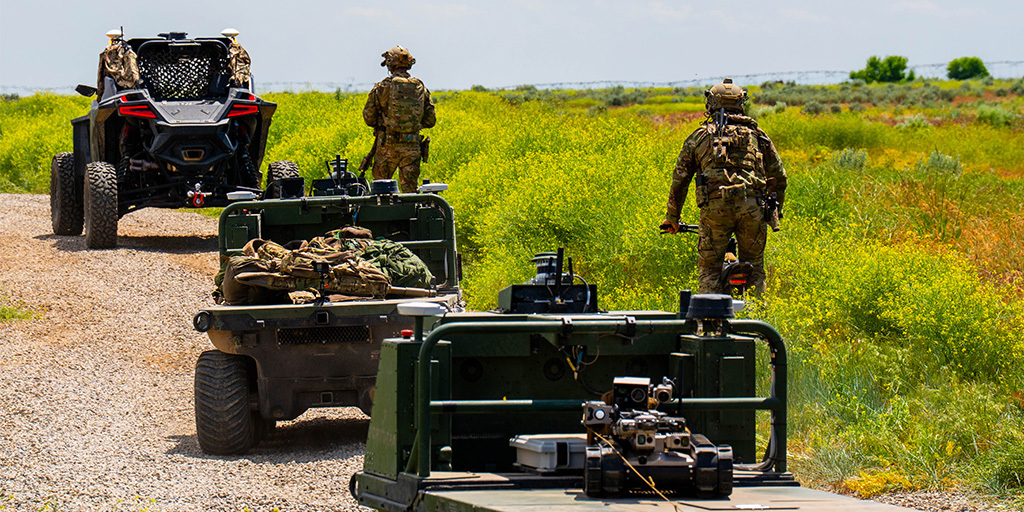
In a major step towards advancing decentralized situational awareness and resilient comms capabilities at the tactical edge @GroundAutonomy (Forterra) has announced the acquisition of @goTennaPro, the pioneer in #meshnetworking solutions. bit.ly/4o5W2nW
2
4
676
7 Oct 2025
Can’t think of anyone more locked-in. Long live multi-player banking; welcome @ourpools! Congrats, @amandapey & team.
6 Oct 2025

Two years ago today, we shut down Braid, and I wrote a long post about it that went unexpectedly viral.
The idea of a multi-user financial account kept nagging at me though, and in that time, no one else built a good one. So we got back to work.
Today is the day. We're kicking off the Pilot for Pool (@ourpools). We raised $4.5mm, and 70% of it came from fmr Braid investors. Link below to a deep dive from @alexrkonrad.
1
371
Daniela Perlein retweeted

6 Oct 2025
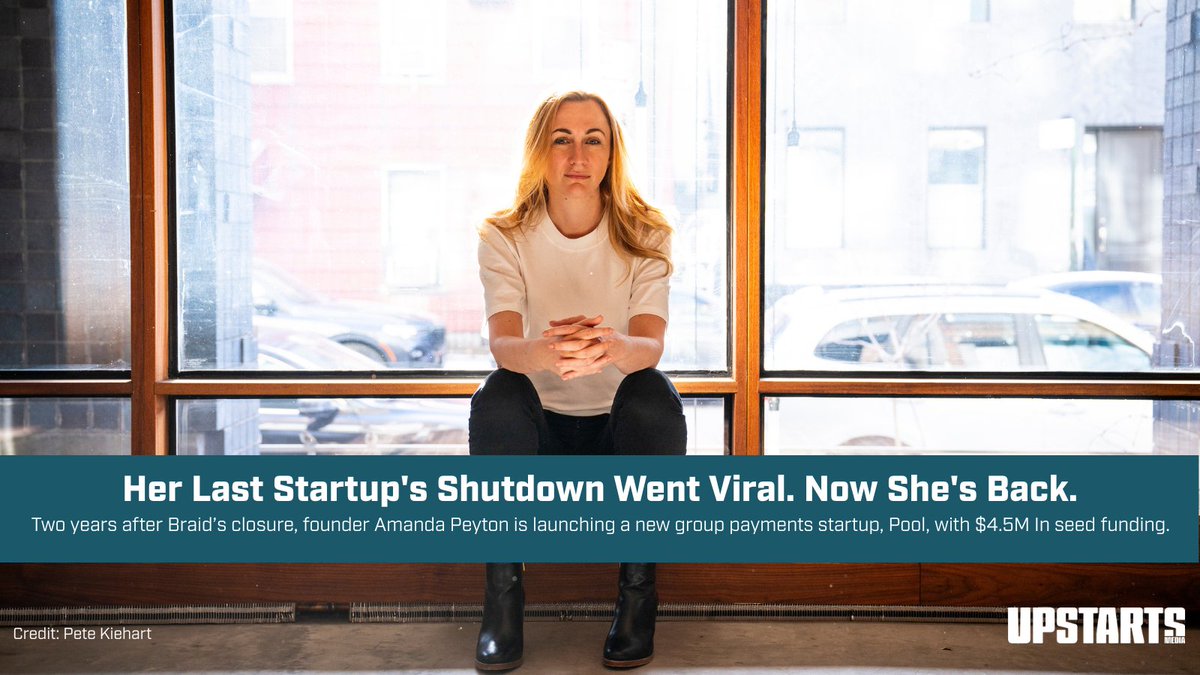
Exclusive: In 2023, Amanda Peyton went viral for an honest post about the closure of her startup, Braid.
Exactly two years later, she's back with another group payments startup, Pool. Pool launches today with $4.5M in seed funding, 70% of it from Braid's previous VC backers.
5
12
92
20,863
Daniela Perlein retweeted

23 Sep 2025
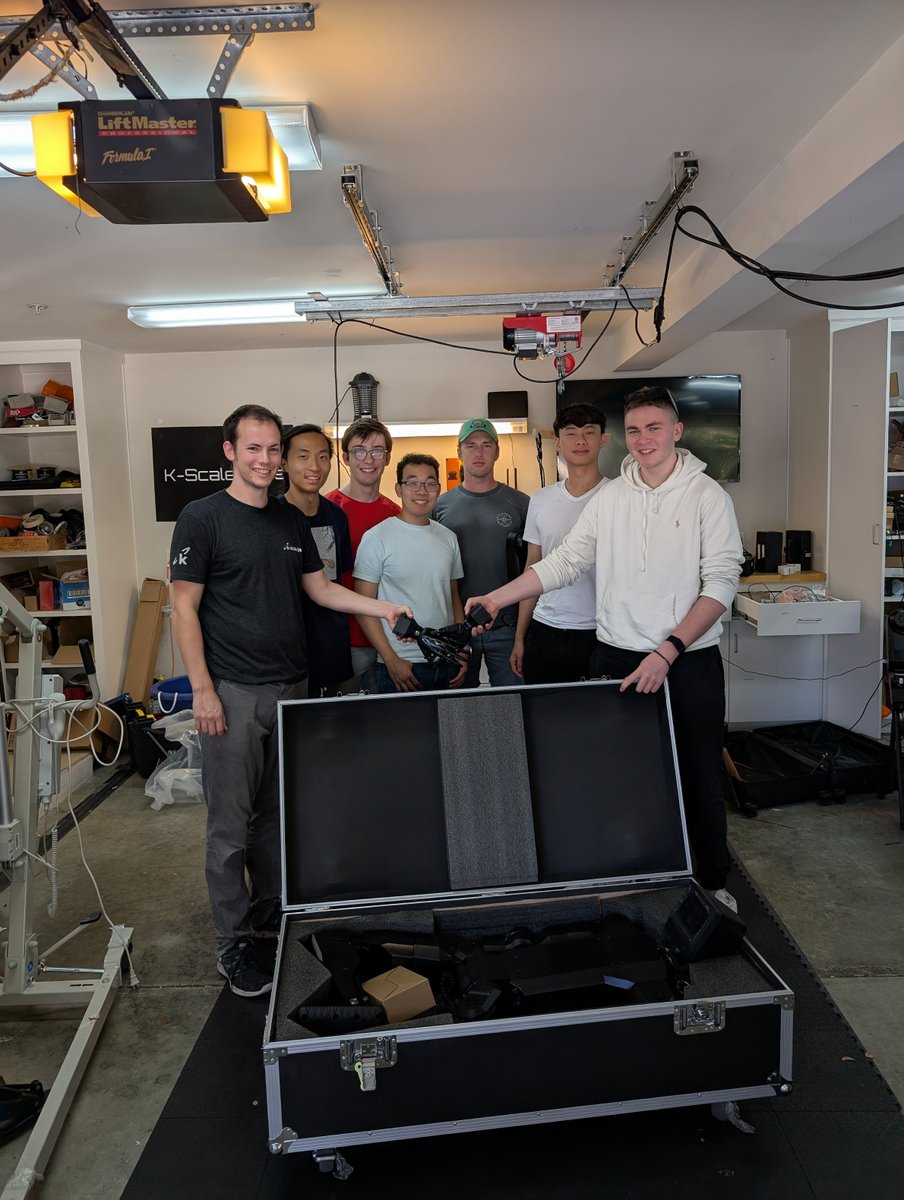
A truly HISTORIC day! A BIG congratulations to Harry O'Connor (@Harryoc493) on taking delivery of the very first K-Bot humanoid robot. A great patriot and a very smart man, one of the all-time smartest, many are saying - he knows a winner when he sees one! People are saying this is a historic moment, one for the history books. TREMENDOUS!

19
8
121
27,109
Daniela Perlein retweeted

18 Aug 2025
This is why academic science needs to die

TIL the original paper describing CRISPR, by Francisco Mojica, was rejected by 4 journals and took 2 years to be published

11
13
122
7,451
Daniela Perlein retweeted

30 Jul 2025
The Washington Post has published the known names of the 18,500 children killed by Israel in Gaza since Oct. 7th. At every 500th child, the Post tells you how many names of dead children you've read.
washingtonpost.com/world/int…

450
6,674
17,791
625,232
30 Jul 2025
I’ve had the opportunity to meet the @Herasight team over the last few months, really impressive work. Next-level screening for healthy embryo selection.
30 Jul 2025

1
7
953
7 Jul 2025
This time Bluetooth meshing will work! 😉

my weekend project to learn about bluetooth mesh networks, relays and store and forward models, message encryption models, and a few other things.
bitchat: bluetooth mesh chat...IRC vibes.
TestFlight: testflight.apple.com/join/Qw…
GitHub: github.com/jackjackbits/bitc…

2
4
513