
seed stage investor
Joined April 2009
- Tweets 168
- Following 158
- Followers 281
- Likes 204
7 Photos and videos
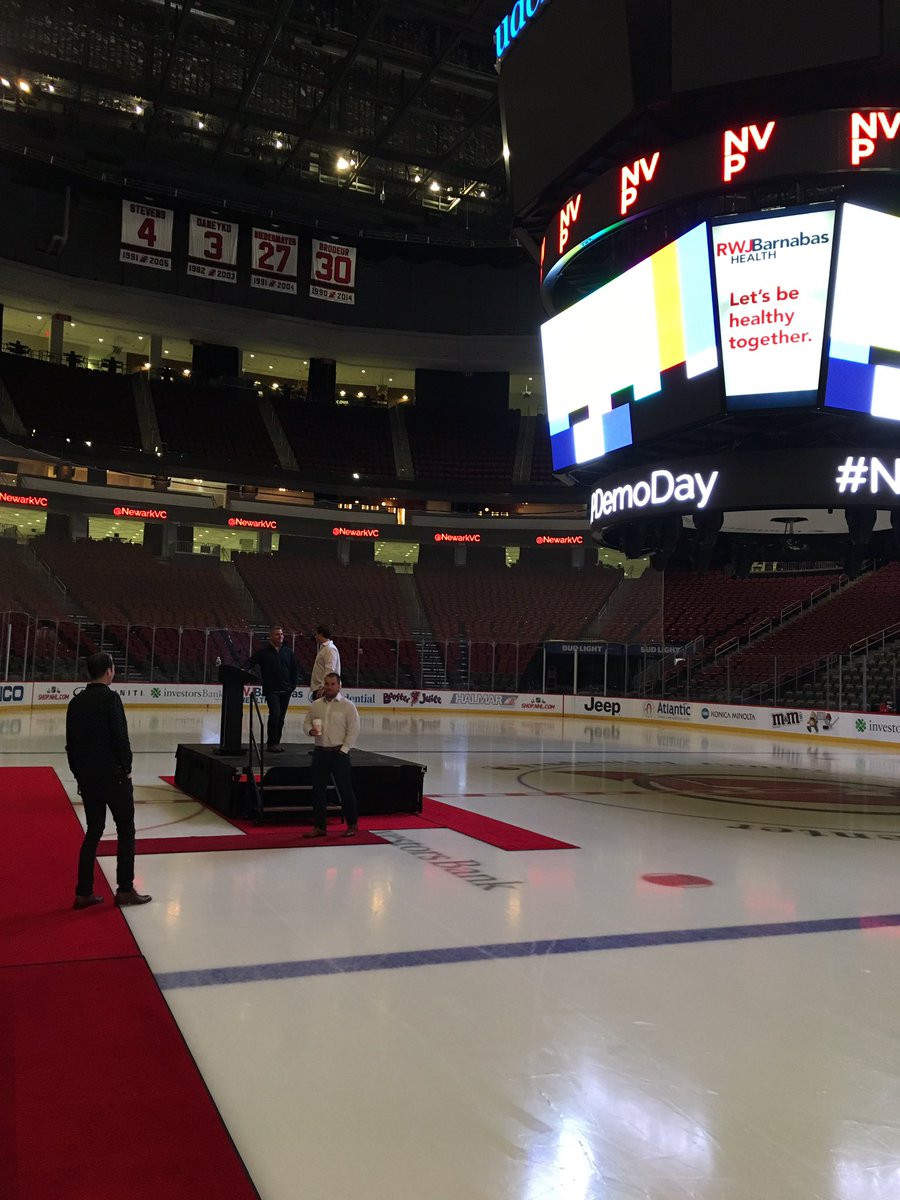
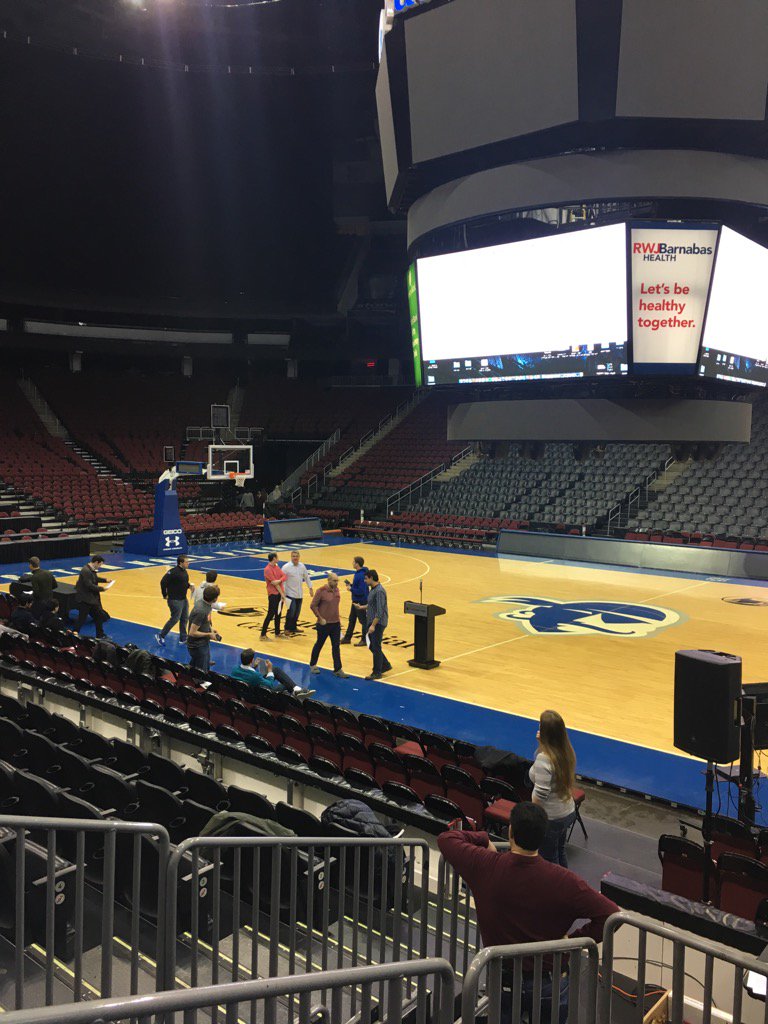
Being a @nyknicks fan in the 2000s was non-consensus…and finally right.
4

May 15
The @cerebras IPO is a win for their employees and investors. I'm neither! But I learned 2 things as a seed investor: 1) Cerebras was non-consensus in 2015 when it started, 2) The initial offering 2 years ago at 1/10 the price didn't go. Time tailwinds can change a lot.
36
May 7
We're seeing a ramp in early stage acquisitions, which was once a staple of venture-backed exits. Some of the same players are involved (Google, Meta), but now OpenAI, Anthropic, SpaceX and others are in the mix too. That's a positive for the ecosystem.
techcrunch.com/2026/05/01/me…
1
2
93
daniel borok retweeted

Apr 30
SquareMind raised $18M to put a robotic arm in dermatology clinics that scans your entire body in minutes.
The lead investor is the signal here. Sonder Capital, co-founded by Fred Moll. Same Fred Moll who founded Intuitive Surgical and built the Da Vinci robot, now a $160B business. Same Fred Moll who founded Auris Health and sold it to J&J for $3.4B. He keeps running the same playbook. The robot does not diagnose. The robot acquires. The doctor reviews and decides.
Why dermatology now? Because the bottleneck in skin cancer detection has been hiding in plain sight for nine years.
In 2017, Andre Esteva's Stanford team published in Nature. A neural network trained on 129,450 skin images matched the diagnostic accuracy of 21 board-certified dermatologists on melanoma classification. The AI was solved.
That was 2017.
Your dermatology appointment in 2026 is still a doctor visually scanning your body for ten minutes, comparing what they see to memory, with no standardized record from last year.
Nine years of model improvements. Almost no clinical deployment.
The reason is upstream of the AI. Esteva's CNN classified well-curated, cropped, dermatologist-selected close-ups of confirmed lesions. It needed someone to point a dermoscope at the right mole, with the right lighting, at the right angle, before it could do anything. Handheld dermoscopes capture one mole at a time. Manual and inconsistent across visits. Useless for time-series comparison.
Now look at what 80% means.
80% of melanomas are new lesions. Brand new ones that did not exist at the last appointment. The only question that matters in skin screening is what is here that was not here before. Skin cancer hits 20% of Americans. Melanoma diagnoses are up 42% over the last decade. No human can answer the change-detection question from memory across hundreds of moles on thousands of patients per year.
Swan acquires every square centimeter at dermoscopic resolution. Same angle. Same lighting. Same distance. Every visit. The AI does not classify lesions in isolation. It compares your back today to your back six months ago, flags what changed, and hands the dermatologist a sorted worklist.
The classifier was ready in 2017. The pixels weren't. SquareMind built the camera that AI dermatology needed nine years ago.
And the hardware is just the wedge. The longitudinal skin database it builds, patient by patient, visit by visit, is the actual company. Whoever owns the time-series of every mole on every patient becomes the infrastructure layer every dermatology AI tool runs on top of.
The robot is the trojan horse. The data is the moat.
13
26
267
73,878
May 1
I wrote about robotic automation in January, and a concern was historically slow development in the space. But, acceleration in funding in world models training data for physical AI in the last few months is impressive - time to update the thesis! nvpcap.com/blog/physical-ai-…
2
34
13 Nov 2025
Excited to share that we just closed our 2nd fund @nvpcap Fund II!
Our thesis is straightforward, the next generation of defining companies will be vertical AI. If you’re a founder on a mission to transform physical industries with AI let’s talk.
nvpcap.com/blog/nvp-capital-…
2
3
188
11 Nov 2025
Looking forward to the Stuyvesant High School Alumni Association | Stuy Tech Panel in NYC this week! stuyalumni.org/events/stuy-t…
2
53
daniel borok retweeted

31 Mar 2025
Hiring cracked sales reps in NYC.
DM me if you are/were any of these:
- competed in debate at national level
- tour guide for college campus tours
- sub 10% body fat
- 1000 lb (squat deadlift bench)
- summited a 14k ft mountain
- student government/fraternity president
- sold knives/solar/etc door to door
- completed 75 Hard
- paid your way through college
- eagle scout
- former military
- sub 4.5 sec 40yd dash
- sent 10,000 cold emails in your life
- global elite rank in Counterstrike 2
- D1 athlete
- sub 3 hour marathon
- 500 day streak on Duolingo
- Ironman finisher
58
17
476
87,646
10 Nov 2022
Awesome chance to hear a leader in the mobile QA space talk trends!
9 Nov 2022

Tomorrow is #mobiledevops22!
Tune in at 10:30am EST to hear our founder and CEO, Eden Full Goh, discuss mobile-first trends for 2023 alongside engineering leaders at @SlackHQ, @Meta, @Microsoft, and @Shopify.
Learn more here: mobiledevops.io/summit/agend…
1
5 Nov 2022
Great stuff on the importance of a consistent investment process. Process > Short Term Results!
5 Nov 2022

Today we have a generation of investors who have never worked through a financial macro crash.
This episode released today with @mjmauboussin is gold.
This too shall pass.
So much wisdom here 🔥 👇
thetwentyminutevc.com/michae…
2
4 Nov 2022
I had three CEO conversations yesterday w/ Series A stage companies where hiring is still the biggest challenge. At the same time it feels like cost cutting initiatives are growing in tech (both public and private) and more folks are available - I wonder when it will normalize.
27 Oct 2022
Insightful post from @seanforrestsims on selling into the industrial space - from a person who’s also worked in that space! The Blue Collar Tech Sales Playbook newarkventurepartners.com/bl…
1
27 Oct 2022
Great question. We’ve seen more success in offline industries starting w/ vertical software as a wedge into product info and sales flow. But it may also be vertical dependent.
26 Oct 2022

If you wanted to build an “all in one” platform for a given vertical, would you start by…
1) Building a marketplace to match supply/demand and then adding vertical software
2) Building vertical software and then layering on a marketplace
daniel borok retweeted

23 Oct 2022
If I were looking to join a high-growth startup or tech company right now, I'd come to NYC.
I spend hours every week combing through job postings, and there's an insanely high volume of quality roles here right now.
This is particularly true if you want to work in-office.
27
20
333
daniel borok retweeted

18 Aug 2022
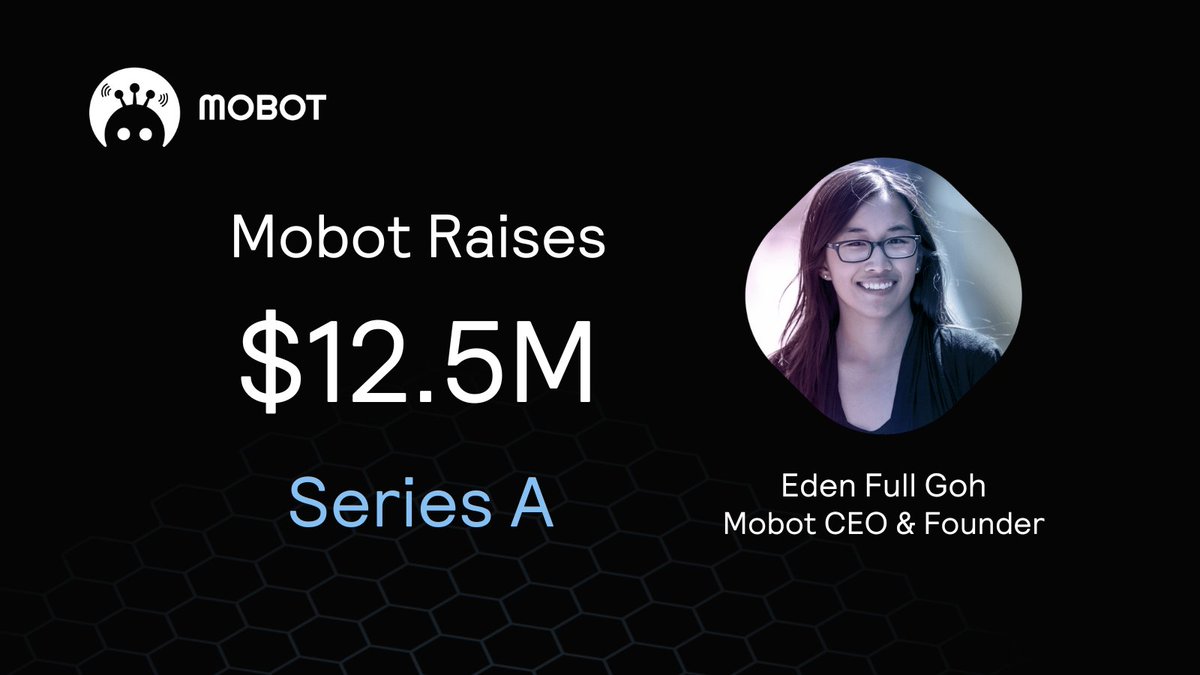
Exciting news! Today Mobot launched the first robot-powered QA platform for mobile apps and announced our $12.5M raise in Series A funding. Read more from Eden Full Goh about our announcement here: bit.ly/3K1qOM0
2
9
13
daniel borok retweeted

11 Jul 2022
Congrats to @QuilttFintech on their $4M raise as they work to lower technical barriers for innovators with their low-code #fintech infrastructure. NVP is proud to have co-led this round with @greycroftvc
11 Jul 2022

For businesses seeking low-code fintech infrastructure options, there’s a Quiltt for that tcrn.ch/3Ph1HGu by @christinemhall
2
1