
Product/UX design lead, Inventor, Artist, Heli Skier, Crepe Maker (not necessarily in order). My views are my own and not that of my employer.
Joined March 2009
- Tweets 18,224
- Following 2,858
- Followers 822
- Likes 38,930
655 Photos and videos







(((Daniel Schwartz))) 🇺🇸 retweeted

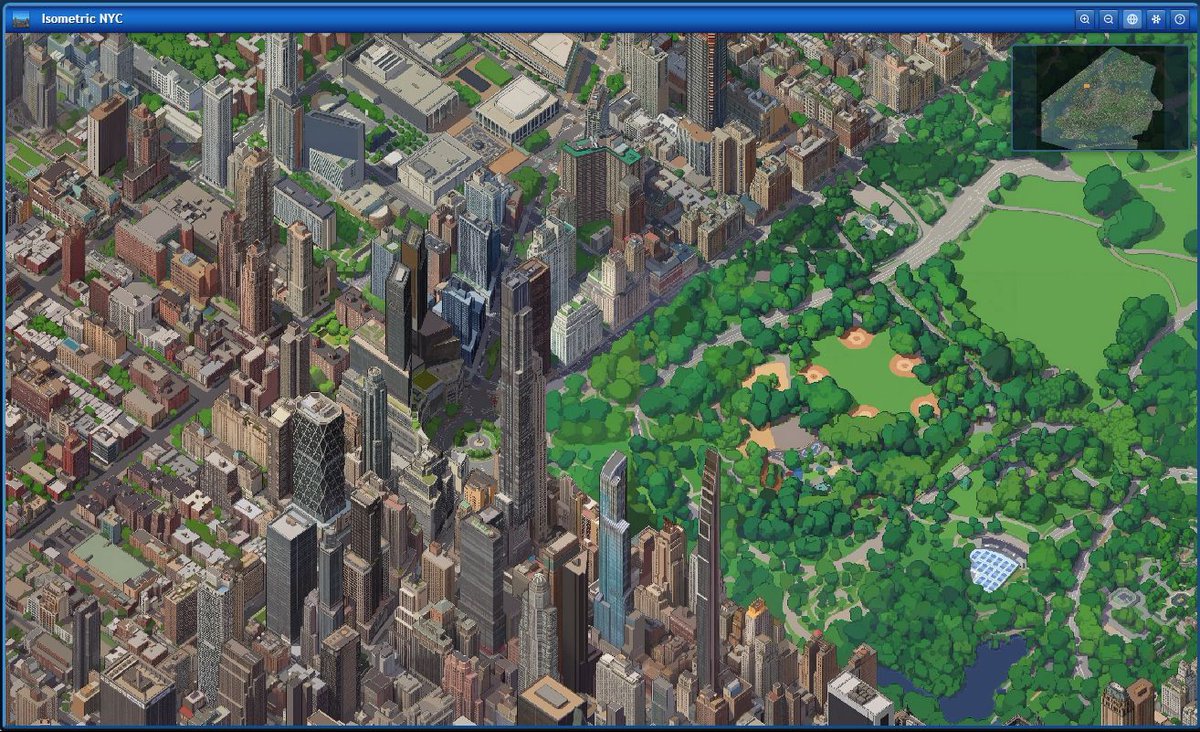
This is wonderful. This page turns New York into a massive, zoomable, SimCity-style pixel art map. You can explore the city block by block: streets, skyscrapers, parks, waterfronts, bridges and neighbourhoods. A beautiful rabbit hole for map nerds: isometric.nyc/
25
203
2,100
166,720
(((Daniel Schwartz))) 🇺🇸 retweeted

Jun 13
Fable isn't the first.
In 1999 the department of defense blocked exports of the PowerMac G4 for crossing the 1 gigaflop threshold.
Steve Jobs turned it into an ad.
211
1,608
20,278
1,582,633

(((Daniel Schwartz))) 🇺🇸 retweeted

Jun 12
I've been using baby gates wrong my entire life.

962
13,218
135,066
4,019,819
(((Daniel Schwartz))) 🇺🇸 retweeted

Jun 12
In 1963, New York City committed what one critic called an act of vandalism against its own soul. It tore down the most beautiful building it had ever built, and it has regretted it every day since.
The building was Pennsylvania Station, and for half a century it was one of the great rooms of the world...
It opened in 1910, designed by the architects McKim, Mead & White, and it covered eight acres in the heart of Manhattan. Its main waiting room was modeled on the Baths of Caracalla in ancient Rome, with ceilings that rose 150 feet into the air.
Sunlight poured down through vast steel-and-glass canopies onto the concourse below. To step off a train and walk up into that light was, for millions of arriving travelers, the moment New York announced itself.
A historian, Vincent Scully, famously wrote that, through it, one entered the city like a god. One scuttles in now like a rat...
Because in 1963, the railroad, losing money and sitting on immensely valuable land, sold the air rights above the station. The great building was condemned. Wave by wave, the pink granite columns were pulled down and dumped in a New Jersey swamp, and a low, windowless complex of Madison Square Garden and an office tower was built on top of the surviving tracks.
There was no law to stop it. At the time, nothing in New York protected a historic building from destruction, however beloved. Leading architects stood outside in protest as the demolition began. It made no difference...
But something came out of the loss. The destruction of Penn Station horrified the public so deeply that it gave birth to the modern preservation movement in America. New York passed its landmarks law in 1965, and that law would later save Grand Central Terminal from the very same fate.
In a way, Penn Station became more powerful in death than it had ever been in life.
It’s really true that we never truly know what we have until we lose it... the columns of Penn Station could not be saved. But every landmark that still stands in New York today stands partly because of what their loss awakened in the people who watched them fall.
Ada Louise Huxtable, the first architecture critic of The New York Times, wrote of the demolition in 1963: "The tragedy is that our own times not only could not produce such a building, but cannot even maintain it."
I started this newsletter because the people who came before us left us something extraordinary, and almost no one is teaching us how to see it anymore. Every week I try to. If that is something you would like to be part of, you can join here:
James-lucas.com/welcome
I write about beauty in all its forms. If you'd like to support the work, a paid subscription is what makes it possible.
73
493
3,261
409,157
(((Daniel Schwartz))) 🇺🇸 retweeted

Jun 12
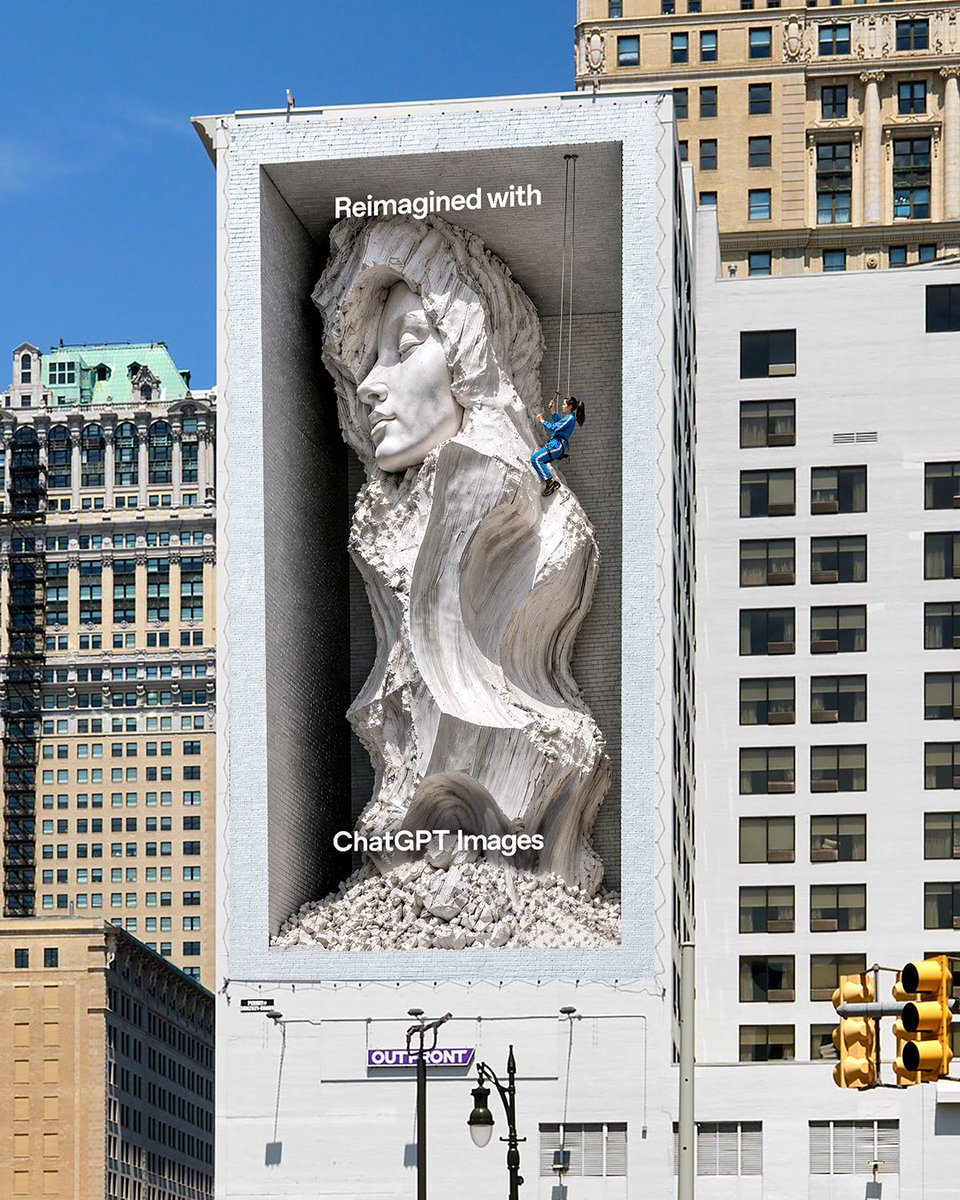
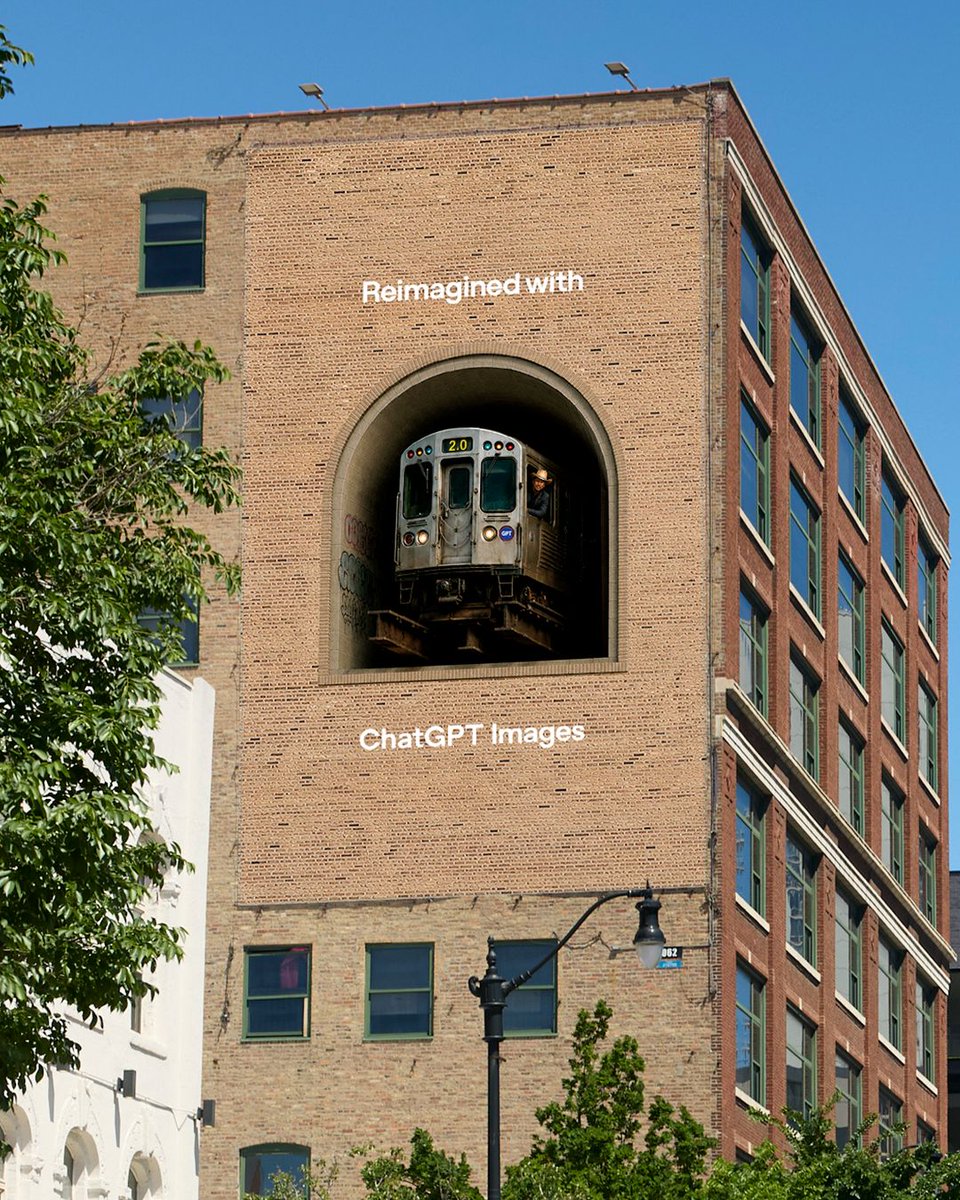
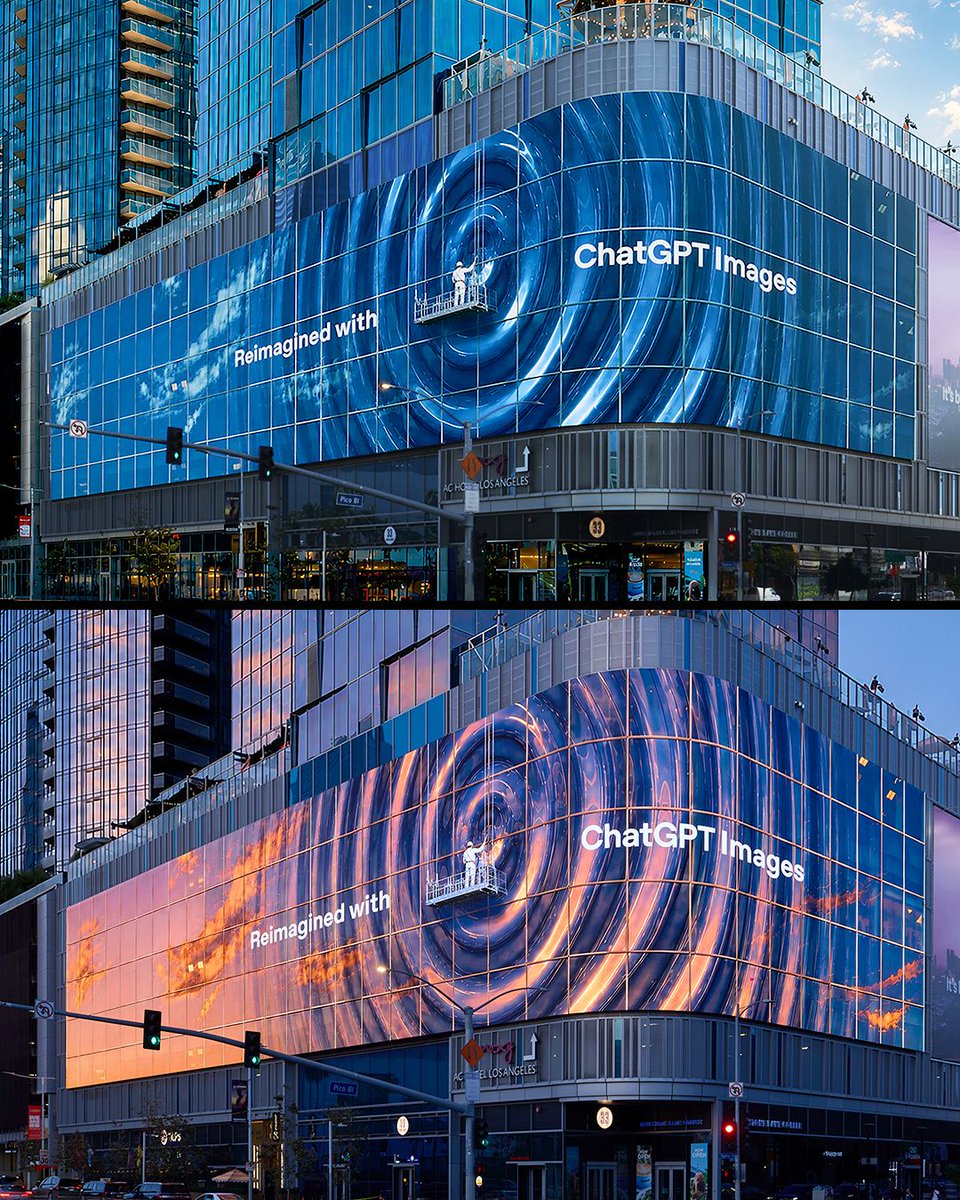
wow sick new billboards from openai

94
248
5,112
2,820,513
(((Daniel Schwartz))) 🇺🇸 retweeted

Jun 12
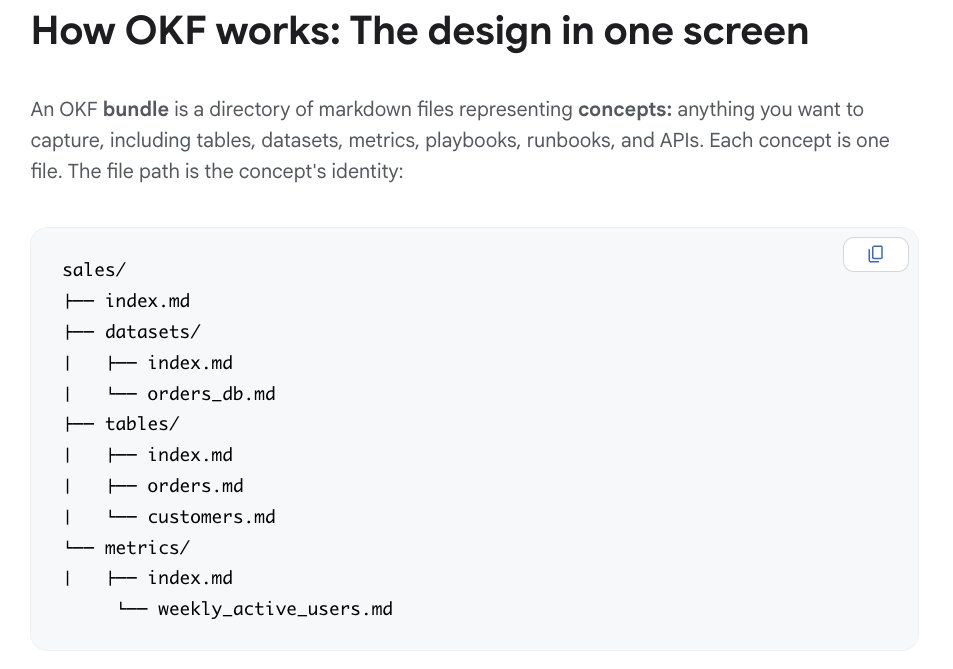
This is really big news. Google introduced the Open Knowledge Format (OKF) - a standardized way to store information in a directory of markdown files. Makes it really easy to make a digital brain that agents can use.
These files can serve as a living wiki. You can give agents the ability to query them or edit them. They can interlink.
Seems to me this could replace Notion or Obsidian. I can think of so many uses for this.
Google's blog post: cloud.google.com/blog/produc…
An easier to understand explanation is the SPEC.md file:
github.com/GoogleCloudPlatfo…
I gave those two links to Antigravity and asked how we could use it for any of the projects we're working on. It came up with so many ideas. I would imagine Claude Fable 5 would whip up some pretty amazing things based on this system.
Currently creating an OKF library of our pepper garden. It's going to be a fun weekend.
166
810
6,628
954,764
(((Daniel Schwartz))) 🇺🇸 retweeted

Jun 11
Lmao would anyone even notice this in SF?
I want to hear more about wireflow honestly…
118
457
12,812
1,299,331
(((Daniel Schwartz))) 🇺🇸 retweeted

Jun 10
I asked Fable 5 to recreate Monopoly but make each of the properties an AI lab or startup.
It implemented everything - game rules, money system, turns, even share codes for multiplayer games.
Once you have a monopoly, you can build racks and eventually a data center 🤓
120
135
2,197
424,366
Work with Erica!
Jun 9

Rounds have been so so expensive at preseed/seed... this quarter has been brutal
If you're just ideating/thinking about raising or closing a round under $20M post, DM us!
Actively investing & we look for very untraditional backgrounds that most of venture avoids
38
(((Daniel Schwartz))) 🇺🇸 retweeted

Jun 8
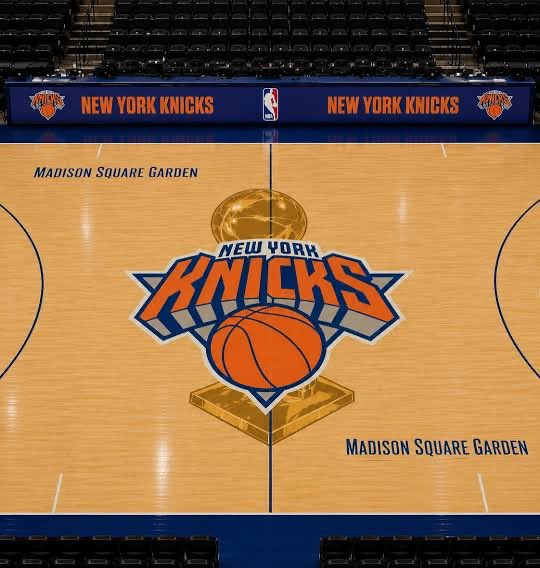
Michael Doret, a graphic artist born in Brooklyn to a Jewish family, is the designer of the iconic New York Knicks basketball logo.
8
60
472
32,766
(((Daniel Schwartz))) 🇺🇸 retweeted

This little kid completely won my heart! 🥺❤️
29
333
4,555
130,316
(((Daniel Schwartz))) 🇺🇸 retweeted

Jun 5
Reminder for all young parents:
You only get:
- 1 Summer with your baby
- 3 with your toddler
- 9 with your child
- 5 with your teenager
This time is precious. Don’t rush it.
158
2,503
28,703
927,106
(((Daniel Schwartz))) 🇺🇸 retweeted

Jun 5
We’ve achieved glass on the web ✨
Real refractions. Real DOM. And it works everywhere. Yes, even on Safari.
aave.com/design/building-gla…
233
372
5,323
1,401,000
(((Daniel Schwartz))) 🇺🇸 retweeted
Jun 2
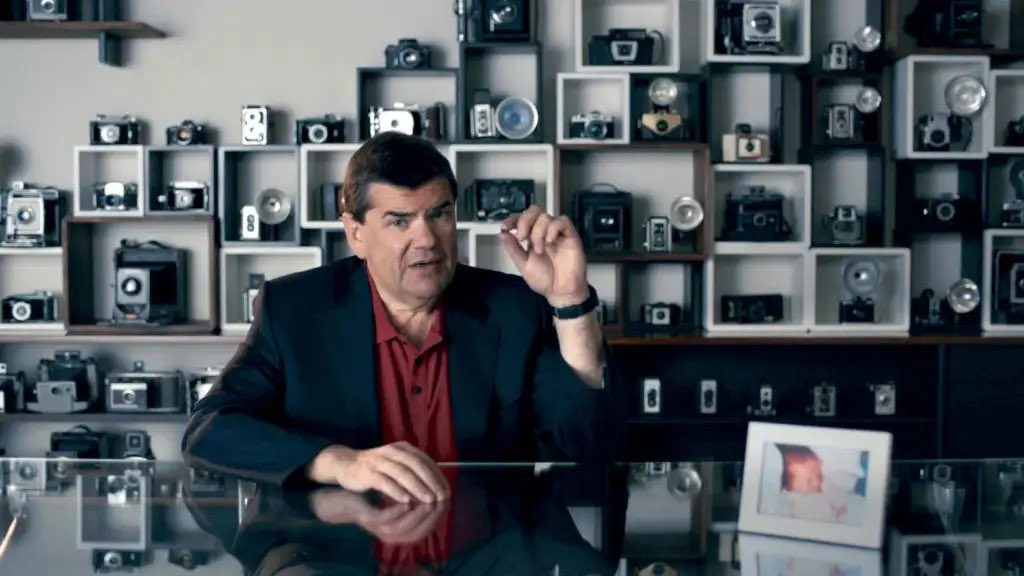
French born Jewish innovator Philippe Kahn created the first camera phone in 1997. In a California hospital,he rigged a digital camera,cellphone,and laptop to instantly share a photo of his newborn daughter via cell networks. Launching the era of mobile photography.
6
64
299
5,258
(((Daniel Schwartz))) 🇺🇸 retweeted

Jun 2
B&H Photo, one of the world’s largest photo, video and electronics retailers and one of the most successful Jewish-owned businesses in America, announced that it will award a company-wide bonus to employees in recognition of their hard work and dedication.
In a memo sent to staff, CEO Menashe Horowitz thanked employees for helping the company navigate a challenging retail environment and praised their commitment throughout the year.
The company said all employees will receive an additional week of wages as a bonus, amounting to millions of dollars distributed across its workforce. B&H also announced that its annual raise cycle is approaching, with salary increases expected to be approved in the coming weeks.
Founded in New York in 1973, B&H has grown into a global retail powerhouse serving customers worldwide while remaining firmly rooted in its Jewish values. The company employs thousands of workers and is widely known for closing on Shabbos and Jewish holidays despite its massive scale.
The announcement was welcomed by employees as another example of the company’s commitment to sharing its success with the people who helped build it.

6
13
188
11,267
(((Daniel Schwartz))) 🇺🇸 retweeted

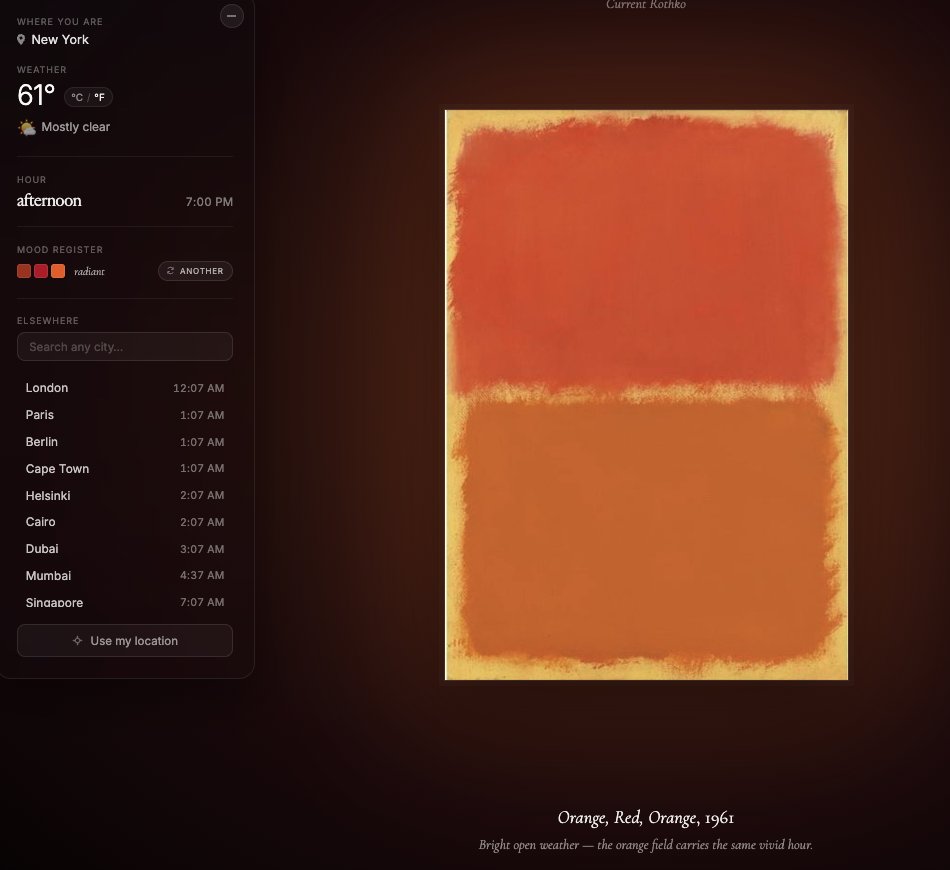
See a (very accurate) Rothko for how the weather feels, wherever you are.
rothko.joonas.wtf/
13
59
878
57,958
(((Daniel Schwartz))) 🇺🇸 retweeted

At an aquarium in Japan, after closing time, some clever little otter pups help their grandpa tidy up their toys. As a reward, he gives them ice cubes
1,644
30,910
266,288
9,021,452