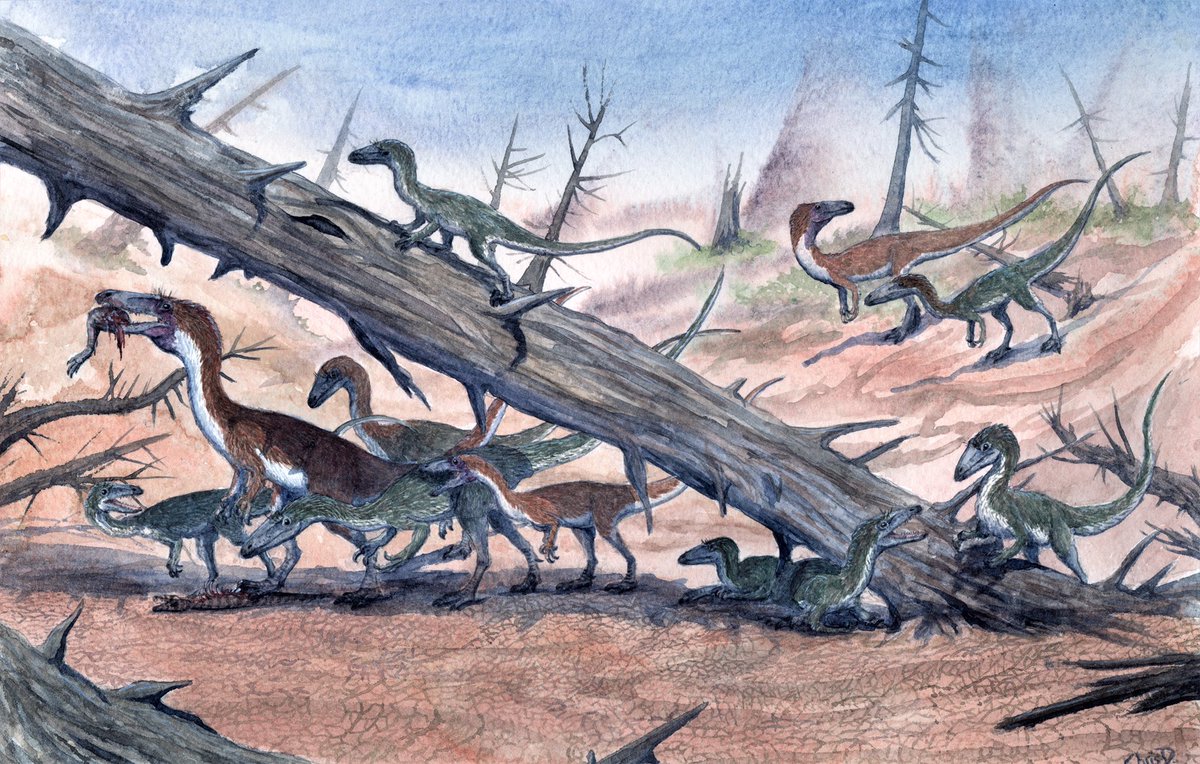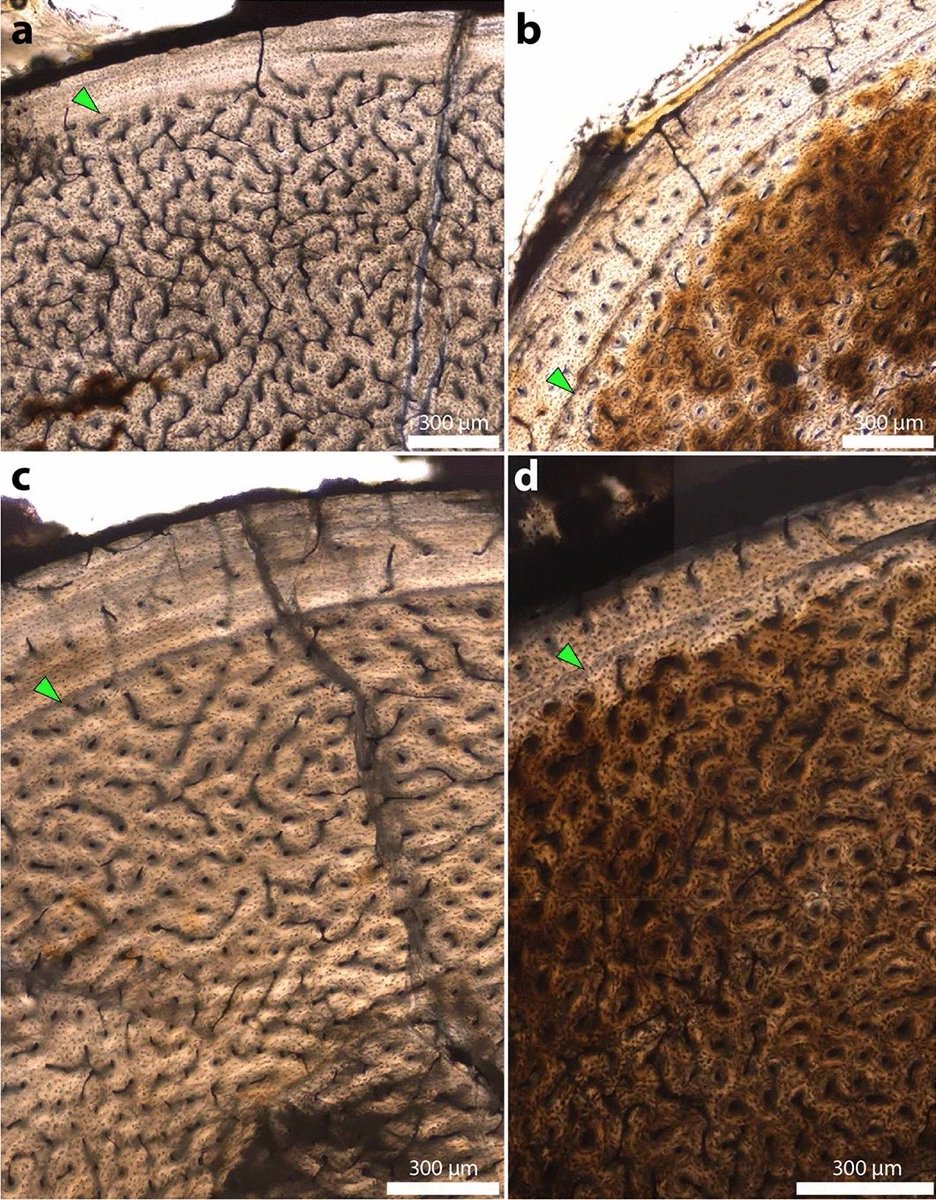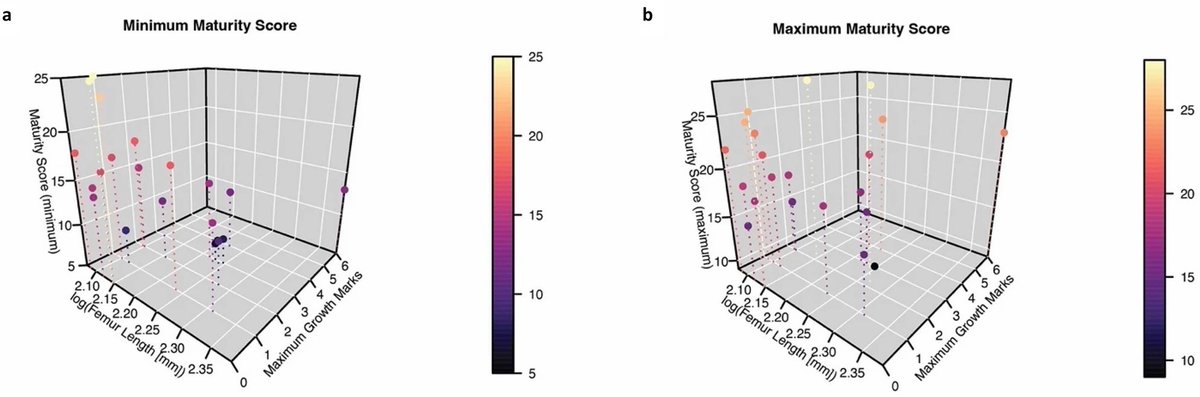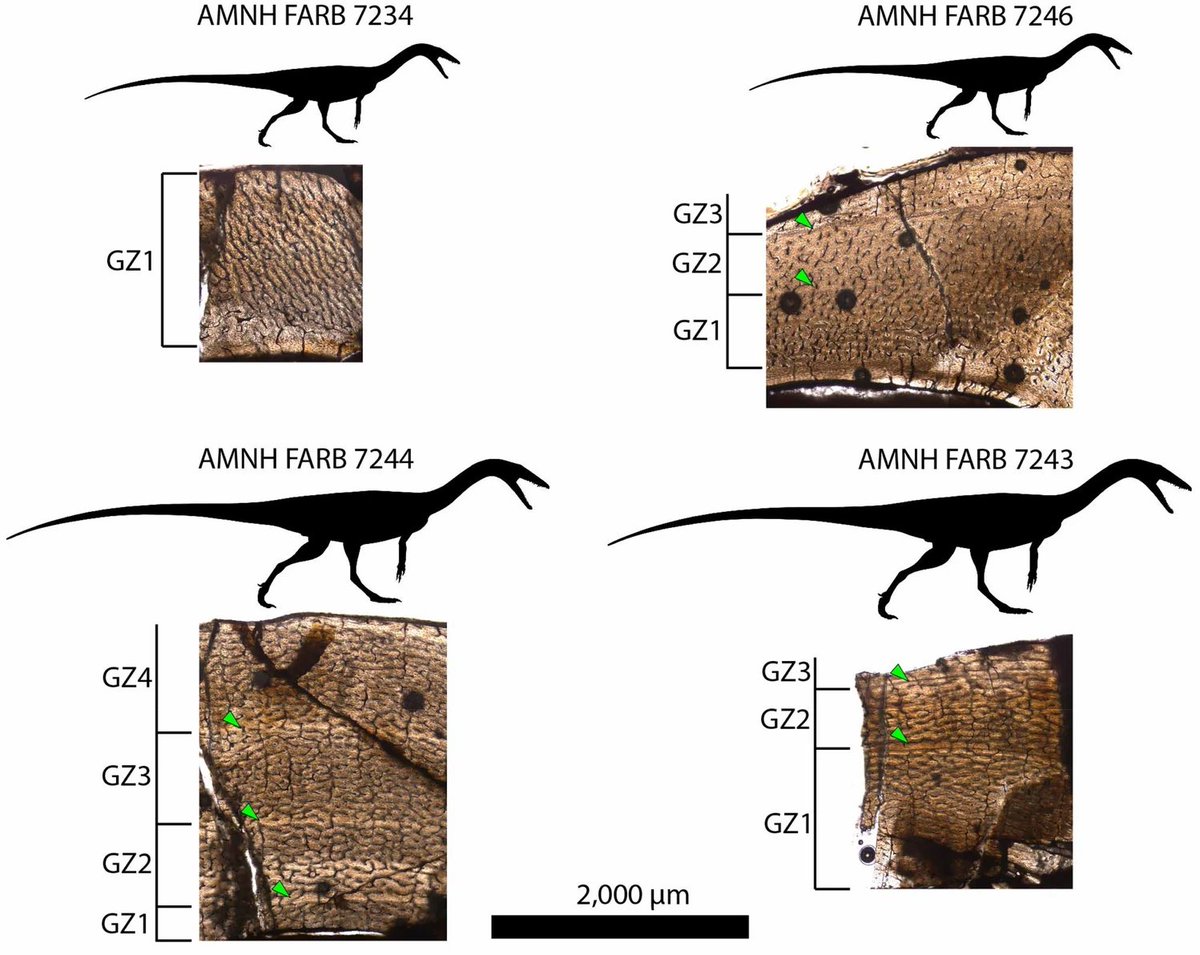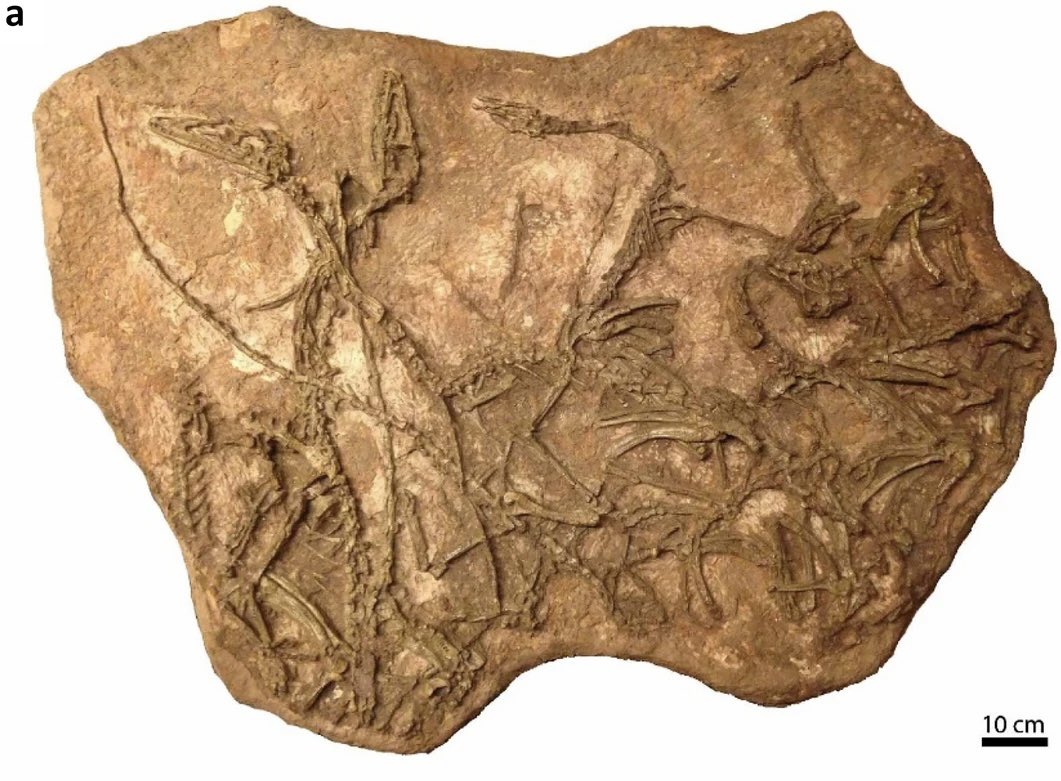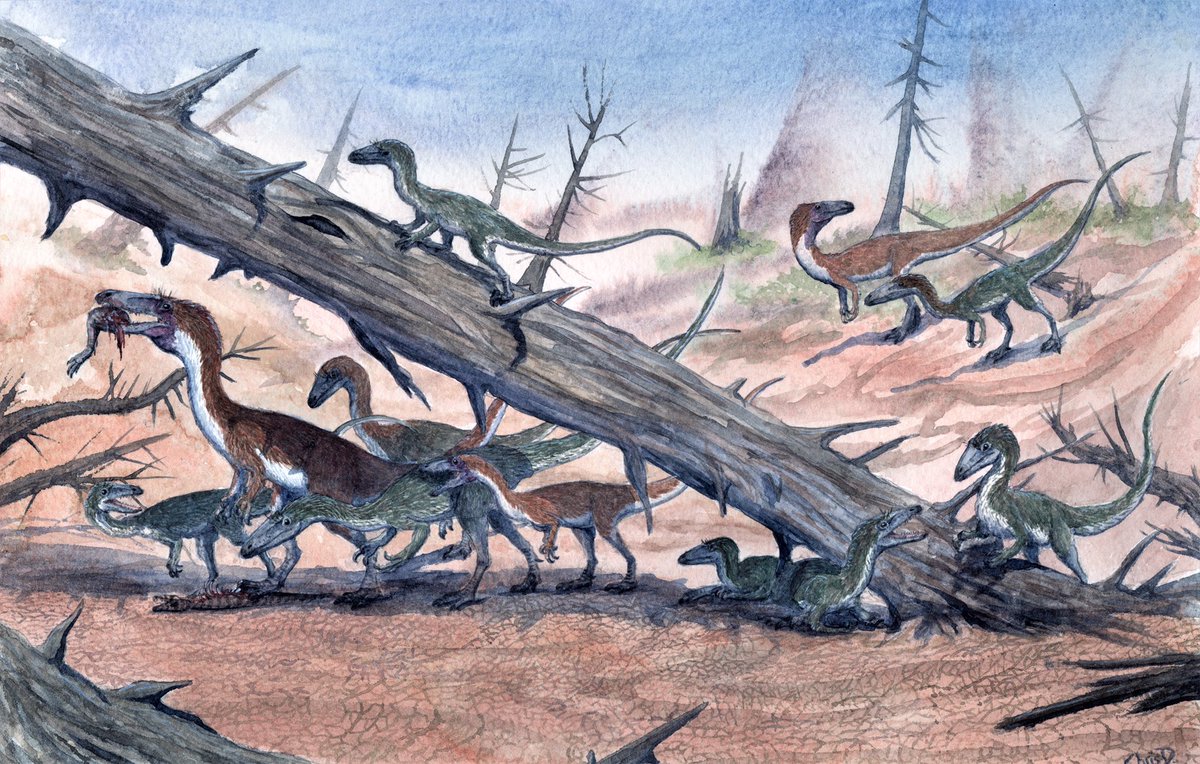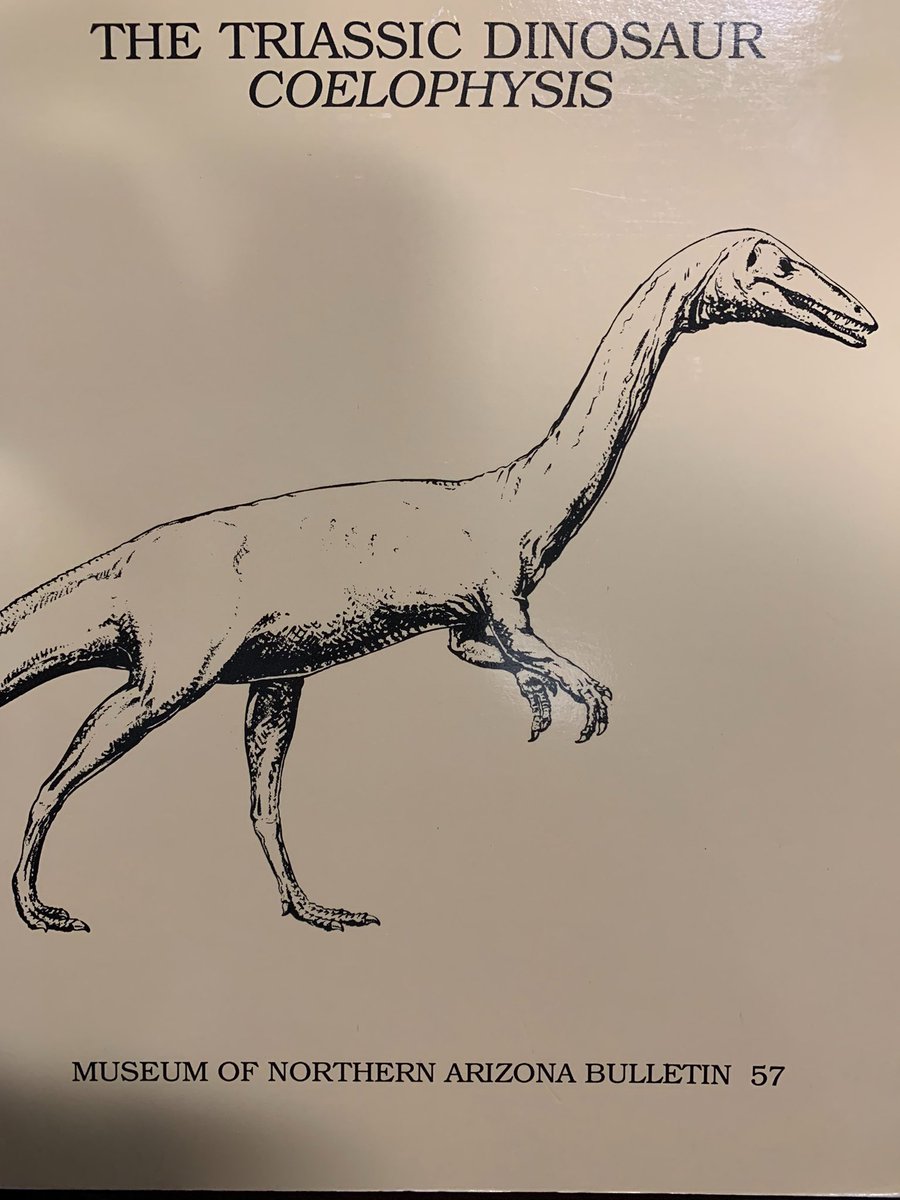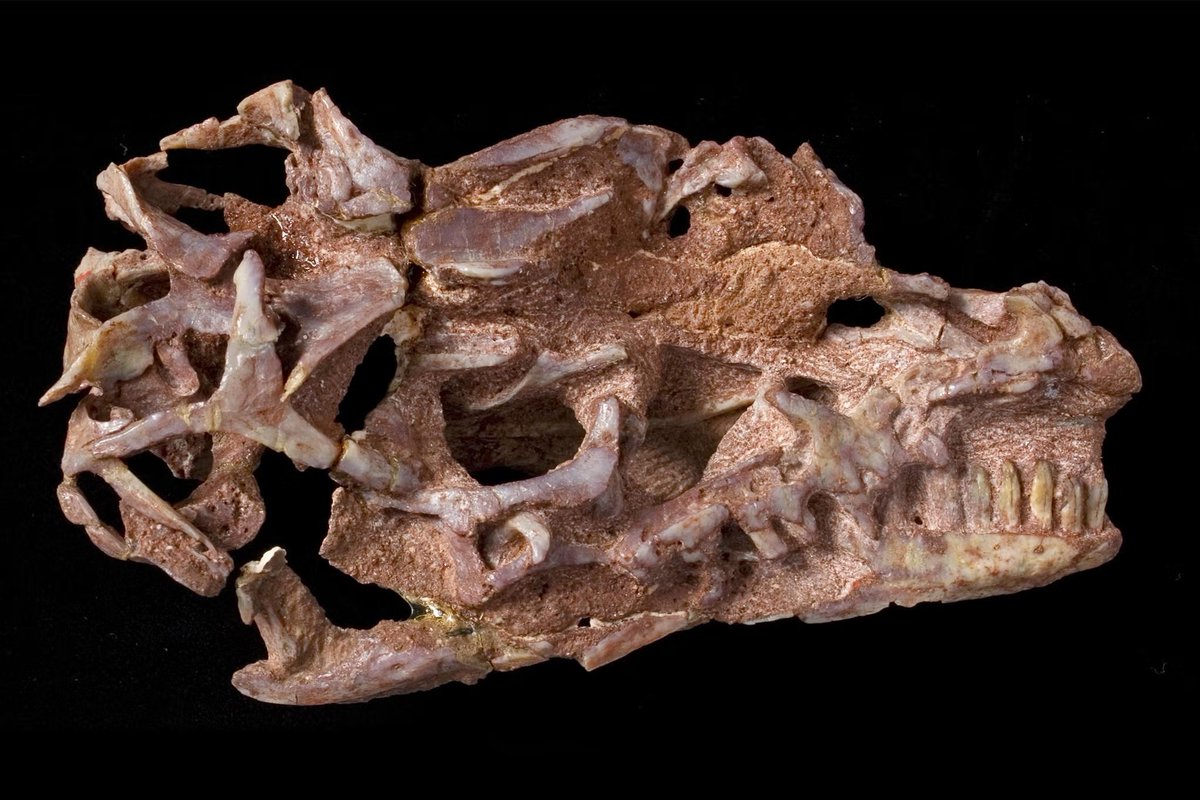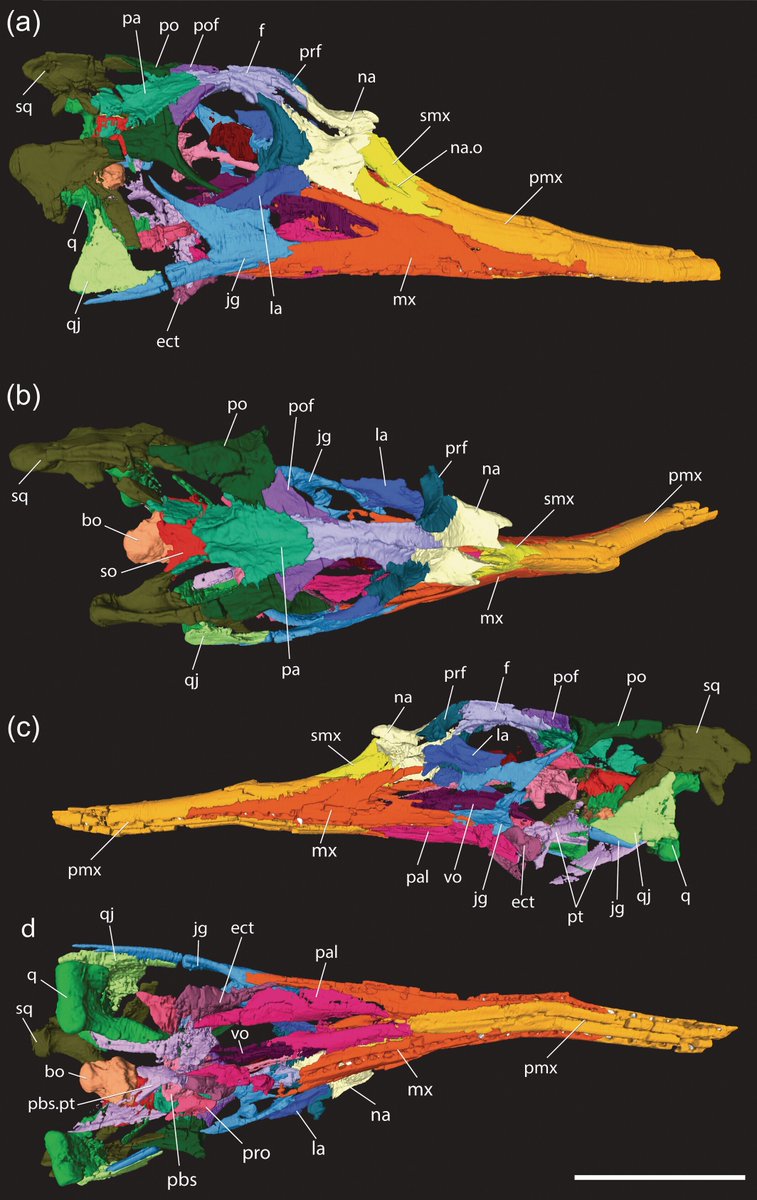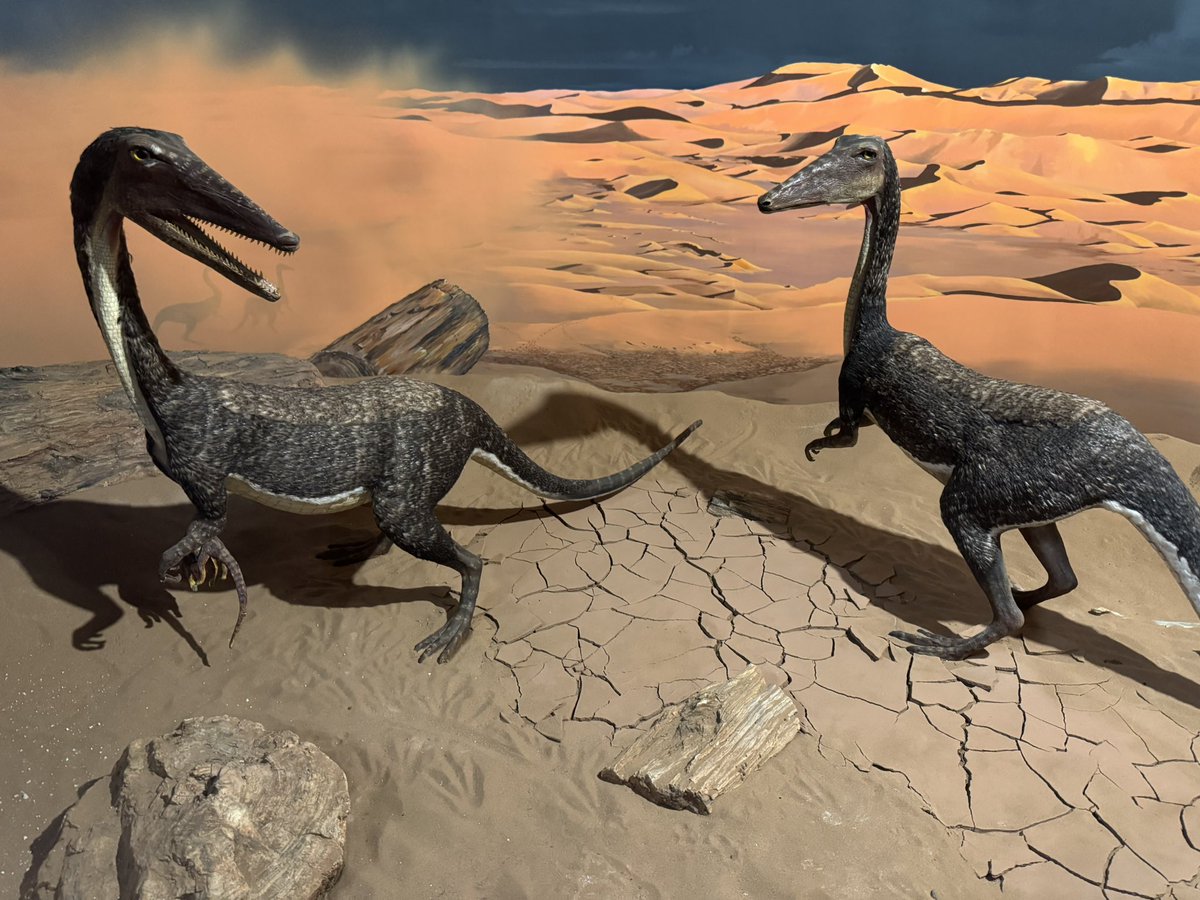
NEW PAPER: Our large-scale osteohistological analysis of a population of the Late Triassic theropod dinosaur Coelophysis bauri from the famous Ghost Ranch, New Mexico quarry is now published in @SciReports! Gorgeous new artwork by @ChrisDPiazza. 🧵/20 nature.com/articles/s41598-0…
ALT An illustration of 11 Coelophysis dinosaurs of varying sizes and ages scrambling over or standing underneath a giant fallen log. The largest Coelophysis is eating the leg of a crocodylomorph while others look on hungrily.
1/10 🚨🚨🚨 New paper on dinosaur evolution! Chris Griffin and I look at why we can't seem to figure out how the major groups are related! It might be a hint about how dinosaurs came to be! Photo: Anchisaurus @yalepeabody#dinosaurs#biologydoi.org/10.1098/rspb.2026.01…
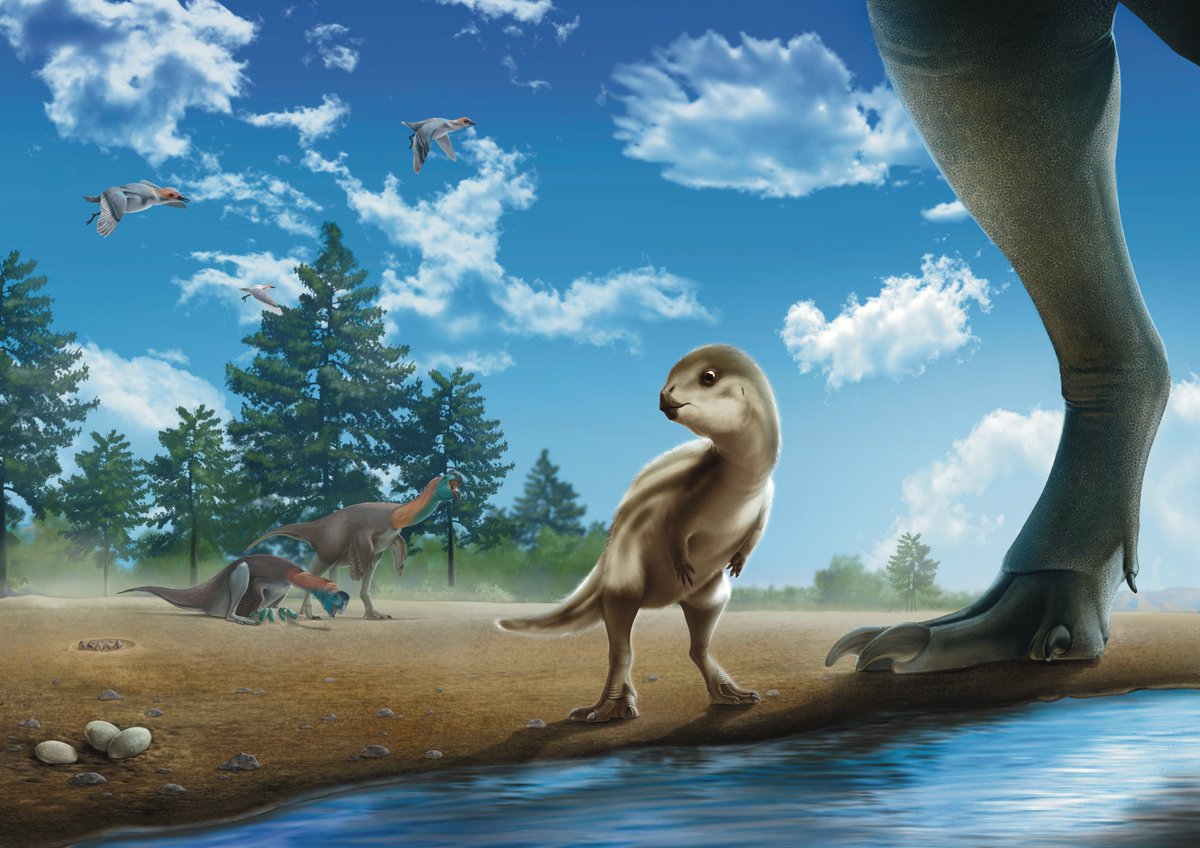
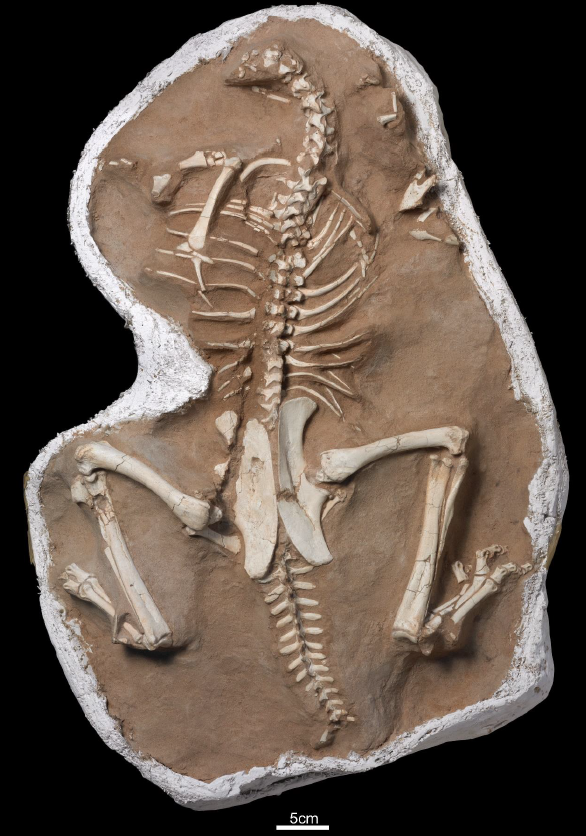
🦕 A new species of baby #dinosaur discovered from South Korea's Aphae Island has been named after one of the most beloved cartoon characters in the country: Dooly.
Check out our latest blog post to learn all about this exciting discovery: blog.pensoft.net/2026/03/19/…
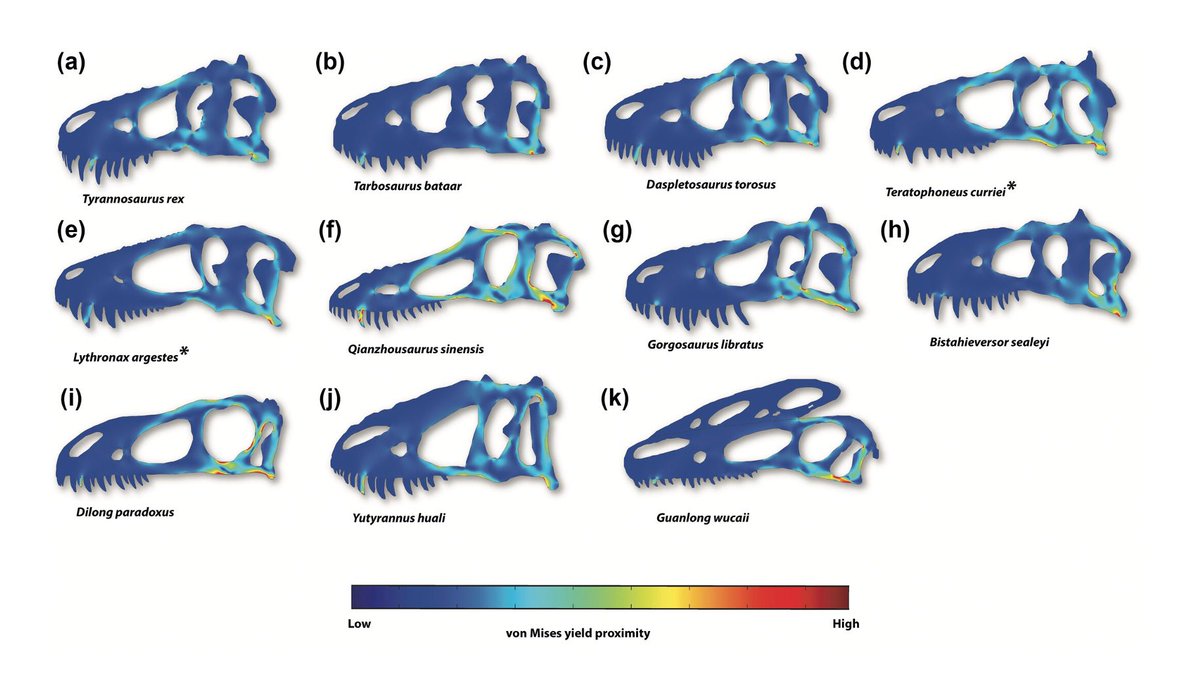
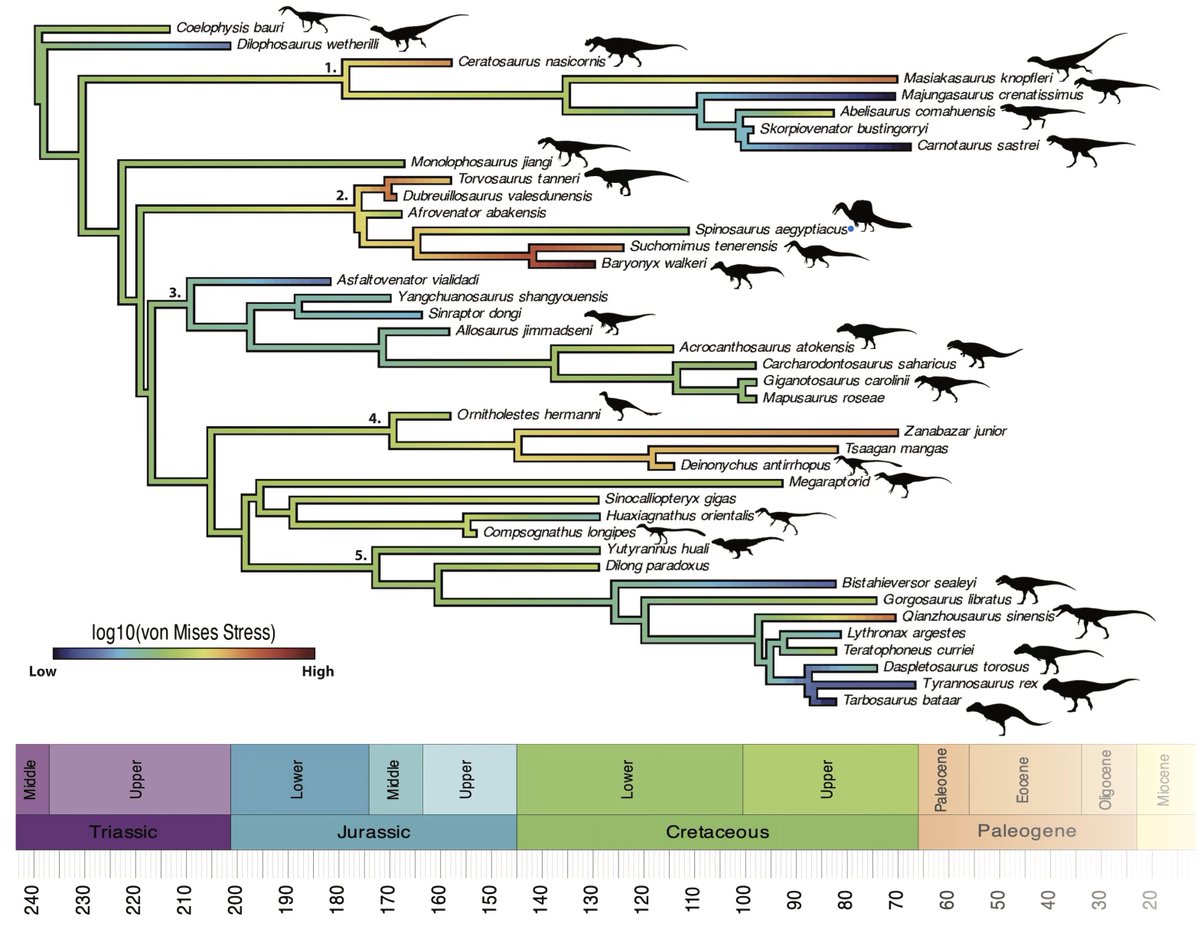
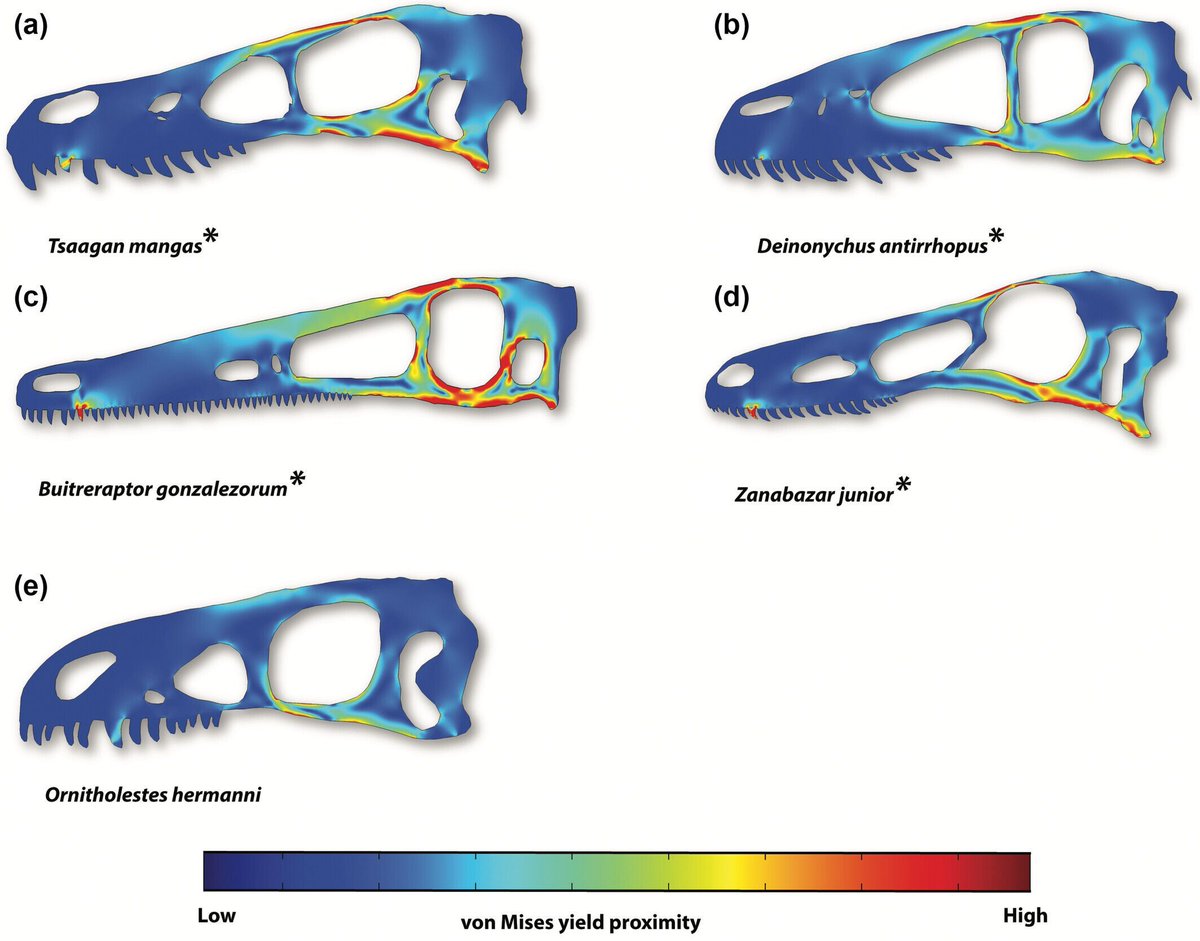
For #FossilFriday I’m pleased to announce our new paper on investigating the cranial performance and evolution of feeding behavior in tyrannosauroids and other theropods. Here’s a thread on some of our major findings. #Dinosaurs#Paleontology#Tyrannosaurus#Theropods
When scaled at equalized forces and skull lengths, tyrannosauroids had lower stress magnitudes than non-tyrannosauroid theropods, indicative of specialized predation capability.
New research by Evan Johnson-Ransom et al.: anatomypubs.onlinelibrary.wi…
Johnson-Ransom, E., Gignac, P., Barta, D. E., Felice, R. N., & Snively, E. (2026). Comparative cranial biomechanics reveal macroevolutionary trends in theropod dinosaurs, with emphasis on Tyrannosauroidea. The Anatomical Record, 1–41. doi.org/10.1002/ar.70126
New research on juvenile Redondasaurus fossils from Chinle Fm. reveals that immature phytosaurs show a mosaic of traits seen in both early and late-diverging species. Links b/w growth & morphological evolution in Phytosauria
Goldsmith & Stocker:
anatomypubs.onlinelibrary.wi…
OSU-CHS Student Abdullah Gohar’s study of 43-million-year-old whale fossils reveals these ancient creatures had large brains and keen smell - before they were fully aquatic. Full story here: bit.ly/4ojDamh#Paleontology#Research
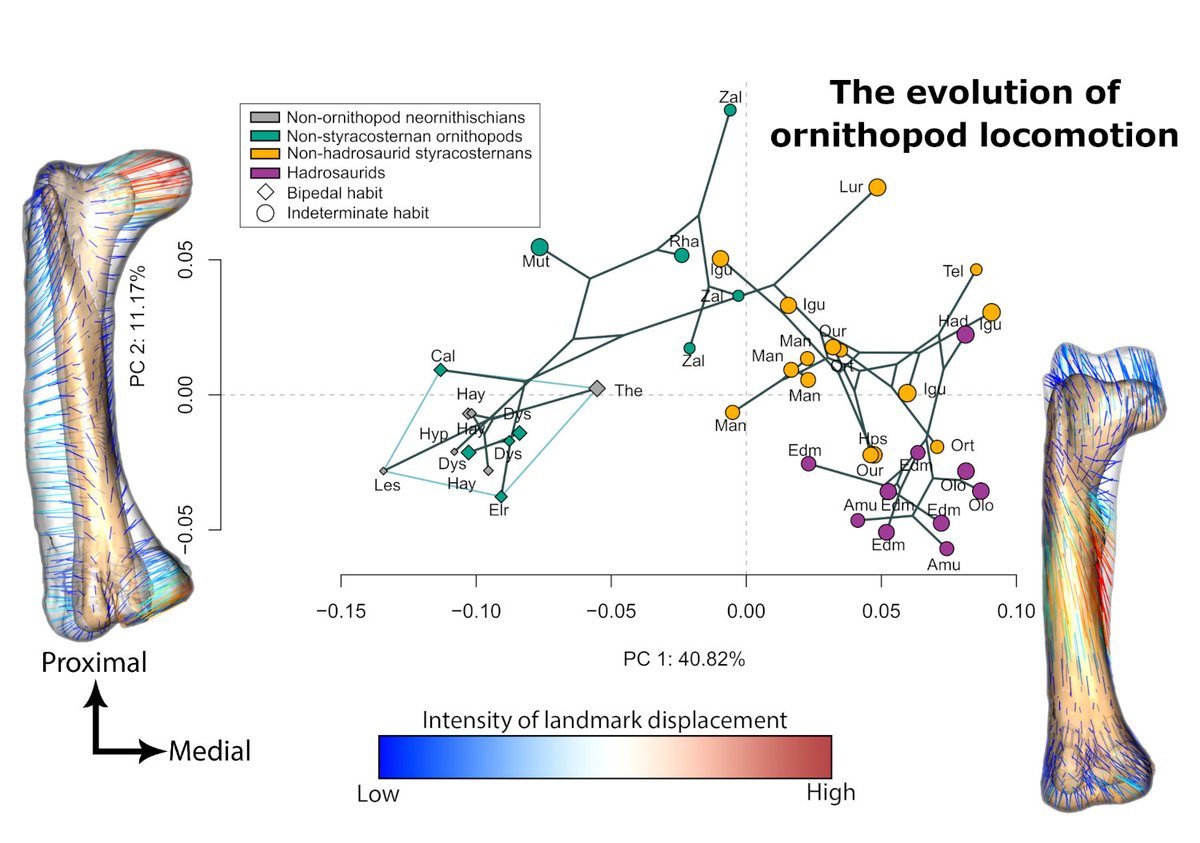
ALT Plot in the centre shows the first two PC axes in the phylomorphospace of variation in theoretical shape of ornithopod limb bones. Different colours indicate different groups (non-ornithopod neoornithiscians in grey, non-styracosternan ornithopods in green, non-hadrosaurid styracosternans in yellow and hadrosaurids in purple). Bipedal taxa are shown as diamonds and those of indeterminate habit as circles. The vertical axis represents PC2, and the model on the left indicates landmark displacement between the two end members (low displacement in blue; high displacement in red; see scale at bottom). Model on the right shows a similar picture for the horizontal, PC2 axis.
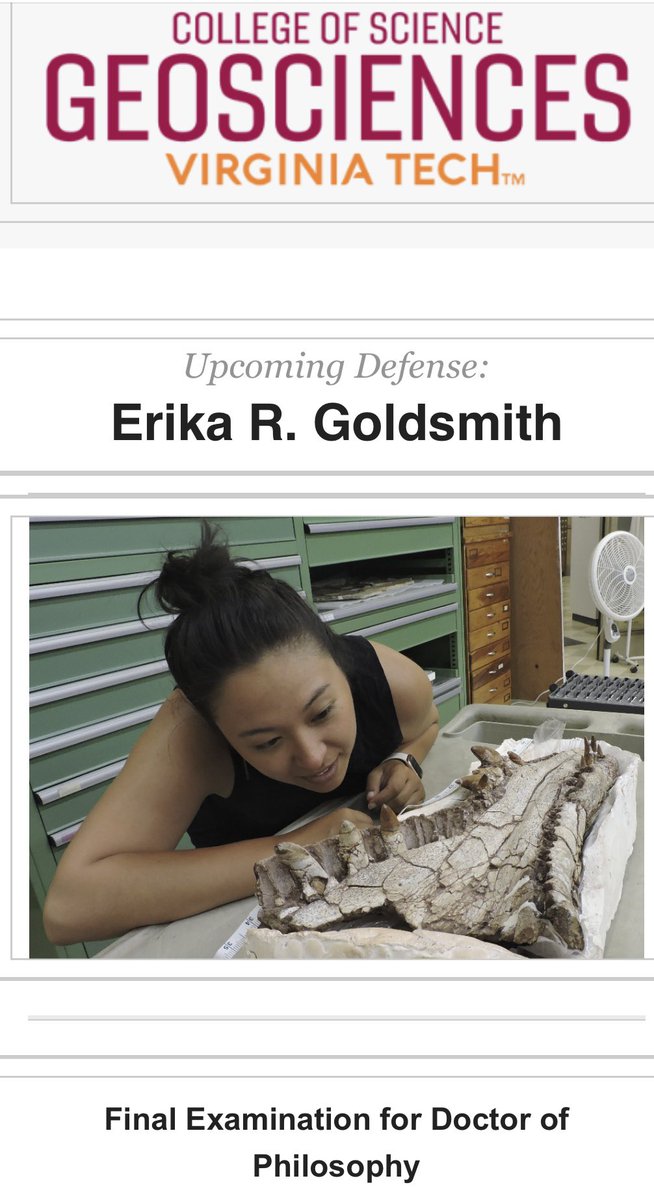
Soooooo it’s happening! I’ll be defending my PhD dissertation next week, April 23rd @ 9:30am EST- if you would like to attend (in person or via zoom) to learn about #phytosaurs and some #crocodylians please send a DM for more details
Many theropods shortened their arms and lost fingers. How did they do it?
Our @GeosciencesEd student Milly Mead, in her first paper, looks into oviraptorosaurs.
Turns out, arm shortening and finger loss were decoupled!
royalsocietypublishing.org/d…
Happy to see that our description of two beautiful specimens of the enigmatic oviraptorid dinosaur, Conchoraptor, was just published in AMNH Novitates: bioone.org/journals/american…
(We're aware of the formatting issue in some figures, and are working on amending)
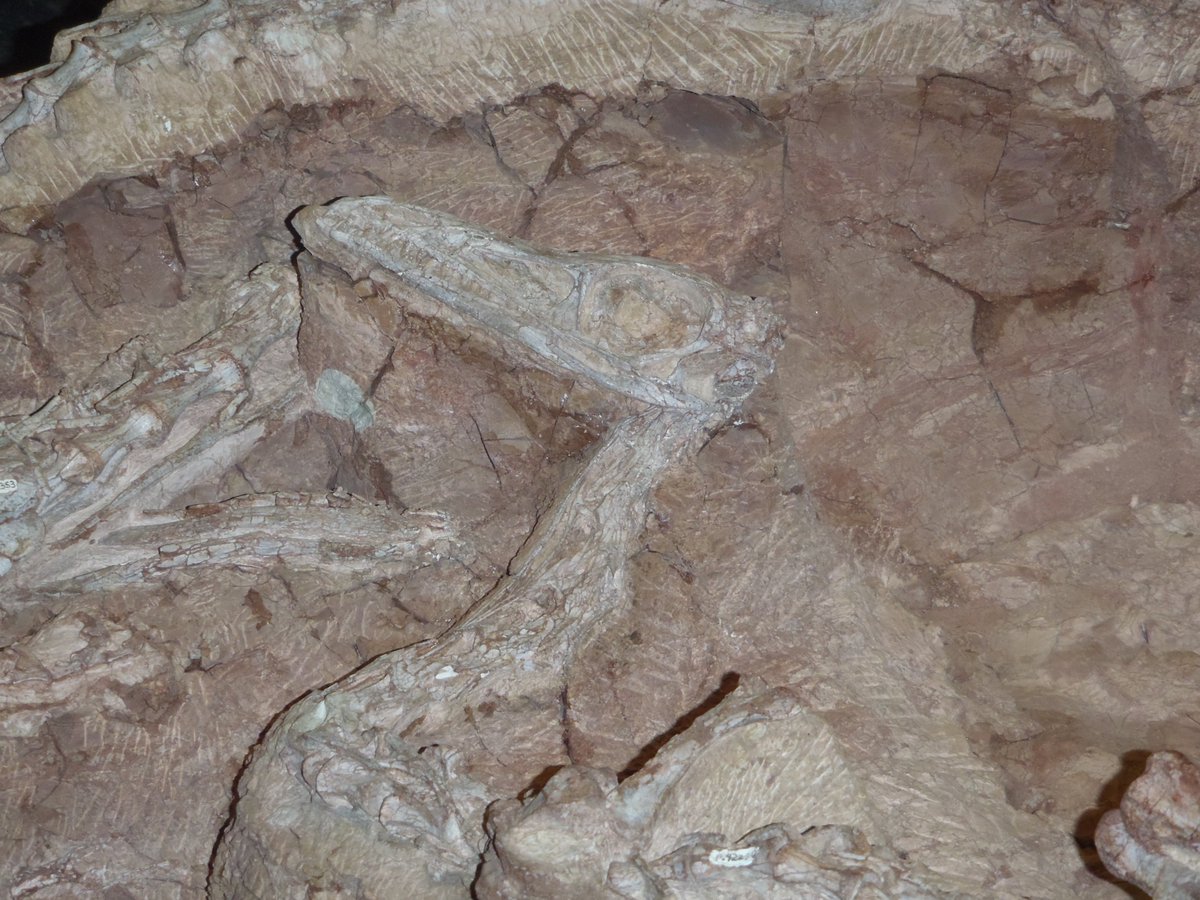
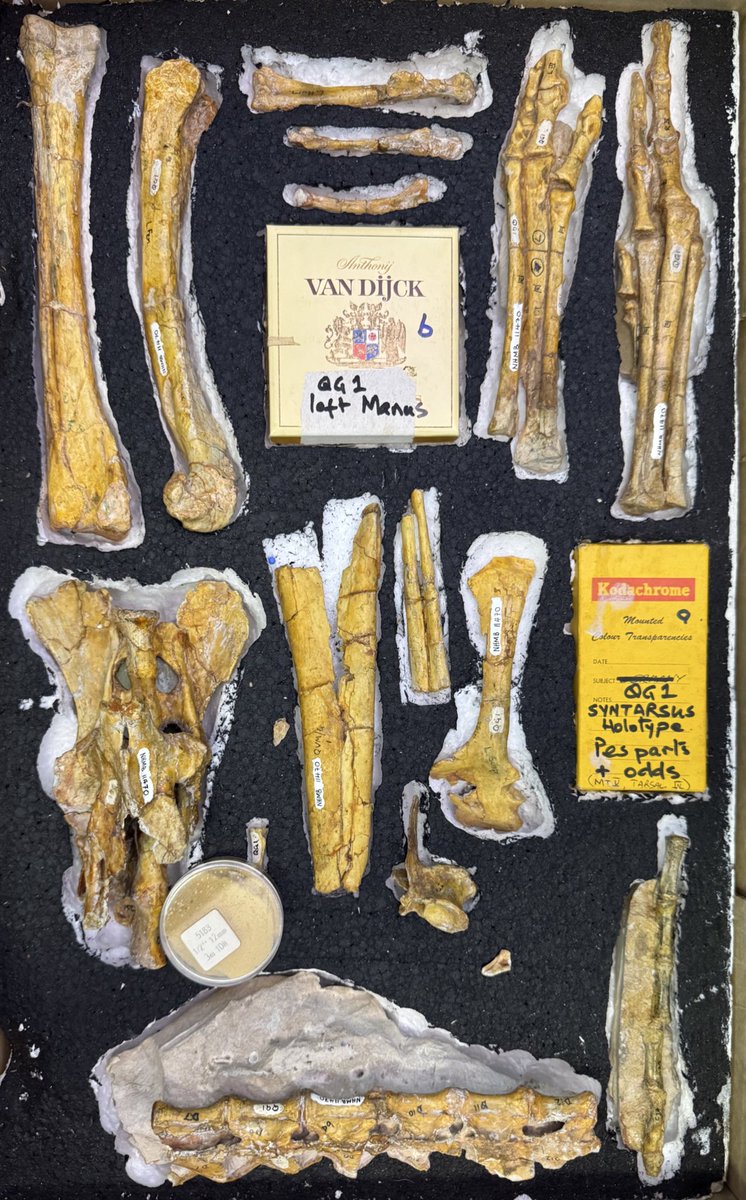
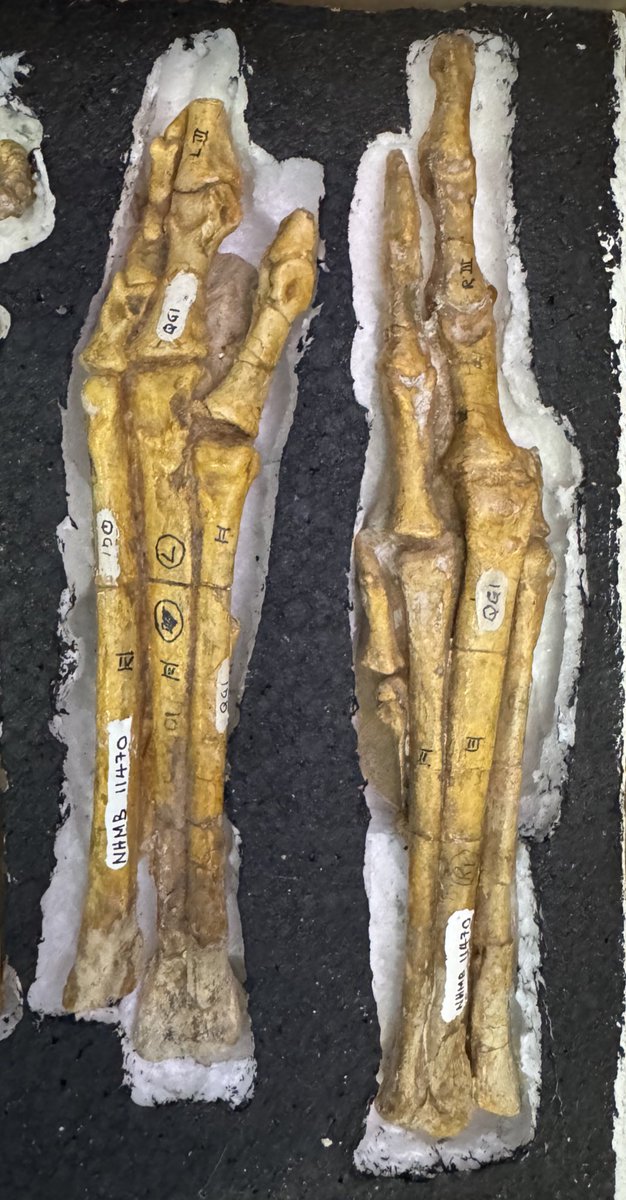
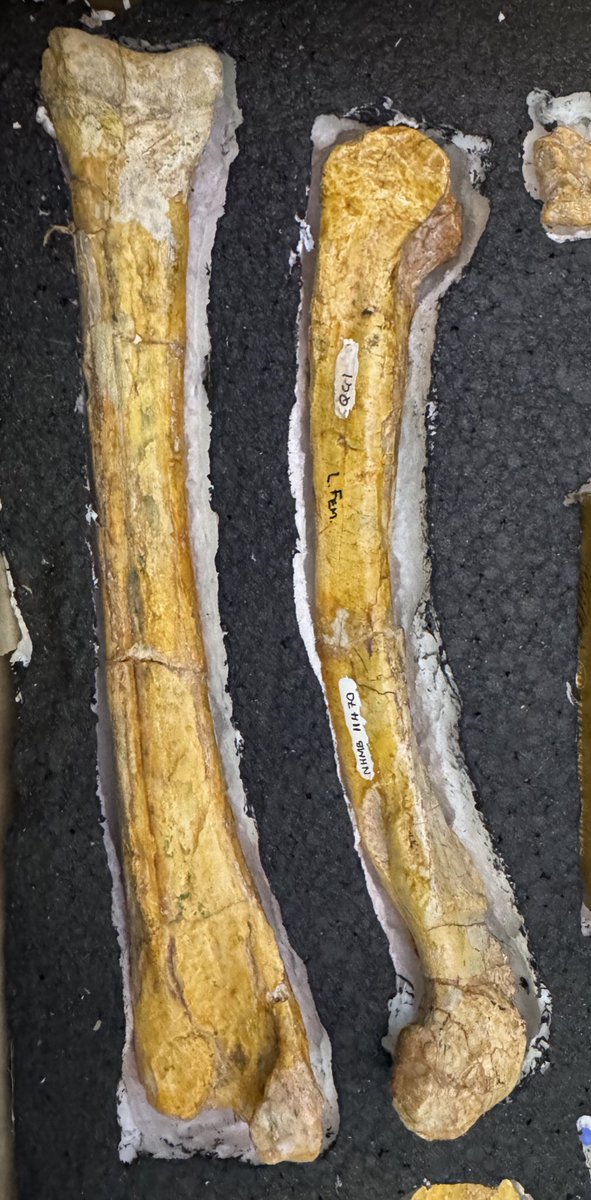
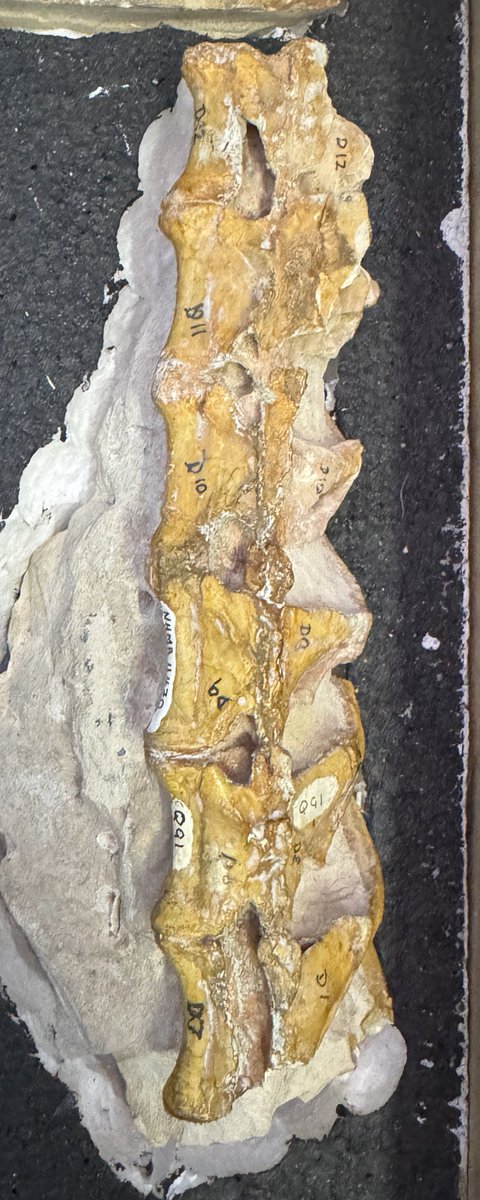
For #FossilFriday here’s part of the type specimen of the Zimbabwean dinosaur Syntarsus, housed in the NHMZ, one of the most abundantly and well preserved early theropods known currently 🦖🇿🇼
Great description of the work by Danison et al. 2024, the status of #Saurophaganax, and the scientific method at work: testing hypotheses, retesting later with more data, and knowing a hypothesis could be tested again in the future.
svpow.com/2024/12/22/about-t…