
Research Scientist @Meta, PhD @Columbia, @UWMadison alum
Joined July 2009
- Tweets 44
- Following 347
- Followers 208
- Likes 694
1 Photos and videos
Daniel Thomas retweeted

27 Jul 2023
A new special issue of Science investigates social media’s impact on elections through a pioneering collaboration between independent academics and Meta researchers.
Learn more: scim.ag/3vL #SocialMediaAndElections

8
76
187
122,946

27 Jul 2023
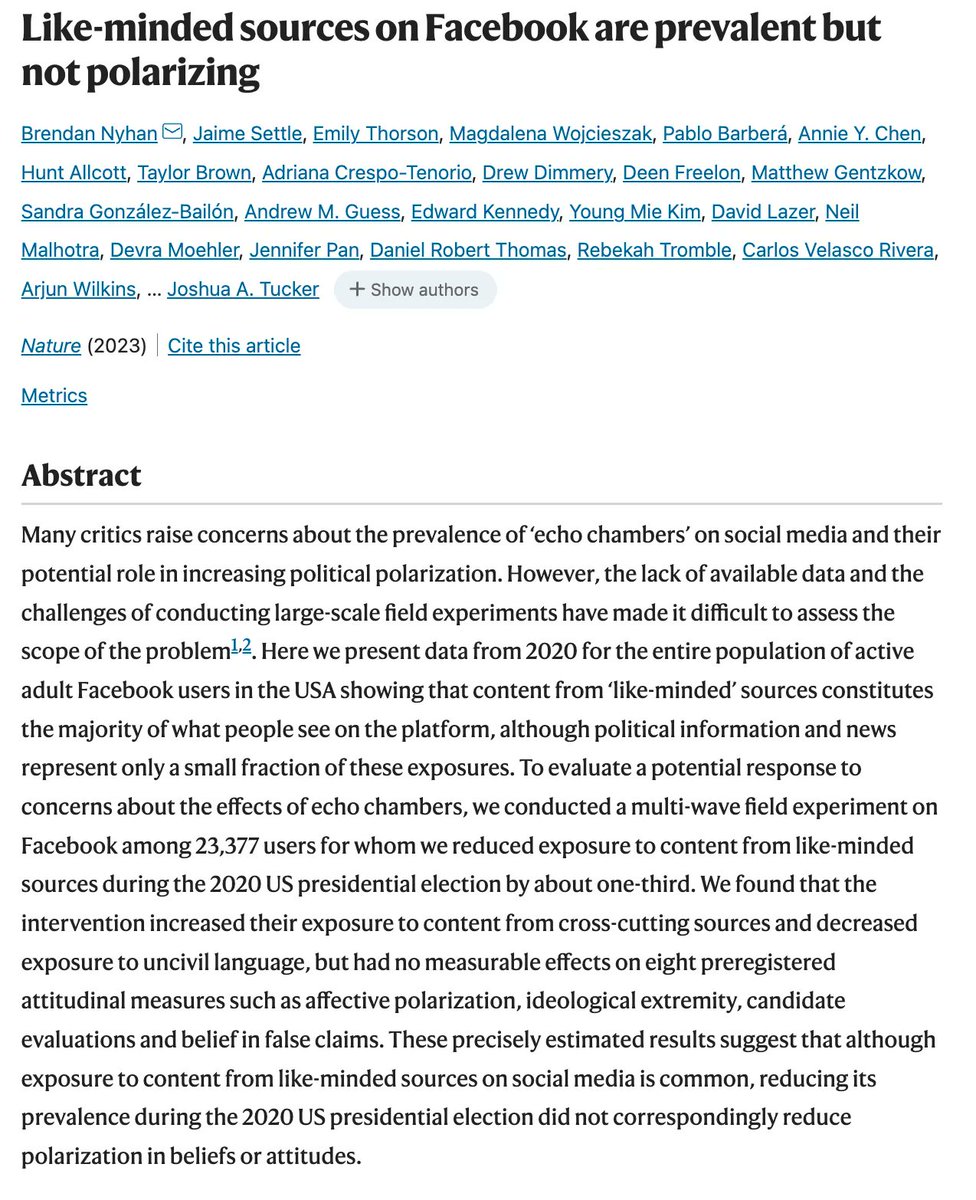
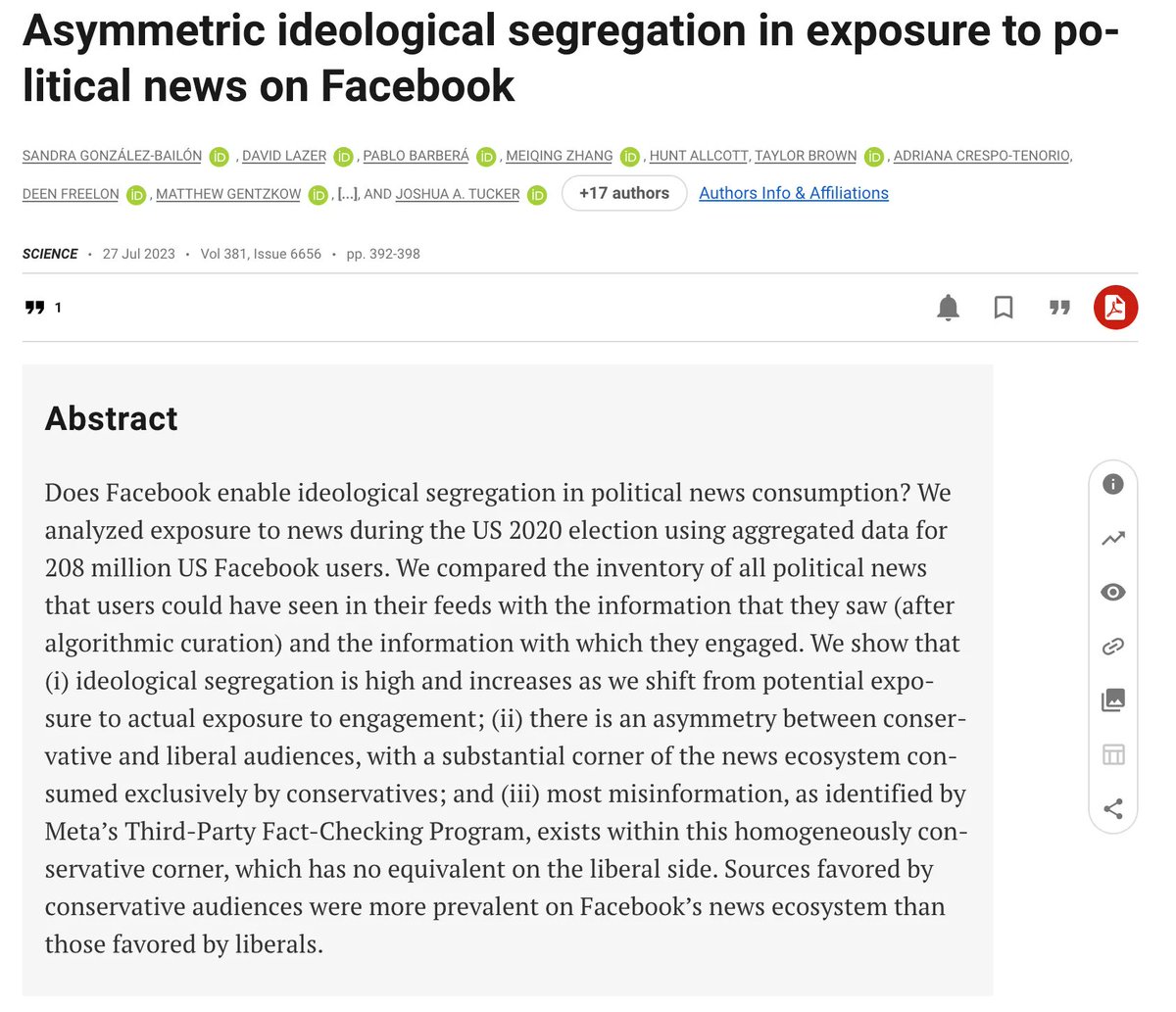
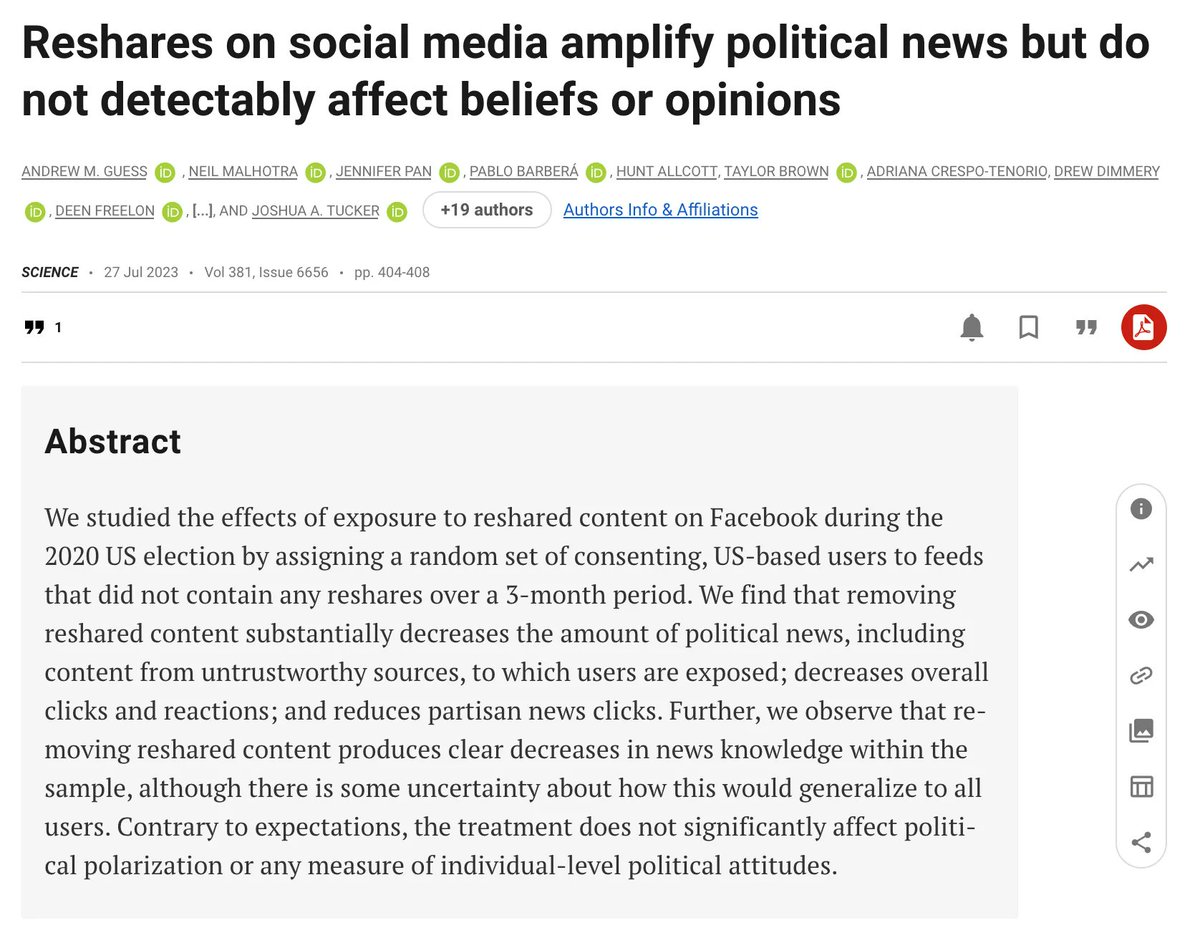
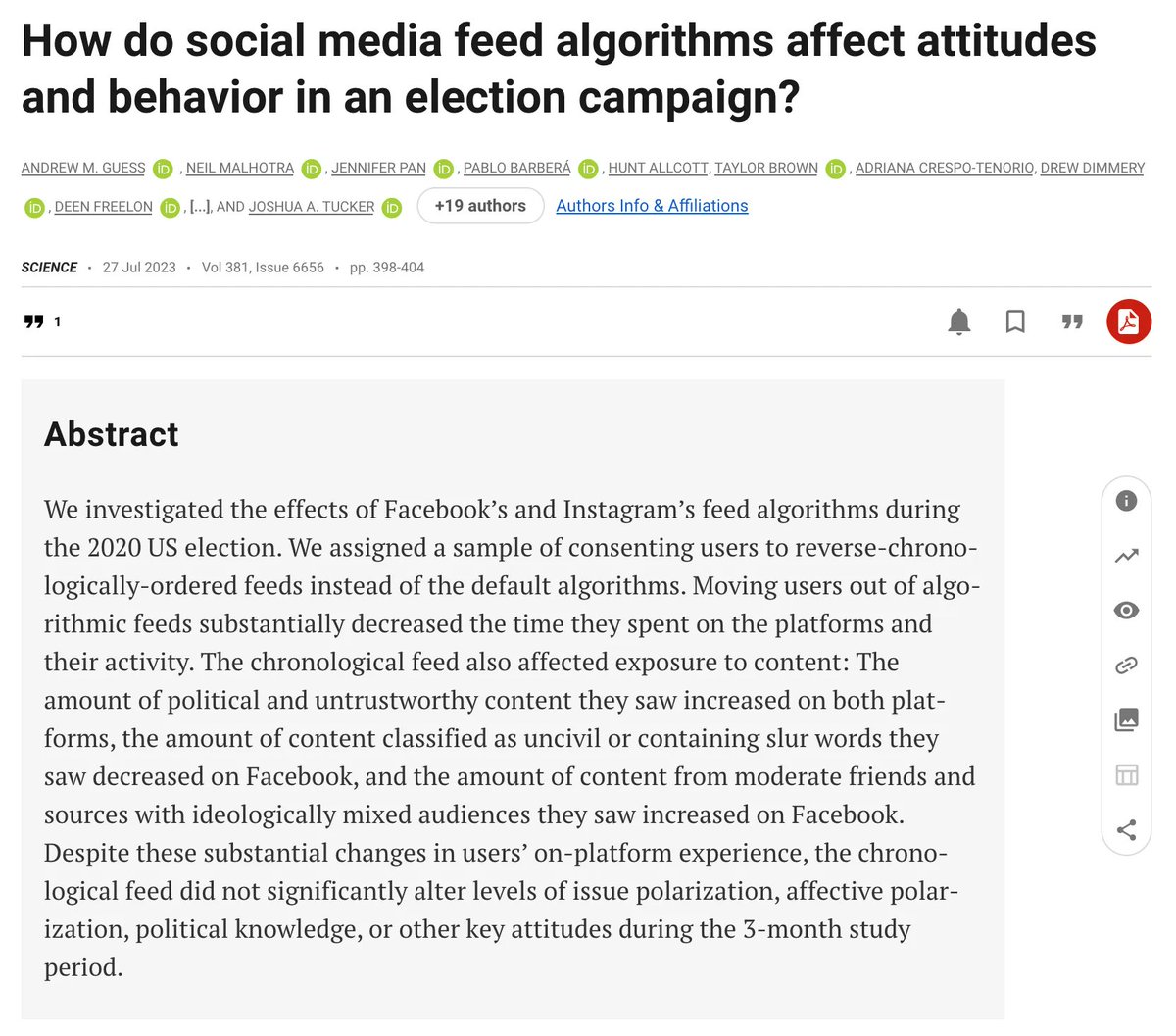
Really excited for the first 4 papers from the U.S. 2020 Facebook and Instagram Election Study to come out today in Science and Nature! It has been a thrill to work on this project since I joined Meta a few years ago.
2
1
12
1,510
27 Jul 2023
This collaboration between academic and Meta researchers will hopefully make a large contribution to our understanding of the role of these platforms in the context of the U.S. 2020 election. For more context/results see: x.com/p_barbera/status/16846…
1
347
27 Jul 2023
Also see the threads from the lead authors of these studies! x.com/andyguess/status/16846… x.com/sgonzalezbailon/status…
x.com/BrendanNyhan/status/16…
x.com/jenjpan/status/1684628…
27 Jul 2023

Today, 2 papers I coauthored w/ @andyguess @namalhotra @p_barbera are out in Science. These papers, about the role of social media in American democracy, are based on pre-registered experiments with consenting participants conducted w/ @Meta #SocialMediaAndElections
1
256
Daniel Thomas retweeted

7 Jun 2023
Removing just 100 accounts produced a noticeable impact, since it denied proponents of hate speech a microphone and ultimately improved the broader social media environment
english.elpais.com/science-t…
1
8
7
2,672
7 Jun 2023
Excited to share a new paper co-authored with @lwahedi in PNAS! We evaluate the effects of disrupting hate organizations on Facebook on their audience. Check it out: pnas.org/doi/10.1073/pnas.22… 1/2
1
6
13
1,486
7 Jun 2023
We show
1. disruption works in general
2. It sparks short-term backlash among the subgroup closest to those removed. However, that backlash is short term
3. In medium-term, it makes platform healthier for all subgroups 2/2
1
3
226
Daniel Thomas retweeted

9 Feb 2021
I shared some perspectives via @BrookingsInst based on my research: Resilient struggle against repressive dictators has been a hallmark of Burmese society - this time is not different. brook.gs/3p43UHC #WhatsHappeningInMyanmar
6
14
Daniel Thomas retweeted

3 Feb 2021
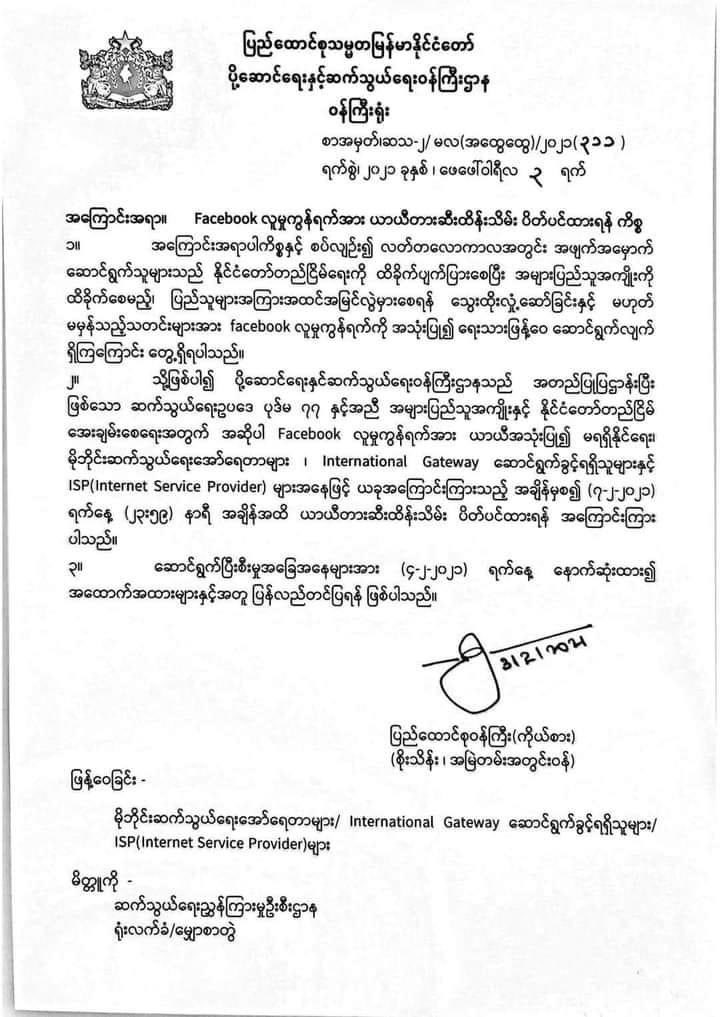
The Military Ordered to block the Facebook in Myanmar until 7th feb.
#WhatishappeninginMyamar
3
49
78
Daniel Thomas retweeted

1 Feb 2021
Going to link to a few threads I found helpful contextualizing the events in Myanmar/Burma. On my mind especially is the military's track record of using violence during times of upheaval to consolidate economic (in addition to political) position doi.org/10.1017/S00438871180…
1
11
22
Daniel Thomas retweeted

3 Sep 2020
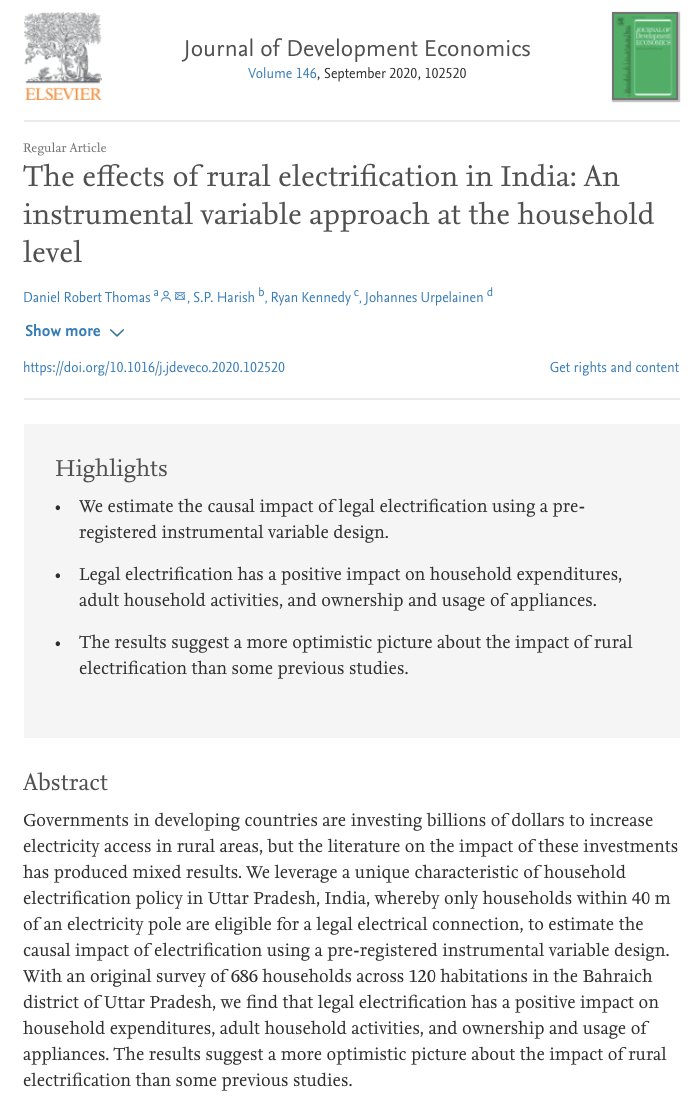
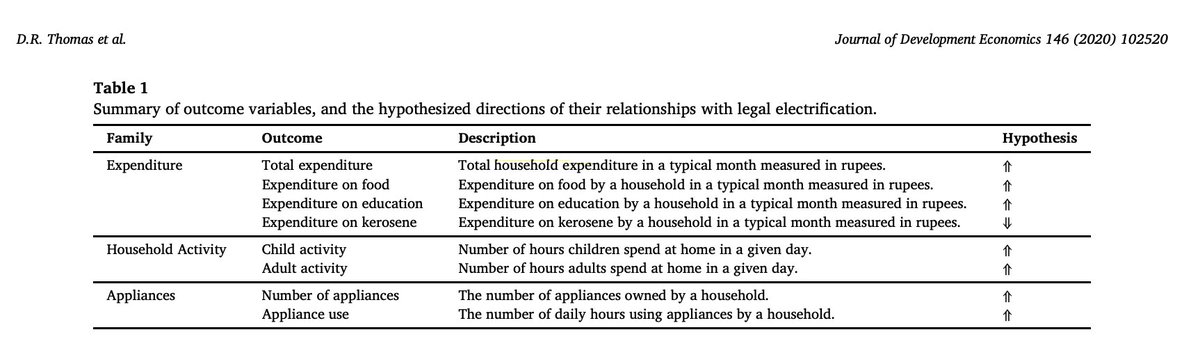
Cool use of a *pre-registered* IV design to highlight the positive impacts of grid electrification on household expenditure, time use, and appliance ownership/use in India @danrthomas SP Harish @RyanKennedy7 @jurpelai x.com/khoslasaksham/status/1…
31 Aug 2020

What are the medium-term effects of rural electrification?
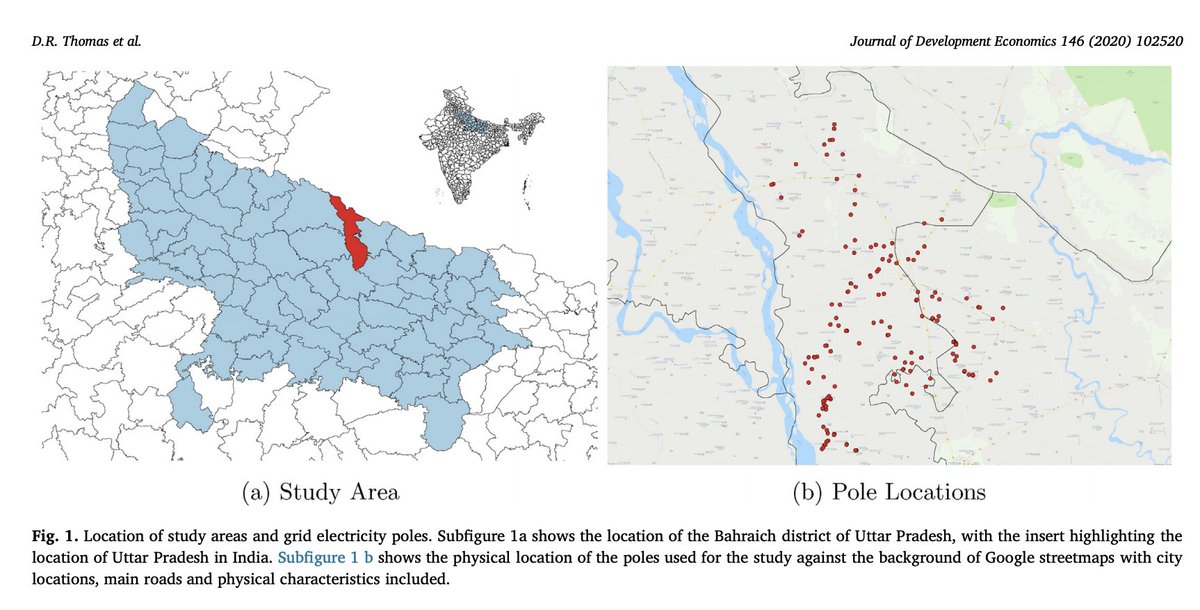
Thomas et al's survey of 686 U.P. households finds positive impacts on spending, activities (eg. work, leisure, cook), and appliance ownership and use after 4 years of electricity access.
sciencedirect.com/science/ar…
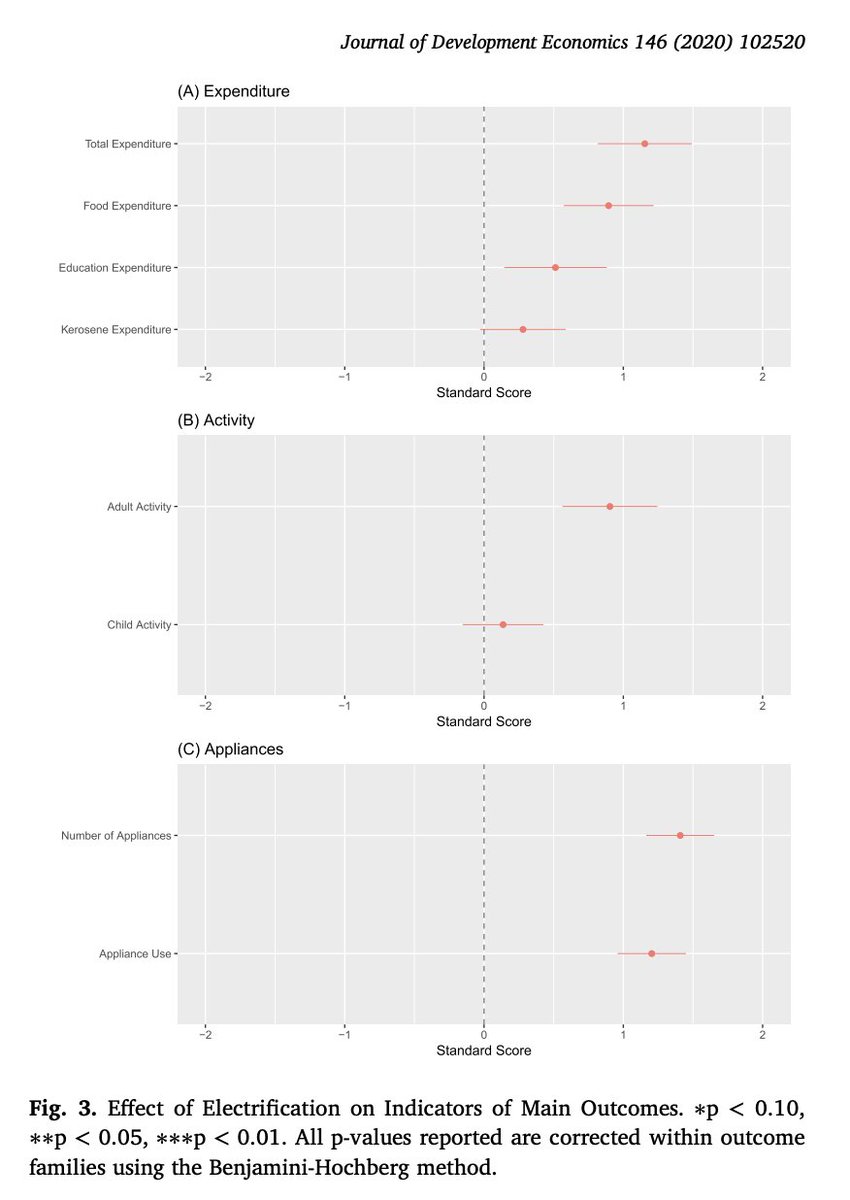
1
3
4
Daniel Thomas retweeted

10 Aug 2020
Experience of violence -> fewer social ties within IDP camps in Myanmar. This matters because informal social networks are critical for recovery. @danrthomas shows analysis from amazingly detailed data collected from field work. #PaCSS2020 #polnet2020
1
1
4
Daniel Thomas retweeted
10 Aug 2020
.@JaredEdgerton describes a vicious cycle where ingroup conformity -> increased social distance between groups. He theorizes this occurs at the international level. Cooperative ties -> ideological clusters -> changes in democracy/autocracy #pacss2020 #polnet2020
1
3
4
Daniel Thomas retweeted

11 Nov 2019
Attn: Graduate students working on Russia in the social sciences. Here is a great workshop at Columbia December 12. Apply now. harriman.columbia.edu/progra…
26
40
Daniel Thomas retweeted

30 Aug 2018
The Govt of #Myanmar has blocked humanitarian aid to tens of thousands of #Kachin civilians forcibly displaced by civil war for more than seven years and in violation of the laws of war. Read the new report by @FortifyRights: mailchi.mp/fortifyrights/for…
3
66
72
24 Aug 2018
Really glad to have been part of this data collection effort. Lots of new analysis coming soon!
6
Daniel Thomas retweeted

16 Apr 2018
"Along with the push to increase #electrification rates in #rural #India, attention needs to be paid to ensuring that villages are gaining access to high quality service," writes @danrthomas medium.com/energy-access-ind… @sais_isep @jurpelai #EndEnergyPovertyFaster
3
6
2 Mar 2018
In new @sais_isep research, @jurpelai and I show that newly electrified villages in rural India lag behind others in quality of service. Raises questions about how to measure success of electrification drive sais-isep.org/?p=2390
7
10