Cunning linguist
Joined May 2009
- Tweets 77,279
- Following 2,492
- Followers 474
- Likes 20,419
198 Photos and videos
Dan-Liviu Popa retweeted

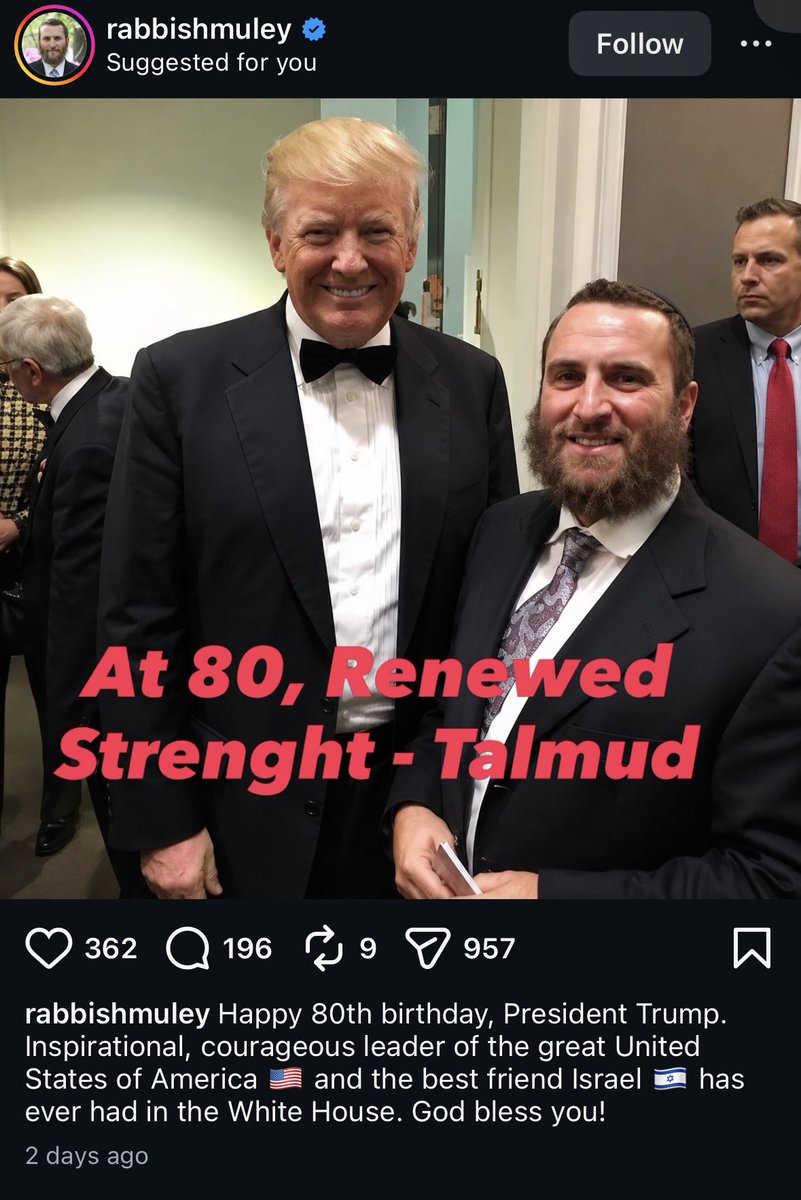
Rabbi Shmuley was at the White House with Trump on his 80th birthday which was on June 14.
Shmuley is a Frankist court jester & misspelled Strength as Stenght 🤡
Rabbi Shmuley has a history of attending White House events like holidays, birthdays, & lobby heavy meetings.

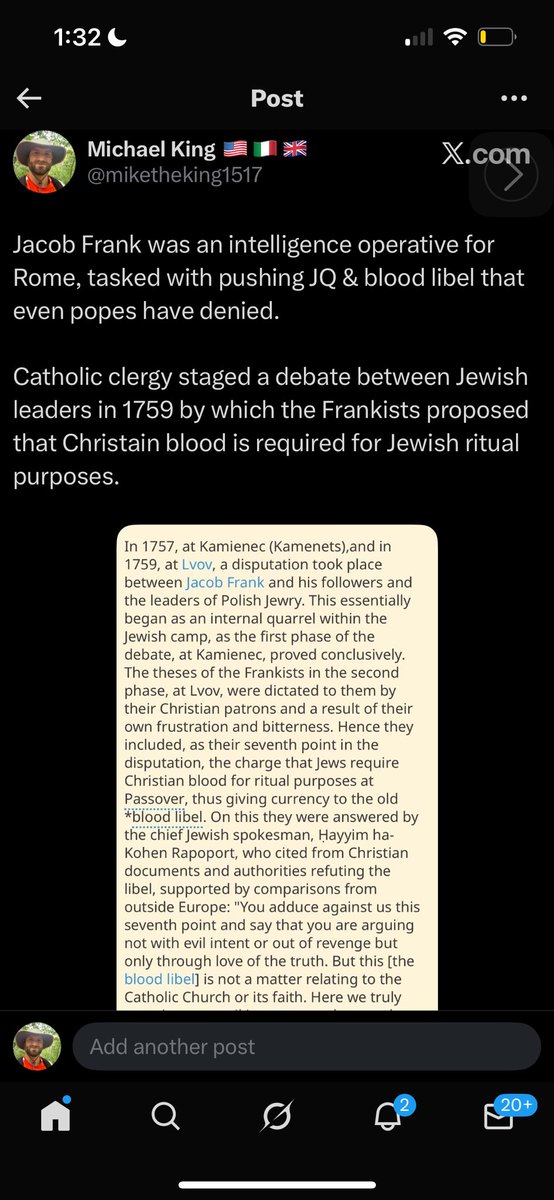
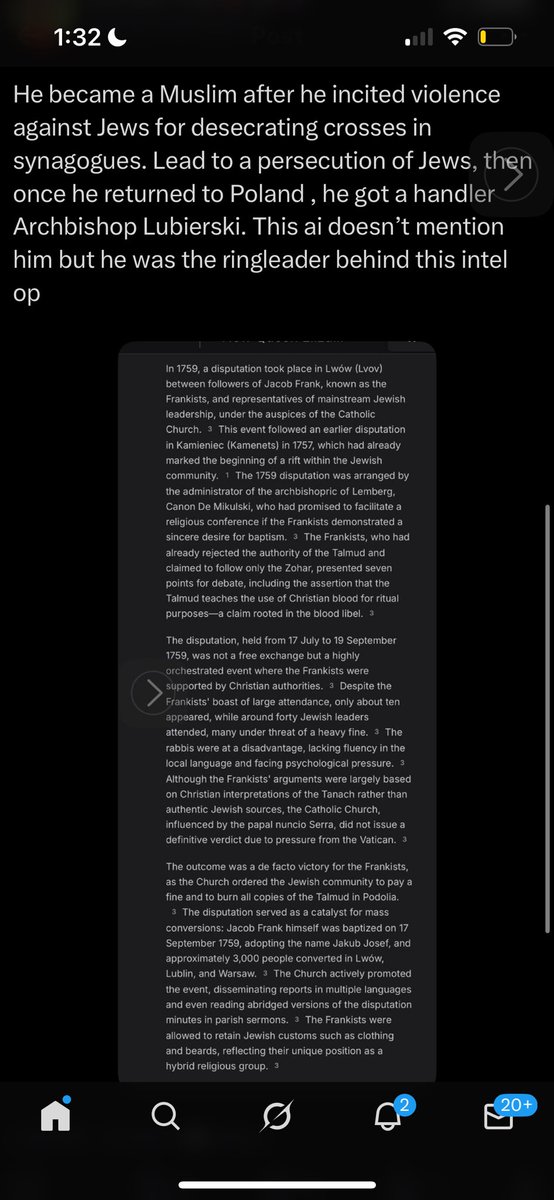
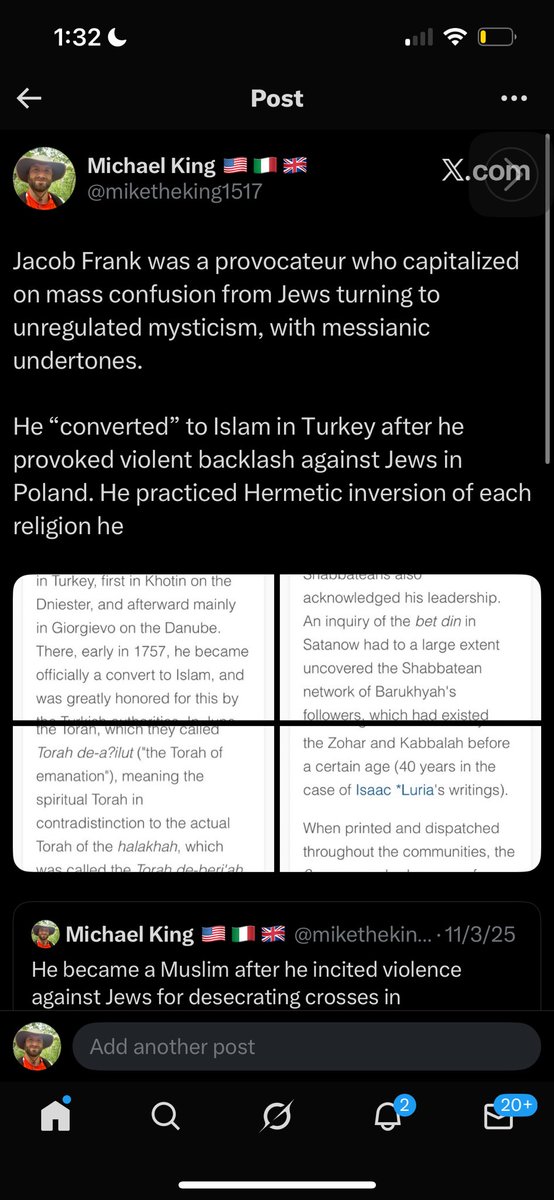
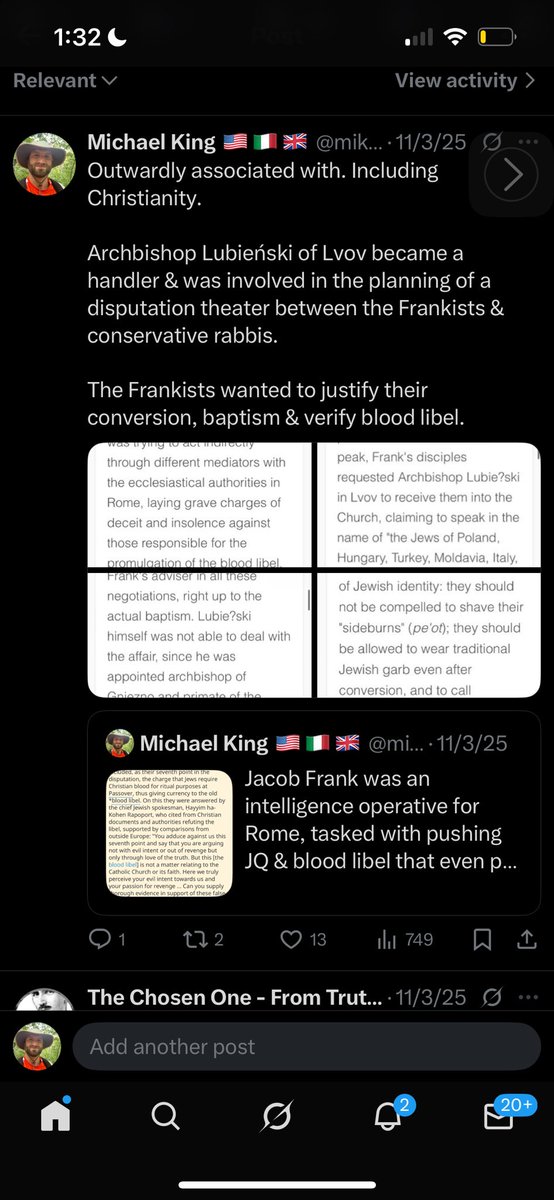
The Frankist movement has been Vatican adjacent while Sabbateanism (og) was more Islam adjacent (though Frank took a crack at Islam too.
Rabbi Shmuley is a cartoon villain of a Jew because he’s a Frankist, who is practicing hermetic inversion on the world stage for Rome.
4
5
14
543
Dan-Liviu Popa retweeted

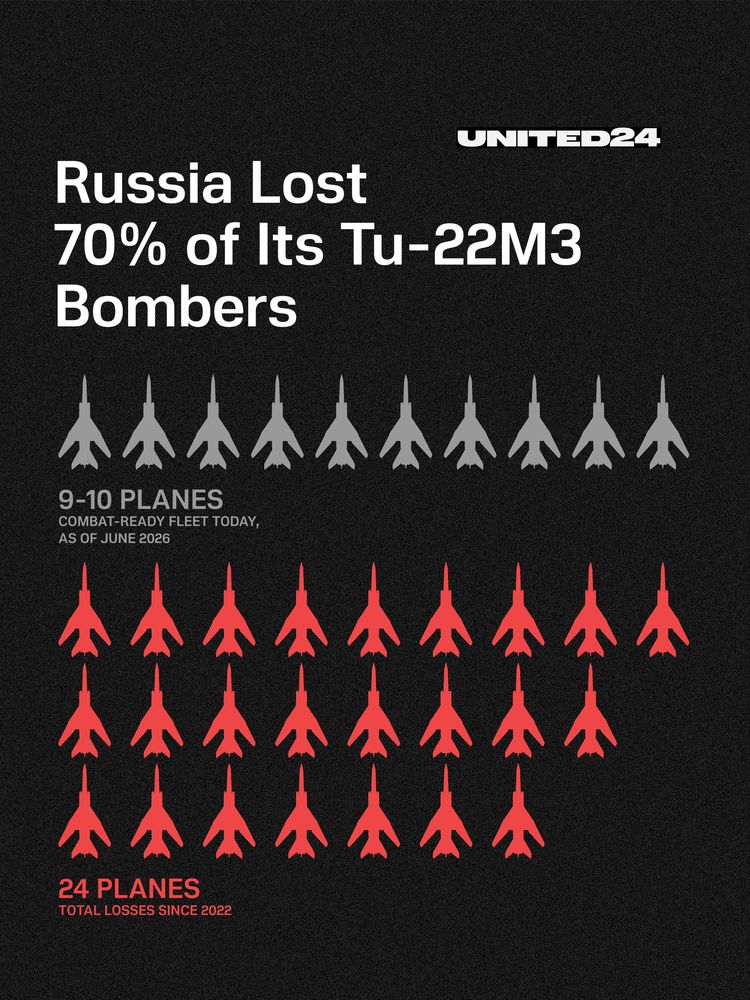
Russia’s Tu-22M3 bombers have been used extensively against Ukraine.
But crashes, Ukrainian actions, and wear have reduced their combat-ready fleet by over 70% since 2022.
16
279
1,023
13,528
Dan-Liviu Popa retweeted

🇩🇪🇮🇹🇪🇺 Germany has formally rejected UniCredit's takeover bid for Commerzbank.
Berlin argues the offer undervalues the bank and threatens the independence of one of Germany's key banks.
Once again, the hypocrisy of Europe's national leaders on display: they complain endlessly about fragmented capital markets, underinvestment and the lack of banking champions capable of competing globally.
Then, when consolidation actually arrives, national interests suddenly take precedence.

Germany says it won’t accept UniCredit's €39 billion takeover bid for Commerzbank bloomberg.com/news/articles/…
22
105
882
63,234
Dan-Liviu Popa retweeted

When you are so emotionally tied to a specific asset that it keeps you from having a sense of humor and inability to accept prices on a screen...you have lost the ability to think clearly.

The only thing which makes the U.S. Imperial Dollar strong these days is a crisis and/or war.
The U.S. Dollar Index has gone virtually NOWHERE for decades… it has gone up and down and ended up where it started. Basically a total waste of time.
Gold has spent the last decades going up by 10-20 x against the Milkshake dollar.
The only joke is here Brent is the dollar’s “performance”
My two ounces
25
6
199
26,942
Dan-Liviu Popa retweeted

29 Dec 2025
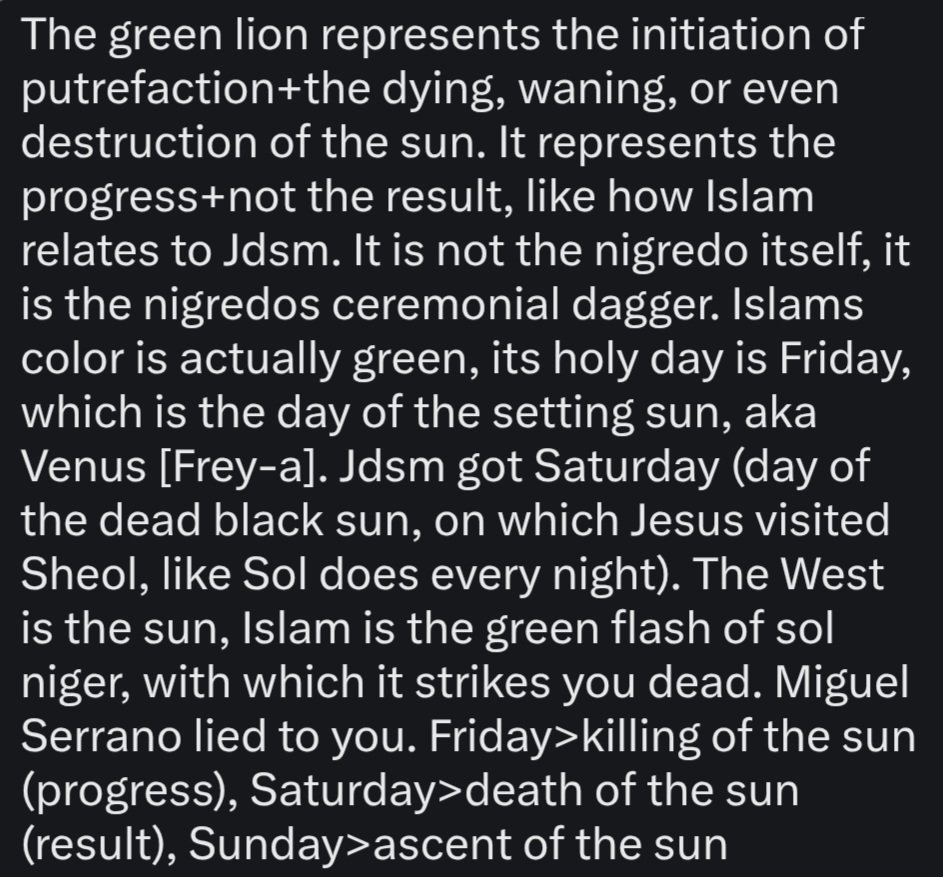
🧵I always wanted to explain the significance of the abrahamic holy days Friday Saturday Sunday
but never knew how to pack it up in a digestable way.
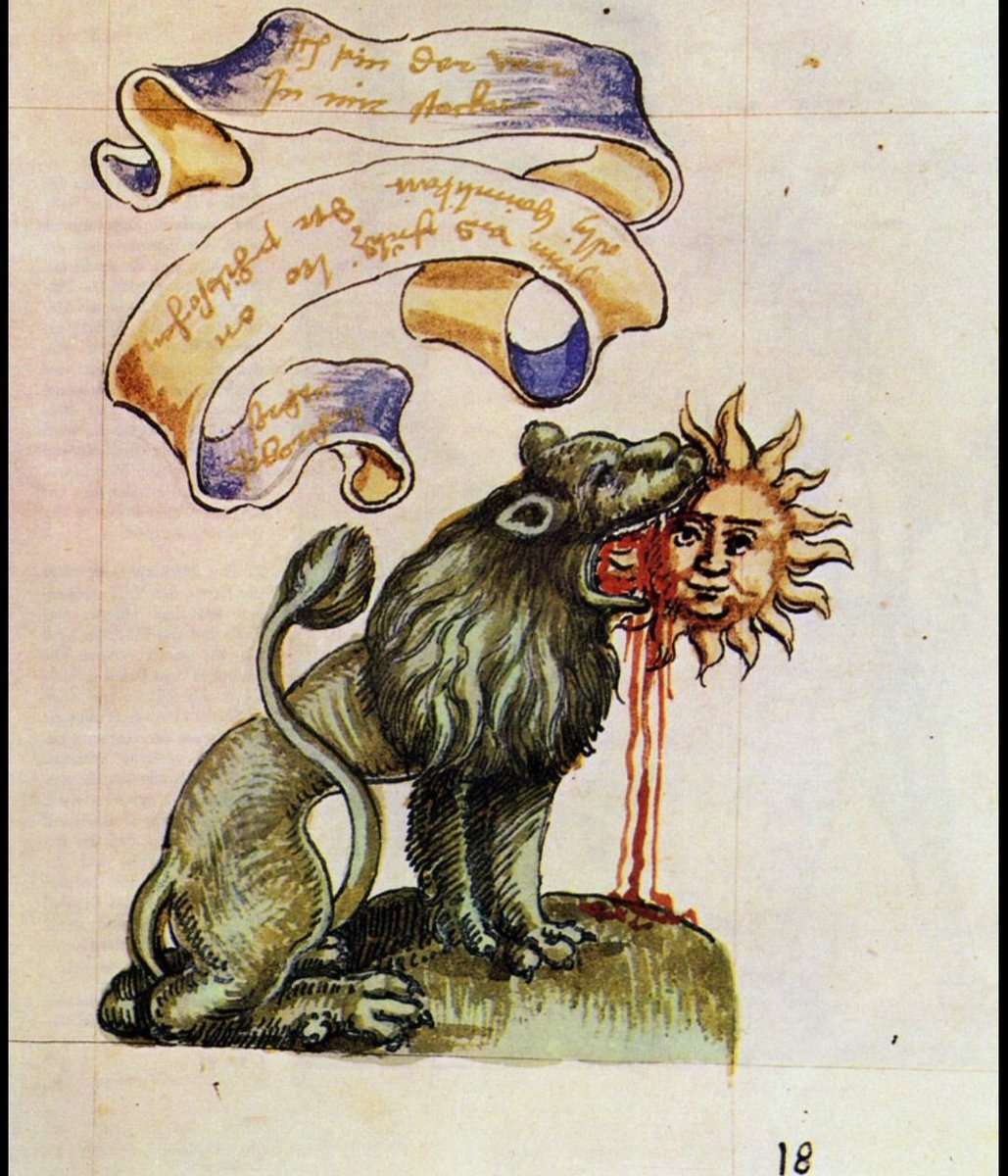
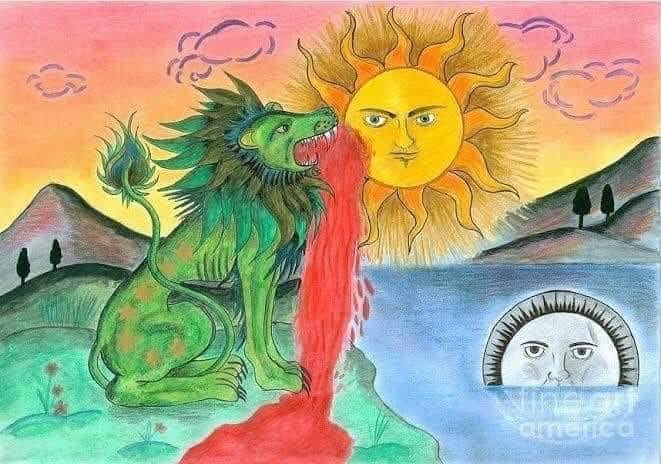
Read the text besides the graphic of the green lion to find out what it is supposed to tell the initiated. x.com/i/status/1976804842632…
11 Oct 2025

The Sun (Sol) represents Gold; therefore, the Green Lion is an alchemical metaphor for gold dissolving in a mixture of nitric and hydrochloric acids called 'aqua regia' (royal water). Green color has always been at the center of alchemical mysteries and consequently represented by the Green Lion.
Onward, the green leaves of the plant are formed through the quality of sunlight. The Green Lion here is the green pigment chlorophyll that receives and captures the light. From another perspective, the Green Lion devouring the Sun is an alchemical symbol representing what is probably the effect of the sulphuric acid that has been accumulated for extensive means in the alchemical process. The Sun is also a symbol of consciousness, but more specifically, Gold or the Sun is directly linked with the Spirit.
Therefore, for the inner processes of Alchemy, the Green Lion is said to be the phase in which the soul is "dissolved" of any impurities to allow access to the higher Self, to the attainment of a superior state of consciousness, which corresponds with the Philosopher's Stone.
5
12
38
9,913
Dan-Liviu Popa retweeted
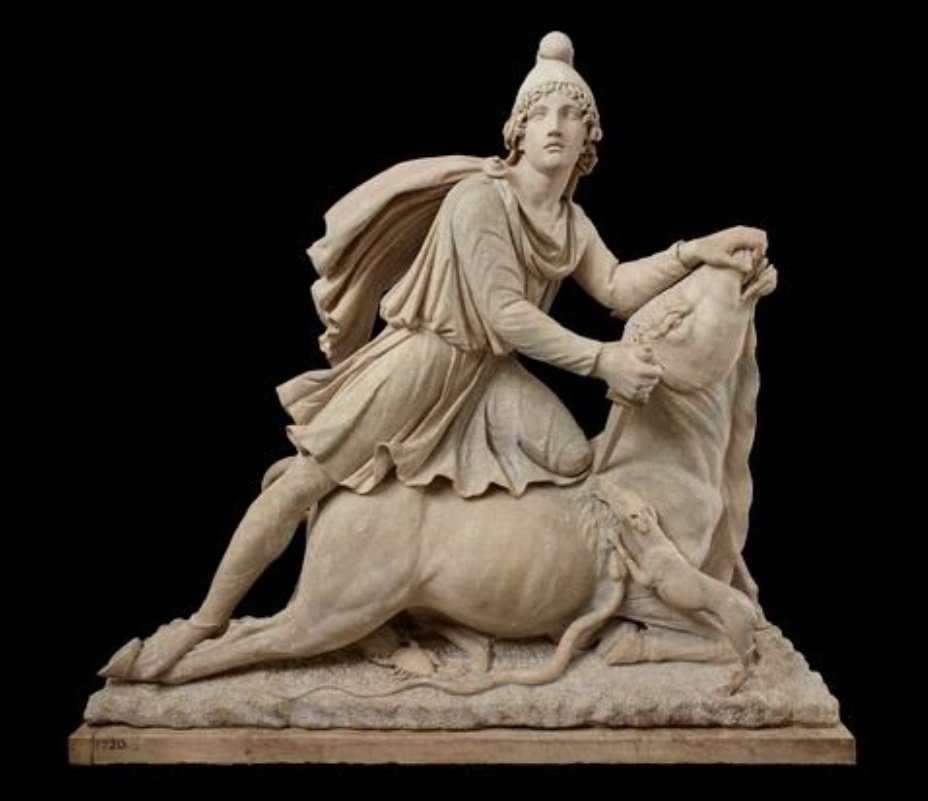
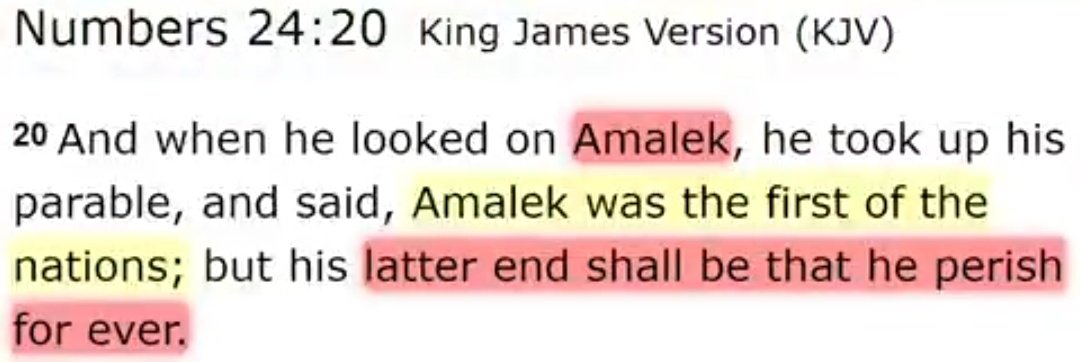
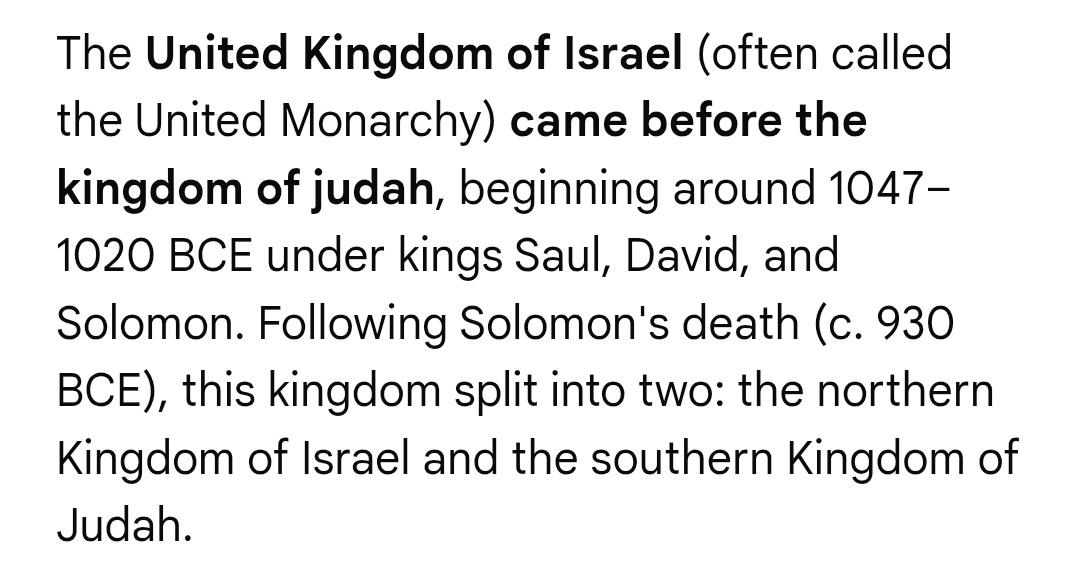
🧵The Bible refers to Amalek as "the first of the nations", creating an unseverable link to Esau even beyond blood relation
>hes the archetypal 1stborn
Yosef connects to him bc hes the 1st Messiah; the 10 Israelite tribes bc they were the 1st kingdom; Israel bc its the 1st state.
1
5
22
1,060
Dan-Liviu Popa retweeted
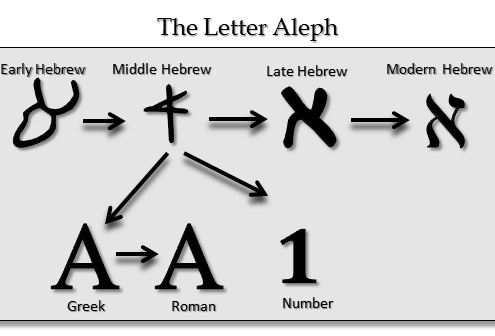
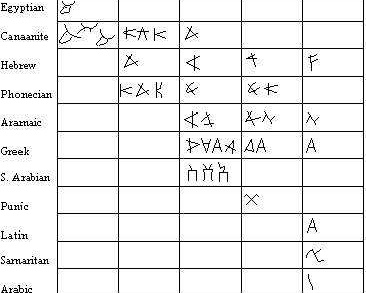
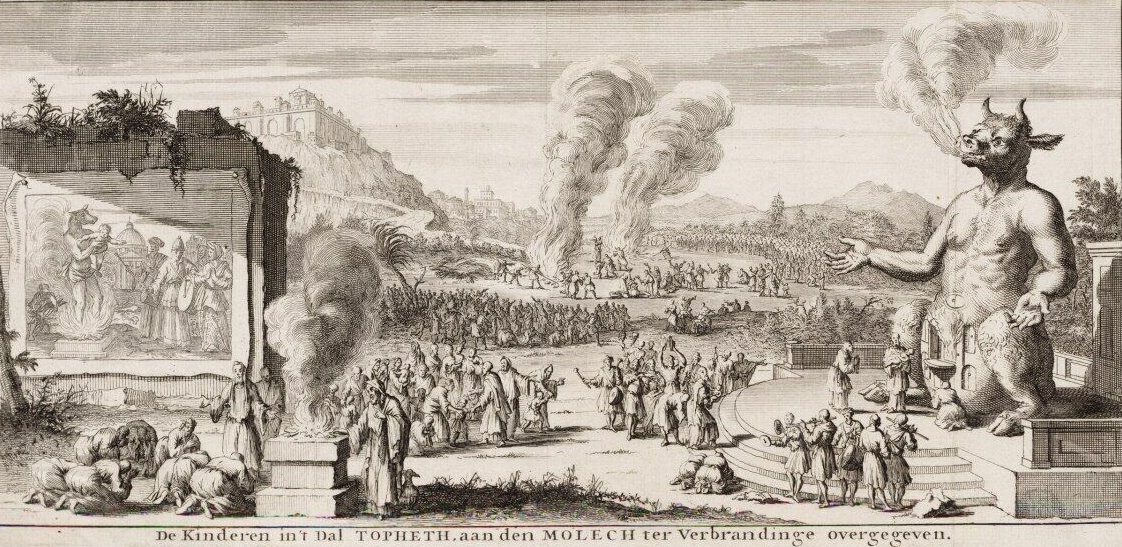
As the 1st letter, Aleph (the ox head) corresponds to the firstborn- Esau;
aka the West and the first Messiah Joseph, aka Israel and Ashkenaz. Mhmd is seen as a donkey, like Messiah ben David Jacob;
Jesus is seen as an ox, like Messiah ben Joseph Esau x.com/i/status/2035800362838…

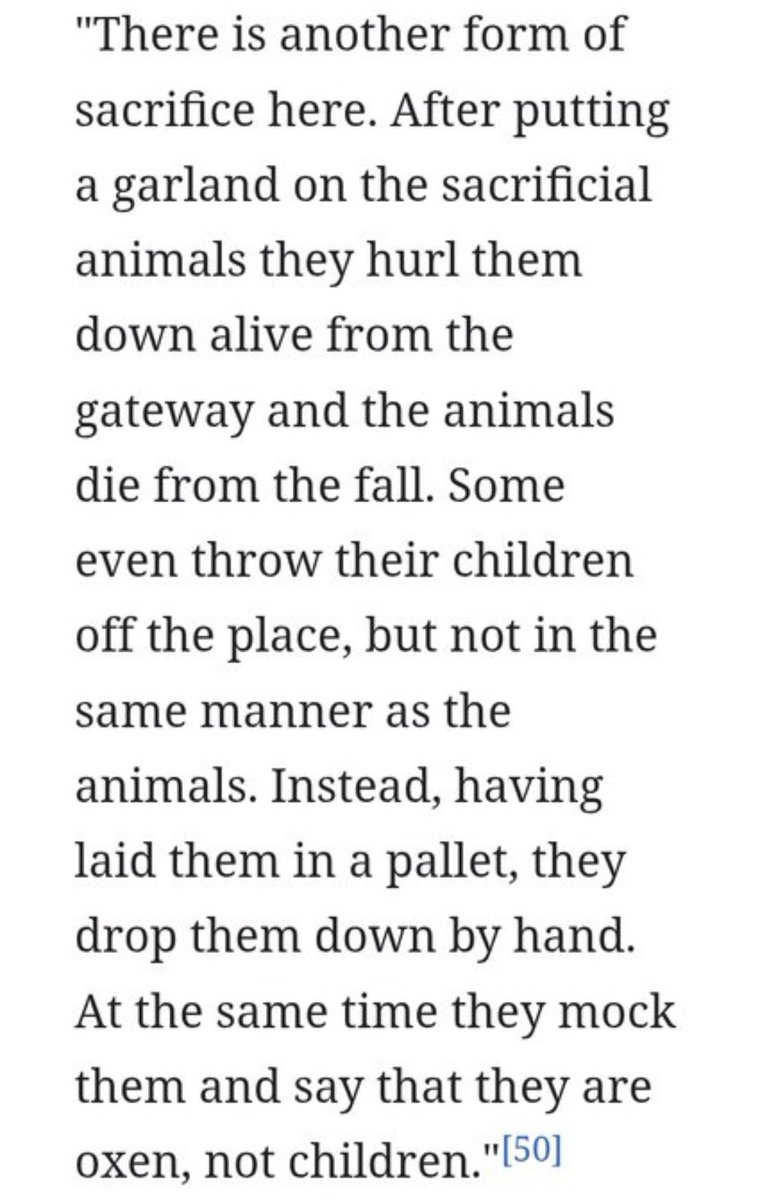
"[...]they drop them down by hand. At the same time they mock them and say that they are oxen, not children."
The RED (Edomite) heifer/ox sacrificed for the sanctification of the 3rd Temple obviously corresponds to the josephic/edomite "ox"-sacrifice of the firstborn son as well.
1
4
13
498

Trump is reportedly ready to ramp up pressure on the Kremlin — but expects something in return
According to European officials, Washington is prepared to take a tougher line on Russia if European allies become more actively involved in securing the Strait of Hormuz.
20
33
130
17,620
Dan-Liviu Popa retweeted

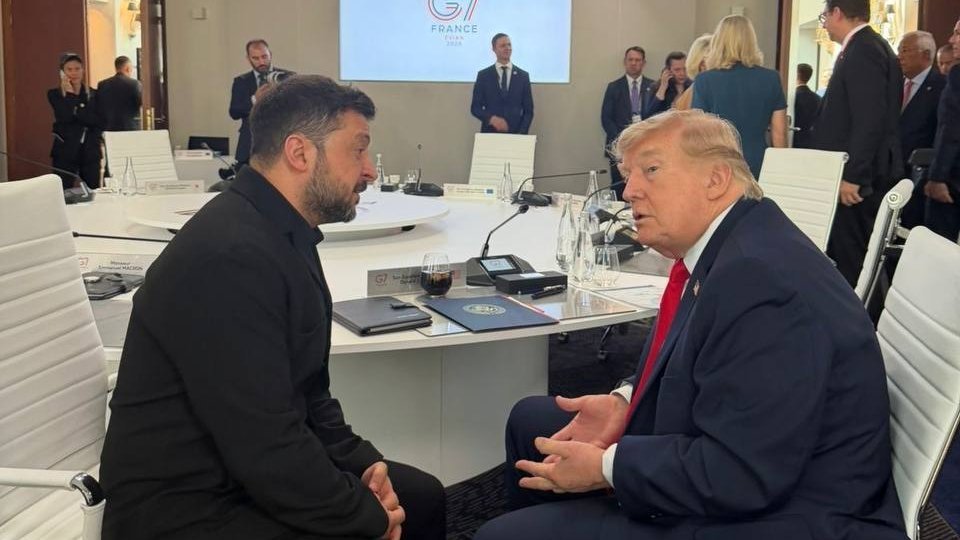
The latest G7 meeting has been a major diplomatic success for Ukraine:
- New arms deliveries: The G7 joint declaration formally committed to expanding the delivery of air defense capacities, interceptor systems, and long-range weapons.
- Support of Ukraine's defense sector: Leaders agreed to consider extending military manufacturing licenses directly to Ukraine, paving the way for domestic production of advanced weaponry like Patriot missiles
- Sanctions: Oil and gas sanctions on Russia are fully reinstated.
- EU Accession Progress: On the sidelines of the summit, European Union leaders officially agreed to open the first formal cluster of accession negotiations with Ukraine.
- Trump: "Putin should make a deal."
The latest battlefield success of the Ukrainian army and the diplomatic success at the G7 show the political and the military leadership of Ukraine competently lead in their fields. The skies over Russia just got darker.
21
192
1,101
25,163
Dan-Liviu Popa retweeted

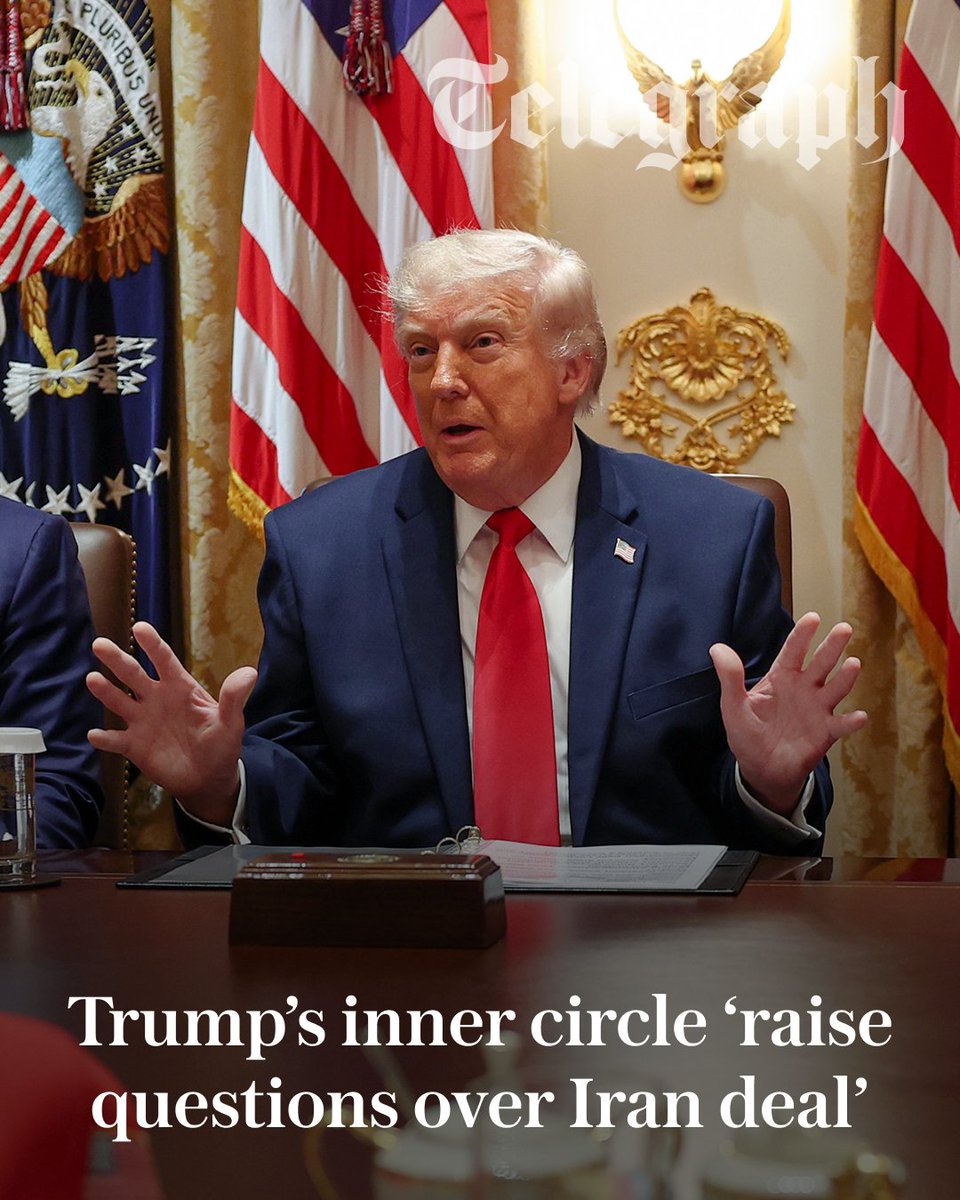
Senior allies of Donald Trump have reportedly expressed doubts about the “memorandum of understanding” between the US and Iran.
John Ratcliffe, Donald Trump’s CIA director, Marco Rubio, the secretary of state and Pete Hegseth, the defence secretary, have apparently raised concerns.
🔗: telegraph.co.uk/us/news/2026…
61
164
445
19,295
Dan-Liviu Popa retweeted

Getting rid of Hegseth: Amazing
Getting rid of Ratcliffe: Good
Getting rid of them because they didn’t agree with the deal……
1
5
41
2,847

Hahahaha

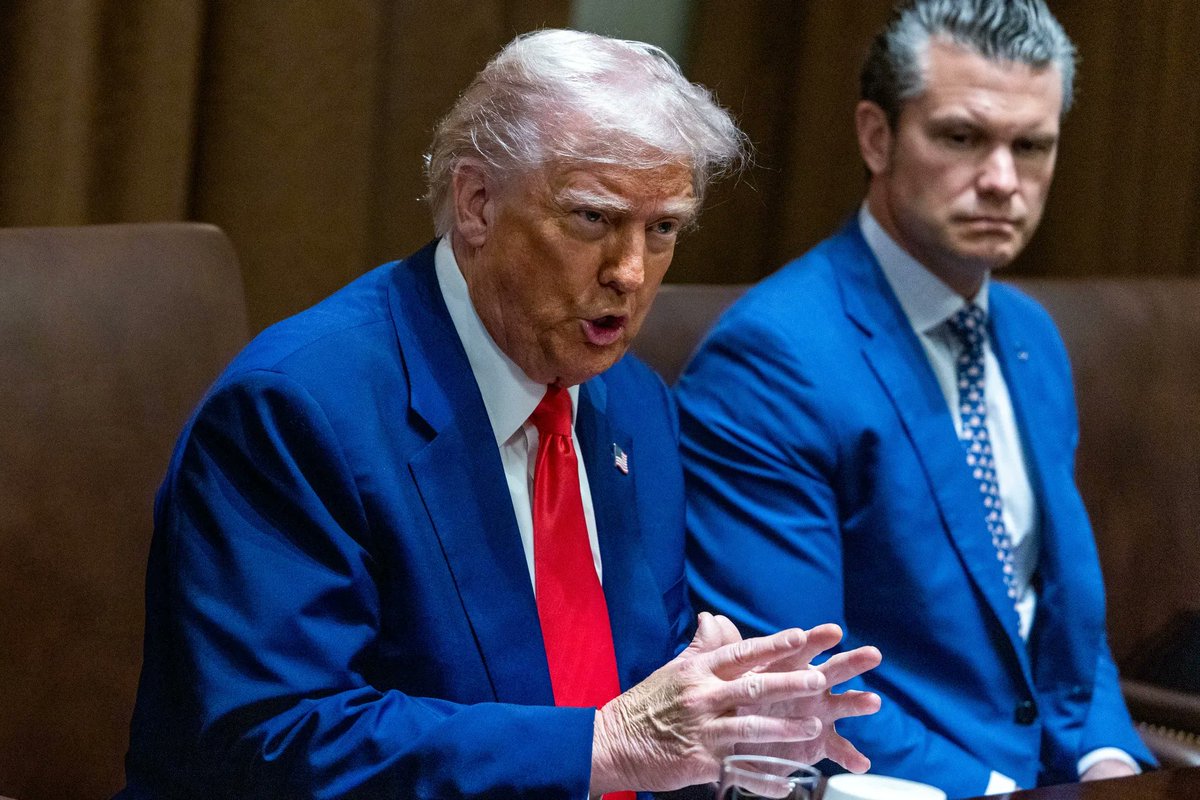
Trump is reportedly considering dismissing several senior officials who opposed the Iran deal, including Defense Secretary Pete Hegseth and CIA Director John Ratcliffe.
A senior U.S. official reportedly said, “The argument has been settled. Those who opposed it may pay a personal price.”
Source: Israel Hayom
3
Dan-Liviu Popa retweeted

President Tokayev and the head of the U.S. International Development Finance Corporation discussed critical minerals, artificial intelligence, and the possibility of a DFC office in Kazakhstan, underscoring deepening economic ties.
timesca.com/tokayev-and-u-s-…
9
63
263
405,735
Dan-Liviu Popa retweeted

Footage of a Ukrainian attack drone slamming into the Moscow Gazprom oil refinery yesterday.
Ukrainian drones successfully penetrated Russia’s most heavily defended airspace to hit the refinery complex.
40
356
3,415
135,310
Dan-Liviu Popa retweeted
Just one reason why this is a long way from over...

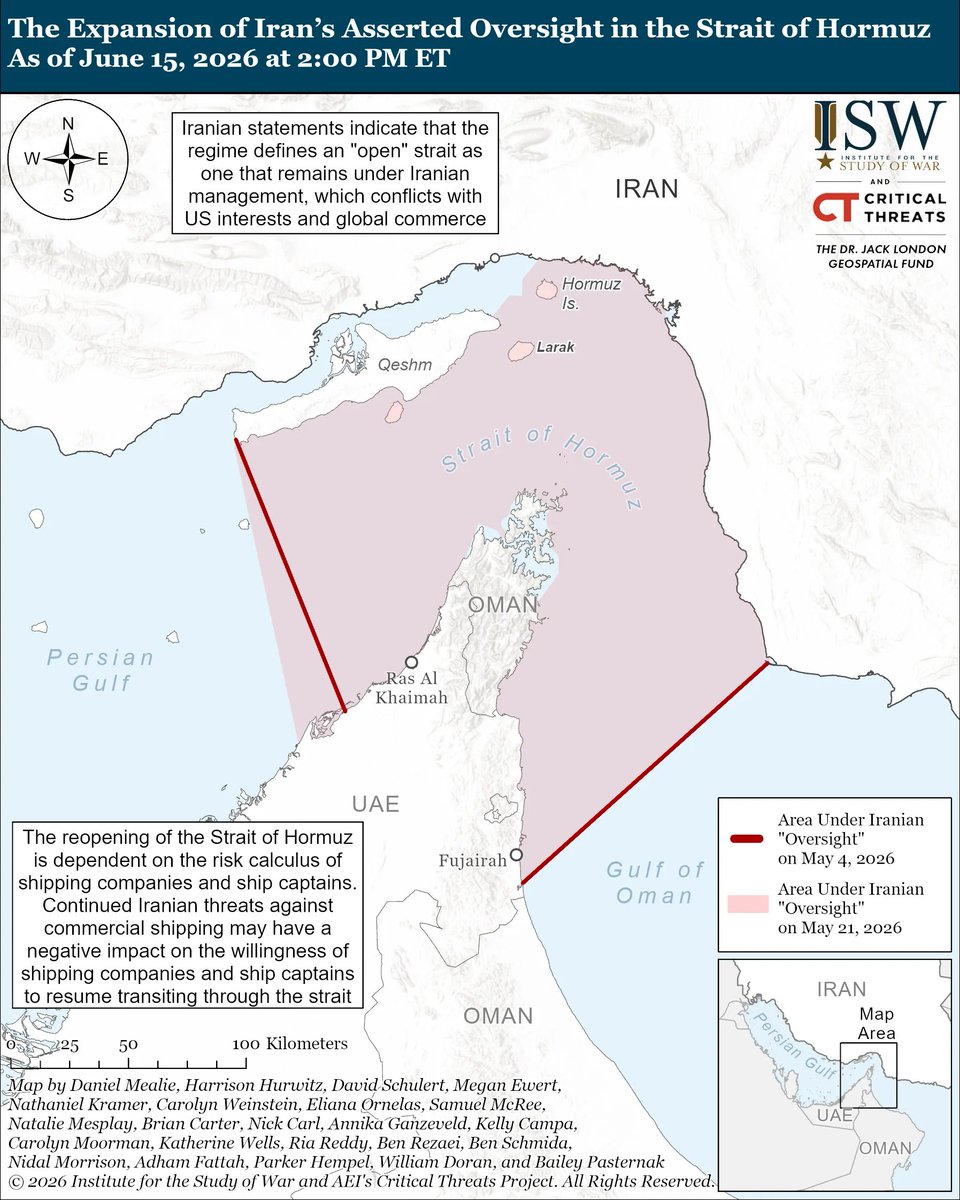
Strait of Hormuz: Iran will likely try to exploit the agreement’s seemingly ambiguous language about the Strait of Hormuz to try to enforce its control over shipping through the strait. The MoU stipulates that Iran “will immediately take steps to ensure that the movement of merchant ships [through the strait] is resumed within 30 days to the pre-war volume,” according to Block, Saudi media, and several Western outlets.
Iran is expected to remove “technical obstacles” and naval mines from the strait during the 30-day period. The reported MOU text does not explicitly bar Iran from “managing” the strait, and Iran could therefore continue to insist on vessels using its illegal traffic separation scheme in Iranian territorial waters and paying “fees” to the IRGC Navy.
The MoU text also states that the United States and Iran will “respect each other’s sovereignty and territorial integrity” and “refrain from interfering in each other’s internal affairs.” The Iranian regime has repeatedly claimed that it and Oman control the Strait of Hormuz as territorial waters. Iran could also try to argue that its “management” of the strait is an Iranian internal affair. The MoU text also does not mention whether Iran can charge tolls, despite President Trump stating on June 14 that vessels can pass through the strait “toll-free.” Some versions of the agreement published in Western media on June 16 do mention that Iran will not charge tolls for 60 days and that Iran will work with Oman to “define future administration and maritime services” in the strait, however. IRGC-affiliated media stated on June 15 that Iran will pause charging “fees” for 60 days but intends to resume charging “fees” after that period. Iranian officials have consistently claimed that Iran is charging “service fees” as opposed to tolls in the Strait of Hormuz, and therefore that vessels are able to transit through the strait “toll-free.”
8
5
47
9,735
Dan-Liviu Popa retweeted

Collins: You said you think that Ukraine is going to ultimately win this war. When you were talking behind closed doors and the U.S. president was there, is that a view that he seemed to share as well?
Carney: We, the Germans, the UK, the French, all are of the view that the tide has turned in this war. It is a matter of time. Putin is going to lose this war.
40
387
2,371
94,451
Dan-Liviu Popa retweeted

This is the same machine that's been running all along.
Gulf countries control trillions of dollars, and they've been steadily pouring it into the U.S. — over $120 billion last year alone. Much of that money moves through Trump-connected channels, and in exchange the Gulf states collect policy favors, such as permission to buy advanced computer chips.
It's a simple trade: Gulf money flows toward American priorities, 👀 here's looking especially at the massive AI buildout, and American policy as a result steers toward what the Gulf wants.
When you look at it that way, the Iran fund isn't something new — it's the same setup aimed at a different target. The Gulf provides the money, the U.S. provides the policy favors, and Trump's people sit in the middle—where they've always been.
If you weren't angry when this machine was about chips and AI, the Iran version isn't a new crime; it's the same thing wearing a scarier name. People only notice now because "Iran" trips an alarm that "sovereign wealth fund" never did. Patrick and I have been talking about this for a while though. In our book that we co-authored amzn.to/4govRrS the last chapter sets the stage to explain whats transpiring and his most recent book gets into the weeds.
Jun 16

Why This Doesn't Deserve the Outrage Either
The feeds are on fire over "Trump giving $300 billion to Iran." And I understand the reflex — the number is enormous, the recipient is the designated enemy, and the timing feels obscene. But I'd ask the same thing here that I ask about the Vance appearance: before you reach for the outrage, check whether the thing actually departs from the pattern, or whether it's the pattern doing exactly what it's been doing all along. Because this is the latter. And once you see that, the shock starts to look like a failure to have been watching.
Let me separate what's being claimed from what's on the record.
First, there is no $300 billion check from the U.S. Treasury. What exists is a draft memorandum of understanding — reported by the New York Times on May 28, not signed — that includes a proposed reconstruction mechanism valued at roughly $300 billion. Tehran had demanded reparations for war damage it estimates somewhere between $300 billion and a trillion. The fund is the negotiated answer to that demand. That's the artifact. Not a transfer. A draft.
Second, watch the language, because the language is the tell. The American side deliberately avoided the words "compensation" and "reparations" and chose "international investment fund" instead. That rebrand is the whole political fight in miniature: critics call it reparations or ransom, the administration calls it an investment vehicle, and the same dollar figure carries opposite meanings depending on which word you let frame it. When the packaging is being managed that carefully, the packaging is worth more attention than the outrage usually gives it.
Third — and this is the part that should defuse most of the "giving our money to Iran" framing — it isn't U.S. taxpayer money in the administration's own telling. Asked directly whether Iran would have access to a $300 billion fund, Vance said it was "the sort of thing they could have access to, funded by the Gulf coast coalition, so long as they honor their end of the obligation." So the structure being floated is a fund capitalized by Gulf sovereign wealth — Saudi Arabia's PIF, the UAE's ADIA and Mubadala and ADQ, Qatar's QIA — with the United States facilitating, and U.S. firms, including ones tied to the same Witkoff and Kushner real estate interests that floated the idea, positioned to do the rebuilding. The U.S. role is broker and beneficiary, not payer.
And here's where the surprise really collapses. This is not a new arrangement. It is the same machine that's been running the entire term.
The Gulf sovereign funds collectively manage somewhere around four to six trillion dollars, and the United States has been by far the largest single beneficiary of their outbound investment — more than $120 billion deployed last year alone. That capital has been moving through Trump-network channels specifically: investment vehicles that have strengthened ties to Kushner, Witkoff, and Eric Trump, alongside Trump-allied tech figures like Altman and Musk, and that have helped the Gulf states secure concrete policy wins like export licenses for advanced semiconductor chips. The broader bargain underneath all of it is capital-for-concessions: Gulf money flows toward American priorities — above all the enormous capital appetite of the AI buildout — and American policy flows back the other way.
So the Iran fund isn't an aberration. It's an application. Gulf sovereign capital is the financing instrument. U.S. policy concessions — chips, security guarantees, deal facilitation — are the counterparty. And Trump-orbit principals sit at the intermediation layer, where they've sat the whole time. If you weren't outraged by the architecture when it was pointing at chips and AI data centers, the Iran deployment isn't a new sin. It's the same instrument aimed at a new target. The structure was always this. People are only noticing now because "Iran" is a word that triggers the reflex that "sovereign wealth fund" doesn't.
I'll keep my own evidentiary discipline here, the same as always. There's a genuine complication that cuts against treating this as a done deal: no money has been committed. Trump himself posted "No money will be exchanged, until further notice," and conditioned everything on Iran's terms — no nuclear weapon, the Strait of Hormuz open with no tolls, the sea mines removed. The deal is unsigned. And the Gulf appetite to actually write these checks is not guaranteed — the war damaged Gulf finances, and as of March those same states were reviewing their commitments, weighing pledge reversals and divestments. "$300 billion funded by the Gulf coalition" is at this point a proposed structure, not committed capital. Even Iran's own hardliners are skeptical; one IRGC-linked figure called it "a lollipop" — a fund without binding guarantees dangled in exchange for reopening Hormuz.
So I'm not telling you the deal is good, or that the structure is benign, or that capital-as-foreign-policy is something to wave through. Those are all live questions, and the intermediation layer — where the same private real-estate and tech principals keep turning up at the seam between sovereign money and U.S. policy — is exactly the thing worth watching most closely. That's the real story, and it's a more serious one than the headline.
What I'm telling you is that the outrage is aimed at the wrong shape. "Trump is handing Iran $300 billion of our money" compresses a conditional, unsigned, Gulf-financed reconstruction proposal into a direct American cash giveaway. The compression is what generates the heat. And the reason the actual structure doesn't surprise me is the same reason the Vance booking doesn't: the pattern has been in plain view for the entire term. Recognize it, name it, keep your eye on where it goes next — but don't act shocked that the machine ran again. It never stopped running.
5
14
262
Dan-Liviu Popa retweeted

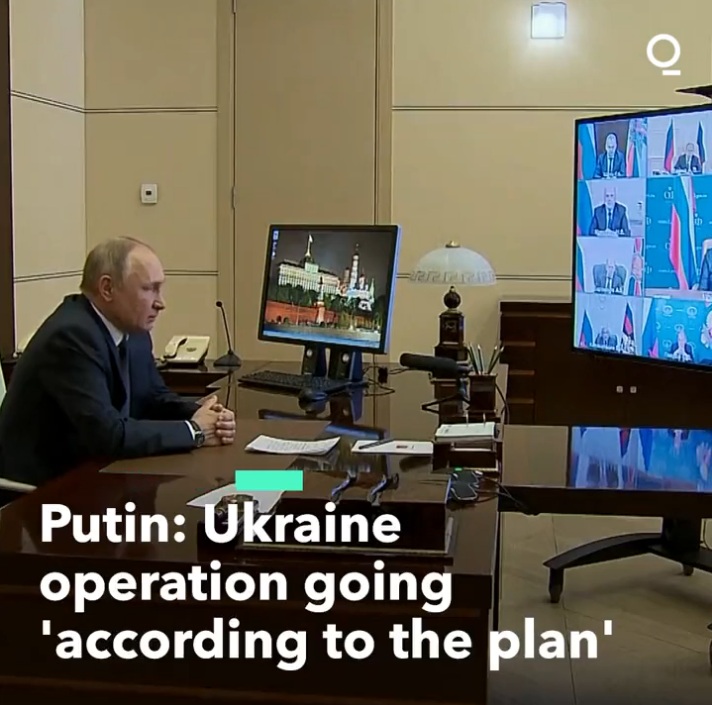
As Putin repeatedly stated, his "special military operation" is going according to plan.
Judging by what’s going on, the plan must have been the destruction of Russia and its economy.

The Moscow-Saint Petersburg highway. A massive queue has formed at a gas station. Fuel sale restrictions have been introduced across Russia.
4
6
302
Dan-Liviu Popa retweeted

15h
Elizabeth Dilling.
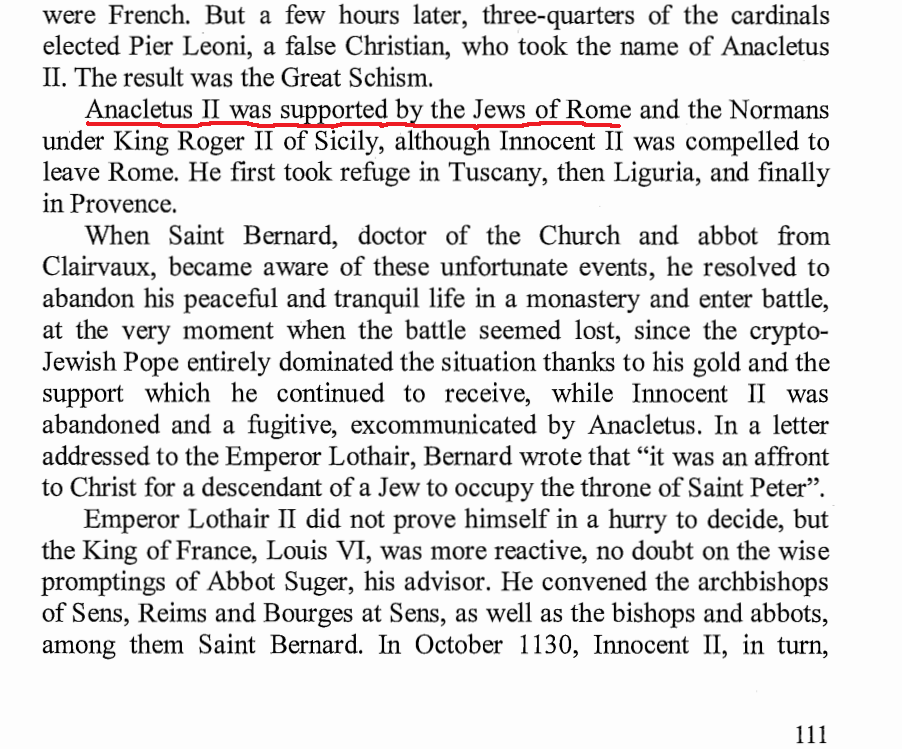
"Anacletus II was a Jew. If nothing else, the term "convert," as applied to Jews, MUST BE VIEWED CAUTIOUSLY, in view of the CONCEALED Judaism of the "Marranos," which continued for CENTURIES."
paras 19 & 32 come-and-hear.com/dilling/ch…
6
14
355
Dan-Liviu Popa retweeted

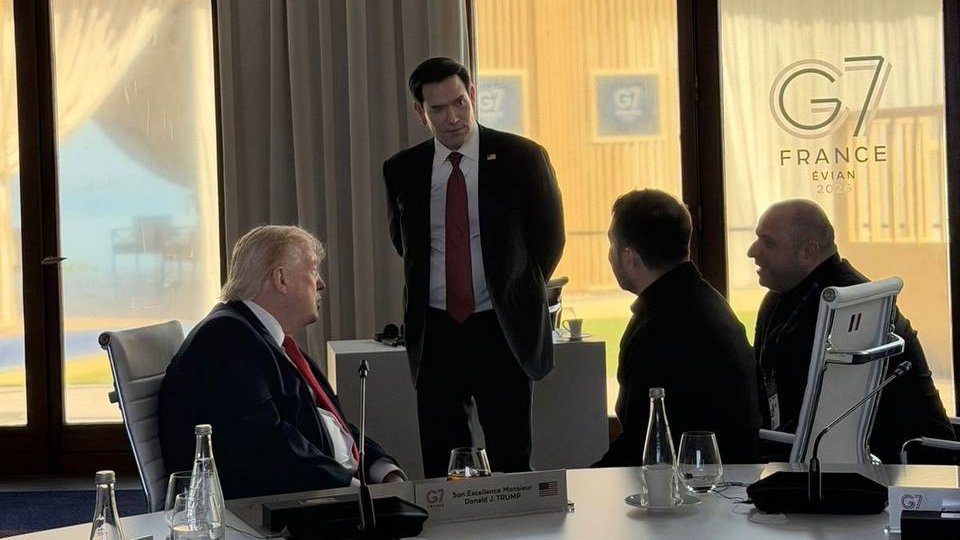
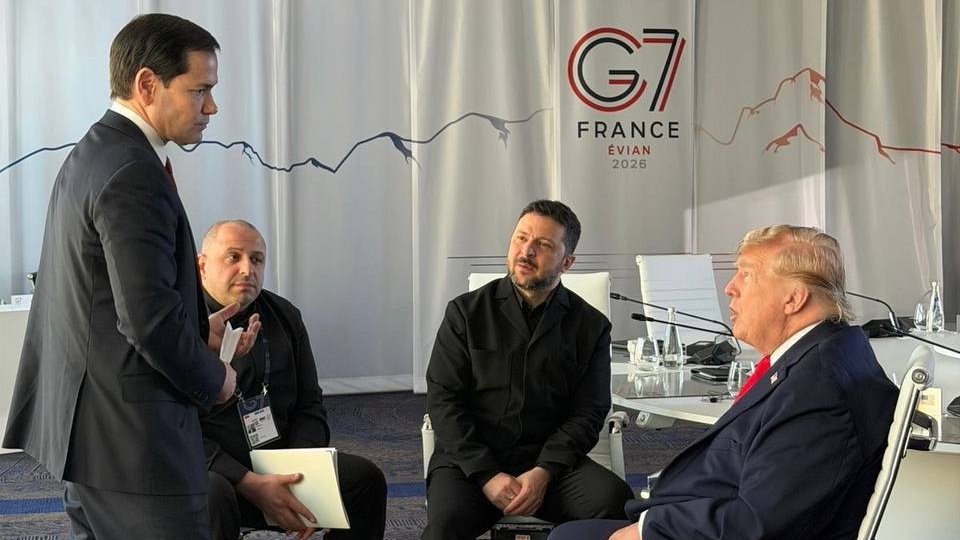
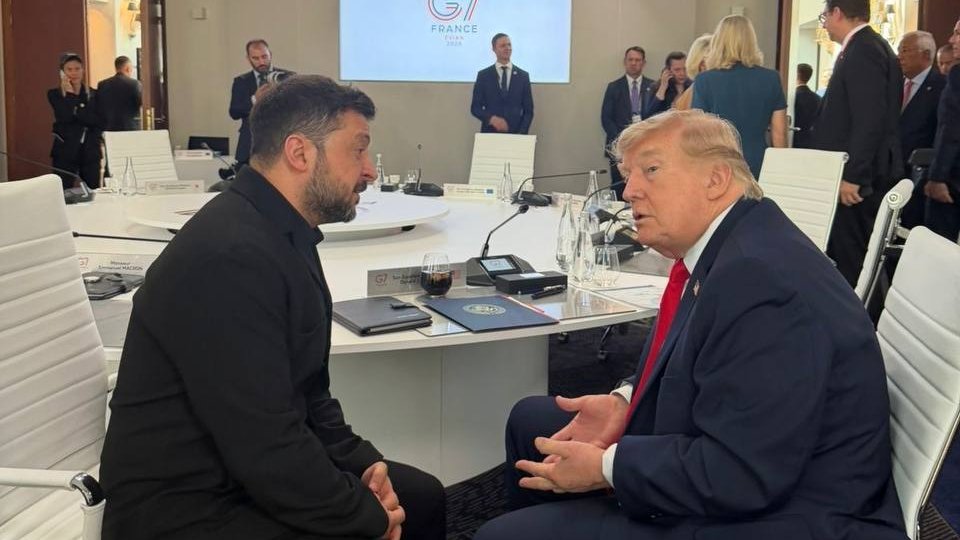
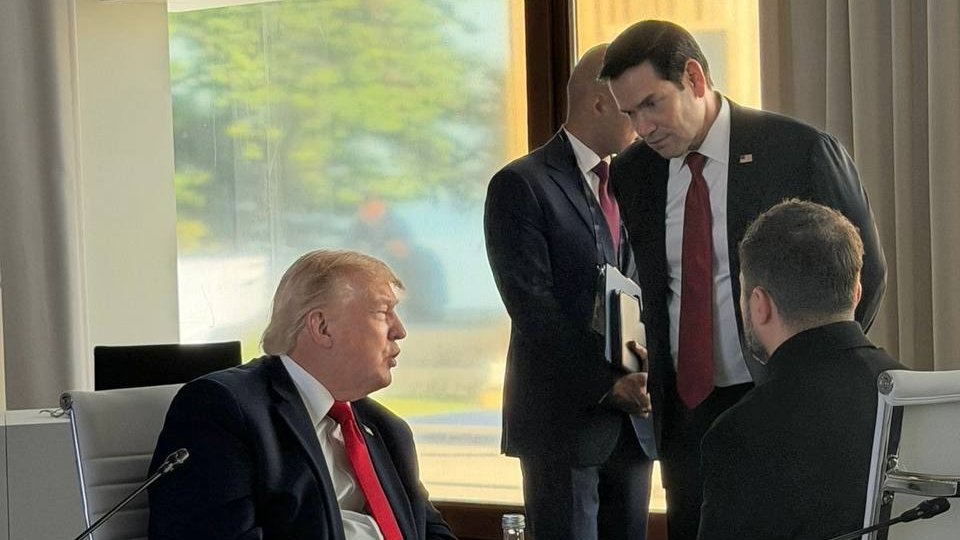
It is always important to coordinate positions.
____
Завжди важливо координувати позиції.
🇺🇦🇺🇸
594
1,133
9,920
632,018