
436 Photos and videos

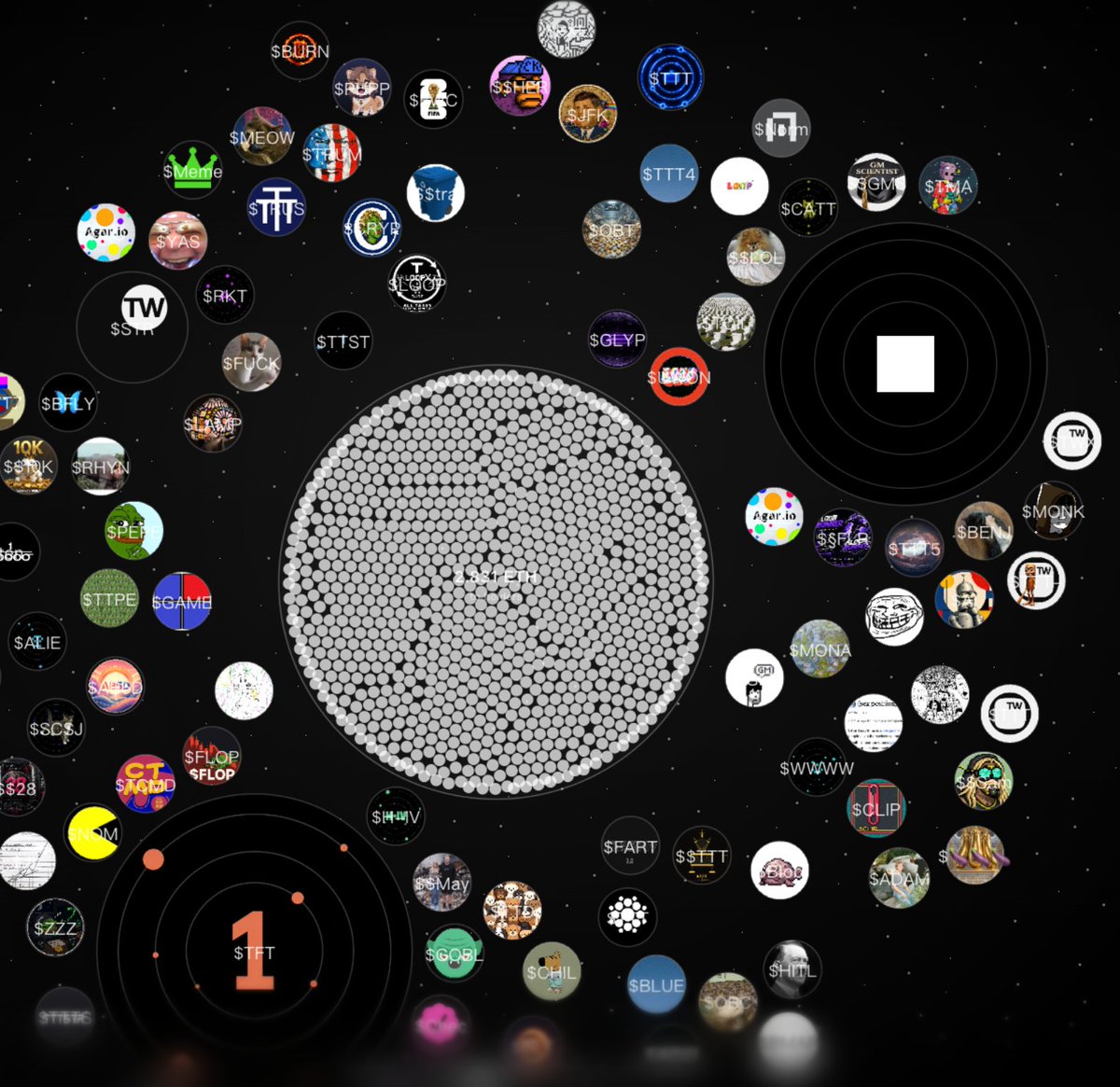







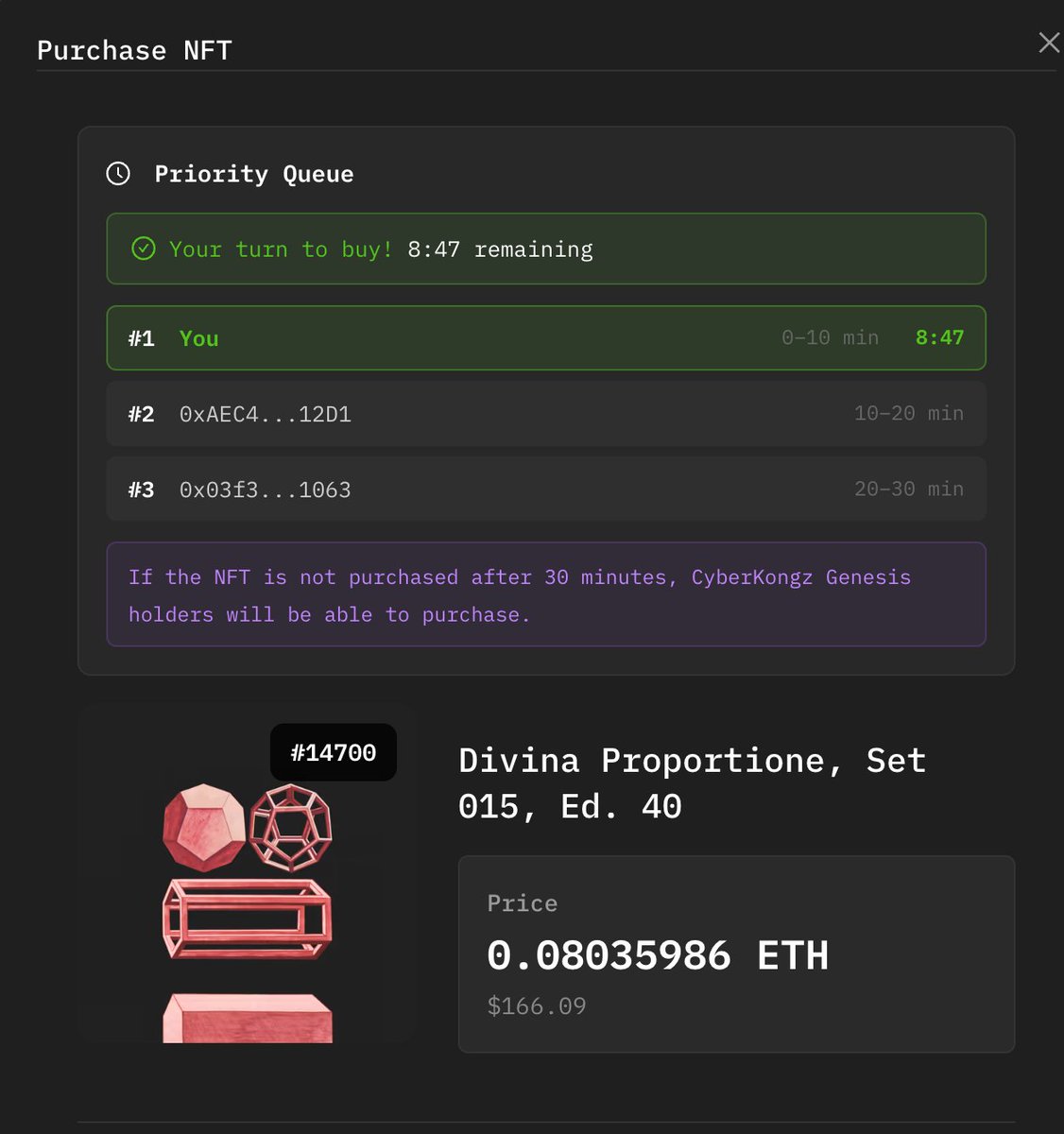

We’ve just finished a whitehat operation on an exploit discovered in Flooring Protocol.
Now safely in the custody of Yuga Labs:
29 bored apes
4 mutant apes
1 bakc
2 cryptopunks
1 azuki
2 elementals
26 captains
1 moonbird
2 doodles
@0xQuit, our VP of Blockchain recovered the NFTs. Will leave the details for him to go over in a separate thread.
There was an exploit earlier this morning on the same protocol which had left some collections already raided. Huge shout to @coffeedev who found that by tweaking the same exploit, there was an even larger risk to other Flooring collections like BAYC and Cryptopunks.
I quietly instructed our GrailsOTC trading desk to front the money and NFTs to rescue the at-risk assets from the protocol.
We will work together with the protocol devs to return these assets once a solution is sorted. Could mean contract relaunches and token reassurances within that protocol - or more.
But thanks to this move we were able to save dozens of assets from impacting the market and flooring protocol tokens from being compromised.
bored ape yacht club
240
183
1,277
251,314


Tao.eth 涛 retweeted

Jun 4
Thank you so much for your trust and support!
I can’t wait to see them! 😊
Jun 3

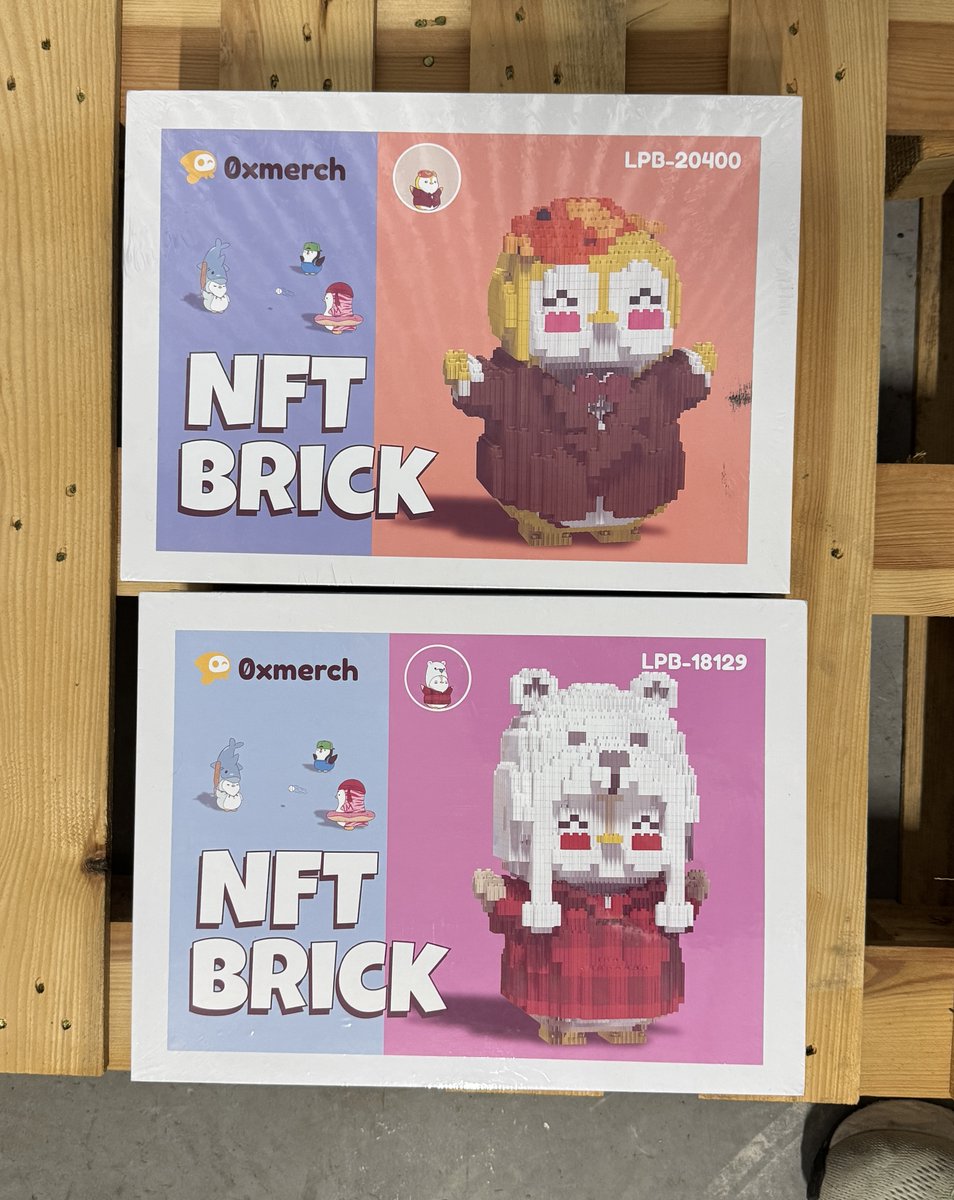
Thank you @0xmerch_io for the gift for the @pudgypenguins MVPs. The Lil 18129 I got from MVP. I thought I should get my 'Petite Pourer' Lil 20400 ordered as well. Last time it took me 15 hours to build one, maybe it will be faster this time. Stay tuned!
1
6
116
Tao.eth 涛 retweeted

Jun 2
Today a crazy quantum story just got wilder.
On March 31, the Google Quantum AI team published a landmark result on Shor's algorithm for elliptic curve cryptography. Technically, the paper was a bombshell: a dramatic 10x improvement over the state-of-the-art. As a stunt and wakeup call to the blockchain space, those optimisations were illustrated on secp256k1, the elliptic curve underlying Bitcoin and Ethereum signatures.
But perhaps the most striking part of the paper was sociological, not technical. Instead of following standard academic process, the optimisations were kept secret, hidden behind a zero-knowledge (ZK) proof. Google's accompanying blog post mentions they "engaged with the U.S. government". The ZK proof demonstrates the existence of algorithmic improvements without leaking details. Academic censorship with ZK, a historic first!
As a co-author of the Google paper I witnessed some of the context surrounding this censorship. To be honest, multiple aspects of that context don't sit well with me. As much as I believe the general public ought to know more, I am limited in my ability to whistleblow. Though let me be clear about one thing: the Google team's professionalism has been absolutely exemplary, and they deserve nothing but praise.
Censorship has a way of backfiring. The Streisand effect, where an attempt to bury something only draws more attention to it, is exactly what's unfolding today. First, Google's key optimisation has been rediscovered by the French. And in a thrilling turn of events, a collaborative Shor-at-home challenge just launched. The initiative, available at ecdsa[.]fail, breached a new Shor world record in a matter of hours.
Let's start with the rediscovery. Just two months after Google's paper, French quantum expert André Schrottenloher cracks the main secret optimisation. His paper, titled "Optimized Point Addition Circuits for Elliptic Curve Discrete Logarithms", landed on the arXiv today. Big congrats to André, who beat several other nerdsnipped experts to it. In a blog post also published today, Craig Gidney, the world expert on Shor optimisations, revealed that he'd been sitting on this very optimisation for a whole year under censorship pressure.
Interestingly, André missed a handful of minor optimisations, both from Google's original publication and from improvements found since. It's plausible there's still plenty of juice left to squeeze out of Shor, and this is exactly what the ecdsa[.]fail challenge is about. The verifier program developed for the ZK proof does double duty, automatically filtering for valid submissions. Dozens of compounding small and micro improvements are rolling in. As of the time of writing there's an 8.4% improvement to Google's circuit, as measured by the product of logical qubit count and Toffoli gate count. Nice!
The nerdsnipping ran deeper than anyone expected. Over the last few weeks it became clear it extended well beyond André and other quantum experts. Behind the scenes, a small army of amateurs quietly got to work. Inspired by Karpathy-style autoresearch, they turned AI on Shor. Ironically, the verifier program for the ZK proof makes an ideal reward function for AIs. The barrier to entry for this modern style of research is refreshingly low, with several non-experts, even a teenager, finding nice optimisations. Get in touch if you'd like to join a Telegram group with fellow autoresearchers :)
Part 2: neutral atoms and qday
The story doesn't end with Google. On the same day Google went public, a stealthy startup called Oratomic published its own Shor paper in a coordinated release. It made a splash, ultimately becoming the most upvoted paper on scirate[.]com, a website ranking arXiv papers.
Oratomic's claim was wild. By building on Google's logical optimisations and applying custom physical optimisations for neutral atoms, they claimed just 10K physical qubits were sufficient to run Shor's algorithm on secp256k1. That number is mind-bogglingly low.
Knowing essentially nothing about neutral atoms when Oratomic's paper landed, I was intrigued and decided to learn more about the tech. I fell straight down the rabbit hole and spent a couple hundred hours on the topic. I got a little obsessed and watched every YouTube video I could find and spoke to a bunch of experts.
My conclusion? The tech is real, very real. Even Google recently decided to start a neutral atom lab, a notable pivot from their sole focus on superconducting qubits. If you care about qday, i.e. the day a quantum computer will break the first piece of cryptography in production, neutral atoms demand your attention. I shared some of my learnings on Shor and neutral atoms in a 30min talk at the ZKProof cryptography conference. You can find it on YouTube by searching "zkproof neutral atom".
Here's an interesting observation about this duo of breakthrough papers: neither Google nor Oratomic say a word about what their results mean for qday. No timelines. Zero. Nada. That is especially baffling given that the whole point of whitehat quantum cryptanalysis is to inform qday estimations and help the general public make good decisions.
So let me attempt to partially fill the silence, similarly to what Scott Aaronson did in his April 29 post. Given everything I know, including scary non-public information, I now put the odds of qday by 2032 at 50%. 10% by 2030.
Anecdotally, the US government has its own date: 2035. Originating at the NSA and later adopted by NIST, it's when branches of the US government will be disallowed from using quantum-vulnerable cryptography. In plain language: with hindsight, that date is a joke and should be discounted entirely. I don't see how NIST avoids being forced to pull it forward by years.
Part 3: post-quantum cryptography
There are good reasons to sound the alarm today, but please do not panic. Rushing carelessly towards immature post-quantum cryptography is a recipe for disaster. IMO a good target date for migration is 2029, roughly 3.5 years out. 2029 happens to be the date selected by Google, Cloudflare, and the Ethereum Foundation.
These days most of my time goes to safely migrating Ethereum towards post-quantum cryptography as part of the broader lean Ethereum effort. There's a lot to do. We need to rip out and replace BLS signatures at the consensus layer, KZG commitments at the data layer, and ECDSA signatures at the execution layer.
The plan to get there is compelling, and is based on hash-based cryptography. Within the Ethereum Foundation we've developed a Swiss army knife called leanVM (github[.]com/leanEthereum/leanVM) powered by the magic of hash-based SNARKs. Thanks to truly exceptional work by Emile, Thomas, and others, its performance is derisked. Regarding security, leanVM is a jewel, a minimal zkVM crafted for end-to-end formal verification and maximum security.
Want to help? There are two $1M initiatives. First, the Proximity Prize (proximityprize[.]org). Solve a long-standing mathematical conjecture in coding theory, improve hash-based SNARKs, and go home a millionaire. Second, the Poseidon Initiative (poseidon-initiative[.]info), offers $1M for breaking Poseidon, the SNARK-friendly hash function.
408
1,127
6,239
3,698,742
#TTT 是个有趣的试验品,我不确定它会不会成功,更不确定什么时候会成功,但如果没有这种实验,我们又何必来加密世界。@token_works
4
10
137
Tao.eth 涛 retweeted

I want to get a bit more public about the work we at the Kohaku Initiative inside the EF are doing
I notice there's hype but there's also confusion. Best way to clarify things is to speak candidly and openly about what I'm working on day-to-day
🧵time (bc i dont pay twitter $)
46
128
751
381,438
Tao.eth 涛 retweeted

May 24
Major areas where the financial system still needs an update:
1. Tokenization of real-world assets - Real estate, stocks, bonds, funds, etc. onchain for instant settlement, fractional ownership & massive distribution.
2. 24/7 Global trading - Pooled global liquidity, every asset, every person, with great leverage and capital efficiency.
3. Next-gen payments - Near-instant, low-cost global transfers using stablecoins, including for Agentic payments.
4. AI-powered risk, credit, compliance, and advice - Better decisions, less fraud, and broader access to capital. Everyone gets access to a great financial advisor.
5. Innovation friendly regulation - Move from one-size-fits-all to risk-based rules that encourage innovation and competition instead of stifling it.
6. Expanded access - Open protocols that reduce middlemen and self-custodial wallets to expand access to everyone with a smartphone.
7. Capital formation - Low cost and turnkey for anyone to raise money for a good idea, increasing the number of startups.
8. Sound money - A refuge from inflation, when discipline is lost in fiat money.
Jobs not done until we get these working for all.
Will require lots of tech innovation and policy work to get there.
701
733
4,622
517,386
Tao.eth 涛 retweeted

May 24
Some of my perspective on where the @ethereumfndn is going.
First of all, this is only my own view. The board is not just me, and I have no extra special powers on the board that the other board members do not. @aerugoettinea is the one executing much of this transition. My input has been largely on technical questions. The board is in the process of expanding, and my own power within the org will continue to decrease, which is honestly what I want.
The 2025 era brought many important improvements to EF and its ability to execute. Many issues were resolved, and EF continues to benefit from its improved efficiency and greater focus on concrete goals to this day. And so with those problems resolved, early this year, the largest remaining hole that I perceived was something different nagging at me: I would regularly spot people saying things like "vitalik says these beautiful things about ethereum needing to be decentralized, and have privacy, and be a sanctuary technology, but why do the EF's actions not reflect that?"
Now, you may have been hearing something different. You may not have been sensing a feeling of crisis at all, and maybe were hearing people saying that finally we were taking execution and BD seriously and the main task for us is to keep going that way and be even better and faster. Then probably there is genuine difference between you and me, in what kinds of criticism I take most seriously, and what kinds of critics through their criticism are most able to make me feel pain.
As an analogy, let's briefly switch over to a different domain.
One belief you can have about Google is that it is a success story, and has brought a lot of good to humanity in organizing the world's information. Another belief you can have about Google is that they had a beautiful idealistic beginning, but at some point the corruption of mainstream corporate attitudes seeped in, and they slowly bit by bit completely abandoned the "don't be evil" slogan.
My belief on Google specifically is probably somewhere between the two. BUT, if you had taken me back in time to ~2008, and offered me a button to press to make Google one or two standard deviations more "dogmatic", eg. give Richard Stallman permanent veto power over some key policies, I would immediately press it.
Why? Because a choice for one company is not a choice for the world, or even one country. Google existed and exists in the context of a technology industry generally drifting away from early idealistic don't-be-evil roots and toward greed for financial gain, totalizing visions of accelerated superintelligence, infiltration by sociopaths, and craven capitulation to (or worse, active participation in) government pressure for ideological control, surveillance and war. And so *one company* doing something different, positioning itself to be what George Bernard Shaw calls the Unreasonable Man, resisting the trend of the times, would have been better for freedom, balance of power and stability of society as a whole, than *all* large companies bending to dominant trends. This is a part of my version of pluralism.
This line of thinking is not just mine, but I also is not too far off from what Aya and others had in mind with the Mandate.
Now how does this all get to the role of the EF?
EF is not a "center of Ethereum", rather EF is "one node, with a defined purpose, alongside other nodes". We've always said that the EF should be the latter, but many in the Ethereum ecosystem (and even within the EF) wanted us to be the former. Now, we are taking action to ensure that we will be the latter.
This is particularly important because EF is a limited organization, with limited resources and limited organizational capacity. The EF has only ~0.16% of all ETH (less than many other individual ETH holders), whereas among other blockchains it's common for "the central foundation" to have 10-50%. Fiscally, the EF was originally designed to fulfill a limited work scope defined in the token sale docs and other pre-launch materials (building the chain software; getting through Frontier, Homestead, Metropolis, Serenity), which was fully completed in 2022; it was not designed to be an eternal steward.
And so today, the EF is choosing to use its remaining resources to pursue longevity over breadth (yes, this means we sell less ETH). The EF focuses *specifically* on those activities critical to the success of ethereum as a censorship/capture-resistant, open, private and secure system, that would not happen otherwise. This means making hard choices, and in some cases even activities that we highly approve of and people that we highly respect becoming outside of the EF. People of great technical talent, public respect and even alignment with the mission and CROPS being outside of the EF is in fact necessary if we want important tasks to be able to attract outside capital. This also means the EF taking opinionated stands culturally.
This is all intended in cooperation with all other parts of ethereum. We recognize that many other parts of the ethereum world highly respect CROPS and related values. But highly respecting is not the same as choosing to specialize and totally dedicate to a domain (Compare in a different domain: I think reducing animal cruelty is important, and I like vegan food, but am not full unconditional vegan myself)
EF is still in a transition period, and we expect its new long-term form to stabilize over the next few months. What are the guiding principles of this new form? Again, I am only one person, but I can give my answer from a technical perspective (there are also critical non-technical aspects).
At the core, *Ethereum must be impressive*. We are living in an age of highly intelligent AI and all kinds of other technological acceleration. "Status quo EVM, with a hard fork or two a year to optimize for short-term needs of users" is not interesting.
To some, "impressive" means: 250ms latency and 1M TPS. I think Ethereum trying to go that route is a mistake. Being as fast and as scalable as possible, and only a small epsilon more decentralized than the others, is a route to mediocrity, and if we try it we will lose.
I think Ethereum should scale. But I think Ethereum should strive the hardest to be deeply impressive in a different dimension: the CROPS dimension. This means things like:
* Provably bug-free Ethereum. This is a goal that all cybersecurity researchers would have thought is absurd and impossible, up until roughly 6 months ago. Now, it's on the cusp of being possible, thanks to AI-assisted formal verification. So we should be frontrunners in doing this.
* Available chain consensus. Ethereum is, and with lean consensus will cotninue to be, the ONLY chain that has both (i) traditional-BFT style properties that it's safe under asynchrony up to a high level of fault tolerance, and (ii) the bitcoin PoW-style property that under synchrony it's safe up to 49% attackers. As far as I can tell, literally no other chain has this or is planning for it; bitcoin goes for (ii) only and most other chains go for (i) only. Some will remember I fought hard for this, Unreasonably insisting that it is not OK for ethereum to rely on social consensus and hard forks to rescue ethereum from 34% of nodes going offline. It's OK for chains like hyperledger, bnb, solana, tempo, etc. It's not OK for bitcoin or ethereum or eg. zcash.
* Intermediary minimization. The fact that smart contract wallets, protocols like railgun, etc have to send transactions through intermediaries to get included onchain is honestly embarrassing, and it's a constant point of fragility. Hence the work on FOCIL and EIP-8141 (and 7701 and years of work before) to make transaction sending intermediary-minimized with public mempool and strong inclusion properties, in a truly general-purpose way, that covers not just eg. secp256r1, but also privacy protocols and much more. Kohaku is pushing intermediary minimization at the user layer, pulling Ethereum away from the dystopian status quo world where our wallets don't even verify the chain, send our private data out to a dozen third-party servers, and toward a brighter CROPS future.
Some of these goals are Unreasonable - maybe Ethereum would be "fine" getting only 50% of the way - what if we depend on intermediaries, but make it easy to switch? But going 50% of the way would not make Ethereum Deeply Impressive in the CROPS way. So we push for 100%.
Fortunately all these goals are compatible with high TPS, this is a major focus of research (esp. on scaling the state). Well-designed L2s can also help, especially L2s optimized for specific applications (eg. high-volume trading, privacy...). These goals are even compatible with significantly lower slot times, thanks to Raul's work on erasure-coded P2P, and many other optimizations.
The most high-value "product" of the ethereum blockchain, financially speaking, is ETH the asset. Ethereum secures $250 billion of ETH. The types of properties of Ethereum that I mentioned above are very good for ETH the asset. Nearly 90% of my net worth is in ETH, and most of the remainder is ~$40m of onchain fiat of which every dollar has already been allocated for some open-source biotech or software or hardware initiative. That said, there are aspects of supporting ETH the asset - *necessary* aspects even - that are outside the scope of the EF. This is where we need other heroes (some of whom hold more ETH than the EF does) to step in and help. EF has been recently thinking more about how it will relate to other such organizations, and give them needed initial support.
EF will be a smaller ship than in previous years, a more opinionated one - in some cases more opinionated in ways that might be difficult to comprehend - but a longer-lasting one, and one suited to making sure that ethereum brings something meaningful to the world. We are grateful to all those inside and outside the EF who are helping to make this happen.
1,614
1,599
7,882
4,095,275

I’ve been seeing a lot of threads about the Ten Thousand Tokens launch, how the project doesn’t work, TokenWorks is for grifting, etc. and wanted to give my thoughts.
I wouldn’t wish launching new ideas in the crypto space on my worst enemy, especially tokens. I truly think this is the hardest medium to work in, as every action is permanent and there will always be someone who feels wronged regardless of how above board you act. I try to act as ethical as possible both onchain and with my marketing. We don’t work with KOLs, Market Makers, or “crime” tokens. If this is what you’re looking for, there are thousands of projects that do.
Every idea is a derivative, but I do try to release new ideas to the space. I’m transparent about the rules ahead of time, that way everyone is on the same playing field and can try to solve the game their own way. There’s a reason almost everything is a fork, it’s much easier to launch an idea that is proven to work than brainstorm your own.
“You just abandon ideas and move onto the next to rake in fees” When an idea has reached completion, you can either take what you’ve learned and apply it to the next one or lie through your teeth about how it’s “going to change the world” or “going to last forever” which I personally refuse to do. I run the TokenWorks twitter myself just so nothing that could be considered an over-promise slips through. Again, if this is what you’re looking for, there are tons of projects out there that love their marketing.
As for TTT, I still really like the idea as a novel launchpad on ETH. We’re going to keep tweaking it and see if anything catches on. Maybe we need to change the launch mechanics, maybe we need to ditch the artistic UI. The core idea of an ecosystem of holders rallying behind launches rather than PvPing feels strong to me. By design it will run as long as Ethereum does, but eventually if nothing catches on my attention will shift but we will have curated 2500-10000 new participants in the TokenWorks ecosystem that we can include in the future.
TokenWorks is a playground for onchain financialized ideas, on Ethereum. The mantra has always been we need to keep iterating on new primitives to see what works, and maybe a new killer protocol will be created that is really useful (ie. The Casino on Mars). We’re trying to build coordination games in a space that is inherently zero-sum. It’s difficult. Most will fail. If you want to support us and try our ideas, thank you so much. Regardless, we’re going to keep doing what we do best: experimenting on the frontier.
104
49
480
34,327
Tao.eth 涛 retweeted

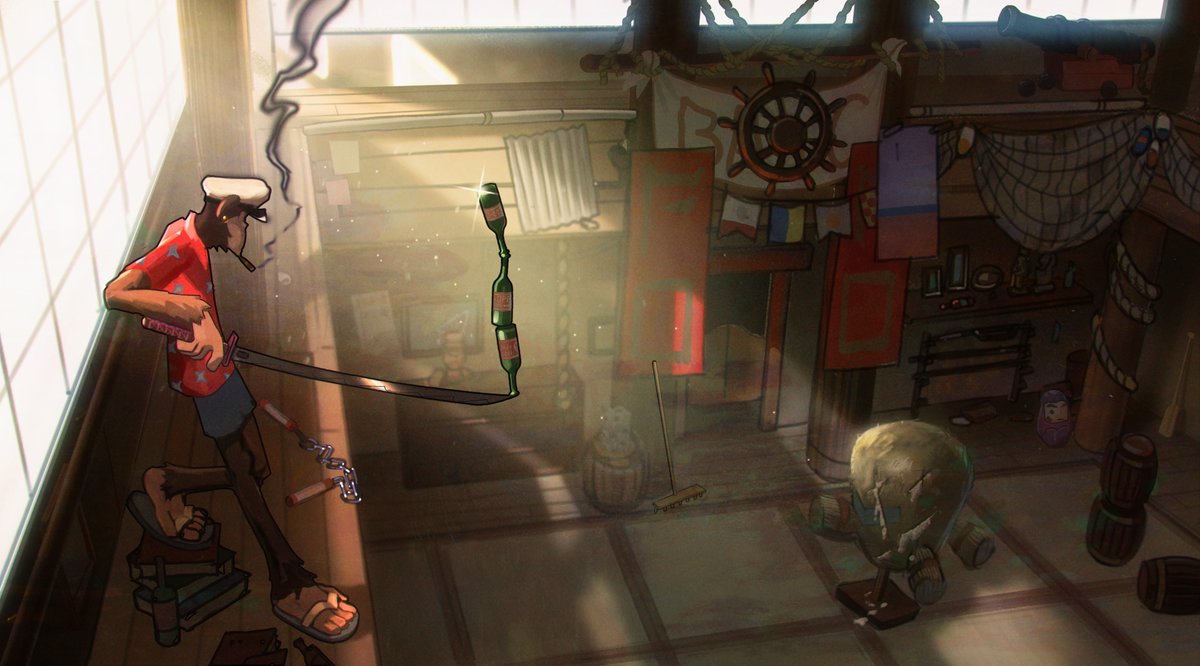
BAYC has always been global, and we’re continuing to build deeper connections across APAC with official RedNote and Douyin accounts.
More local content.
More ways for the community to connect.
Red Note: @BAYC_china
xhslink.com/m/nADaAFWSWL
Douyin: @BoredApeYC
v.douyin.com/bjQUrnlUpvI
87
130
606
90,364
Tao.eth 涛 retweeted

May 20
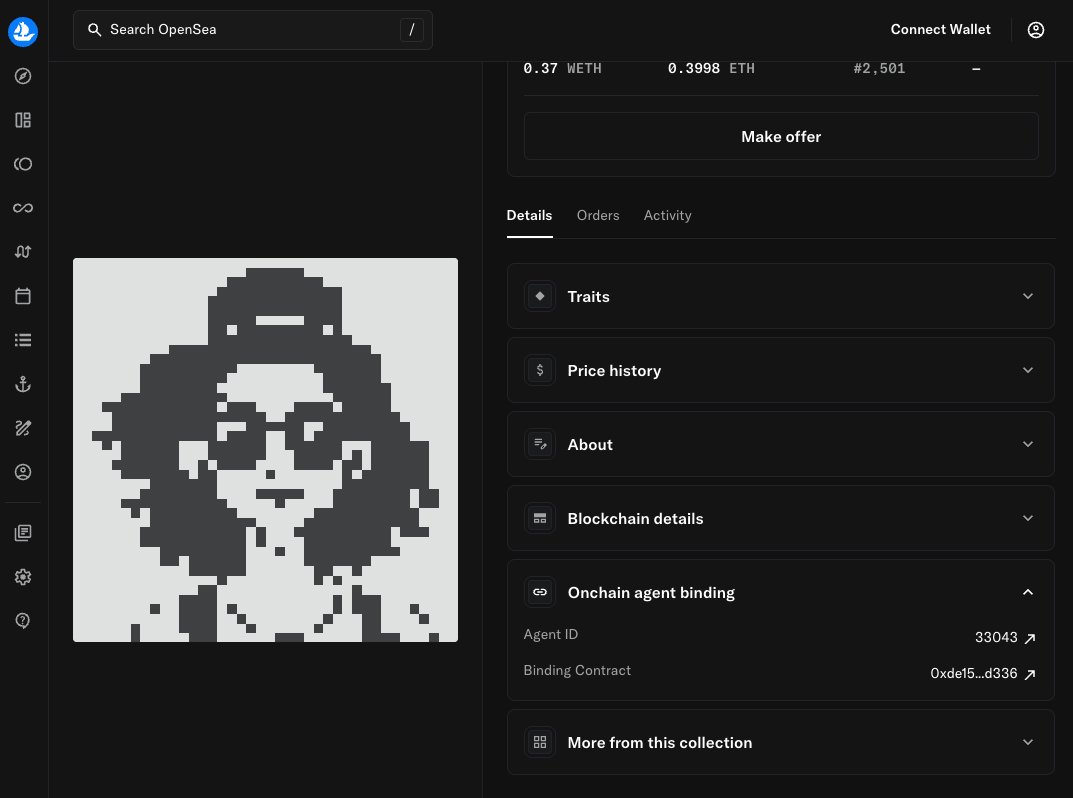
Welcome Normie Agents to @opensea
Big ups to team @opensea, @CodinCowboy for making this possible.
Shout out to @nxt3d who have been working on Agent NFTs more than a year, now it's time! Sending flowers to @YigitDuman our core developer for the smooth integration.
Agent NFTs are officially a "thing" and Normies are the first to experience it on Opensea!
We are just starting and we are quite sure that we will build many thing on top of that thanks to real builders!
May 20

agent binding is a really interesting concept. sell the nft and you also sell the agent
added support on @opensea to track ERC-8217 by @nxt3d to surface these bindings
anyone working on the cross over between nfts and agents feel free to hit me up. would love to support where possible
22
72
204
18,723
Tao.eth 涛 retweeted

May 20
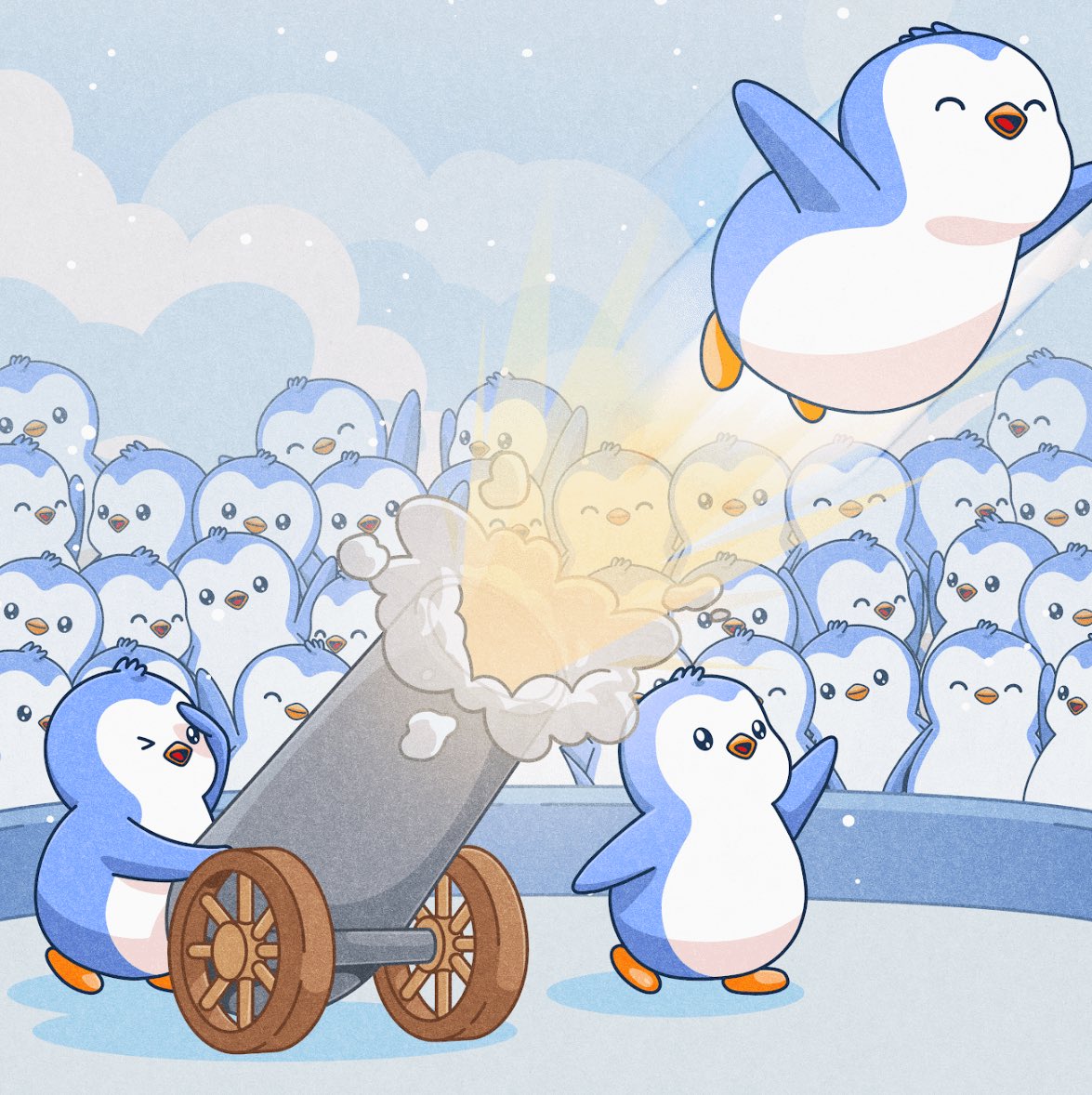
It’s been an incredible few months for Pudgy Penguins, with major brand partnerships, new products, institutional Penguins, huge support from Capitol Hill, and more.
Whether you missed it or just joined The Huddle, here’s what you need to know 🧵
133
256
1,485
83,447


1/ We are sharing additional details regarding our investigation into unauthorized access to GitHub's internal repositories.
Yesterday we detected and contained a compromise of an employee device involving a poisoned VS Code extension. We removed the malicious extension version, isolated the endpoint, and began incident response immediately.
582
3,608
11,533
7,490,778
Tao.eth 涛 retweeted
May 19
Following the success of our first drop, we’re proud to continue our collaboration with Manchester City.
Together, we’ll be creating exciting experiences at the intersection of physical and digital and bringing Pengu and Pudgy Penguins to City fans worldwide.
More details soon.
400
568
3,937
431,857
Regarding the OpenAI case, the judge & jury never actually ruled on the merits of the case, just on a calendar technicality.
There is no question to anyone following the case in detail that Altman & Brockman did in fact enrich themselves by stealing a charity. The only question is WHEN they did it!
I will be filing an appeal with the Ninth Circuit, because creating a precedent to loot charities is incredibly destructive to charitable giving in America.
OpenAI was founded to benefit all of humanity.
13,888
28,226
210,552
36,949,315
Tao.eth 涛 retweeted
May 18
Many people have claimed that with AI-assisted bug finding, secure code (and hence trustless anything) will be impossible.
I have a much more optimistic take, and AI-assisted formal verification is a major part of the reason why:
vitalik.eth.limo/general/202…
449
401
2,571
456,113
Tao.eth 涛 retweeted

May 17
Before the world knew what an NFT was, Hashmasks were on the walls of Art Basel.
One of the first NFT projects ever shown at the most prestigious art fair in the US. 2021.
The masks were always art. The market just hadn't figured that out yet.
6
26
158
10,159