
Kellogg Chair of Technology at Kellogg, Founding director, Center for Science of Science and Innovation, Northwestern University
Joined September 2008
- Tweets 3,157
- Following 1,090
- Followers 5,989
- Likes 2,833
173 Photos and videos
Pinned Tweet

21 Jun 2021
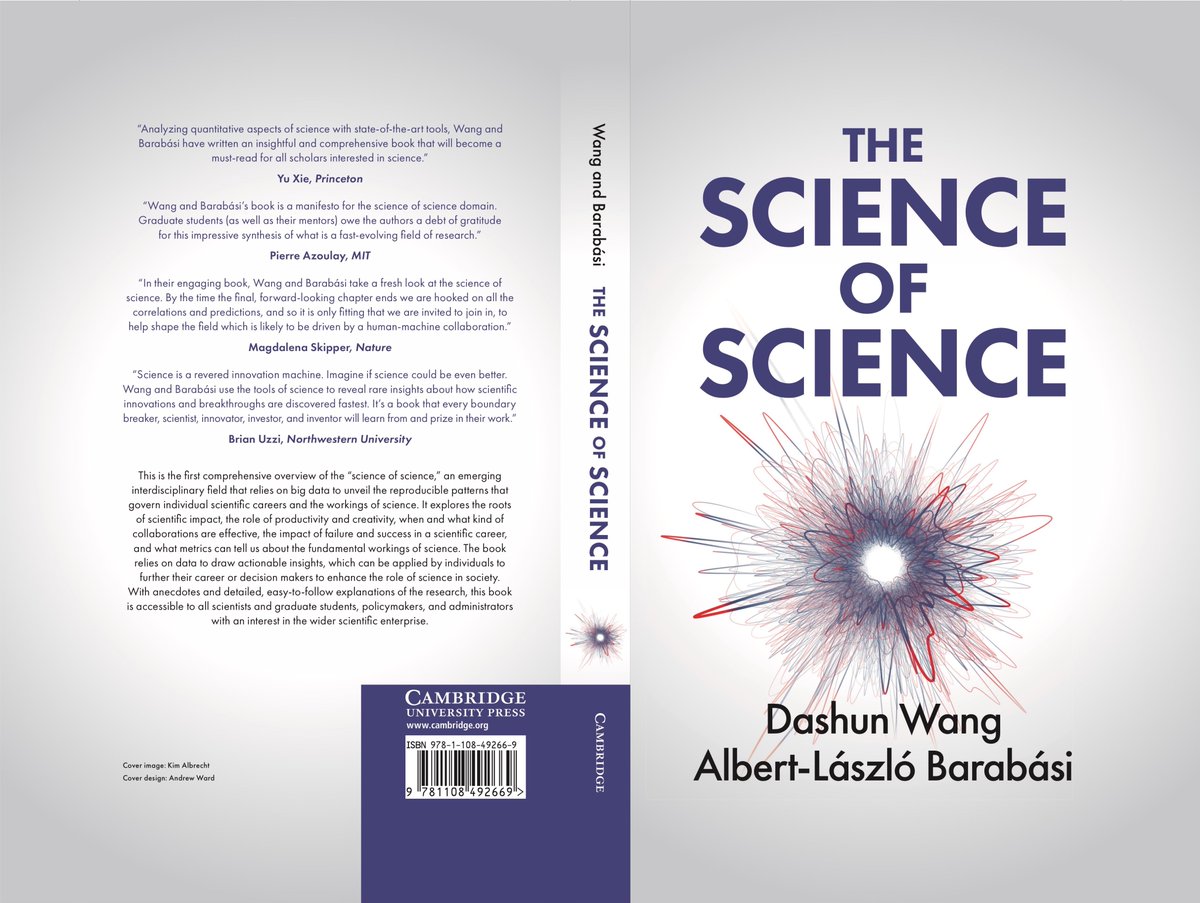
🔥Download the Science of Science book for FREE🔥
We're VERY excited to make the whole book freely available: dashunwang.com/book/the-scie…
Please help us RT & let everyone know of this resource!
#ScienceOfScience
13
301
683
Jun 11
Very well argued and articulate - from @pierre_azoulay in @ScienceMagazine today: science.org/doi/10.1126/scie…
3
227
May 27
fantastic work by an awesome group of people! bravo! check it out!!

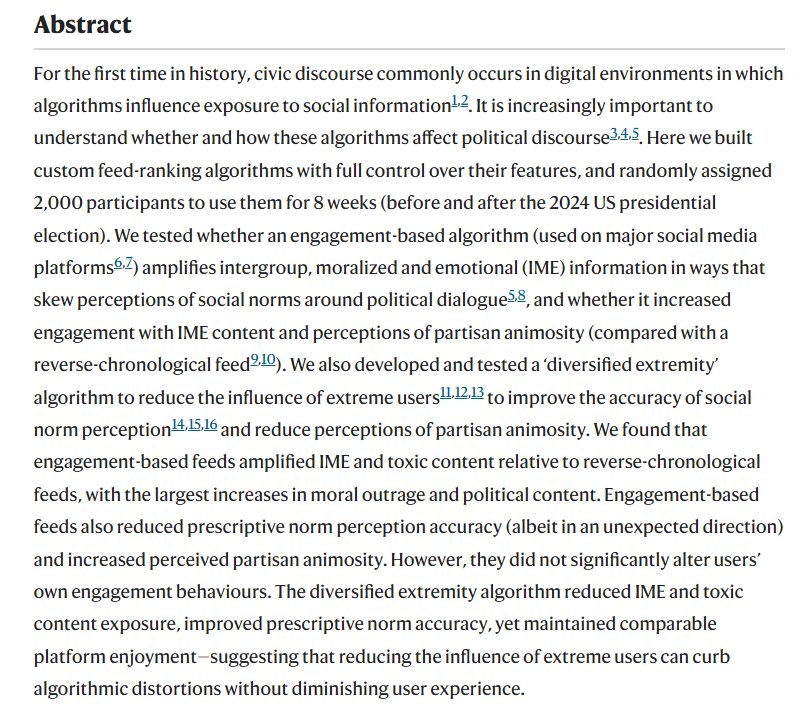
✨New paper out @SpringerNature✨ For 8 weeks around the 2024 US election, we randomly assigned 2,000 people to use social media algos we custom-built. Do engagement-based algorithms amplify intergroup, moral & emotional content does that distort how we see political norms? 🧵
1
1
5
1,039
May 13
Wonderful new work by Eddie and team! Wow!! 🤩
May 13

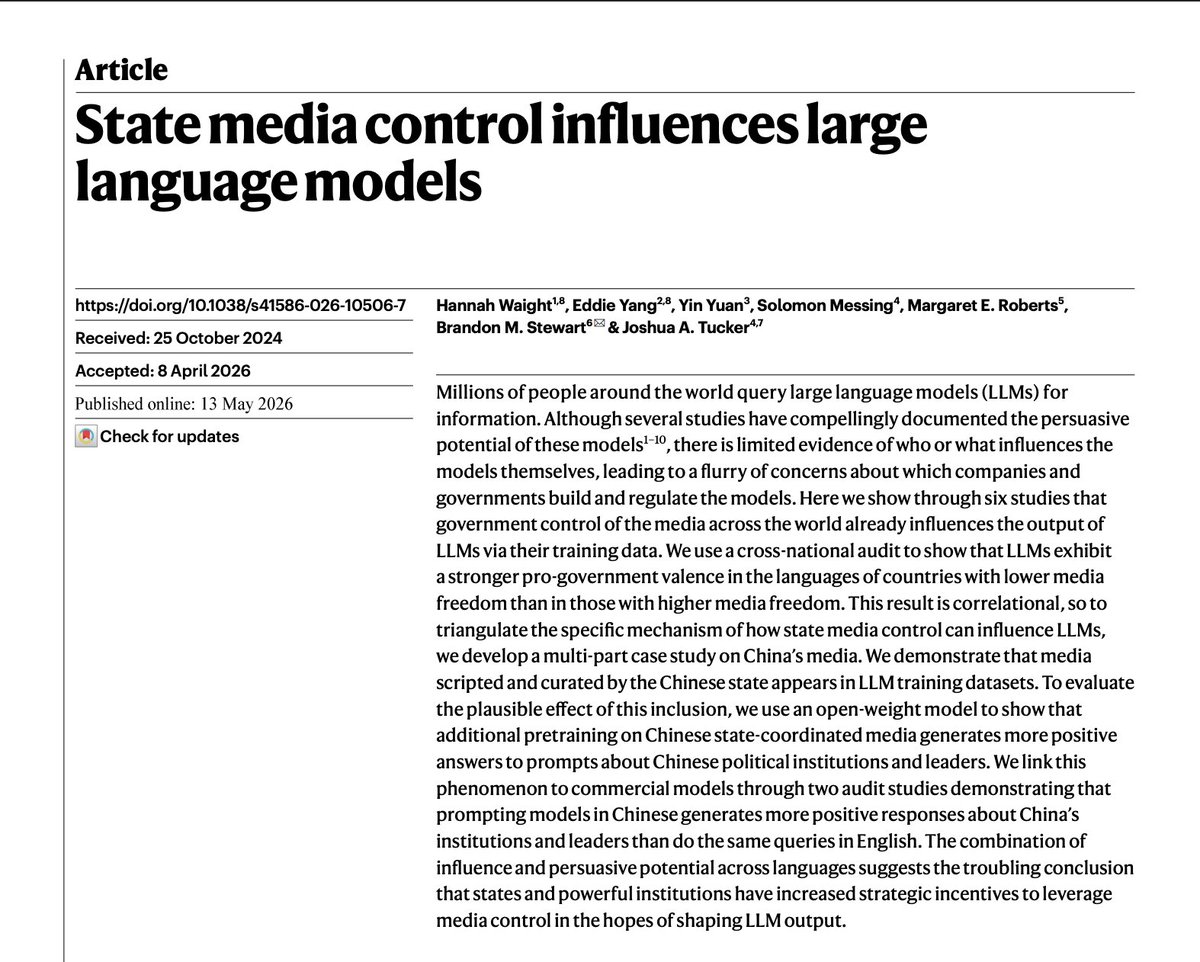
New paper in Nature. The more a government controls its domestic media, the more it dominates AI training data, the more pro-regime outputs we get from AI. By scraping the open web, LLMs are unwittingly laundering state-coordinated narratives into seemingly objective answers.
1
1
6
867
May 12
Another hit from @yian_yin's lab! this time, super timely, important, and scary!!!

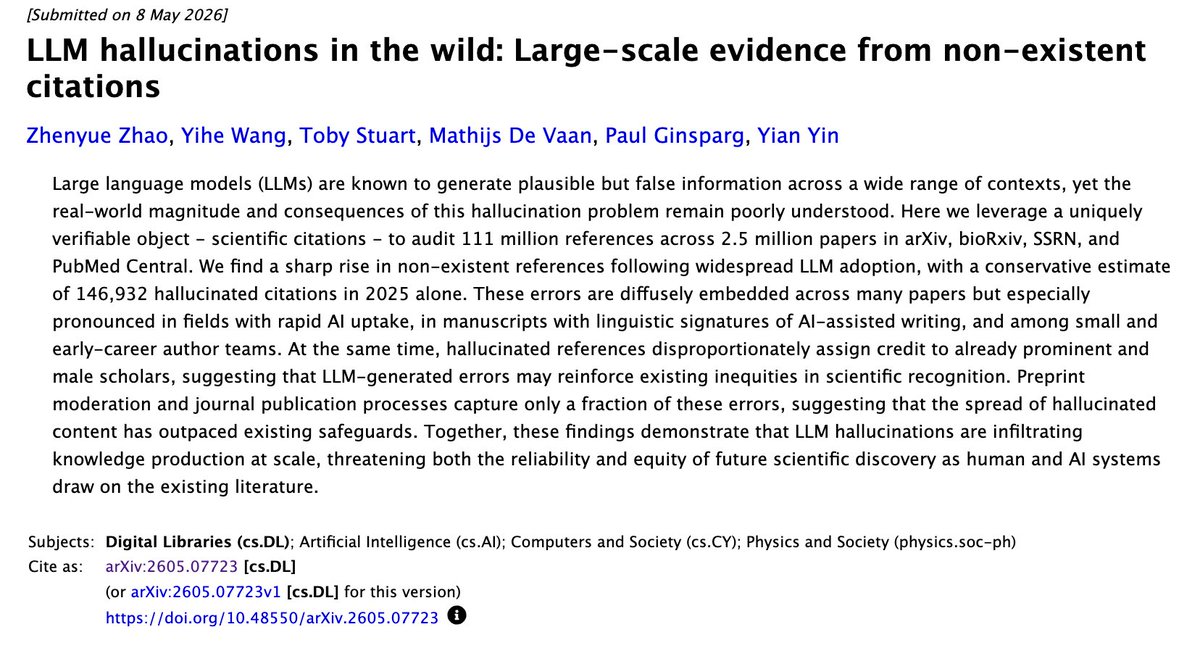
📄 Excited to share our latest preprint: the first cross-field audit of LLM-hallucinated citations in science
⚠️ Across arXiv, bioRxiv, SSRN & PMC, we estimate 147K fake citations in 2025 alone — threatening both the quality and equity of scientific work.
12
1,444
Dashun Wang retweeted

May 8
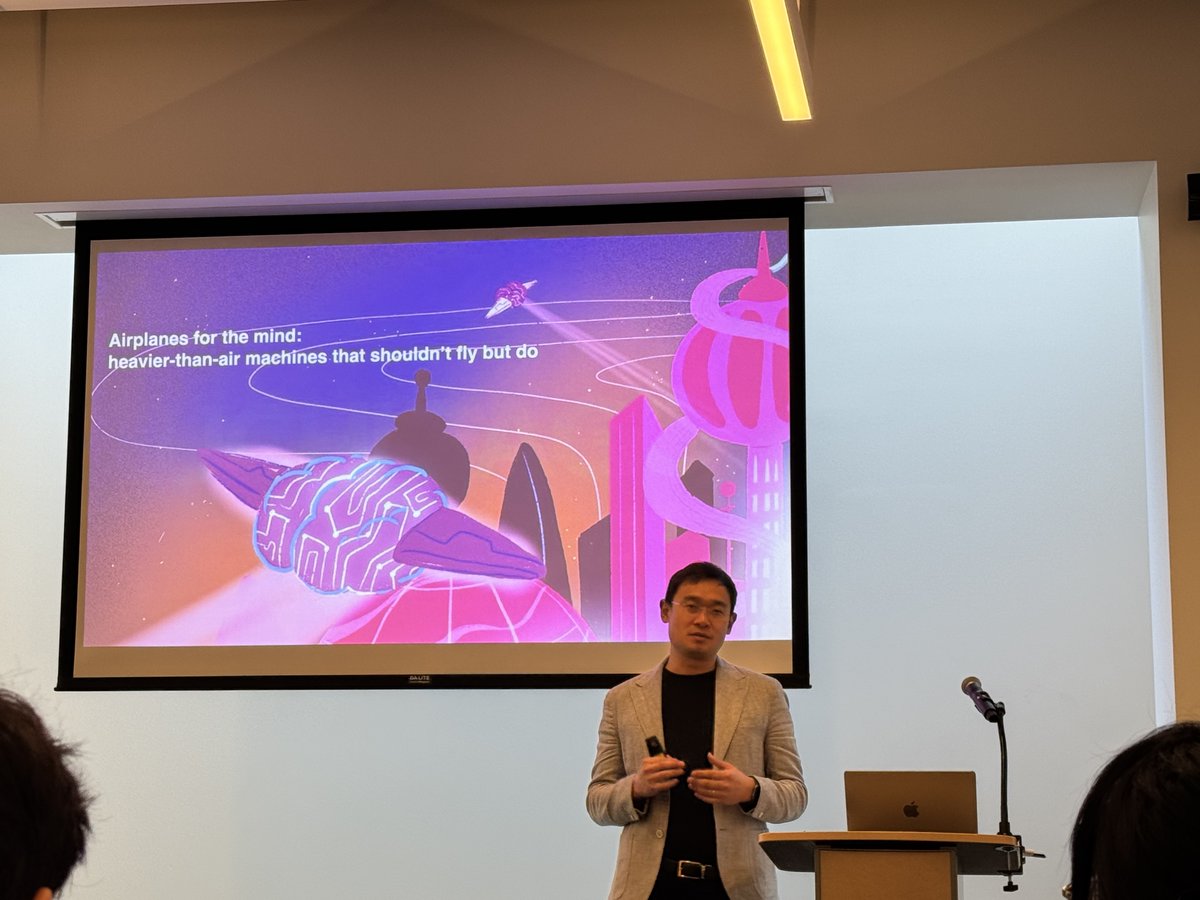
Dashun Wang talking 'airplanes for the mind'
🛩️ are heavier than air, but can fly faster than sound—remind you of another technology that "shouldn't" be able to work, but does?
Apr 1

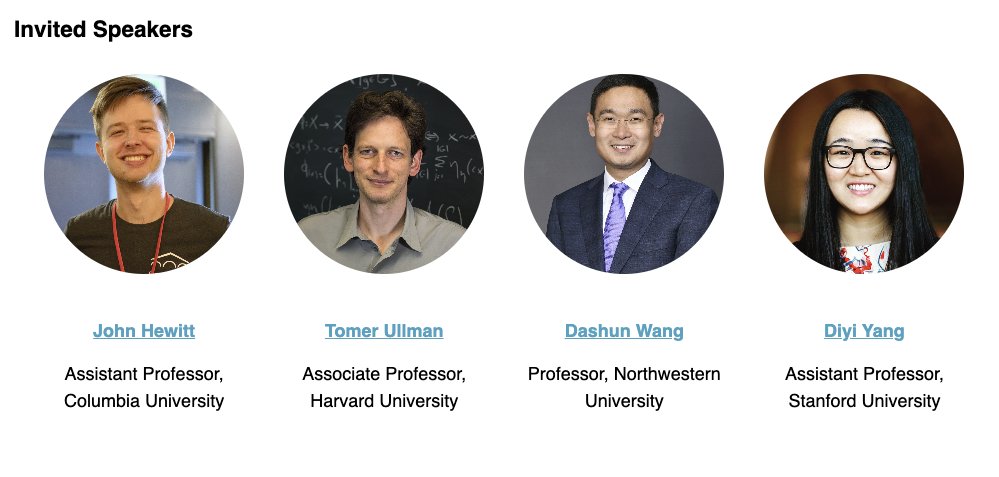
Excited to announce the 2026 iteration of the Communication & Intelligence Symposium at UChicago!
We have an amazing lineup of speakers @Diyi_Yang @johnhewtt @dashunwang @TomerUllman
We have a simple call for abstract that is due on Apr 15 (links 👇). Please come and share your research!
Co-organized with the awesome @universeinanegg and @divingwithorcas
3
12
2,807
May 4
Fascinating - Newton's gravity law turns out to be ... correct! largest scale validation. 3 centuries later, are we still doing Newton's homework for us?
science.org/content/article/…
2
321

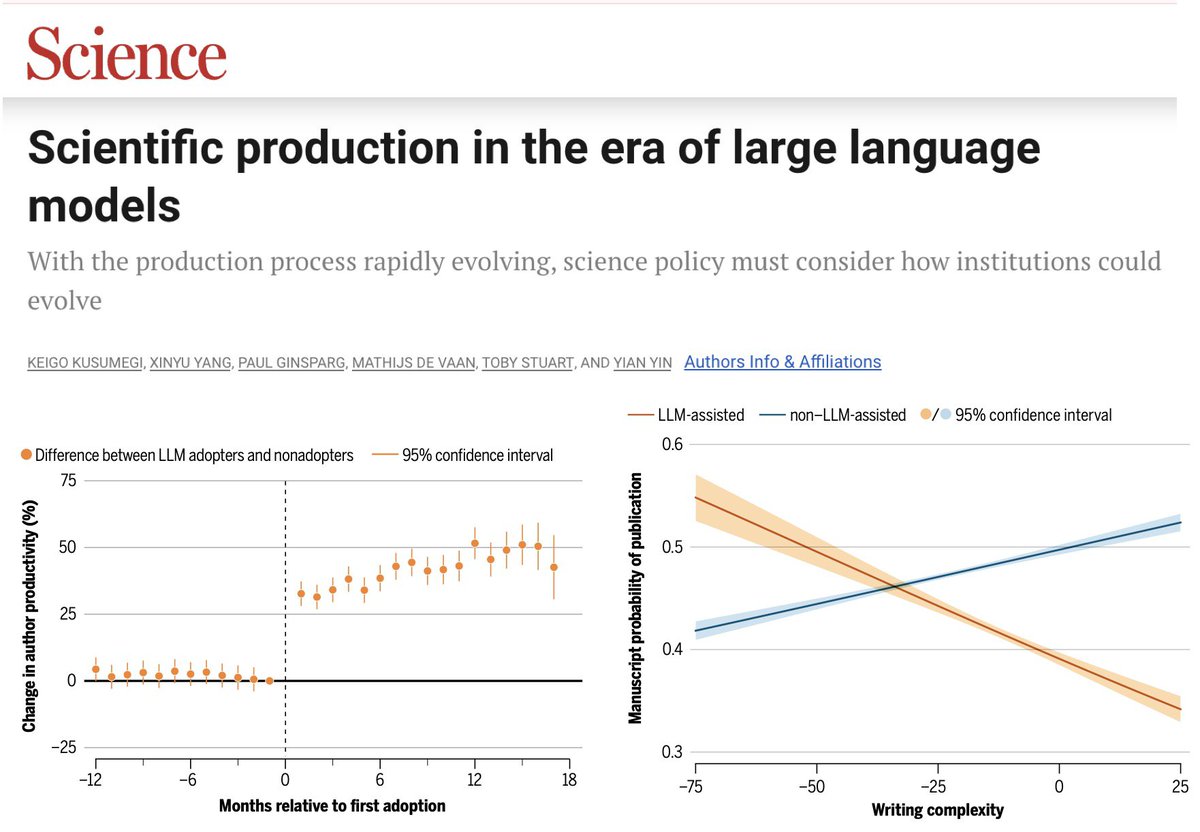
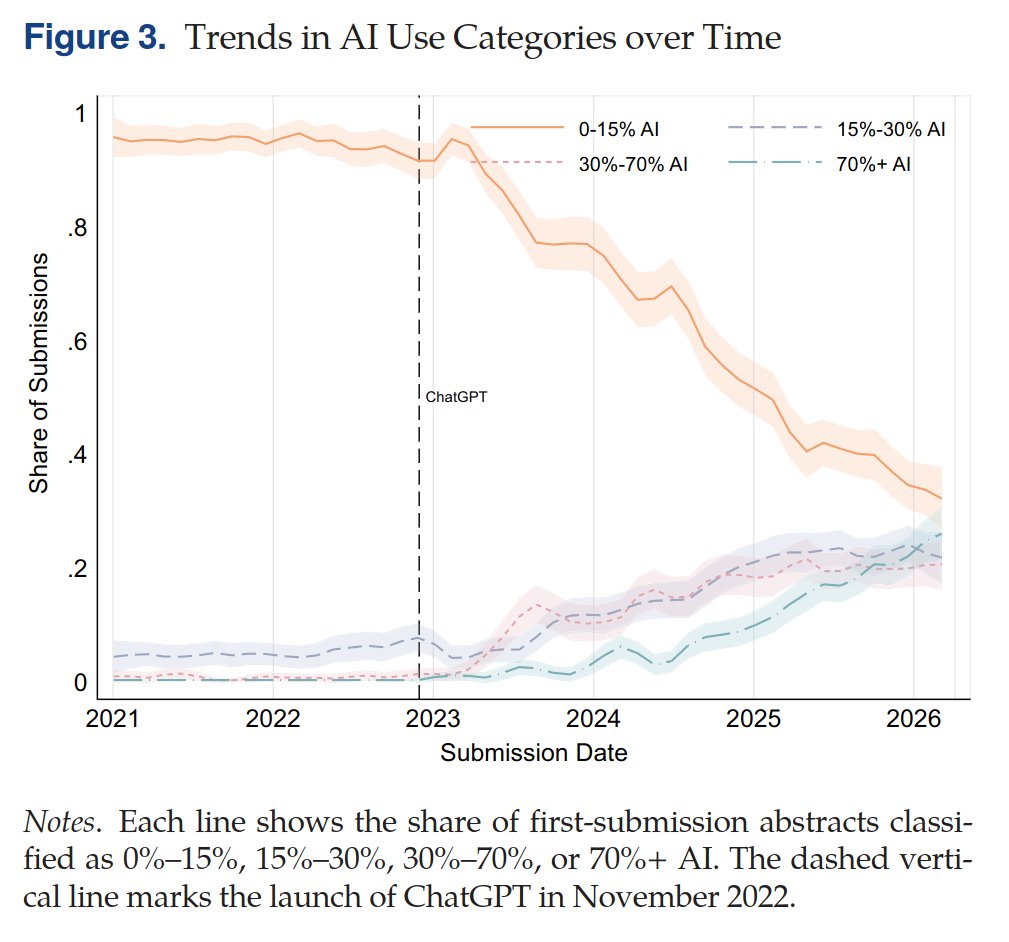
Fantastic analysis from journal submission data. It is also encouraging to see key findings from our recent @ScienceMagazine paper on #AI impact on science — increased productivity, more complex scientific writing, and emerging quality concerns — echoed in this setting.

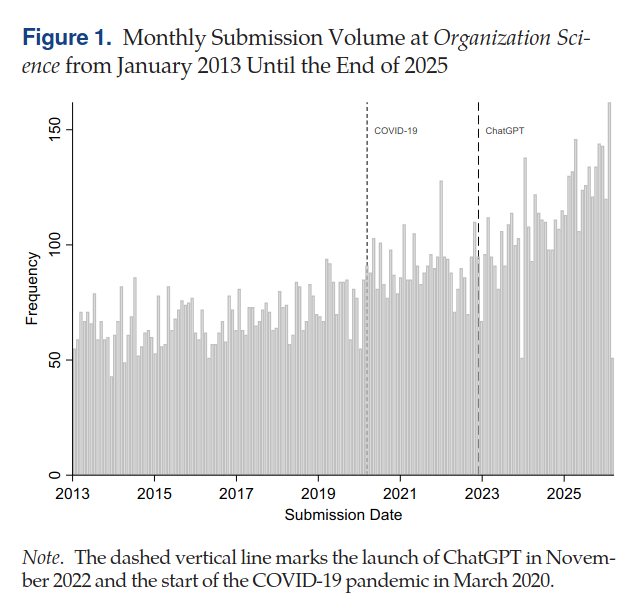
How are large language models impacting the submission and review process at high-impact journals? Severely.
Since the release of ChatGPT in 2022, AI-generated and AI-assisted papers, identified by Pangram, drove a 42% increase in submission volume at Organization Science (figure below). While the journal rejected the majority of these submissions, there is a human cost to reviewing papers, which volunteer reviewers are shouldering. AI-generated content is also showing up in reviews, which similarly suffer in quality because of it -- editors at Organization Science found that AI-generated reviews are lower quality, less specific, and less topically diverse than human-written ones.
The problem is not isolated. Earlier this year, ICML desk-rejected 497 papers from authors who submitted AI-generated reviews, after those authors opted into a policy that disallowed the use of AI. Grant funders also saw a surge in applications: the Marie Skłodowska-Curie Actions, a set of major research fellowships for the EU, received 142% more proposals in 2025 compared to 2022.
Many scientific and academic systems implicitly rely on friction as a barrier to entry. LLMs have removed that friction, allowing for a deluge of AI slop that is straining the capacity of these institutions.
5
50
241
47,468
Apr 27
New paper led by Minsu Park, showing that high impact interdisciplinary papers disproportionately come from deeply disciplinary grants. Check it out!
Apr 27

A belated self-promotion of our new paper in @PNASNexus. We ask how the interdisciplinarity of a supporting grant and that of the focal paper jointly shape the paper's scientific impact (academic.oup.com/pnasnexus/a…). Much assumed, rarely tested; so we tested it at scale! (1/n)
6
18
4,386
Apr 24
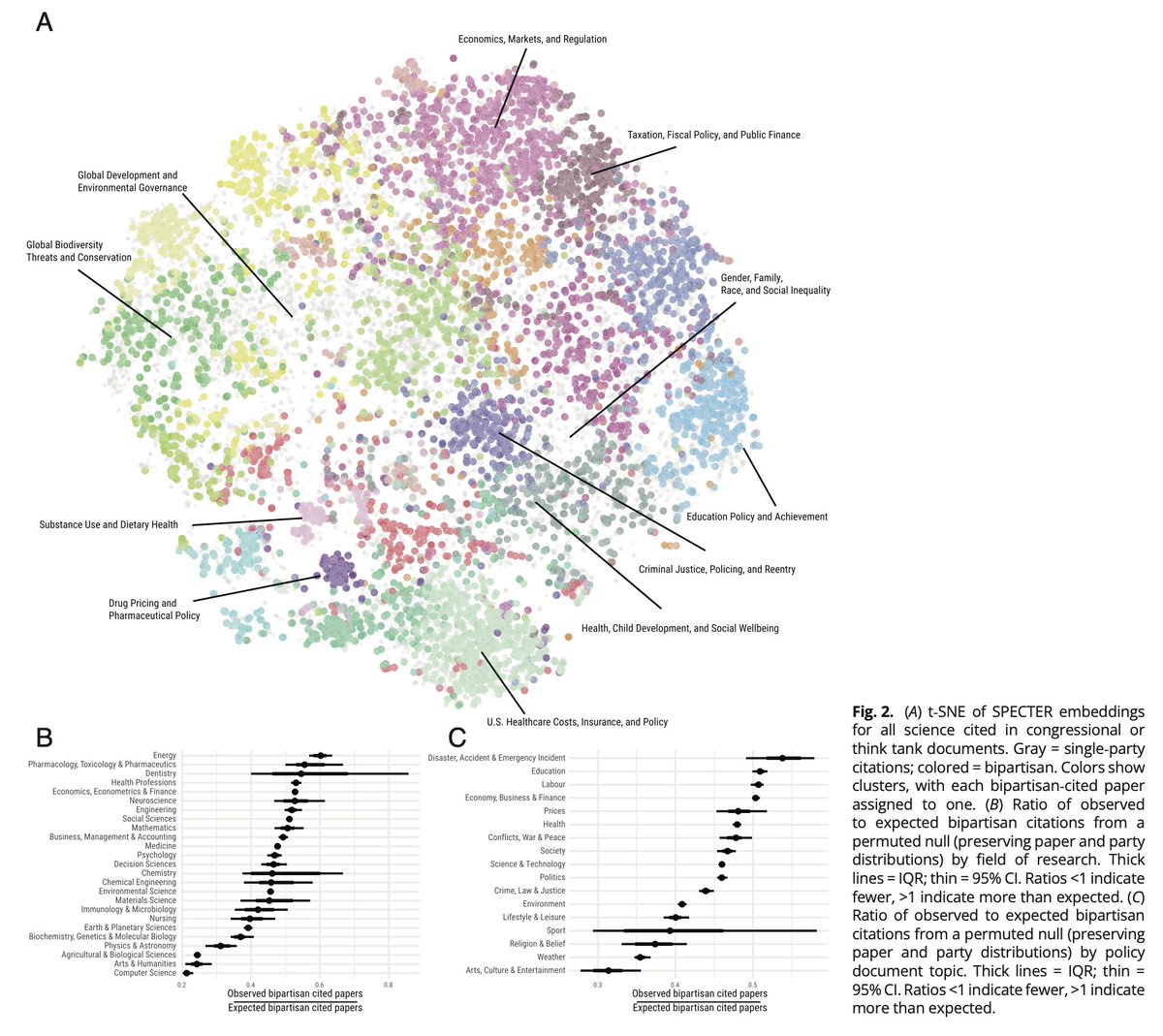
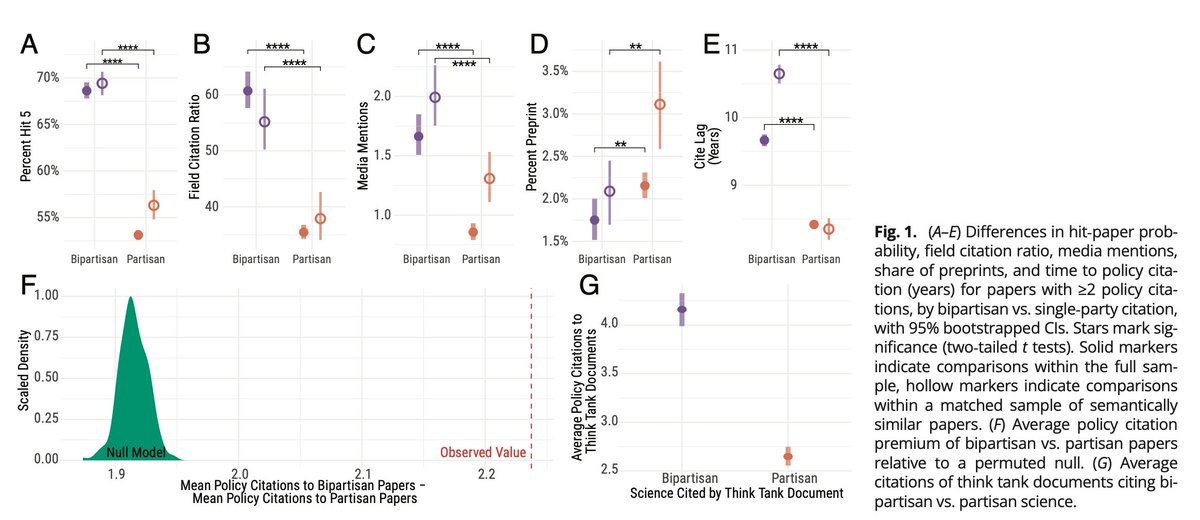
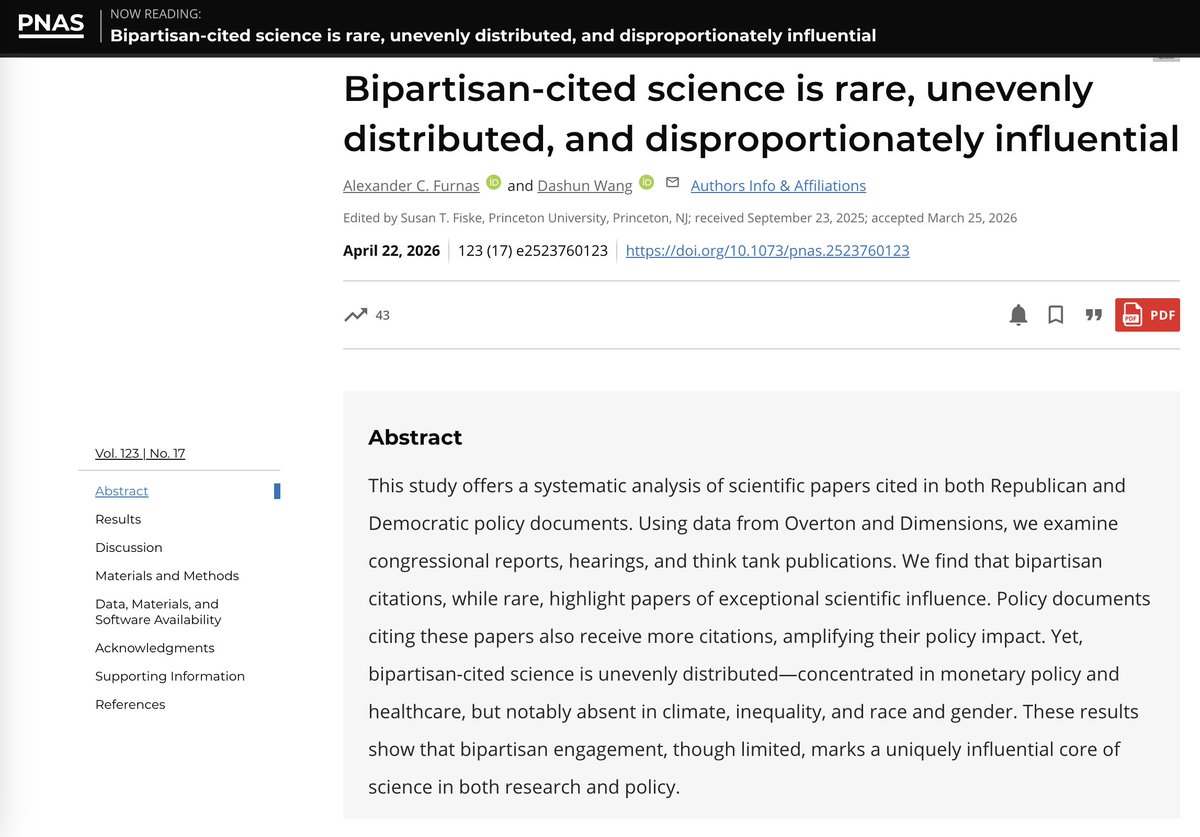
🚨Bipartisan-cited science is rare, unevenly distributed, and disproportionately influential. 🚨
Check out our latest paper in PNAS, led by @zfurnas
🧵1/n
1
7
28
2,216
Apr 24
Bipartisan-cited science thus highlights both the limits of science in bridging polarization and its potential to provide a shared evidentiary foundation for addressing pressing challenges.
Key Q going forward is how to improve the evidentiary basis for policymaking.
Can gen AI help? or make it much worse? Stay tuned for more!
6/n
1
1
253
Apr 24
Check out the paper: pnas.org/doi/10.1073/pnas.25…
and the press release: news.northwestern.edu/storie…
7/7
1
264
Dashun Wang retweeted

Apr 13
Abstract is due in two days! Join us for an exciting day!
Apr 1
Excited to announce the 2026 iteration of the Communication & Intelligence Symposium at UChicago!
We have an amazing lineup of speakers @Diyi_Yang @johnhewtt @dashunwang @TomerUllman
We have a simple call for abstract that is due on Apr 15 (links 👇). Please come and share your research!
Co-organized with the awesome @universeinanegg and @divingwithorcas
2
5
3,270
Dashun Wang retweeted

Apr 9
CALL FOR APPLICATIONS | CASBS 2026 Summer Institute in AI Methods for Social Scientists (AIMS)
July 26-31 | App deadline: May 8
AIMS brings together scholars from across the social sciences for a week of learning, practice & collaboration
DETAILS & APP: bit.ly/4muwstd

49
156
16,971
Mar 31
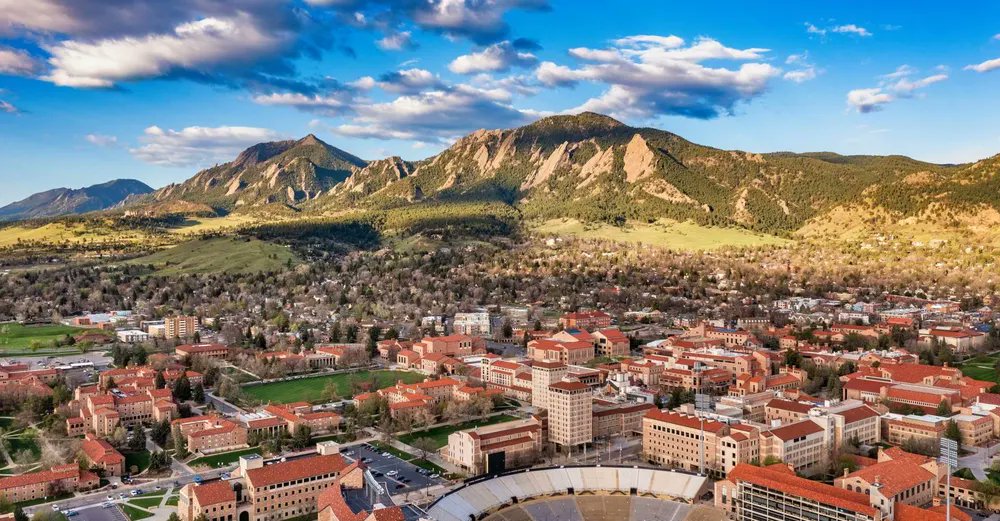
Join us in the beautiful Boulder this summer! Get your abstract in by April 6!!!
Mar 30

The abstract submission window for ICSSI has been extended by a week to April 6, 2026 @ 11:59 PM AoE!
Find guidelines, templates, and submission link here: icssi.org/guidelines/
See you in Boulder June 29 - July 1, or come on June 28 for the hackathon!
2
9
1,108
Mar 28
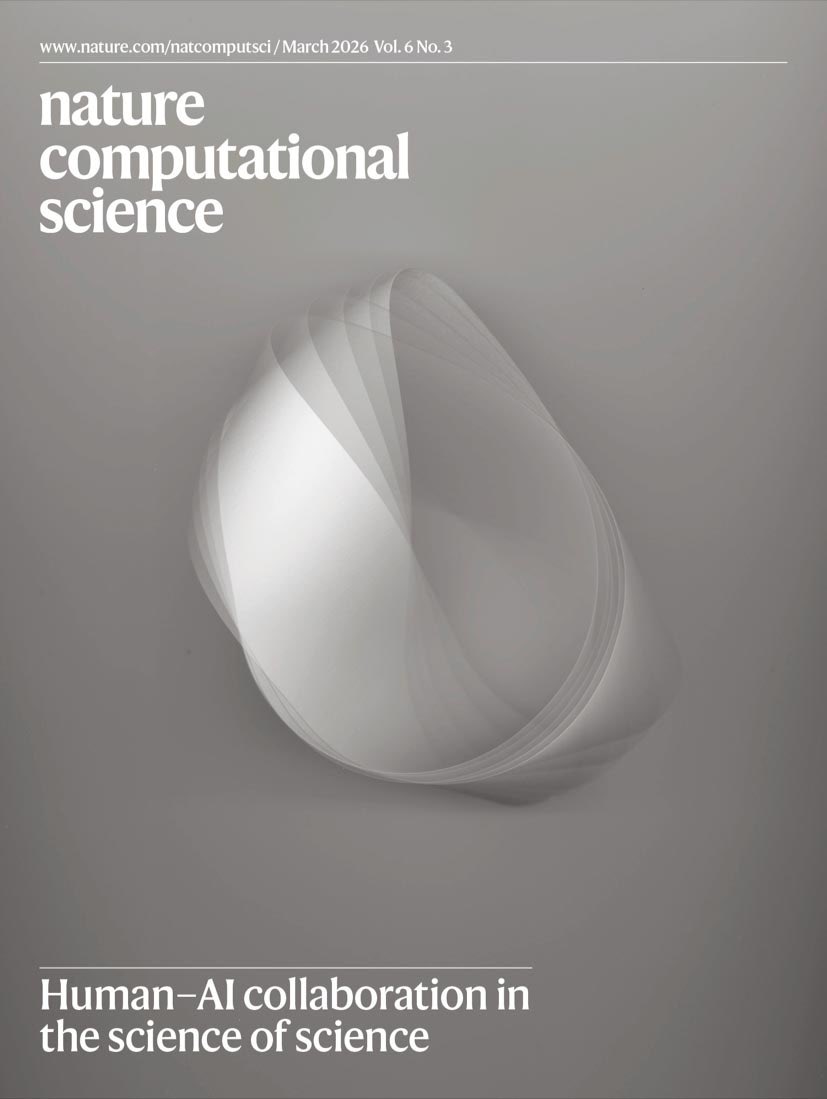
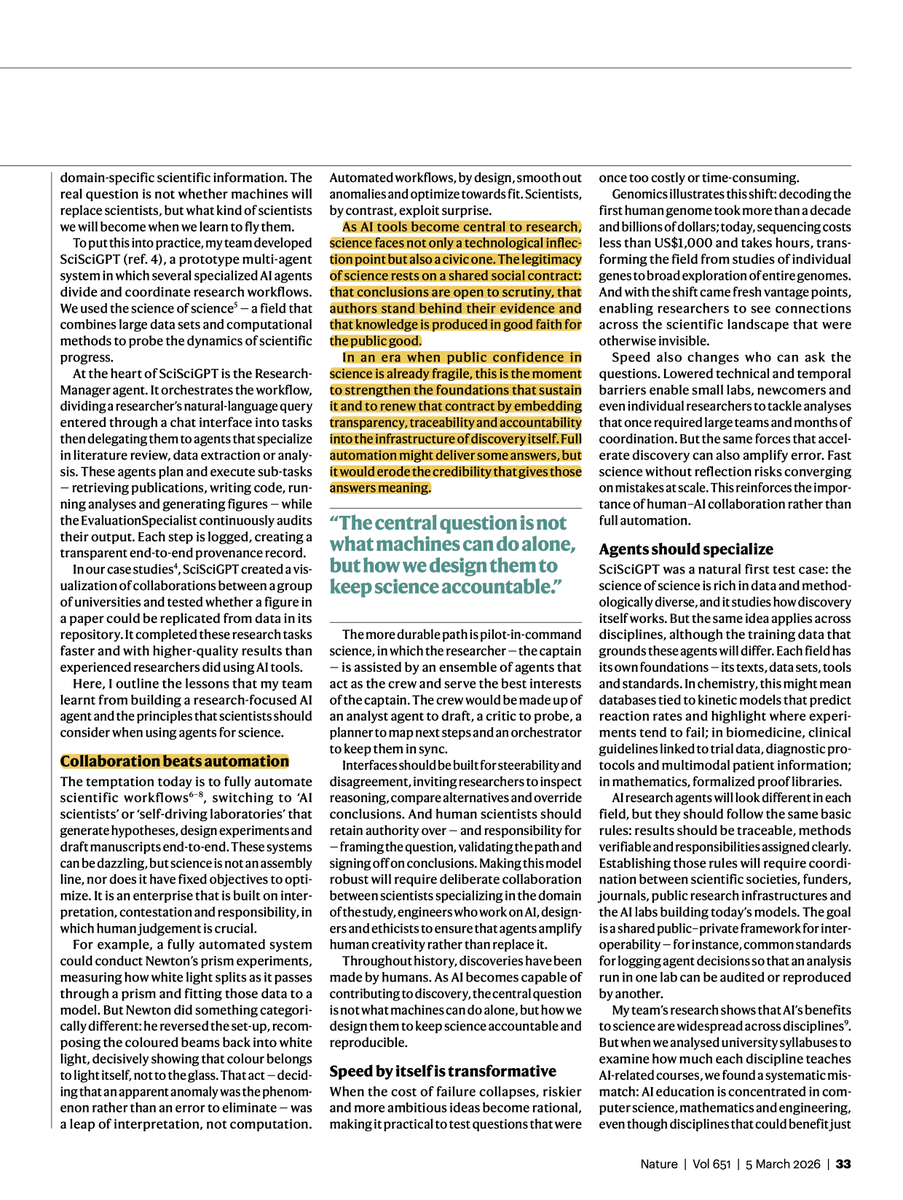
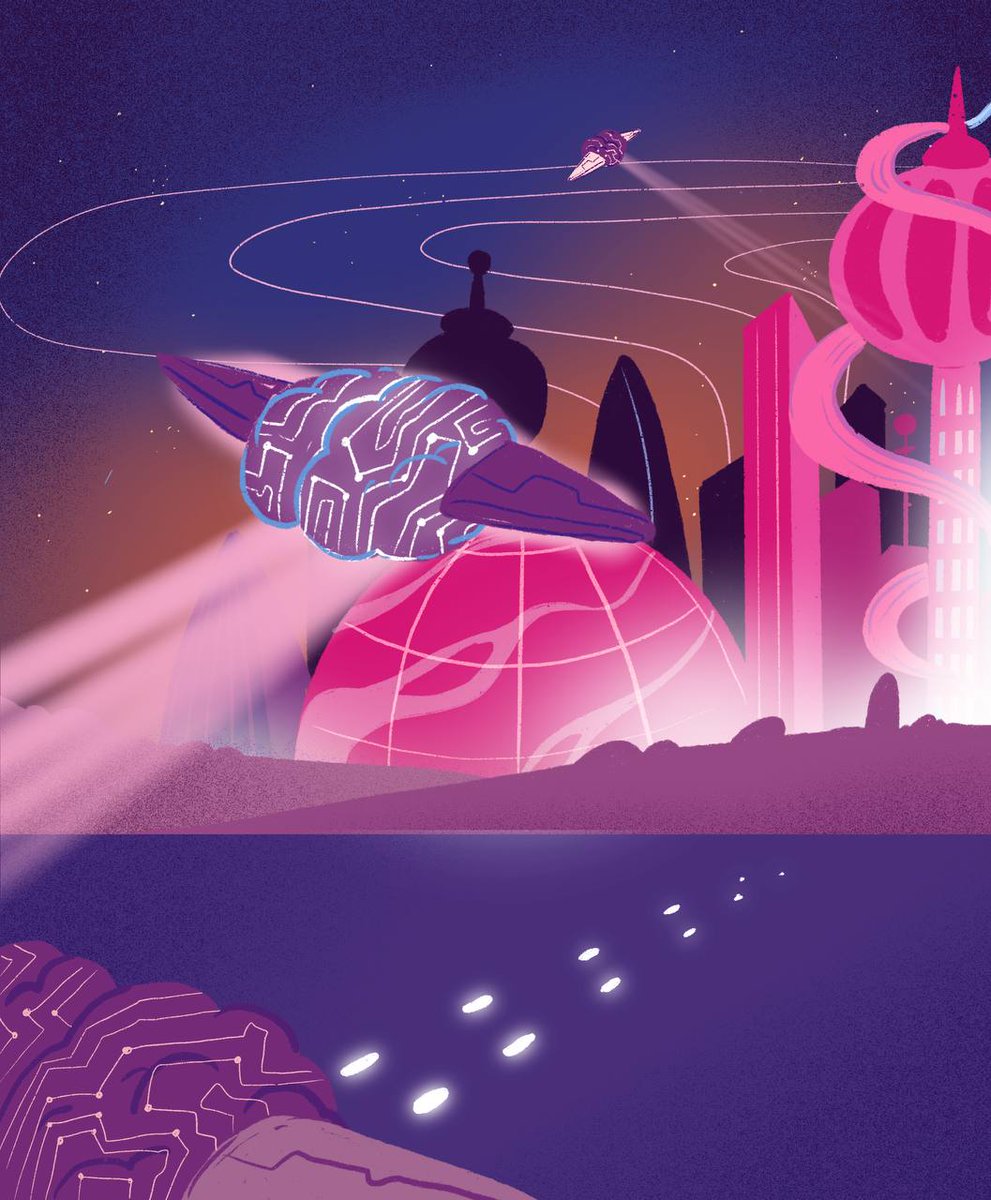
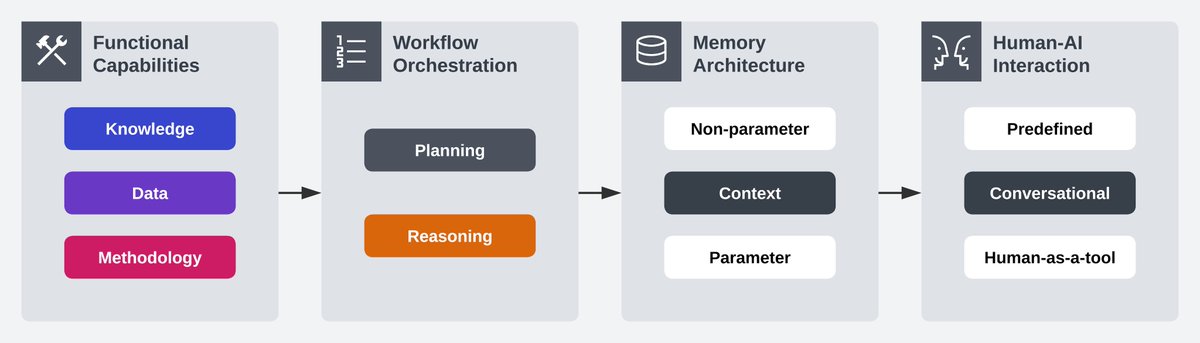
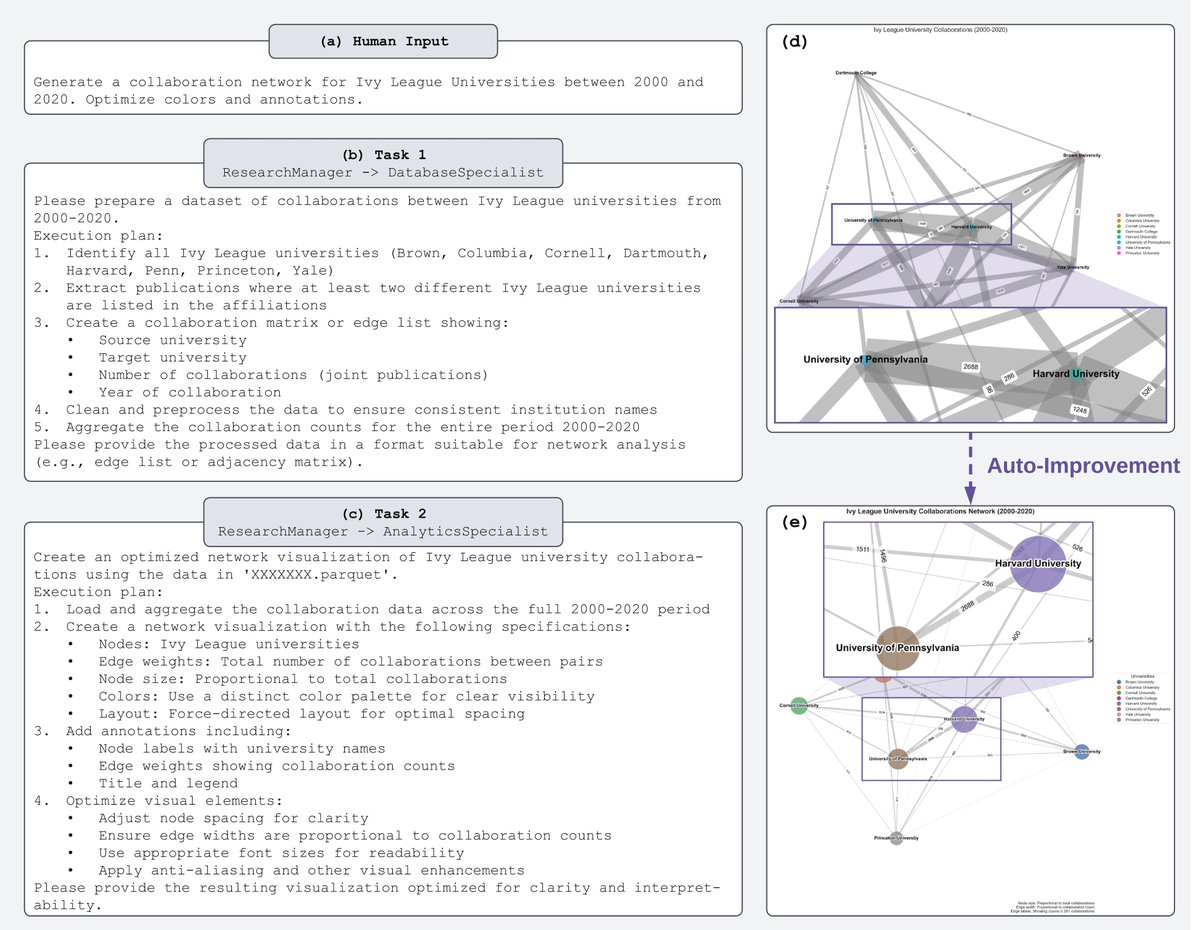
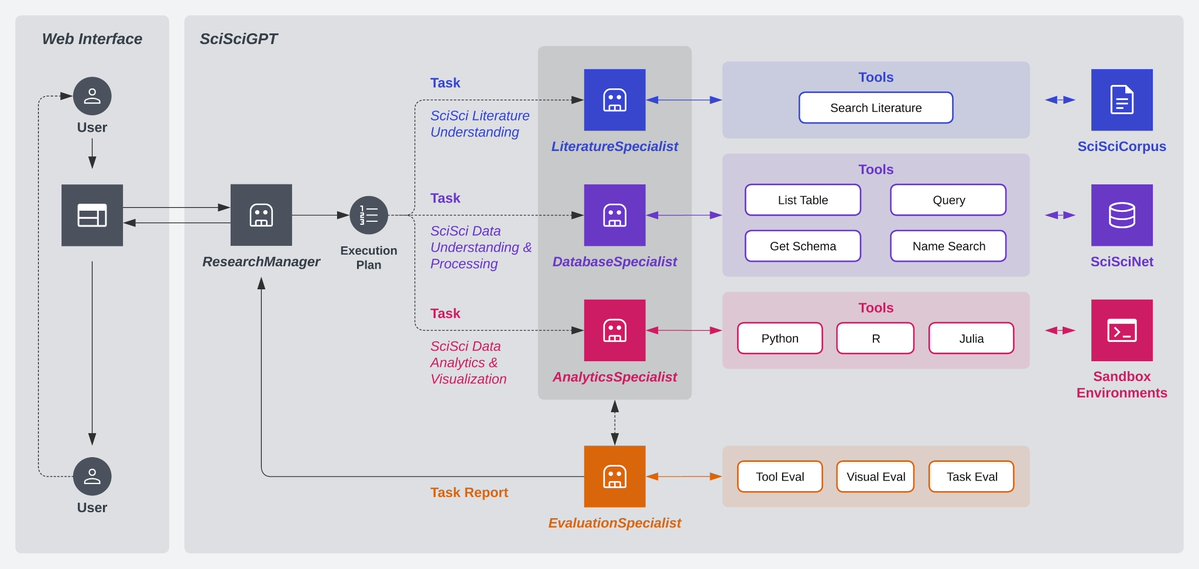
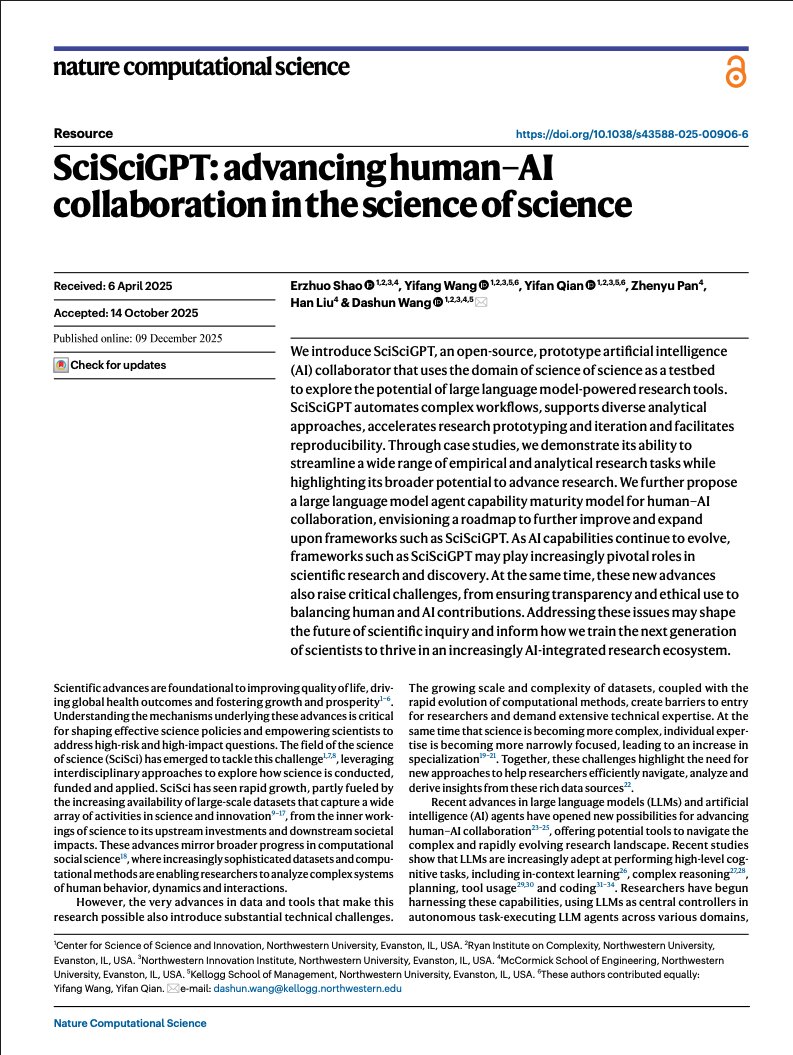
Excited to share that our SciSciGPT paper is featured on the cover of Nature Computational Science.
Special credit to Hanna Renedo — this is also the first piece coming out of our newly launched CSSI art studio. More to come.

🚨Our March issue is now live, including an AI collaborator for science of science, a method for property-guided molecule generation, a Comment on the future of density functional theory, and much more! nature.com/natcomputsci/volu…
📰Cover: nature.com/articles/s43588-0…
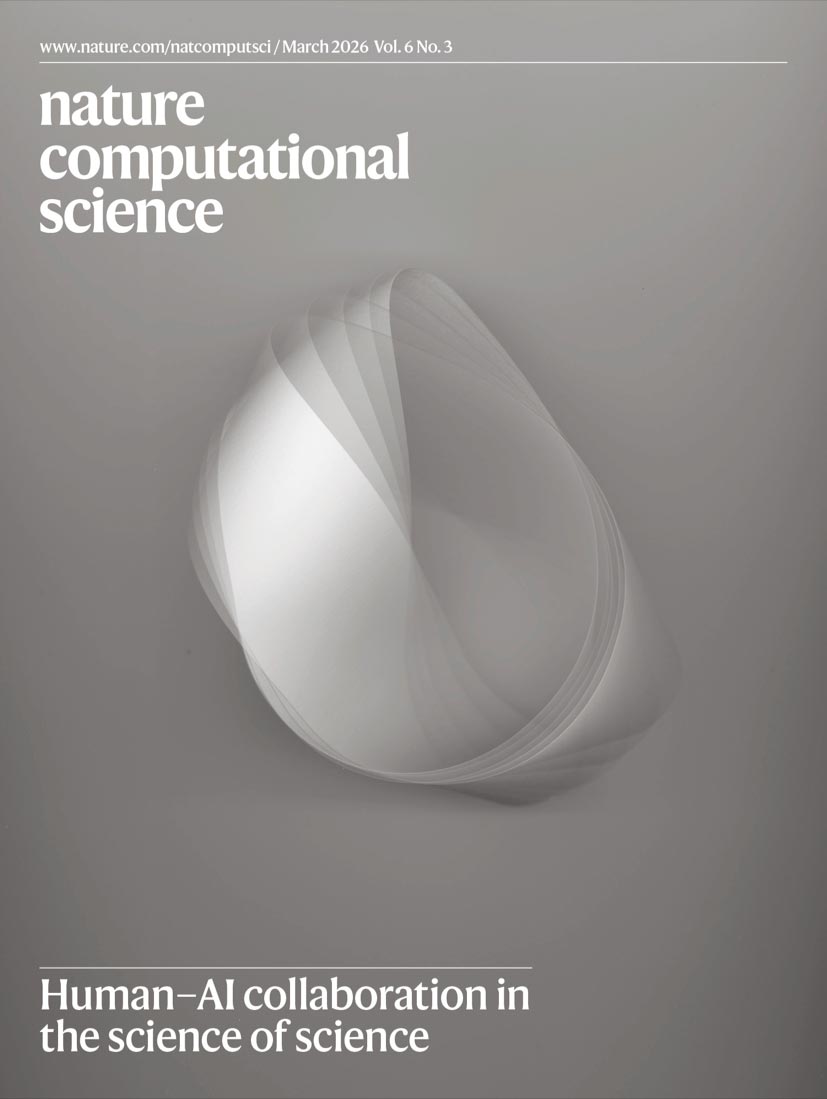
ALT A Möbius strip.
14
67
5,490