
tweeting as a form of therapy for being a browns fan
Joined January 2012
- Tweets 2,915
- Following 211
- Followers 147
- Likes 376
132 Photos and videos












8 Aug 2025
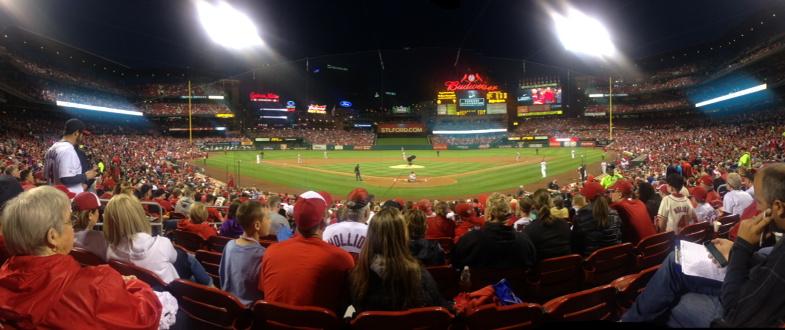
sitting in a bar in Akron surrounded by drunk fans hyped out of their minds to see a 5th round pick starting in the first preseason game for a team Vegas picked to win 4 games this season after only winning 3 games last season is the epitome of being a browns fan
64
8 Aug 2025
*blows dust off virtual mic* I am once again tweeting about the browns
35
dave retweeted

23 Dec 2024
Stablecoins, Payments, and What’s Next
The global payments industry moves $1.8 quadrillion annually, yet it remains burdened by high fees, gatekeepers, and inefficiencies. Stablecoins are well positioned to disrupt this system, offering faster, cheaper, and more accessible payment solutions.
In his latest article, @SamBroner, a partner at @a16zcrypto, explores how stablecoins are changing payments and what lies ahead. With near-zero transaction costs, sending $200 internationally can cost as little as $0.01 using stablecoins on specific chains. Businesses of all sizes, from coffee shops to global enterprises, stand to benefit from improved margins and instant settlements.
Sam explores how in this low-cost stablecoin transaction model payments companies may seek new ways to monetise their services - including yield-sharing programmes offered by stablecoin issuers to incentivise the use of their on-ramps. Through OpenTrade, payment companies and other fintechs building on stablecoins can also find additional revenue streams through yield generation on their users’ stablecoin balances whilst assets are at rest on-platform, benefiting both users and providers.
Who does this today?
@_WOO_X: With over $600M daily trading volume, WOO X leveraged stablecoins to improve liquidity and transparency for their global trading community. As part of their WOO X Earn product suite, WOO X users can now deposit their unencumbered stablecoin holdings in RWA Earn Vaults to earn boosted yields.
@littioco: Addressing Colombia's demand for USD, Littio neobank uses USDC to offer a simple, secure way for users to save, spend, and transfer digital dollars. Users now also have the opportunity to deposit their digital dollar savings in Littio Pots and earn 2-5% APY, unmatched by any of the local banks.
3
2
7
636

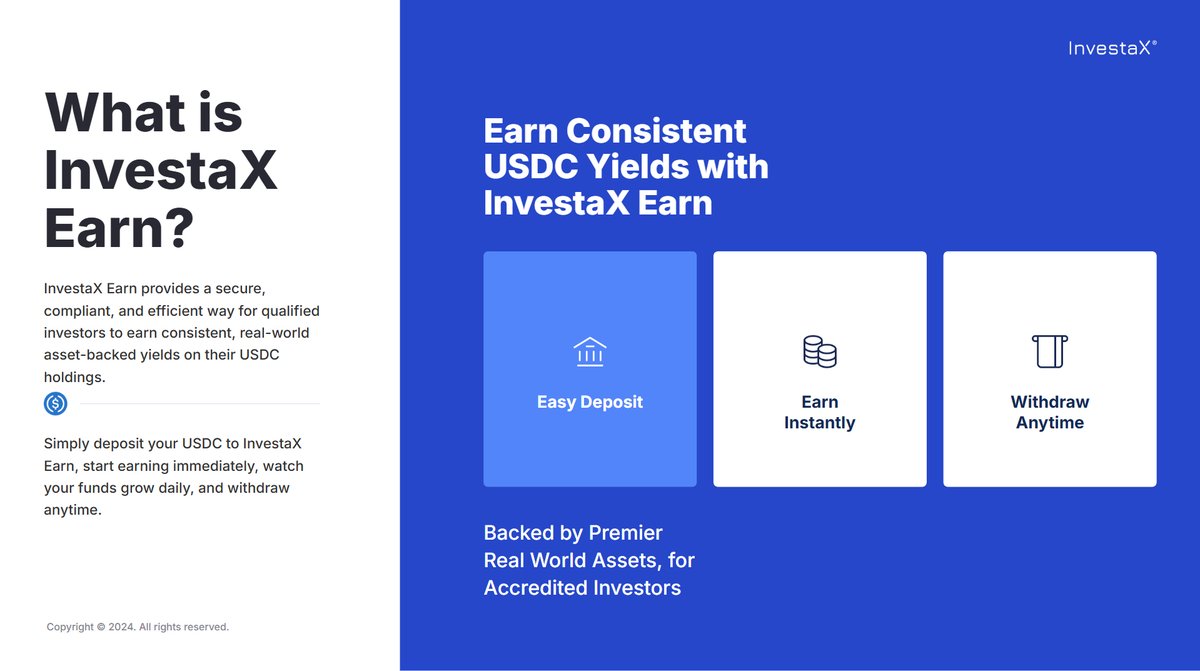
💰Over $41B $USDC circulates today—don’t leave potential earnings on the table!
With InvestaX Earn, powered by @investax & @opentrade_io, earn consistent USDC yields securely & compliantly.
👉 Learn more: investax.io/blog/earn-consis…
👉 Start #earning: prime.investax.io/auth/sign-…
1
5
30
1,581
dave retweeted
11 Dec 2024
OpenTrade was recently featured in an article published by the @CryptoTimes_io, comparing our stablecoin Yield-as-a-Service model to yield-bearing stablecoins currently available in the market.
As the writers correctly identified, OpenTrade is the only provider of end-to-end stablecoin yield products that can be entirely white labelled and integrated into client platforms (e.g. centralized exchanges, neobanks, and anyone offering stablecoin accounts), so that they can in turn offer their own Earn/Yield products to their users, allowing them to earn 4-7% on their stablecoins through a one-click experience, entirely backed by high-quality 'real-world' financial assets.
“OpenTrade’s Stablecoin Yield-as-a-Service is targeted at every kind of financial institution, including crypto and non-crypto providers, enabling them to offer stable, predictable yield on USDC through their own individual user-facing apps and services”
This is fundamentally distinct from yield-bearing stablecoins, which do not equip fintechs with the tools required to build and power yield products under their own brand and customer experience.
For further insights from the Crypto Times team read here:
cryptotimes.io/2024/12/09/st…
3
4
11
635
dave retweeted
9 Dec 2024
1/A Decade of Stablecoins🔟
2024 marks a milestone: 10 years of stablecoins, the digital currency that fuses the transparency and speed of blockchain with the reliability of fiat currencies. In just a decade, stablecoins have evolved from innovation to infrastructure, becoming the world’s “digital dollars”—powering trillions in transactions annually and boasting a $190 billion market cap as of December 2024.
Stablecoins are more than just a technological leap; they’re a financial game-changer. For businesses, they unlock global money movement at internet speed, settling payments securely and instantly, 24/7/365. For individuals, they bridge gaps in traditional systems, offering stability in volatile economies and seamless cross-border transactions.
Governments and regulators are catching up, with Europe leading the charge through comprehensive frameworks for digital assets (MiCA). The potential is massive, but what’s the real economic impact?
To answer this, the Centre for Economics and Business Research (Cebr) quantifies the efficiency gains stablecoins bring. @BVNKFinance report highlights three key areas:
1️⃣ Mitigating currency volatility, offering businesses and individuals protection against currency devaluation
2️⃣ Bridging the dollar gap - fulfilling a global demand for a stable, accessible currency - albeit at a premium in emerging economies
3️⃣ Releasing capital trapped in legacy payments systems through instantaneous settlement, enhancing capital efficiency
This research, enriched by insights from industry leaders like @circle , First Digital, @chainalysis , and @Visa , offers a new lens on the transformative power of stablecoins and wealth of future opportunities.
2
3
9
467
dave retweeted

27 Oct 2024
Let’s be fair to the Browns, the only people saying to bench Watson and play Winston were:
Almost all of the fans
Most of the local media
All of the National media
Every analytical reporter on a daily basis
12
116
1,064
35,886
dave retweeted

27 Oct 2024
Crazy how Deshaun is the only QB to not be able to run this offense
71
127
2,630
102,670
20 Oct 2024
What would the browns record be if Jameis started from game 1? I'd say 3-3 maybe 4-2
75
dave retweeted
15 Oct 2024
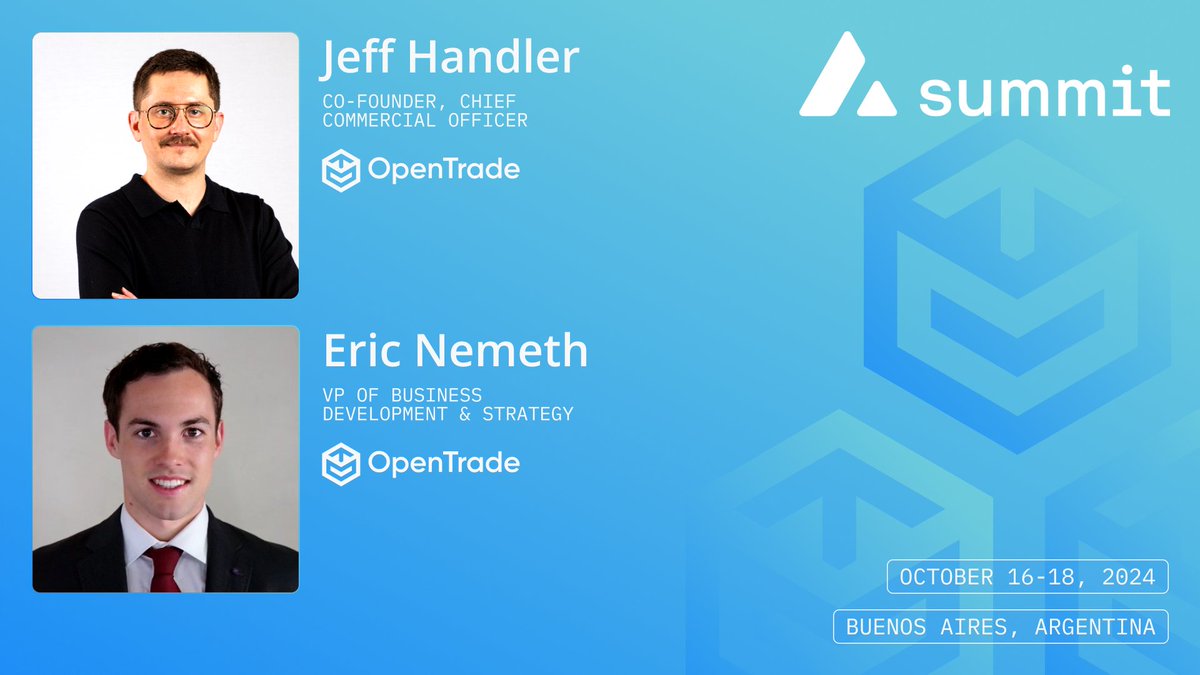
@avax Summit LATAM is here!
Find @BTC_Jeff and @eneme23 on the ground, or get in touch with us via our page to schedule time with the OpenTrade team.
8 Oct 2024

OpenTrade is going to Argentina for @avax Summit LATAM - T-8 days and counting! ⏰
@BTC_Jeff, our Chief Commercial Officer, @eneme23, our VP of Business Development & Strategy will be in attendance.
Reach out directly to connect or use our Contact page - link in the comments!
1
2
5
942
dave retweeted

13 Oct 2024
Browns are right there. All they need is new ownership, new coaching staff and about 49 new players.
46
143
1,906
101,495
dave retweeted

29 Sep 2024
Kevin Stefanski every Sunday

41
185
2,488
144,573


dave retweeted

22 Sep 2024
Peak browns is breaking out this celebration for an interception that got called back and then allowing the giants to go all the way down the field for a touchdown.
158
691
17,932
1,268,120
22 Sep 2024
This is the season we need to go to 1 game contracts.
22 Sep 2024

Browns playing like one of the worst teams in the league in this half. Asleep. Guys wide open. Penalties. Turnovers. Yuck.
1
54
22 Sep 2024
We missed the window. Last 3-4 years we had the talent to make a run and even win a sb with the right QB play. Watson is a black cloud we won't get out from under and he won't get out from under. Hope we go 1-16, fire everyone, draft high and often and start the re build
22 Sep 2024
Browns playing like one of the worst teams in the league in this half. Asleep. Guys wide open. Penalties. Turnovers. Yuck.
81