
Psychology. Psychotherapy. Research Methodology. Clinical Research Consultant.
Joined February 2016
- Tweets 7,030
- Following 751
- Followers 4,144
- Likes 2,507
244 Photos and videos







Pinned Tweet

Jun 13
Autism community(and those who think they might be), I am working on a new questionnaire and would love your input.
If this comes across your feed, interact with this post and indicate your interest.
36
RT @psijonasa: As terapias da moda são herdeiras do iluminismo mais ingênuo. Acham que se você entender o seu problema cognitivamente, você…
43
Jun 13
Welcome to the internet. It’s a silly place where people talk about a topic they know nothing about, get everything about that topic wrong from every angle, and engage in a Dunning-Kruger circle jerk to firmly cement their delusion.
Jun 13

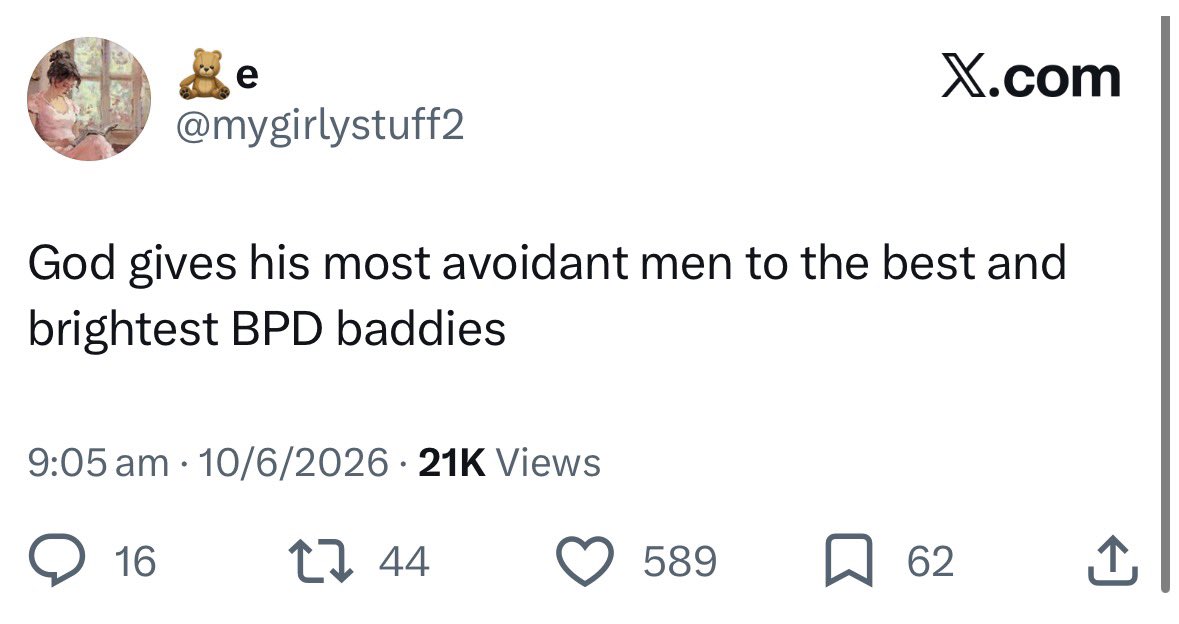
Bpd isn’t actually a joke. If you’re with a girl who tells you she has been diagnosed with bpd, you should break up before she ruins your life and that of any potential children you have together.
5
127
David P Robbins retweeted

Jun 12
USA. A Mexican restaurant. We had not yet ordered anything, and the food was already arriving.
Chips. Salsa. Unrequested. Free.
I stopped the waiter. "We have not earned these."
"They just come with the table, man."
They come with the TABLE. In my land, hospitality is a debt. Every gift creates an obligation, weighed carefully, returned in the proper season with interest of feeling. Here, the gift arrives before you have even proven you can pay for dinner.
This is not an appetizer. This is a declaration: we trust you. Eat.
I ate with the gravity the moment deserved. And then — I must report this calmly — the basket emptied, and a new one appeared.
"Did we…?"
"Refill," the waiter said. "It's bottomless."
Bottomless. They have wells of salsa. The supply lines of this nation are beyond anything my ancestors imagined.
My friend warned me. "Don't fill up on chips, dude."
Too late. I had accepted three baskets. Honor demanded each one be finished — an unfinished gift is an insult. By the time my actual food arrived, I was a ruined man.
I was not hungry. I was not comfortable. I had been defeated by a courtesy.
Generosity that arrives before the request cannot be repaid. It can only be survived.
I know the rule now. I have made my peace with the basket. One basket. Two at the most.
Who am I deceiving. There is no number of baskets I would refuse. The trust of a nation is in that salsa, and I intend to honor all of it.

1,930
16,464
148,709
16,470,582
Jun 13
We’re all judgmental(even negatively so). Yes, you. ALL of you. It’s just a matter of,
1. whether or not you are aware of it, and
2. are trying not to let it get in the way of how you treat people.
1
60
Jun 13
In general, my blue color preference probably is, at worst, of minor consequence. There’s not much weight to it. But, there ARE things. Big, deep things that make you give ugly looks to some strangers but not others. That makes you give subpar care to a patient in the ER. That makes you treat your spouse and your children poorly.
1
13
Jun 13
As I’ve quoted/paraphrased my old mentor on this app before, “examine your biases and prejudices regularly. At least once a quarter, probably every week, and preferably every day.”
This is great shadow work stuff, if you’re into that. Biases against others, and biases against self.
8
David P Robbins retweeted

Jun 8
I'm finally reading Dune. This quote, which is in the first few pages, hits hard:
"Once men turned their thinking over to machines in the hope that this would set them free. But that only permitted other men with machines to enslave them."
722
21,525
121,528
2,119,972
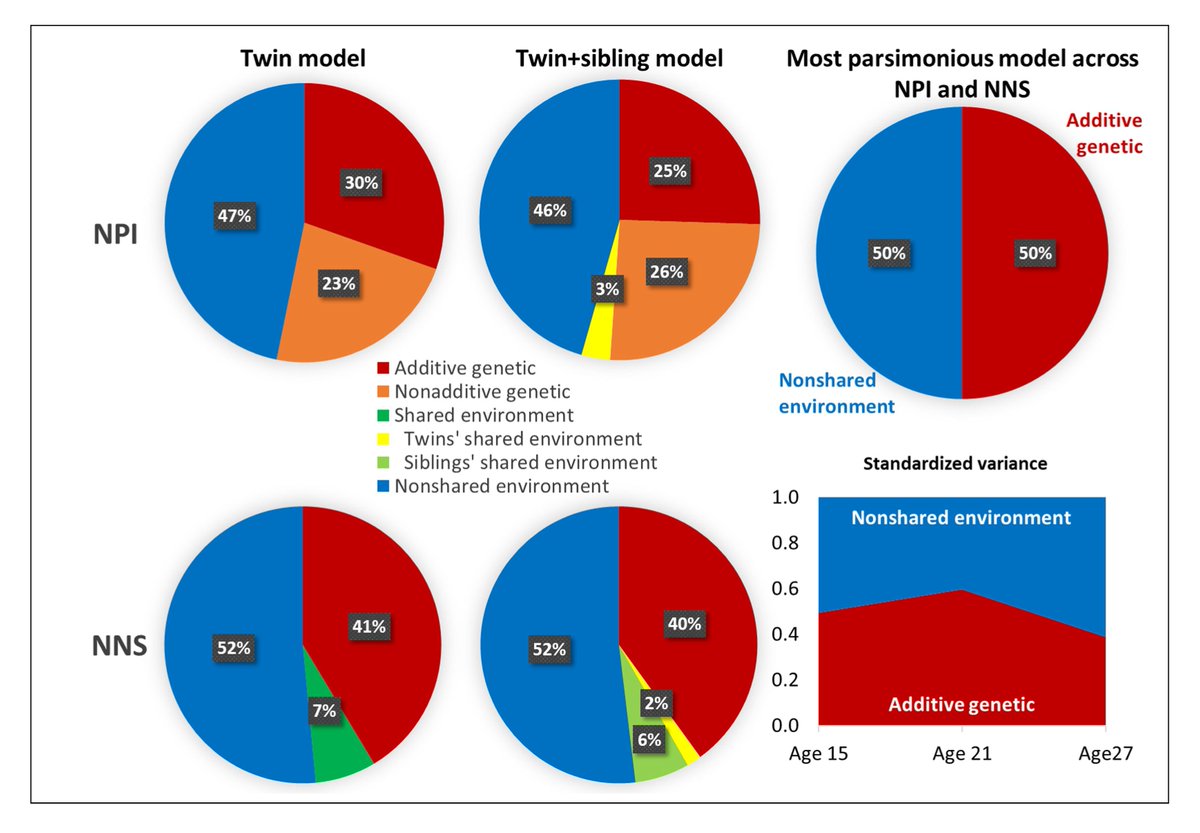
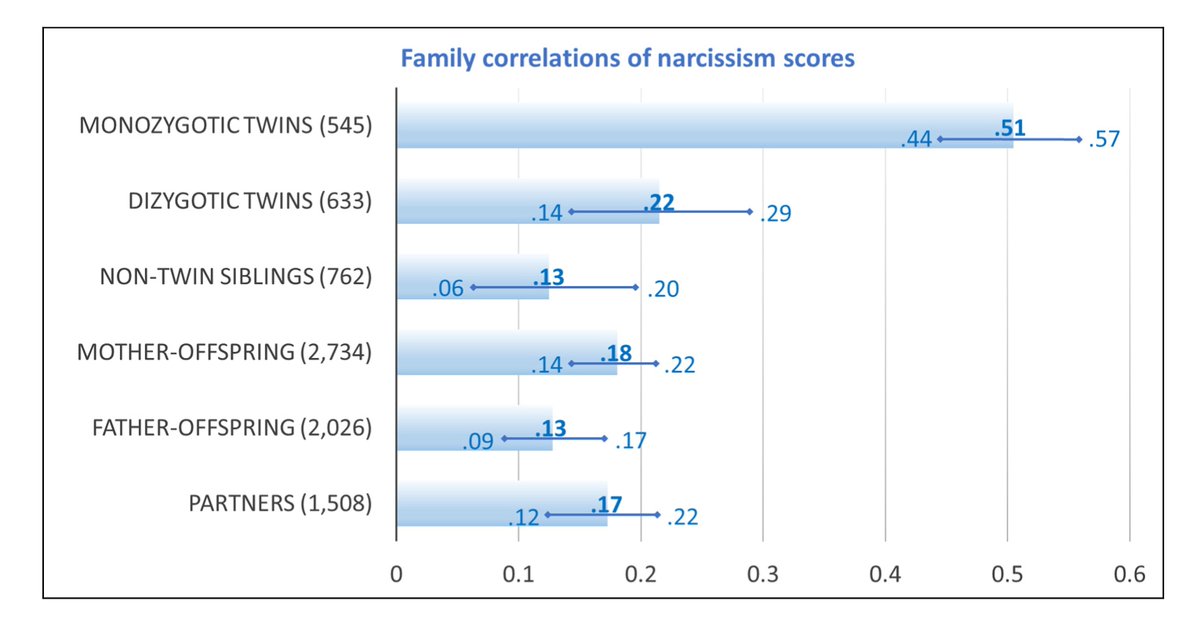
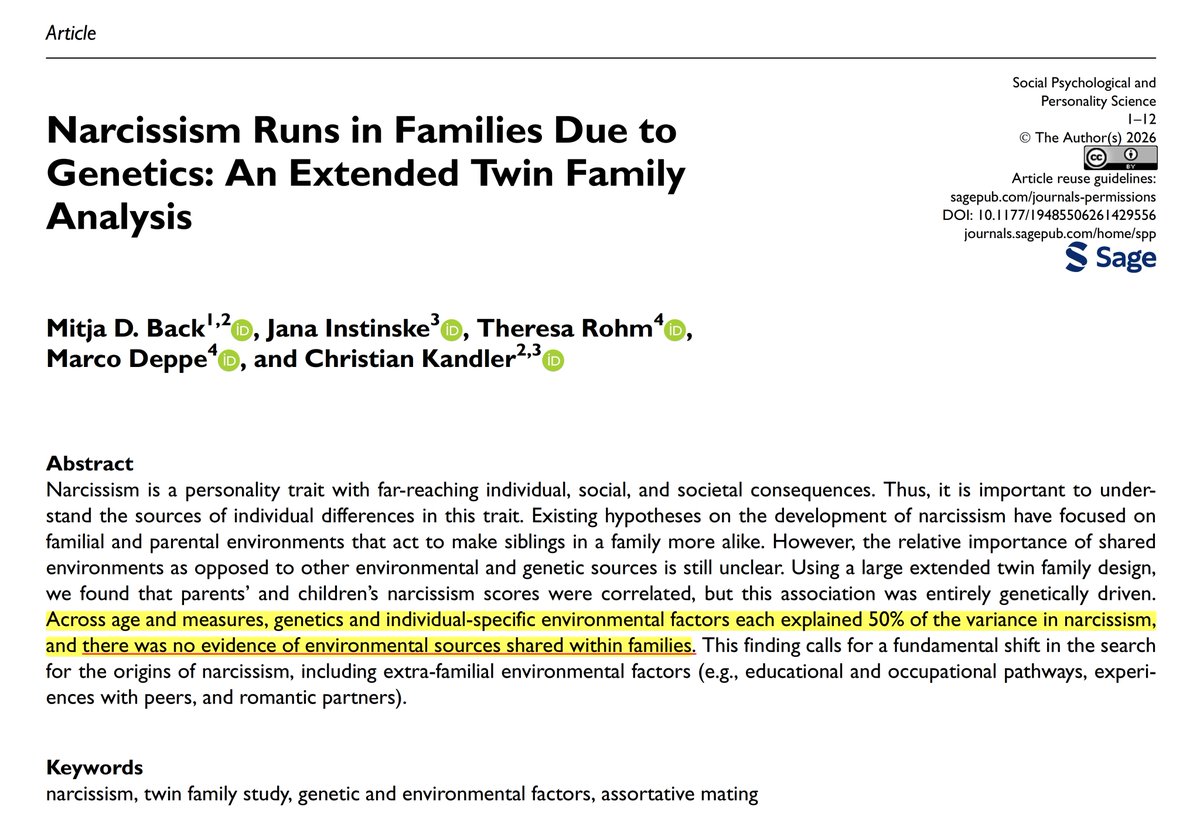
Neat study that aligns with old data from the 90’s and early 2000’s.
NPD would appear to be highly heritable.
Jun 7

Narsist kişileri anne-babanın yetiştirme tarzının yarattığı efsanesi sarsıldı:
Kapsamlı bir ikiz çalışması, aile içi narsizm benzerliğinin yetiştirilme tarzından değil, tamamen genetik mirasımızdan kaynaklandığını ortaya çıkardı.
43
Wash your face:
How Jesus' Critique of public piety challenges moral masochism and performative virtue in the helping professions.
Jesus had a lot to say about religious professionals who turned piety into performance. In the Sermon on the Mount he said: “When you fast, do not look somber as the hypocrites do, for they disfigure their faces to show others they are fasting. Truly I tell you, they have received their reward in full. But when you fast, put oil on your head and wash your face, so that it will not be obvious to others that you are fasting, but only to your Father, who is unseen; and your Father, who sees what is done in secret, will reward you.” (Matthew 6:16-18)
The problem wasn’t the fasting. It was the public performance of suffering. The disfigured face serves as the visible self denial for the purpose of admiration and status.
A similar criticism appears in Matthew 23, where Jesus accuses the scribes and Pharisees of straining out gnats(loads of effort for pushing out a tiny bit of poop) while swallowing camels. They obsessed over small displays of ritual purity and tithing while neglecting the more important matters of faithfulness, justice, and mercy.
Much of today’s therapy has fallen into a similar pattern. There is growing pressure to indicate constant availability, limitless empathy, and visible, ongoing deconstruction of one’s own biases, internalized racism, misogyny, privilege, and other forms of complicity.
Professional discourse, continuing education, and supervision often reward visible moral exhaustion as proof of ethical gravity. The more a therapist appears to sacrifice personal boundaries, rest, and private life, the more committed and trustworthy they are presumed to be. And where therapists should absolutely look at themselves regularly and deeply, this particular form of peacocking is, at best, ego stroking.
This is moral masochism at its finest. It confuses personal depletion with moral depth, endurance with ethics, and public performance with genuine care. Therapists strain at gnats, high visibility statements of allyship, dramatic disclaimers of availability, and performative self interrogation. All this while swallowing the camel of widespread burnout, quiet resentment, and diminished capacity to actually help patients.
But at what cost? When therapists operate from this place, patients encounter a subtle grandiosity, underlying fatigue, or pressure to perform gratitude for the therapist’s sacrifice. Helping someone with trauma, for example, is already demanding. It does not require therapists to become martyrs or to broadcast their inner work for professional applause.
Honest self examination remains essential, including care and attention to biases and blind spots. This work is most ethical when it stays largely private, conducted in personal therapy, consultation, or quiet reflection, rather than turned into public theater.
The quiet integrity Jesus described (the reward from the “Father who sees in secret”) sustains long-term practice far better than visible self flagellation.
A healthier ethic for therapists would include:
•Giving skilled, compassionate care within clear, sustainable boundaries
•Treating rest and personal life as ethical necessities, not selfish luxuries
•Pursuing genuine internal work without the need for public validation
•Focusing on what actually serves the patient rather than what signals virtue to colleagues
Patients do not need exhausted heroes who wear their depletion as a badge of honor. They need grounded, present, well resourced clinicians who can bear witness without being consumed by their own performance of goodness.
In a profession increasingly drawn toward displays of moral superiority, the ancient call to wash your facemay be one of the most radical and necessary practices available.
73
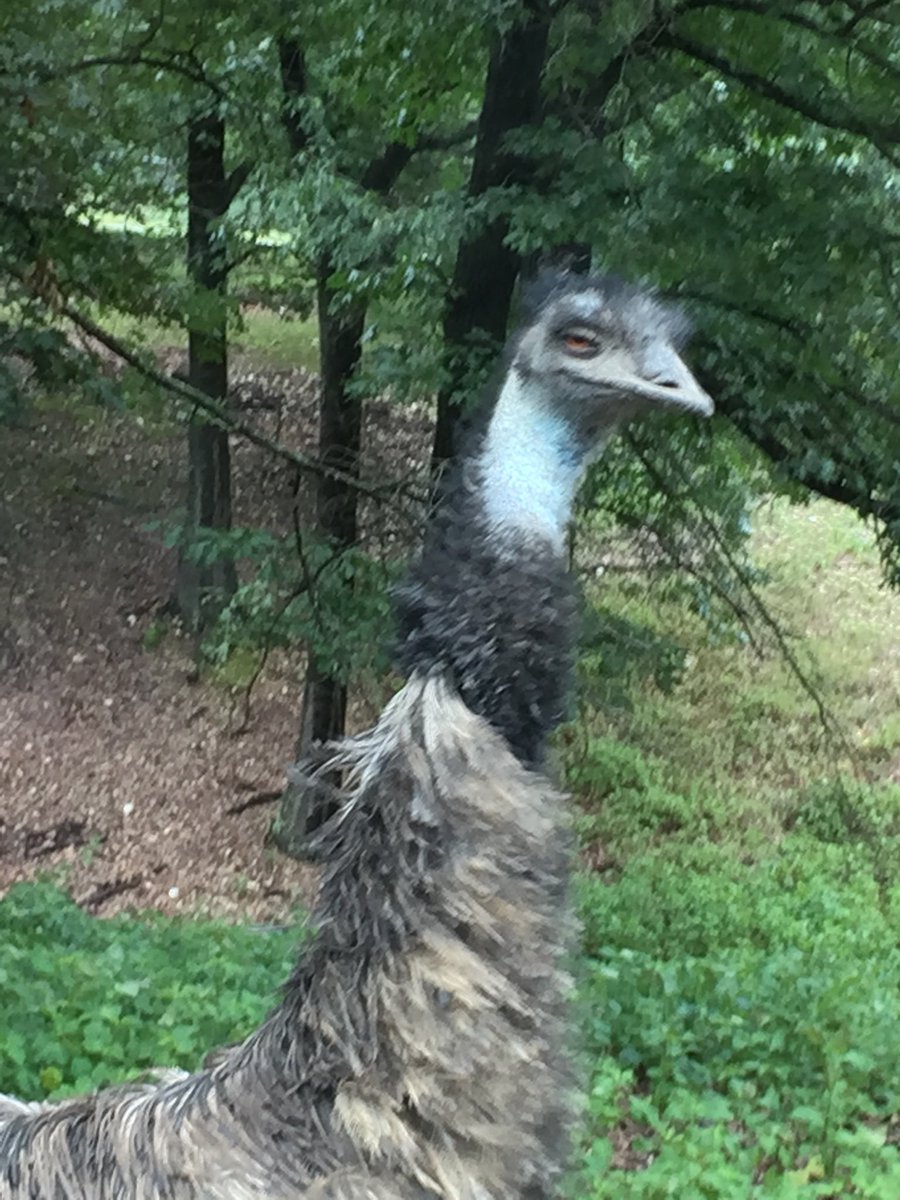
A high emu.
May 31

What do you see, chicken or bird?
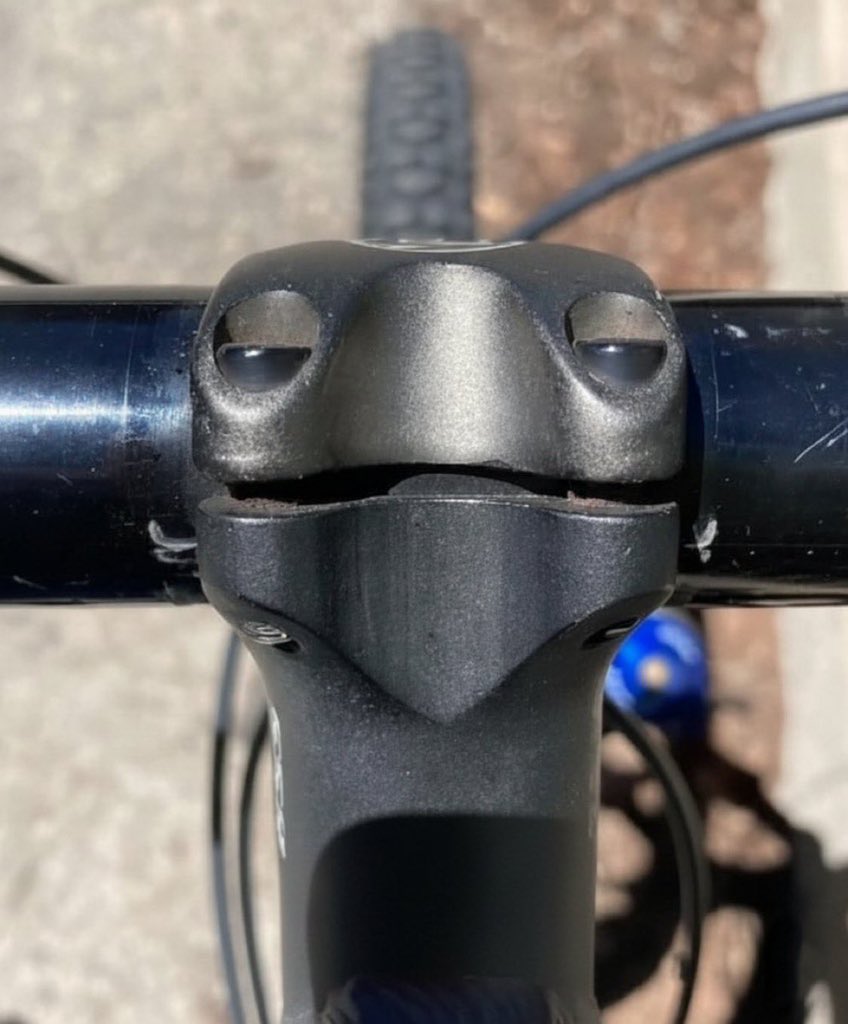
Community note
Stolen post. Engagement bait.
x.com/curiosityonx/s…
12
A phenomenon I’d love to study is the good communication then ghosting that occurs on Facebook marketplace.
Seller: item for sale
Me: I want item
Seller: great. I still have it.
Me: could I come get it today?
Seller: sounds great
Me: let me know what time and your address and I’ll be there
Seller: *never responds again*
I’ve also seen this the other direction with buyers.
Kind of interesting.
45
May 31
Such a popular paraphrase that isn’t remotely accurate.
Jung did speak of midlife, and did mention 35. But the quote(I believe) is:
“A point exists at about the thirty-fifth year when things begin to change, it is the first moment of the shadow side of life, of the going down to death.”
He never said one wouldn’t improve. He merely remarked further that since we basically have more years behind than ahead of us, at that point, clinging to the common first half of life strategies risks rigidity, neurosis, projection, and a shallow later life.
He even saw the second half of life full of opportunity for deeper self-realization.
Interpret him how you like(I suppose, you’d probably still be wrong), but at least quote him correctly.

Carl Jung was right when he wrote that if a man does not face his shadow by age 35 he will not improve. He will calcify. His defense will become his personality.
62
May 27
The key pillars of the philosophy of science are:
1. Epistemology- the nature and limits of scientific knowledge
2. Metaphysics/Ontology- the fundamental nature of reality science investigates
3. Axiology- the role of values and ethics in science
It’s sad how few know this.
1
30
May 27
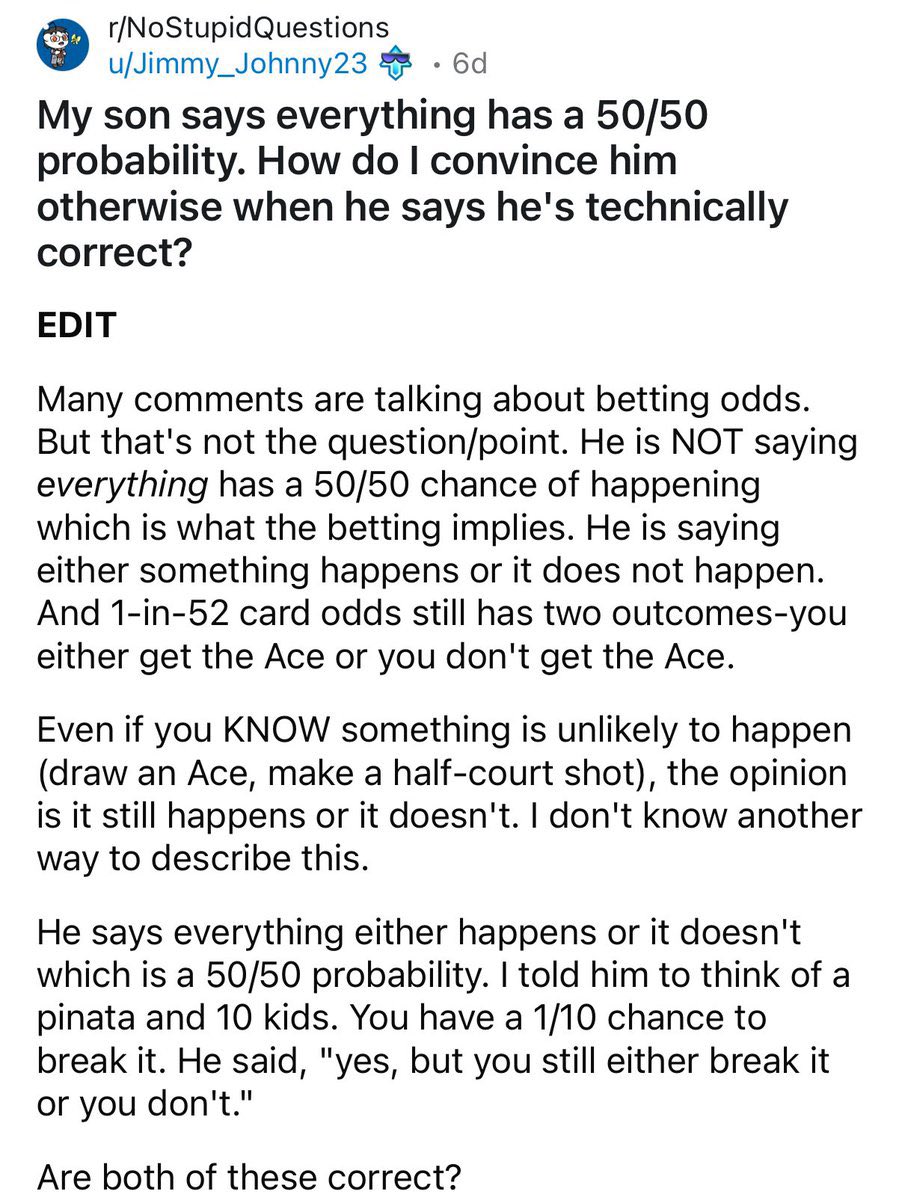
Possibility ≠ Probability
Possibility(what are my choices in a given moment) is very different than probability(likelihood that an event will occur, defined as a value between 0(impossible) and 1(certain). It’s the long run relative frequency of an event happening across repeated trials under identical conditions.

1
39
David P Robbins retweeted

There's no reason for elephants to exist other than God's whimsy

A baby African elephant charged at tourists on safari at a game reserve in South Africa, trying its best to look ferocious.
17
826
15,112
558,817
May 27
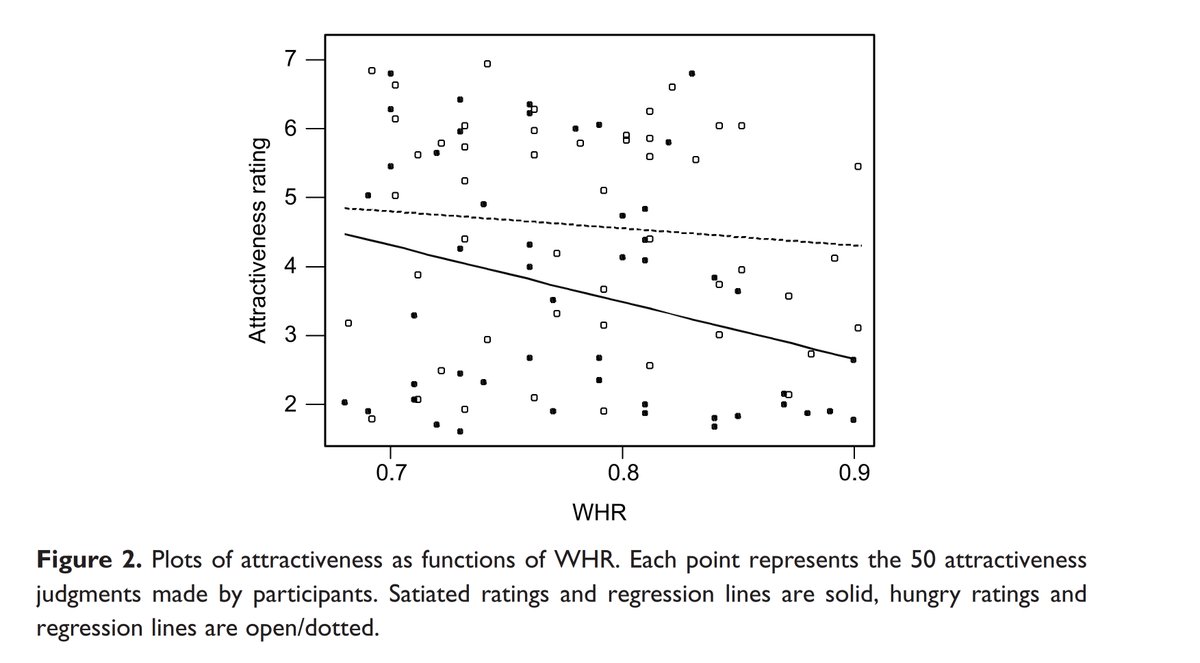
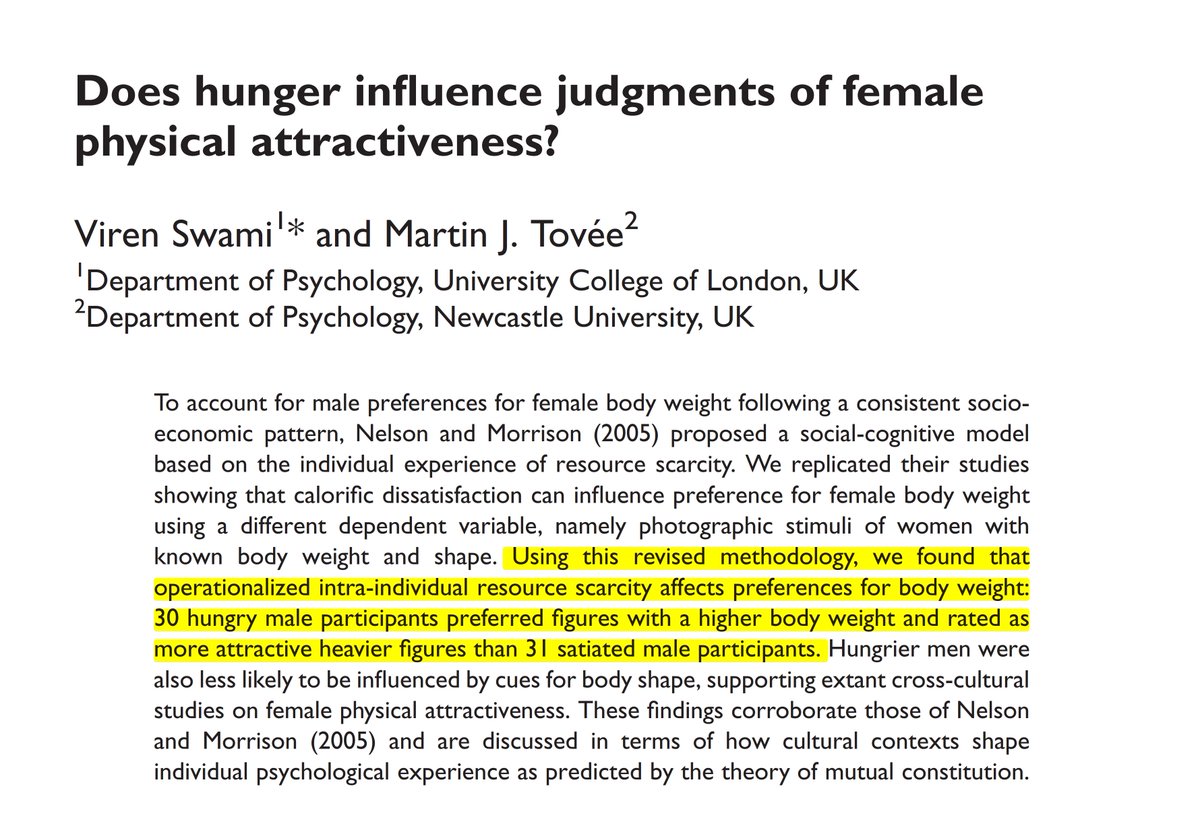
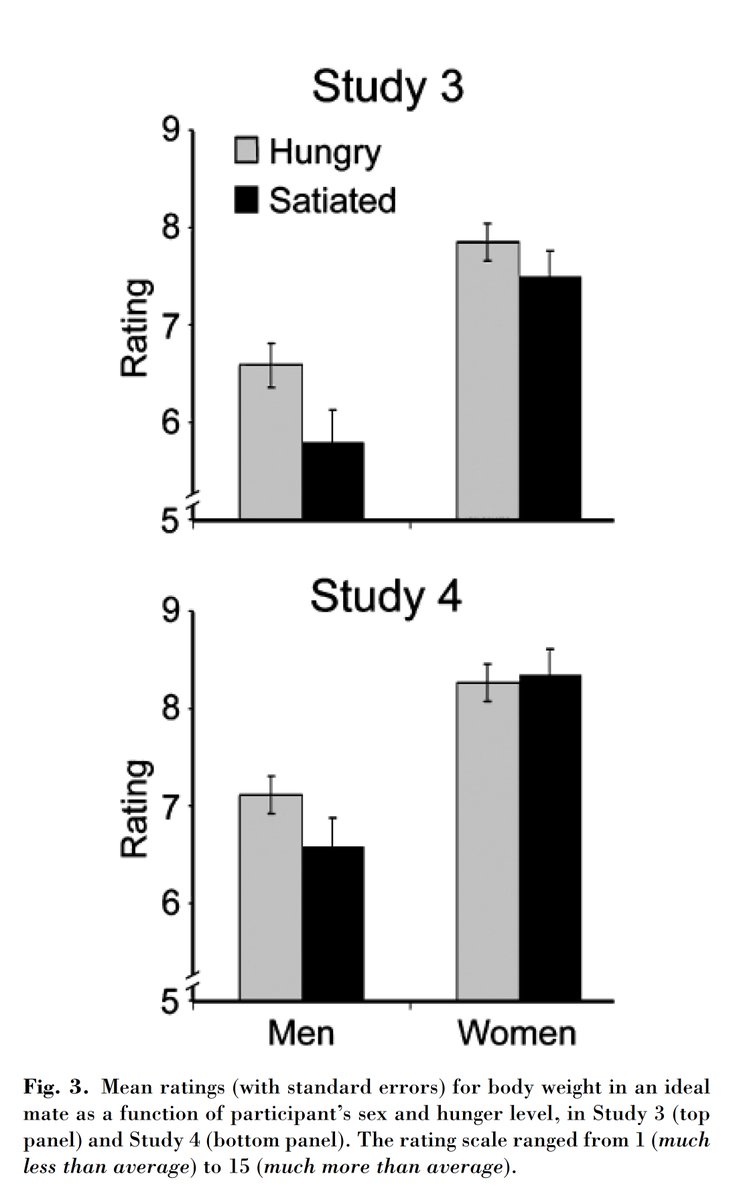
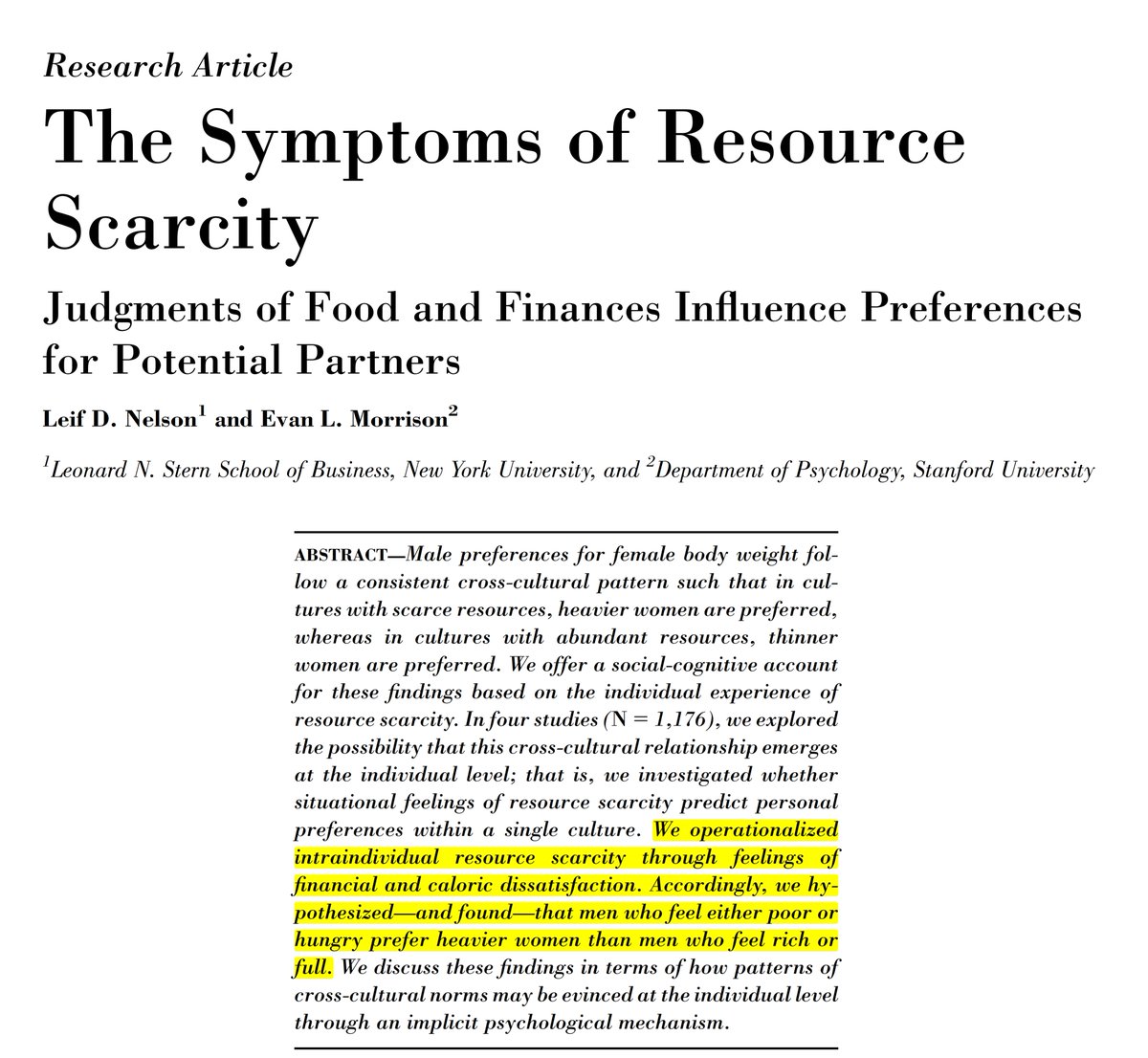
To be clear, before anyone thinks this means a whole lot, these are specific experimental effects on preferences/ratings. These aren’t necessarily real world mate choices. Effect sizes aren’t huge. Replication and context matter (as with most psych studies).
47