
DcentraLab is creating an ecosystem of products designed to accelerate blockchain mass-adoption, increase transparency, and lead the decentralized revolution.
Joined July 2022
- Tweets 335
- Following 38
- Followers 1,371
- Likes 130
27 Photos and videos










DcentraLab retweeted

May 19
We have submitted Project Janus to the @IntersectMBO 2026 Budget process. It's a 24-month roadmap to decentralize cross-chain bridging on @Cardano and bring generalized cross-chain messaging to the network.
ChainPort has been live on Cardano mainnet since November 2022. We hold 98% of bridged assets in Fireblocks and Gnosis Vaults cold storage, our codebase is audited by Trail of Bits, CertiK, Cyber Unit, and Zokyo, and we run across 47 chains today. Janus is the next stage.
The authorization model that controls bridge transactions moves fully on-chain, anchored to Cardano's own consensus through a stake-weighted quorum of SPOs and Mithril certificates that tie outbound verification straight back to Ouroboros.
Janus also adds something Cardano doesn't have yet: generalized cross-chain messaging. A Cardano smart contract can't call a function on Ethereum today, and that keeps cross-chain governance, RWA synchronization, and one-click DeFi from working at scale.
Three pieces of infrastructure get built. A Decentralized Verifier Network with SPO BFT consensus and Mithril. An open Cross-Chain Token standard on CIP-113 and 143, with a single canonical Plutus policy so projects stop ending up with bridge-specific wrapped tokens fragmenting their liquidity. And a Mailbox layer for messaging, so Cardano contracts can call functions on EVM chains.
The DVN and CCT standard ship as open Cardano CIPs. Governance moves to a DAO treasury. No follow-up treasury withdrawals.
Janus isn't a greenfield design. It's the team that already secures real Cardano assets decentralizing infrastructure we've been running since 2022.
The full proposal is on Hydra, link below. We'd love your feedback.
hydra-voting.intersectmbo.or…
1
3
8
596

Autonomous trading is becoming real.
Traia agents digest real-time data 24/7 through a growing hub of institutional-grade trading skills, analyzing charts, sentiment, and on-chain signals to execute trades autonomously across top venues like @Uniswap, @binance, and @Polymarket.
Each agent is equipped with a secure self-custody wallet.
To participate in the Research Preview, join the waitlist.
traia.io/en/waitlist
14
74
111
1,327
DcentraLab retweeted
May 11
The @world_chain_ is now live on ChainPort. Identity-verified, bot-free DeFi.
Bridge and cross-chain swap ETH, stables, and tokens from Ethereum, Polygon, Arbitrum, BNB Chain, and more. In under two minutes.
3
6
502

DcentraLab retweeted
Apr 27
400,000 TPS. Sub-second finality. Under $0.001 per transaction. A DeFi ecosystem that's already moving.
@SonicLabs is now live on ChainPort.
Bridge any token there from any major chain.
1
3
7
488
DcentraLab retweeted
Apr 20
Another bridge exploit hit $292M this week. Same pattern as the last several: the cross-chain messaging layer failed, and the bridge released funds it should not have released.
Here is where the bridge industry is right now.
Fully decentralized bridging is the right long-term goal. A trust-minimized bridge where no single party can compromise the system is what the industry should be building toward. But the technology is not there yet. Every "decentralized" bridge architecture shipped to date still depends on a small set of off-chain verifiers, oracles, or relayers. When one of those fails, the bridge fails.
The list is long enough. Ronin. Wormhole. Nomad. Multichain. Orbit. The common thread: a small verifier set was trusted with more value than it could defend.
Until the technology matures, the most secure bridge design is the one the industry is least enthusiastic about naming out loud: centralized custody run by reputable operators with institutional security standards.
That is what ChainPort is built on.
Up to 5% of bridged assets sit in the hot bridge contract. The remaining 98% lives in rebalancing and treasury vaults secured by Fireblocks MPC cold storage and Gnosis multi-sig. When the hot contract needs refilling after heavy outbound volume, the refill is manual and goes through the ChainPort Congress multi-sig. Human approval is required on the cold side before any liquidity moves to the hot side.
The practical effect: an attack on the messaging layer has a cap. An attacker cannot drain what the bridge contract cannot touch, and what it cannot touch requires coordinated approval from multiple holders of hardware-isolated keys.
This is the hot wallet and cold wallet separation that custodial exchanges have used for a decade, applied to the bridge itself.
Decentralization is the goal. Institutional-grade custody is the safest path there.
3
4
522
DcentraLab retweeted
Apr 8
ChainPort now supports @Scroll_ZKP! 🚀
Bytecode-level zkEVM. Stage 1 rollup. 110M transactions processed. Under $0.005 per tx.
Built alongside Ethereum Foundation researchers, not behind closed doors. Thread below.
1
2
4
440

Apr 1
The team at @chain_port never stops. More paths to move your assets, unlocked.
Apr 1

Today, @katana is live on ChainPort.
$373M in TVL. A revenue model that doesn't rely on just emissions. One lending protocol, one DEX, perps, and deep liquidity.
Thread below.
2
68
Mar 2
New website. Live now. 🌐
We've rebuilt dcentralab.com. Cleaner, sharper, and built to show what we're actually working on.
ChainPort. Traia. d402. All under one roof.
👉 dcentralab.com
2
3
5
647
Feb 17
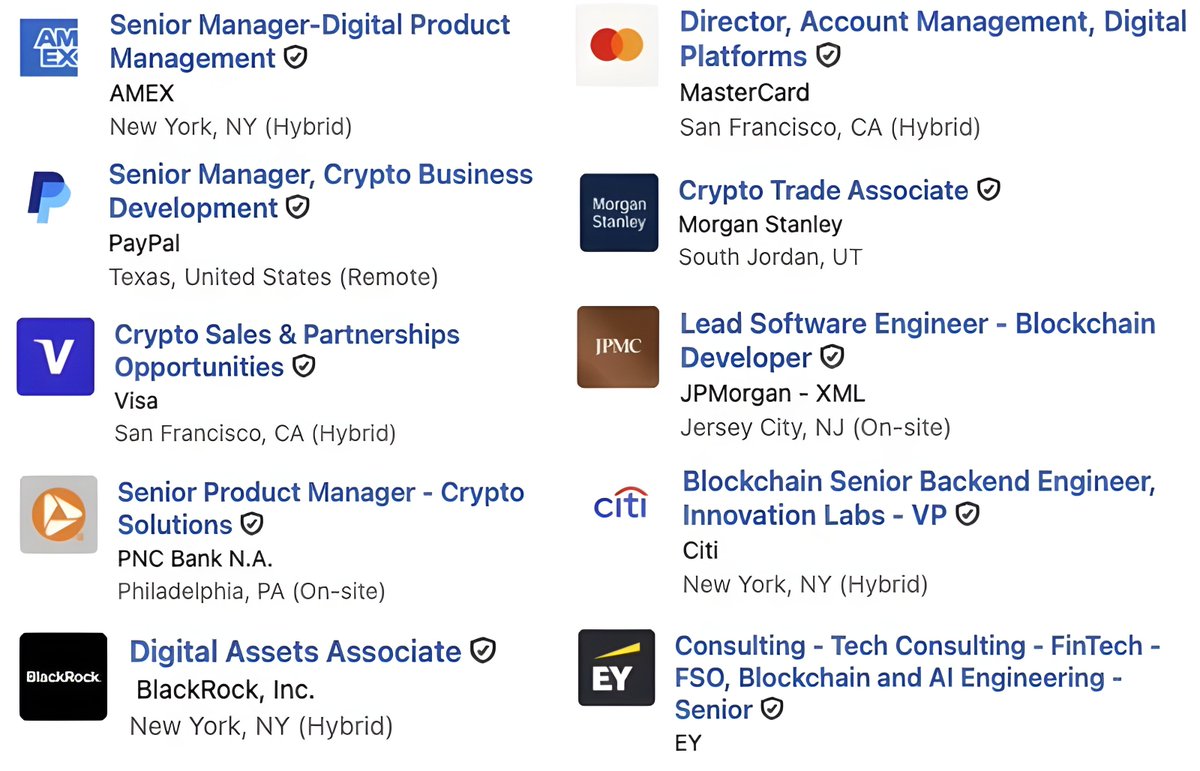
We are also always on the lookout for the best talent ⭐️
See our open positions at dcentralab.com/jobs

2
7
628
DcentraLab retweeted
Feb 17
Bridging shouldn't be a headache. It should be a one-step flow.
🪙 140 Tokens supported
🌉 27 Chains connected
🔒 95% of Assets in Cold Storage (Security First)
Try it here: app.chainport.io
1
3
6
385
Feb 15
Privacy is the next major infrastructure layer for Web3.
🔒 Great to see @chain_port leading the charge as a key gateway for @COTInetwork V2.
Confidential DeFi is coming.
Feb 5
The "Privacy on Ethereum" narrative is finally actionable.
Read our Deep Dive on @COTInetwork V2 and understand why it changes the game for 2026.
🔹 Private DeFi: Trade without front-running (MEV protection).
🔹 Confidential RWAs: Institutions can transact on-chain while keeping data private.
🔹 Live Now: You can now bridge assets like $USDT and $ADA directly to COTI via ChainPort to start farming rewards.
We are proud to be the interoperability rail fueling this ecosystem.
Read the full breakdown on the tech & the rewards 👇
blog.chainport.io/coti-deep-…
2
76
Jan 8
Great to see @chain_port joining the @alt_layer stack. This integration allows new Layer 2 networks to access bridging infrastructure immediately upon launch.
Jan 8
ChainPort x @alt_layer 🤝
We’ve officially joined AltLayer’s modular infrastructure stack!
Now, any Layer 2 built on AltLayer gets easy access to cross-chain bridging with ChainPort.
Read more about it here 👇
blog.chainport.io/news/chain…
4
160
DcentraLab retweeted
Jan 5
We are thrilled to announce that ChainPort now supports @COTInetwork! 🤝
You can now seamlessly bridge $ADA and $USDT to and from the COTI ecosystem using ChainPort.
👇 Read the full announcement: blog.chainport.io/news/coti-…
1
15
46
7,382
Jan 1
Happy New Year! 🎆 Best wishes for a great year ahead from everyone here at Dcentralab and all our project teams.
1
83
25 Dec 2025
Wishing you Happy Holidays from everyone at DcentraLab! Here’s to a 2026 filled with innovation! 🍾
2
74
17 Dec 2025
The DcentraLab ecosystem keeps growing. 🌐
Proud to see @chain_port pushing the boundaries of interoperability.
👇👇
17 Dec 2025
Numbers Protocol is now supported by ChainPort!
Bridge $NUM tokens securely between @numbersprotocol Chain, Ethereum & BNB. 🌉
blog.chainport.io/news/numbe…
1/2 🧵
2
93
11 Dec 2025
Big news coming from @web3_index 💥
11 Dec 2025

Messaging is now LIVE on web3index!⚡️
Signed-in users can directly reach decision-makers at Web3 companies: find a company, pick a department, send your message, and we route it via email to the right person. 📮
Connect easier than ever!
web3index.com

89
6 Oct 2025
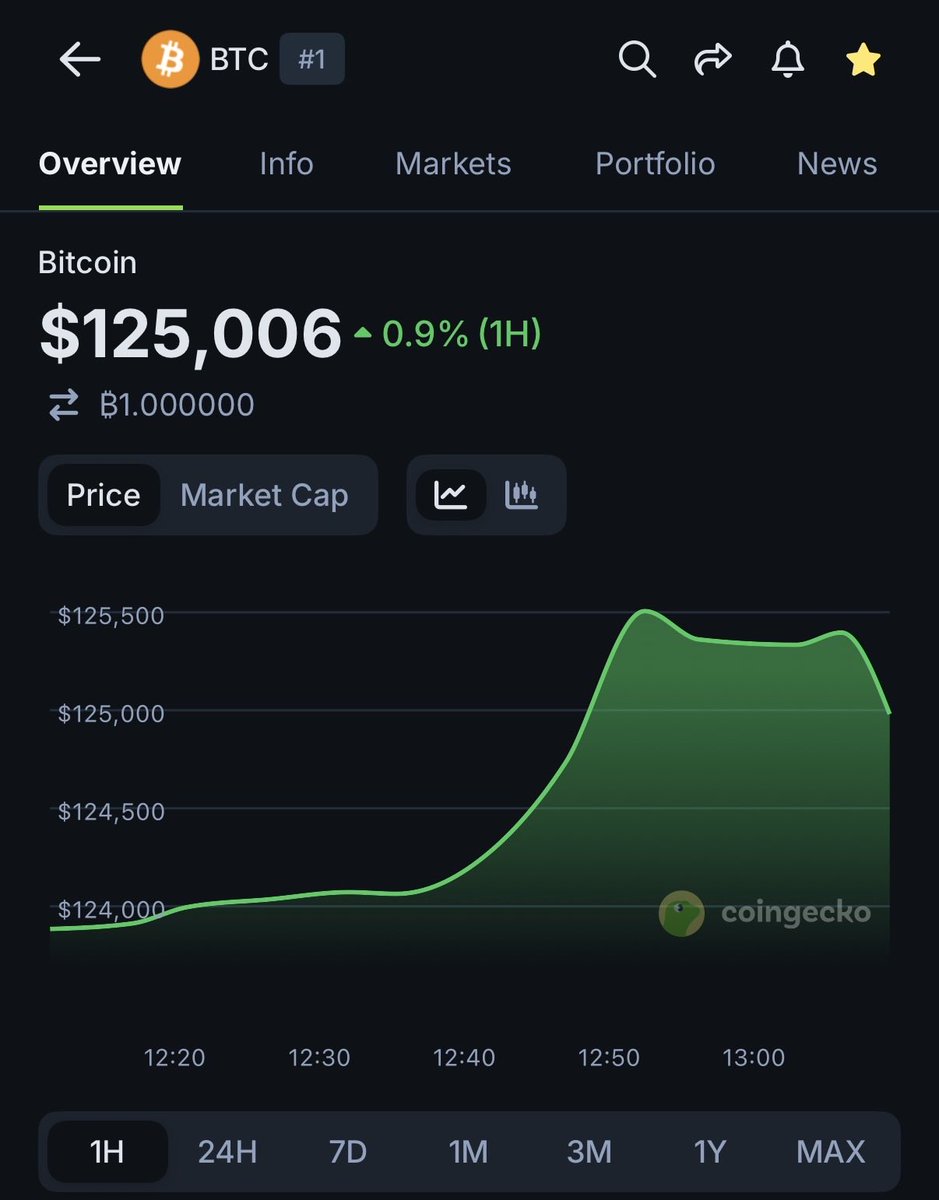
NEW ALL-TIME HIGH! 💥
#Bitcoin just made history. Again.
The market's resilience is undeniable.

1
374