
Empowering property owners to profit from the future of connectivity. We deploy and scale decentralized infrastructure. Data is the new oil. 📡⚡
Joined March 2025
- Tweets 415
- Following 266
- Followers 269
- Likes 665
99 Photos and videos




Pinned Tweet

Mar 11
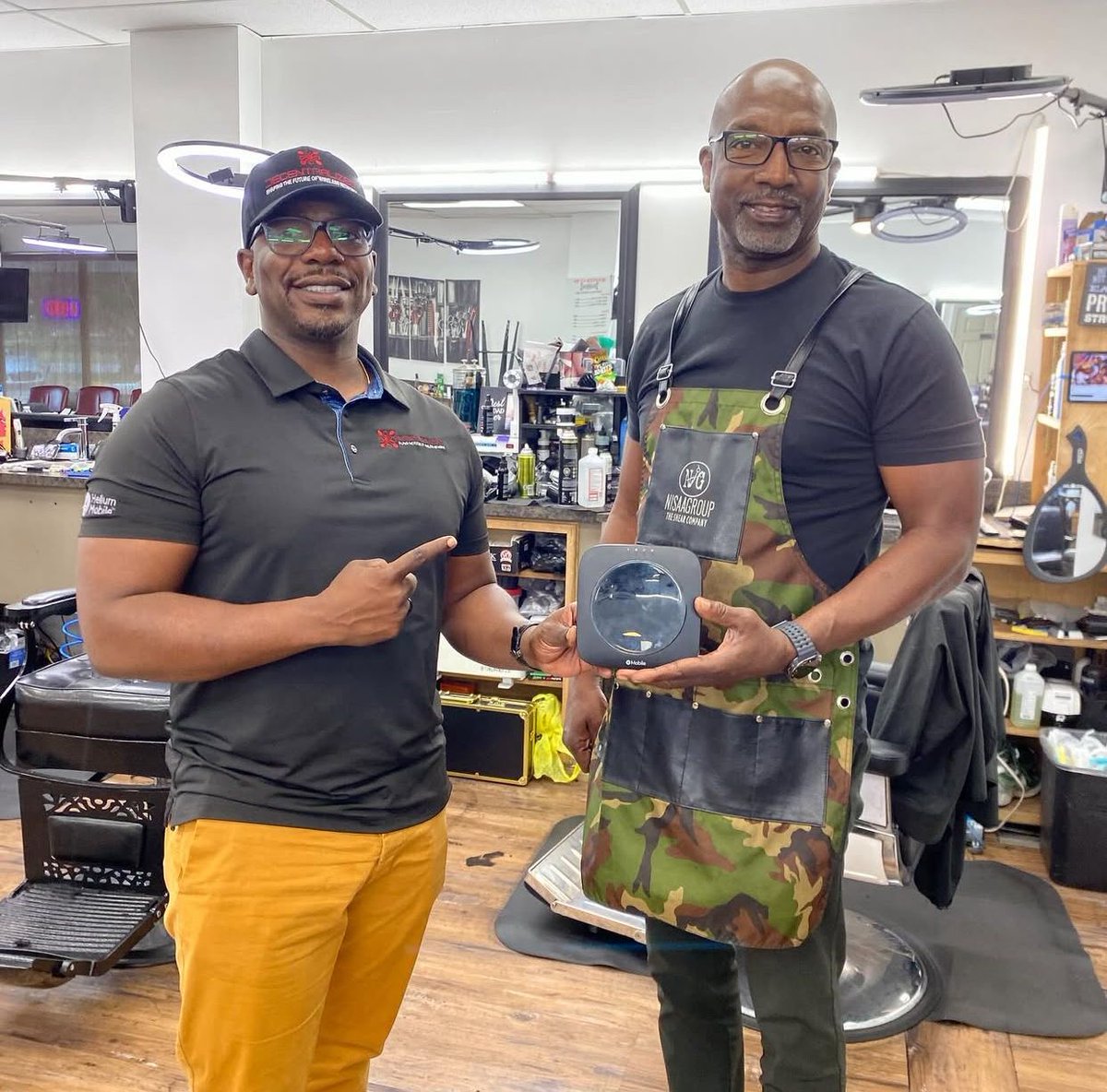
At Decentralized LLC, we help business owners property owners turn what they already have (space, rooftops, foot traffic, power, connectivity) into an income producing asset — and in many cases, a real asset on the balance sheet.
This is how “infrastructure” stops being something you only pay for… and becomes something you can own, monetize, and leverage.
If you own or manage a property and want to see what a DePIN deployment could look like on your site, DM “depin” and we’ll map it out.
1
9
340
Decentralized retweeted

18h
The deployments continue, if you’re a #DeWi deployer and want to know how I’m doing it make sure you tune in to @The_Relay_ this Wednesday to find out what we’re building for you. No longer will the deployer be the after thought! We make DePin possible, we’re the main thought 🫡
2
1
11
268
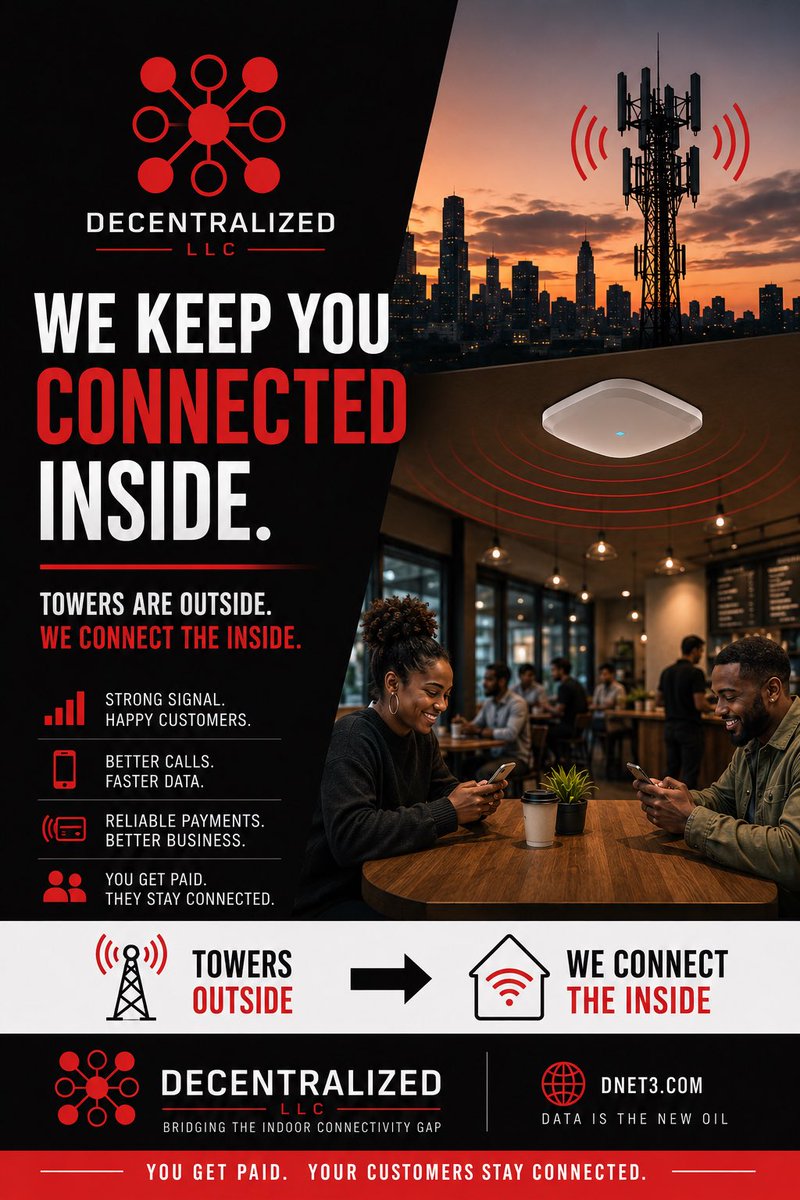
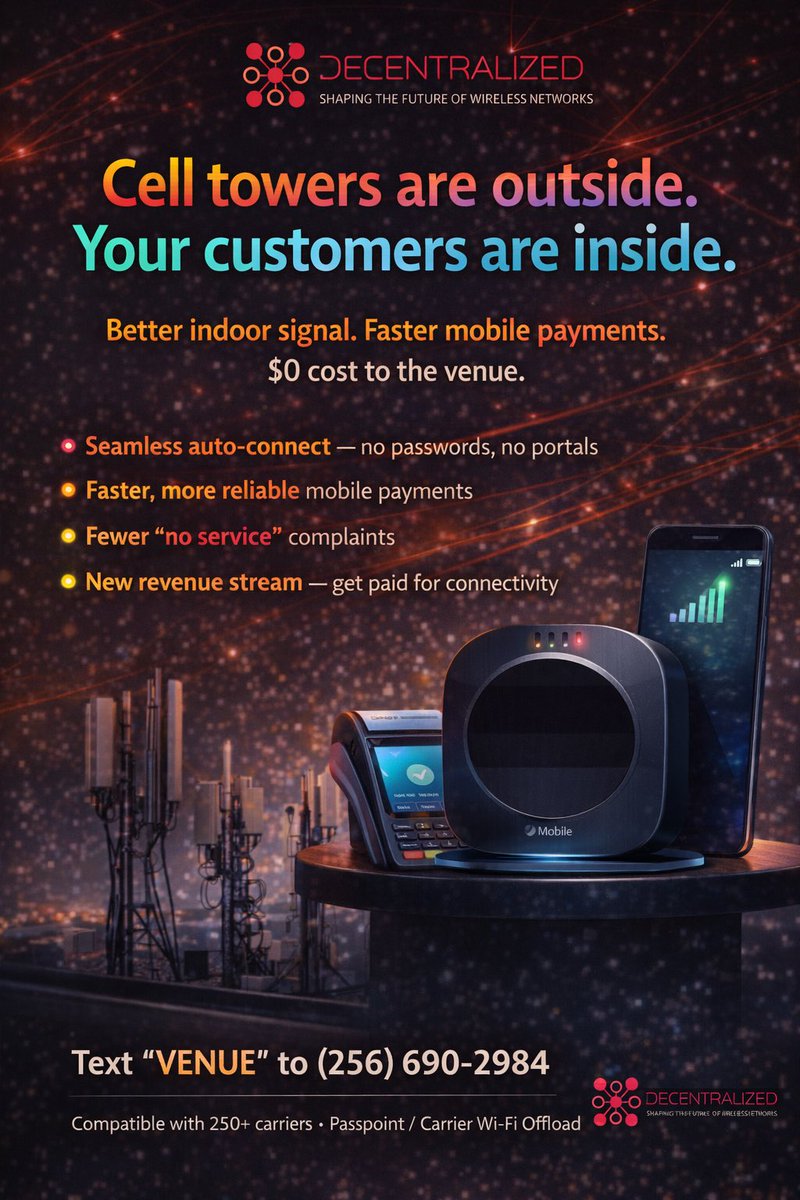
Ever wonder why your phone works great outside… but struggles the moment you walk inside? 🤔📶
The towers are outside.
Concrete walls, metal roofs, and crowded buildings create dead zones that lead to dropped calls, slow data, and frustrated customers.
At Decentralized LLC, we focus on where connectivity matters most, inside.
🏢 Restaurants
✂️ Barbershops
🏋️ Gyms
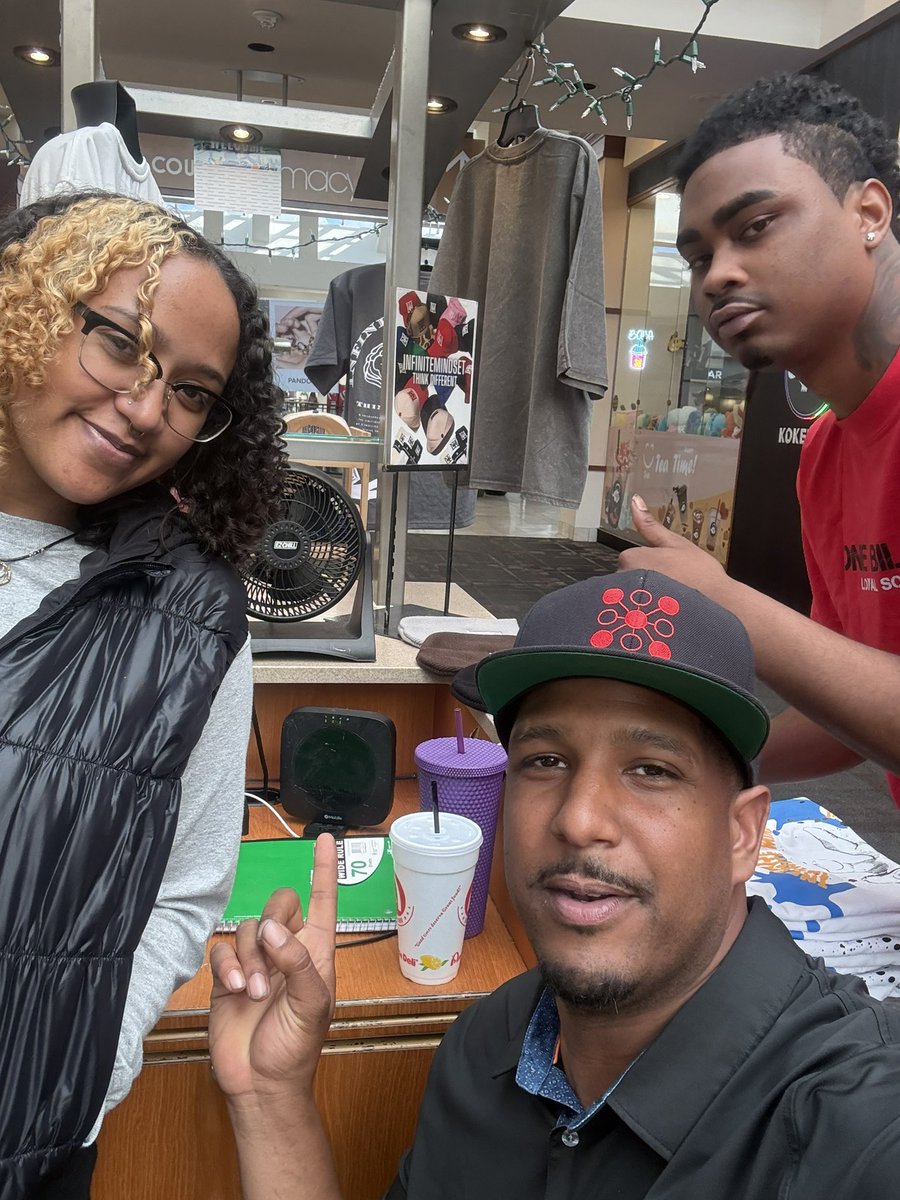
🛍 Retail Spaces
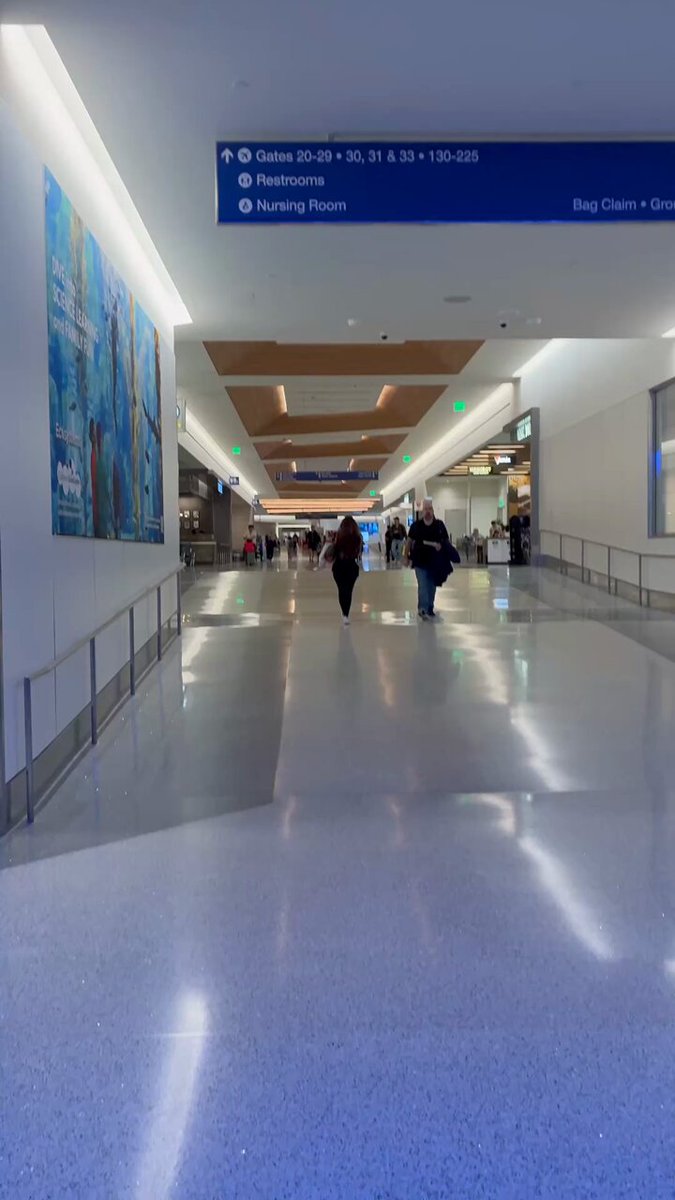
✈️ Airports
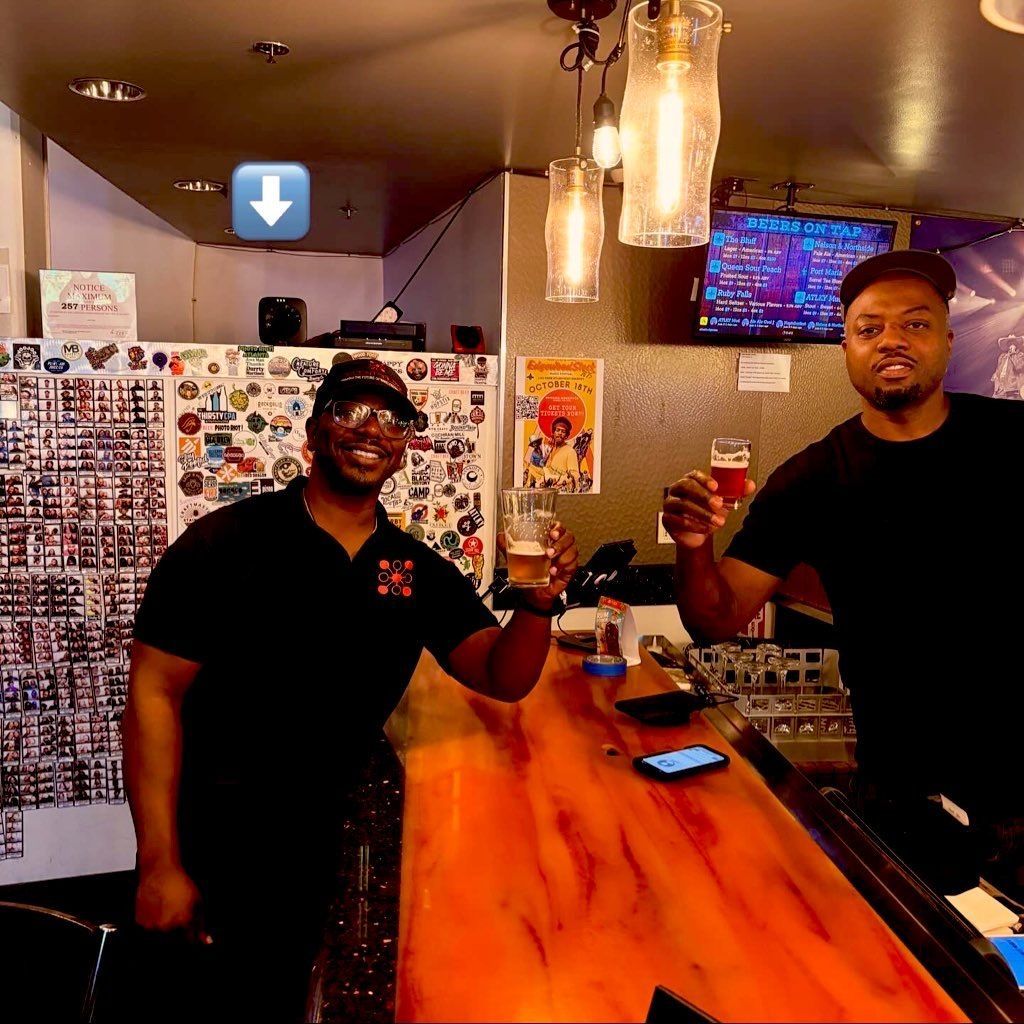
🍸 Lounges
Because bad indoor coverage isn’t just annoying it impacts customer experience, mobile payments, and business.
Towers are outside. We connect the inside.
📡 Stronger signal.
📶 Better experiences.
💰 Property owners get paid.
1
3
44
Decentralized retweeted

Jun 10
On the Helium proposal, I don't work there anymore but here's my take:
Helium made two large, parallel bets:
(1) Carriers will pay to offload to a decentralized network that fills coverage gaps.
(2) Helium can build its own carrier, Helium Mobile, that offers cheaper prices than others due to the offload
It was never explicitly stated, but (2) acted as a nice hedge for (1) being incorrect. If carriers won't use us, we'll use ourselves!
So what happened? Well, this is a startup. Some bets win and some do not. The carrier offload bet won, there is massive PMF. Carriers agree to pay Helium more and more every year.
On the other side, the Helium Mobile bet didn't go asymmetric. Free subscribers are expensive, but were the best subsidized bet to grow. Think about when Uber used to have $3 pools, nobody thought that was real but it grew them to the point of being unstoppable. HM made that bet, and all along the way it seemed like it could go parabolic. In places like New York with dense coverage, the Helium Network did meaningfully save HM money. Unfortunately, the expenses and distraction of running an MVNO do take a toll. It split focus. Helium Mobile was a swing for the fences, and while it didn't outright fail it was becoming a distraction from the bet that already had PMF; carrier offload! Leadership identified this gap and took action. HM was acquired, and the focus is now fully on offload and Noble Mobile is just another carrier using Helium.
Now on to the proposal. Helium has PMF. We know this. But the age of subsidy is over, no more $3 Ubers. Hotspots need to get paid what carriers pay the network. I don't think this is controversial.
The real controversial part is the one-time inflation. A network whose token is built on scarcity rightfully does not want a large inflation event. But here's the thing, Helium is at a meaningfully different stage. You can see it in the leadership change. Amir is the guy you want making large bets to find PMF. He's ruthless, driven, and not afraid to make controversial decisions. He's your 0 to 1 guy.
Now look at Mario. He's smart, calculated, and has an MBA. He's your 1 to 100 guy.
It's no longer a matter of "will this work" it's a matter of "put more money in to grow the network, yield more revenue." Mario knows how to do this scaling, and this scaling will not work without the inflation. Growth is not free. A business has operational costs that need to be covered. You want a navy seal team of salespeople onboarding hundreds of thousands of brownfield hotspots, and expanding to new countries? That costs money.
So the network has a big decision here. It can stay in the scarcity mindset, mint no new tokens, and fizzle out as growth slows. Or it can take a risk and give the fire the fuel it needs to grow.
32
13
135
23,226
Great news 📰

The Clarity Act passed committee. The floor is next. We did not come this far to quit at the 5 yard line.
24
Decentralized retweeted
Jun 4
Can’t miss the juice 🧃 today and neither should you.
I’m tapping into TWO events:
1. Helium: major network changes to accelerate growth putting HNT & builders front and center 11am Central
x.com/helium/status/20622993…
2. FliteGrid’s first AMA (live on Discord) — real-time alpha, real-time questions 12pm Central
discord.com/events/149446302…
If you’re building in DePIN, this is where you show up.

Tomorrow we’re going live at 9am PT / 12pm ET with some big updates for the Helium Network.
Wireless is a trillion dollar industry that struggles to keep up with today's data demands and density. Helium Mobile proved that a consumer carrier service could run on a people-built network and bring affordable connectivity to the masses. Now that the consumer carrier has a great new home with Noble Mobile, we're fully focused on the bigger opportunity: the Helium Network.
Carrier adoption is growing with millions of people using the Helium Network every day. We're building a real-time intelligence platform legacy providers don't have. And we're expanding globally.
The next era starts here. Join us tomorrow to hear more.
x.com/i/spaces/1RJjppMdyeZKw…
1
1
14
1,004
Decentralized retweeted

May 29
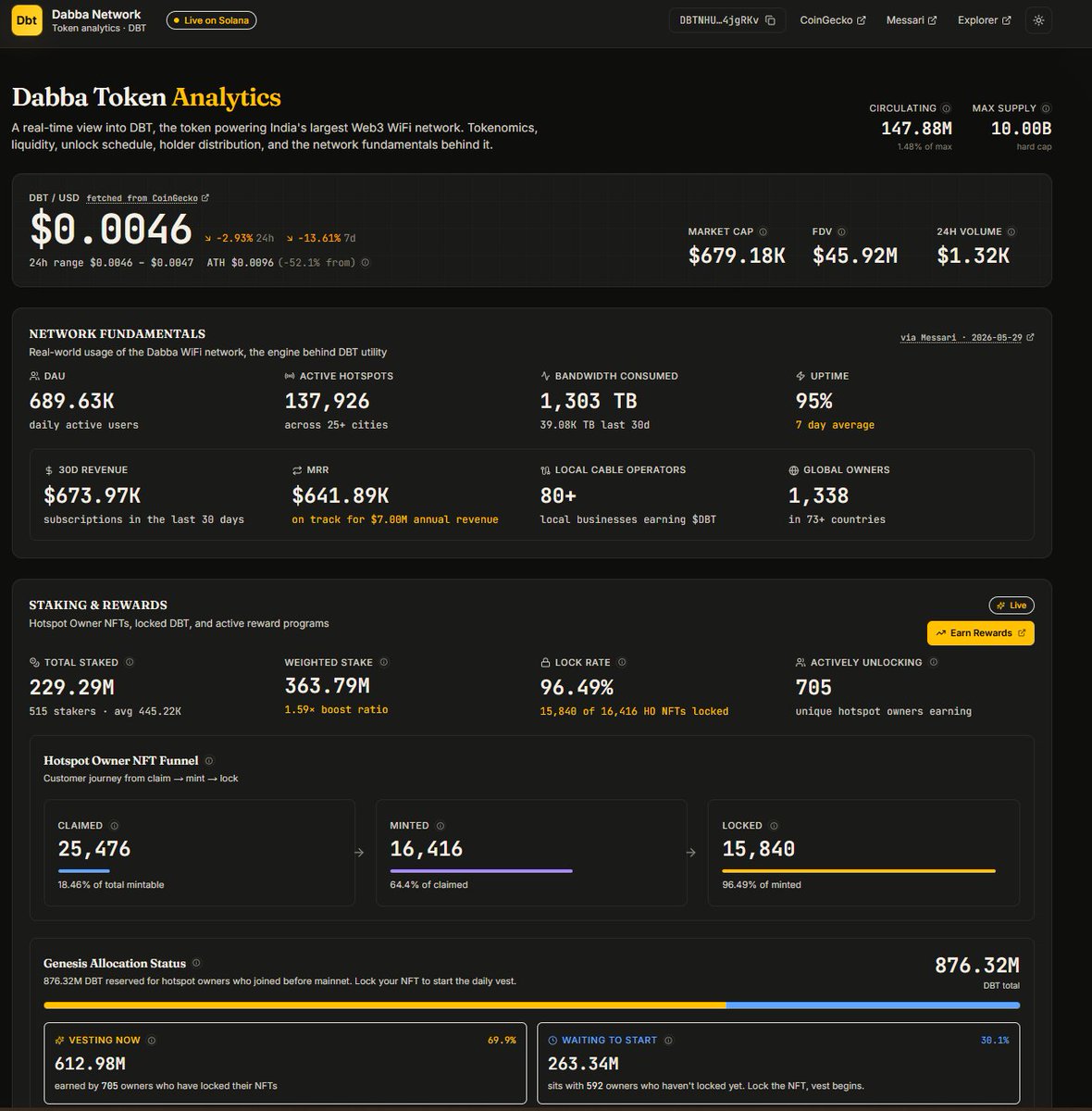
The @DabbaNetwork is making it too easy for investors.
New dashboard just dropped and it has EVERYTHING you would want to see all in one easy to read spot!
With CEXs in route and 1M hotspots deployed by EOY goal things are really starting to heat up.
metrics.dabba.network/
2
7
16
739
May 21
We’re helping small businesses across America improve connectivity, strengthen customer experiences, and turn everyday locations into digital infrastructure.
27
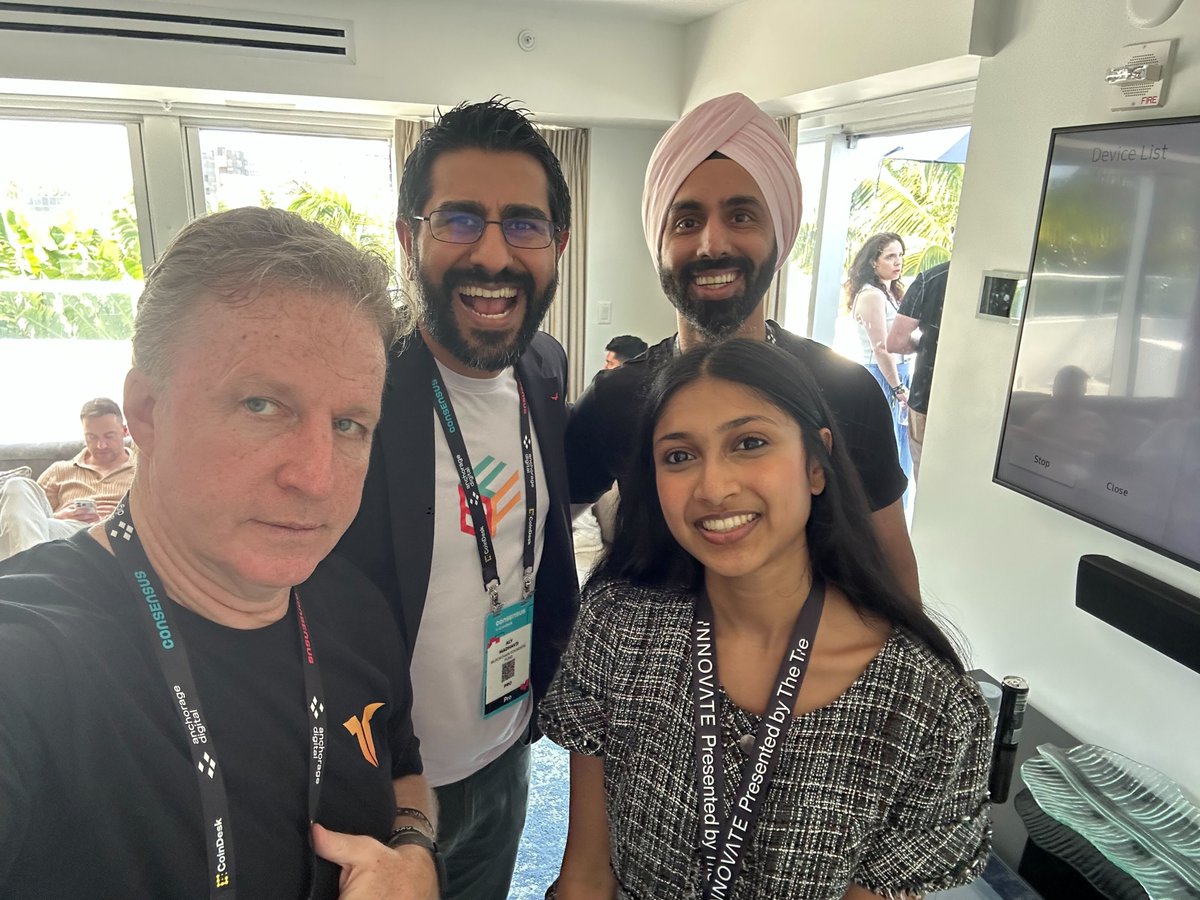
Consensus Miami reminded us why real builders matter.
At Decentralized, we don’t just deploy infrastructure — we live the realities of deployment every single day. From carrier approvals and onboarding delays to site acquisition, installs, uptime, and educating venue owners… deployers are the boots on the ground holding DePin together.
That’s why conversations with projects like @tashiprotocol are important. It’s refreshing seeing teams that actually want to improve the DePin narrative by listening to the people building the networks in real life, not just from a dashboard.
As one of the leading deployment companies in the space, we understand better than most what’s needed:
better communication, better transparency, better tooling, and stronger alignment between projects and deployers.
The next phase of DePin won’t be built by hype alone.
It’ll be built by operators, deployers, and communities working together in the field.
No hype. Just hardware, hosts, and hustle. 🔥
53
Decentralized retweeted

May 8
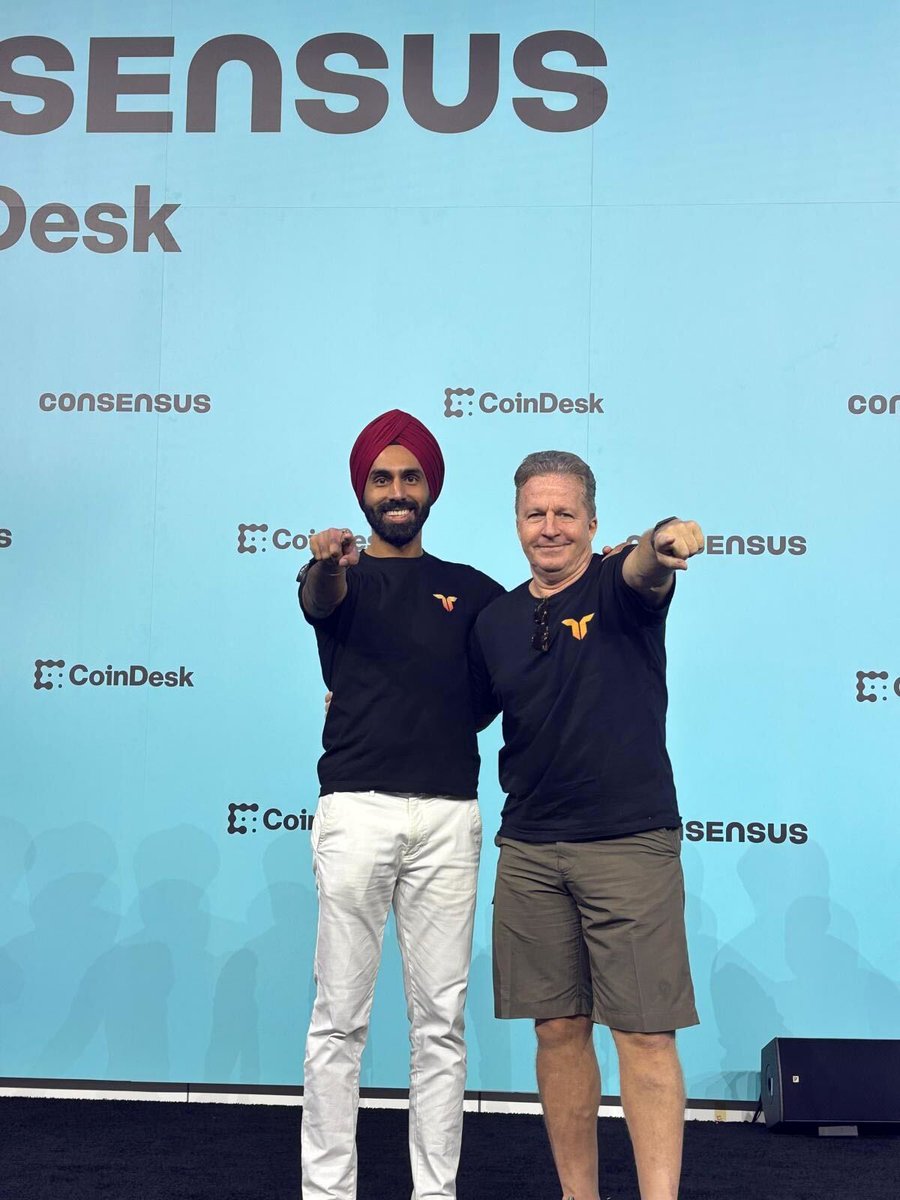
Wrapping up an incredible week for Tashi at @consensus2026! 🚀
We met some brilliant minds, gained irreplaceable insights, and took 2nd place in an absolutely stacked field at @CoinDesk PitchFest! 🏆
Huge congrats to @CoinbaxHQ for a well-earned 1st. We’re leaving inspired and ready for what’s next. 🦾
#Consensus2026 #Web3 #Tashi

14
13
76
3,269
From building carrier offload infrastructure in the U.S. to investing in decentralized WiFi networks globally… the portfolio keeps growing. 🌍📡
One of the projects we’ve invested in, @DabbaNetwork , just landed in The Economic Times as DePIN infrastructure continues going mainstream in #India .
This is why we’re bullish on real world assets that generate real yield. Not memes. Infrastructure.
Long term, the vision is bigger than just deployments. We plan to tokenize parts of our passive infrastructure portfolio so everyday people can own a piece of the yield generated by the networks powering the future.
Digital real estate is just getting started. 🔥
2
5
16
880
Decentralized retweeted

May 4
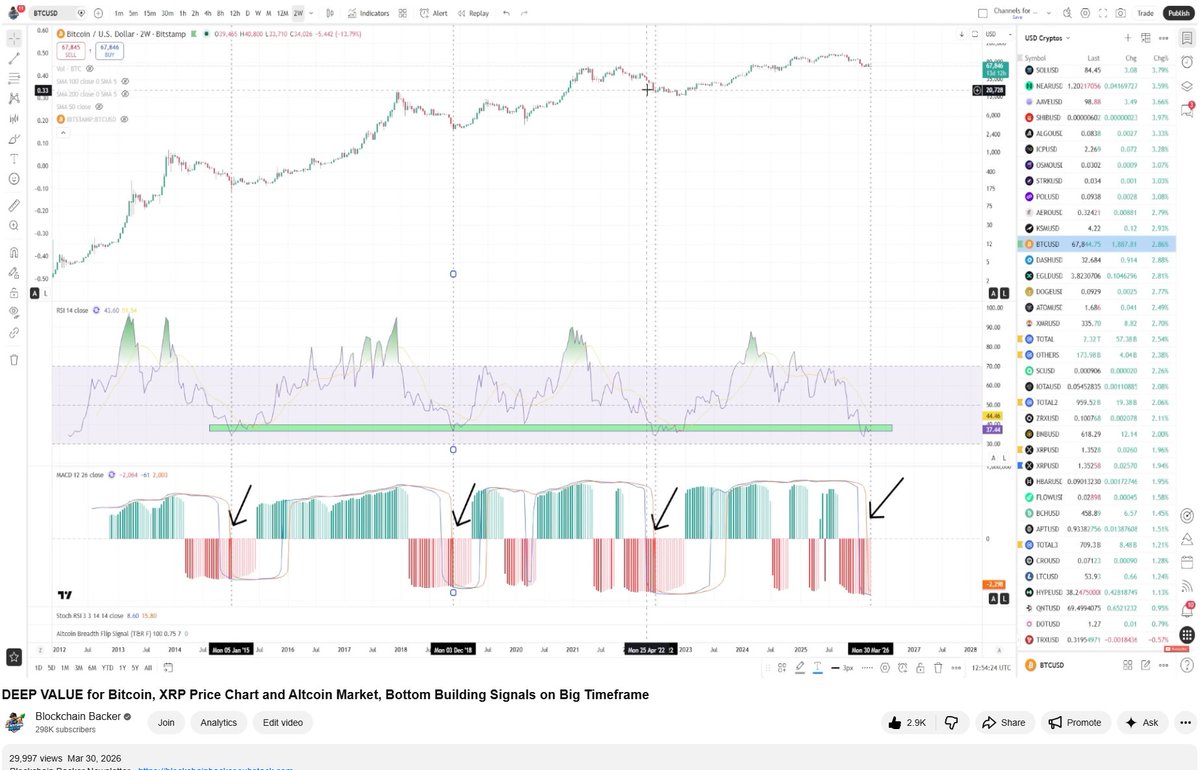
It seems as though people are starting to realize that this is how the bottom of bear markets are typically formed. RSI hits lows and MACD collapsed on larger timeframes.
After capitulation, the masses finally label it a "bear market." However, this historically is accumulation.
Mar 30

DEEP VALUE for Bitcoin, XRP Price Chart and Altcoin Market, Bottom Building Signals on Big Timeframe
youtu.be/eA89_3aJePM
27
90
941
60,752
Brownfield Conversions = Hidden Revenue 🔌💰
Everyone’s chasing new installs…
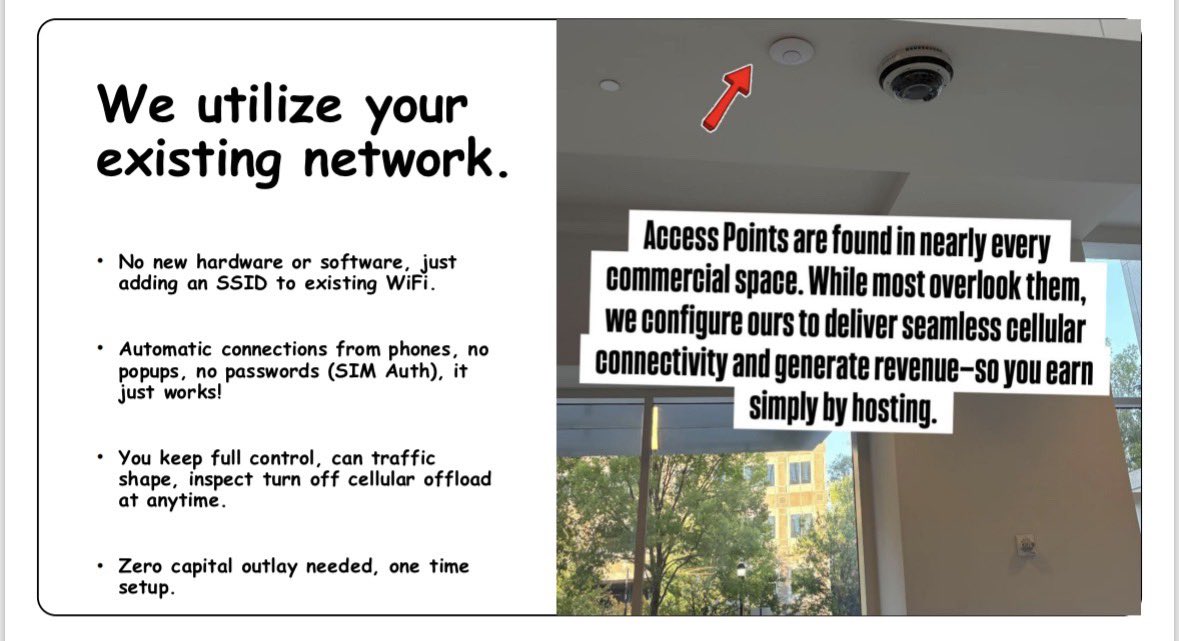
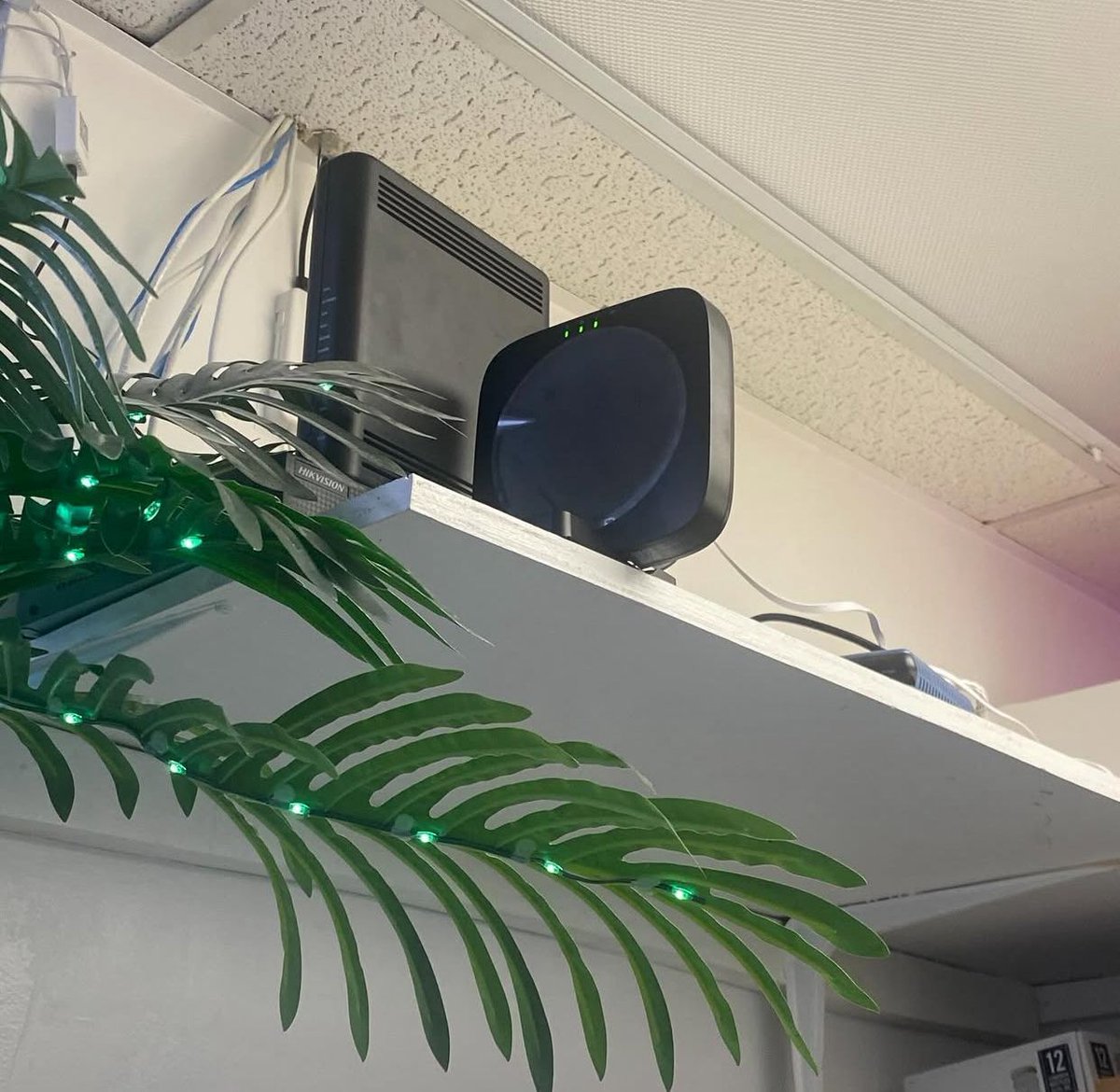
Meanwhile, the real alpha is already mounted on your ceiling.
Brownfield conversions are the cheat code.
That “little white box” already in your venue?
It’s not just WiFi, it’s underutilized infrastructure waiting to be monetized.
Here’s the play:
• No new hardware needed
• No construction, no downtime
• Just configure activate
• Turn existing access points into carrier offload revenue generators
Most venues already have coverage…
They just aren’t getting paid for it.
We flip that switch.
✔ Seamless SIM-based connections (no logins, no friction)
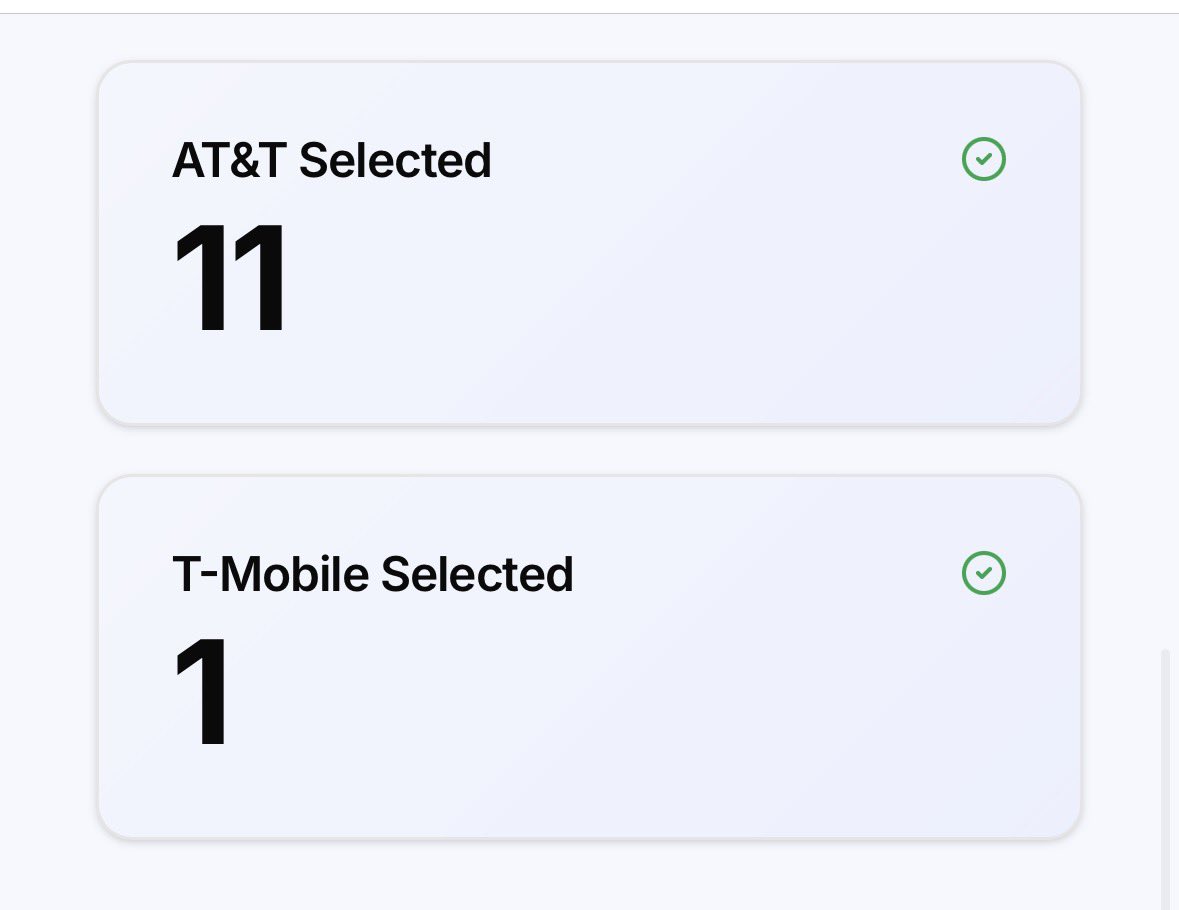
✔ Improved indoor signal for AT&T & T-Mobile users
✔ Support mobile payments, streaming, real-time apps
✔ Monthly revenue from traffic already walking through your doors
This is what DePIN actually looks like in the real world:
Less capex. More speed. Faster scale.
Greenfield is cool…
But brownfield is how you deploy at scale.
Out of sight. Out of mind. Until it starts paying you.
1
2
8
368

We're proud to report a strong Q1 for Helium 💪
•Data transfer 55% QoQ
•DAU avg 47.9% QoQ
•Network offload at major US events
•Telco capex evolving in Helium's favor
•New deployer tools live
Enjoy the report from @Blockworks and stay tuned for a Q1 Network Call in May!

31
42
206
33,611
Apr 24
Facts!
Apr 24

Nearly perfect convergence of factors:
↘️Telcos trying to slash their capex
↗️Consumer and commercial demand for data only going up
..all while carrier offload to Helium keeps climbing 📈
Helium is eating a multi-billion dollar market from the inside. $HNT
3
139
Apr 20
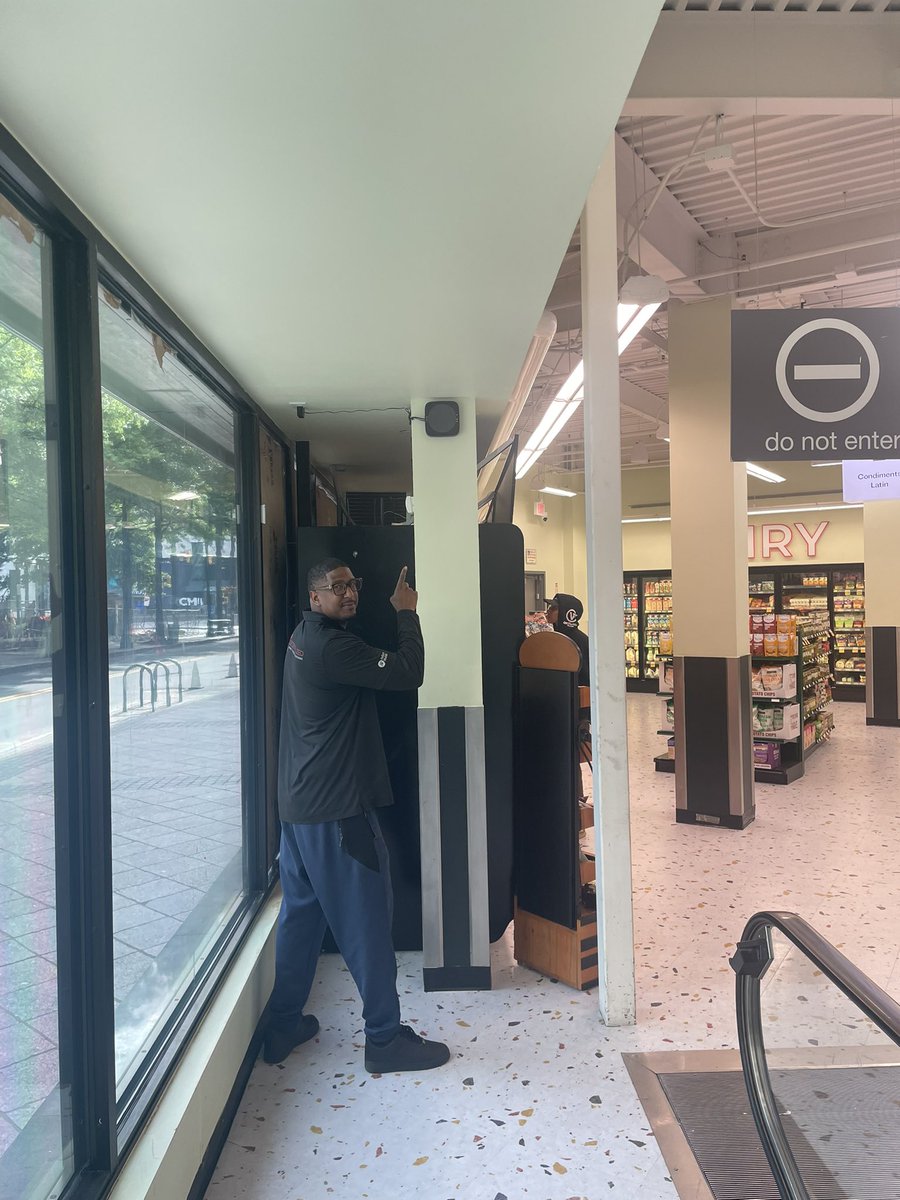
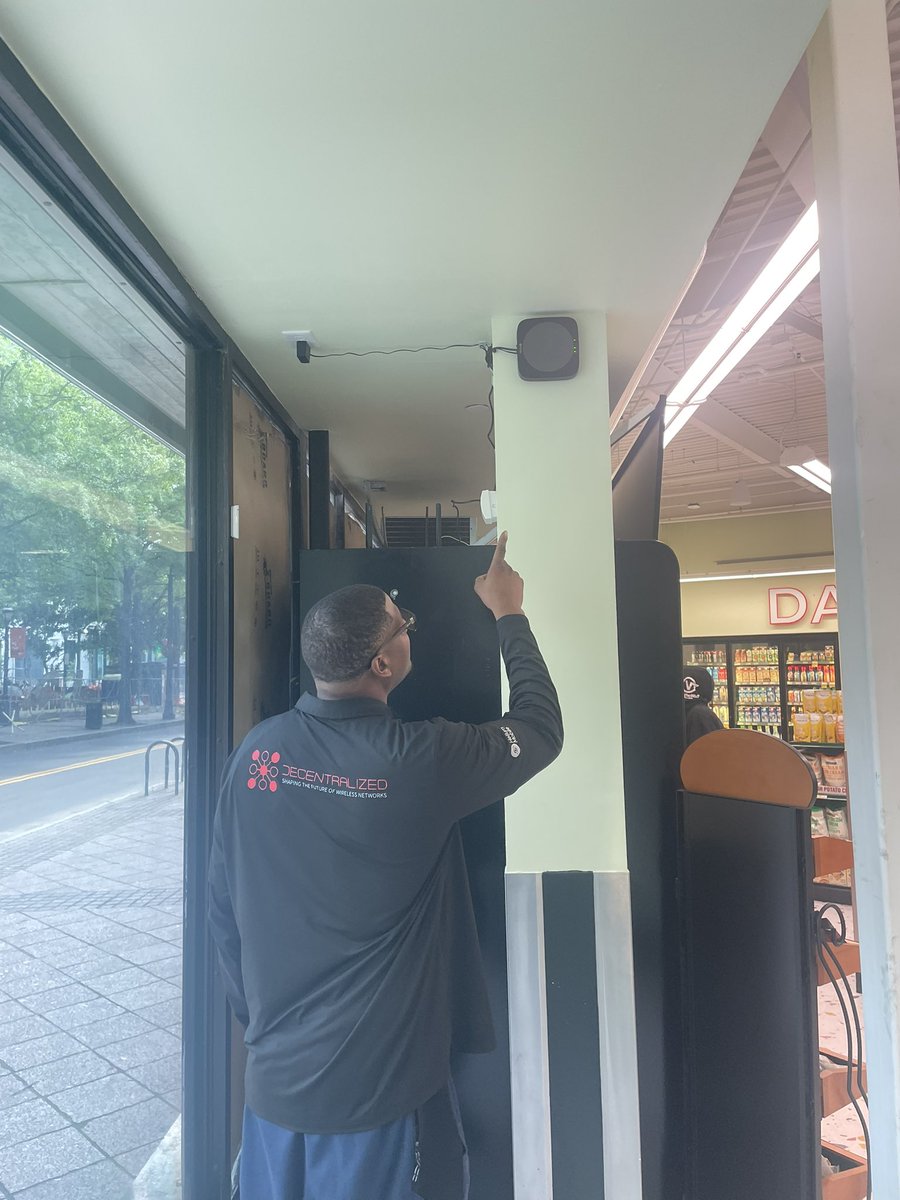
Decentralized is now live at the Azalea Fresh Market
What that means (in plain English):
• We’ve deployed indoor connectivity infrastructure designed for carrier WiFi offload (better in-building experience where towers struggle).
• Shoppers get a smoother, more reliable connection in-store especially in dense aisles and high-traffic areas.
• The venue can participate in a no-cost model where unused space foot traffic becomes an asset.
Why this matters:
Indoor is where mobile service often drops off, but it’s also where customers spend time. Better connectivity improves the experience and creates a path for venues to share in the upside as traffic grows.
If you’re a retail, grocery, gym, restaurant, or mall operator and want to learn how indoor offload revenue share works, reply “Decentralized ” and I’ll send the quick overview.
9
764
Decentralized retweeted
Apr 11
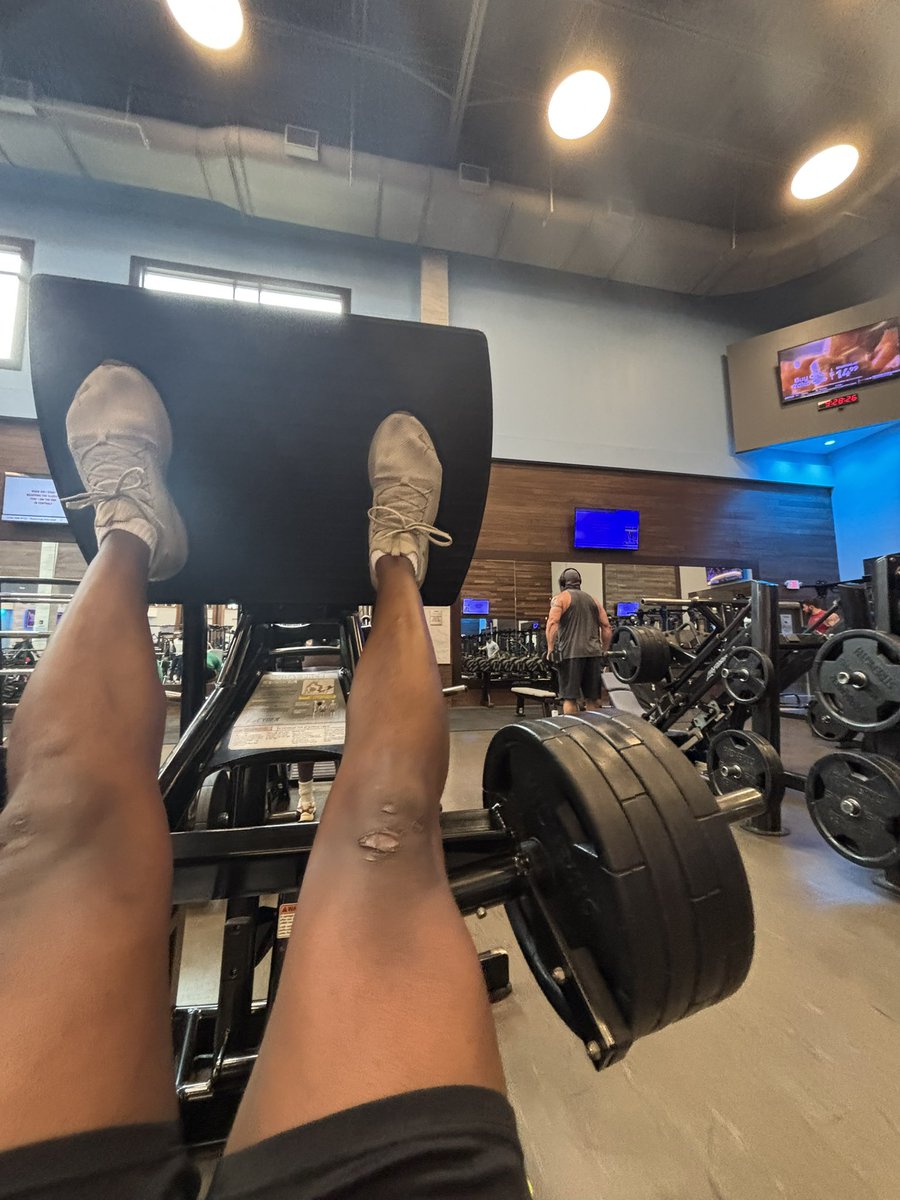
The weight crushes most I carry it.
No excuses. No surrender. No off switch.
Builders build. Babies cry. #DePin
1
1
8
204
Proud to share a new deployment at Panda Express.
These are the kinds of venues where “dead zones” show up fast; high foot traffic, long dwell times, and peak-hour congestion. Our goal is simple: deliver better indoor connectivity where people actually spend time.
#DePin is no longer theoretical. It’s being installed, tested, and scale one real location at a time.
If you operate high-traffic venues and want to improve indoor connectivity, reach out.
10
718
Decentralized retweeted
Apr 1
The team @dcentralizedllc has been in the gym getting ready for second quarter and I think we just hit a home run with this one. Now enjoy @helium @helium_mobile connectivity while enjoying America’s favorite pass time.
2
6
50
2,120
Mar 31
Keeping you “connected” indoors used to require DAS systems, six-figure builds, and months of waiting.
We replaced all that with a smarter layer.
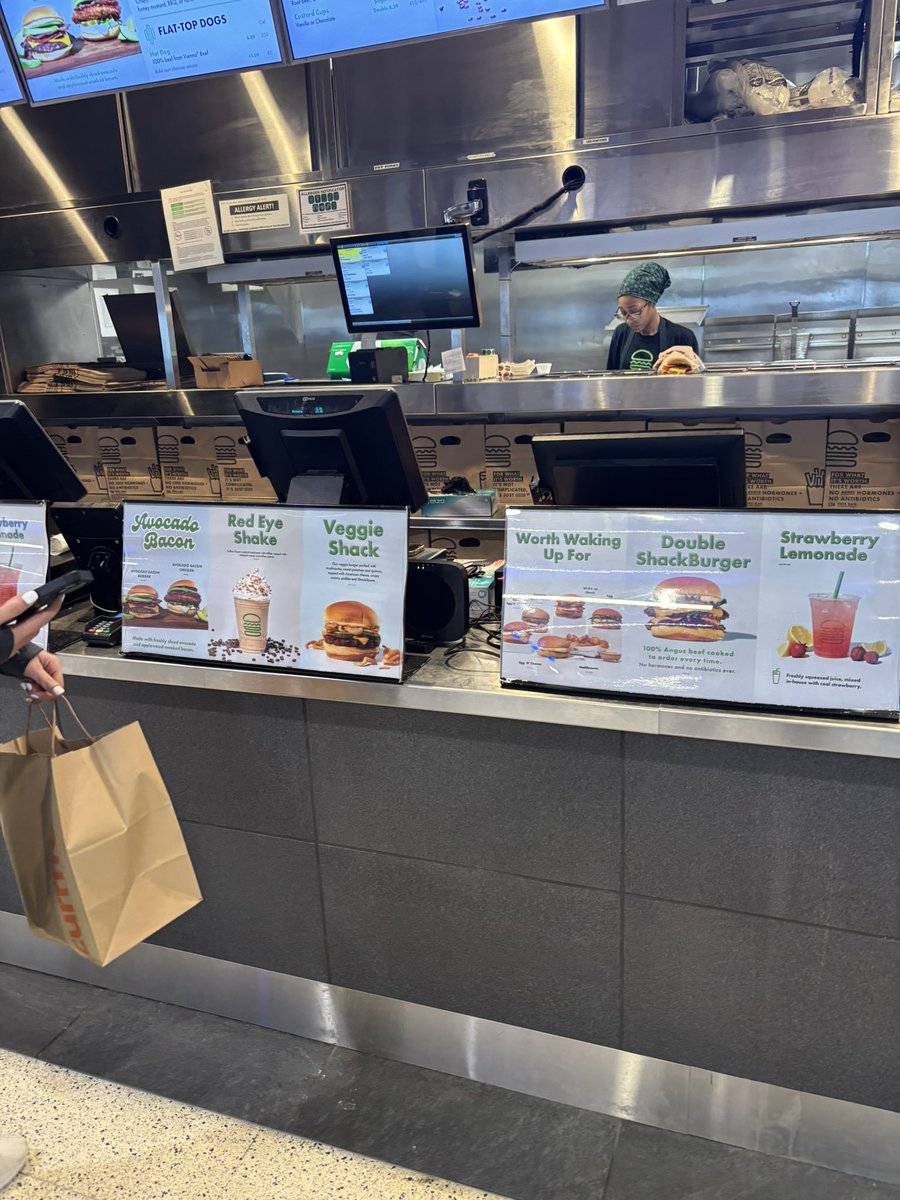
New install live @shakeshack
✔ full bars inside
✔ seamless auto-connect
✔ real carrier offload
The towers are outside.
We connect the inside.
1
11
635
Mar 26
Full bars where it matters.
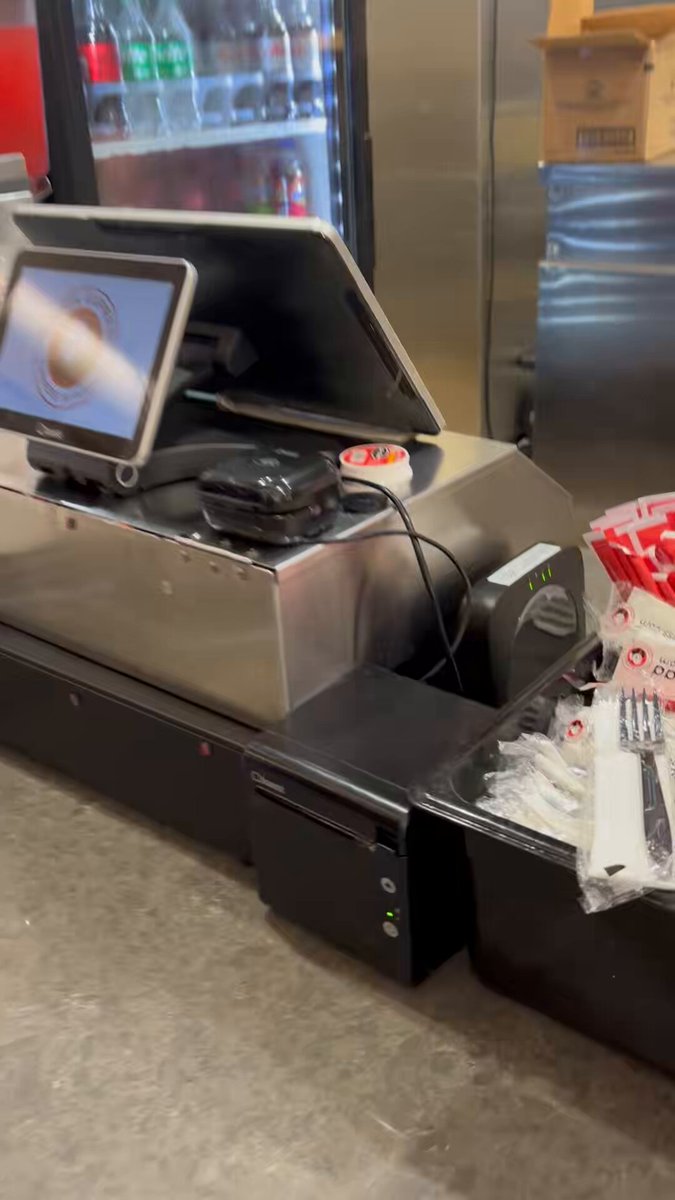
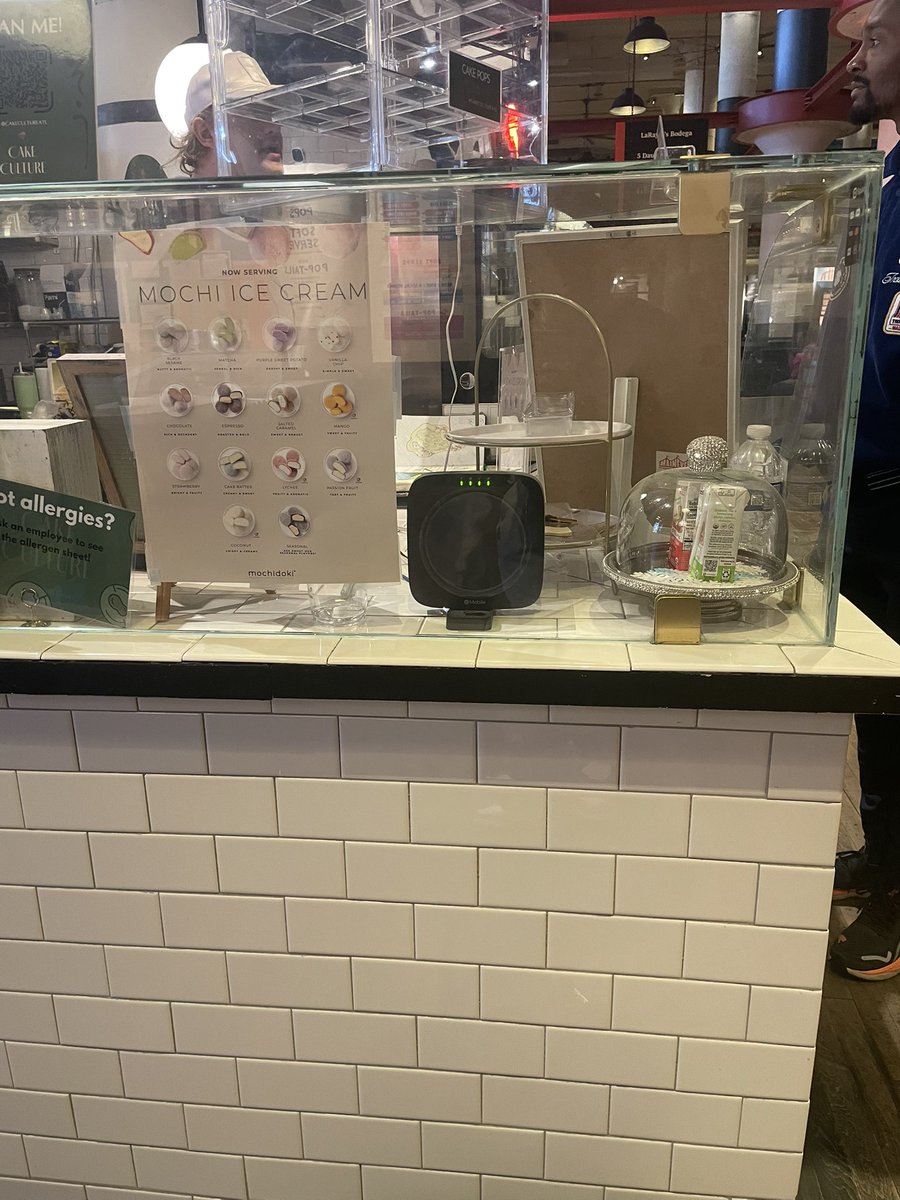
Next time you’re at the Iconic @PonceCityMarket , take a look at that little black box on the counter.
If you’re an AT&T or T-Mobile customer, it’s helping keep your phone locked in with full signal inside the building.
Most people don’t realize it’s there.
But it’s doing important work.
• stronger indoor connectivity
• smoother tap-to-pay transactions
• fewer dropped calls and timeouts
And the best part…
It’s not just improving your experience it’s helping support a small business owner in the process.
That’s the power of decentralized infrastructure.
The towers are outside.
We connect the inside.
1
3
22
8,349