
Joined August 2024
- Tweets 2,250
- Following 1,518
- Followers 498
- Likes 132,665
205 Photos and videos


20 Apr 2025
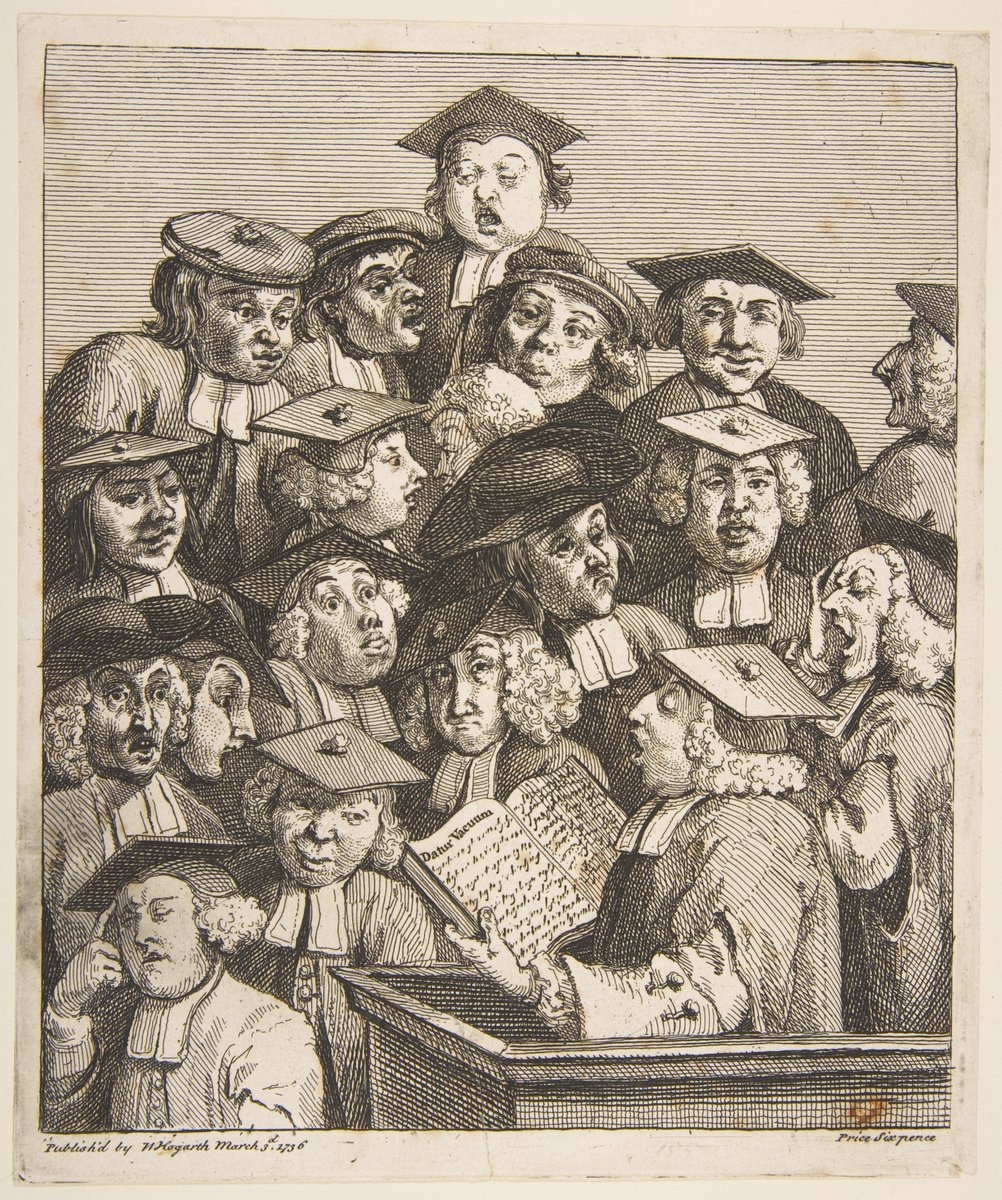
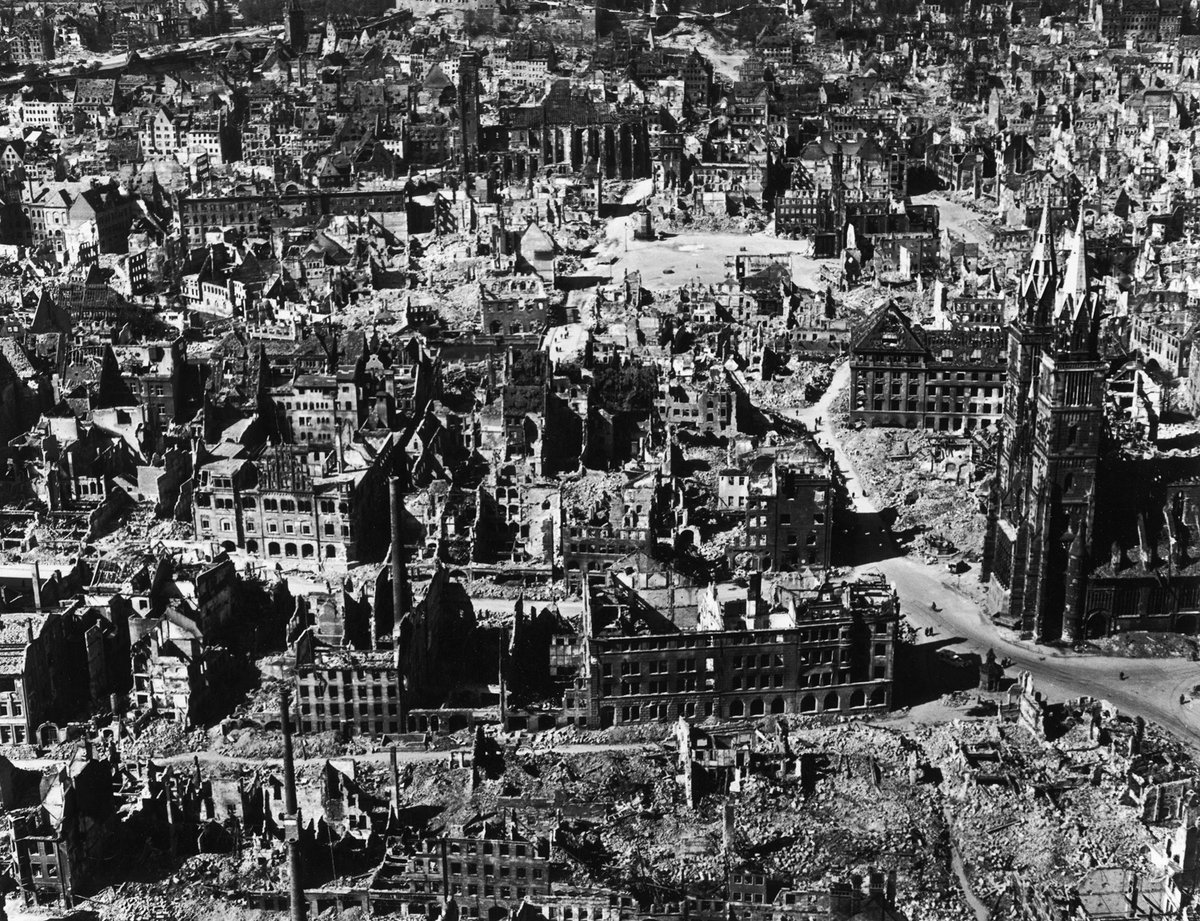
"The founding fathers of modern philosophy . . . went so far as to assert that, just as the knowledge of each individual progresses in the course of his life, the knowledge of the whole human race necessarily advances from day to day, i.e., from generation to generation. In asserting this, they underrated the difference between inherited knowledge, i.e., the knowledge which one acquires in schools and universities, and independently acquired knowledge, i.e., knowledge acquired by a mature scholar. Thus it came to pass that inherited knowledge was given the same cognitive status as independently acquired knowledge. (Witness the phrase: the results of modern research.) Whereas, actually, inherited knowledge is hardly distinguishable from prejudice: inherited knowledge is, in the typical case, a collection of true prejudices. . . . In some cases, it so happens that what, to begin with, is supposed to be inherited knowledge or true prejudice proves to be an inherited error."
Leo Strauss "Historicism" (1941 lecture)
1
3
18
1,623
27 Mar 2025
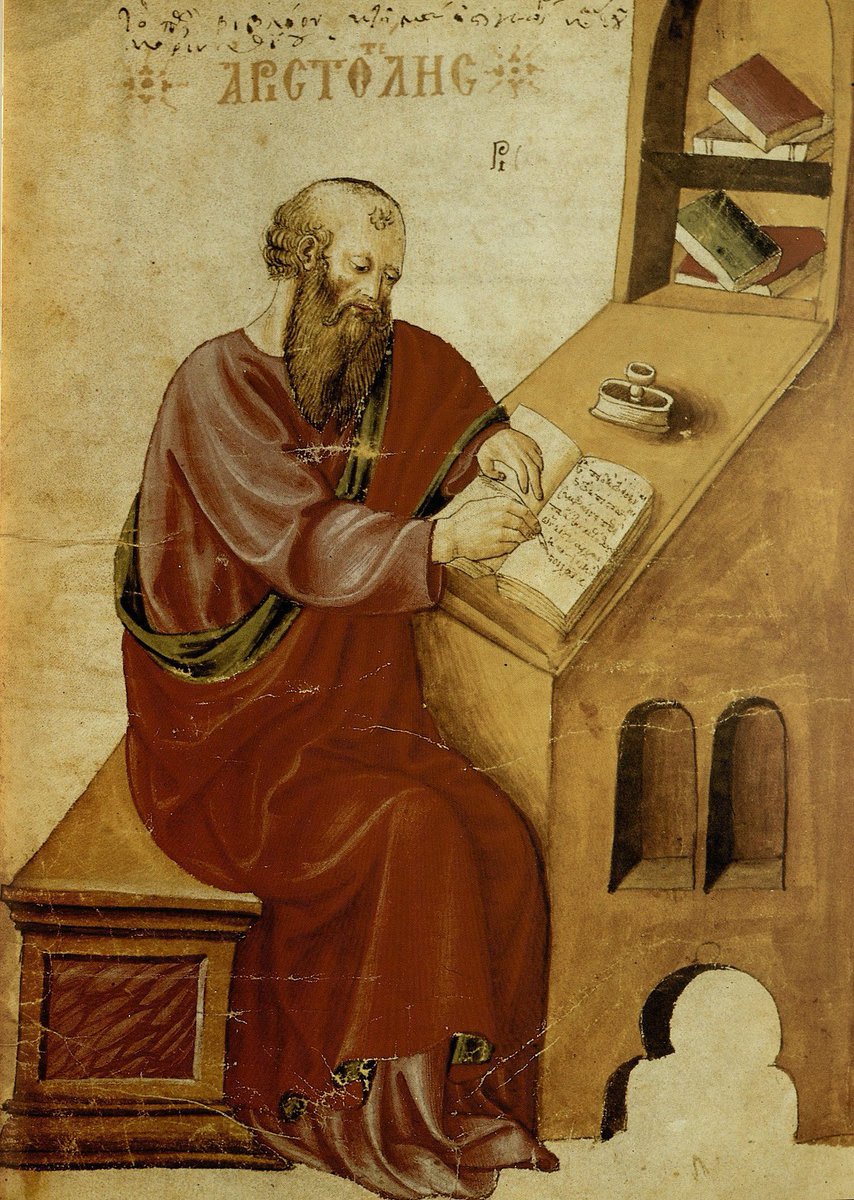
"When we read Aristotle criticizing the views of earlier philosophers—and before him Plato clearly does this, and before both of them Xenophanes and Parmenides—we should keep in mind that because they were concerned for the sake of their more superficial students, they refuted in their works the theories that seemed absurd, whereas the ancient thinkers were accustomed to express their real views enigmatically."
(Simplicius Physics 36.25-31)
2
18
925


21 Mar 2025
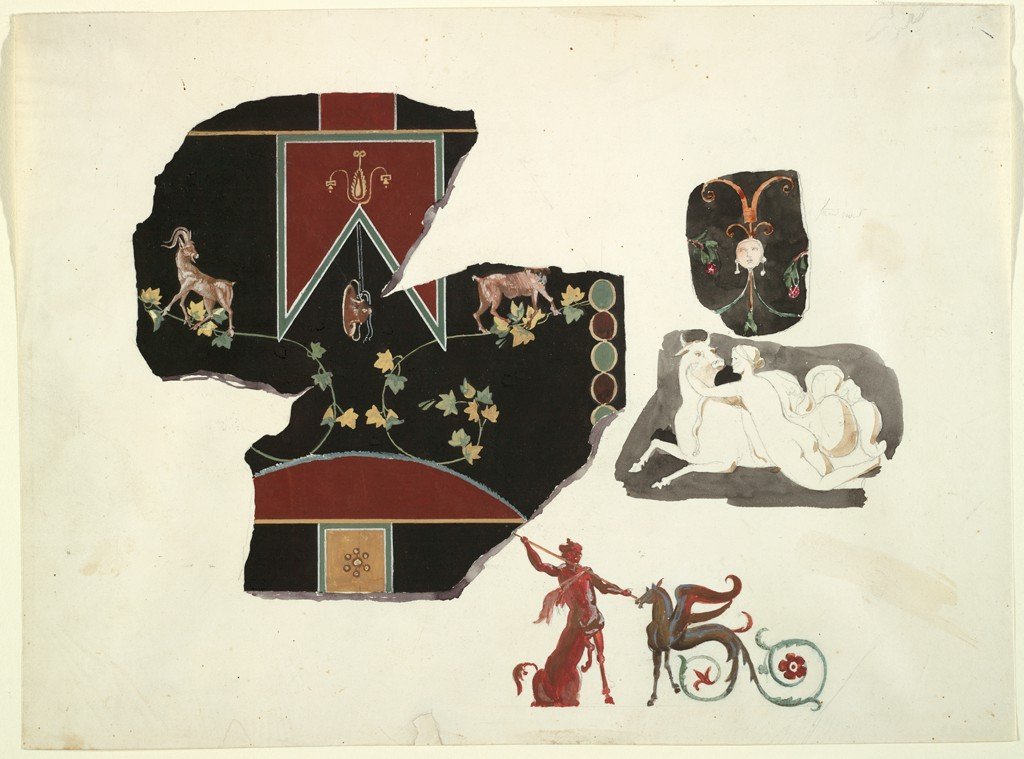
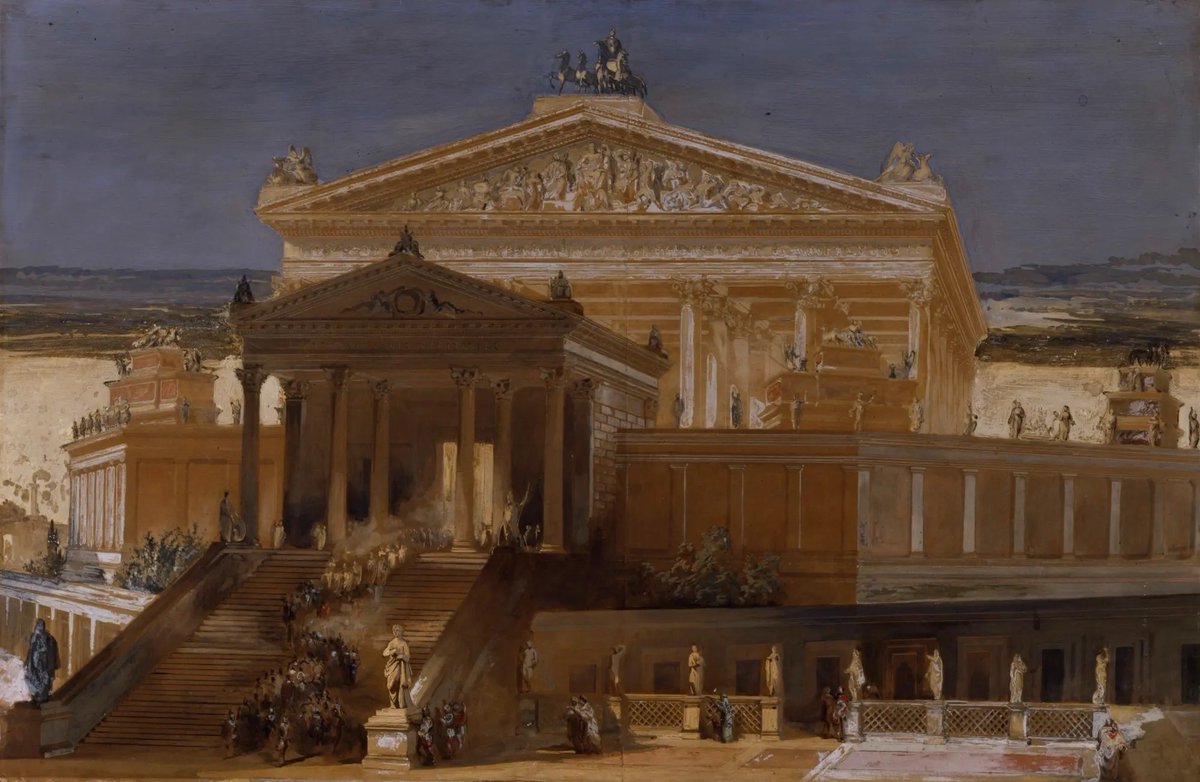
"Epicurus, to avoid offending the Athenians, preserved the gods in words, but in reality did away with them." Cicero On the Nature of the Gods 1.85
2
8
403
Deinocrates retweeted

15 Nov 2021
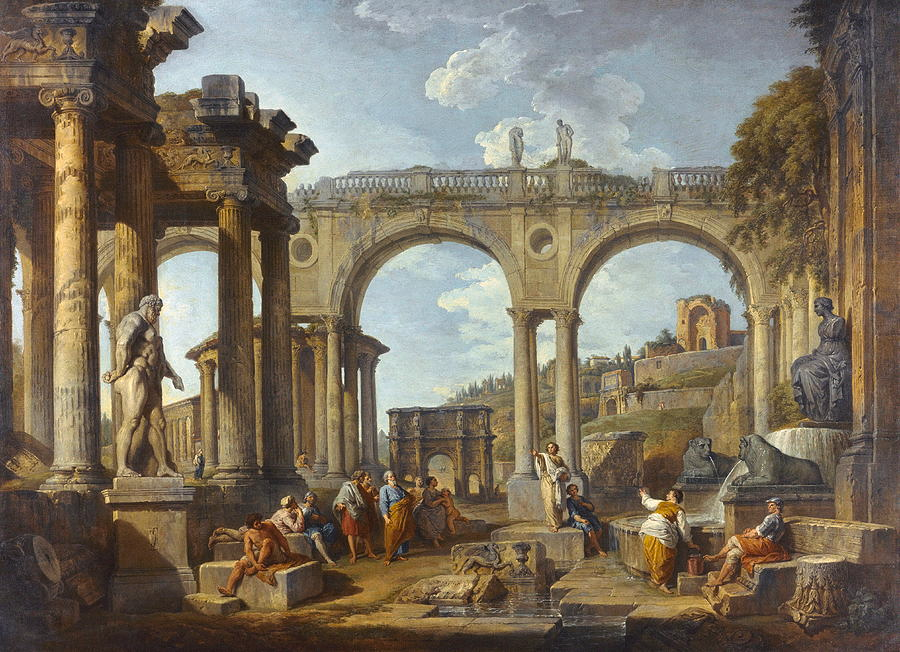
“We are like ignorant shepherds living on a site where great civilizations once flourished. The shepherds play with the fragments that pop up to the surface, having no notion of the beautiful structures of which they were once a part”
14
70
Deinocrates retweeted

21 Nov 2020
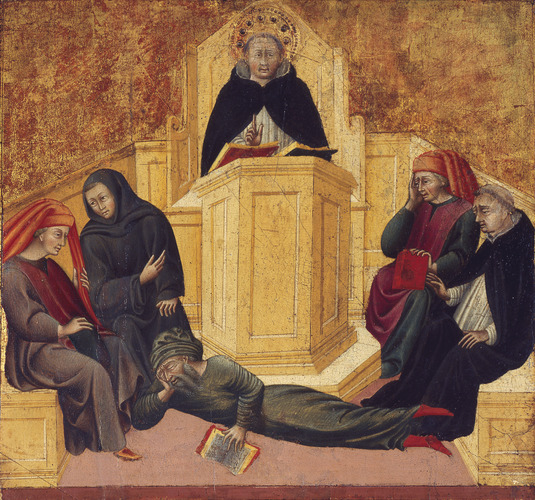
For a long time now there has been widespread an error concerning intellect which originates in the writings of Averroes (On the Unity of the Intellect, Intro.).
21 Nov 2020

St. Thomas Aquinas Confounding Averroës, Giovanni di Paolo, 1445–50 slam.org/collection/objects/… #stlartmuseum #saintlouisart
3
25
Deinocrates retweeted

12 Mar 2025
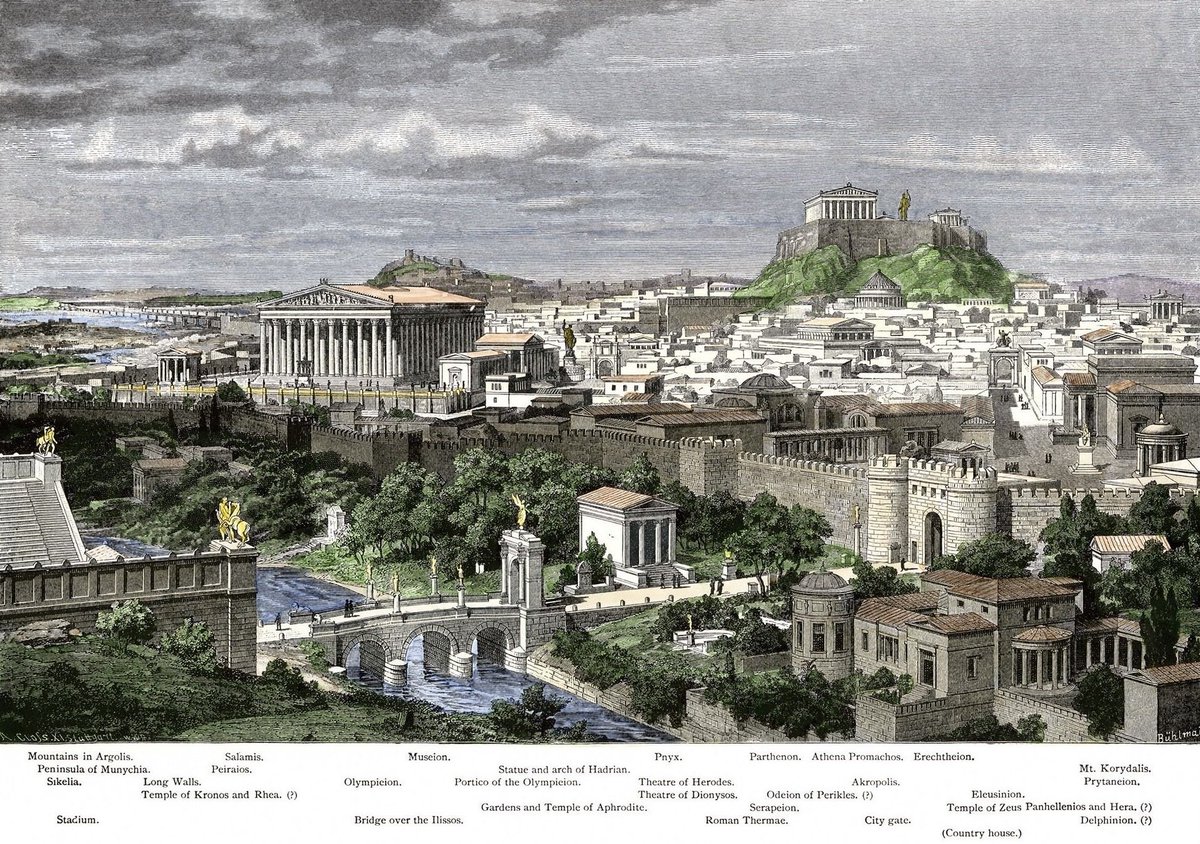
Athens from the East, in the Time of Hadrian
5
228
2,827
68,935
Deinocrates retweeted

11 Mar 2025
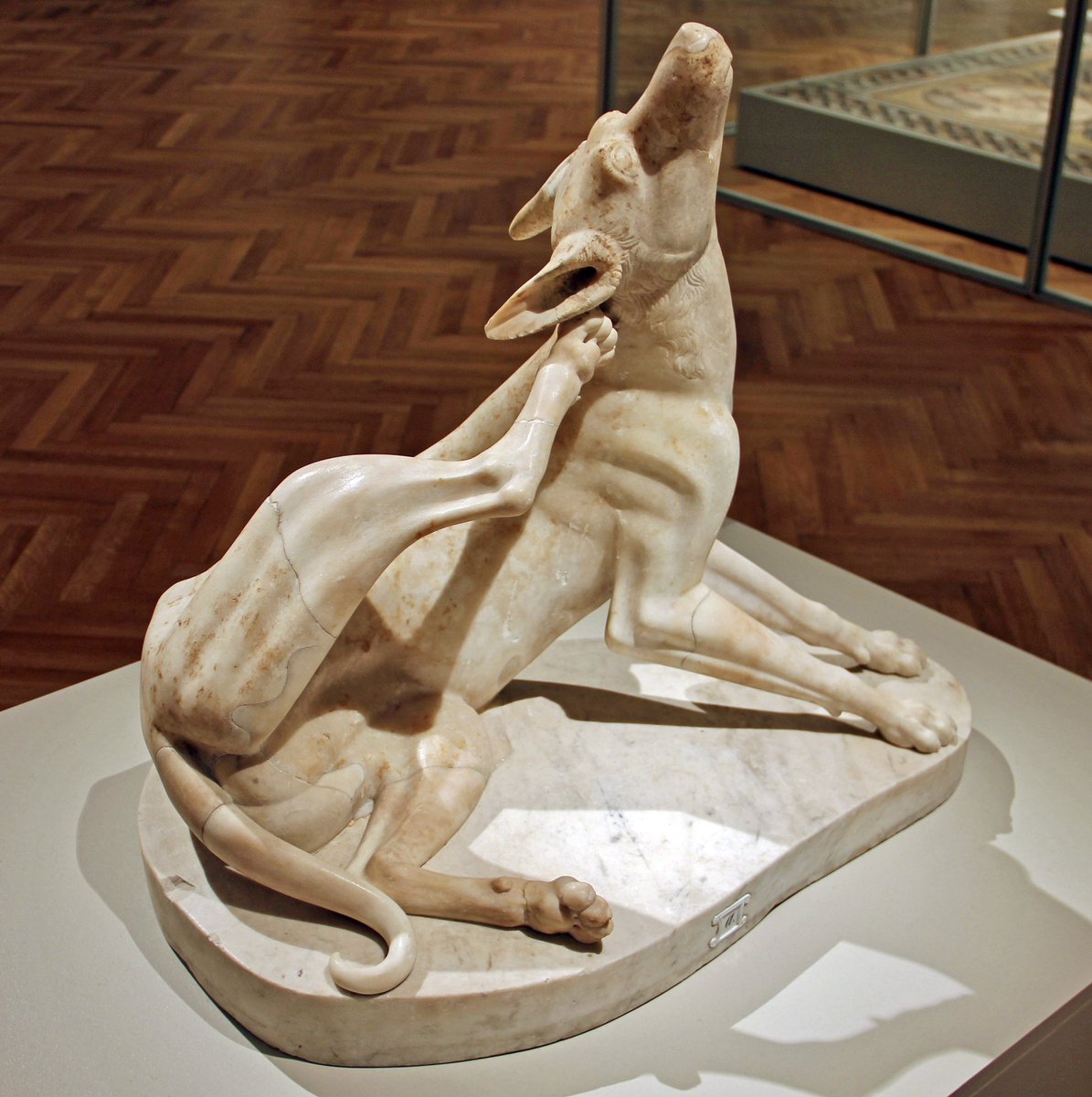
Roman marble sculpture of a greyhound hunting dog scratching her ear, c.2nd century AD, Altes Museum, Berlin.
19
301
1,834
48,649
7 Mar 2025
My life's purpose is to overcome the thought and spirit of Francis Bacon, Thomas Hobbes, and John Locke. Mastery of nature? Science for the relief of man's estate? The rights of man? Comfortable self-preservation? Good try, but the game's up
2
9
533
6 Mar 2025
"In Plato's Theages it is written: 'Each one of us would like to be master over all men, if possible, and best of all God.' This attitude must exist again."
Nietzsche Will to Power 958
2
9
355