
the one اللة
Joined October 2022
- Tweets 2,130
- Following 1,455
- Followers 75
- Likes 1,543
132 Photos and videos
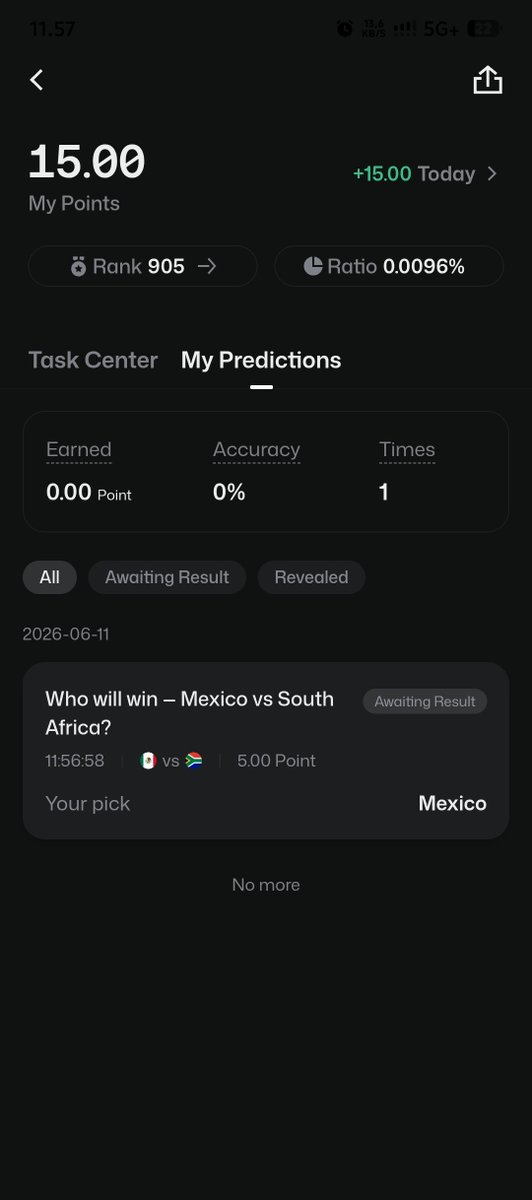
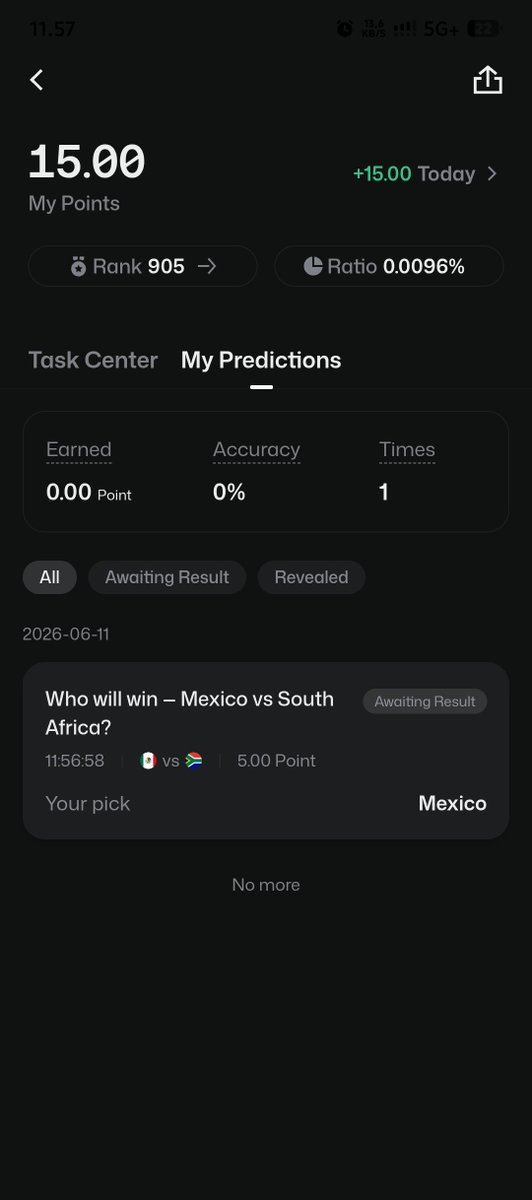



Kiwi's World Cup Special Edition is officially live! ⚽
The Pitch is back. The World Cup is here. And $PROS never sleeps.
Think you're cooking Alpha this summer?
Show me your proof.
Whether you're predicting World Cup results on TopNod or deploying elite AI tasks on Pharos, show me your proof of work and I'll make sure it pays off in $PROS.
Convince me you're creating real value, and I might fund your next move with $PROS.

1,861
414
991
58,685

Jun 8
Requesting $ETH funds from the #Stakely Faucet on the Base blockchain. Request ID: TJ6A7SED #privacy stakely.io/faucet/base-eth
13
shanum retweeted

Feb 26
Invent Money is rewriting how the internet makes money. Welcome to the Era of Contribution Capitalism.
💰
Feb 26

@TheInventionNet doesn't want to disrupt crypto - they want to disrupt everything.
Just dropped a conversation with their founder, @AlanJamesCurtis about building new networks, disrupting current tech, and why crypto is just phase one.
Full episode below:
488
7,650
5,425
111,683
shanum retweeted

CLAIM. LIVE.
claimyshare.io/tge
72 hours until $CYS is sent to your wallet.
1,088
8,477
10,937
113,772
Jun 6
Jun 1

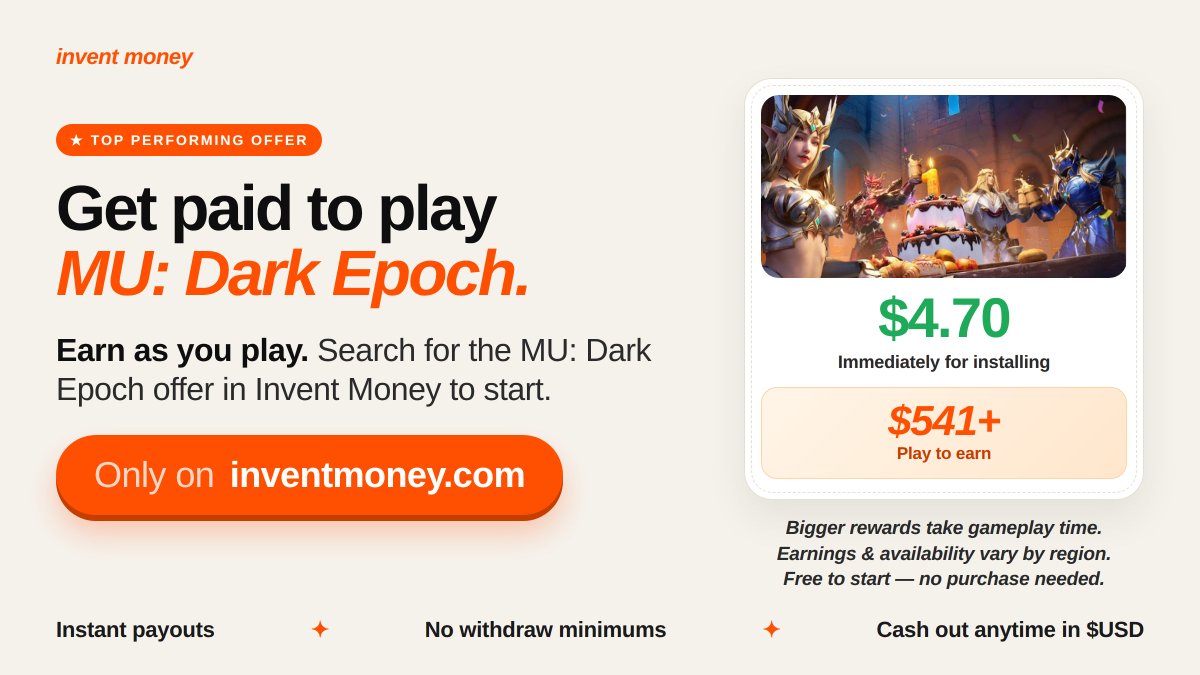
Invent Money Offer Spotlight
Get $4.70 just by installing and opening MU: Dark Epoch.
That's ~$5 in your wallet in less than 5 minutes.
Play to earn up to $541 in total rewards!
Availability and earnings may vary by region.
Only on Invent Money.
5
shanum retweeted

May 28
CROSS PLAY 2.0 is here.
🔗 play.cross.nexus/
CROSS PLAY is now evolving into a web-based quest platform where users can complete missions, earn rewards, and join more ecosystem activities in one place.
Complete quests such as follows, retweets, gameplay missions, and more to earn rewards.
Rewards may include:
• cross-2:native
• Lucky Boxes for special reward chances
Please note:
cross-2:native withdrawal will be marked as Coming Soon at launch and will open once the required wallet and verification flow is ready.
Some quests may require completing the Sign Up mission first before joining other missions.
More quests. More rewards. More ways to play.
Welcome to the new CROSS PLAY.
#CROSSPlay #CROSS
306
1,616
1,282
21,159
shanum retweeted
May 28
112
820
2,303
11,148
shanum retweeted
May 30
🚨 Lucky Box Going Crazy — 500 $CROSS
Miners, this is not a drill.
Someone just opened a Lucky Box and pulled 500 $CROSS.
Yesterday was 100.
Today is 500.
The boxes are heating up, and the next big pull could be sitting in your inventory right now.
Open your Lucky Boxes.
Test your luck.
Congrats to the lucky Miner.
#CROSSPLAY #gacha #luckybox

220
1,290
867
15,363
shanum retweeted
May 29
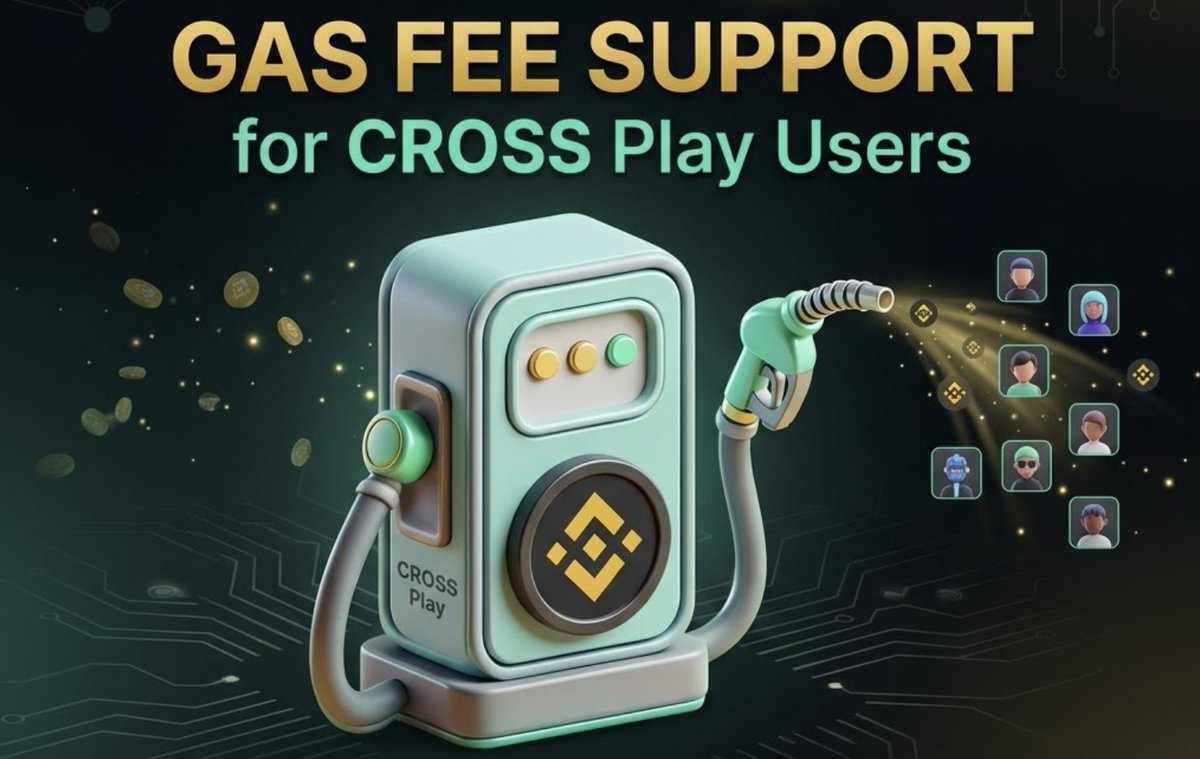
⛽ CROSS Play 2.0 — Gas Fee Support for the First 40,000 Miners
CROSS Play 2.0 is live, and we're covering gas for the first 40,000 new Miners.
New to CROSSx? We're sending some BNB to your wallet so you can move on-chain from day one — no friction, no blockers.
How to qualify (both required, all entries checked):
1. Sign up on CROSS Play web → [play.cross.nexus/]
2. Fill out the form below → [forms.gle/enhd3GQoi5H8V4Qr7]
First-come, first-served. 40,000 spots only. Drop your wallet and lock it in. ⛏️
#CROSSPLAY #Gasfee #onchain
216
1,478
1,051
13,235
May 27
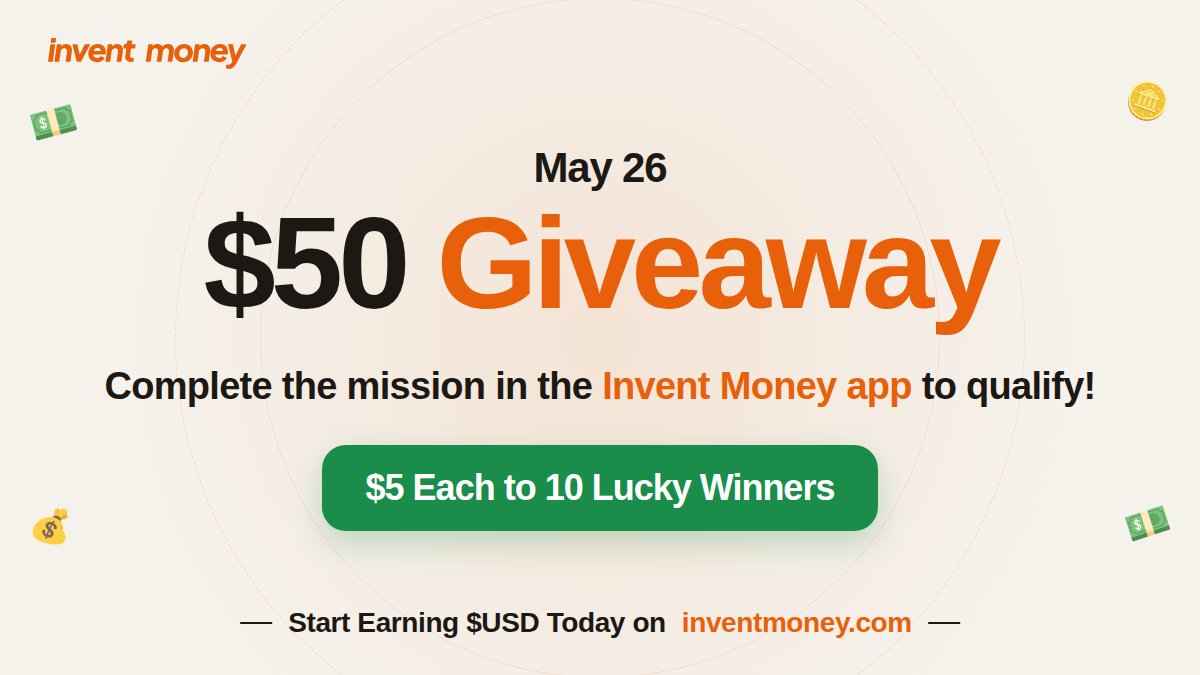
May 26
$5 to 10 lucky winners.
Only on Invent Money.
Complete this mission on Invent Money to enter.
3
May 27
May 25
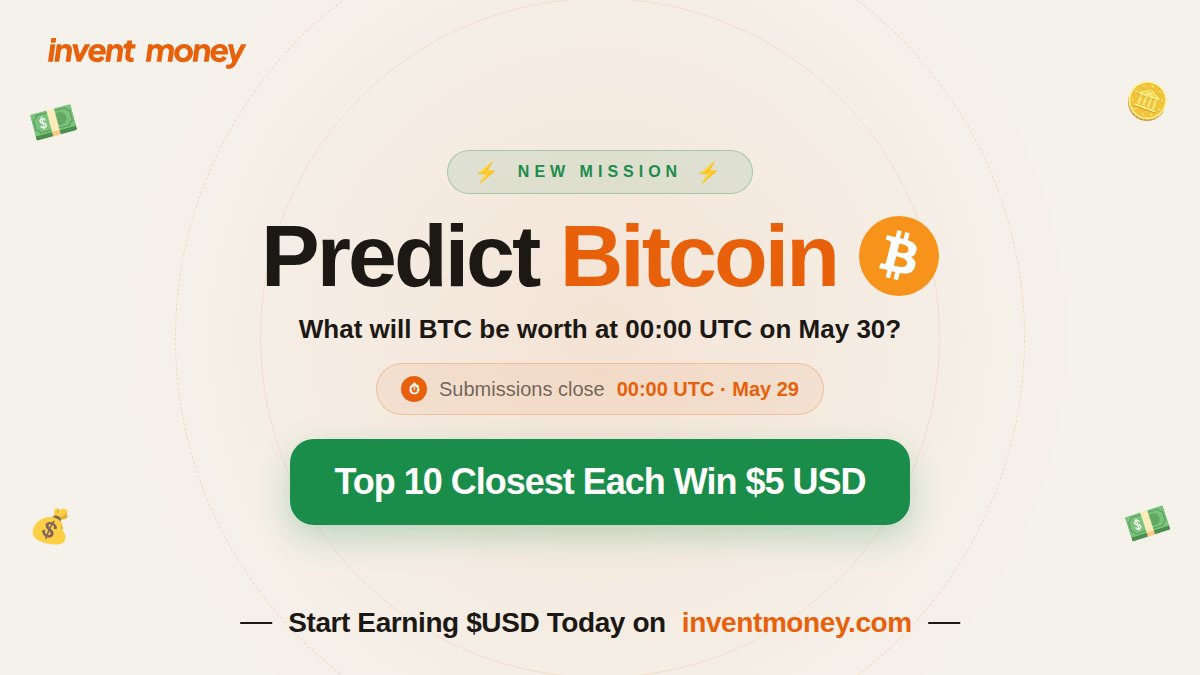
What will the price of Bitcoin be on May 30 00:00 UTC?
Guess correctly and win $5!
The top 10 closest predictions will win $5 each.
Start this mission in Invent Money to participate.
3
May 27
May 22
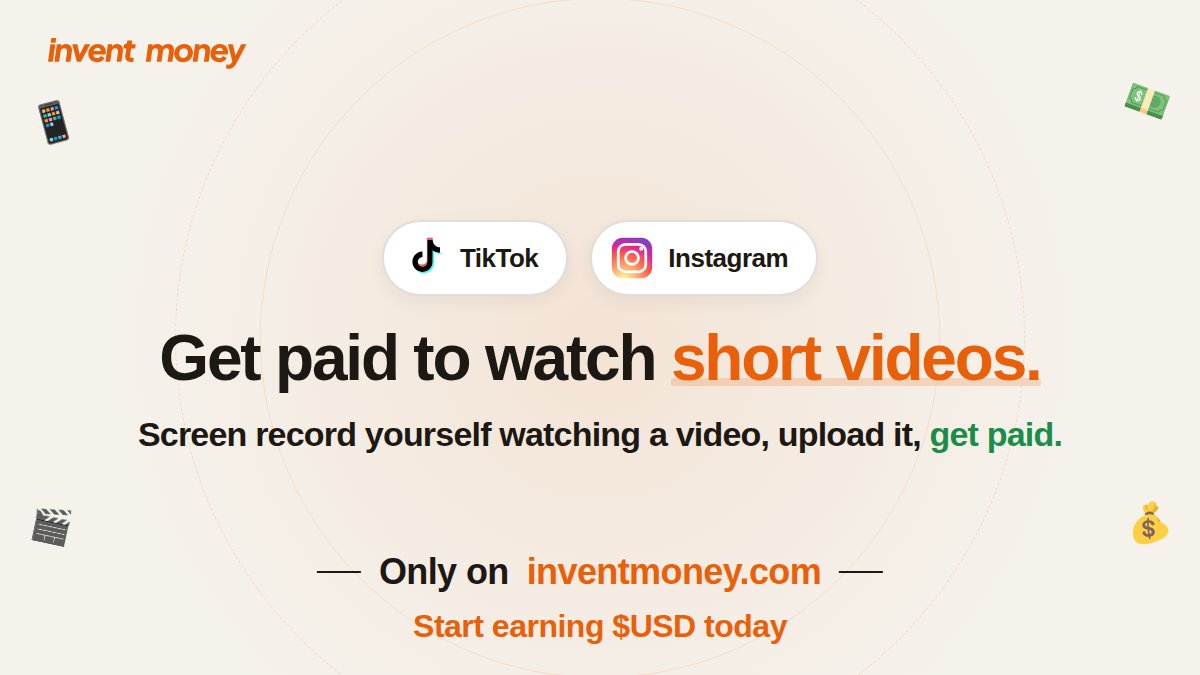
Get paid to watch short videos on Invent Money.
Watch a video, upload proof, get paid. That easy.
Start by finding the "Get paid to watch our Tiktok/Instagram videos!" Missions in your Invent Money account.
2
May 26
$DROPEE could be one of the biggest Telegram ecosystem plays this year.
13M users
8 apps live
Revenue before TGE
Backed by TON narrative
Now they’re building tools to create & distribute Telegram mini-apps.
Farming this early feels like a no-brainer.
@dropee_app
#DROPEE #TON
76
May 26
Lfg $DROPEE @dropee_app
May 13

The $DROPEE TGE is coming on 27th of May.
We're building the world's first tool to create, deploy and distribute mini-apps on Telegram, and $DROPEE will be the heart of our ecosystem.
Empowering the next generation of Telegram creators with $DROPEE.
Massive announcements drops soon. 🚀
1
85
May 26
Requesting $ETH funds from the #Stakely Faucet on the Base blockchain. Request ID: V1RPKKAH #privacy stakely.io/faucet/base-eth
19
shanum retweeted

May 23
Your Agent Card is live. Now it’s time to race. 🧧
Next up in the Pieverse x @okx APP campaign: Red Packet Race.
Send and claim real on-chain Red Packets through your Purr-Fect Claw on X Layer, then climb the leaderboard.
🏁 Race here: pieverse.io/campaigns/redpac…
📝 Guide: pieverse.notion.site/red-pac…
May 22

The Pieverse x @okx APP campaign has begun. 🏎️
First up: your Agent Card.
Claim your Purr-Fect Claw with @wallet, generate your OKX x Pieverse Agent Card, and post it on X to qualify for the campaign.
Agent Cards are already filling the timeline—@pieverse_agent0 may be in your replies soon. 👀
Coming soon: Red Packet Race and Treasure Code in action.
🏁 Start here:
pieverse.io/campaigns/piever…
📝 Tutorial: pieverse.notion.site/red-pac…
82
12
90
27,573
May 24
Meet dez-eth.pie — my onchain agent on @pieverse_io.
Wallet, skills, deployed in Telegram. Took about 60 seconds.
pieverse.io/campaigns/piever…
@pieverse_io @pieverse_agent0 #PurrfectOnchain
1
1
23
May 23
May 22

🚀 Celebrate $BOSON AMA on #KuCoin with a thrilling giveaway!
🎉 Win a share of 66,667 $BOSON for 100 winners
How to enter:
1⃣Follow @kucoincom and @BosonProtocol in X for the AMA
2⃣Join KuCoin Exchange group and BosonProtocol group in Telegram for the AMA
3⃣Like, Repost with quote "Trade $BOSON on #KuCoin!" tag 3 friends
4⃣Complete this out: gleam.io/X8RyU/kucoin-x-boso…
19
shanum retweeted

May 22
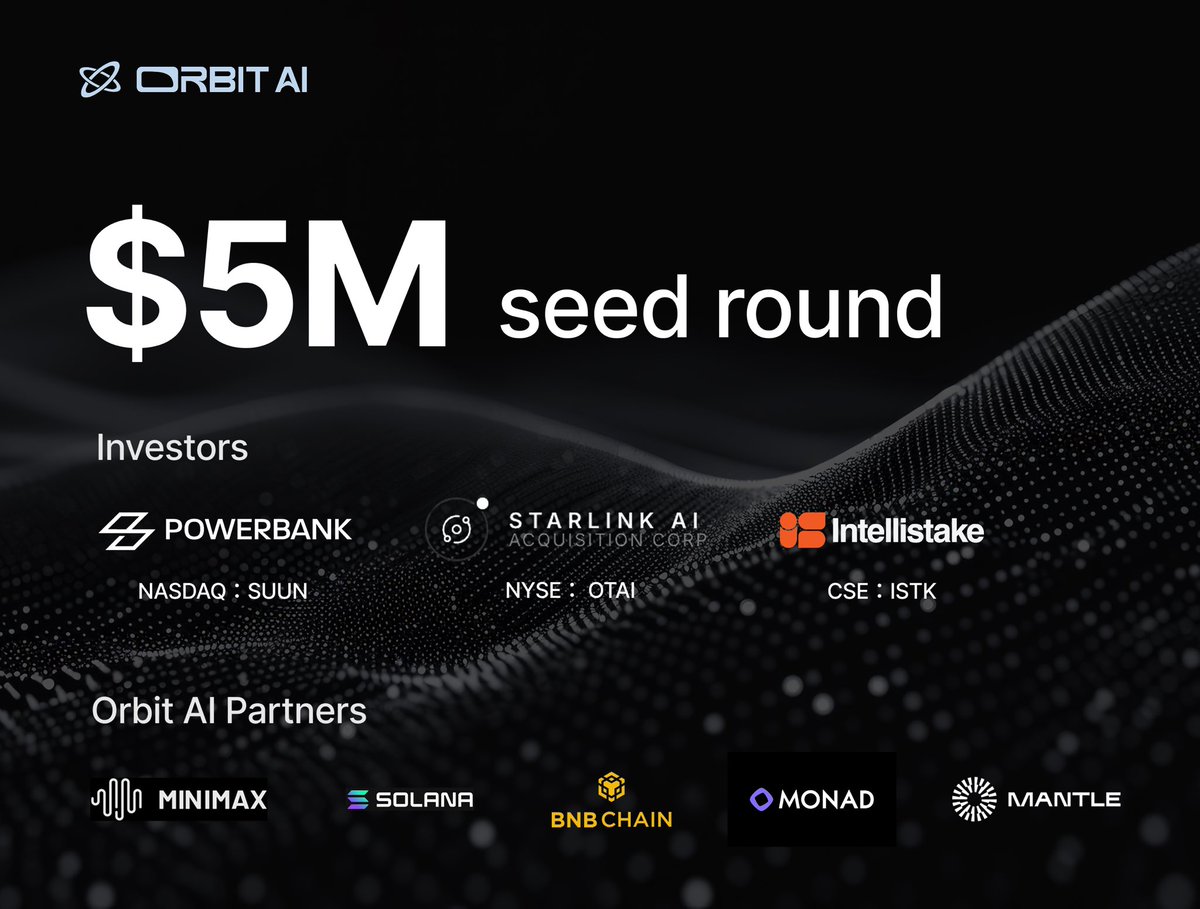
Orbit AI has completed a $5M seed funding round to explore the next generation of Space and AI.
Backed by listed companies including Intellistake (CSE: ISTK) , Starlink AI (NYSE: OTAI) and PowerBank (NASDAQ: SUUN), Orbit AI is building the first decentralized AI cloud in space — combining satellite AI compute, communication and remote sensing for AI agents, builders and autonomous systems.
We’re also supported by a growing ecosystem of AI, space and blockchain partners, including @MiniMax_AI , @solana , @BNBCHAIN , @monad and @Mantle_Official .
From orbital intelligence to AI-native infrastructure, Orbit AI is moving compute beyond Earth.
orbitai.global
94
233
646
166,819
shanum retweeted
10 Dec 2025
Orbit AI Satellite Successfully Achieve World’s First Orbital AI Deployment and Launching Digital AI Sovereignty
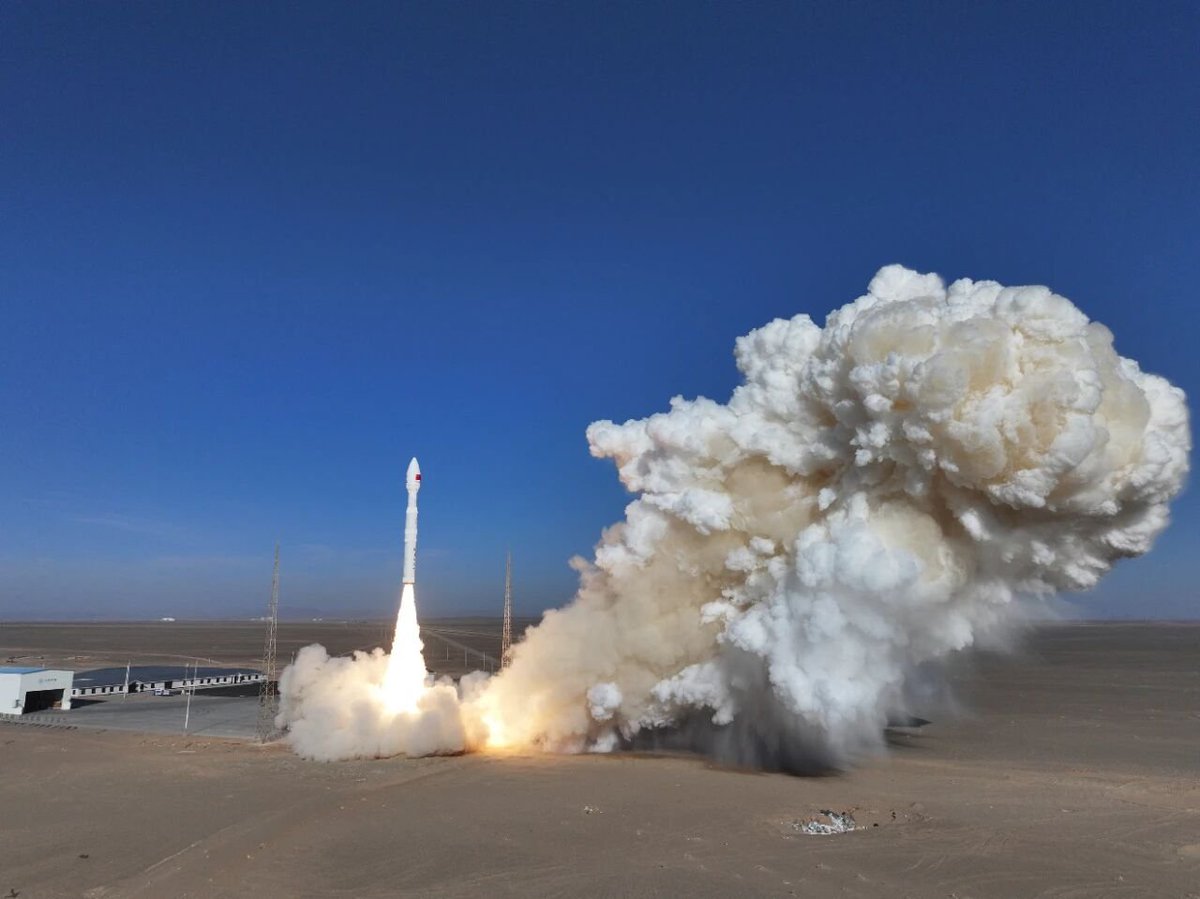
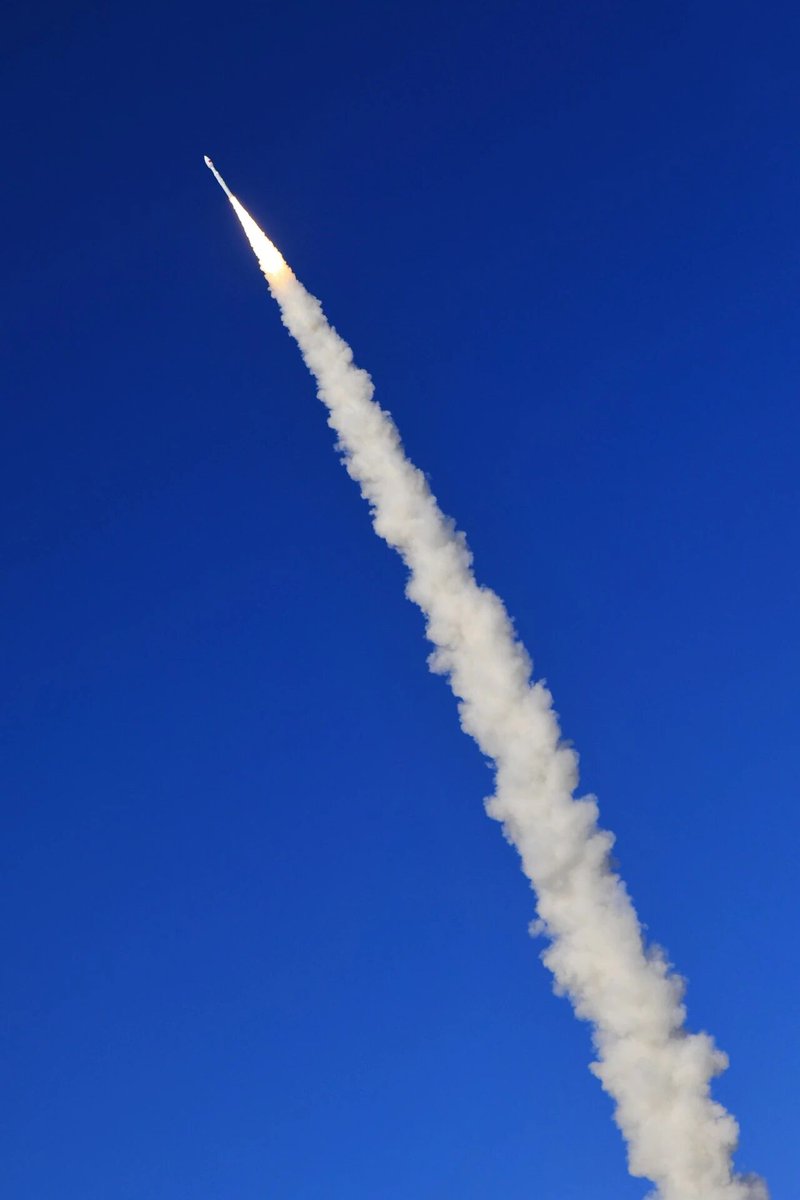
Decentralized Orbital AI Network Orbit AI @OrbitAI_OAI today announced that the first satellite, “OAI Genesis-1,” has successfully launched and entered Low Earth Orbit (LEO).
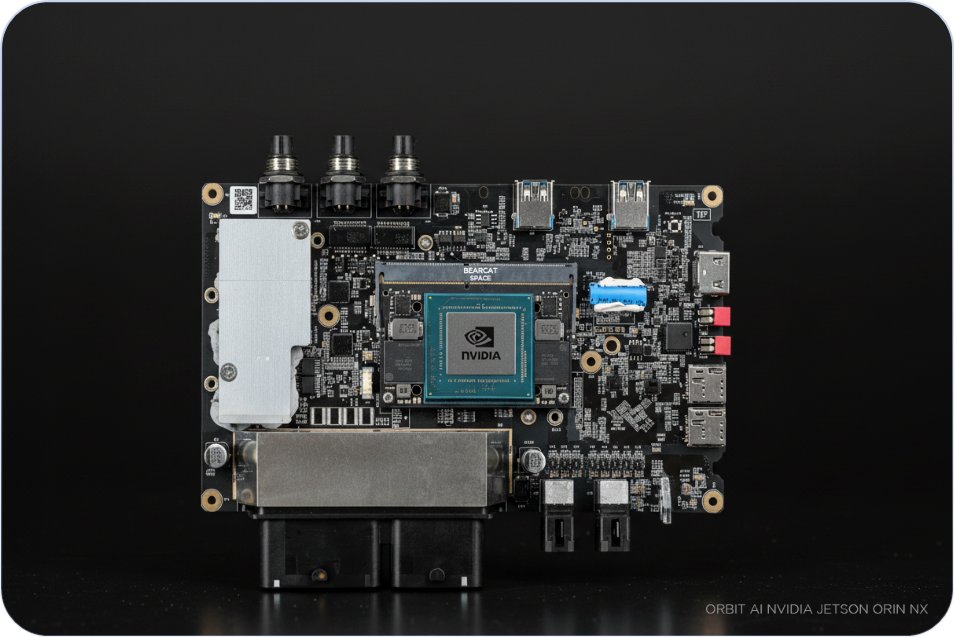
Amidst fierce competition from tech giants (e.g., Starlink @Starlink @elonmusk , Google AI Project Suncatcher) in space AI computing, this launch signifies Orbit AI’s position as the first to achieve real-world AI deployment, formally inaugurating its "Orbit AI Cloud Platform." Genesis-1 is equipped with NVIDIA @nvidia AI Compute Cores, running a 2.6B parameter AI model for real-time analysis of infrared remote sensing data in space. By processing data on orbit, Genesis-1 drastically reduces critical information retrieval time (e.g., disaster alerts, maritime monitoring) from hours to mere seconds, while cutting transmission bandwidth costs by over 90%. Furthermore, Orbit AI has partnered with from energy company Powerbank (NASDAQ: SUUN) (prnewswire.com/news-releases…), utilizing infinite solar power to achieve carbon-neutral computing and projecting a reduction in overall energy operational costs by 60%.
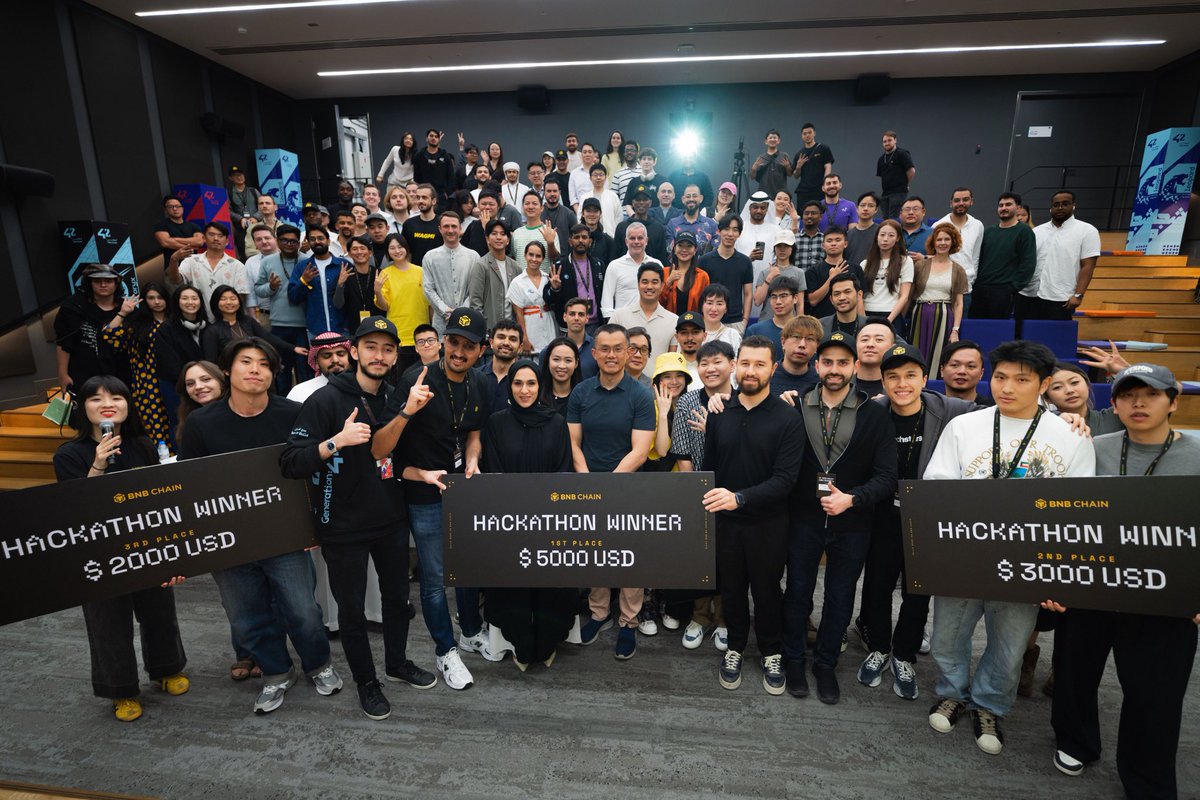
Following its triumph at the @BNBCHAIN Hackathon (x.com/BNBCHAIN/status/199733…), Orbit AI protocol is committed to creating an ultimate censorship-resistant deployment environment: Developers can deploy AI models, privacy applications, financial algorithms, and even blockchain nodes on the satellite network. This ensures that code and data operate in a physically isolated, neutral environment beyond the jurisdiction of major nations, guaranteeing extreme digital sovereignty and service resilience. Orbit AI will also leverage the RWA (Real World Assets) mechanism to allow community users to purchase satellite NFT shares, becoming co-owners of this space infrastructure and sharing in its compute revenues, thus building a community-owned orbital AI economy.

What a finish for #BNBHack Abu Dhabi 🪩
Thank you to all builders, mentors & judges for keeping the building spirit alive over the past two days 👷
Congrats to all winners:
🔸 BNB Hack: Defi Pro, Midas & HeroPath
🔸 Demo Night: @SilentSwap, @renaissxyz, @OrbitAI_OAI, @getUSDi
Hugs shoutout to our sponsors @chatandbuild and @APRO_Oracle
Onto the next Local Hack 🔜
21
164
377
24,749